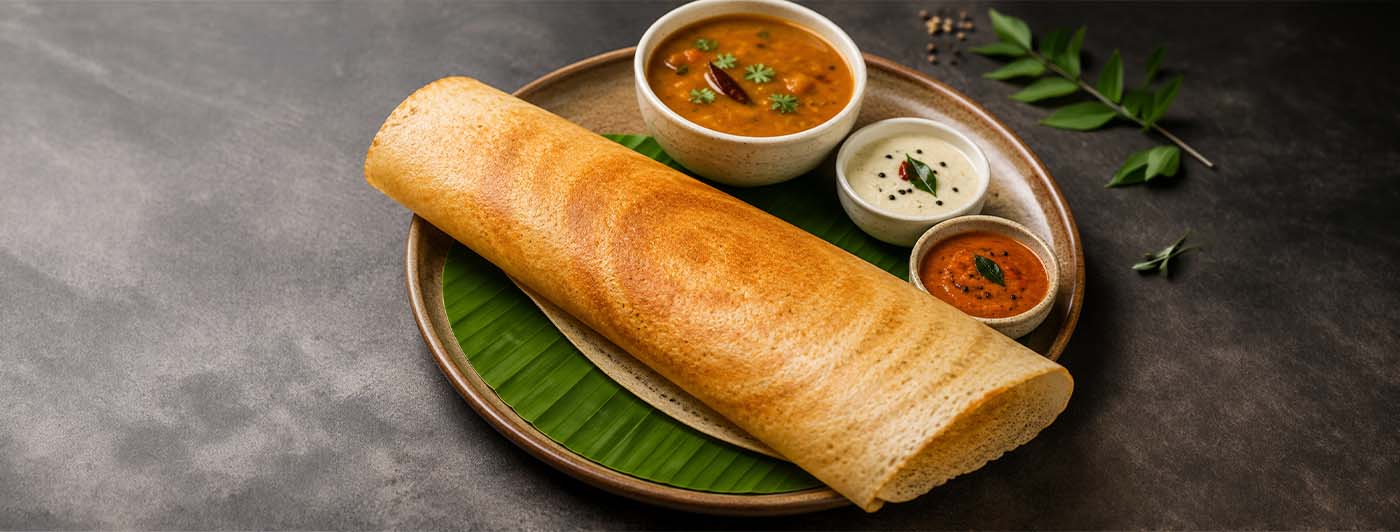
Dosa is one of India's most eaten breakfast foods — light, crispy, and available in every South Indian home and restaurant. But the standard rice-and-urad batter dosa that most people eat delivers approximately 2–3g protein per piece. For Indians trying to increase daily protein intake, that number is a problem. The good news is that dosa batter is one of the most protein-flexible foods in the Indian kitchen — small changes to the batter composition can triple or quadruple the protein per piece without changing the fundamental character of the dish. This guide covers every high-protein dosa variant, what to pair with dosa for maximum protein, and how to use dosa as a daily protein delivery vehicle.
How Much Protein Does Dosa Have?
A standard plain dosa made from rice-urad batter contains 2–3g protein per piece (approximately 30–40g batter) — rising to 7–9g for a besan chilla, 6–8g for a moong dal dosa, and 8–10g for a ragi-besan dosa — because fermentation of the rice-urad batter improves protein bioavailability by 10–15% while reducing antinutrients, according to afermented food study. The protein gap between a plain dosa and a protein dosa is not a minor difference — it is the difference between a breakfast that contributes meaningfully to daily protein targets and one that is primarily carbohydrate.
Protein Breakdown: Dosa Types Compared
1. Protein per Piece by Dosa Variety
|
Dosa Type |
Batter Composition |
Protein per Piece |
Calories per Piece |
|
Plain dosa (standard) |
Rice + urad dal |
2–3g |
70–100 kcal |
|
Ragi dosa |
Ragi + urad dal |
3–4g |
80–110 kcal |
|
Moong dal dosa |
Moong dal (whole/split) |
6–8g |
90–120 kcal |
|
Besan chilla |
Besan (gram flour) |
7–9g |
100–130 kcal |
|
Besan + ragi dosa |
Besan + ragi flour |
7–9g |
100–120 kcal |
|
Pesarattu (Andhra) |
Whole green moong |
8–10g |
100–130 kcal |
|
Adai (Tamil Nadu) |
Rice + mixed dal |
8–12g |
120–160 kcal |
|
Soya dosa |
Soya flour + rice |
10–13g |
110–140 kcal |
|
Plant protein dosa |
Standard batter + 1 scoop plant protein |
12–15g |
120–150 kcal |
Source: ICMR-NIN Indian Food Composition Tables 2017; nutritional calculations based on standard batter ratios
2. What Makes a Dosa High Protein — Ingredient by Ingredient
|
Ingredient |
Protein per 100g |
Role in Batter |
|
Besan (gram flour) |
22g |
Primary protein booster — see ourbesan protein guide |
|
Urad dal (whole) |
25g |
Standard dosa base — protein-rich legume |
|
Moong dal (whole green) |
24g |
Pesarattu base — high protein, easy to digest |
|
Ragi flour |
7.3g |
Adds calcium and fibre — pairs with besan |
|
Soya flour |
36g |
Highest protein flour addition |
|
Rice flour |
6–7g |
Standard base — lowest protein of the group |
|
Plant protein powder |
80–85g |
Most concentrated protein addition per gram |
Protein Dosa vs Other Indian Breakfast Options: Which Is Better?
|
# |
Parameter |
Protein Dosa (moong/besan) |
Plain Dosa |
Idli (2 pieces) |
Roti (1 piece) |
Poha (1 bowl) |
Winner |
|
1 |
Protein per serving |
7–10g |
2–3g |
3–4g |
3g |
2–3g |
Protein dosa |
|
2 |
Glycaemic Index |
~52–58 |
~65–77 |
~65–70 |
~62 |
~72 |
Protein dosa |
|
3 |
Fibre |
3–5g |
0.5–1g |
0.8g |
2g |
1g |
Protein dosa |
|
4 |
Fermentation benefit |
Yes (if fermented batter) |
Yes |
Yes |
No |
No |
Dosa / Idli |
|
5 |
Preparation time |
10–15 min |
10–15 min |
20–30 min |
5–10 min |
10 min |
Roti |
|
6 |
South Indian versatility |
High |
Highest |
High |
Low |
Low |
Plain dosa |
|
7 |
Protein cost efficiency |
High |
Low |
Low |
Moderate |
Low |
Protein dosa |
One-line verdict: A moong dal or besan protein dosa delivers 3–4x more protein than a plain dosa at a similar calorie count — making it the strongest high-protein breakfast option in South Indian cuisine. For the full idli comparison, see ourragi protein guide.

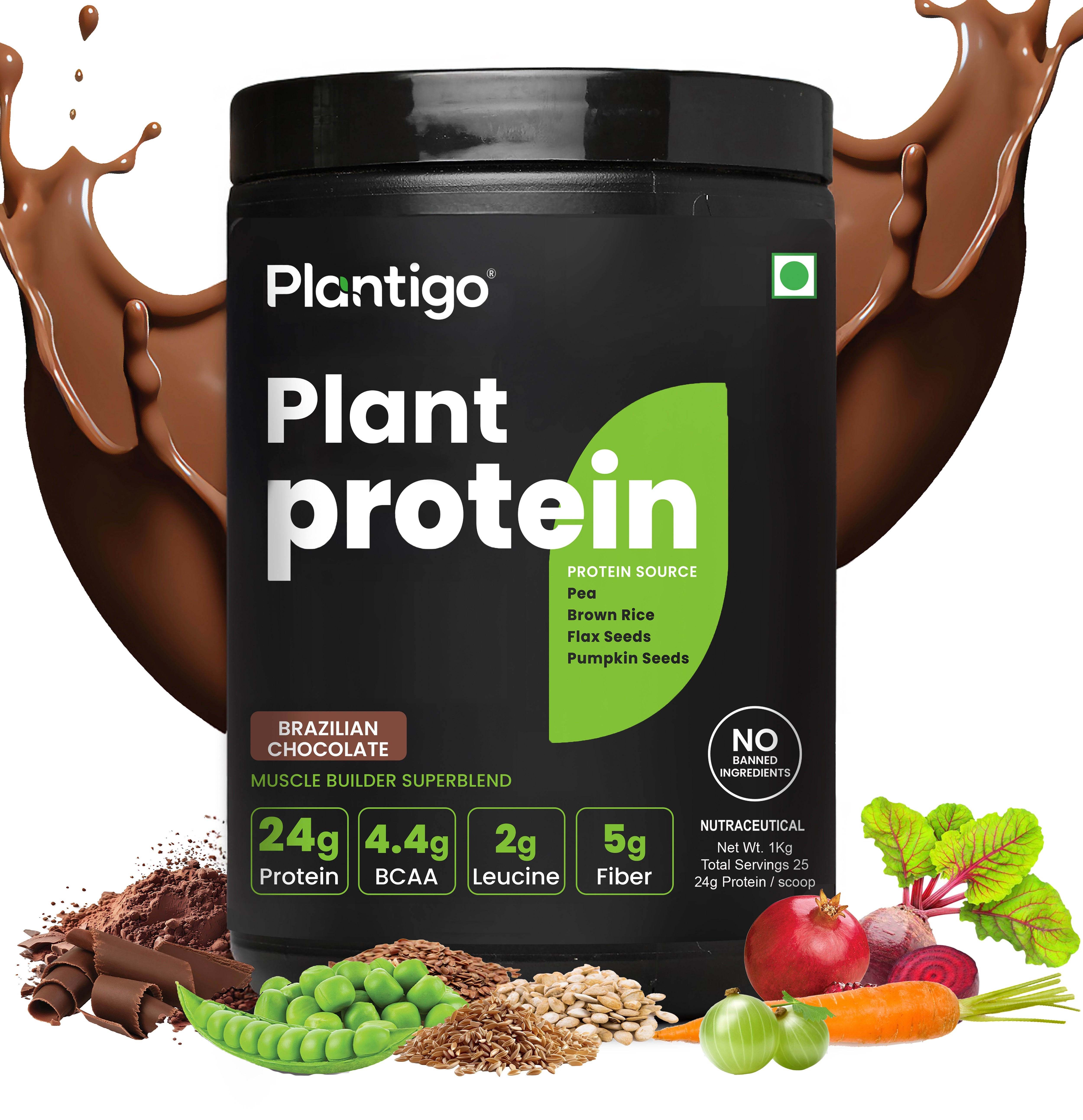
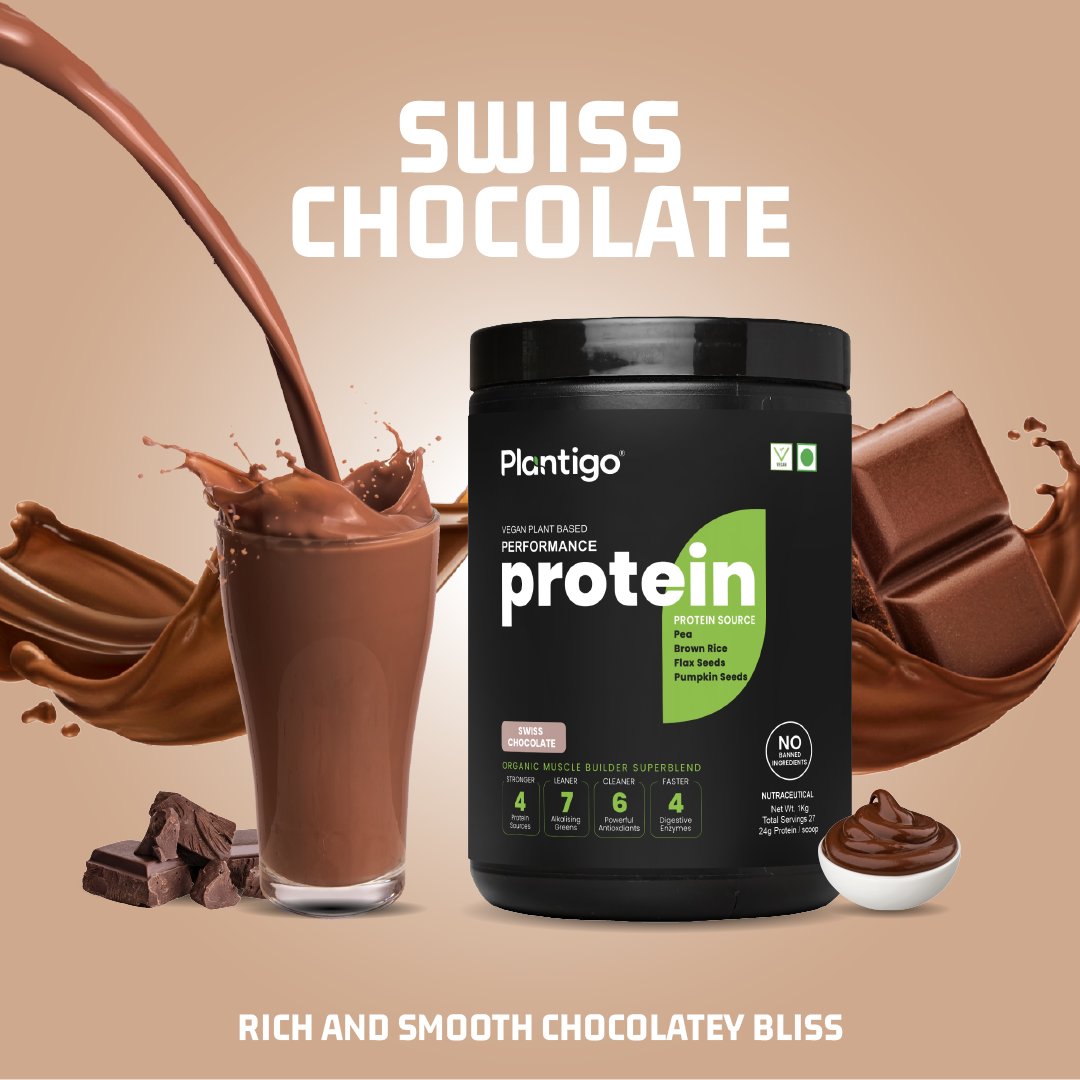
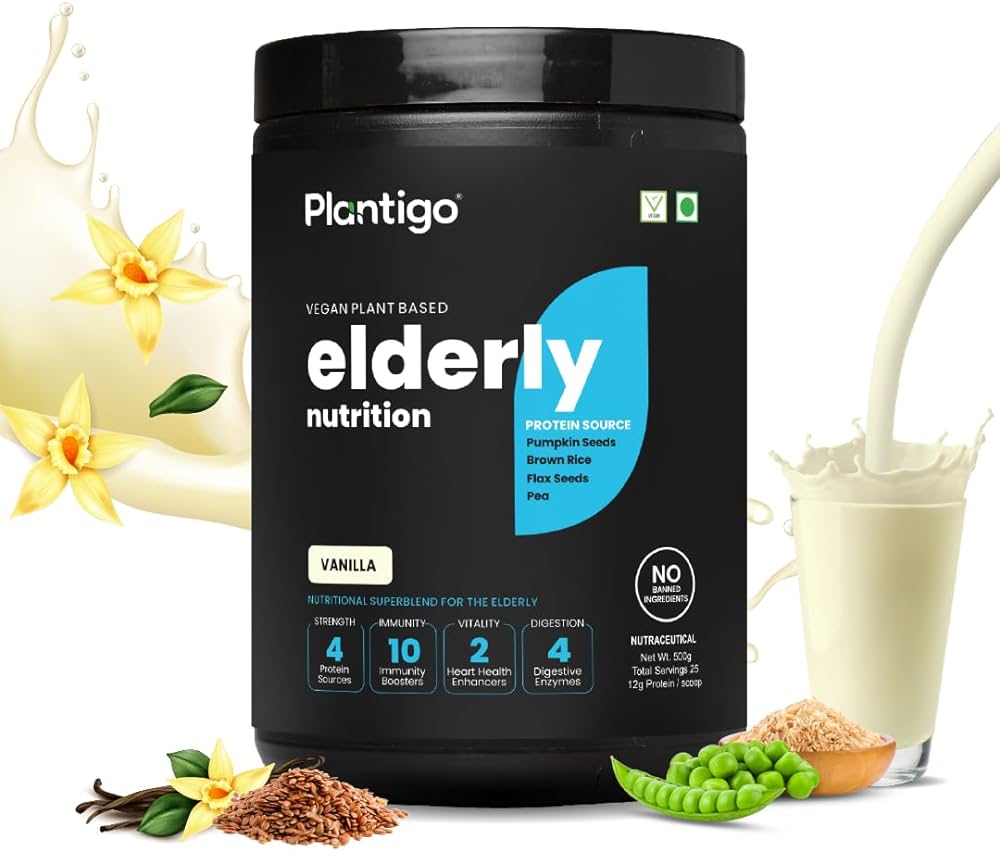
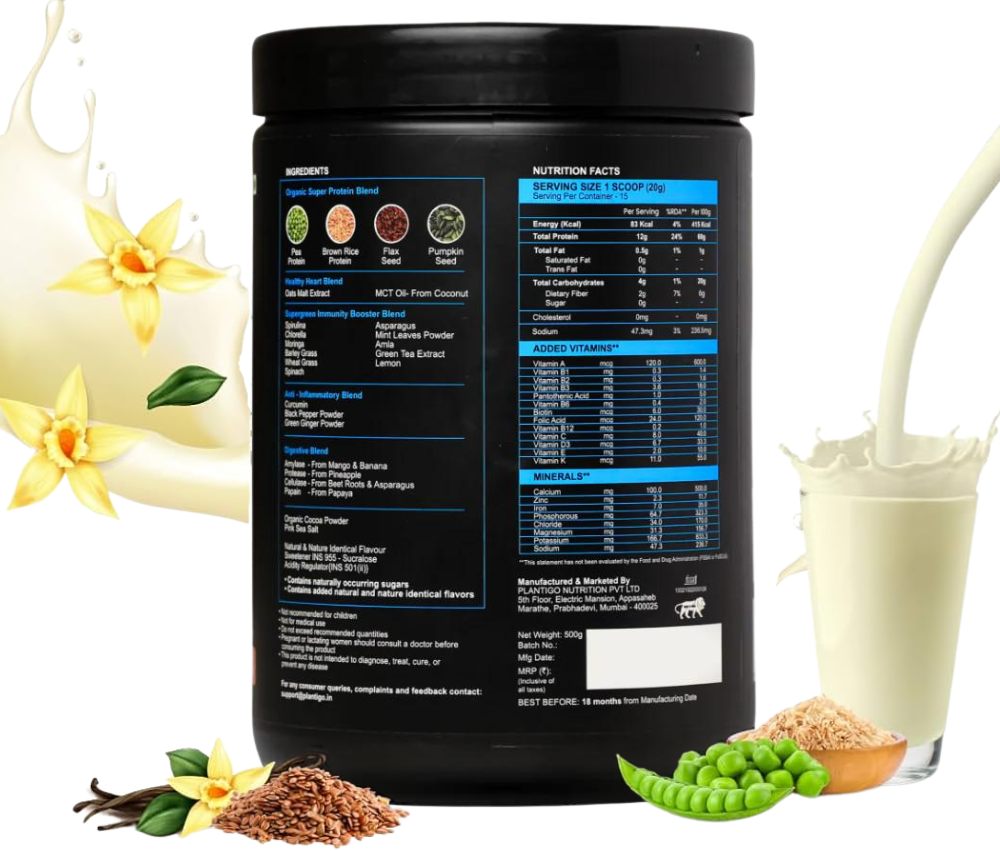
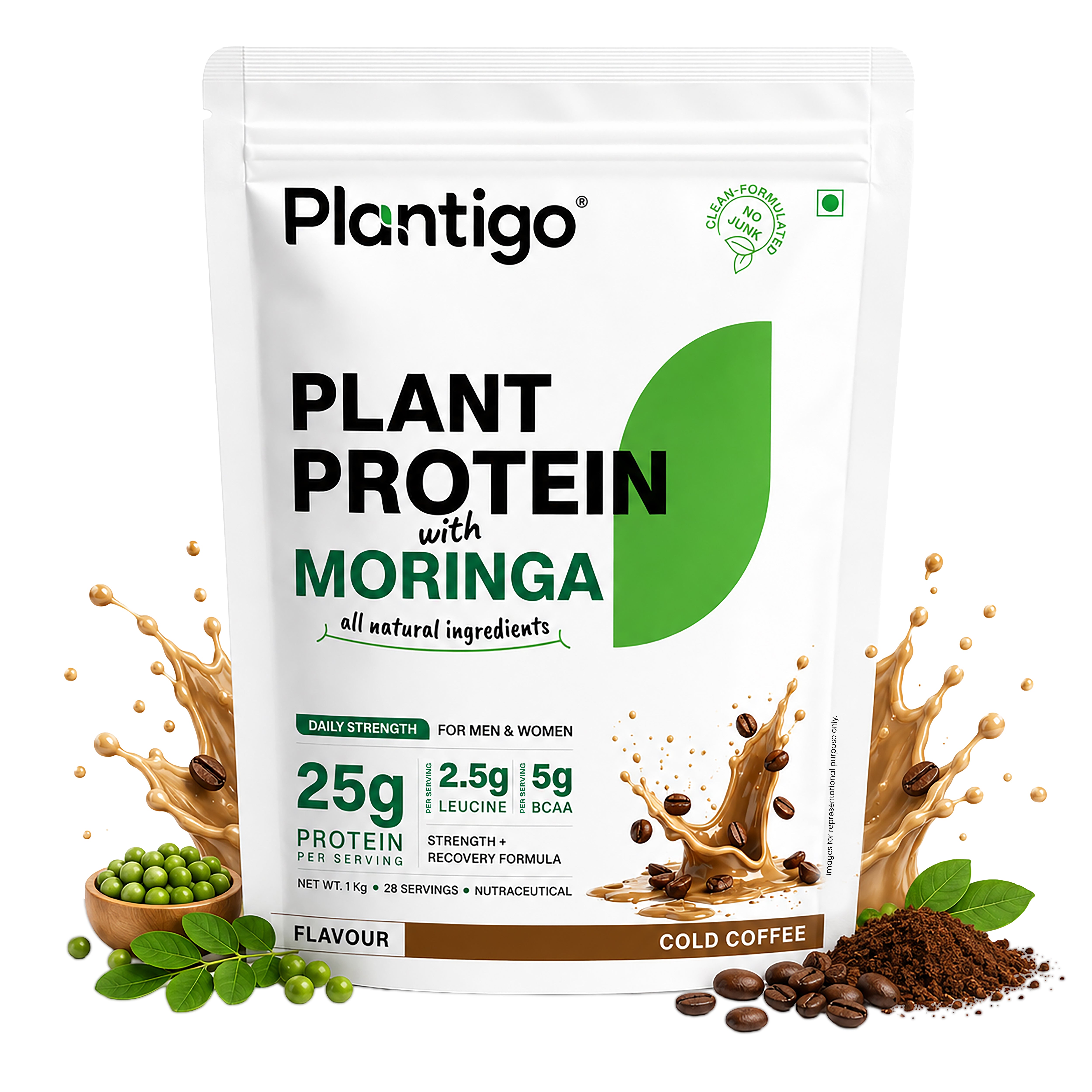
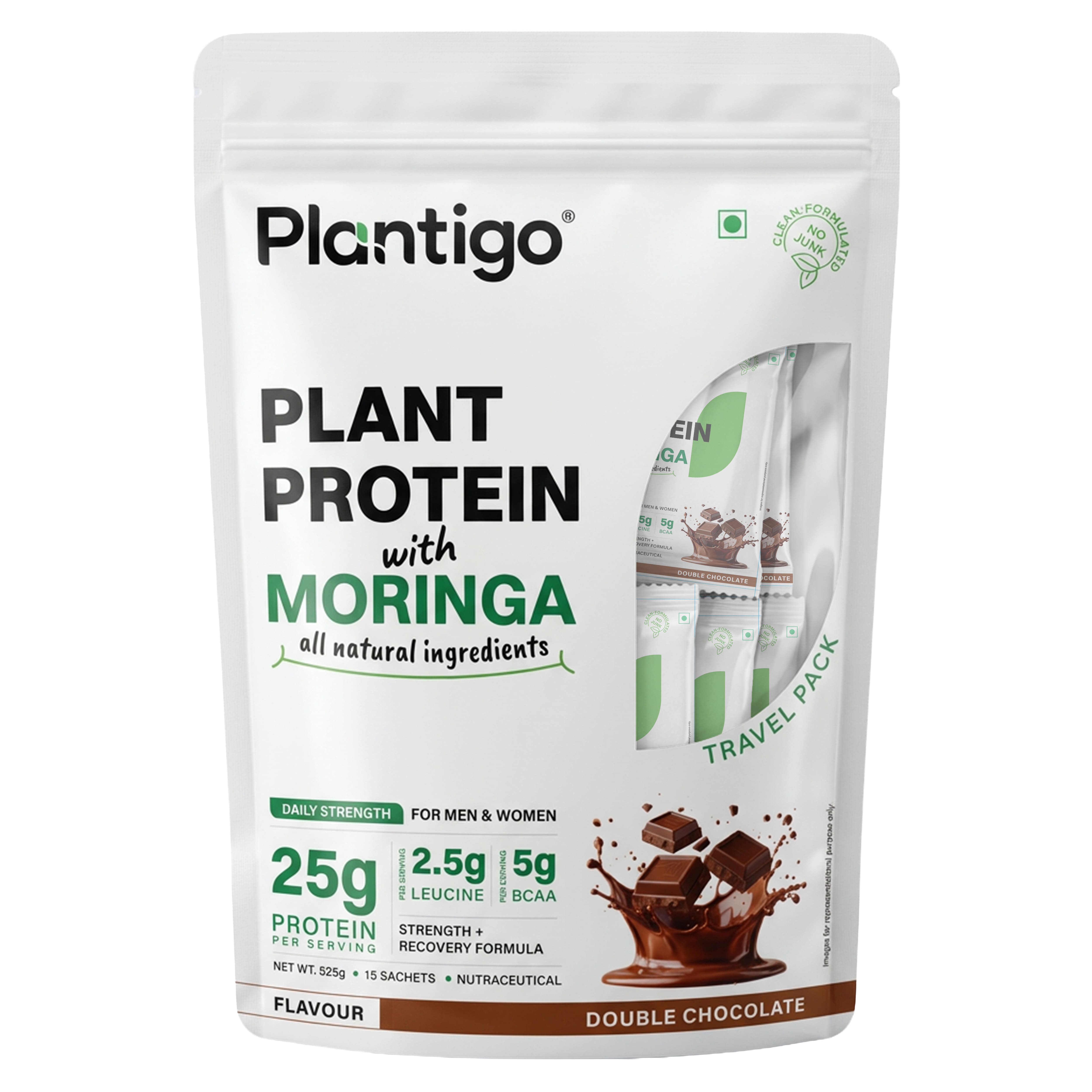
If your dosa breakfast isn't closing your daily protein gap, Plantigo bridges it with a complete plant-based blend of Canadian Pea Isolate, Brown Rice, Pumpkin Seed, and Flaxseed — all 9 essential amino acids, zero Class 2 preservatives, Eurofins-tested, with a 30-day taste guarantee.View Plantigo Plant Protein
Benefits of Protein Dosa for Indians

1. Blood Sugar Control
GI of moong dal dosa (~52) vs plain dosa (~72) — a meaningful reduction relevant for India's diabetic population.
-
Protein + fibre suppresses ghrelin for 3–4 hours vs 1–2 hours for plain dosa
-
Lower glucose spike means sustained energy through the morning without a crash
2. Muscle Support at Breakfast
Breakfast is India's most protein-skipped meal — protein dosa fixes this without changing food culture.
-
7–10g protein per dosa triggers muscle protein synthesis when combined with sambar
-
Fermentation improves amino acid bioavailability by reducing phytic acid, per afermentation protein review
-
Leucine in moong dal and besan supports muscle repair — relevant for active Indians aged 35+
3. Gut Health
Fermented dosa batter contains live Lactobacillus cultures that partially survive cooking.
-
Fermentation reduces antinutrients and increases folate in rice and dal components
-
Supports digestive regularity and immune function per afermented foods review
-
12–16 hour fermentation produces a more bioavailable batter than short fermentation
4. Works for Every Diet
Protein dosa is gluten-free, vegan, and adaptable to diabetic, weight-loss, and athletic goals.
-
No wheat — naturally gluten-free
-
No dairy required in batter or sambar
-
Moong dal base suits diabetics; plant protein addition suits athletes
5. Complete Amino Acids via Pairing
Dal (in batter or sambar) provides lysine; rice/ragi provides methionine — together covering all essential amino acids.
-
Adai (rice + mixed dal) achieves near-complete protein in one dish
-
Moong dal dosa + sambar = ~15–18g complete protein at breakfast
-
See ourdal protein guide for the best dal in batter
How to Make a High Protein Dosa — 5 Methods
Method 1 — Moong Dal Dosa (Pesarattu style): Soak 1 cup whole green moong overnight. Blend with ginger, green chilli, and minimal water. No rice needed. Cook on a hot tawa with minimal oil. One dosa: ~8–10g protein. This is the highest-protein traditional dosa available in Indian cuisine — eaten daily in Andhra Pradesh.
Method 2 — Besan Chilla (no fermentation required): Mix 100g besan with water, salt, turmeric, cumin, and chopped onion to a thin batter. Cook immediately — no soaking or fermentation needed. One piece: ~7–9g protein. Fastest protein dosa method. See ourbesan protein breakdown for why besan is the single best protein addition to any dosa batter.
Method 3 — Besan + Ragi Blend: Replace 30% of standard dosa batter volume with besan and 20% with ragi flour. Keep urad dal component. Ferment normally for 8–12 hours. Each dosa gains ~4–5g extra protein + ragi's 344mg calcium per 100g. Tastes closest to a standard dosa — ideal for families not ready for a full batter change.
Method 4 — Plant Protein Powder Addition: Add 1 scoop (25g) unflavoured plant protein to 500ml standard dosa batter. Stir well. Cook normally. Each dosa from this batch gains approximately 3–4g extra protein with no taste change. Total per dosa: ~5–7g. See our recipe for this method on thevegan protein dosa recipe.
Method 5 — Adai (Mixed Dal Dosa): Soak 1 cup rice + 1 cup mixed dal (chana, urad, toor, moong) together for 4 hours. Blend coarsely with red chilli, curry leaves, and asafoetida. Cook thick on tawa. One adai: ~10–12g protein. This is the traditional Tamil Nadu protein dosa — eaten with aviyal or jaggery-butter. See ourchana protein guide for why chana dal is the strongest protein contributor in adai batter.
What to Eat With Dosa for Maximum Protein
The dosa itself is only part of the protein equation — the accompaniments matter.
|
Accompaniment |
Protein per Serving |
Best Pairing |
|
Sambar (1 bowl, 200ml) |
6–8g |
All dosa types |
|
Coconut chutney (2 tbsp) |
1–2g |
All dosa types |
|
Dal chutney (moong/chana) |
3–4g |
Besan chilla, plain dosa |
|
Paneer bhurji (50g) |
9–10g |
Besan chilla, moong dosa |
|
Tofu scramble (50g) |
7–8g |
Vegan protein dosa |
|
Sprouts salad (50g) |
3–4g |
Any protein dosa — seesprouts protein guide |
|
Curd (100g) |
3–4g |
Ragi dosa, plain dosa |
Best complete protein breakfast: Moong dal dosa (2 pieces, ~16g) + sambar (200ml, ~7g) + coconut chutney = ~24g protein in a traditional South Indian meal format.
Protein Dosa vs Other Indian Protein Sources
1. Protein Dosa vs Plain Dosa
Plain dosa delivers 2–3g protein per piece — adequate as a carbohydrate vehicle, not as a protein source. Switching to moong dal or besan batter triples protein at the same calorie count and lower GI. For the full rice protein context, read ourrice protein guide.
Protein dosa advantage: 3–4x more protein, lower GI, more fibre — same preparation effort.
2. Protein Dosa vs Roti
One roti delivers approximately 3g protein. Two moong dal dosas deliver 16g. For protein efficiency at breakfast, protein dosa wins decisively. Roti has the cultural advantage at lunch and dinner — dosa wins the breakfast slot. Read ourroti protein breakdown for the full comparison.
Protein dosa advantage: 4–5x more protein per equivalent serving at breakfast.
3. Protein Dosa vs Plant Protein Supplement
Two moong dal dosas + sambar delivers ~22–24g protein — approaching a plant protein shake's 20–22g. But the dosa-sambar combination provides fibre, micronutrients, probiotics, and cultural fit that a supplement cannot. The supplement is for the gap remaining after the protein dosa breakfast — not a replacement for it.
Supplement advantage: Consistent 20–22g complete protein, no preparation time, precise daily dosing.
The Bottom Line
A plain dosa has 2–3g protein per piece — not enough to anchor daily protein needs. Switching to moong dal, besan, or adai batter raises this to 7–12g per dosa, making protein dosa one of the most practical high-protein breakfasts in Indian cuisine. The traditional South Indian breakfast of protein dosa + sambar + chutney already delivers 22–24g complete protein — covering 40% of a sedentary Indian adult's daily requirement before 9am. For the remaining gap, a clean plant protein supplement completes what even the best dosa breakfast leaves unfinished.
Frequently Asked Questions
1. Which dosa is high in protein?
Pesarattu (whole green moong) leads at 8–10g per piece, followed by adai (8–12g) and besan chilla (7–9g). Plain rice-urad dosa delivers only 2–3g per piece.
2. How to make a high protein dosa?
Replace rice flour with moong dal, besan, or soya flour — or add 1 scoop unflavoured plant protein per 500ml batter. Moong dal dosa (pesarattu style) requires no rice at all and delivers 8–10g protein per piece.
3. How to increase protein in dosa batter?
Add besan (22g protein/100g), whole moong dal (24g/100g), or soya flour (36g/100g) to replace a portion of rice flour. Even a 30% besan substitution doubles the protein per dosa without changing the texture significantly.
4. Can I add protein powder to dosa?
Yes — add 1 scoop (25g) of unflavoured plant protein powder to 500ml batter, stir well, and cook normally. Each dosa gains 3–4g extra protein with no taste change. The batter may be slightly thicker — adjust water accordingly.
5. Is idli high in protein?
No — 2 standard idlis deliver 3–4g protein, similar to plain dosa. Idli protein can be boosted by adding besan or moong dal to the batter, but idli's fermentation advantage is primarily in digestibility and probiotic activity, not protein content.
External Sources
Disclaimer: This article is for educational purposes only. If you have diabetes, kidney disease, digestive issues, or are on medication, consult your doctor or dietitian before making major dietary changes.