
Every Indian household eats dal daily — but very few people know exactly how much protein is actually in the bowl in front of them. The confusion is understandable. Most protein databases quote raw dal values (22–25g per 100g), which looks impressive but has nothing to do with what reaches the plate after cooking. If you are trying to track daily protein, understand whether your dal is doing enough nutritional work, or figure out where the gap in your diet actually lies — the cooked numbers by serving size are what matter.
How Much Protein Is in 1 Bowl of Dal?
1 katori (150g) of cooked dal contains 7–12g protein. 1 standard bowl (250g) contains 12–18g. Urad dal gives the most; moong and toor dal the least. All values are for thick-prepared dal — watery dal delivers 30–40% less.
The variety of dal matters less than most people assume — the biggest variable affecting how much protein is actually in your bowl is the water ratio during cooking, per theICMR-NIN IFCT 2017. The same 150g of raw urad dal can deliver anywhere from 9g to 13g of protein depending on whether it is pressure-cooked thick or boiled thin and watery.
Complete Data Breakdown: Protein by Serving Size
1. Protein in 1 Bowl Dal — By Variety and Serving Size
|
Dal |
1 Katori (150g cooked) |
1 Bowl (250g cooked) |
1 Large Bowl (350g cooked) |
|
Urad Dal |
10–12g |
16–18g |
22–25g |
|
Masoor Dal |
9–11g |
15–17g |
21–23g |
|
Chana Dal |
9–11g |
15–17g |
21–23g |
|
Toor/Arhar Dal |
7–9g |
12–14g |
17–20g |
|
Moong Dal |
7–9g |
12–14g |
16–19g |
|
Rajma |
9–11g |
15–17g |
21–24g |
Source: ICMR-NIN Indian Food Composition Tables 2017

2. Full Nutritional Profile per 1 Bowl (250g Cooked)
|
Nutrient |
Moong Dal |
Toor Dal |
Chana Dal |
Urad Dal |
Masoor Dal |
|
Protein (g) |
12–14g |
12–14g |
15–17g |
16–18g |
15–17g |
|
Carbohydrates (g) |
32–36g |
35–40g |
28–32g |
30–34g |
30–34g |
|
Fibre (g) |
5–7g |
5–7g |
8–10g |
8–10g |
6–8g |
|
Fat (g) |
1–2g |
2–3g |
2–4g |
1–2g |
1–2g |
|
Calories (kcal) |
180–210 |
190–220 |
195–225 |
195–220 |
185–215 |
|
Iron (mg) |
3–4mg |
3–4mg |
4–5mg |
4–5mg |
5–6mg |
|
Glycaemic Index |
25 |
29 |
8 |
43 |
29 |
3. Why Cooked Dal Protein Looks Lower Than Raw
Raw urad dal has ~24–25g protein per 100g. Cooked urad dal has ~9g per 100g. The protein is not destroyed — it dilutes as the dal absorbs 2.5–3x its dry weight in water during cooking. What matters is the total protein in the portion you eat, not the per-100g cooked figure.
|
Dal State |
Protein per 100g |
What It Means |
|
Raw/dry |
21–25g |
Database number — not what you eat |
|
Cooked (pressure cooker) |
7–9g |
What reaches the plate |
|
Cooked (thin/watery) |
5–7g |
Common household preparation — lowest protein delivery |
|
Thick cooked (restaurant-style) |
9–12g |
Dense preparation — higher protein per spoon |
The practical takeaway: Making dal thick rather than watery is the single easiest way to increase protein per bowl without eating more dal. A thick 250g bowl delivers 15–18g protein; the same weight of thin watery dal delivers 10–12g.
4. Protein in 1 Bowl Dal — Compared to Other Indian Protein Foods
|
Food |
Serving Size |
Protein |
|
1 bowl thick urad dal (250g) |
250g cooked |
16–18g |
|
1 bowl moong dal (250g) |
250g cooked |
12–14g |
|
2 rotis |
~60g |
6–8g |
|
100g paneer |
100g |
18–20g |
|
2 large eggs |
~100g |
12–14g |
|
100g soya chunks (cooked) |
100g |
18–20g |
|
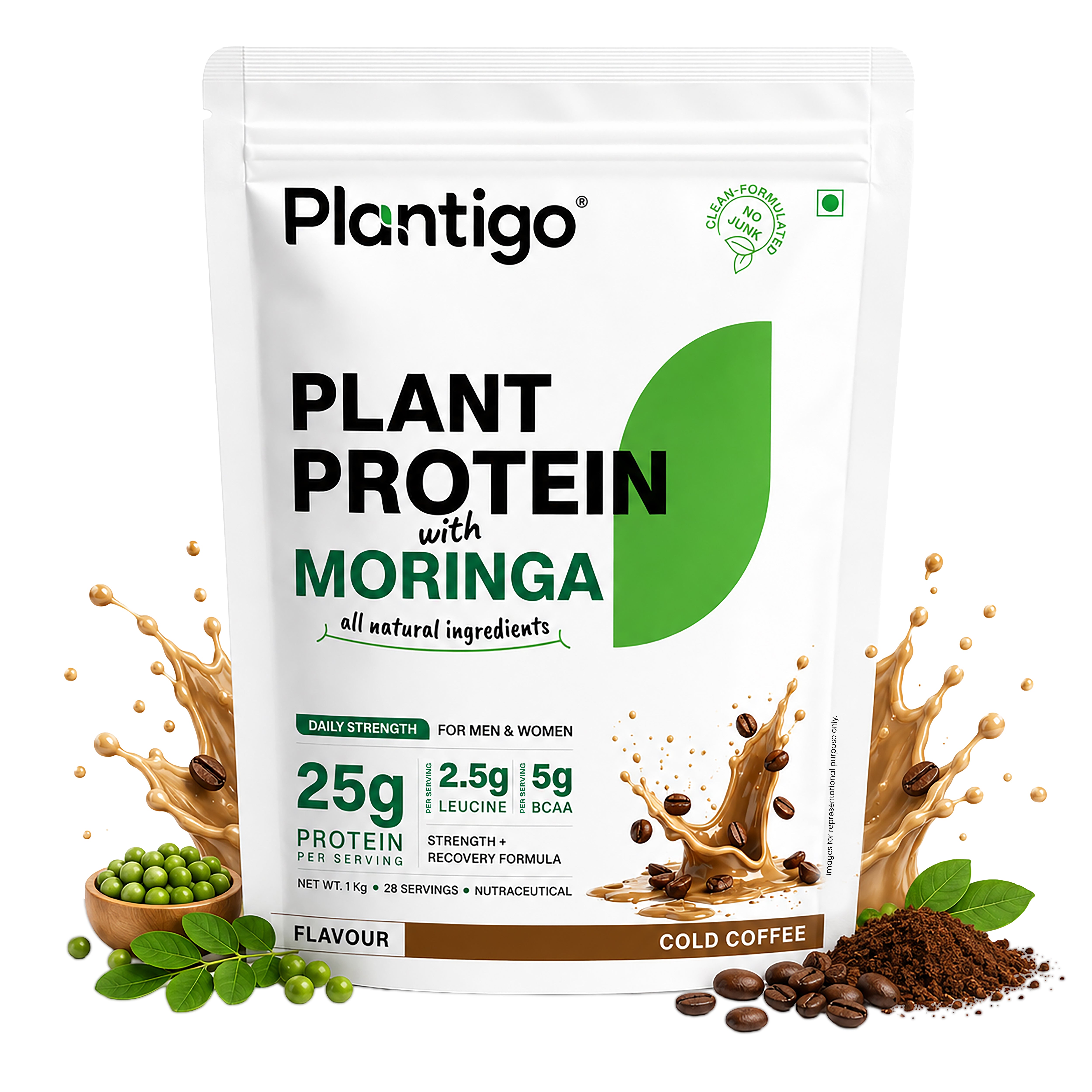
1 scoop Plantigo protein |
30g |
25g |
Dal + roti together is an amino acid-complete combination — the lysine in dal complements the methionine in roti, creating a combined PDCAAS comparable to animal protein, perlentil protein research (PMC 2025). This is the nutritional basis of why dal-chawal and dal-roti have been the Indian protein staple for centuries.
Which Bowl of Dal Gives the Most Protein?
|
# |
Goal |
Best Dal |
Protein per 250g Bowl |
Why |
|
1 |
Maximum protein per bowl |
Urad Dal |
16–18g |
Highest protein density per 100g cooked |
|
2 |
Diabetes management |
Chana Dal |
15–17g |
GI of 8 — lowest of any dal; safe for daily use |
|
3 |
Weight loss |
Masoor Dal |
15–17g |
High protein, low GI, quick to cook, highest satiety |
|
4 |
Easiest digestion |
Moong Dal |
12–14g |
Lowest bloating, safest for IBS and sensitive gut |
|
5 |
Iron + protein together |
Masoor Dal |
15–17g |
5–6mg iron per bowl — highest among common dals |
|
6 |
Daily family cooking |
Toor Dal |
12–14g |
Most widely cooked, versatile, pairs with every region's cuisine |
|
7 |
Muscle building |
Urad or Rajma |
16–18g |
Higher leucine content; rajma has strongest iron profile |
One-line verdict: If protein per bowl is the only criterion, urad dal wins. If blood sugar safety matters alongside protein, chana dal wins. For daily family use without thinking about it, toor dal is the practical default — not the highest protein, but the most consistent across Indian kitchens.
Benefits of Eating a Bowl of Dal Daily
1. Covers 20–30% of Daily Protein
1 thick bowl of urad dal covers ~28% of the 58g daily protein requirement for a 70kg adult, perICMR-NIN RDA 2020.
-
Dal-chawal delivers 18–24g complete protein in one meal — the most protein-efficient traditional Indian combination
-
2 bowls across lunch and dinner = 24–36g protein before any other food contributes
-
250g cooked dal costs ₹8–15 — lowest cost per gram of protein of any Indian food source
2. Safe for Diabetics — GI as Low as 8
Chana dal has a glycaemic index of 8 — the lowest of any commonly eaten Indian food — making 1 bowl virtually spike-free for blood sugar, supported by alegumes and glycaemic control review (PMC 2020).
-
Moong dal GI 25, masoor GI 29 — all well below rice (GI 64) or roti (GI 62)
-
8–10g fibre per chana dal bowl slows gastric emptying and reduces post-meal insulin demand
-
Zero cholesterol across all dal varieties — safe for daily use in diabetics managing cardiovascular risk
3. Supports Muscle Maintenance After 35
Urad and rajma dal have the highest leucine content among Indian dals — the amino acid that directly triggers muscle protein synthesis — perlentil amino acid research (PMC 2025).
-
2 daily bowls provide 24–36g protein base — reducing supplementation needed to close the daily gap
-
Iron from masoor and rajma (5–6mg per bowl) supports oxygen delivery critical for muscle recovery
-
Read our guide onusing moong dal post-workout
4. Complete Protein with Rice or Roti
Dal + rice or roti creates a full amino acid profile — dal supplies lysine, grains supply methionine — covering all 9 essential amino acids in one meal without any special planning.
-
1 tbsp besan stirred in while cooking adds 2–3g protein invisibly — see ourbesan protein breakdown
-
Sprouted moong as a side adds 8–9g bioavailable protein with minimal cooking
-
Dal + roti scores a slightly better amino acid profile than dal + rice
How to Get More Protein from the Same Bowl of Dal
Most Indians unknowingly halve the protein in their dal by making it too thin. These four changes increase protein per bowl without increasing the amount of dal eaten:
1. Cook thick, not thin: Use less water. Pressure cook on low flame. A thick consistency delivers 30–40% more protein per spoon.
2. Use a higher-protein variety: Swap toor dal for urad or masoor 3–4 times a week. The protein difference per bowl is 4–6g — meaningful across a week.
3. Mix dals: Toor + urad + masoor mixed together delivers a better amino acid profile than any single dal. No exact ratio needed — any combination works.
4. Add besan or sattu: 1 tbsp of besan or sattu stirred into dal before serving adds 3–4g protein invisibly. Read our guide onsattu protein per 100gfor more.
5. Pair with 1 roti, not just rice: Dal + roti delivers a slightly better amino acid score than dal + rice. Both work — but roti's methionine profile complements dal's lysine more directly.
Dal Protein vs Other Indian Protein Sources
1. Dal vs Roti
2 medium rotis deliver 6–8g protein — a third of what a thick bowl of dal provides. The combination of 1 bowl dal + 2 rotis delivers 18–26g complete protein in one meal. Our detailed breakdown ofprotein in 1 rotishows the exact numbers by roti size and flour type.
Dal advantage: 3–4x more protein per 100g than roti; dal provides the lysine that roti lacks.
2. Dal vs Chana and Rajma
Whole chana provides 19g protein per 100g cooked — slightly more than most dals per 100g, but typically eaten in smaller portions. Rajma matches urad dal closely at 8–9g per 100g cooked. Both are excellent but harder to digest and less suitable for daily use across all age groups. See ourprotein in rajma per 100g guidefor the full comparison.
Dal advantage: More digestible, lower purine content, suitable for daily use from childhood to old age.
3. Dal vs Plant Protein Supplement
One bowl of the thickest possible dal — 350g of urad dal — delivers 22–25g protein. That is the maximum a realistic dal serving can provide. For a 70kg Indian adult needing 58g daily, two generous dal servings cover 30–40g. The remaining 20–28g needs to come from paneer, curd, other food sources, or a supplement.
A clean plant protein powder bridges exactly this gap — not by replacing dal, but by covering the 20–25g that food alone cannot consistently provide without dramatically changing eating habits.

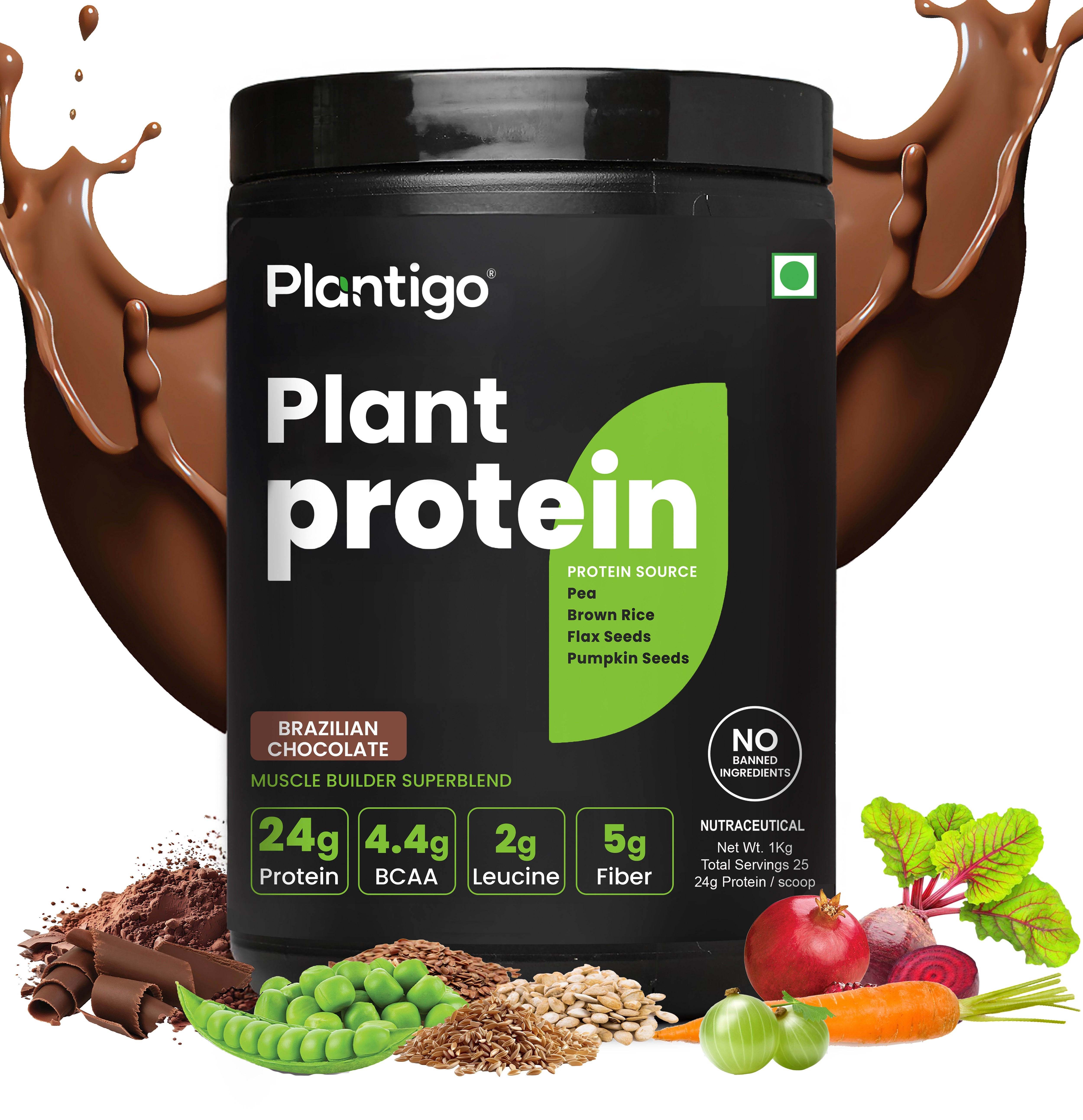
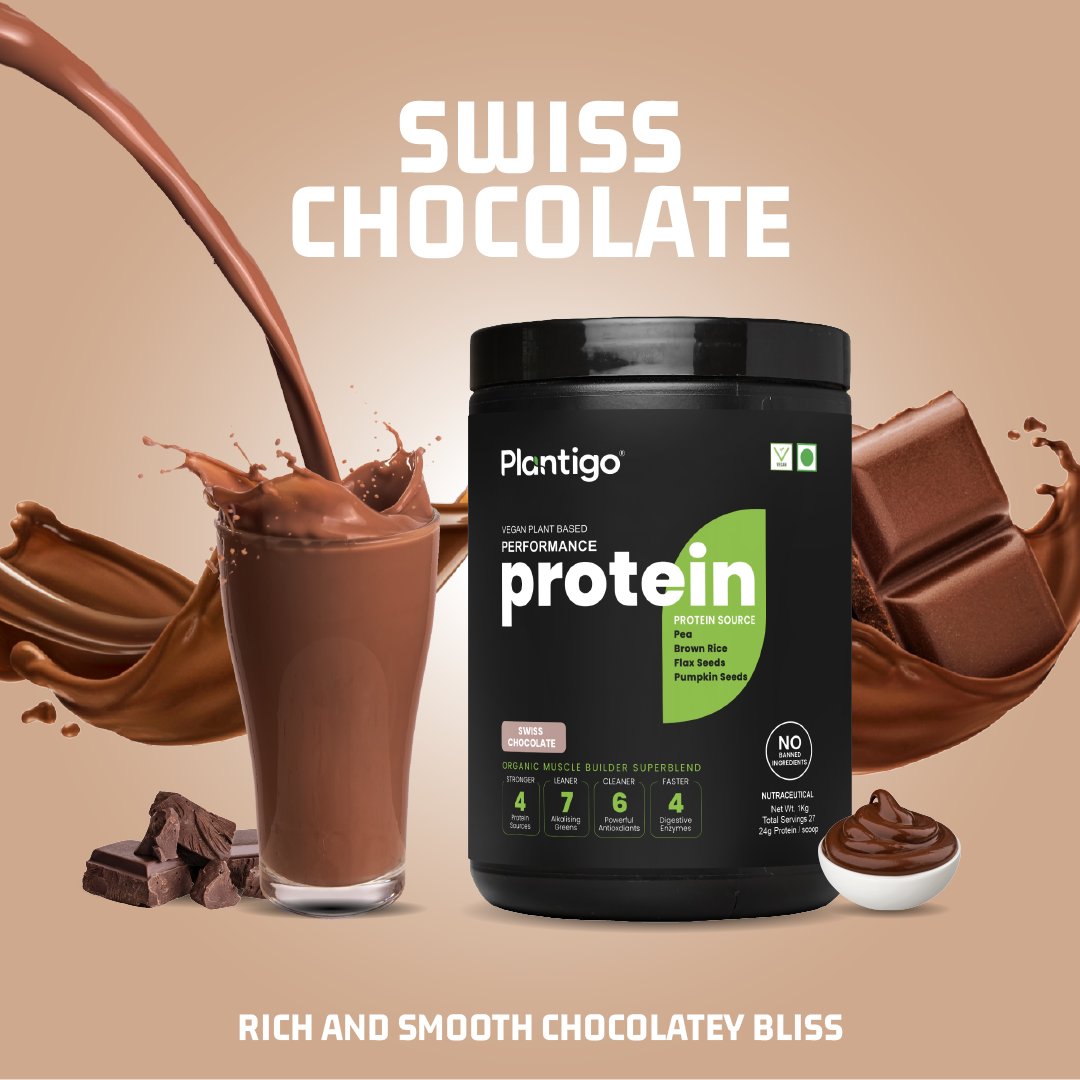
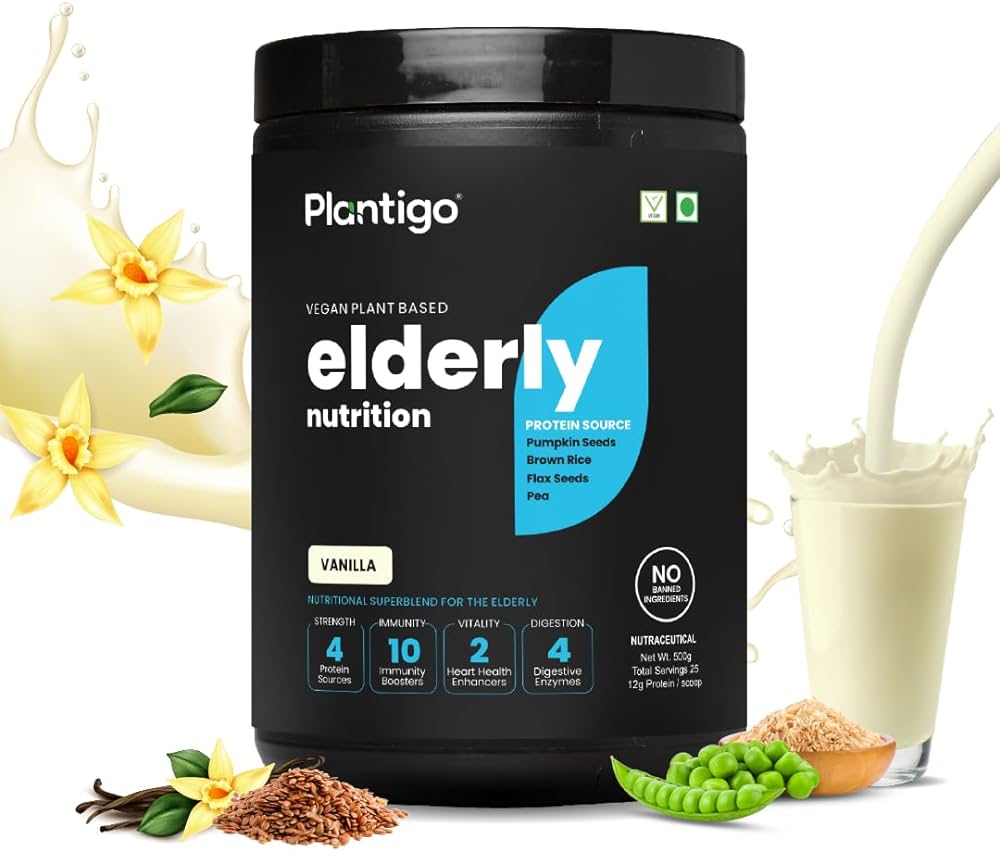
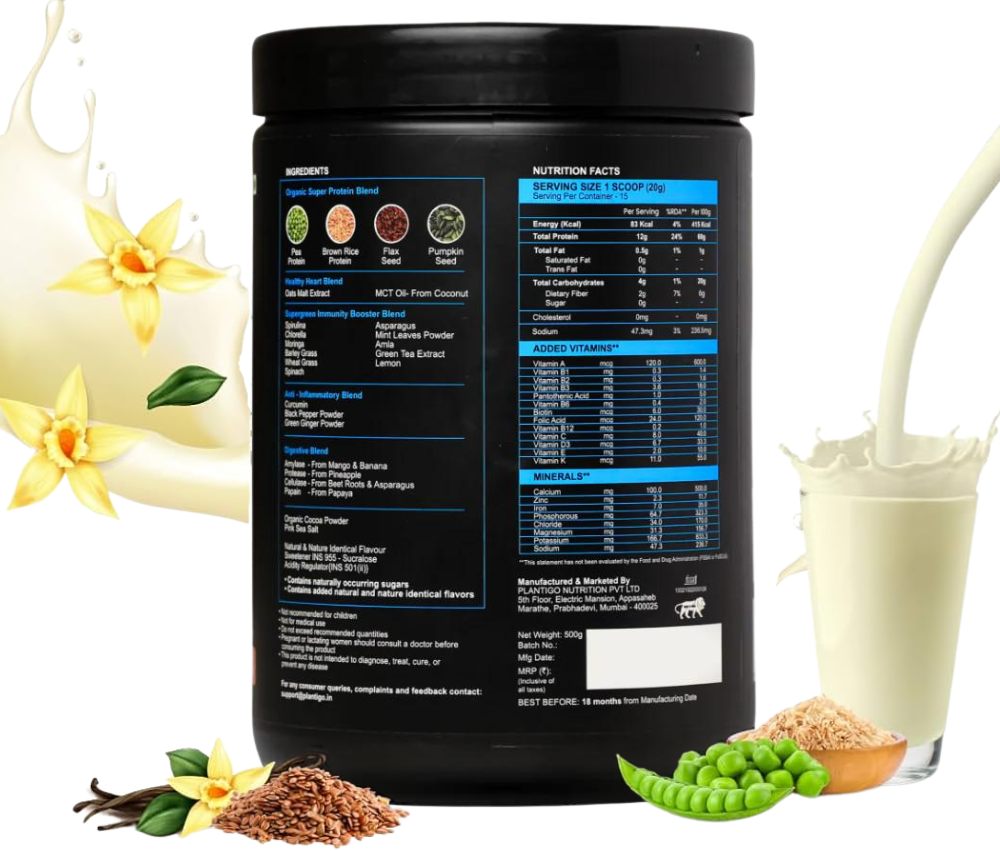
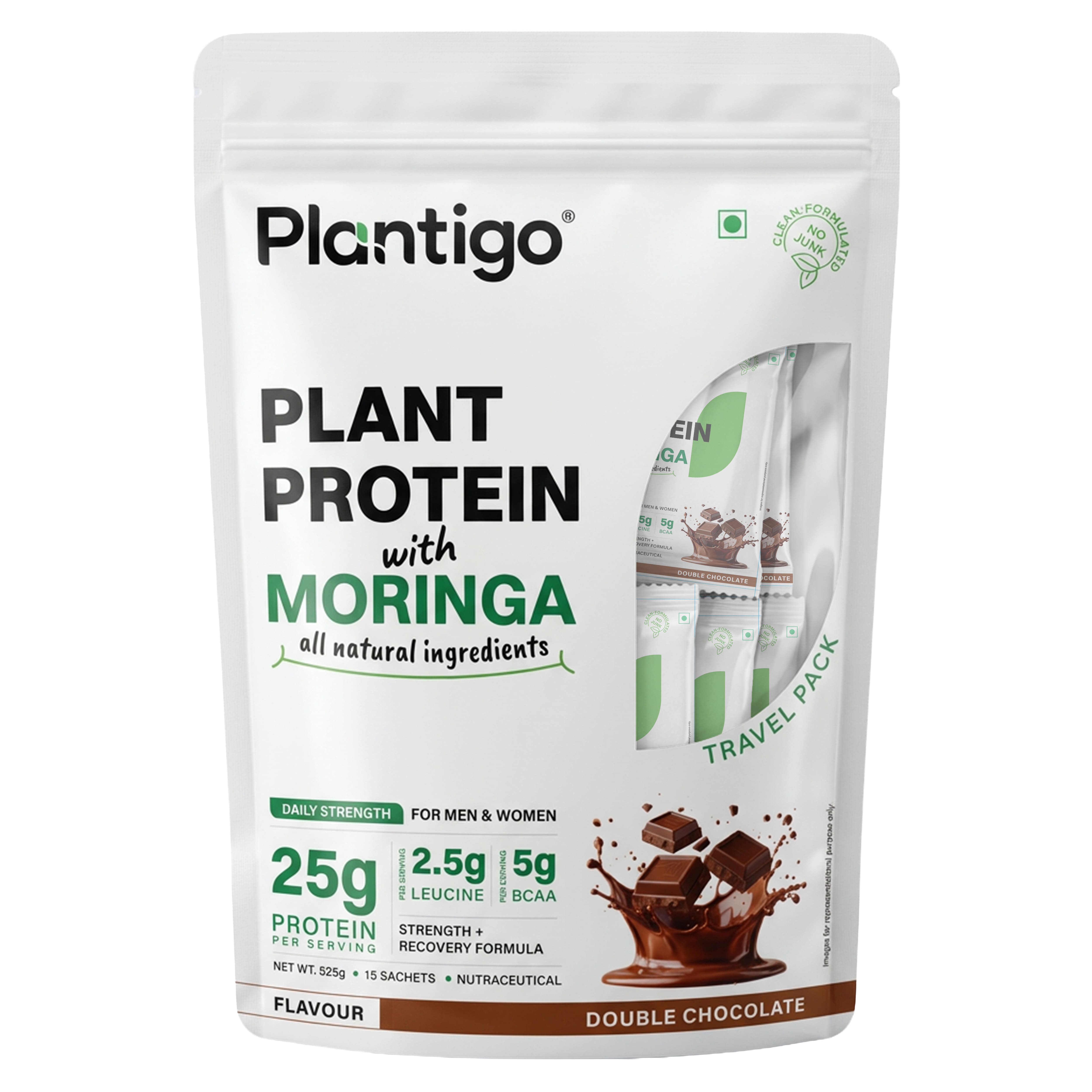
If your daily dal bowl isn't closing your protein gap, Plantigo can help bridge it with a complete plant-based protein blend of Canadian Pea Isolate, Brown Rice, Pumpkin Seed, and Flaxseed — delivering all 9 essential amino acids without relying on dairy. With 4 digestive enzymes from real fruit, zero Class 2 preservatives, third-party Eurofins testing, and a 30-day taste guarantee, it is built for Indians who want clean, daily protein support.View Plantigo Plant-Based Protein
The Bottom Line
One bowl of cooked dal delivers 12–18g of protein for a standard 250g serving — valuable, but not sufficient on its own to meet a 70kg adult's daily 58g protein requirement. The variety matters less than most people think: the bigger variables are how thick the dal is made, which variety is chosen, and how many times per day it is eaten. Urad and chana dal lead on protein density; moong dal leads on digestibility; toor dal leads on daily practicality.
Dal paired with roti or rice creates amino acid completeness that neither achieves alone. For Indians aged 25–55 who want to close the remaining protein gap without overhauling their diet, a clean plant protein supplement used alongside daily dal is the most practical solution.
Frequently Asked Questions
1. How much protein is in 1 katori dal?
1 katori (150g) of cooked dal contains 7–12g protein — urad and chana dal at the higher end (10–12g), moong and toor dal at the lower end (7–9g), per ICMR-NIN data.
2. How much dal for 20g of protein?
Approximately 350–400g of cooked thick dal — about 1.5 large bowls or 2.5 katoris of urad or chana dal. Using toor or moong requires closer to 500g cooked to reach 20g.
3. How much dal for 30g of protein?
Approximately 500g of cooked thick dal (about 2 large bowls) — or 120–130g of raw dry dal before cooking, using a high-protein variety like urad or masoor.
4. How to get 70g protein daily from an Indian vegetarian diet?
2 katoris dal (14–20g) + 2 rotis (6–8g) + 100g paneer or curd (18–20g) + 1 scoop Plantigo (25g) = 63–73g — the most practical combination without changing existing meal habits.
5. Which dal has the most protein per bowl?
Urad dal — 16–18g per 250g cooked bowl, the highest among commonly eaten Indian dals per ICMR-NIN data.
6. Which dal is best for diabetics?
Chana dal — GI of 8, 8–10g fibre per bowl, and 15–17g protein per 250g serving make it the safest and most nutritionally complete dal for blood sugar management.
External Sources
-
ICMR-NIN —Indian Food Composition Tables 2017
-
PMC —Lentil Protein Digestibility and Amino Acid Profile (2025)
-
PMC —Legume Consumption and Glycaemic Control — Systematic Review of RCTs (2020)
Disclaimer: This article is for educational purposes only. If you have diabetes, kidney disease, digestive issues, are pregnant, or are on medication, consult your doctor or dietitian before making major dietary changes.