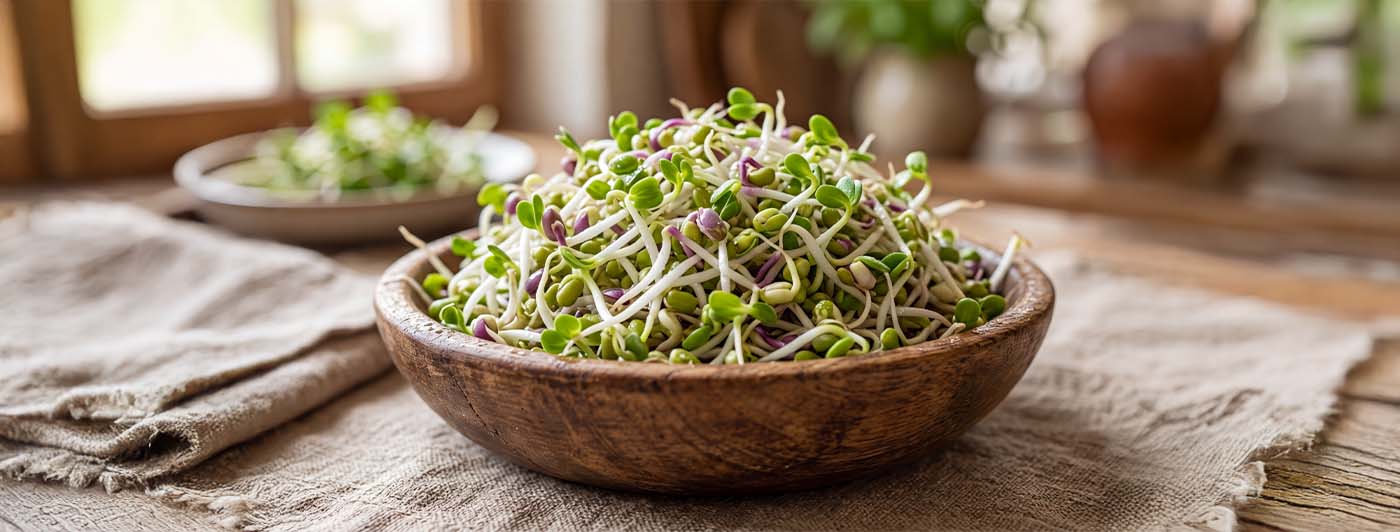
Sprouts are one of those foods every Indian health-conscious adult adds to their diet with high expectations — and then quietly wonders why the scale isn't moving or the protein numbers aren't adding up. The reason is almost always the same: sprouts protein per 100g is significantly lower than most people assume, and much lower than the unsprouted legume it came from. Understanding the actual numbers — and what sprouting does and does not do to protein content — tells you exactly where sprouts fit in an Indian diet and where they cannot lead.
How Much Protein Do Sprouts Have per 100g?
Sprouts contain 3.2–9g of protein per 100g depending on the variety — with moth bean sprouts (matki) leading at 7–9g and moong sprouts at the lower end at 3.2–3.8g — according to theICMR-NIN IFCT 2017. This is significantly less than the unsprouted legume: raw moong dal contains 23–24g protein per 100g, but once sprouted and measured at equivalent fresh weight, that concentration drops dramatically because the seed absorbs water and grows a shoot. The total protein per seed is similar — it is the per-100g concentration that falls as mass increases.
Complete Data Breakdown: Sprouts Protein per 100g
1. Protein per 100g — All Indian Sprout Varieties Ranked
|
Sprout Variety |
Protein per 100g (Fresh) |
Protein per 100g (Unsprouted Raw) |
Calories per 100g |
|
Moth Bean (Matki) Sprouts |
7–9g |
22–23g raw |
44 kcal |
|
Chana (Kabuli/Kala) Sprouts |
5–7g |
19–21g raw |
45 kcal |
|
Lentil (Masoor) Sprouts |
4–5g |
24–25g raw |
38 kcal |
|
Mixed Sprouts (moong+chana+moth) |
4–6g |
Varies |
40–50 kcal |
|
Moong (Green Gram) Sprouts |
3.2–3.8g |
23–24g raw |
30 kcal |
|
Soybean Sprouts |
5–6g |
36g raw |
56 kcal |
|
Fenugreek (Methi) Sprouts |
3–4g |
23g raw |
50 kcal |
Source: ICMR-NIN Indian Food Composition Tables 2017; PMC protein quantification study (2022)

2. Full Nutritional Profile per 100g — Key Sprout Varieties
|
Nutrient |
Moong Sprouts |
Chana Sprouts |
Moth Bean Sprouts |
Mixed Sprouts |
|
Protein (g) |
3.2–3.8g |
5–7g |
7–9g |
4–6g |
|
Carbohydrates (g) |
5–6g |
8–10g |
7–9g |
6–9g |
|
Fibre (g) |
1.5–2g |
3–4g |
2–3g |
2–3g |
|
Fat (g) |
0.2g |
1–2g |
0.5g |
0.5–1g |
|
Calories (kcal) |
30 |
45 |
44 |
40–50 |
|
Vitamin C (mg) |
13–15mg |
1–2mg |
8–10mg |
8–12mg |
|
Iron (mg) |
1–1.5mg |
2–3mg |
1.5–2mg |
1.5–2mg |
|
Folate (mcg) |
60–80mcg |
120–140mcg |
90–110mcg |
80–110mcg |
3. Sprouting vs Unsprouted: What Actually Changes
This is the most misunderstood aspect of sprout nutrition. APMC 2022 sprout protein study confirmed that sprouting changes protein distribution and bioavailability rather than dramatically increasing total protein per gram.
|
What Sprouting Does |
What Sprouting Does Not Do |
|
Reduces phytic acid — improves mineral absorption |
Significantly increase protein per 100g (concentration falls as mass grows) |
|
Reduces lectins and trypsin inhibitors — improves protein digestibility |
Make the protein complete (still low in methionine) |
|
Increases Vitamin C (moong: 0 to 13–15mg per 100g) |
Replace a protein supplement or high-protein food |
|
Increases folate bioavailability |
Dramatically raise protein content vs the dry seed |
|
Improves digestibility of iron and zinc |
Eliminate all antinutrients (some remain) |
The practical conclusion from themung bean sprouting review (PMC 2022): sprouting reduces antinutrient content significantly and makes the existing protein and minerals more usable — but the headline protein number per 100g fresh weight is lower, not higher, than the raw seed because of water absorption during sprouting.
4. Protein by Serving Size — What You Actually Eat
|
Serving |
Variety |
Weight |
Protein |
|
1 small bowl (chaat) |
Moong sprouts |
100g |
3.2–3.8g |
|
1 standard bowl |
Mixed sprouts |
150g |
6–9g |
|
1 large bowl |
Moth bean sprouts |
200g |
14–18g |
|
1 chilla (2 pieces) |
Moong sprout batter |
~80g |
2.5–3g |
|
Sprouts + curd bowl |
Moong + 100g curd |
~200g |
3g + 4g = ~7g |
|
Sprouts + paneer |
Moong 100g + paneer 50g |
~150g |
3g + 9g = ~12g |
Which Sprout Has the Most Protein?
|
# |
Rank |
Sprout |
Protein per 100g |
Best For |
|
1 |
Highest protein |
Moth Bean (Matki) |
7–9g |
Protein-first choice; Maharashtra staple |
|
2 |
Balanced protein + fibre |
Chana Sprouts |
5–7g |
Diabetics, weight loss, iron |
|
3 |
Most versatile |
Mixed Sprouts |
4–6g |
Daily use, varied amino acids |
|
4 |
Best digestibility |
Moong Sprouts |
3.2–3.8g |
IBS, sensitive gut, children |
|
5 |
Highest Vitamin C |
Moong Sprouts |
13–15mg Vit C per 100g |
Iron absorption, immunity |
|
6 |
Highest folate |
Chana Sprouts |
120–140mcg per 100g |
Pregnant women, anaemia |
One-line verdict: For maximum protein per 100g, choose moth bean (matki) sprouts. For daily Indian use combining digestibility and nutrition, mixed sprouts or chana sprouts deliver the best all-round profile. For a complete ranking of protein across Indian legumes before sprouting, read our guide onhighest protein dals.
Benefits of Sprouts for Indians
1. More Bioavailable Protein
Sprouting degrades phytic acid and trypsin inhibitors — the compounds that block protein and mineral absorption from raw legumes. The protein per 100g is lower in fresh sprouts, but a higher percentage of it is actually absorbed.
-
Phytic acid reduction of 30–50% during sprouting — iron, zinc, and calcium absorption improve significantly
-
Trypsin inhibitors drop, allowing digestive enzymes to break down protein more efficiently
-
Protein digestibility of moong sprouts is measurably higher than cooked unsprouted moong dal for sensitive digestive systems
2. Vitamin C Boost for Iron Absorption
Moong sprouts contain 13–15mg of Vitamin C per 100g — a nutrient completely absent in the unsprouted seed. This matters for iron absorption.
-
Vitamin C in sprouts consumed alongside iron-rich foods (dal, leafy vegetables) increases non-haem iron absorption by up to 3x
-
A bowl of moong sprouts with a squeeze of lemon at breakfast can meaningfully improve daily iron status
-
Particularly valuable for vegetarian Indian women aged 25–45 managing iron-deficiency anaemia
3. Low Calorie, High Satiety
At 30–50 kcal per 100g, sprouts are the lowest-calorie significant protein source in the Indian diet. A 200g bowl of mixed sprouts delivers 8–12g protein at ~80–100 kcal — a ratio no other Indian snack food can match.
-
High water content and fibre create satiety disproportionate to calorie count
-
Useful as a pre-meal filler: 100g sprouts 20 minutes before a main meal reduces total calorie intake
-
Zero fat in moong sprouts makes them suitable for any calorie-restriction eating pattern
4. Safe for Diabetics
Sprouts have a very low glycaemic index — moong sprouts GI is approximately 25, consistent with uncooked sprouted legumes.
-
Slow carbohydrate release means minimal post-meal blood sugar impact
-
Fibre content further slows gastric emptying
-
Chana sprouts are particularly suitable for diabetics — high protein, high fibre, very low GI
5. Gut Health and Digestibility
The sprouting process significantly reduces the oligosaccharides responsible for gas and bloating in legumes.
-
Moong sprouts cause less bloating than cooked moong dal for most people
-
Ideal introduction to legumes for Indians who struggle to digest cooked dal
-
Probiotic effect: the fermentation activity during sprouting supports beneficial gut bacteria
How to Include Sprouts in Your Indian Diet
Sprouts are one of the most flexible Indian foods — they integrate into breakfast, lunch, evening snacks, and dinner with minimal cooking. The key is treating them as a supporting protein alongside higher-protein foods rather than a standalone protein source.
1. Morning chaat (no cooking): 100g moong or mixed sprouts + chopped onion, tomato, lemon, chaat masala. Ready in 5 minutes, 4–6g protein, 40–50 kcal — the best calorie-to-nutrition ratio of any Indian breakfast.
2. Sprouts chilla: Mix 80g moong sprout batter with besan and green chilli. Two chillas deliver ~5–6g protein. See oursprouts chilla recipe for exact proportions and boosting tips.
3. Add to dal: Stir 50g raw moong sprouts into cooked dal just before serving. The residual heat softens them slightly without destroying Vitamin C. Adds 1.5–2g protein and a texture contrast to the meal. For protein comparison between sprouts and whole dals, see ourdal protein guide.
4. Sprouts + curd bowl: 100g sprouts + 150g curd = 3–4g + 5–6g = 8–10g protein at under 150 kcal. Works as a mid-morning snack or light dinner.
5. Protein boost tip: Add 50g paneer or 1 boiled egg to any sprout bowl to push the protein to 12–15g — transforming a moderate protein snack into a proper protein meal.
6. Matki usal (Maharashtra): 200g moth bean sprouts cooked with coconut, onion, and spices delivers 14–18g protein — the highest-protein traditional sprout preparation in Indian cuisine.
Sprouts Protein vs Other Indian Protein Sources
1. Sprouts vs Dal
Moong sprouts (3.2–3.8g per 100g) deliver significantly less protein per 100g than cooked moong dal (7–8g per 100g). The advantage of sprouts is not protein density — it is digestibility, Vitamin C, and zero cooking. For a complete protein comparison before and after sprouting, ourmoong dal protein shows the full picture.
Dal advantage: 2x more protein per 100g cooked. Sprout advantage: better digestibility, Vitamin C, no cooking needed, lower calories.
2. Sprouts vs Chana
Raw chana (19–21g per 100g) and even cooked chana (8–9g per 100g) far outperform chana sprouts (5–7g per 100g) on protein density. The sprouting process reduces protein concentration as mass increases. For diabetics, chana sprouts beat cooked chana on GI and digestibility — making them the better daily choice even at lower protein.
Sprouted chana advantage: Lower GI than cooked chana, better digestibility, higher Vitamin C, no soaking and cooking needed. Read ourchana protein breakdown for the unsprouted comparison.
3. Sprouts vs Protein Supplement
The honest comparison: 200g of the highest-protein sprout (moth bean) delivers 14–18g protein. That is meaningful but covers only 25–30% of a 70kg adult's daily 58g requirement perICMR-NIN RDA 2020. Sprouts cannot replace a high-protein food or supplement — they complement them. In a complete Indian protein day, sprouts contribute the digestibility and micronutrient piece; a clean supplement contributes the protein gap closure.

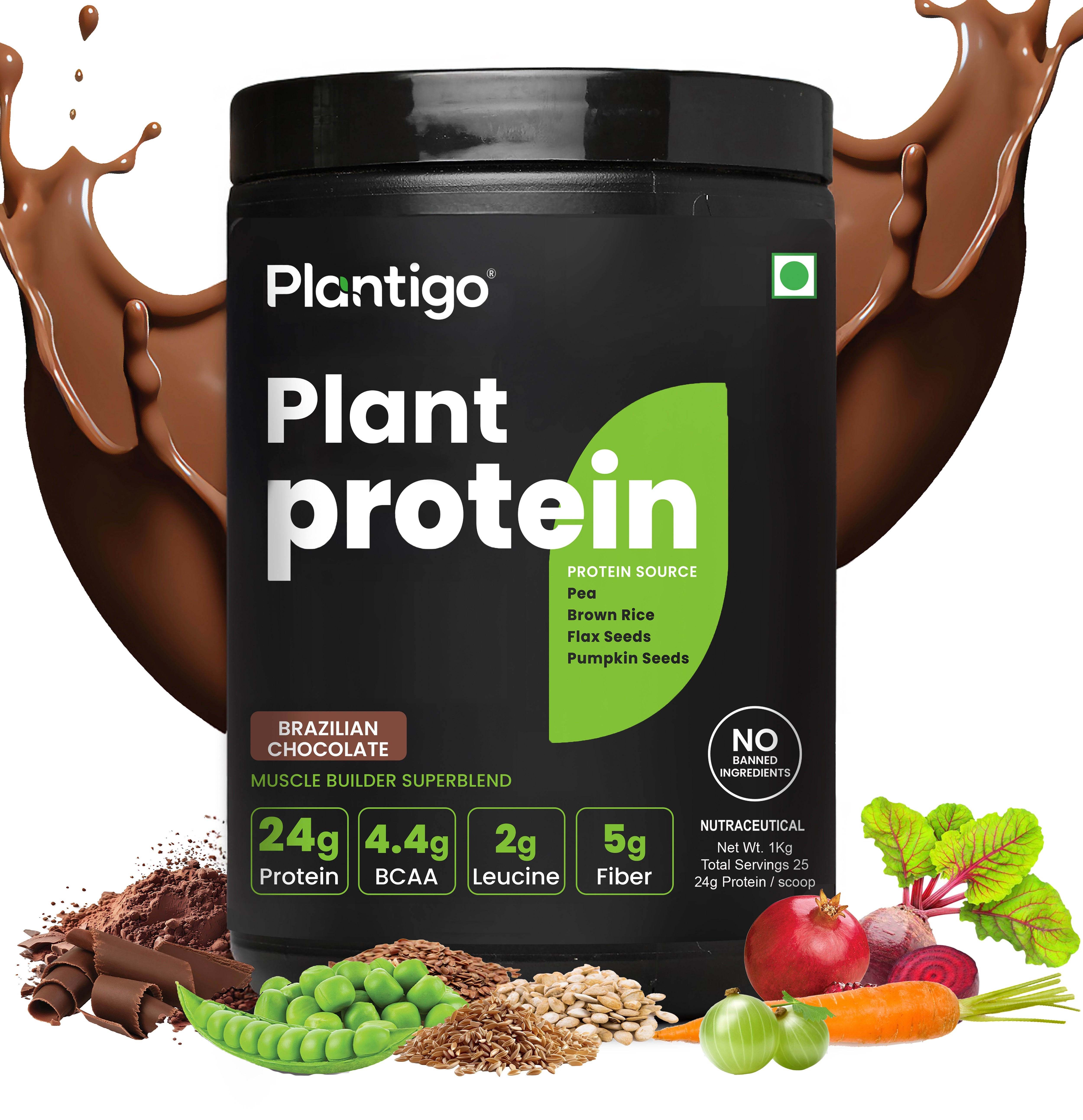
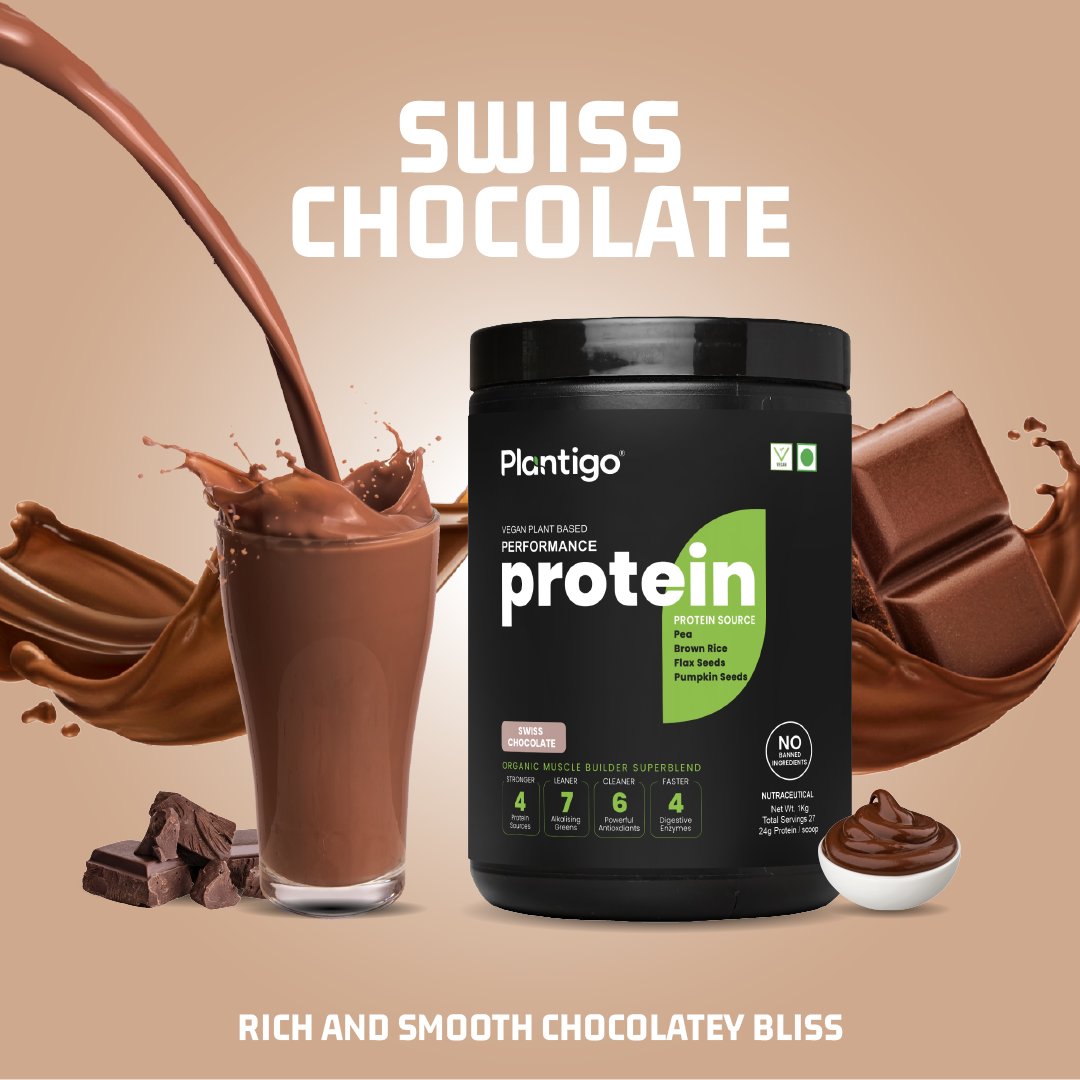
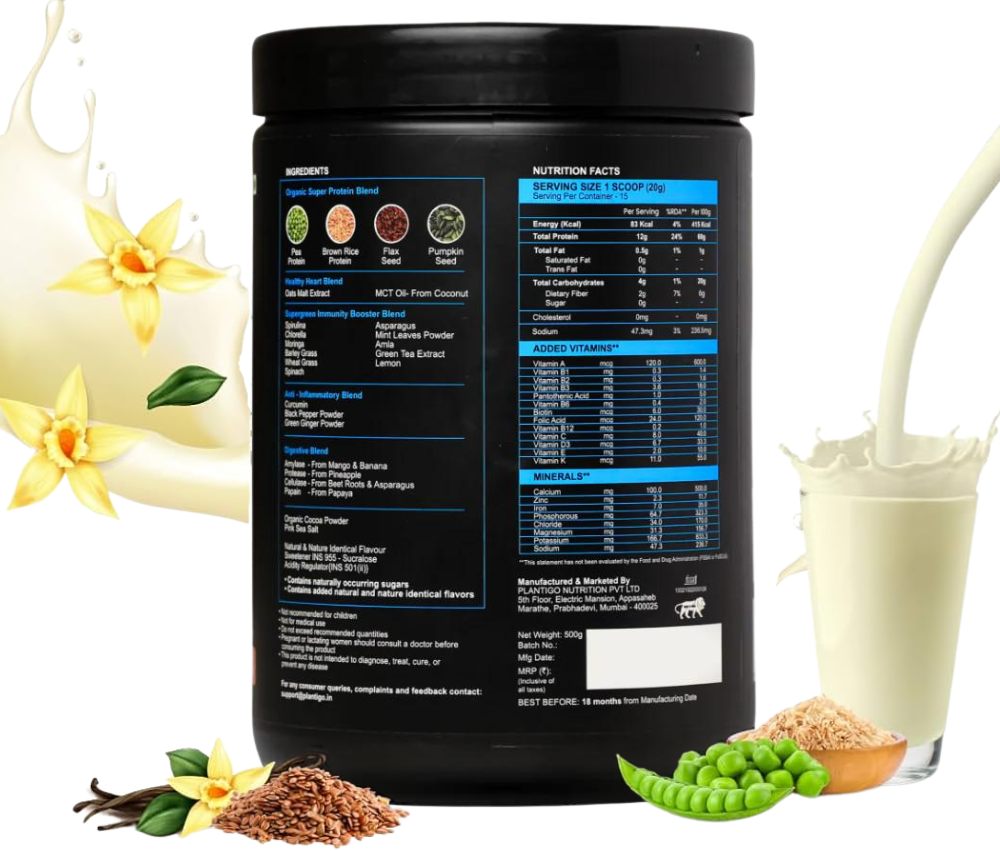
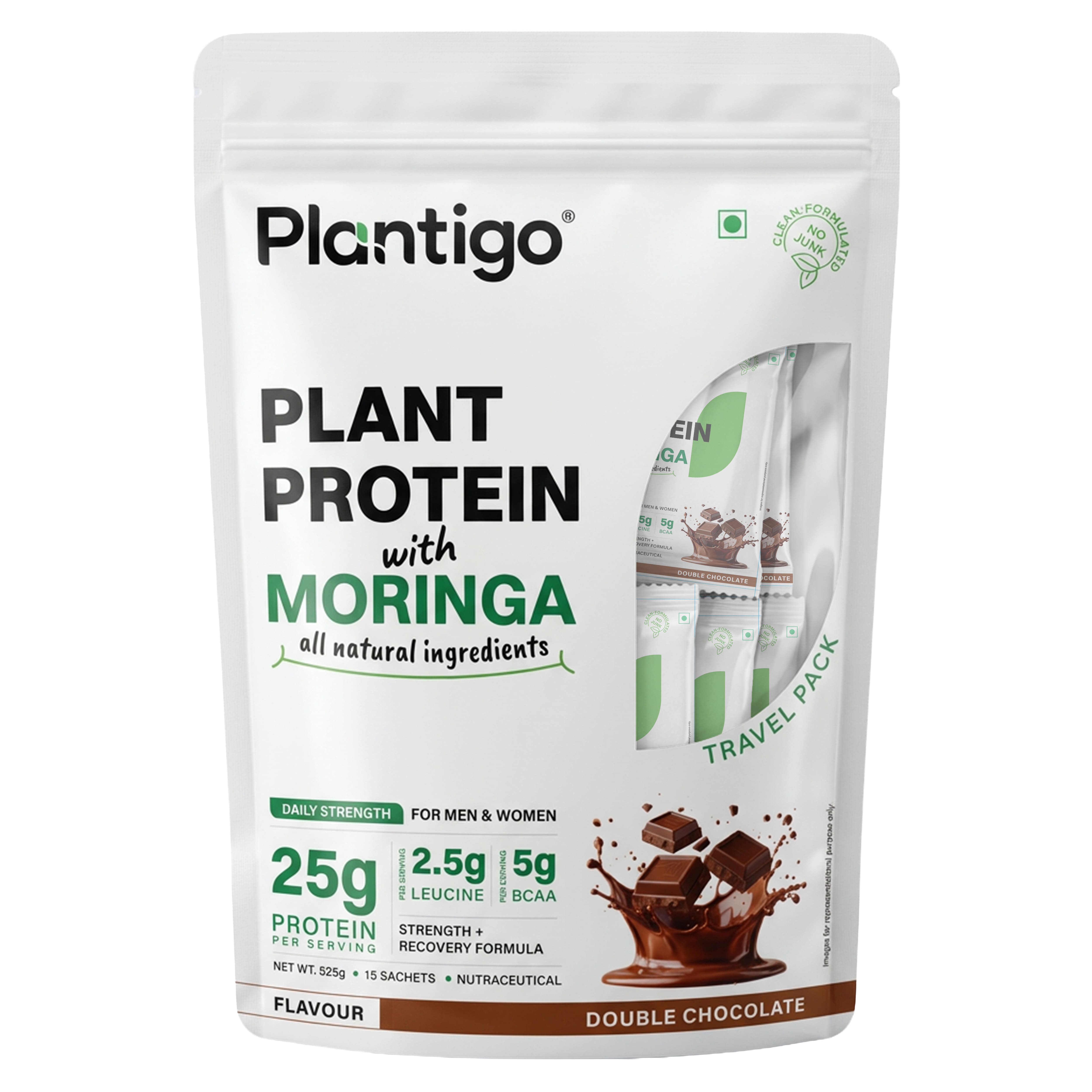
If sprouts and dal together aren't closing your daily protein gap, Plantigo can help bridge it with a complete plant-based protein blend of Canadian Pea Isolate, Brown Rice, Pumpkin Seed, and Flaxseed — delivering all 9 essential amino acids without relying on dairy. With 4 digestive enzymes from real fruit, zero Class 2 preservatives, third-party Eurofins testing, and a 30-day taste guarantee, it is built for Indians who want clean, daily protein support.View Plantigo Plant-Based Protein
The Bottom Line
Sprouts protein per 100g is lower than most Indians assume — ranging from 3.2g (moong) to 9g (moth bean) in fresh form, well below the unsprouted legume. This is not a reason to avoid sprouts; it is a reason to use them correctly. Their value is in bioavailability, Vitamin C generation, digestive enzyme compatibility, low calories, and reduced antinutrients — not raw protein density. Moth bean and chana sprouts deliver the most protein per bowl of any common Indian sprout; moong sprouts deliver the best digestibility and lowest calorie count.
For Indians aged 25–55 building a daily protein strategy, sprouts are a valuable supporting player — not the lead. Pair them with higher-protein foods, and use a clean supplement to close the gap that food alone cannot reliably fill.
Frequently Asked Questions
1. How much protein is in 100g of sprouts?
Sprouts protein per 100g ranges from 3.2g (moong) to 9g (moth bean) — mixed sprouts average 4–6g per 100g fresh weight, per ICMR-NIN IFCT 2017.
2. Which sprouts are high in protein?
Moth bean (matki) sprouts at 7–9g per 100g are the highest. Chana sprouts follow at 5–7g. Moong sprouts are the lowest at 3.2–3.8g but the easiest to digest.
3. Do boiled sprouts have protein?
Yes — boiling reduces protein slightly (10–15%) but retains the majority. Boiled moth bean sprouts still deliver 6–8g protein per 100g. Raw sprouts retain more Vitamin C; boiled sprouts are easier to digest for sensitive stomachs.
4. Can we eat 100g of sprouts daily?
Yes — 100g of mixed or moth bean sprouts daily is safe and beneficial for most adults, delivering 4–9g protein at 30–50 kcal. Those with kidney issues should moderate due to potassium content.
5. How to get 70g protein per day from an Indian vegetarian diet?
1 bowl chole or dal (20–24g) + 100g paneer or curd (18–20g) + 200g mixed sprouts (8–12g) + 1 scoop Plantigo (25g) = 71–81g daily — achievable with existing Indian foods plus one clean supplement.
6. How to get 40g protein without meat?
2 katoris dal (20–24g) + 100g sprouts (4–9g) + 1 roti with besan (6–8g) = 30–41g from food alone. Add 1 scoop Plantigo to reliably cross 40g without any dietary overhaul.
External Sources
-
ICMR-NIN —Indian Food Composition Tables 2017
-
PMC —Protein Quantification in Mung, Lentil and Chickpea Sprouts (2022)
-
PMC —Mung Bean Sprouting: Metabolites and Antinutrient Reduction (2022)
-
ICMR-NIN — RDA and EAR for Indians, 2020
Disclaimer: This article is for educational purposes only. If you have diabetes, kidney disease, digestive issues, are pregnant, or are on medication, consult your doctor or dietitian before making major dietary changes.