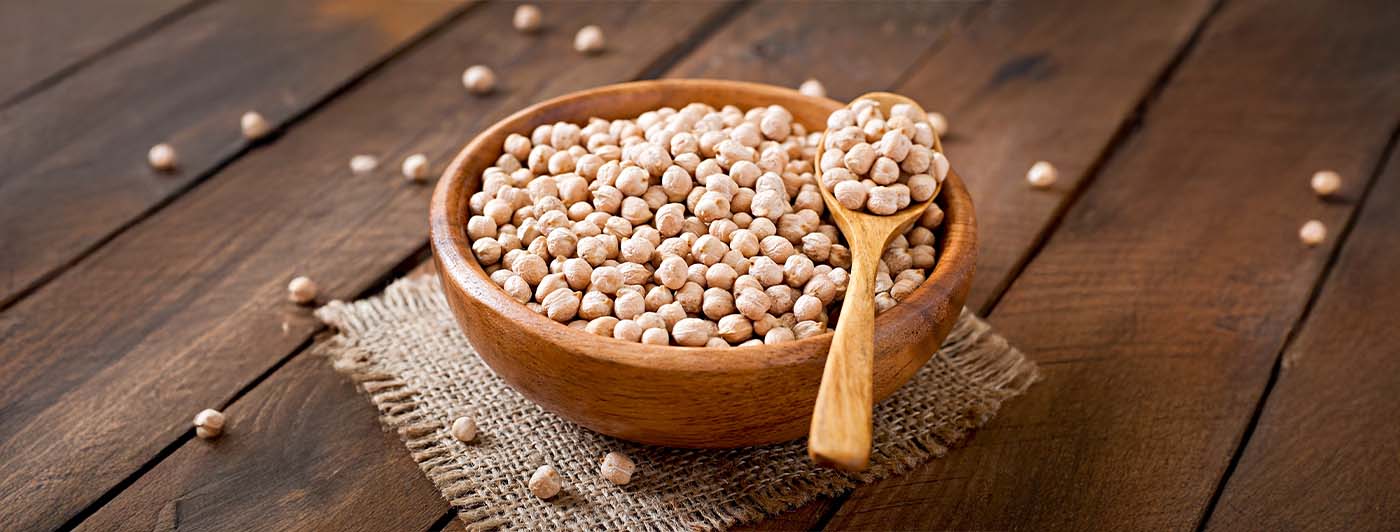
Kabuli chana is the white chickpea that forms the base of chole masala, chaat, and increasingly, the protein bowls that health-conscious Indians are building their meals around. Most people know it is "high in protein" but few know the actual number — and fewer still understand why that number changes dramatically between the raw figure on a database and what ends up in a cooked bowl. If you are tracking daily protein, managing blood sugar, or trying to understand whether kabuli chana can meaningfully close your daily protein gap, the raw vs cooked distinction is the starting point.
How Much Protein Does Kabuli Chana Contain per 100g?
Kabuli chana contains 19.3g of protein per 100g in its raw, dry form — and 8.86g per 100g once boiled — making it one of the most protein-dense legumes in the Indian kitchen, according to theICMR-NIN IFCT 2017. A standard 150g serving of cooked kabuli chana delivers 13–14g of protein. The raw and dry figures are identical — "raw" and "dry" refer to the same uncooked state; the protein drops only after water is absorbed during cooking.
Complete Data Breakdown: Kabuli Chana Nutrition per 100g
1. Raw vs Cooked vs Roasted — Protein Across Preparations
|
Preparation |
Protein per 100g |
Notes |
|
Raw/dry kabuli chana |
19.3g |
Database figure — not eaten in this form |
|
Cooked (boiled, pressure-cooked) |
8.8–8.9g |
What reaches the plate |
|
Sprouted kabuli chana |
5–6g per 100g |
Lower per 100g but higher bioavailability |
|
Roasted kabuli chana (chana jor garam) |
17–18g |
Snack form — concentrated protein, less water |
|
Kabuli chana flour (besan equivalent) |
20–22g |
Slightly higher than raw — moisture removed |
Source: ICMR-NIN Indian Food Composition Tables 2017

2. Full Nutritional Profile per 100g (Raw)
|
Nutrient |
Kabuli Chana (Raw) |
Kala Chana/Desi (Raw) |
Rajma (Raw) |
|
Protein (g) |
19.3g |
20–21g |
22–23g |
|
Carbohydrates (g) |
55–61g |
47–54g |
60g |
|
Fibre (g) |
17.4g |
11.2g |
15g |
|
Fat (g) |
5.1g |
3.7g |
1.3g |
|
Iron (mg) |
4.3mg |
3.9mg |
5.1mg |
|
Folate (mcg) |
557mcg |
480mcg |
394mcg |
|
Potassium (mg) |
875mg |
830mg |
1359mg |
|
GI |
28–36 |
33 |
29 |
|
Calories (kcal) |
365 |
327 |
337 |
The key distinction: kabuli chana has higher fibre and folate than kala chana but slightly less crude protein. The difference in actual protein content is negligible once cooked — both deliver 8–9g per 100g cooked, per thedesi vs kabuli comparison (PubMed).
3. Kabuli Chana Amino Acid Profile
Kabuli chana protein is notably rich in lysine — the amino acid most commonly deficient in Indian cereal-based diets. Achickpea amino acid review (PMC 2024) confirmed that kabuli chana contains essential amino acids above WHO recommended levels for lysine, isoleucine, leucine, phenylalanine, threonine, valine, and histidine.
|
Amino Acid |
Kabuli Chana |
Status vs WHO Recommendation |
|
Lysine |
6.2–6.7g per 16g N |
Above WHO recommendation |
|
Leucine |
6.5–7.1g per 16g N |
Above WHO recommendation |
|
Isoleucine |
3.1–4.0g per 16g N |
Above WHO recommendation |
|
Methionine |
Low |
Below — pair with grains |
|
Tryptophan |
Moderate |
Adequate |
The methionine gap is the only limitation — easily addressed by pairing kabuli chana with rice or roti in the same meal, which is exactly how chole is traditionally served. For more on lysine-rich plant foods and how to build complete protein combinations, see our guide onlysine-rich plant foods.
4. Protein by Serving Size — What You Actually Eat
|
Serving |
Weight |
Kabuli Chana Protein |
|
1 small katori cooked (100g) |
100g |
8.8–8.9g |
|
1 standard katori cooked (150g) |
150g |
13–14g |
|
1 bowl chole (250g) |
250g |
22–23g |
|
1 plate chaat (100g chana + toppings) |
~100g chana |
8–9g |
|
30g roasted chana (snack) |
30g |
5–5.5g |
Kabuli Chana vs Other Indian Legumes: Which Is Better?
|
# |
Parameter |
Kabuli Chana |
Winner |
|
1 |
Raw protein per 100g |
19.3g |
Rajma (22–23g) edges ahead; kala chana comparable |
|
2 |
Cooked protein per 100g |
8.8–8.9g |
Draw — all legumes similar once cooked |
|
3 |
Glycaemic index |
28–36 |
Kabuli chana wins — lower than most legumes |
|
4 |
Fibre per 100g raw |
17.4g |
Kabuli chana wins over kala chana and moong |
|
5 |
Folate per 100g |
557mcg |
Kabuli chana wins — highest among common Indian legumes |
|
6 |
Digestibility |
Good — smooth seed coat |
Kabuli wins over kala chana (thicker skin) |
|
7 |
Versatility in Indian cooking |
Chole, chaat, salads, hummus |
Draw with rajma; kabuli more versatile nationally |
|
8 |
Iron per 100g |
4.3mg |
Rajma and masoor dal lead marginally |
|
9 |
Protein completeness |
Incomplete (low methionine) |
Draw — all legumes need grain pairing |
One-line verdict: For the combination of protein, fibre, low GI, folate, and digestibility, kabuli chana is the most nutritionally balanced legume in the Indian kitchen. It does not lead on raw protein — rajma does — but it wins on the full nutritional package that matters for daily Indian use. For a detailed protein ranking across Indian dals, read our guide onhighest protein dals.
Benefits of Kabuli Chana Protein for Indians
1. High Protein
At 19.3g per 100g raw, kabuli chana protein rivals dal and surpasses most Indian grains — 1 bowl of cooked chole (250g) delivers 22–23g protein, more than 2 large eggs combined.
-
Covers ~35–40% of the 58g daily protein requirement for a 70kg adult perICMR-NIN RDA 2020
-
150g cooked serving = 13–14g protein at a cost of ₹8–15 — comparable protein per rupee to dal
-
Roasted kabuli chana as a snack delivers 5–5.5g protein per 30g — the most protein-dense Indian snack food
2. Ideal for Diabetics
GI of 28–36 makes kabuli chana one of the safest high-carbohydrate foods for diabetic Indians — lower than rice, roti, and most other legumes.
-
17.4g fibre per 100g raw slows glucose absorption significantly
-
Amylopectin structure of chickpea starch has a lower glycaemic response than most cereal starches
-
Regular chickpea consumption is associated with improved insulin sensitivity in multiple legume studies
-
Safe for daily use in diabetic Indians at 150–200g cooked without significant blood sugar impact
3. Richest in Folate and Iron
557mcg folate per 100g raw — critical for pregnant women, adults managing cardiovascular risk, and anyone with elevated homocysteine levels.
-
150g cooked kabuli chana delivers ~250mcg folate — 60% of the 400mcg daily requirement
-
Folate deficiency is widespread among Indian women aged 25–45; kabuli chana is the most accessible dietary source
-
Iron (4.3mg per 100g raw) and folate together make kabuli chana the best anti-anaemia legume in the Indian diet
4. Supports Weight Loss
Kabuli chana's protein + fibre combination creates satiety that lasts 3–4 hours after a meal — reducing between-meal cravings and total daily calorie intake.
-
17.4g fibre per 100g raw — highest among commonly eaten Indian legumes
-
Protein preserves lean muscle during calorie restriction
-
Low GI means no blood sugar spike and no rebound hunger 90 minutes after eating
-
365 kcal per 100g raw but cooked density drops significantly — large volume, high satiety, moderate calories
How to Include Kabuli Chana in Your Indian Diet
1. Chole (the classic): 250g cooked chole delivers 22–23g protein in one meal. Use a thick gravy — the denser the preparation, the higher the protein per spoon.
2. Breakfast chaat: 100g boiled kabuli chana + onion + tomato + chaat masala + lemon = 8–9g protein in a 10-minute breakfast. Add 1 boiled egg or 50g paneer to push it to 15–18g.
3. Roasted kabuli chana snack: 30g roasted chana delivers 5–5.5g protein — the best Indian snack for protein per gram. Replaces empty-calorie snacks mid-morning or evening. Oursattu protein guide covers how sattu — made from roasted chana — takes this further.
4. Sprouted kabuli chana: Soak 8–12 hours, sprout for 2–3 days. Bioavailability of protein, iron, and folate increases significantly as antinutrients reduce. 100g sprouted chana + cucumber + lemon = a protein-complete snack. Read oursprouts protein guide for the full breakdown.
5. Kabuli chana salad (protein bowl): 150g cooked kabuli chana + 50g paneer + cucumber + mint = 22–25g protein in one meal without any cooking beyond boiling.
6. Add to dal: Mix 50g cooked kabuli chana into any dal preparation — it disappears into the texture, adds 4–5g protein, and improves the amino acid profile of the overall meal.
Kabuli Chana Protein vs Other Indian Protein Sources
1. Kabuli Chana vs Kala Chana
Kala chana (desi chickpea) contains marginally more crude protein at ~20–21g per 100g raw vs kabuli's 19.3g. Once cooked, both deliver 8–9g per 100g — the difference is negligible. Kabuli chana has higher fibre (17.4g vs 11.2g per 100g) and a smoother seed coat that improves digestibility. Kala chana has a lower fat content (3.7g vs 5.1g). For protein tracking purposes, they are interchangeable.
Kabuli chana advantage: Higher fibre, better digestibility, more versatile in cooking — especially for chole and salads.
2. Kabuli Chana vs Rajma
Rajma leads kabuli chana on raw protein (22–23g vs 19.3g per 100g) and iron. Once cooked, the gap narrows to 8–9g per 100g for both. Rajma takes longer to cook and has a higher purine content — relevant for anyone managing uric acid. For a full comparison, read ourrajma protein guide.
Kabuli chana advantage: Lower GI, higher folate, better digestibility, quicker cooking time, lower purine content.
3. Kabuli Chana vs Dal
Kabuli chana and dal occupy different positions in the Indian meal — dal is an everyday staple, kabuli chana is a weekend or special meal protein. Per 100g raw, kabuli chana's 19.3g is comparable to urad dal (24–25g) and toor dal (21–22g). The key difference is preparation time — dal cooks in 15–20 minutes, kabuli chana needs overnight soaking and 20–30 minutes of pressure cooking.
Kabuli chana advantage: Higher fibre than most dals, lower GI than toor dal, higher folate, better as a meal centrepiece.
4. Kabuli Chana vs Plant Protein Supplement
250g of chole (the most realistic daily serving) delivers 22–23g protein. That covers 35–40% of a 70kg adult's daily 58g target. Dal across two meals covers another 20–28g. The remaining 10–20g gap is where a clean supplement closes the difference without requiring another full meal.

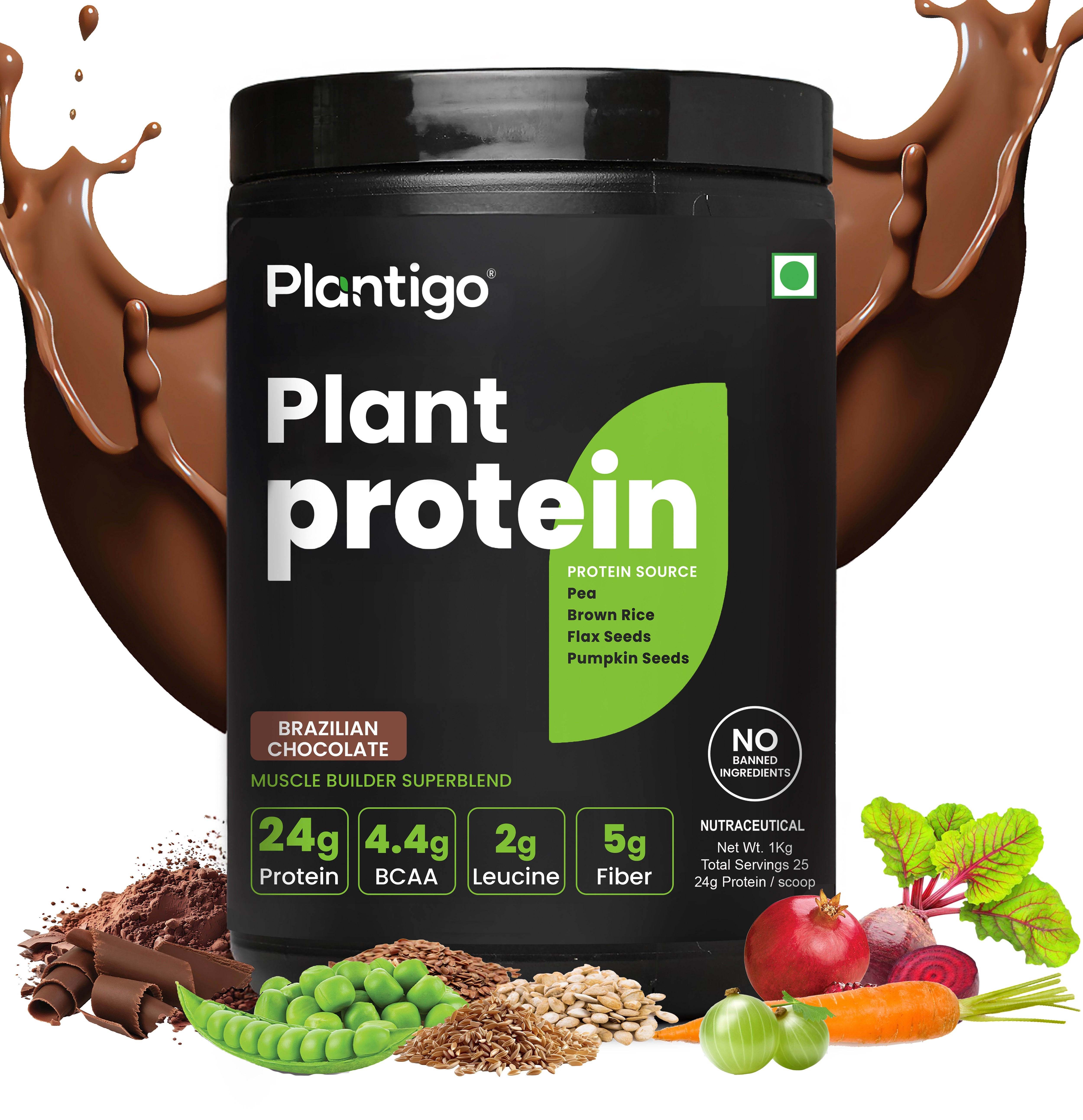
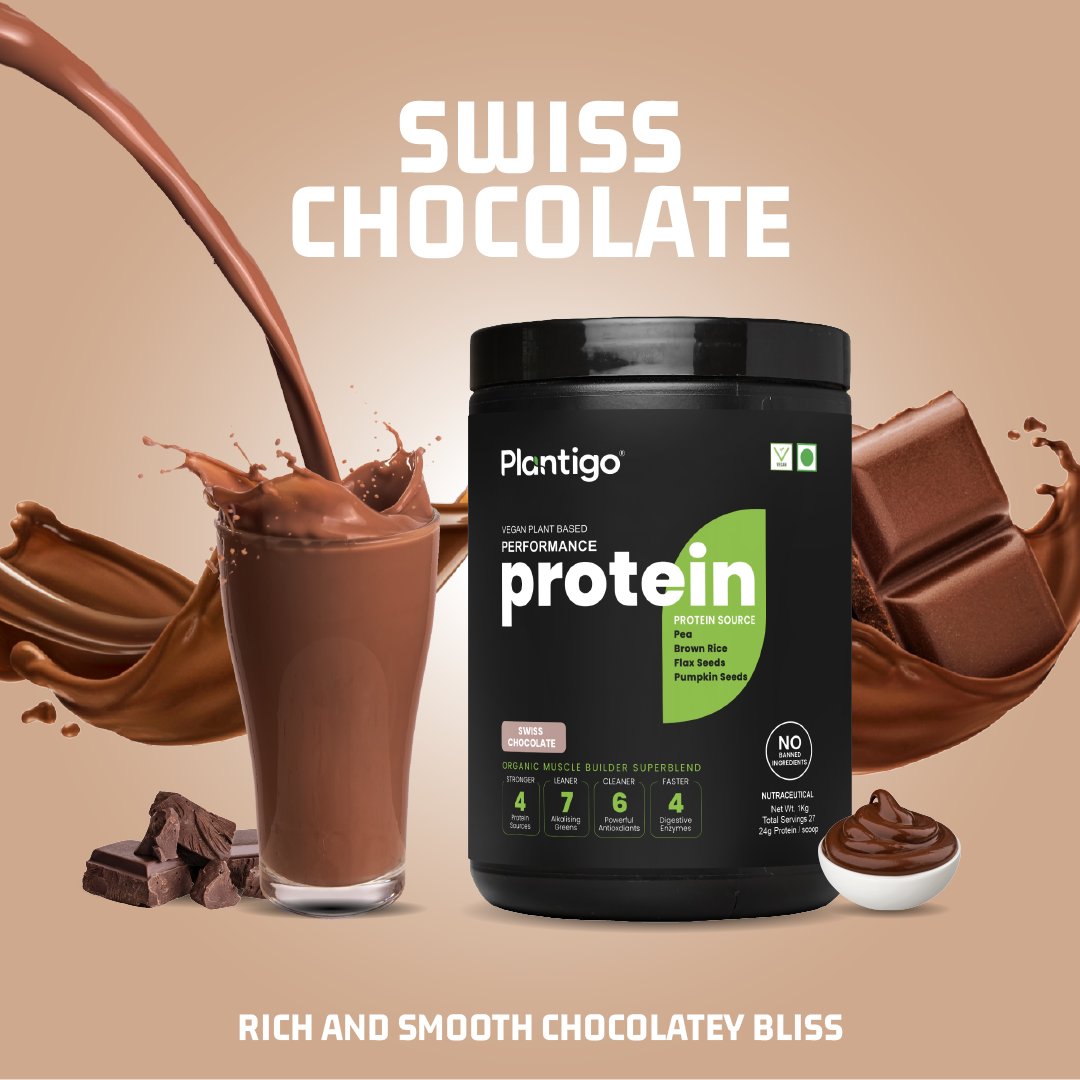
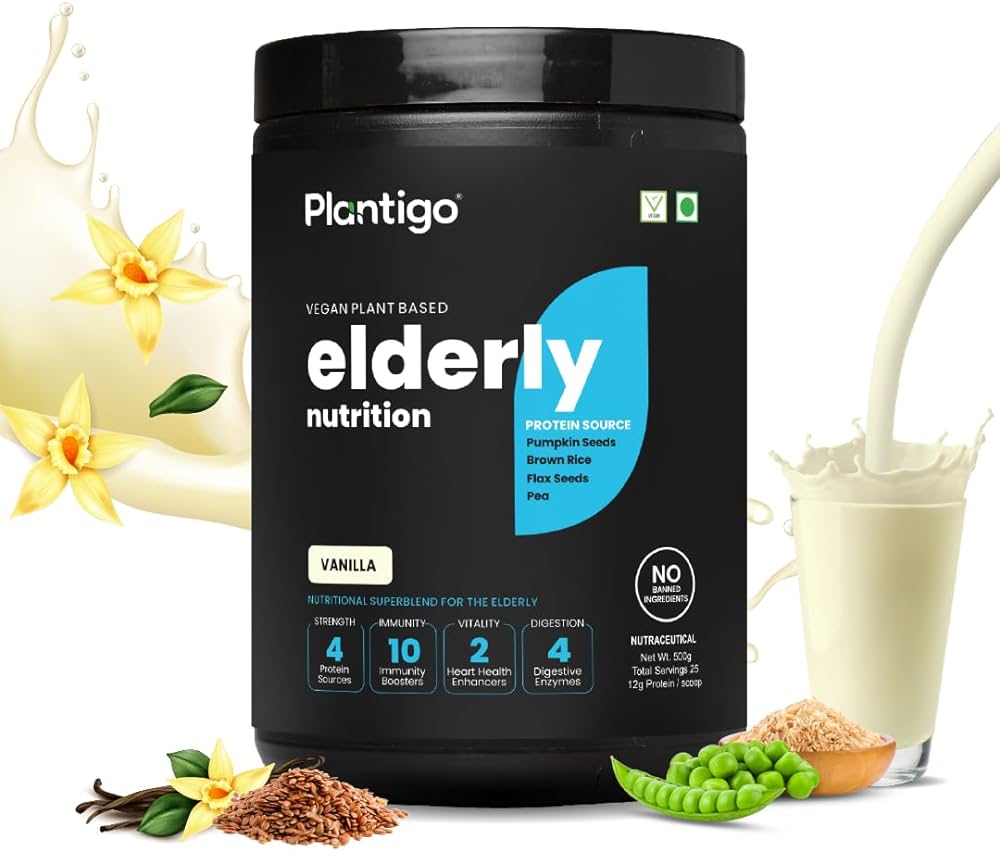
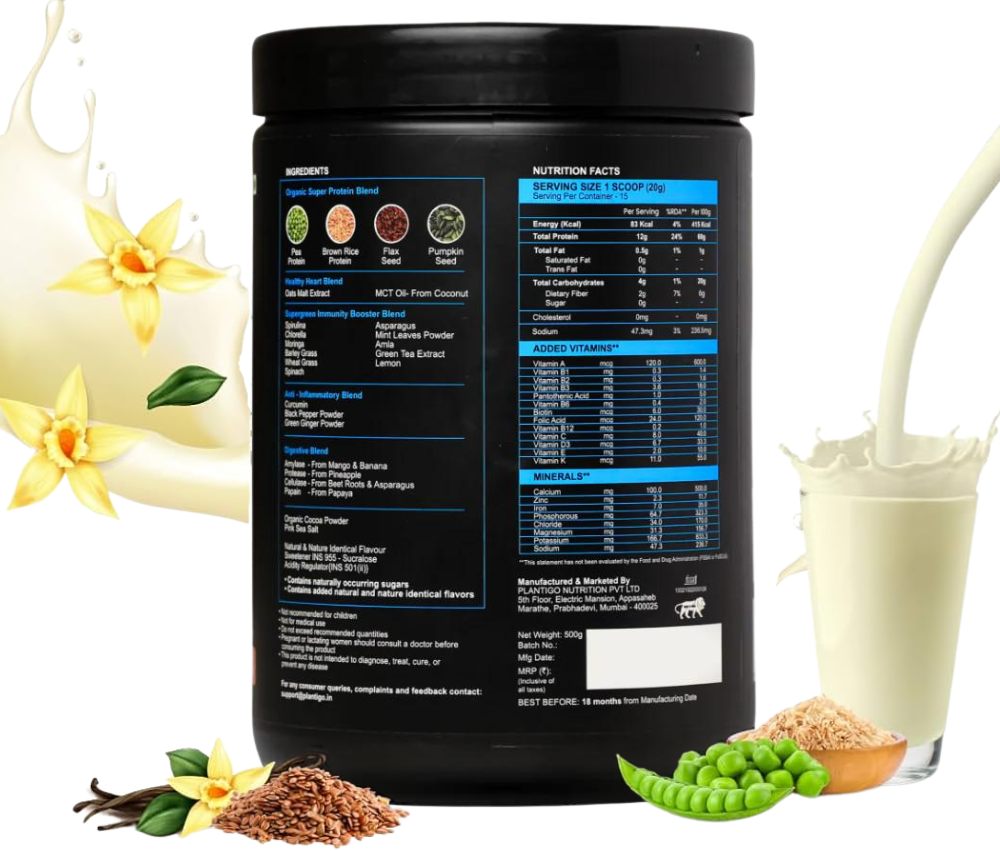
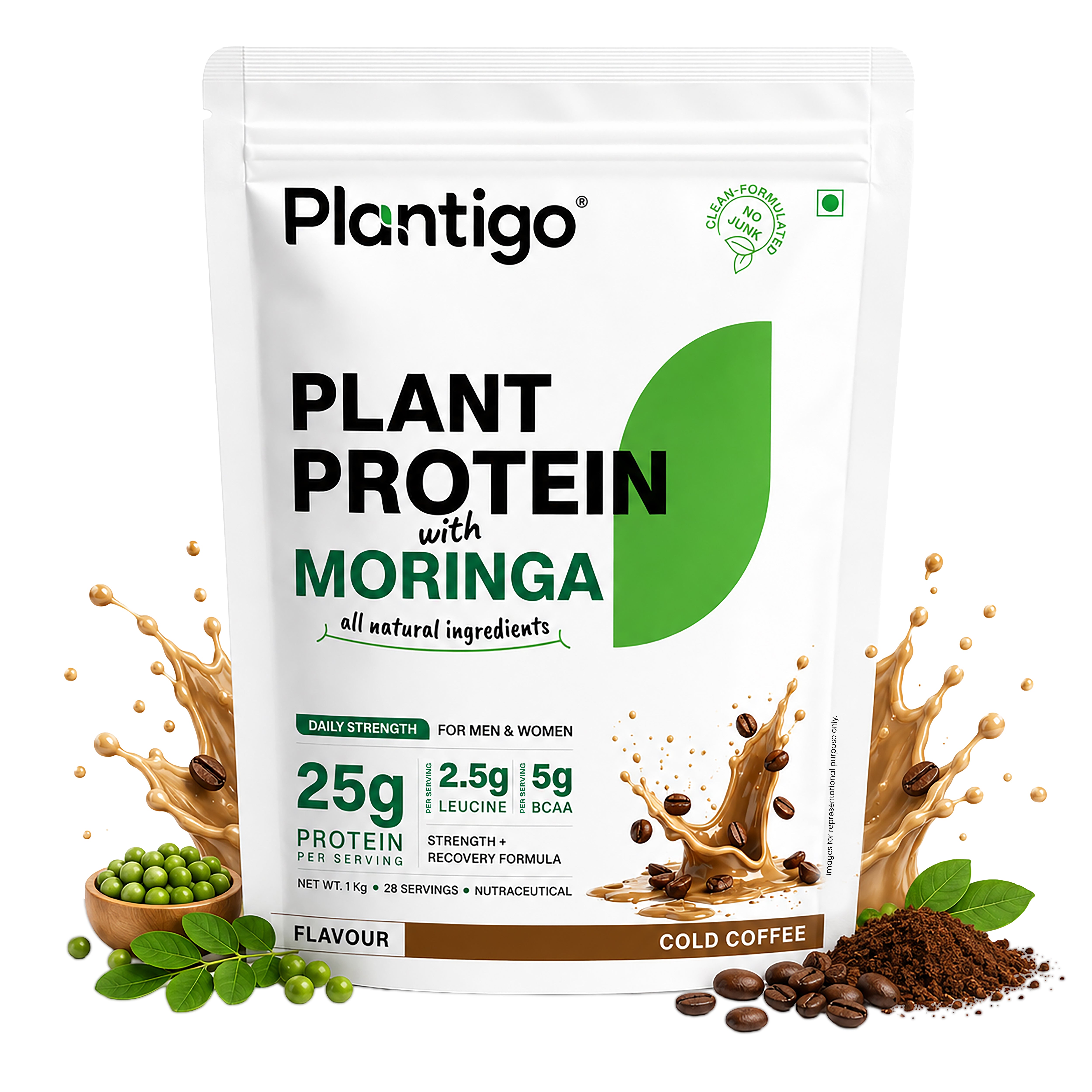
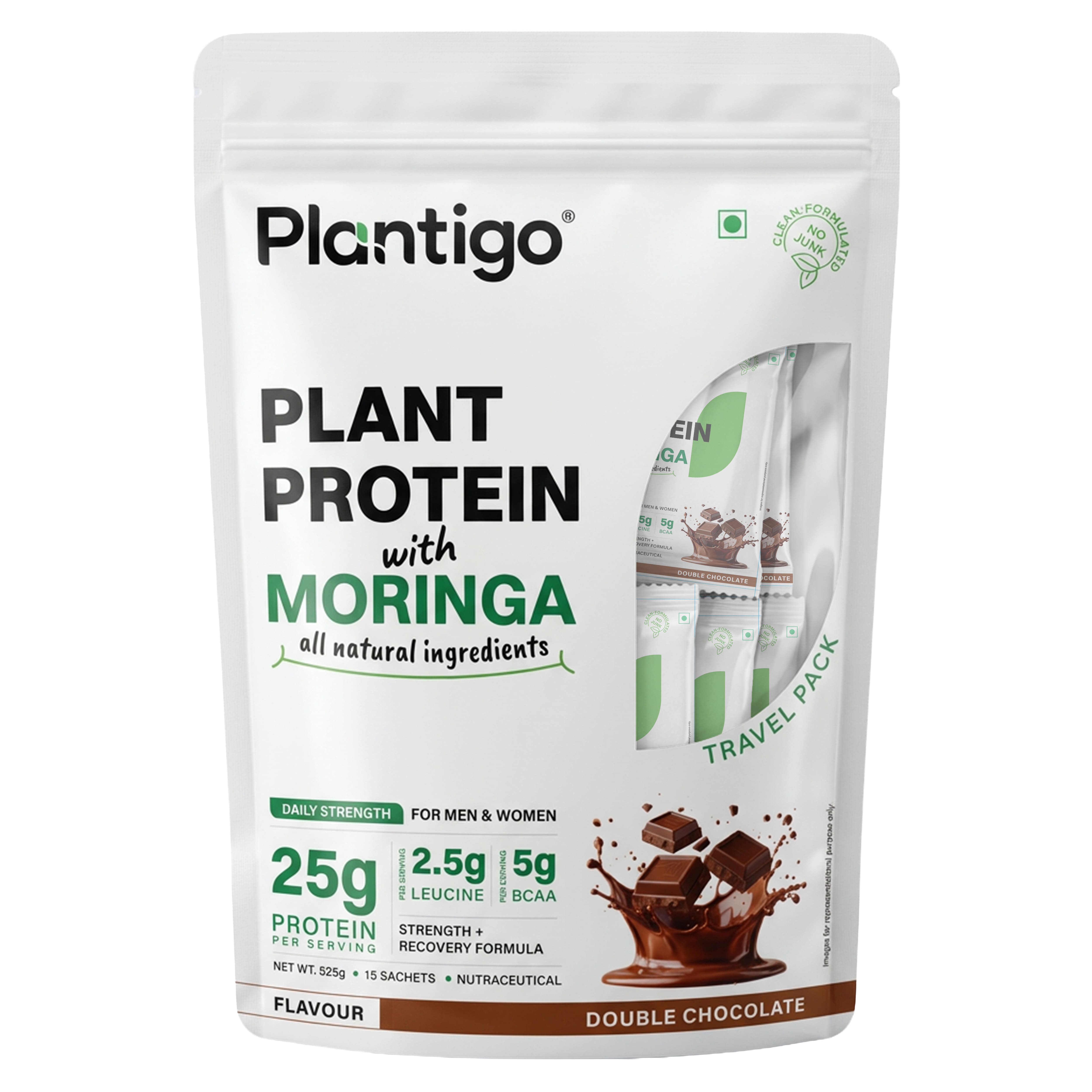
If kabuli chana and dal together aren't closing your daily protein gap, Plantigo can help bridge it with a complete plant-based protein blend of Canadian Pea Isolate, Brown Rice, Pumpkin Seed, and Flaxseed — delivering all 9 essential amino acids without relying on dairy. With 4 digestive enzymes from real fruit, zero Class 2 preservatives, third-party Eurofins testing, and a 30-day taste guarantee, it is built for Indians who want clean, daily protein support.View Plantigo Plant-Based Protein
The Bottom Line
Kabuli chana protein per 100g raw is 19.3g — among the highest of any commonly eaten Indian legume. Once cooked, that becomes 8.8–8.9g per 100g, with a standard 150g serving delivering 13–14g of usable protein. For daily Indian use, kabuli chana wins not just on protein but on the full package: lowest GI among legumes, highest folate, excellent fibre, and a digestibility advantage over kala chana and rajma. Paired with rice or roti in the same meal, it forms a complete protein covering all 9 essential amino acids.
One bowl of chole covers roughly 35% of the daily protein requirement. Two meals with kabuli chana and dal together cover 60–70%. For Indians aged 25–55 looking to close the remaining gap without a dramatic diet change, a clean plant protein supplement used daily is the most practical bridge.
Frequently Asked Questions
1. How much protein is in 100g of dry kabuli chana?
19.3g protein per 100g — dry and raw are the same state. The protein drops to 8.86g per 100g only once cooked, as water absorption increases total weight, per ICMR-NIN IFCT 2017.
2. How much protein is in 100g of raw kabuli chana?
19.3g per 100g — identical to the dry figure. Raw kabuli chana has not been cooked or soaked, so the protein concentration is at its highest.
3. Can I eat 100g of kabuli chana daily?
Yes — 100g cooked daily (about two-thirds of a katori) is safe and beneficial for most adults, delivering ~8–9g protein and 7.6g fibre. Those with kidney stones should moderate due to oxalate content; kidney disease patients must consult a nephrologist.
4. Is kabuli chana good for weight loss?
Yes — its protein + fibre combination creates satiety for 3–4 hours, reducing between-meal cravings. Plain boiled kabuli chana provides only ~164 kcal per 100g. The preparation method matters: avoid cream or excess oil in the gravy.
5. Which vitamin is in kabuli chana?
Folate (Vitamin B9) at 557mcg per 100g raw is the standout — one of the highest among Indian legumes. Kabuli chana also contains B1 (thiamine), B6, and small amounts of Vitamin K and Vitamin C.
6. How to get 70g protein per day from an Indian vegetarian diet?
1 bowl chole (250g, 22–23g) + 2 katoris dal (20–24g) + 100g paneer or curd (18–20g) + 1 scoop Plantigo (25g) = 85–92g — exceeds the 70g target using only Indian kitchen staples.
7. How does kabuli chana compare to dal for protein?
Once cooked, both converge at 7–9g per 100g. Kabuli chana wins on fibre, folate, and GI; dal wins on cooking convenience and everyday versatility.
External Sources
-
ICMR-NIN —Indian Food Composition Tables 2017
-
PMC —Chickpea Nutritional Potential and Amino Acid Profile (2024)
-
ICMR-NIN —RDA and EAR for Indians, 2020
Disclaimer: This article is for educational purposes only. If you have diabetes, kidney disease, digestive issues, are pregnant, or are on medication, consult your doctor or dietitian before making major dietary changes.