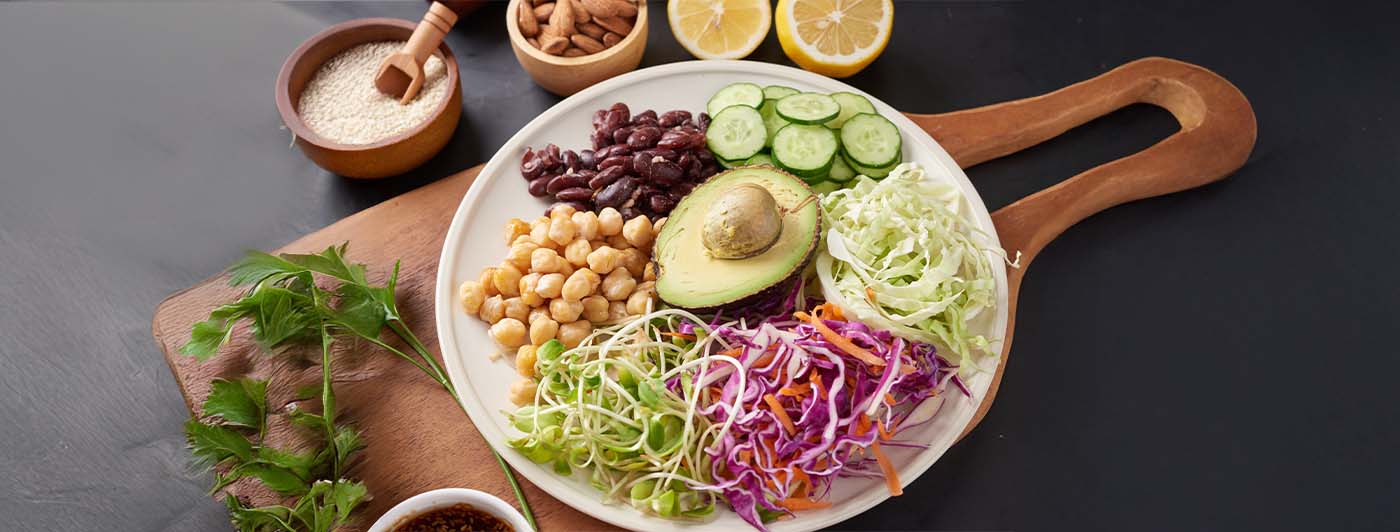
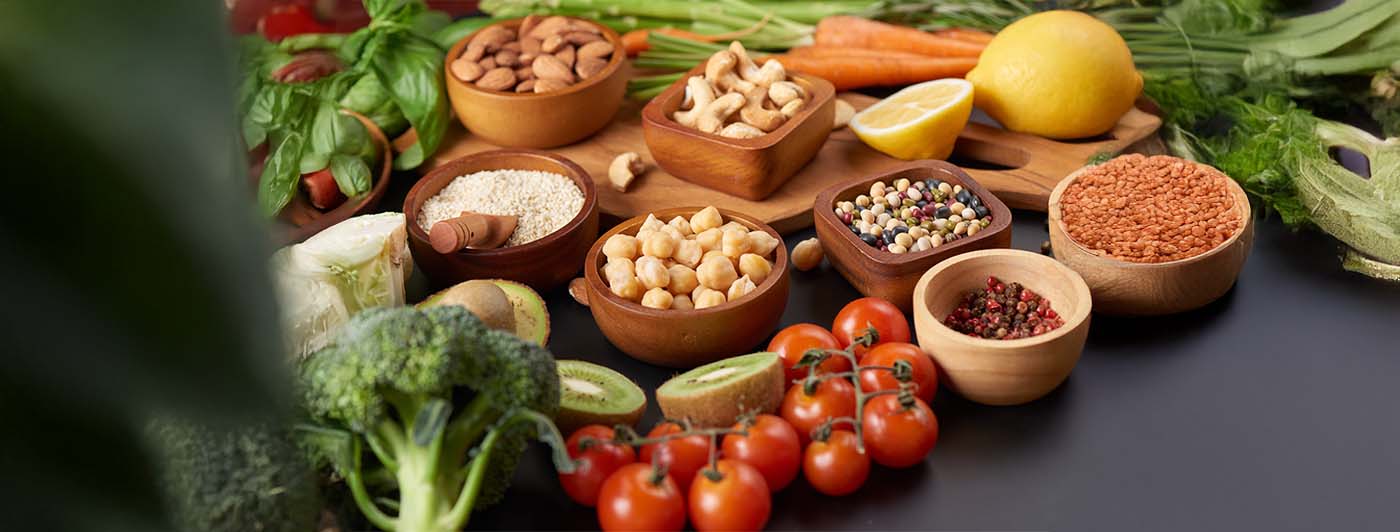
Lysine-rich foods are essential for building a complete protein diet, especially on a plant-based lifestyle. The best sources include soybeans, lentils, chickpeas, quinoa, and pumpkin seeds — all of which provide significant amounts of this essential amino acid while also contributing to overall plant protein intake.
Since the body cannot produce lysine on its own, it must be obtained through daily food choices. Foods like lentils, chickpeas, quinoa, and pumpkin seeds not only provide lysine but also help support a balanced and effective plant-based diet.
What are the best plant-based lysine-rich foods?
The top sources include:
-
Soybeans – 2.7g per 100g
-
Lentils – 1.8g per 100g
-
Chickpeas – 1.3g per 100g
-
Pumpkin seeds – 1.2g per 100g
-
Quinoa – 0.7g per 100g
These foods are among the richest plant-based sources of lysine and help support a complete amino acid profile when combined with grains.
Introduction
Here's something most plant-based eaters never discover — until it shows up quietly in their energy, recovery, and immune resilience.
Of all nine essential amino acids, lysine is the one most likely to fall short in a plant-heavy diet. Not because plants lack protein — but because the most commonly eaten plant staples — rice, wheat, oats, corn — are all naturally low in lysine. Build your diet around these grains without deliberate lysine rich foods alongside them, and you're running a slow, invisible deficit.
The effects are real: impaired collagen synthesis, reduced calcium absorption, slower immune response, and compromised muscle recovery. Most people attribute these symptoms to stress or poor sleep — never connecting them to a single missing amino acid.
This article closes that gap with 20 plant-based lysine rich foods, their exact profiles, and a practical framework for using them daily.
Key Takeaways
-
Lysine rich foods are critical in plant-based diets because rice, wheat, and corn - the most consumed staples - are all low in lysine
-
Legumes are the most reliable lysine rich foods — lentils, soybeans, chickpeas, and kidney beans lead the category
-
Seeds like pumpkin and hemp provide lysine alongside zinc, methionine, and healthy fats
-
Quinoa and amaranth are the only commonly eaten grains that deliver meaningful lysine
-
Combining legumes with grains creates a complete amino acid profile naturally
-
Sprouting and fermentation measurably improve lysine bioavailability
Why Lysine Is the Most Critical Amino Acid for Plant-Based Eaters

-
Lysine is the first limiting amino acid in most plant-based diets - the essential amino acid most likely to fall below the threshold the body needs for complete protein utilisation.
-
When lysine falls short, the body cannot use remaining amino acids at full efficiency — regardless of total protein intake. This is because lysine is the first limiting amino acid in cereal-based diets, according to research.
-
Collagen synthesis - lysine is a direct precursor to hydroxyproline, the structural backbone of connective tissue, skin, and bone
-
Calcium absorption - lysine enhances intestinal calcium uptake and reduces urinary calcium loss
-
Carnitine production - lysine is the precursor to L-carnitine, which transports fatty acids into mitochondria for energy
-
Immune function - lysine supports antibody production and has documented antiviral properties
-
Muscle repair - alongside leucine, lysine drives the muscle protein synthesis cycle after every training session
What Happens Without Enough Lysine Rich Foods?
Chronic lysine insufficiency manifests as fatigue, slow wound healing, reduced muscle recovery, frequent infections, and over time, measurable bone density loss.
Population studies on predominantly grain-based diets consistently show lower lysine adequacy ratios where legume intake is low. The fix is straightforward — and it starts with the 20 foods below.
The 20 Plant-Based Lysine Rich Foods
|
Food |
Lysine (per 100g) |
Protein (per 100g) |
Best Used As |
|
|
1 |
Soybeans |
2.71g |
36g |
Base for tofu, tempeh, edamame |
|
2 |
Lentils |
1.87g |
25g |
Dal, soups, salads |
|
3 |
Kidney Beans (Rajma) |
1.75g |
24g |
Curries, rice bowls |
|
4 |
Urad Dal |
1.65g |
25g |
Idli, dosa, dal makhani |
|
5 |
Peas |
1.65g |
25g |
Curries, protein supplements |
|
6 |
Moong Dal |
1.60g |
24g |
Khichdi, sprouts, soups |
|
7 |
Black Beans |
1.48g |
21g |
Curries, rice combinations |
|
8 |
Chickpeas |
1.37g |
19g |
Hummus, chhole, snacks |
|
9 |
Pumpkin Seeds |
1.24g |
30g |
Snacks, toppings, trail mix |
|
10 |
Tempeh |
1.15g |
19g |
Stir-fry, grilling, marinating |
|
11 |
Tofu |
1.05g |
17g |
Scrambles, stir-fry, smoothies |
|
12 |
Edamame |
0.97g |
11g |
Snacks, meal prep, bowls |
|
13 |
Chia Seeds |
0.97g |
17g |
Puddings, oats, smoothies |
|
14 |
Spirulina |
0.96g |
60–70g |
Smoothies, supplements |
|
15 |
Hemp Seeds |
0.91g |
31g |
Toppings, smoothies, oats |
|
16 |
Quinoa |
0.77g |
14g |
Grain base, porridge, bowls |
|
17 |
Amaranth |
0.75g |
14g |
Porridge, grain base |
|
18 |
Nutritional Yeast |
3.11g* |
50g |
Sauces, soups, seasoning |
|
19 |
Oats |
0.50g |
13–17g |
Breakfast, energy balls |
|
20 |
Sunflower Seeds |
0.54g |
21g |
Snacks, seed butter, toppings |
1. Soybeans
2.71g lysine/100g dry — the highest of any commonly available plant food. At 36g total protein per 100g, soybeans are both the most lysine-dense and most protein-dense whole food in the plant kingdom. Edamame, tofu, tempeh, and soy milk all carry the same foundational lysine profile. Tempeh — fermented soy — improves bioavailability further by degrading phytic acid during fermentation.
2. Lentils
1.87g lysine/100g dry — the most practical daily lysine source in any plant-based kitchen. Cook in under 20 minutes, cost a fraction of other protein foods, and pair complementarily with any grain to complete an amino acid profile. Red, green, and black lentils all deliver comparable lysine — rotate between them for variety without sacrificing consistency.
3. Kidney Beans (Rajma)
1.75g lysine/100g dry — with one of the strongest micronutrient profiles of any legume. Rajma nutritional value per 100g includes 24g protein, 6.4mg iron, 140mg calcium, and 4.5mg zinc — making it one of the most complete lysine rich foods available. Rajma-chawal is a textbook complementary protein combination: lysine from the beans, methionine from the rice.
4. Chickpeas
1.37g lysine/100g dry — plus arginine (1.93g/100g) for cardiovascular and muscle support. Among lysine rich foods that are also culinarily versatile, chickpeas lead. Hummus, chhole, roasted snacks, salads — chickpeas fit more meal formats than any other legume, making daily lysine intake effortless.
5. Black Beans
1.48g lysine/100g dry — uniquely paired with anthocyanin antioxidants. Black beans are unusual among lysine rich foods: their dark pigment delivers free-radical protection alongside protein. Paired with rice, they form one of the world's most nutritionally complete and culturally widespread complementary protein combinations.
6. Quinoa
0.77g lysine/100g dry — more than double the lysine of wheat or rice. The only commonly eaten grain that qualifies as a complete protein. While wheat delivers just 0.27g lysine/100g and rice even less, quinoa fills the lysine gap conventional grains create. At 14g protein and 197mg magnesium per 100g dry, it's both a lysine source and a mineral-dense training fuel.
7. Pumpkin Seeds
1.24g lysine/100g — plus 30g protein, 7.81mg zinc, and 592mg magnesium. Pumpkin seeds are among the best zinc rich foods for vegetarians available — zinc being the mineral most commonly depleted in plant-heavy diets. One handful daily delivers lysine, methionine, zinc, and magnesium with zero preparation required.
8. Hemp Seeds
0.91g lysine/100g — all nine essential amino acids, omega-6:omega-3 ratio of 3:1. Two tablespoons add 10g complete protein and meaningful lysine to any meal without cooking. Among lysine rich foods that integrate invisibly into oats, smoothies, and salads, hemp seeds are the most practical daily addition available.
9. Edamame
0.97g lysine/100g cooked — full soybean amino acid profile in snack form. At 11g protein per 100g cooked with 303mcg folate and vitamin K, edamame functions as both a lysine source and a micronutrient delivery vehicle — especially useful for plant-based athletes managing bone health alongside performance goals.
10. Tofu
1.05g lysine/100g firm — soybean lysine quality across every cooking method. Grilled, scrambled, baked, or stir-fried — tofu maintains its lysine profile regardless of preparation. Silken tofu adds a protein-dense base to smoothies and dressings with the same lysine credentials. One of the most cooking-flexible lysine rich foods available.
11. Tempeh
1.15g lysine/100g — fermentation makes it the most bioavailable soy-derived lysine source. Fermentation degrades phytic acid, improving amino acid absorption beyond what the raw numbers suggest. For anyone serious about maximising return from lysine rich foods, tempeh is the benchmark for bioavailability in the legume-derived category.
12. Amaranth
0.75g lysine/100g dry — all nine essential amino acids, dramatically more lysine than any true grain. A pseudocereal technically — a seed behaving like a grain. Its squalene content adds antioxidant and cholesterol-modulating properties beyond its amino acid profile. One of the oldest cultivated lysine rich foods on Earth, now increasingly validated by modern nutritional research.
13. Moong Dal
1.60g lysine/100g dry — the most digestible legume lysine source available. Low phytic acid and trypsin inhibitor concentrations mean moong dal's lysine is absorbed more efficiently than most legumes. Sprouted moong dal improves this further — germination activates phytase enzymes that unlock additional bioavailability. Best daily legume choice for those with sensitive digestion.
14. Urad Dal
1.65g lysine/100g dry — 25g protein, 7.57mg iron, 138mg calcium. Fermented urad dal — the base of idli and dosa batter — undergoes lactic acid fermentation that reduces antinutrients and amplifies nutrient absorption. The idli-dosa system is one of the most nutritionally intelligent food preparation traditions ever developed, and a cornerstone of plant-based lysine rich foods in Indian cuisine.
15. Peas
1.65g lysine/100g dry — plus leucine high enough to independently trigger muscle protein synthesis. Yellow split peas are the source of the globally dominant plant based protein powder category. Their hypoallergenic profile — free from soy, gluten, dairy, and nuts — combined with strong lysine and leucine credentials makes pea plant protein the most evidence-backed supplement option for bridging dietary gaps.

16. Oats
0.50g lysine/100g dry — modest lysine but significant nutritional context. With 13–17g protein per 100g and beta-glucan fiber for sustained energy, oats contribute meaningfully to daily lysine totals. A question worth addressing directly: can oats help in weight gain? Yes — combined with nut butter, hemp seeds, and dried fruits, oats become an efficient caloric surplus vehicle alongside their lysine contribution.
17. Spirulina
0.96g lysine/100g dry — at 60–70% protein by weight, the most concentrated natural food source. One tablespoon daily adds meaningful lysine with negligible fat or carbohydrate. Among lysine rich foods measured by nutritional return per gram consumed, spirulina has no equal. Palatability is the only barrier — solved easily in a fruit smoothie.
18. Nutritional Yeast
3.11g lysine/100g — the highest lysine concentration of any food on this list. Consumed in tablespoon quantities rather than 100g portions, but even one tablespoon (8g) delivers 0.25g bioavailable lysine. Savoury, cheese-like flavour integrates into sauces, soups, and dressings invisibly — the easiest lysine top-up in any kitchen.
19. Chia Seeds
0.97g lysine/100g — all nine essential amino acids, 17.8g ALA omega-3. Gel-forming soluble fiber (34.4g/100g) slows gastric emptying, creating sustained amino acid release including lysine. Among lysine rich foods that simultaneously support gut health, omega-3 intake, and complete protein, chia seeds occupy a unique and irreplaceable position.
20. Sunflower Seeds
0.54g lysine/100g — strategic methionine complement to legume-heavy diets. Sunflower seeds earn their place not as a lysine leader but as a gap-filler. Legumes dominate this list on lysine but run low on methionine. Sunflower seeds (0.49g methionine/100g) directly address that gap — creating a more complete amino acid environment when eaten alongside lysine rich foods.
How to Build a Diet Around Lysine Rich Foods
|
Meal |
Food Combination |
Lysine Contribution |
|
Breakfast |
Oats + hemp seeds + chia seeds |
~0.8g |
|
Lunch |
Lentil dal + quinoa + spinach |
~2.1g |
|
Snack |
Edamame + pumpkin seeds |
~1.0g |
|
Dinner |
Tempeh + amaranth + broccoli |
~1.5g |
|
Daily Total |
~5.4g |
The recommended daily lysine intake for adults is approximately 30mg per kilogram of body weight — roughly 2.1g for a 70kg individual. This framework delivers more than double that, with a buffer for bioavailability losses through cooking. Use a protein intake calculator to align targets with your specific body weight and activity level.
The Grain Question: Where Do Rice and Roti Fit?
Rice and roti are the caloric backbone of the Indian diet — and neither is a meaningful lysine source.
Basmati rice glycemic index sits at approximately 50–58 — lower than most people assume — making it a reasonable carbohydrate choice for blood sugar management. But its lysine content (~0.22g/100g dry) is negligible. One wheat roti protein content is approximately 3–4g — meaningful for daily totals, but with a lysine profile (0.27g/100g wheat) that cannot anchor a lysine-adequate diet independently.
This is not an argument against rice or roti. It's an argument for what sits alongside them. Dal-chawal and dal-roti aren't just cultural traditions — they are the nutritional correction that makes rice and wheat viable as dietary staples. The legume fills the lysine gap the grain creates. Understanding this changes how you build every Indian meal.
Micronutrients That Work Alongside Lysine Rich Foods
Zinc enhances protein metabolism and immune function — the same systems lysine supports. Best zinc rich foods for vegetarians: pumpkin seeds (7.81mg/100g), hemp seeds, lentils, chickpeas. Pair with vitamin C to counteract phytate interference.
Vitamin C is essential for the collagen synthesis pathway lysine initiates. Without it, lysine cannot complete its role in collagen formation regardless of intake. Amla, bell peppers, citrus, and tomatoes — include one at every meal containing lysine rich foods.
Iron supports oxygen delivery to tissues where lysine-driven protein synthesis occurs. Lysine, iron, and vitamin C form a functional micronutrient cluster worth tracking together in any plant-based diet.
Connecting to Your Broader Nutrition Strategy
Understanding lysine rich foods is one piece of a larger nutritional framework. Total protein intake, caloric adequacy, training load, and gut health all determine how effectively your body uses the lysine you consume.
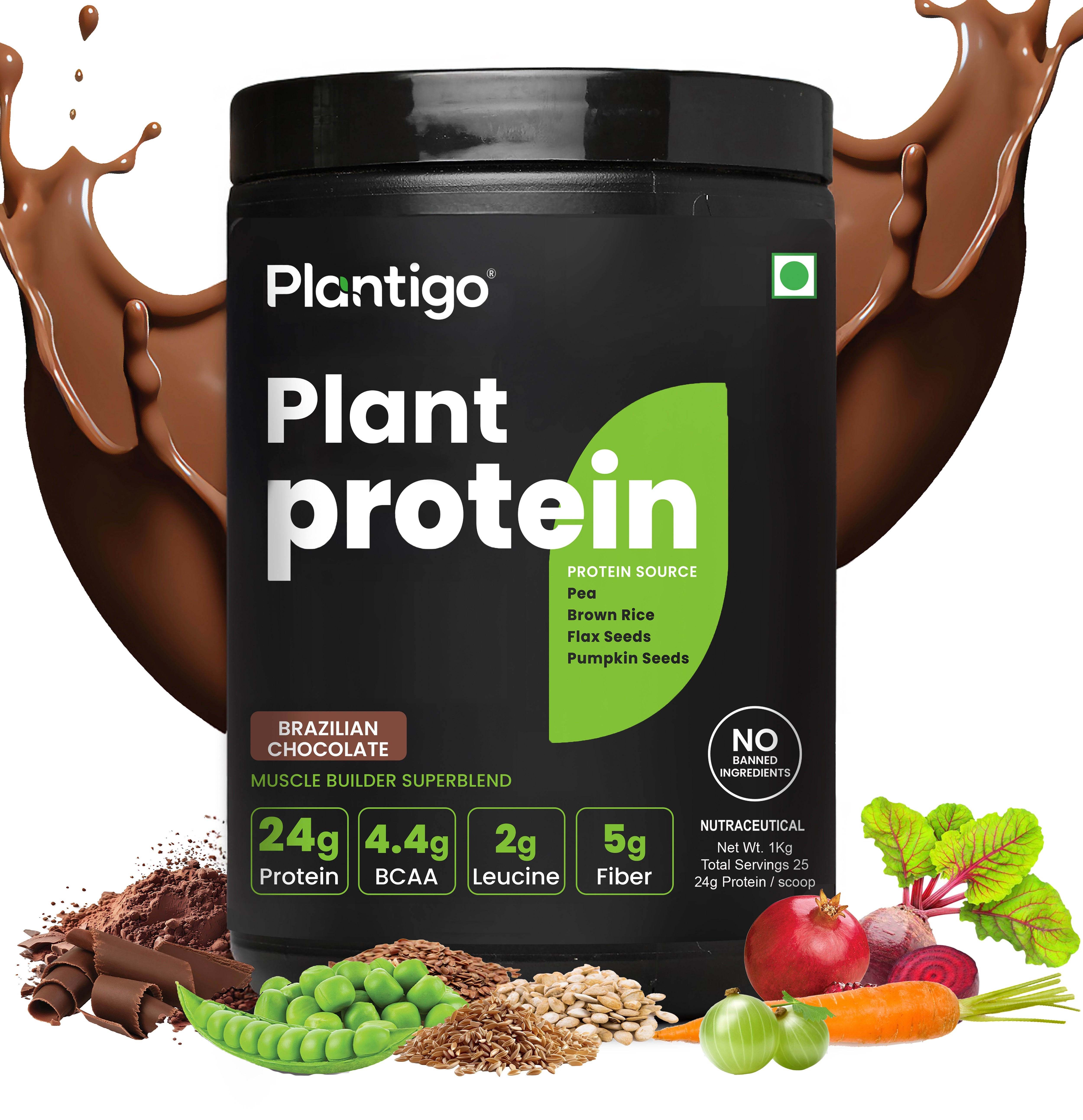
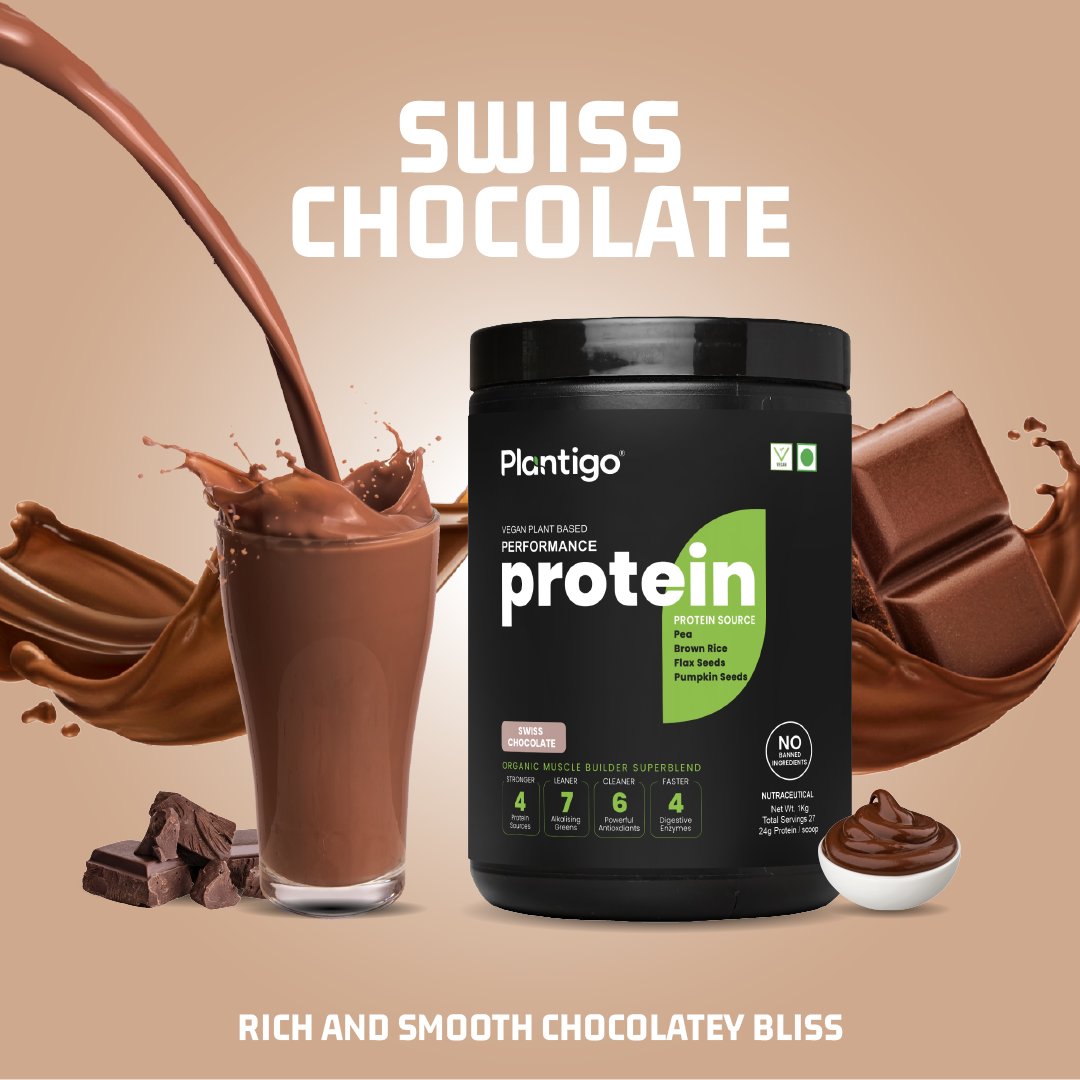
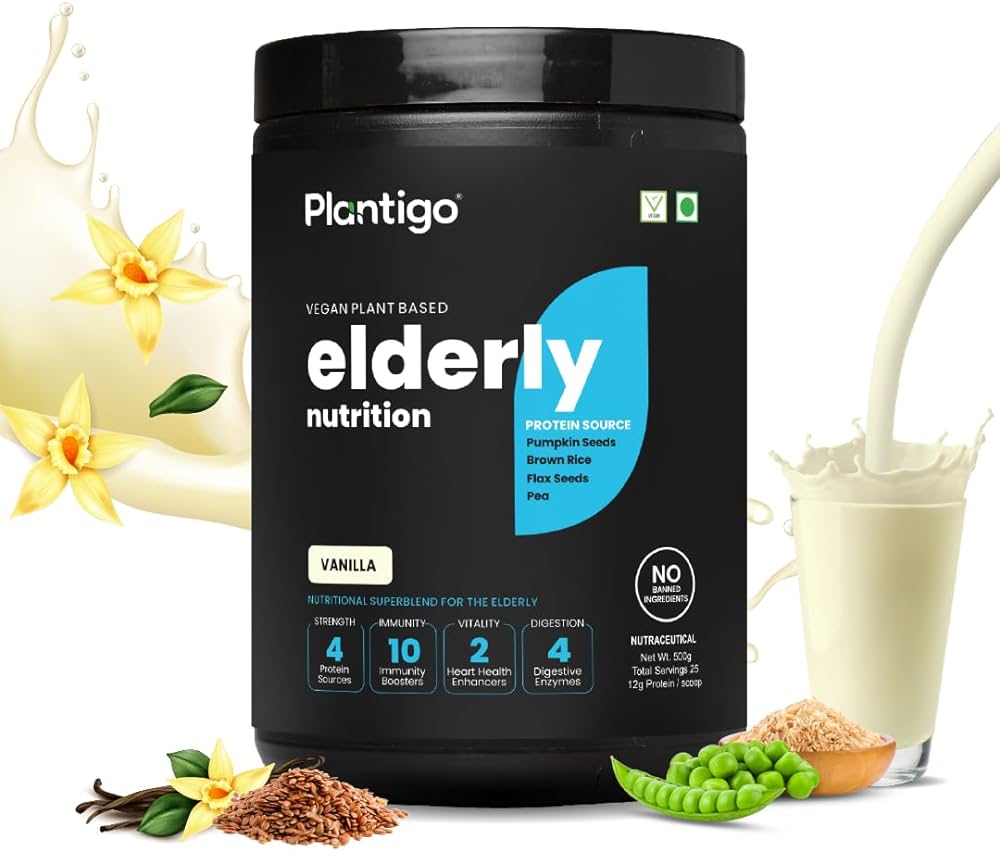
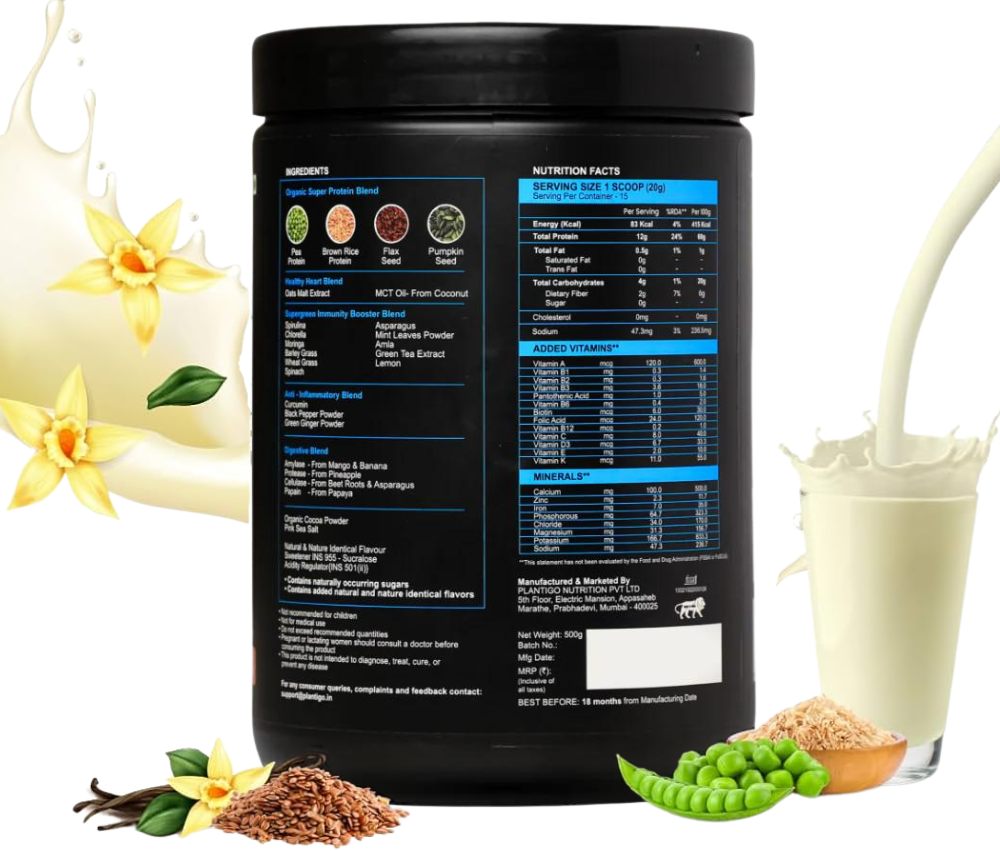
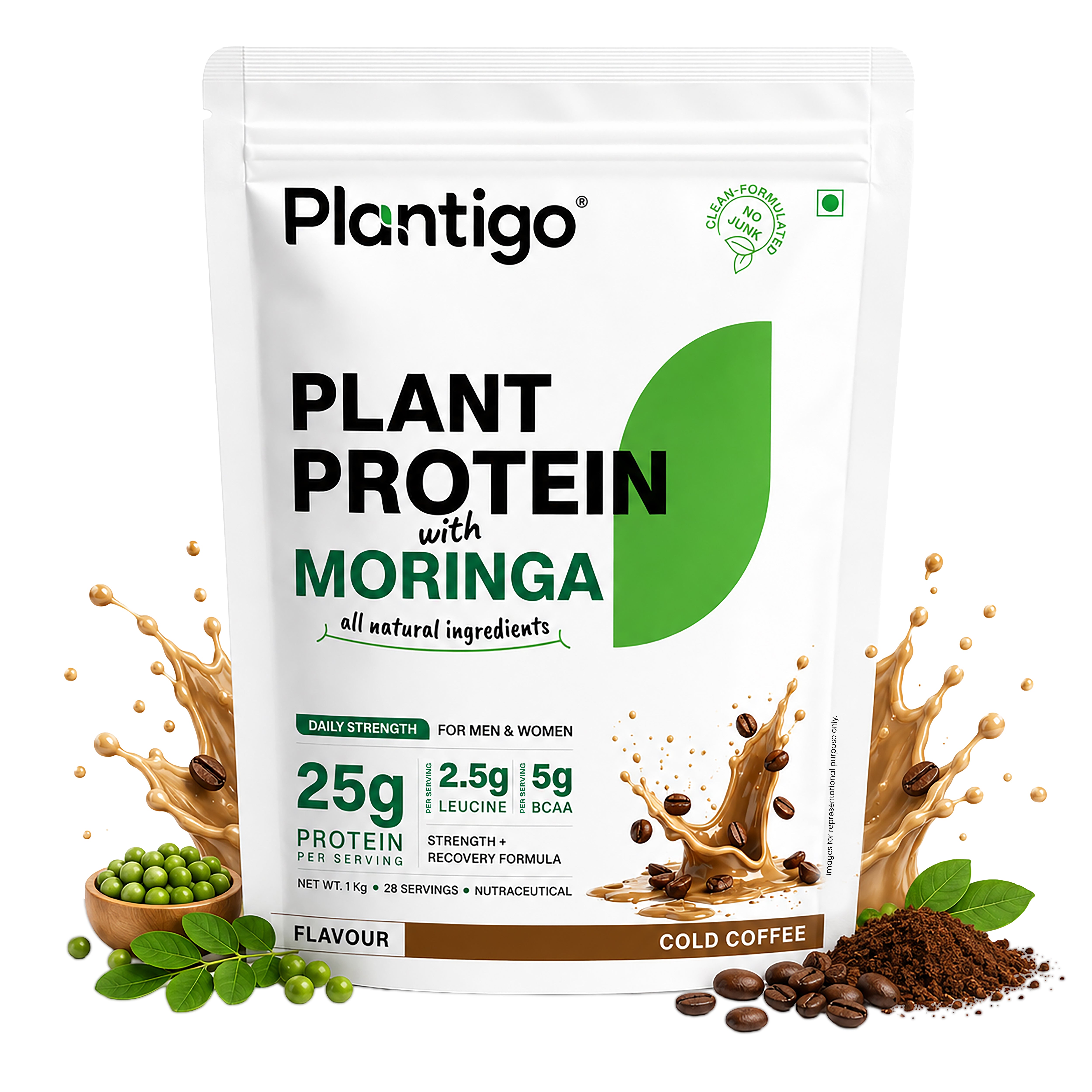
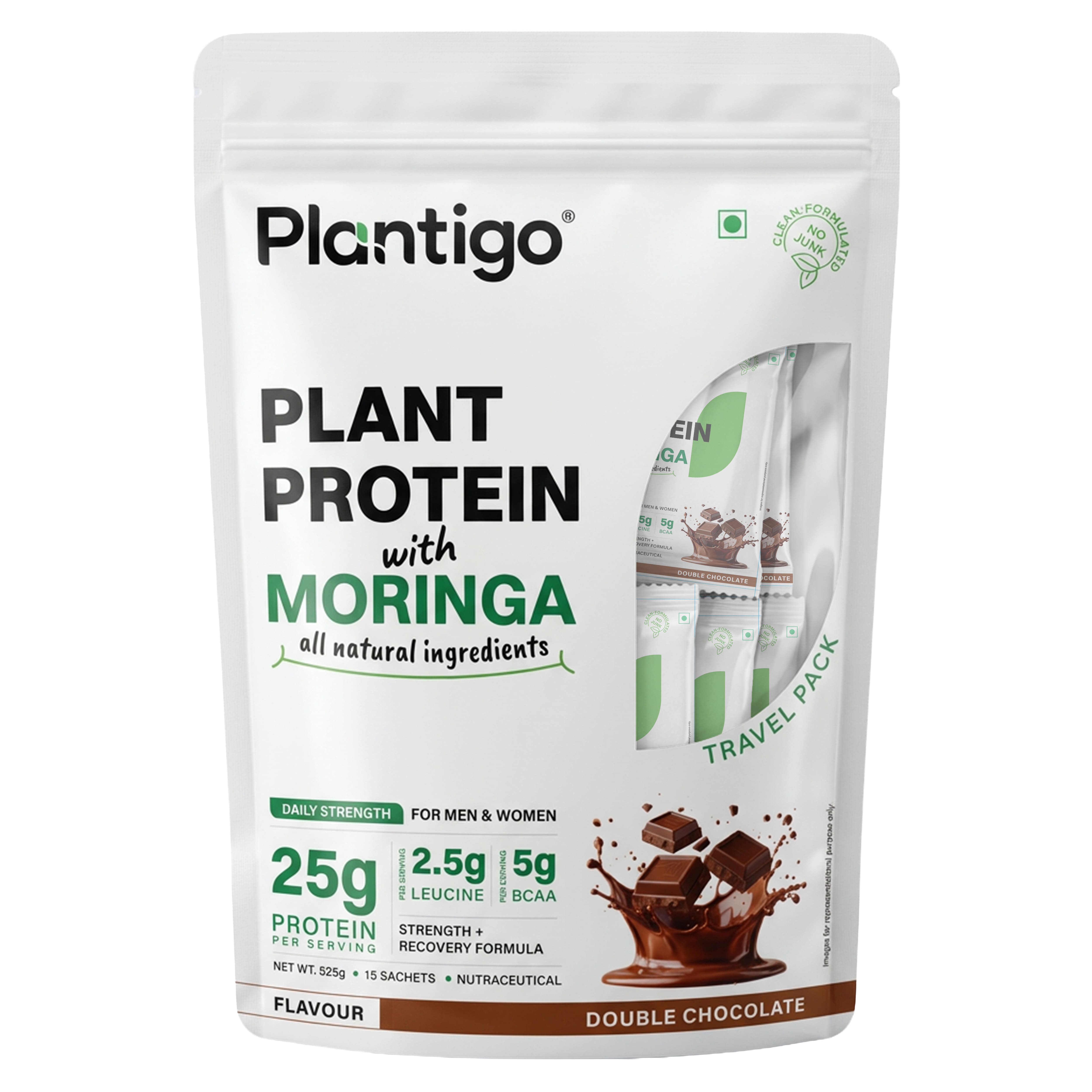
For days when whole food intake falls short — demanding schedules, travel, or high training volume — Plantigo's plant protein offers a clean, plant-sourced bridge that complements rather than replaces the whole-food lysine framework this list is built around.
The 20 foods here are a starting point. Build from them, rotate between them, and let consistent, diverse lysine rich foods intake do what no single supplement ever could.
FAQ
Q1: What are the best plant-based lysine rich foods?
Soybeans, lentils, kidney beans, chickpeas, and pumpkin seeds are the best plant-based lysine sources. Nutritional yeast has the highest concentration but is typically consumed in smaller amounts.
Q2: Why are lysine rich foods important for plant-based diets?
Because staple foods like rice, wheat, and corn are naturally low in lysine. Without legumes and seeds, plant-based diets often fall short of lysine despite adequate total protein.
Q3: Does cooking reduce lysine in plant foods?
High-heat dry cooking can reduce lysine, but boiling and steaming preserve it well. Fermentation and sprouting can actually improve lysine absorption.
Q4: Can you meet lysine needs from plants alone?
Yes, by regularly consuming foods like lentils, soybeans, chickpeas, quinoa, and pumpkin seeds. A well-planned plant-based diet easily meets lysine requirements.
Q5: What are the symptoms of lysine deficiency?
Common signs include fatigue, slow recovery, frequent infections, and poor wound healing. Over time, it may also affect bone health due to impaired collagen formation.