
What are the highest protein vegetables in India?
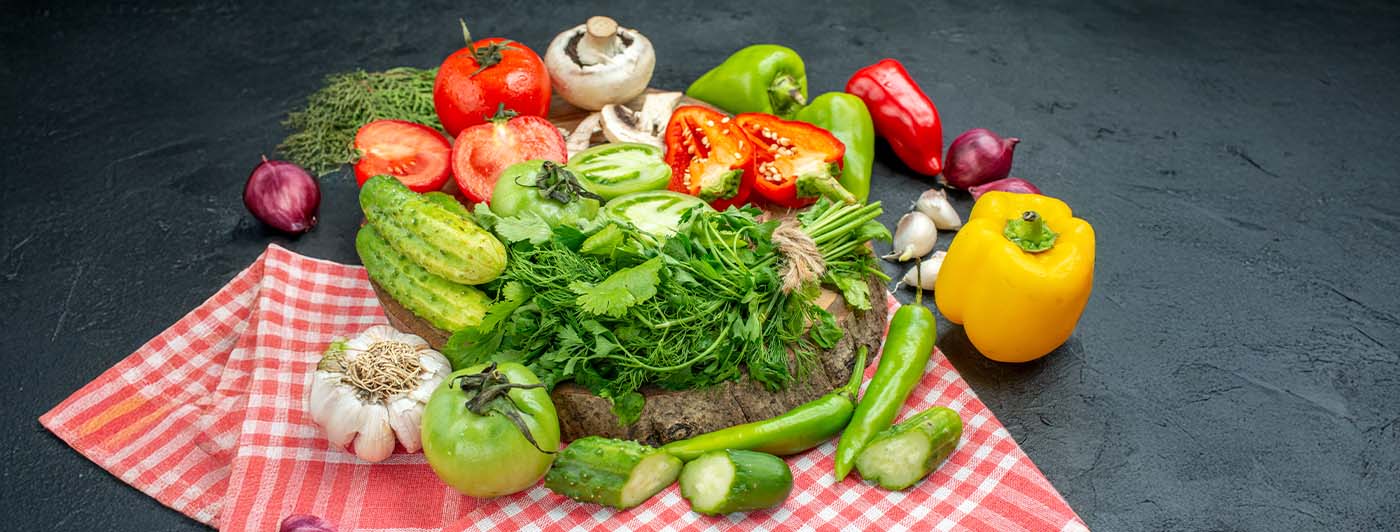
The highest protein vegetables in India include edamame (11g/100g), moringa leaves (9.4g/100g), soybean sprouts (6.7g/100g), green peas (5.4g/100g), and fenugreek leaves (4.4g/100g). These vegetables offer the highest protein per 100g and can significantly improve daily protein intake when used regularly.
Introduction
Most Indians track their protein from dal, paneer, and eggs — and almost completely ignore what their vegetables are contributing. That's leaving more on the table than most people realise.
The right vegetables deliver 4g, 6g, even 11g of protein per 100g. Moringa leaves outperform most cooked dals. Green peas deliver more protein per cup than most people get from an entire sabzi course. Edamame competes with eggs gram for gram. The difference between knowing this and not knowing it can be 20–25g of daily protein — entirely from vegetables you're already cooking with.
India's vegetable tradition is one of the richest on Earth. The ingredients for a genuinely high-protein plant-based diet exist in every local market, at every price point, in every season. You just need to know which ones to reach for.
Here are the top 20 — ranked by protein per 100g, with exactly how to use each one in everyday Indian cooking.
And for days when whole foods fall short, a clean plant protein source can bridge the gap without disrupting the meals you already love.
Key Points Summary
-
High protein vegetables in India include moringa, edamame, green peas, and fenugreek — all delivering 4g+ protein per 100g
-
Moringa leaves are India's most underused high protein vegetable at 9.4g/100g — outperforming most cooked dals on a fresh-weight basis
-
Green peas are the most protein-dense vegetable in daily Indian cooking at 5.4g/100g — roughly 8g per cooked cup
-
Cooking method matters — steaming and stir-frying preserve significantly more protein than boiling
-
Combining high protein vegetables with complementary legumes creates complete amino acid profiles naturally
-
Vegetables alone can contribute 20–25g of daily protein when chosen deliberately
The protein values listed are based on standardized food composition databases [1] used in nutrition research.
At a Glance: 20 High Protein Vegetables Ranked
|
Rank |
Vegetable |
Protein/100g |
Per Serving |
Best Used As |
|
1 |
Edamame |
11.0g |
~17g per cup |
Steamed snack, salads, bowls |
|
2 |
Moringa Leaves |
9.4g |
~4g per cup |
Dal, roti dough, sabzi |
|
3 |
Soybean Sprouts |
6.7g |
~7g per cup |
Stir-fry, salads, soups |
|
4 |
Green Peas (Matar) |
5.4g |
~8g per cup |
Curries, rice, sabzi |
|
5 |
Fenugreek Leaves (Methi) |
4.4g |
~3g per cup |
Roti, sabzi, dal |
|
6 |
Kale |
4.3g |
~3g per cup |
Sabzi, smoothies, soups |
|
7 |
Moong Sprouts |
3.4g |
~3g per cup |
Chaat, salads, soups |
|
8 |
Brussels Sprouts |
3.4g |
~4g per cup |
Roasted, stir-fry |
|
9 |
Sweet Corn |
3.2g |
~4g per ear |
Chaat, soups, roasted |
|
10 |
Mushrooms |
3.1g |
~3g per cup |
Sabzi, soups, stir-fry |
|
11 |
Spinach (Palak) |
2.9g |
~5g per cooked cup |
Dal palak, sabzi, smoothies |
|
12 |
Broccoli |
2.8g |
~3g per cup |
Stir-fry, soups, roasted |
|
13 |
Lotus Stem |
2.6g |
~2g per cup |
Sabzi, pickle |
|
14 |
Moringa Pods (Drumstick) |
2.5g |
~2g per cup |
Sambar, curries |
|
15 |
Amaranth Leaves (Chaulai) |
2.5g |
~2g per cup |
Sabzi, dal |
|
16 |
Asparagus |
2.2g |
~3g per cup |
Stir-fry, soups |
|
17 |
Cauliflower (Gobi) |
1.9g |
~2g per cup |
Sabzi, rice, roasted |
|
18 |
French Beans |
1.8g |
~2g per cup |
Sabzi, stir-fry, salads |
|
19 |
Bitter Gourd (Karela) |
1.0g |
~1g per cup |
Sabzi, juice |
|
20 |
Bottle Gourd (Lauki) |
0.6g |
~1g per cup |
Sabzi, dal, raita |
The 20 High Protein Vegetables — Full Breakdown
1. Edamame — 11g Protein per 100g
Edamame are young soybeans delivering 11g of complete protein per 100g — about 17g per cooked cup — making them the highest protein vegetable on this entire list. They contain all nine essential amino acids, 303mcg of folate per 100g, and meaningful vitamin K — a genuinely complete nutritional package in snack form. Steam and eat as a snack, toss into salads, or add to rice bowls — edamame is the single most protein-efficient high protein vegetable available in Indian urban markets today.
2. Moringa Leaves — 9.4g Protein per 100g
Moringa leaves deliver 9.4g of protein per 100g — the highest of any Indian leafy green — alongside all nine essential amino acids and 17mg of iron per 100g. Indigenous to India and used in Ayurvedic medicine for centuries, moringa is now validated by modern nutrition science as one of the most complete plant foods available anywhere. Stir into dal, knead into roti dough, or use as a sabzi base — moringa is the most underused high protein vegetable in the Indian market and one of the easiest to add to meals you're already cooking.
3. Soybean Sprouts — 6.7g Protein per 100g
Soybean sprouts deliver 6.7g of protein per 100g — significantly higher than most vegetables — with germination improving bioavailability by reducing phytic acid and activating digestive enzymes. You don't even need to cook them — sprouting transforms a slow-cooking legume into a fast, fresh, ready-to-eat protein source. Add raw to salads, stir-fry with garlic and ginger, or toss into soups — soybean sprouts are one of the most bioavailable high protein vegetables on this list.
4. Green Peas (Matar) — 5.4g Protein per 100g
Green peas deliver 5.4g of protein per 100g — about 8g per cooked cup — making them the most protein-dense vegetable in everyday Indian cooking. They're also rich in leucine — the amino acid that directly triggers muscle protein synthesis — making them more muscle-relevant than most people realise. Toss a handful into almost anything: dal, rice, sabzi, or street chaat — green peas are the easiest and most accessible high protein vegetable upgrade in every Indian kitchen.
5. Fenugreek Leaves (Methi) — 4.4g Protein per 100g
Fenugreek leaves deliver 4.4g of protein per 100g — outperforming spinach, broccoli, and most other commonly eaten Indian vegetables — alongside galactomannan fiber that helps regulate blood sugar. Methi is one of the most protein-dense leafy greens in Indian cooking and one of the most underrated high protein vegetables in daily use. Use in roti, dal, or sabzi — the slight bitterness softens with cooking and balances beautifully with tomato, onion, and spice.
6. Kale — 4.3g Protein per 100g
Kale delivers 4.3g of protein per 100g alongside vitamins K, A, C, and B6, plus 150mg of calcium per 100g — one of the broadest micronutrient profiles of any leafy green. The calcium content is particularly valuable for plant-based eaters, adding bone density support that most high protein vegetables don't independently offer. Use in sabzi, blend into smoothies, or add to soups — kale integrates naturally into Indian cooking with bold spicing.
7. Moong Sprouts — 3.4g Protein per 100g
Moong sprouts deliver 3.4g of protein per 100g with higher bioavailability than cooked moong dal — because germination degrades antinutrients and activates digestive enzymes at the same time. The mung beans benefits are well documented: high protein, easy digestibility, rich in antioxidants, and supportive of blood sugar regulation — all present in concentrated form when sprouted. A bowl of moong sprout chaat is one of the most nutritionally intelligent snacks in Indian food culture — no cooking, high protein, live enzymes included.
8. Brussels Sprouts — 3.4g Protein per 100g
Brussels sprouts deliver 3.4g of protein per 100g — about 4g per cooked cup — alongside glucosinolates that support liver detoxification and hormone regulation. Among cruciferous vegetables, Brussels sprouts deliver the highest protein content and one of the most comprehensive micronutrient profiles available. Roast with mustard seeds and curry leaves for a preparation that fits naturally into Indian cooking while delivering genuine high protein vegetables nutrition.
9. Sweet Corn — 3.2g Protein per 100g
Sweet corn delivers 3.2g of protein per 100g — about 4g per ear — with leucine content that contributes meaningfully to muscle protein synthesis alongside other protein sources. Bhutta — roasted corn with lemon and chilli — is one of India's most beloved street foods and a more meaningful protein source than most people ever realise. Add to soups, chaat, or eat roasted — sweet corn is the most protein-relevant street food vegetable in India.
10. Mushrooms — 3.1g Protein per 100g
Mushrooms deliver 3.1g of protein per 100g alongside beta-glucans that support immune function and ergothioneine — a rare antioxidant absent in almost every other vegetable on this list. Their glutamic acid content adds natural umami flavour that makes mushroom dishes satisfying in ways pure vegetable dishes often aren't. Button, oyster, and shiitake are all widely available across Indian markets — oyster mushrooms lead at approximately 3.3g/100g.
11. Spinach (Palak) — 2.9g Protein per 100g
Spinach delivers 2.9g of protein per 100g — about 5g per cooked cup — alongside 2.7mg iron, vitamin K, folate, and magnesium, making it the most micronutrient-complete common leafy green in Indian cooking. Dal palak is a nutritional masterclass: lysine from the dal, iron and protein from the palak, vitamin C from tomatoes — a complete nutritional framework in a single bowl. Always pair spinach with a vitamin C source like lemon or amla to maximise iron absorption from this high protein vegetable.
12. Broccoli — 2.8g Protein per 100g
Broccoli delivers 2.8g of protein per 100g — about 3g per cup — with a relatively complete amino acid profile for a vegetable, plus sulforaphane that supports liver detoxification. It remains significantly underused in traditional Indian cooking despite being widely available and genuinely easy to prepare. Roast with cumin and chilli or stir-fry with garlic — broccoli fits naturally into Indian flavour profiles while delivering real high protein vegetables nutrition.
13. Lotus Stem (Kamal Kakdi) — 2.6g Protein per 100g
Lotus stem delivers 2.6g of protein per 100g alongside meaningful potassium and vitamin C — a nutritionally underappreciated vegetable unique to Indian and Asian cuisine. Its distinctive crunchy texture makes it one of the most texturally interesting high protein vegetables in Indian cooking. Use in sabzi, pickle, or stir-fry — lotus stem adds protein and textural variety to a diet that might otherwise feel repetitive.
14. Moringa Pods (Drumstick) — 2.5g Protein per 100g
Moringa pods deliver 2.5g of protein per 100g alongside 30mg calcium and vitamin C that enhances iron absorption from the sambar dal they're traditionally cooked with. The combination of drumstick pods and toor dal in sambar is a complementary protein pairing that South Indian cuisine arrived at centuries before modern nutrition science confirmed it. A staple of South Indian cooking and one of the most flavourful high protein vegetables in the entire Indian repertoire.
15. Amaranth Leaves (Chaulai) — 2.5g Protein per 100g
Amaranth leaves deliver 2.5g of protein per 100g alongside betacyanin antioxidants and iron — making them one of the most nutritionally complete Indian leafy greens available. One of India's oldest cultivated greens, chaulai has been eaten on the subcontinent for thousands of years and is increasingly validated by modern nutritional research. Use as a sabzi base or stir into dal — amaranth leaves are among the most historically significant and nutritionally justified high protein vegetables in Indian cuisine.
16. Asparagus — 2.2g Protein per 100g
Asparagus delivers 2.2g of protein per 100g alongside 52mcg of folate and prebiotic fiber that feeds beneficial gut bacteria — supporting the digestive health that determines how efficiently all protein is absorbed. Increasingly available in Indian urban markets, asparagus adds both protein and prebiotic benefit to a meal simultaneously. Stir-fry with mustard seeds and green chilli for a preparation that fits naturally into Indian cooking.
17. Cauliflower (Gobi) — 1.9g Protein per 100g
Cauliflower delivers 1.9g of protein per 100g — lower than other entries but one of the most widely eaten vegetables in Indian cooking, making its protein contribution consistent and cumulative. Gobi matar — cauliflower with green peas — is a smart pairing: cauliflower's bulk combined with green peas' superior protein content creates a more protein-dense dish than either alone. One of the most versatile vegetables in Indian cooking and a reliable background contributor to daily high protein vegetables intake.
18. French Beans — 1.8g Protein per 100g
French beans deliver 1.8g of protein per 100g — a steady, consistent protein contributor in South Indian cooking where they appear daily in stir-fries and sabzis. Their reliable daily presence makes them a meaningful background high protein vegetable even at modest individual concentrations. Stir-fry with coconut and mustard seeds in the South Indian style — simple preparation, consistent protein contribution.
19. Bitter Gourd (Karela) — 1.0g Protein per 100g
Bitter gourd delivers 1.0g of protein per 100g — modest on protein but unique in its momordicin compounds that support blood sugar regulation and insulin sensitivity. For diabetic and pre-diabetic individuals, karela's metabolic benefits compound the value of its protein contribution in ways no other vegetable on this list can replicate. Eat as sabzi or drink as juice — the bitterness signals the bioactive compounds that make karela nutritionally distinctive among high protein vegetables.
20. Bottle Gourd (Lauki) — 0.6g Protein per 100g
Bottle gourd delivers just 0.6g of protein per 100g — the lowest on this list — and is included specifically because its ubiquity in Indian cooking makes its near-zero protein contribution essential to understand. Lauki sabzi is one of India's most commonly eaten dishes — knowing it contributes almost no protein is as nutritionally important as knowing which vegetables contribute the most. Use lauki for its hydration and digestive ease — but always pair it deliberately with high protein vegetables and dal to ensure protein targets are met.
Why Most Indians Are Underestimating Vegetable Protein
Most nutrition conversations in India focus on dal, paneer, and eggs as protein sources — and largely ignore vegetables as meaningful contributors. That framing leaves significant protein on the table every single day.
Understanding which dal has highest protein matters — urad dal and moong dal lead at 24–25g per 100g dry. But the vegetables surrounding that dal are also contributing — or failing to contribute — in ways most people never calculate.
Consider: one cooked cup of green peas delivers approximately 8g of protein. A cup of cooked spinach delivers around 5g. Add moringa to your dal and you're adding another 3–4g per serving. These numbers add up across a day into a meaningful difference. And knowing how much protein in 1 roti (approximately 3–4g per standard wheat roti) helps you understand exactly where vegetables fit within the larger picture of your daily intake.
A deliberate high protein vegetables strategy can add 15–25g of protein to your day — entirely from vegetables — without changing the fundamental character of Indian eating.
What Happens When Protein Falls Short
The signs of protein deficiency don't arrive dramatically. They build quietly — persistent fatigue, hair thinning, slow wound healing, frequent infections, and gradual muscle loss that most people blame on stress, age, or poor sleep rather than their diet.
For vegetarians eating rice, roti, and low-protein vegetables without adequate legumes, subclinical protein deficiency is more common than most people realise. Knowing your high protein vegetables and choosing them deliberately is one of the simplest corrections available — no supplements, no major dietary overhaul required.
How Much Protein Are You Actually Getting From Vegetables Daily?
Here's the honest calculation most people never do:
|
Meal |
Vegetable |
Serving |
Protein |
|
Breakfast |
Methi in roti (50g) |
~half cup |
~2.2g |
|
Mid-Morning |
Moong sprout chaat (100g) |
~1 cup |
~3.4g |
|
Lunch |
Palak dal (100g spinach) |
~1 cooked cup |
~2.9g |
|
Snack |
Edamame (100g) |
~half cup |
~11.0g |
|
Dinner |
Matar sabzi (100g green peas) |
~1 cup |
~5.4g |
|
Daily Total |
~24.9g |
Nearly 25g of protein from vegetables alone — before dal, roti, or any other source is counted. For anyone working toward a 150 gm protein diet, this vegetable framework contributes approximately one-sixth of that target entirely from plants. That's a foundation most people are currently leaving entirely to chance.
Daily protein needs vary based on body weight and activity level, typically starting at ~0.8g per kg — which means vegetables alone are just one part of meeting your full daily protein requirement, as outlined in protein intake guidelines [2].
Connecting High Protein Vegetables to Your Complete Nutrition Strategy
High protein vegetables are one layer of a complete plant-based protein strategy. The fuller picture includes dal — knowing which dal has highest protein helps you anchor each meal — and understanding foods rich in amino acids that cover all nine essential types across the day.

Use a protein intake calculator to establish your precise daily protein target based on body weight and activity level. Then map that target against the vegetable, dal, and grain combinations above. You'll likely find the gap is smaller than you thought — and that closing it requires less change than you expected.
For days when whole food intake genuinely falls short — heavy training, travel, or a demanding schedule — plant based protein powder from pea or soy sources is a clean, practical bridge. Not a replacement for real food — a tool within a real food strategy. Because plant protein from vegetables, legumes, and seeds will always be the nutritional foundation that no supplement can replicate.
Conclusion
The traditional Indian thali already contains the framework for excellent protein nutrition—it simply needs to be used more deliberately.
Small changes—like adding green peas, moringa, methi, or moong sprouts—can significantly improve your daily protein intake without changing your diet entirely.
These 20 high protein vegetables are your starting point. Build from them, pair with dal and whole grains, and stay consistent.
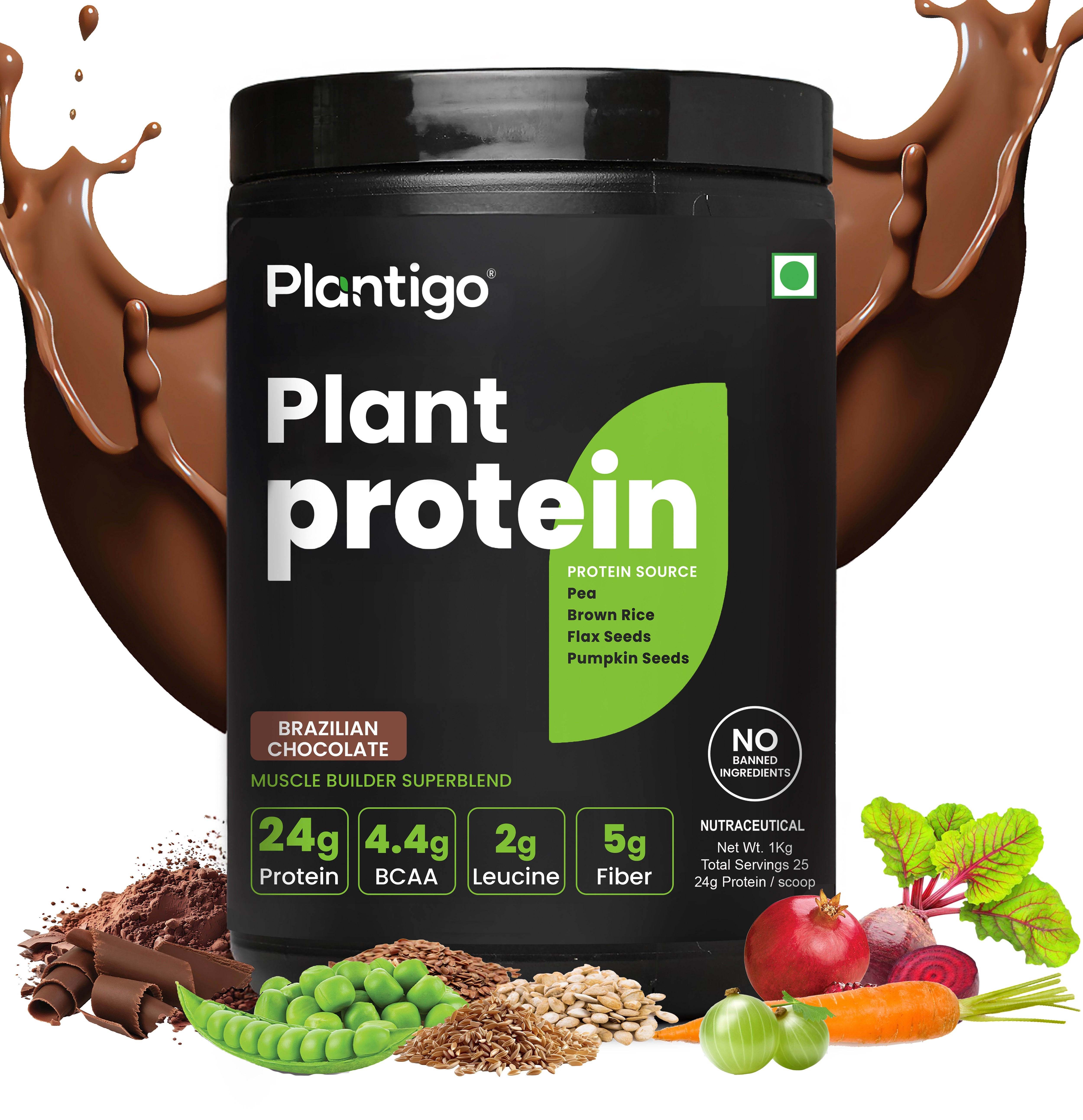
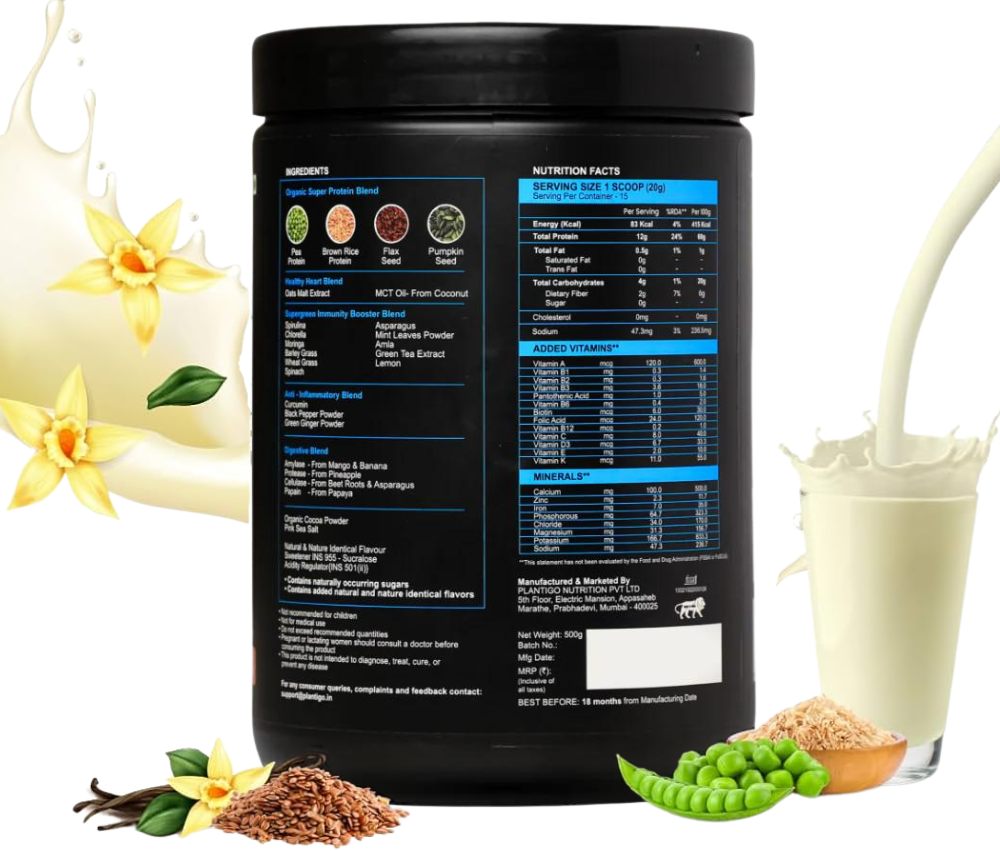
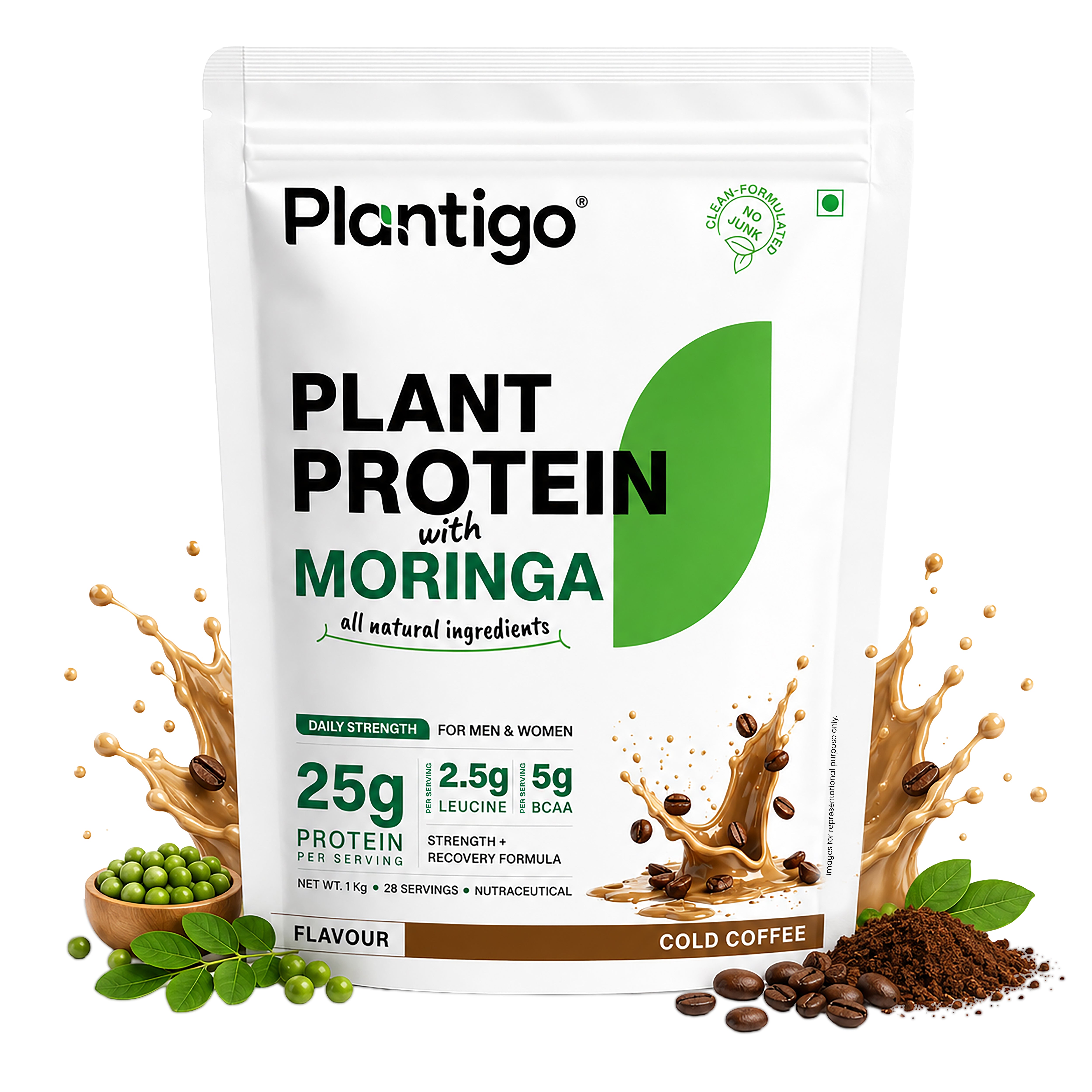
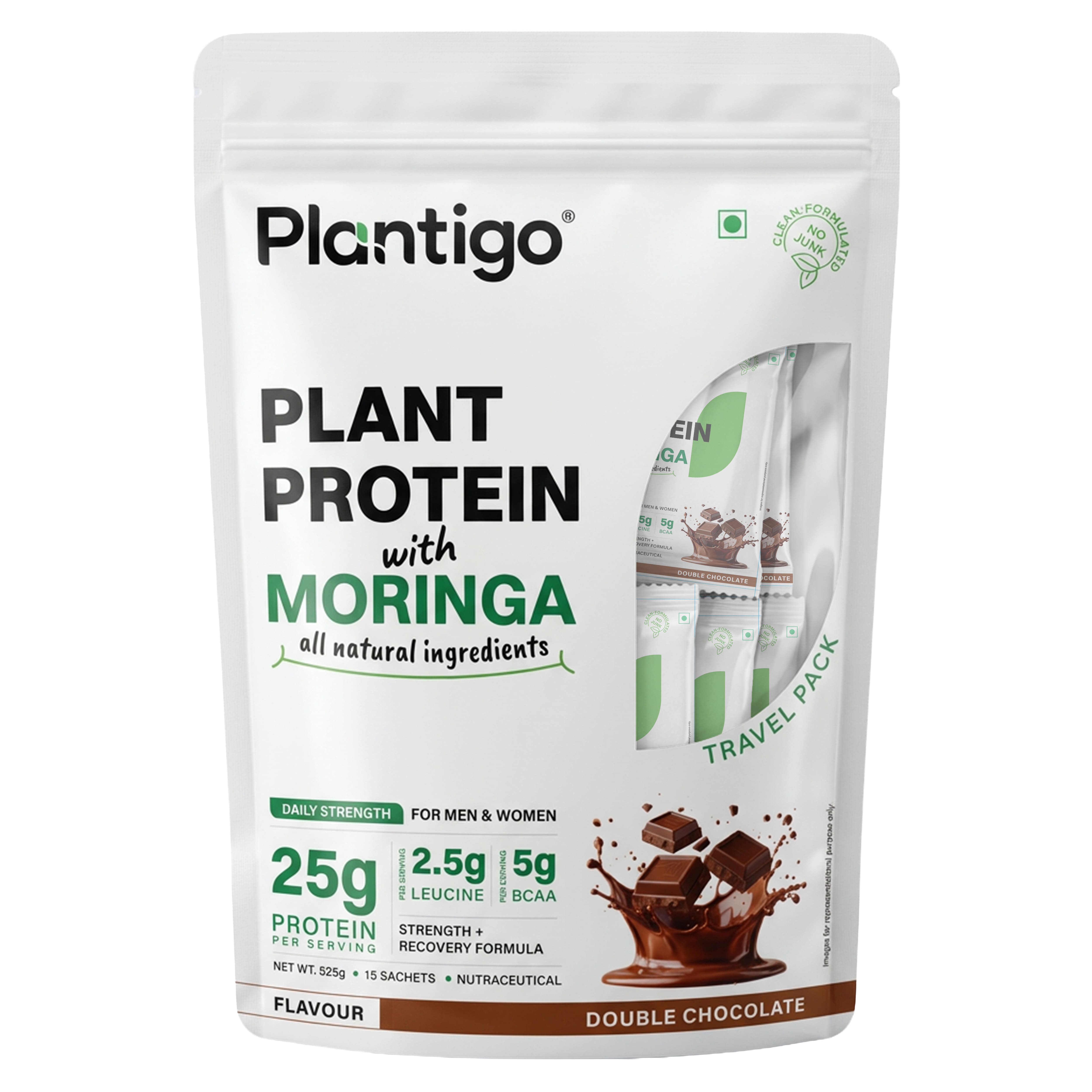
If consistency is a challenge, adding a simple option like Plantigo plant protein can help you stay on track without overcomplicating your routine.
Start simple. Stay consistent.
Frequently Asked Questions
Q1: Which vegetables are the highest in protein?
Edamame (11g/100g), moringa leaves (9.4g/100g), soybean sprouts (6.7g/100g), green peas (5.4g/100g), and fenugreek leaves (4.4g/100g) are the highest protein vegetables in India.
Q2: How to get 100g protein in veg?
Eat lentils, tempeh, tofu, edamame, and green peas across 4–5 meals daily. Add hemp seeds and pumpkin seeds as snacks. A consistent mix of dal, legumes, and high protein vegetables makes 100g entirely achievable.
Q3: Which legumes are high in protein?
Urad dal, moong dal, lentils, and yellow split peas lead at 24–25g protein per 100g dry. Kidney beans (24g) and chickpeas (19g) follow closely behind.
Q4: What food is almost 100% protein?
Spirulina comes closest at 60–70% protein by dry weight. Nutritional yeast follows at 50%. Pea and soy protein isolates reach 80–90% protein by weight in supplement form.
Q5: How to get 30g protein in breakfast?
Tofu scramble (150g) with 2 tablespoons of hemp seeds delivers 30g+ easily. A soy milk smoothie with edamame and pumpkin seeds is an equally quick alternative.
Q6: Which vegetable has more protein than an egg?
Only edamame at 11g per 100g surpasses a large egg (6g/100g). Moringa leaves come close at 9.4g — making them the highest protein Indian leafy green and the only practical egg competitor in everyday Indian cooking.
References:
,%20moringa%20leaves%20(9.4g/100g),%20soybean%20sprouts%20(6.7g/100g),%20green%20peas%20(5.4g/100g)...)