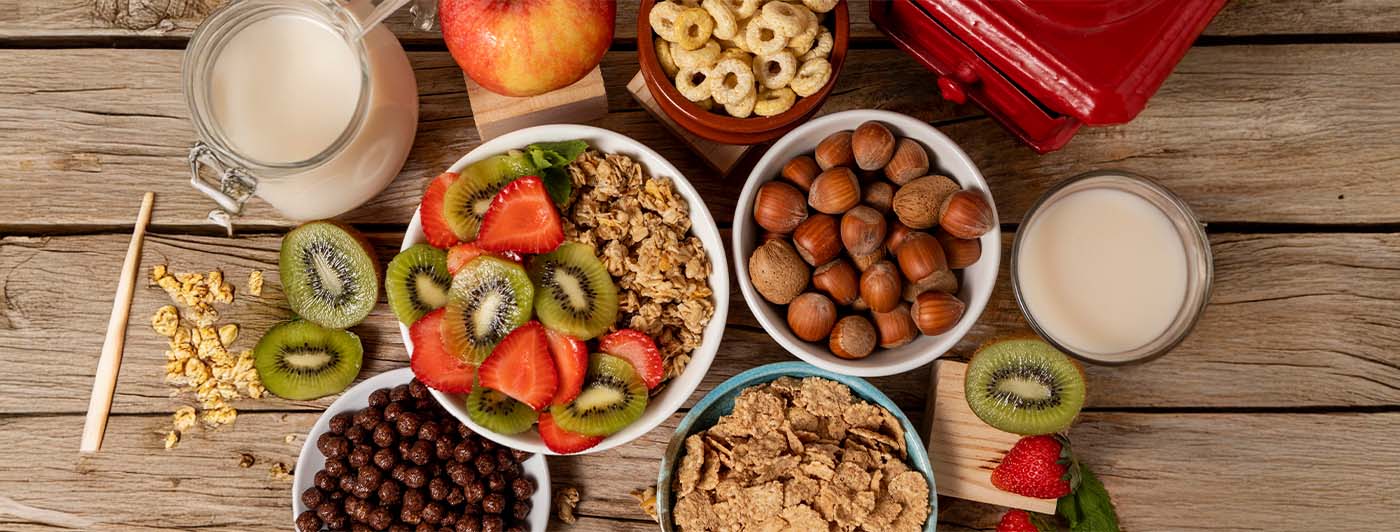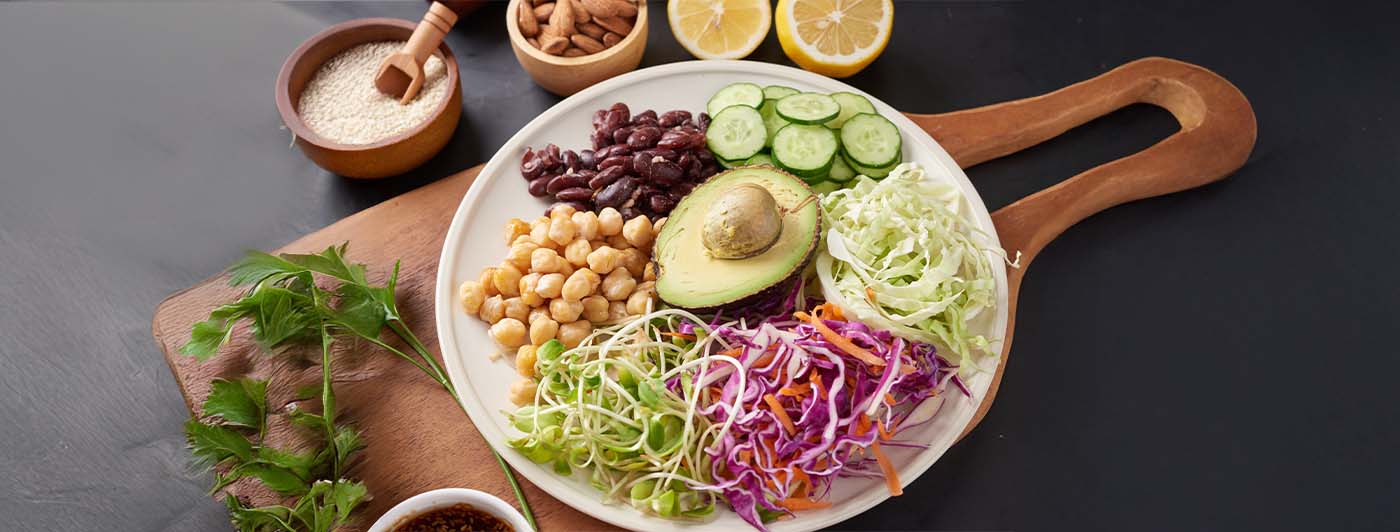

Plant-based foods rich in amino acids include soy, quinoa, hemp seeds, lentils, chickpeas, and black beans — many of which provide all nine essential amino acids. When strategically combined, these foods can meet or exceed daily protein requirements without any animal products. Understanding which foods rich in amino acids suit your lifestyle is the first step toward optimizing plant-based nutrition.
Introduction
There's a myth that refuses to die quietly: "You can't get enough protein from plants."
Nutritionists, athletes, and researchers have been dismantling this idea for decades — yet it persists. The truth is more nuanced and far more exciting. The plant world doesn't just offer protein. It offers diversity — hundreds of foods rich in amino acids with overlapping and complementary profiles that, when understood properly, work together like a symphony.
Whether you're a seasoned vegan, someone exploring plant protein for performance, or simply curious about eating smarter — this article will change how you look at your plate. We'll go deep into 20 specific foods, their science-backed profiles, and how to use them strategically. By the end, you won't just know what to eat — you'll understand why each food earns its place on this list.
Let's start with the basics — and then get into the good stuff.
Key Points Summary
-
Not all plant proteins are "incomplete" — several sources are genuinely foods rich in amino acids that contain all nine essential types
-
Strategic food pairing eliminates amino acid gaps naturally
-
Indian staples like moong dal, urad dal, and chana are among the most underrated foods rich in amino acids globally
-
Seeds, legumes, and ancient grains are the backbone of plant-based amino acid nutrition
-
Cooking methods significantly impact amino acid bioavailability
-
Plant protein is increasingly linked to reduced inflammation and better long-term metabolic health
Why Amino Acids Matter More Than "Protein Grams"
Most people track protein in grams. That's a start — but it barely scratches the surface.
Protein is made of amino acids. There are 20 in total, and nine of them are essential — meaning your body cannot manufacture them. You must get them from food. Miss even one consistently, and the downstream effects are real: slower muscle recovery, impaired immune response, hormonal disruption, and cognitive fog — as research on essential amino acid deficiency effects consistently confirms
This is where plant-based eating gets interesting. Different plants are rich in different amino acids. Legumes tend to be high in lysine but lower in methionine. Grains are the opposite. Put them together — rice and lentils, for instance — and you've built a complete amino acid profile from scratch. This isn't a workaround. It's biological elegance.
Identifying the right foods rich in amino acids for your daily diet doesn't require a nutrition degree — it requires knowing which plants to prioritize and how to pair them. Now, let's meet the 20 foods that make this possible.
The 20 Plant-Based Foods Rich in Amino Acids
1. Soybeans
If there's one plant food that has earned the title of "complete protein" without debate, it's soy. Soybeans contain all nine essential amino acids in meaningful quantities. With approximately 36g of protein per 100g (dry weight), they rival chicken breast gram for gram.
Edamame, tempeh, tofu, soy milk — each is a different expression of the same amino acid powerhouse. Tempeh, in particular, is fermented, which improves digestibility and adds gut-beneficial probiotics to the equation. When listing foods rich in amino acids that perform across every measurable marker, soybeans consistently sit at the top.
Key amino acids: Leucine, lysine, valine, isoleucine
2. Quinoa
Quinoa refuses to behave like other grains. While wheat and rice are low in lysine, quinoa delivers all nine essential amino acids — making it one of the rare grains that qualifies as a complete protein source. At ~14g protein per 100g (dry), it's not the highest on this list, but its amino acid completeness is what sets it apart.
It's also gluten-free, rich in magnesium, and remarkably versatile — qualities that make it a cornerstone of smart plant protein eating.
3. Hemp Seeds
Hemp seeds have been eaten for thousands of years, but Western nutrition is only recently catching up. Two tablespoons deliver approximately 10g of protein — and it's protein that includes edestin and albumin, two globular proteins that are exceptionally easy for the human body to absorb.
Hemp seeds rank among the most convenient foods rich in amino acids you can add to any meal. They're also rich in omega-3 fatty acids and gamma-linolenic acid (GLA), making them anti-inflammatory alongside being protein-dense. Sprinkle them on oats, salads, smoothies, or yogurt. They disappear into food and do their job quietly.
4. Lentils
Lentils are perhaps the most underestimated foods rich in amino acids in the modern diet. They're cheap, fast-cooking, and pack ~25g of protein per 100g (dry weight). Their amino acid profile is particularly strong in lysine — an amino acid often lacking in grain-heavy diets.
Pair lentils with rice or any whole grain, and you've built a complete protein meal that costs almost nothing. This is why lentil-rice combinations appear independently across Indian, Middle Eastern, and Latin American food traditions — cultures that figured out complementary proteins centuries before the term existed.
5. Moong Dal
If you're tracking moong dal protein content, here's the number: approximately 24g of protein per 100g (dry weight). But what makes moong dal exceptional isn't just the quantity — it's the digestibility.
Moong dal is one of the easiest legumes for the human gut to process. It's low in antinutrients compared to other pulses, making the amino acids more bioavailable. In Ayurvedic medicine, it's considered the ideal food for recovery and healing — and modern nutrition science increasingly agrees.
Sprouted moong dal pushes bioavailability even further. Sprouting activates enzymes that break down phytic acid, unlocking more amino acids for absorption. For anyone building a diet around foods rich in amino acids, moong dal deserves a permanent spot in the weekly rotation.
6. Chickpeas (Chana)
The chana protein per 100g figure sits at approximately 19g (dry weight) — solid, but the real story is chickpeas' amino acid breadth. They're particularly rich in arginine, which supports cardiovascular health and nitric oxide production. They're also a good source of methionine when paired with lysine-rich companions.
From hummus to roasted snacks to curries, chickpeas are one of the most culinarily adaptable foods rich in amino acids in the world. The global spread of hummus alone is a testament to how deeply this legume has embedded itself in human food culture.
7. Urad Dal
Ask most people outside South Asia about urad dal, and you'll get a blank stare. That's a nutritional blind spot worth correcting. Protein in urad dal per 100g clocks in at approximately 25g (dry weight) — comparable to lentils and moong, but with a distinctly different amino acid emphasis.
Urad dal is rich in threonine and valine, amino acids critical for muscle tissue repair and metabolic function. It also has a high iron content, making it especially valuable for plant-based eaters monitoring their mineral intake.
Fermented urad dal — the base of idli and dosa batter — becomes even more nutritionally potent through the fermentation process.
8. Black Beans
Black beans bring something most protein foods don't: color-linked antioxidants. The deep black pigment comes from anthocyanins — the same compounds found in blueberries. This means black beans deliver amino acids and free-radical protection simultaneously.
At ~21g protein per 100g (dry), they're rich in lysine and also provide meaningful amounts of phenylalanine and leucine. In Latin American cuisine, black beans and rice is a dietary staple that has quietly sustained generations — a natural complete protein combination, and one of the most culturally beloved foods rich in amino acids across the world.
9. Pumpkin Seeds
Pumpkin seeds are one of the most mineral-dense plant foods on earth. Per 100g, they deliver approximately 30g of protein — which is extraordinary for a seed — along with zinc (critical for testosterone and immune function) and magnesium (essential for 300+ enzymatic processes).
What makes them especially valuable in plant-based diets is their methionine content. Legumes are typically low in methionine; pumpkin seeds help fill that gap elegantly when eaten together. They're one of the most mineral-rich foods rich in amino acids you can snack on without any preparation.
10. Edamame
Edamame — young, green soybeans — offer ~11g of protein per 100g (cooked weight), which is exceptional for a food that's commonly eaten as a casual snack. Because it's soy-based, it brings the complete amino acid profile of soybeans in a form that's fresh, fast-cooking, and delicious.
Edamame is also rich in folate, vitamin K, and manganese — making it a nutritional multi-tasker that fits seamlessly into vegan meal prep recipes for the week ahead.
11. Spirulina
Spirulina is not a food most people eat in large quantities — but it doesn't need to be. Per gram of dry weight, spirulina is 60–70% protein by mass, making it the most protein-dense natural food on the planet. It contains all essential amino acids, with particularly high concentrations of phenylalanine and leucine.
One tablespoon added to a smoothie or water delivers approximately 4g of highly bioavailable protein with virtually zero calories from fat or carbohydrate. It's also rich in B vitamins and iron — two nutrients plant-based eaters often monitor carefully. For sheer concentration, spirulina is the most potent of all foods rich in amino acids by weight.
12. Amaranth
Like quinoa, amaranth is technically a pseudocereal — a seed that behaves like a grain. And like quinoa, it contains all nine essential amino acids. At ~14g protein per 100g (dry), it's particularly notable for its lysine content — an amino acid that most grains barely register.
Amaranth also has a unique texture when cooked — slightly gelatinous, which makes it excellent as a porridge base. It's a staple food in parts of Mexico and South Asia, where it's been consumed for thousands of years.
13. Chia Seeds
Chia seeds are famous for their omega-3 content, but their protein profile deserves equal attention. At ~17g protein per 100g, they contain all nine essential amino acids — and their gel-forming fiber slows digestion, creating a sustained amino acid release that mimics what slow-digesting protein supplements attempt to replicate.
Add chia to overnight oats, puddings, or smoothies. They're tasteless, effortless to use, and among the most practical foods rich in amino acids for people who want results without overhauling their entire diet.
14. Nutritional Yeast
Nutritional yeast is a deactivated form of Saccharomyces cerevisiae — and it's one of the most amino acid-rich plant foods available. It contains approximately 50g of protein per 100g, delivers all essential amino acids, and is naturally rich in B vitamins including B12 in fortified varieties.
It tastes like cheese. It dissolves into sauces, soups, and popcorn. And it's one of the most efficient ways to boost plant protein at any meal without thinking about it too hard.
15. Buckwheat
Despite the name, buckwheat contains no wheat and no gluten. It's a seed — and one that delivers ~13g protein per 100g (dry) alongside a full essential amino acid profile. It's particularly rich in rutin, a bioflavonoid that supports vascular health and reduces inflammation.
Buckwheat soba noodles are a Japanese dietary staple with centuries of history. Buckwheat pancakes are a Russian tradition. Both cultures independently found ways to integrate this complete plant protein into daily eating.
16. Peas
Yellow split peas — the source of the increasingly popular plant protein powder category — are rich in leucine, the branched-chain amino acid most directly linked to muscle protein synthesis. At ~25g protein per 100g (dry), they compete directly with animal proteins for post-workout recovery applications.

Pea protein is also one of the most hypoallergenic protein sources available — free from soy, gluten, dairy, and nuts — which is why it's become the dominant base for plant based protein powder formulations globally.
17. Almonds
Almonds sit at approximately 21g protein per 100g, and while they're not complete proteins on their own, they bring a specific amino acid contribution: arginine and phenylalanine, plus healthy fats that improve fat-soluble vitamin absorption.
The combination of protein, fiber, and monounsaturated fat makes almonds one of the most satiating foods rich in amino acids in the nut category — a property backed by clinical research on appetite regulation and caloric compensation.
18. Tempeh
Tempeh takes soybeans and transforms them through controlled fermentation — and the result is nutritionally superior to tofu in several measurable ways. It contains ~19g protein per 100g (cooked), but its fermentation process breaks down phytic acid, dramatically improving mineral absorption and reducing digestive discomfort common with unfermented soy.
It also has a firm, meaty texture that makes it exceptional for grilling, stir-frying, and marinating — bridging the gap between plant-based eating and the sensory satisfaction of traditional protein foods.
19. Sunflower Seeds
Sunflower seeds offer ~21g protein per 100g and stand out for their methionine content — the sulphur-containing amino acid that legume-heavy diets often lack. Methionine plays a critical role in liver detoxification, SAMe production, and cartilage health.
Sunflower seed butter is an emerging allergen-free alternative to almond and peanut butter, and sunflower protein isolate is quietly becoming a significant player in the plant protein supplement space.
20. Kidney Beans
Kidney beans close out this list with approximately 24g protein per 100g (dry) and a particularly impressive leucine and lysine profile. Their high fiber content means protein digestion is slow and sustained — ideal for blood sugar management and prolonged satiety.
Combined with rice, kidney beans complete an amino acid profile that rivals many animal proteins. They're one of the most affordable and accessible foods rich in amino acids available globally — a reminder that nutritional excellence doesn't require an expensive grocery list.
How to Build a Complete Amino Acid Profile Daily
Here's the practical reality: you don't need to eat a "complete protein" at every single meal. Your body maintains an amino acid pool throughout the day, drawing from it as needed. What matters is that across your day, you're covering all nine essential amino acids.
A simple framework:
|
Meal |
Combination |
Amino Acid Benefit |
|
Breakfast |
Chia pudding + hemp seeds |
Complete profile, omega-3 boost |
|
Lunch |
Lentil soup + whole grain bread |
Lysine + methionine balance |
|
Snack |
Edamame + pumpkin seeds |
Leucine + zinc + methionine |
|
Dinner |
Tempeh + quinoa + broccoli |
Full essential amino acid coverage |
This kind of intentional pairing is the backbone of effective plant-based nutrition — and it becomes intuitive within weeks of practice.
Practical Tips: Getting the Most From Plant Protein

-
Soak and sprout where possible. Legumes and seeds contain phytic acid, which binds minerals and reduces amino acid absorption. Soaking overnight and sprouting for 24–48 hours significantly improves bioavailability.
-
Ferment when you can. Tempeh, idli, dosa batter, and miso are all fermented — and fermentation is one of nature's most effective ways of increasing nutrient absorption.
-
Diversify daily. No single food covers everything optimally. Rotating between legumes, seeds, pseudocereals, and vegetables creates a naturally diverse amino acid environment.
-
Track intelligently. If you're optimizing protein intake for performance or health goals, using a protein intake calculator can help you identify gaps in your daily amino acid coverage before they become deficiencies.
-
Cook correctly. Overcooking destroys certain amino acids, particularly cysteine and methionine. Gentle cooking methods — steaming, light sautéing, or raw preparation where safe — preserve more of the amino acid profile.
The Indian Pantry: A Hidden Amino Acid Arsenal
If there's one food culture that has perfected plant-based complete protein eating, it's Indian cuisine. The traditional Indian kitchen — with its rotating cast of dals, legumes, and grain combinations — was solving the complete protein puzzle thousands of years before modern nutrition science existed.
Moong dal khichdi (moong + rice), chole bhature (chickpeas + wheat), idli-sambar (urad dal + lentils) — each of these combinations is, from an amino acid standpoint, a masterclass in complementary protein pairing. These dishes aren't just culturally beloved — they represent what nutrition science now recognises as highly effective complementary plant protein combinations, delivering complete amino acid coverage through food pairing that predates modern research by centuries.
The irony is that these combinations are often dismissed as "simple" or "peasant food" — when in reality they represent some of the most nutritionally sophisticated eating patterns on the planet.
Connecting to Your Broader Nutrition Strategy
Understanding foods rich in amino acids is one piece of a larger puzzle. The other pieces — caloric intake, micronutrient balance, hydration, sleep, and training load — all influence how effectively your body uses the protein you consume.
Plant protein, when eaten thoughtfully, supports not just muscle synthesis but also reduced inflammatory markers, better gut microbiome diversity, and lower long-term disease risk. The research on this is growing rapidly, and the direction it points is consistent: more plants, more variety, more fermentation.
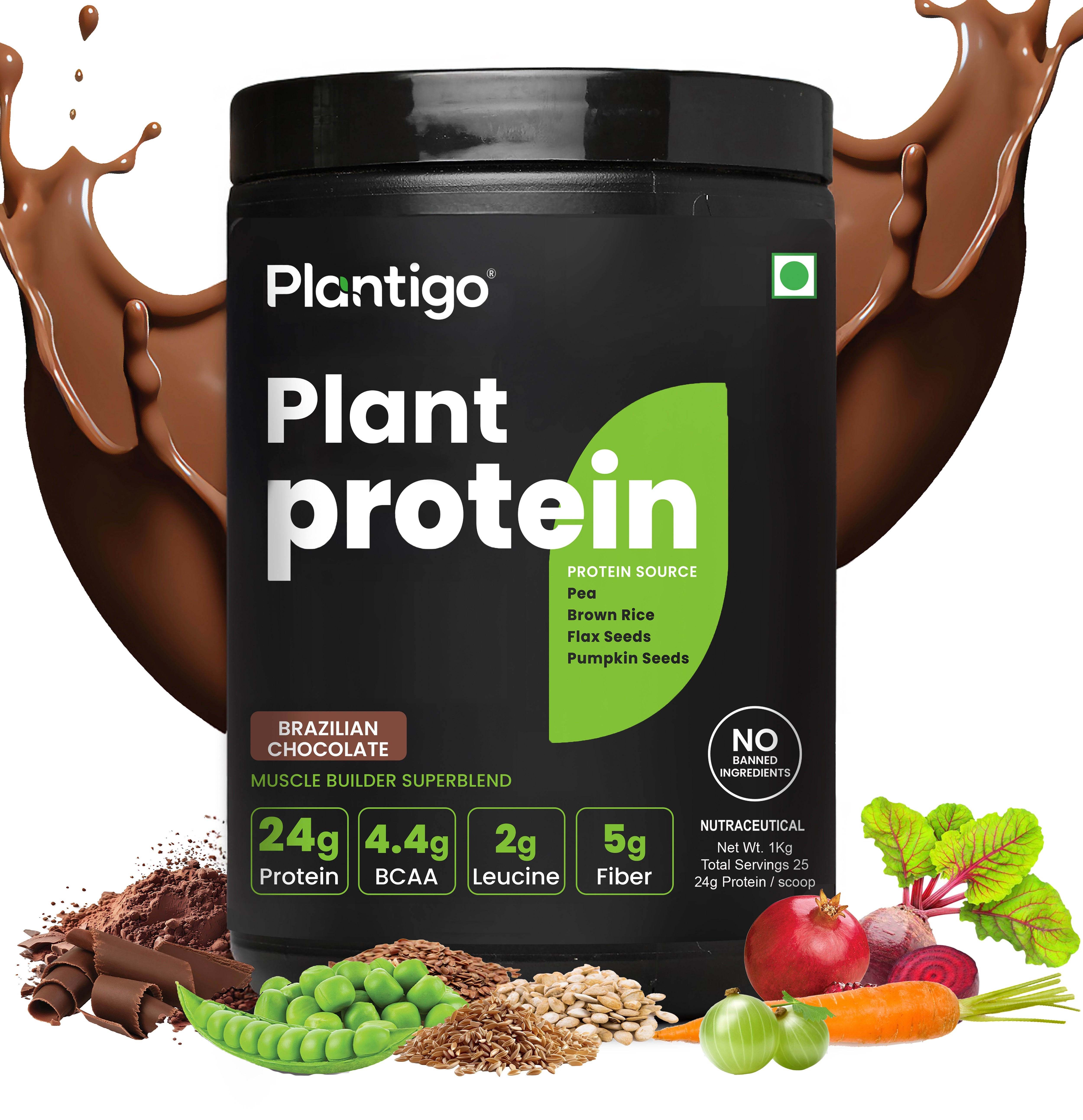
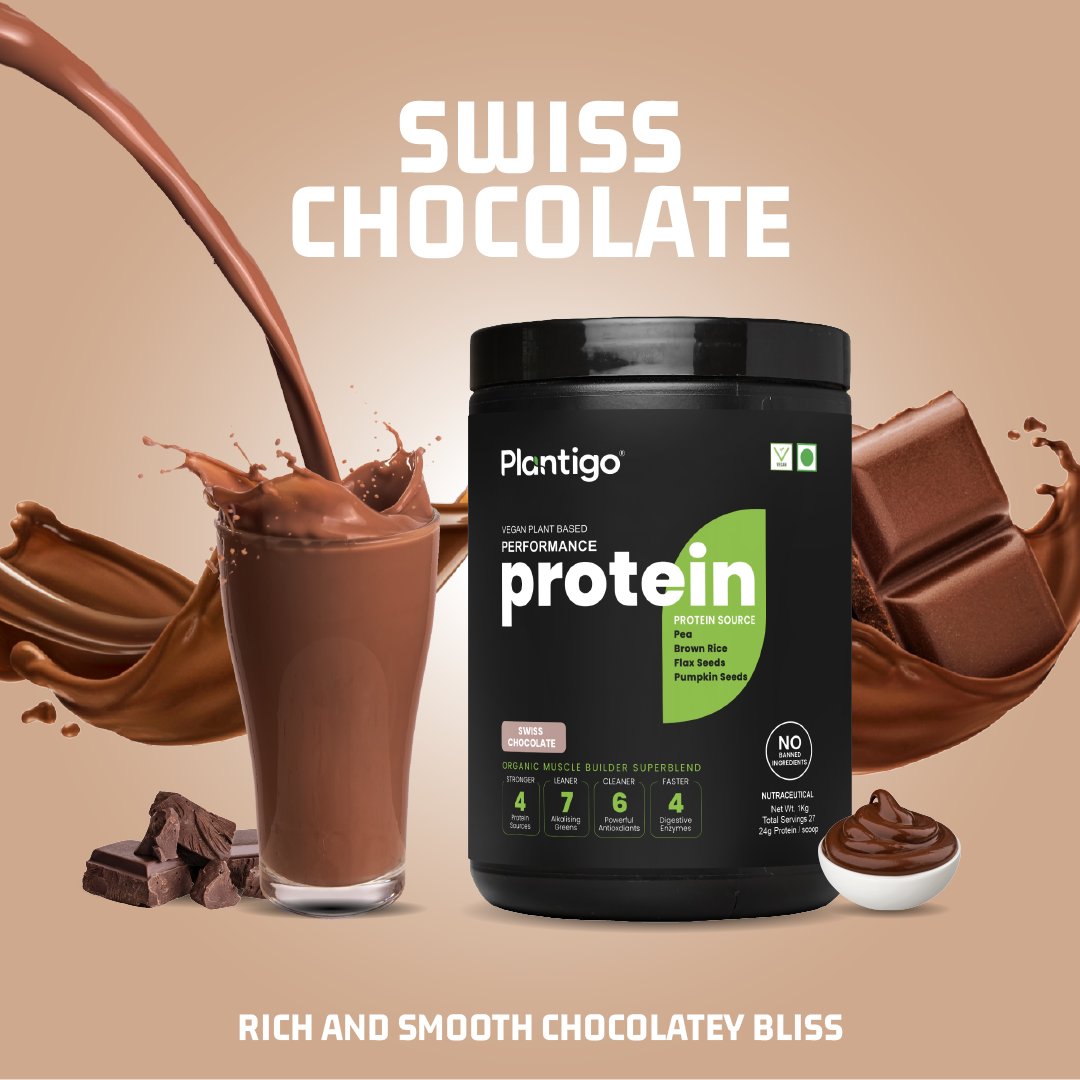
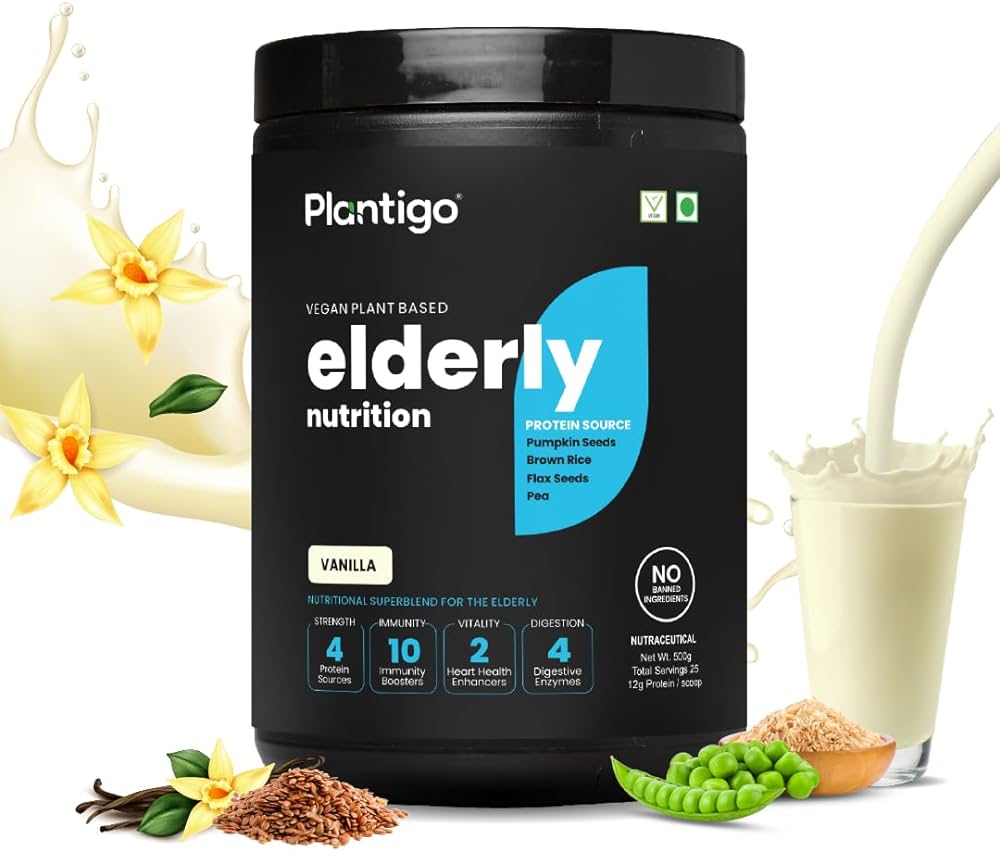
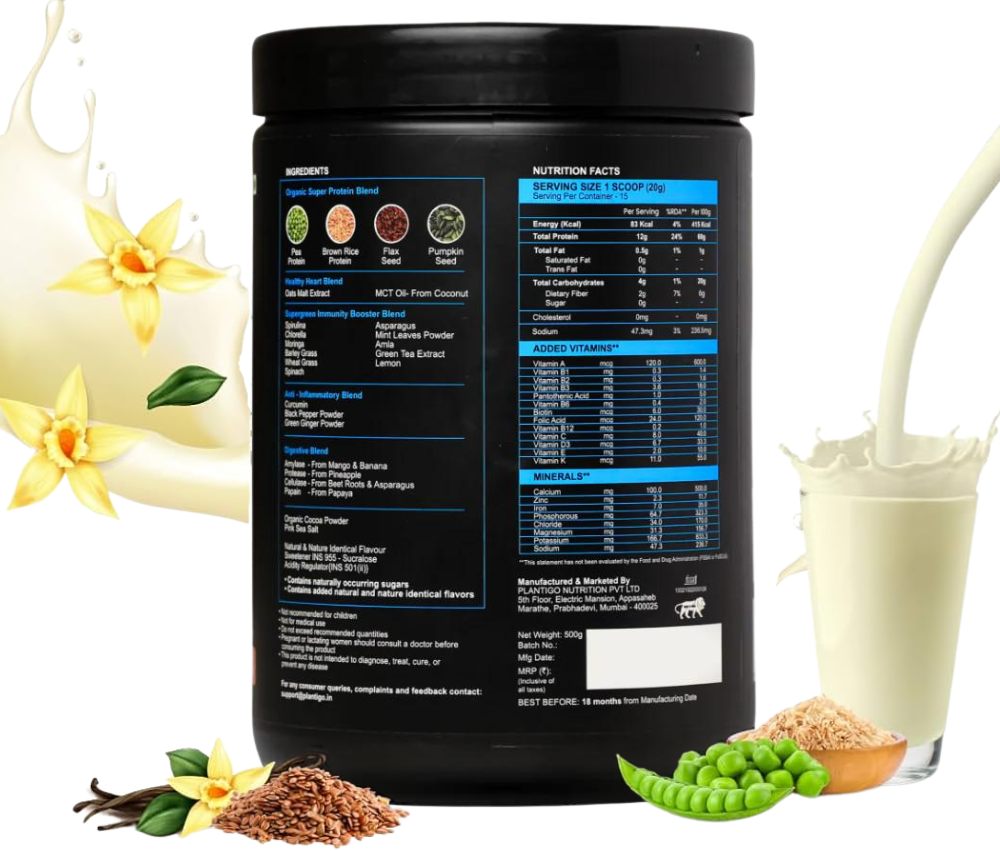
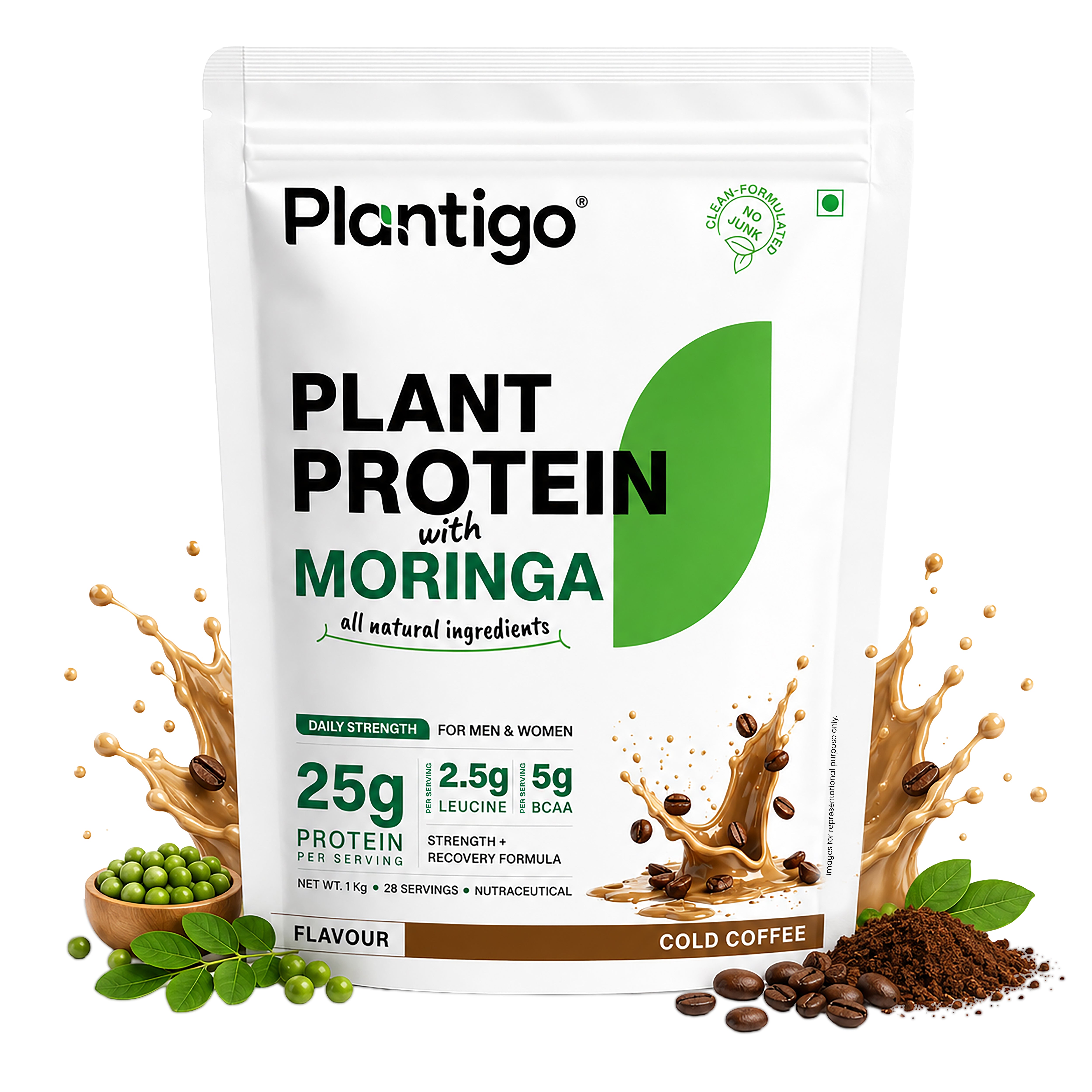
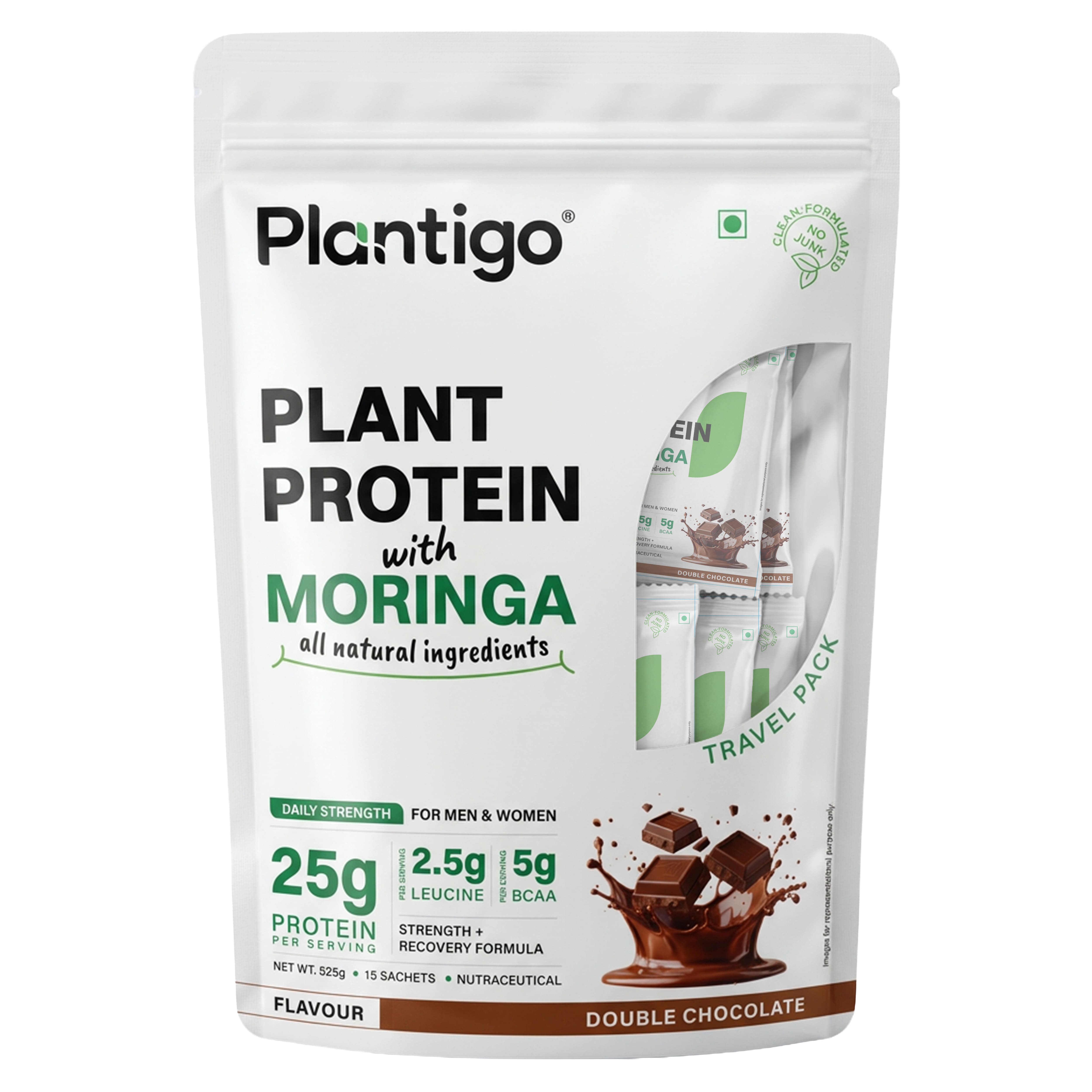
For days when whole food intake falls short — busy schedules, travel, or higher training demands — a quality supplement can bridge the gap without compromising your plant-based commitment. Plantigo's plant protein is one option worth considering here: formulated from whole-food plant sources, it complements rather than replaces the dietary variety this list is built around.
The 20 foods on this list are a starting point, not a ceiling.
FAQ:
Q1: Can you get all essential amino acids from plant foods alone?
Yes. Foods like soy, quinoa, hemp seeds, amaranth, and buckwheat are complete proteins on their own. Other plant foods can be combined across the day to provide all nine essential amino acids.
Q2: What is the highest-protein plant food by weight?
Spirulina leads at 60–70% protein by dry weight, followed by nutritional yeast at around 50%. Among whole foods eaten in larger amounts, soybeans, pumpkin seeds, and lentils rank high.
Q3: Is moong dal a good source of protein for daily use?
Yes. Moong dal provides about 24g of protein per 100g dry weight and is highly digestible, making it a strong everyday plant protein option.
Q4: Do I need to combine plant proteins at every meal?
No. Your body maintains an amino acid pool throughout the day. What matters more is eating a variety of plant protein sources across your meals.
Q5: How does plant protein compare to whey for muscle building?
Plant proteins such as pea protein can support muscle building similarly to whey when total daily protein intake is adequate. The leucine content and total protein intake matter most.