Have you ever noticed how the same dal can feel light and energizing on some days—and heavy or unsatisfying on others?
The difference often isn’t the dal. It’s how much you ate, how you cooked it, and what you paired it with.
Moong dal is one of the most trusted staples in Indian kitchens—khichdi on sick days, chilla for breakfast, sprouts in salads, dal at lunch, soup at dinner. It’s comforting and considered healthy, yet most people still don’t fully understand its real value—especially for protein.
That’s where moong dal protein per 100g becomes a powerful idea. It can explain why you sometimes stay full for hours—and other times feel hungry soon after. It also shows why moong remains one of the smartest everyday sources of plant protein for vegetarians focused on strength and long-term health.
In this article, we’ll uncover seven simple facts that reveal what’s really happening when you depend on dal for protein—so you start using it not just as comfort food, but as performance food.
What Does Moong Dal Protein Per 100g Really Tell You?
Before we jump into the facts, let’s clarify why moong dal protein per 100g matters in the first place.
When you search this term, you’re not just asking “how much protein is there?” You’re actually trying to answer a deeper nutrition question:
How much usable protein can a vegetarian get from a real Indian food, consistently, without digestive issues?
The protein-per-100g value is calculated on raw, dry dal. That’s important because moong dal absorbs a lot of water when cooked, and the cooked weight becomes much higher—making protein “per 100g cooked dal” look much lower.
But there’s a scientific reason why moong dal is more than just a protein number.
A detailed review highlights that mung bean (moong) is considered a good-quality protein source, while also being relatively easy to digest compared to many other legumes—which is one reason it causes less digestive discomfort for many people. This makes it especially valuable for vegetarians trying to raise protein intake without feeling heavy or bloated.
Top 7 Key Facts About Moong Dal Protein Per 100g

1. Moong Dal Protein Value
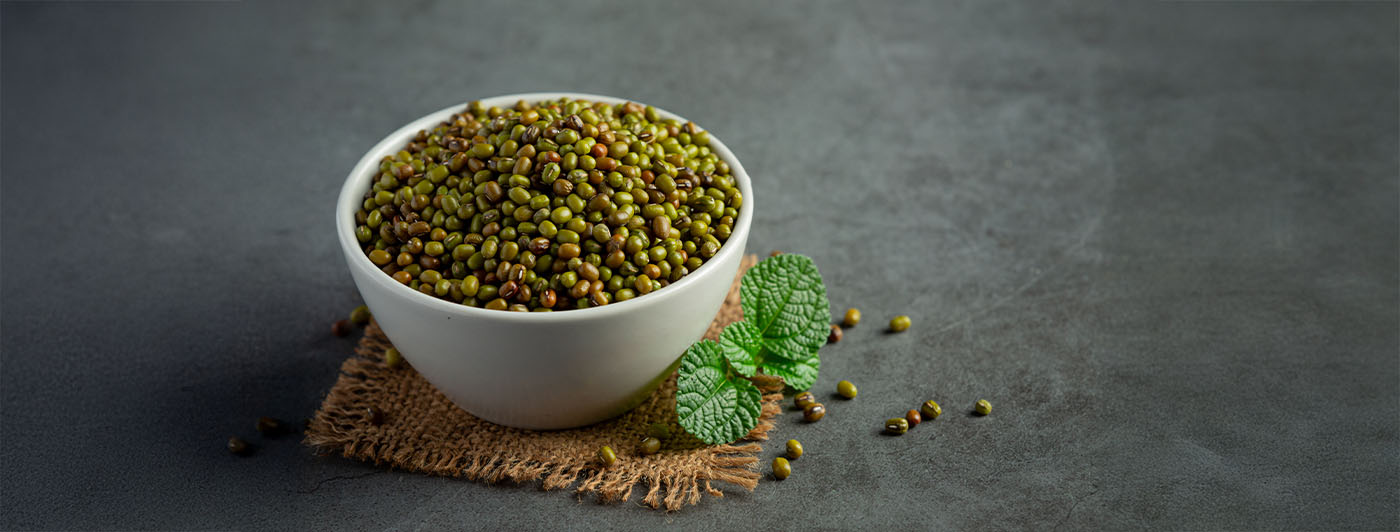
One of the most surprising truths about moong dal protein per 100g is that it is significantly higher than most people assume. Raw moong dal typically contains around 23–25 grams of protein per 100g, making it one of the most protein-efficient staples in an Indian vegetarian diet.
This means:
-
You’re not “just eating carbs” when you eat dal
-
You’re eating a meaningful protein contributor
-
And you can build real protein intake through traditional meals
The real issue is not whether dal has protein.
The real issue is whether you’re eating enough dal (and preparing it in a way your body uses well).
2. Moong Dal: Raw vs Cooked Protein
Here’s the confusion that derails most protein planning.
People look up moong dal protein per 100g and then compare it to cooked dal. That’s like weighing rice after boiling and assuming it “lost nutrition.”
Moong dal absorbs water and expands. So when 50g raw dal becomes a large bowl after cooking, the protein hasn’t disappeared—it’s just spread across more grams of cooked food.
This is why understanding moong dal protein per 100g matters: it helps you measure protein correctly.
If you’re serious about nutrition, the smart habit is:
-
measure dal before cooking (even roughly)
-
then build meals around that quantity
This one shift can upgrade your entire vegetarian protein strategy.
3. Is Moong Dal Easy to Digest?
Not all protein foods are equal—especially for vegetarians.
Some foods give protein but also give:
-
bloating
-
heaviness
-
gas
-
food fatigue
Moong dal stands out because it’s naturally gentle. That’s why even strict nutrition protocols and Ayurveda often treat moong dal as a “safe” base food.
So moong dal protein per 100g isn’t just valuable because of the number—but because it’s one of the few high-protein vegetarian foods people can tolerate daily.
If you want consistent progress, consistency matters more than intensity.
Moong dal is consistency-friendly.
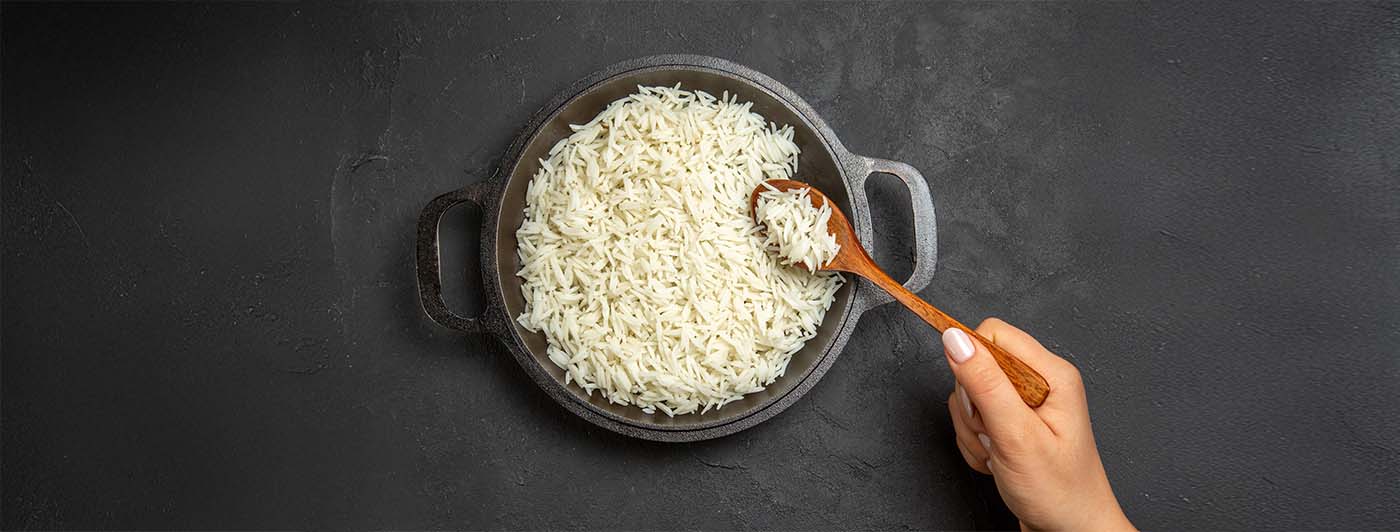
4. Dal and Rice: Complete Protein
One of the least understood facts about moong dal protein per 100g is that the quality of that protein improves when you pair it correctly.
Moong is relatively strong in some essential amino acids but lower in others. Grains like rice and wheat fill the gaps.
That’s why:
-
dal + rice
-
khichdi
-
dal roti
…are not accidental cultural habits. They are nutritional pairings that create a better amino acid profile—leading to improved muscle recovery and better overall protein utilization.
This also explains why vegetarians who combine foods intelligently often do better than vegetarians who obsess over protein counts but eat incomplete meals.
Moong works best as part of a system.
5. Moong Dal for Muscle Gain
If you’re training regularly, your body doesn’t just need protein—it needs recovery rhythm.
A 6 day gym workout schedule increases:
-
muscle repair demand
-
inflammation load
-
glycogen depletion
-
micronutrient usage
Moong dal fits beautifully into this because it offers:
-
stable protein
-
sustained carbs
-
better digestion than heavier dals
The best way to use moong dal for fitness:
-
lunch post-workout (best option)
-
early dinner (lighter recovery meal)
-
or as soup/khichdi on intense training days
And because moong dal protein per 100g is so steady, it becomes an anchor in your meal plan—especially for vegetarians trying to stay lean while still building strength.
6. Moong Dal for Weight Loss
Fat loss isn’t about starving. It’s about building meals that don’t trigger uncontrolled hunger.
Protein helps satiety, but so does fiber and stable digestion.
That’s why moong dal becomes a brilliant weight-loss tool when paired with:
-
vegetables
-
soups
-
khichdi with salad
-
stir-fry sides
Instead of chasing gimmicks like zero calorie foods, the smarter fat-loss path is:
-
eating real protein
-
eating real fiber
-
staying full
-
staying consistent
This is also why adding fiber rich vegetables like spinach, beans, lauki, cabbage, and okra to moong dal meals upgrades fat-loss results without making you feel “on diet.”
Moong dal helps you eat less without suffering.
7. Daily Protein Requirement Guide
This is the most important truth.
Most vegetarians are not failing due to “bad diet.”
They’re failing due to underestimating protein requirements.
That’s why a protein intake calculator can be a game changer. It tells you:
-
how much protein you need per day
-
how much your current diet is giving
-
what gap you must fill
Once you know your target, moong dal protein per 100g becomes a practical tool. It helps you plan dal quantity with logic, not guesswork.

Some people may occasionally include a neutral plant based protein powder or plant protein option to bridge gaps on busy days—especially when appetite is low or travel disrupts meals. In that context, even pea protein powder can appear as a practical tool, not a replacement for food.
But the foundation remains the same:
Moong dal, consumed consistently, measured intelligently.
Putting It All Together: The Bigger Picture
Understanding moong dal protein per 100g isn’t about turning meals into math. It’s about building a smarter relationship with everyday vegetarian food.
Because real health doesn’t come from “perfect eating.”
It comes from repeatable eating.
Moong dal becomes powerful when you:
-
measure it before cooking
-
combine it with grains for protein quality
-
pair it with vegetables for satiety
-
time it well with workouts
-
and calculate needs instead of guessing
Also remember: protein is only one pillar. Vegetarian energy levels often improve dramatically when you include key micronutrients like:
-
vitamin d foods (fortified dairy/plant milk, mushrooms, sunlight exposure)
-
foods with iron (spinach, lentils, sesame, pumpkin seeds, jaggery)
When these are missing, even a protein-rich diet can feel “low energy.”
And moong dal, when combined with smart variety, becomes one of the best long-term foods for vegetarians trying to feel strong, lean, and mentally sharp.
Final Takeaway
Moong dal protein per 100g is not just a number—it’s a practical way to understand how much real, usable protein you’re getting from a staple Indian food. By learning these seven facts, you gain better control over your energy, satiety, workout recovery, and long-term metabolic health.
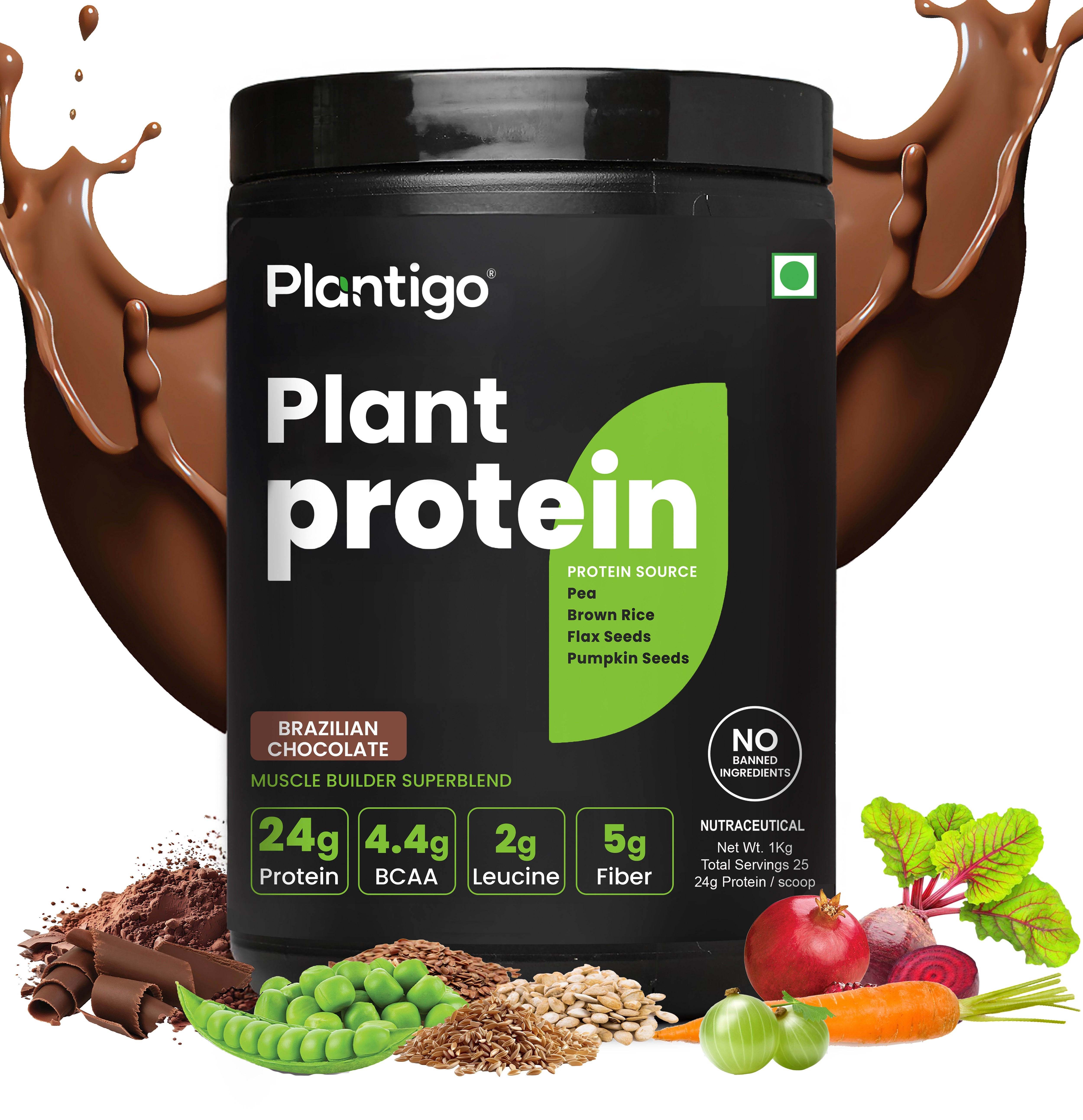
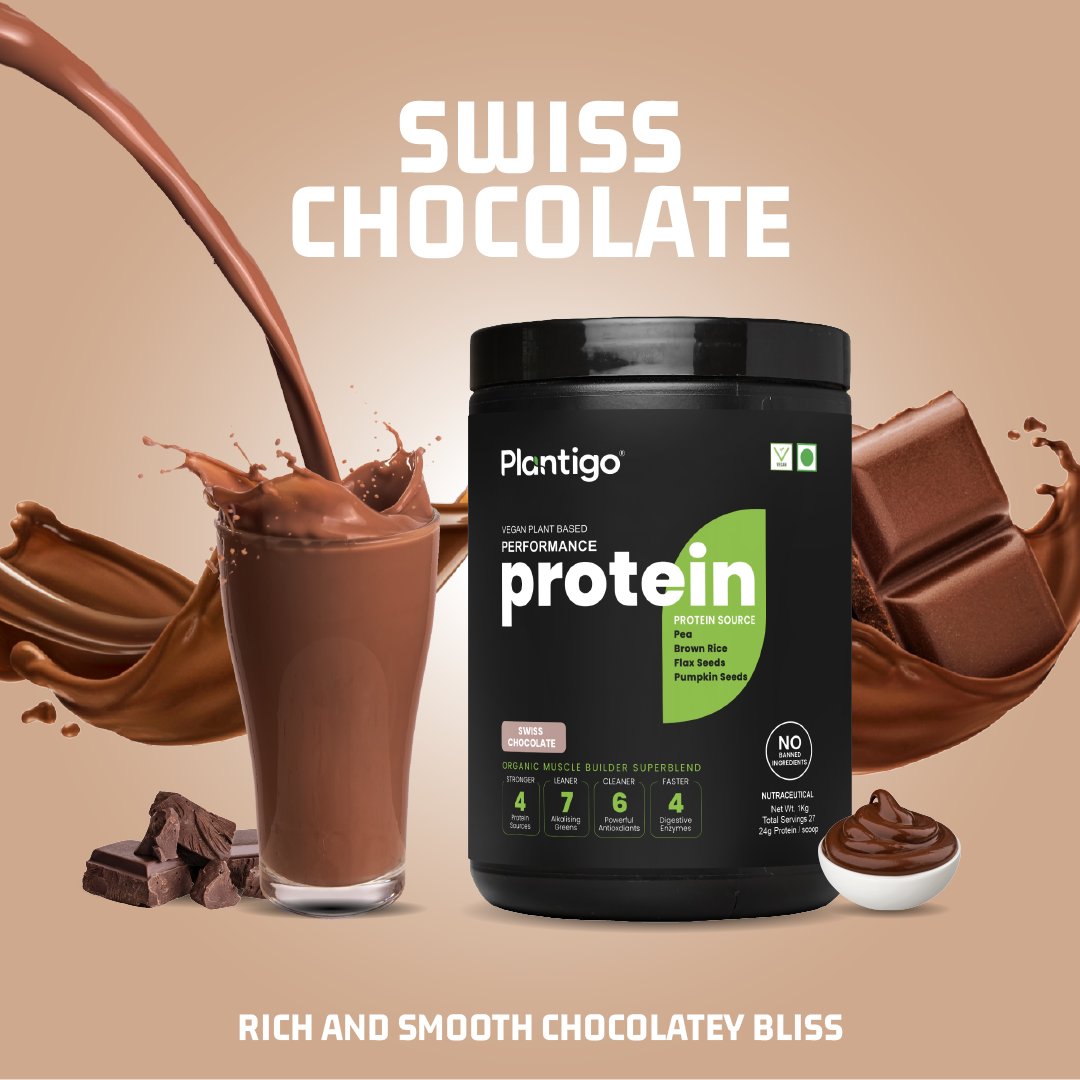
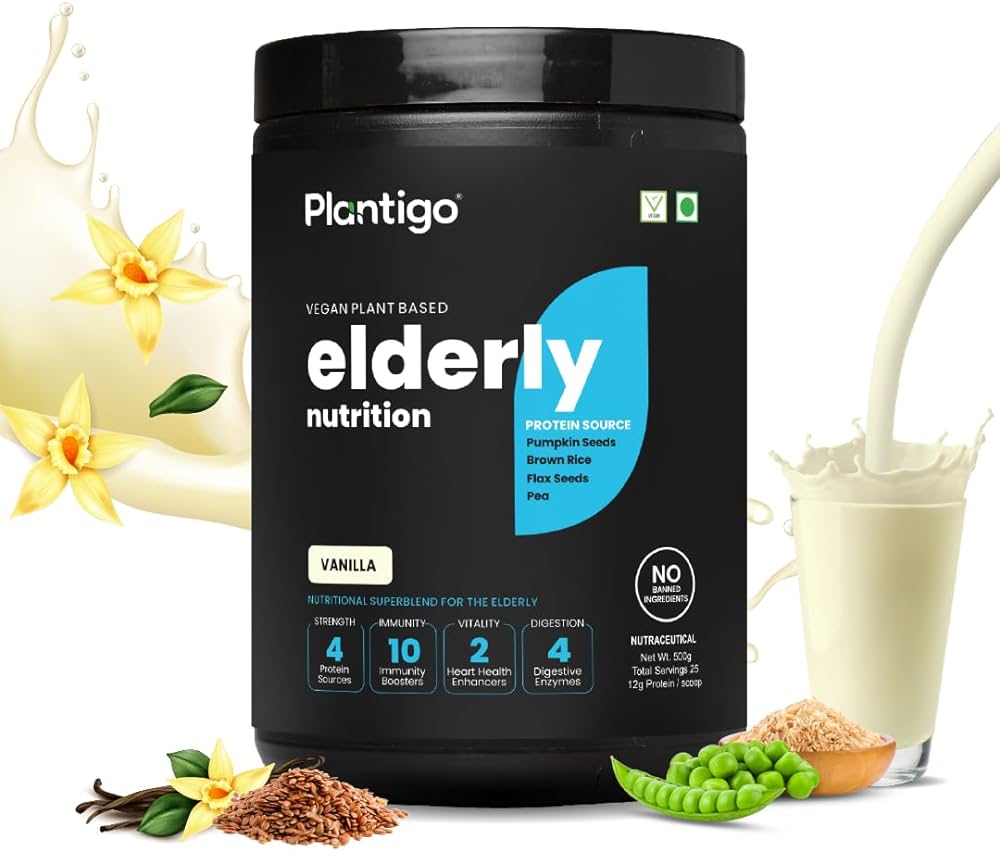
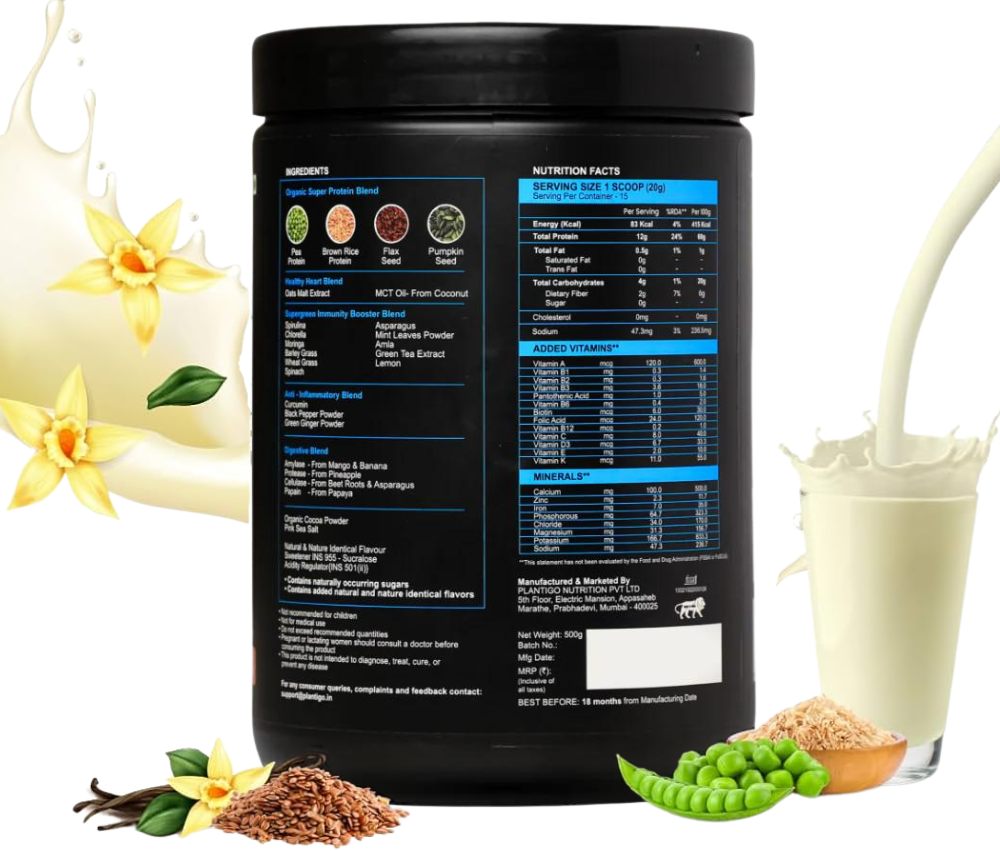
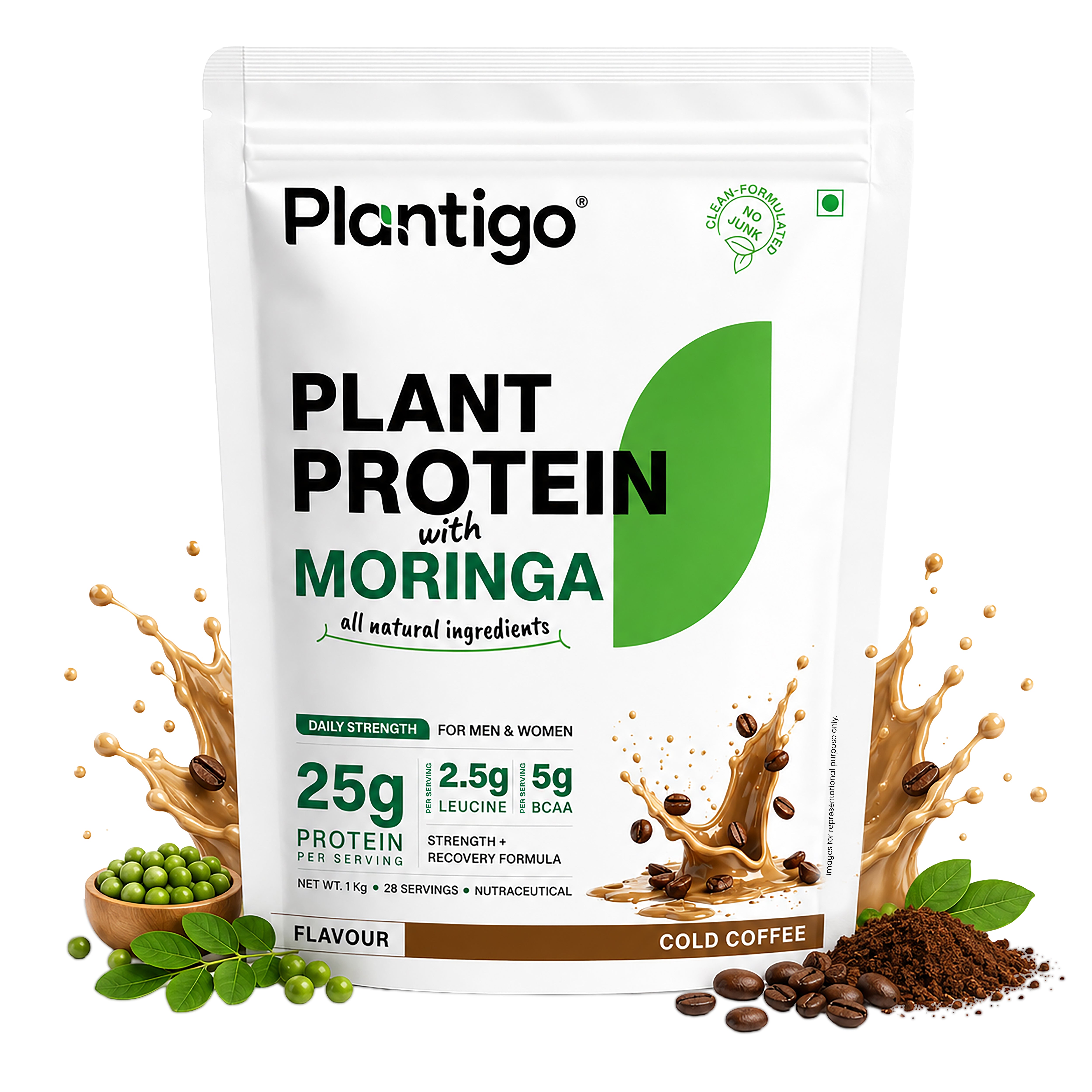
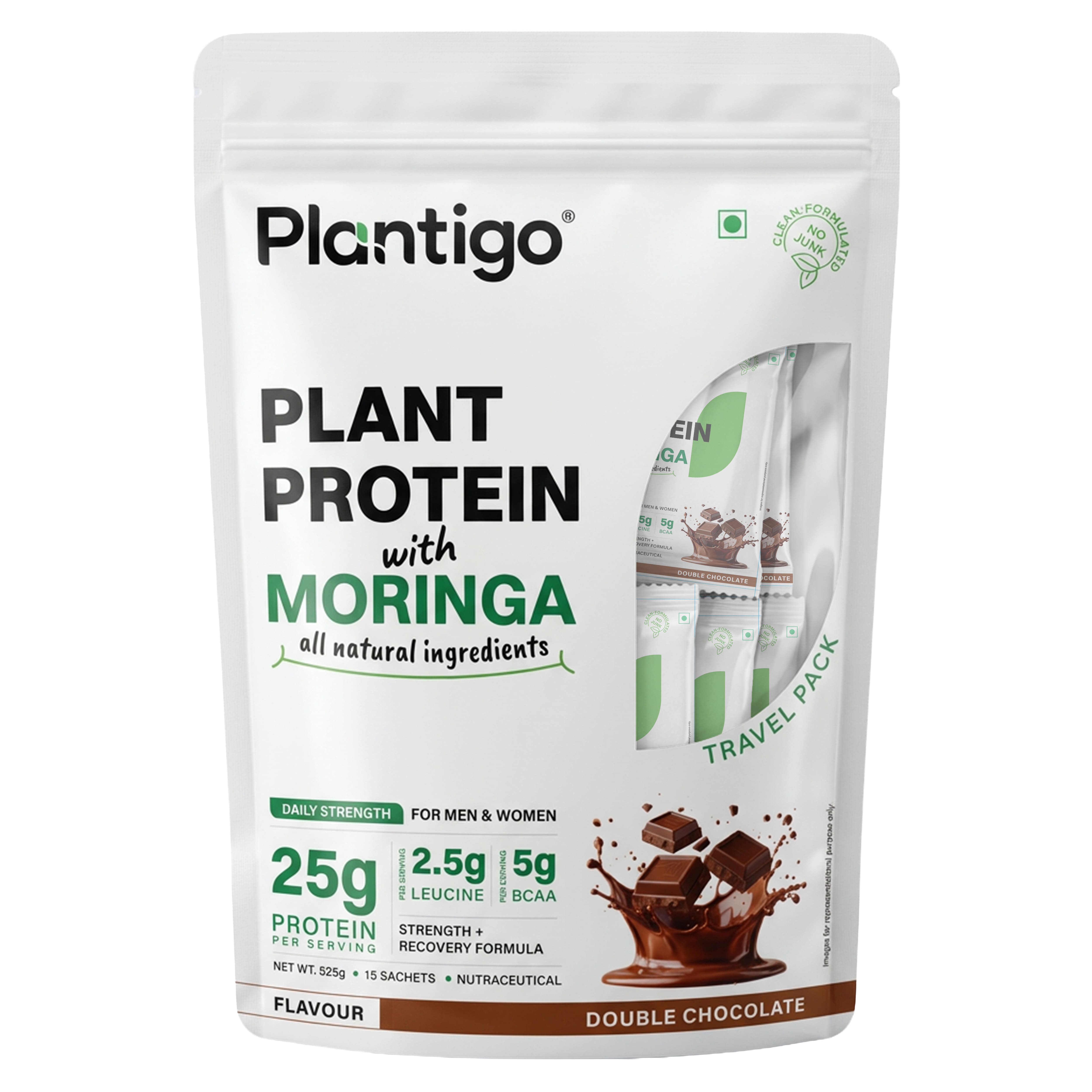
When you notice these nuances, every meal becomes an opportunity—not just to eat, but to eat smarter. Pair moong dal with fiber-rich vegetables and smart combinations for better fullness and protein quality. And on days when your food intake falls short, a clean option like Plantigo plant protein can help you stay consistent without overthinking nutrition.
The real shift happens with awareness. Start with your next meal, observe how your body responds, and let informed choices—not restriction—shape your everyday nutrition.
Frequently Asked Questions
1. How much protein is in 100g of moong dal?
100 grams of raw moong dal contain approximately 23–25 grams of protein. This makes it one of the most protein-efficient vegetarian staples.
2. Can I eat moong dal daily?
Yes, moong dal is safe to eat daily for most people. It is light, easy to digest, and supports steady energy, satiety, and vegetarian protein intake.
3. Does cooked moong dal have less protein than raw?
No, cooking does not reduce protein. The protein looks lower because moong absorbs water and expands. The total protein remains the same based on raw quantity.
4. Is moong dal good for weight loss?
Yes. Moong dal is high in protein and filling, which helps reduce cravings and overeating. It works best when paired with fiber-rich vegetables and controlled portions.
5. Is moong dal good for muscle gain?
Yes. Moong dal supports muscle recovery due to its protein content. For better results, pair it with grains like rice/roti to improve protein quality, especially with a consistent gym routine.