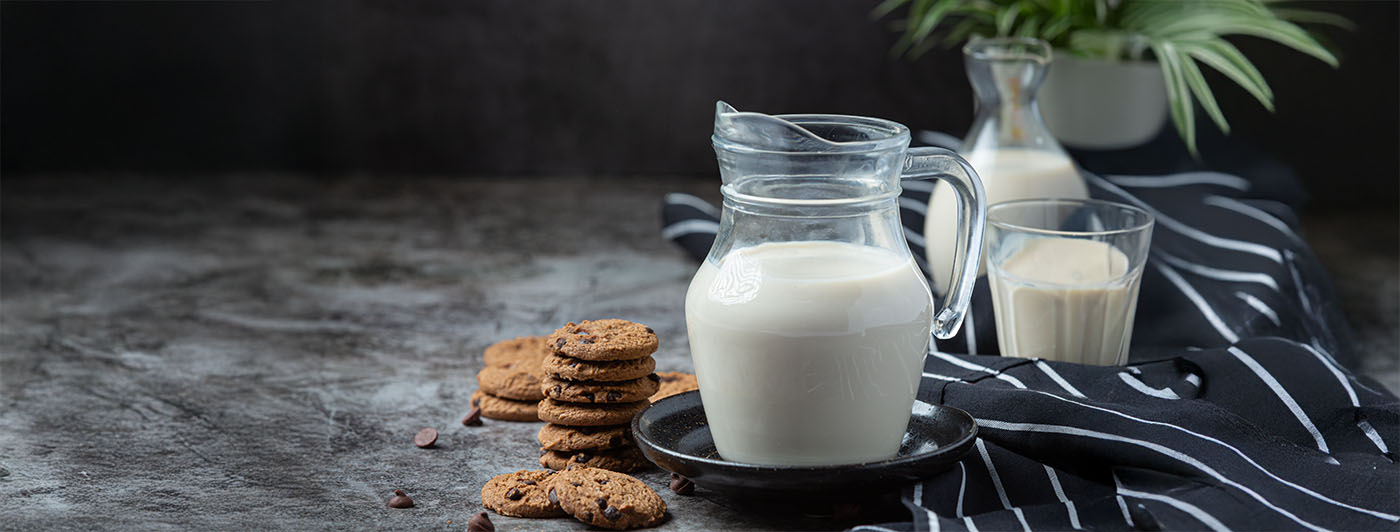
Most people think milk is just… milk.
But here’s what’s surprising: 500 ml of milk can quietly become one of the simplest muscle-building tools—not because it’s trendy, but because it contains a powerful mix of nutrients that supports recovery, strength, and fat loss.
And here’s the real secret: protein in 500 ml milk hits a sweet spot. It’s enough volume to deliver meaningful nutrition… without being so heavy that it slows you down. Done right, it can support both muscle gain and fat loss—two goals people assume are opposites, but they aren’t.
In this article, we’ll break down exactly how protein in 500 ml milk helps you build lean muscle, stay fuller longer, recover faster, and even improve workout performance. You’ll also learn the best time to take it, smart ways to enhance it, and common mistakes to avoid.
And if your diet relies heavily on plant protein, you’ll see how milk can still fit into your routine strategically—without complicating things.
How Much Protein in 500 ml Milk Really Matters (And Why It Works)
Let’s settle it clearly: protein in 500 ml milk depends on the type of milk.
-
Toned / low-fat milk: ~16–18 g protein
-
Full-fat milk: ~16 g protein
-
Skim milk: ~17–18 g protein
That’s a strong, natural dose of complete protein containing essential amino acids—especially leucine, the trigger your body uses to switch “muscle-building mode” ON.
And this isn’t just bro-science. A study found that strategic ingestion of high-protein dairy milk after resistance training and again before sleep led to greater improvements in lean mass, strength, and power compared to a non-protein placebo in trained young males.
So when people drink protein in 500 ml milk, they aren’t just adding calories—they’re adding a powerful recovery and growth signal.
And now comes the fun part: the benefits go far beyond protein.
9 Benefits of Protein in 500 ml Milk for Muscle Gain & Fat Loss
1) Complete Muscle Protein
Milk contains casein + whey naturally, giving you both fast and slow absorption. This is why protein in 500 ml milk is considered superior to many single-source foods.
-
Whey acts quickly: helps muscle repair right after training
-
Casein digests slowly: reduces muscle breakdown over hours
This isn’t just theory—one study compared whey, casein, and milk protein after exercise and found that whey stimulates muscle protein synthesis faster, while casein delivers a slower, longer-lasting effect, making milk protein a strong “middle ground” with both benefits.
This combination is exactly what your body needs when you’re trying to build muscle without gaining excess fat.
2) Increases satiety
One major fat loss struggle is not workouts—it’s cravings, late-night hunger, and “I’ll just snack a little.”
Protein in 500 ml milk improves satiety because:
-
Protein slows digestion
-
Milk has a natural insulin response that can reduce hunger spikes
-
The volume (500 ml) physically fills the stomach
If you’re cutting calories, this can be a game-changer.
3) Supports Faster Recovery
If you train consistently, recovery becomes your “hidden gym session.”
The amino acids from protein in 500 ml milk support:
-
muscle repair
-
reduced micro-tear soreness
-
better training frequency (more workouts per week without burnout)
This is one of the reasons athletes often use milk as a recovery drink.
4) Improves Strength Support
Strength gains are not just about lifting heavier. They depend on:
-
muscle repair
-
nervous system recovery
-
glycogen replenishment
-
mineral balance
Milk has protein PLUS calcium, potassium, sodium, and magnesium—supporting better muscle contraction and hydration. That’s why protein in 500 ml milk can indirectly improve your performance week after week.
5) Boosts Muscle Building
Leucine is the amino acid most responsible for activating muscle protein synthesis.
So instead of looking for complicated hacks, many people simply use protein in 500 ml milk to repeatedly trigger muscle-building signals—especially when paired with strength training.
This is one reason milk is recommended for both beginners and advanced lifters.
6) Protects Lean Mass
When people diet, they often lose muscle along with fat—especially if they reduce protein too much.
But muscle is your metabolism engine.
Using protein in 500 ml milk during a deficit can:
-
reduce muscle breakdown
-
maintain strength
-
help you lose fat “cleanly”
This is the difference between looking thinner vs. looking leaner and stronger.
7) Night Recovery Boost
Here’s a small secret many miss: muscle growth happens while sleeping.
Milk’s casein digests slowly, meaning protein in 500 ml milk can provide a steady amino acid flow at night, which supports overnight recovery.
Taken 60–90 minutes before sleep (if it suits your digestion), it can help muscle repair without a heavy meal.
8) Workout Performance Aid
Milk can be enhanced to support workouts—without turning your routine into a chemistry project.
For example:
-
Add a banana + a pinch of cinnamon
-
Add soaked oats
-
Add crushed nuts
If you want it as a natural pre workout, keep it lighter and consume it 60–90 minutes before training.
If you want it post-workout, keep it higher protein and easier to digest.
Also, certain food combinations can support performance signals like blood flow. For example, nitric oxide rich foods (like beetroot and spinach) pair nicely in meals on training days.
9) Easy Daily Routine
The best muscle-building food is the one you can follow consistently.
Protein in 500 ml milk wins because:
-
it’s affordable
-
it’s widely available
-
it takes 30 seconds
-
it’s easy to track
This consistency creates visible transformation over months—not days.
Best Time to Take Protein in 500 ml Milk (Based on Your Goal)
If your goal is muscle gain:
-
Post workout: best for recovery and growth
-
Between meals: helps increase total daily protein
-
Before bed: supports overnight repair
If your goal is fat loss:
-
As a meal replacement (with fiber): reduces cravings
-
Evening hunger control: supports satiety
-
Either way, protein in 500 ml milk becomes more powerful when used strategically.
Smart Add-ons (So Your Milk Works Harder)
Here’s where it gets interesting.
Milk alone is strong. But “milk + the right add-on” can become a body transformation tool.
For strength & power days:
Consider pairing your day’s diet with:
-
creatine rich foods (like fish and red meat for non-vegetarians, and dairy + overall protein strategy for vegetarians)
-
foods that support energy production
For recovery and immunity:
Add fruits with high antioxidants. Even vitamin c rich foods in india like amla, guava, and oranges help training recovery by supporting collagen repair and reducing oxidative stress.
For digestion and metabolic balance:
Some people like to pair their overall diet with alkaline fruits such as bananas, watermelon, and apples to keep digestion smoother (though your body tightly regulates pH, these foods are often easier on the stomach).
And if you want a surprisingly effective spice upgrade, explore black cardamom benefits —it has a strong aroma and has traditionally been linked with digestive and respiratory comfort.
What If You’re Lactose Sensitive?
This is common, and you don’t need to quit your goals.
Options:
-
lactose-free milk
-
A2 milk
-
smaller servings (250 ml twice instead of 500 ml once)
If milk doesn’t suit you at all, you can still follow muscle gain nutrition using alternatives like curd, paneer, or even supplement-style sources—without making it promotional.
In fact, many fitness enthusiasts use pea protein powder occasionally because it’s easier to digest for some people and helps meet daily protein targets.
How to Calculate Your Protein Needs (So This Fits Your Plan)
Here’s the truth: even a perfect nutrition habit fails if it doesn’t match your daily requirement.
That’s why you should use a protein intake calculator to estimate:
-
maintenance needs
-
muscle-building needs
-
fat-loss needs
General ranges:
-
fat loss + training: 1.6–2.2 g/kg
-
muscle gain: 1.6–2.4 g/kg
-
beginners: start at ~1.6 g/kg and progress slowly
Once you know your number, protein in 500 ml milk becomes a measurable tool—not a random habit.
What About Milk + “Protein Powder”?
This depends on your needs.
If your daily protein target is high, you might combine milk with a plant based protein powder, especially if you follow a vegetarian lifestyle.

But keep this rule:
-
food first
-
supplement second
Milk already gives complete protein, and protein in 500 ml milk can be a strong foundation even without additions.
In India, where vegetarian diets are common, using more plant protein sources such as dal, chana, rajma, sprouts, peanuts, curd, and paneer can strengthen your plan.
Common Mistakes That Stop Results (Avoid These)

Even if you drink protein in 500 ml milk daily, these mistakes can block progress:
-
Ignoring total calories
Milk has calories. If you add it without adjusting meals, fat loss can stall.
-
Taking it at the wrong time for digestion
Some people feel heavy if they take milk immediately before training.
-
Underestimating your daily protein requirement
Milk helps—but it may not be enough alone.
-
Not training hard enough
Nutrition fuels stimulus, but training creates it.
The Bottom Line
If you want a simple habit that supports both muscle gain and fat loss, start with protein in 500 ml milk. It’s measurable, easy to follow, and genuinely effective when done consistently.
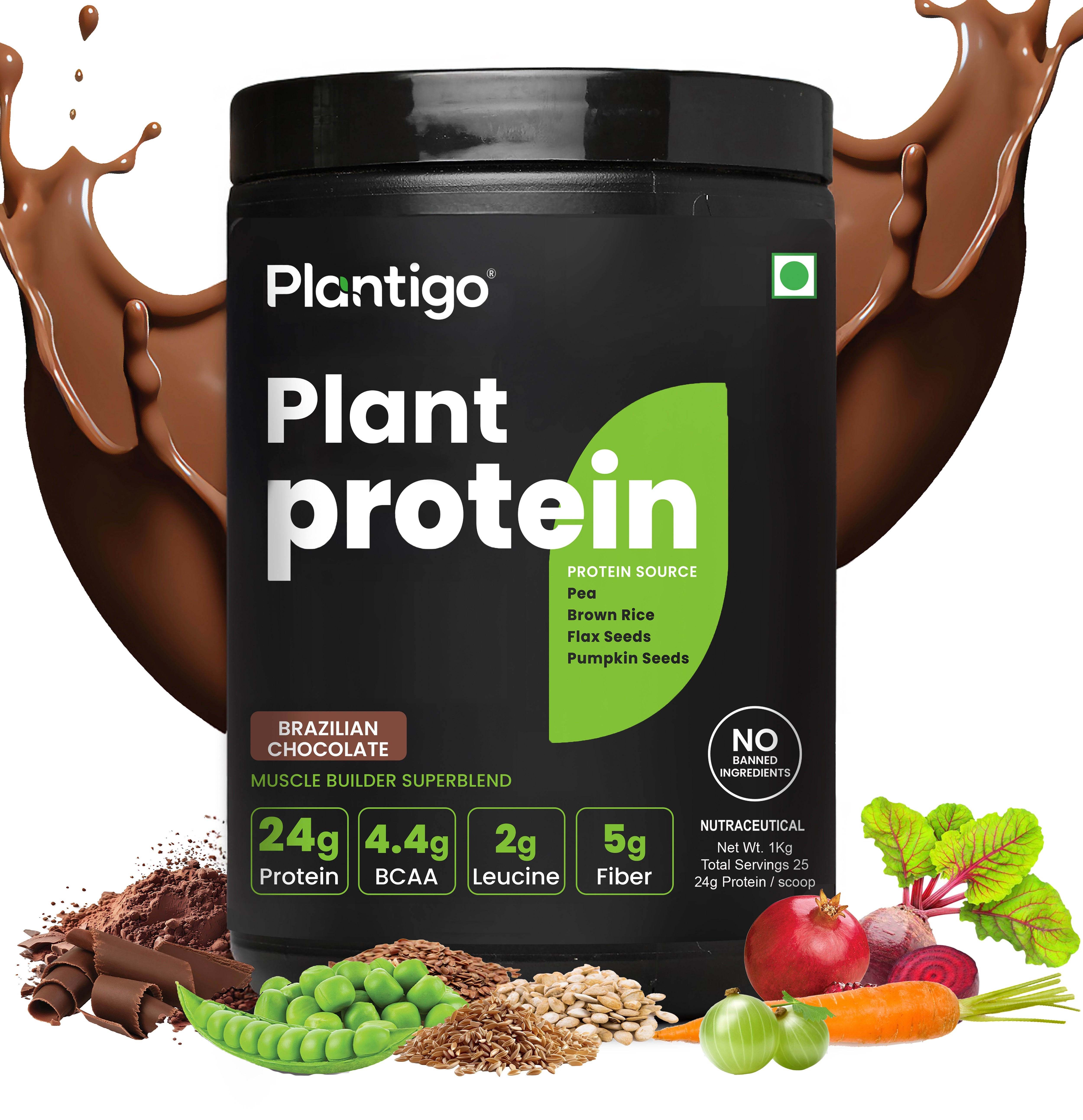
And if your diet also includes plant protein, you can balance your daily intake with dals, legumes, and clean options like Plantigo plant protein —so you hit your protein targets without overcomplicating your routine.
Now don’t overthink it—try it for 7 days straight, track your recovery and hunger levels, and watch what happens.
Because when the basics are strong… results become inevitable.
Frequently Asked Questions
1. How much protein is in 500 ml milk?
Protein in 500 ml milk is typically around 16–18 grams, depending on the type of milk (toned, skim, or full-fat). Skim and toned milk usually have slightly more protein.
2. Is protein in 500 ml milk enough for muscle gain?
Protein in 500 ml milk is a great start for muscle gain, especially post-workout. However, total daily protein matters more—so combine it with protein-rich foods like dal, paneer, legumes, and nuts.
3. Can protein in 500 ml milk help in fat loss?
Yes. Protein in 500 ml milk can support fat loss because protein increases fullness, reduces cravings, and helps protect lean muscle while dieting—provided overall calories stay in control.
4. What is the best time to drink 500 ml milk for protein?
The best time depends on your goal:
-
Post-workout for recovery and muscle repair
-
Between meals to increase daily protein
-
Before bed for slow-release overnight recovery
5. Is it okay to drink 500 ml milk daily?
Yes, for most people it is safe and healthy to drink daily. If you feel bloating or discomfort, switch to A2 milk, lactose-free milk, or split it into 250 ml twice a day.