What if I told you one of the most underrated muscle-building foods is already sitting in your kitchen—without the hype of a supplement?
Just peanuts.
If you’re serious about fitness, you already know the truth: progress isn’t built only in the gym. It’s built in your kitchen, your grocery cart, and your daily consistency. And yet, even disciplined fitness lovers often miss one crucial thing—protein quality + protein strategy.
That’s exactly where 100 gram peanut protein becomes unexpectedly powerful.
Peanuts are often treated like a snack—something you munch mindlessly. But through a fitness lens, they’re a dense nutrition tool that can support muscle building, satiety, recovery, performance, and long-term health—especially for people relying on plant protein in their daily diet.
In this article, we’ll explore 7 science-backed benefits of 100 gram peanut protein, how to use it correctly, and why it deserves a real spot in your fitness plan—whether your goal is fat loss, lean muscle, or clean bulking.
Why 100 Gram Peanut Protein Is a Fitness Game-Changer
Before we get into the benefits, let’s set the stage.
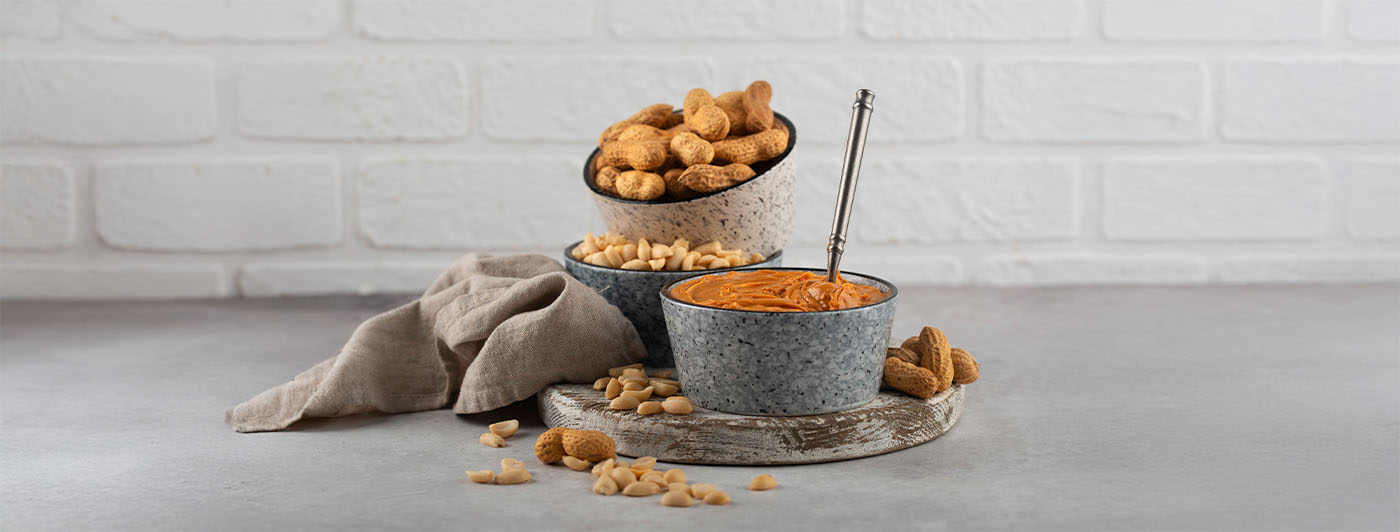
100 gram peanut protein refers to the protein contribution you can derive from peanuts (or peanut-based formats like peanut flour, peanut powder, or peanut butter—when used smartly in macros). While peanuts aren’t a “pure protein” food like eggs or chicken, they offer a unique mix that most fitness lovers actually need:
-
Protein + healthy fats
-
Slow digestion (better satiety)
-
Easy to add to meals
-
Naturally plant-based
And this is not just gym talk—science supports it.
A study examined peanut preloads and found that peanut consumption favorably influences satiety—meaning people felt fuller, which can help regulate hunger and overall calorie intake. This supports why peanuts work so well in structured fitness plans, especially when your goal includes fat loss or clean eating discipline.
Now let’s move to the benefits.
Top 7 Benefits of 100 Gram Peanut Protein
1) Supports Lean Muscle Growth
Muscle growth is less about one huge protein meal and more about daily protein consistency.
That’s why 100 gram peanut protein can work like a sneaky advantage. It helps you “top up” protein intake without feeling like you’re forcing down another bowl of paneer or another shake.
Many people struggle to reach targets because their meals are protein-light. Think about a typical Indian meal—roti, rice, sabzi, dal. Healthy, yes… but often low in protein density.
For example, a common question is protein in 1 roti. The answer is: not much. A roti contributes some protein, but it won’t move the needle for someone aiming for muscle gain. This is where 100 gram peanut protein can make a meaningful difference by upgrading ordinary meals into higher-protein meals—especially when used alongside other smart add-ons like curd, dals, and even a simple plant based protein powder in situations where your daily intake is falling short.
Fitness takeaway: use peanut protein formats to increase protein density without increasing meal volume.
2) Keeps You Full Longer
If fat loss is your goal, hunger is usually the enemy—not workouts.
One of the best reasons fitness lovers choose 100 gram peanut protein is that it contains protein + fats, a combination that slows digestion and improves satiety. This is ideal for people following a structured calorie deficit diet.
Instead of snacking on empty calories (biscuits, namkeen, sugar tea), a peanut-based protein addition can keep you full and stable for hours.
Even better, peanuts are naturally compatible with high fiber foods when paired well—like adding peanut powder to oats + chia, or peanut chutney with sprouts.
Fitness takeaway: satiety is a strategy. Peanut protein supports it.
3) Boosts Workout Energy Naturally
Ever experienced this?
You eat something quick before training—maybe a banana or toast. Energy spikes. You feel great for 10 minutes. Then suddenly… flat.
That’s because many pre-workout foods are mostly fast carbs. But 100 gram peanut protein offers slow, steady energy due to its fat-protein structure. It provides a sustained release of calories and supports endurance workouts, strength training, and even long walks.
If you’re wondering about carb comparisons, many also track things like 100 gram rice calories while planning their meals. Rice has its role, but it’s primarily energy. Peanut protein helps you balance energy with satiety and muscle support.
Fitness takeaway: combine rice/roti with peanut protein for a more stable meal.
4) Improves Muscle Recovery
Recovery is where results are built.
When workouts create micro-tears in muscle fibers, the body needs amino acids and calories to repair and grow stronger. 100 gram peanut protein adds a practical protein layer that supports recovery—especially for people who train frequently.
And here’s something most people don’t connect: recovery isn’t just protein. It’s also micronutrients and anti-oxidant protection that reduce oxidative stress from training.
That’s why including vitamin c rich foods (like amla, oranges, guava, capsicum) alongside your protein strategy is powerful. Vitamin C supports collagen and repair processes, which indirectly impacts recovery quality.
Fitness takeaway: pair 100 gram peanut protein with vitamin C foods for stronger recovery.
5) Helps Control Cravings
One of the biggest reasons diets fail is not lack of motivation—it’s cravings.
When you eat low protein, your body stays hungry. When your meals lack fat, your brain doesn’t feel satisfied. That’s why 100 gram peanut protein is special—it improves the satisfaction factor.
It helps reduce:
-
evening cravings
-
sugar binges
-
late-night snacking
-
“I deserve a treat” hunger
And science supports this too. A study on peanut intake and appetite found that including peanuts can lead to dietary compensation (people naturally adjust intake later), suggesting peanuts can influence appetite regulation and reduce overeating tendencies.
Fitness takeaway: satisfaction reduces cravings. Peanut protein helps satisfaction.
6) Great Option for Plant-Based Diets
More fitness lovers today are moving toward a cleaner diet—not necessarily fully vegan, but more plant-forward. And the biggest hurdle there is protein planning.
That’s why 100 gram peanut protein fits beautifully into the list of reliable vegan protein sources.
It can be combined with:
-
dals and legumes
-
soy alternatives (if you consume them)
-
whole grains
-
seeds
-
nut-based meals
Even if you’re not vegan, this matters because diversified protein sources help reduce digestive overload and improve long-term adherence.

You might still use options like pea protein powder occasionally (especially for convenience), but peanuts offer a whole-food advantage—less processed, more satisfying, and naturally nutrient rich.
Fitness takeaway: peanut protein makes plant-based eating easier and more sustainable.
7) Makes Daily Protein Goals Easier
Fitness results improve drastically when nutrition becomes trackable.
This is where a protein intake calculator becomes your best friend. Once you know your daily target, you begin seeing gaps in your meals. And that’s exactly where 100 gram peanut protein becomes a smart fix.
Because it can be added in small doses:
-
10 g peanut powder in oats
-
1 tbsp peanut butter in smoothie
-
peanut chutney with meals
-
peanut flour in recipes
You’re not forced into all-or-nothing eating. You can adjust amounts based on your daily protein progress.
This also matters because many fitness lovers overeat carbs unknowingly while trying to meet protein goals. They add more roti, more rice, more snacks—without realizing protein is still short.
Fitness takeaway: measure → identify gaps → top up with peanut protein.
How to Use 100 Gram Peanut Protein Without Overeating Calories
Here’s the critical detail:
Peanuts are calorie dense. So the goal is not to blindly eat huge quantities. The goal is to use 100 gram peanut protein intelligently—like a nutrition tool.
Best ways to include it:
-
Peanut powder in oats, smoothies, curd
-
Peanut chutney with sprouts or salads
-
Peanut flour to boost protein in rotis/dosas
-
Peanut butter in small controlled portions
-
Roasted peanuts as measured snack
Also, keep the bigger picture in mind—protein is one piece. Your diet should still include:
-
high fiber foods (to support gut + satiety)
-
micronutrients
-
hydration
-
adequate sleep
If you’re aiming for fat loss, pair your peanut protein plan with a disciplined calorie deficit diet and protein tracking.
Common Mistakes Fitness Lovers Make With Peanut Protein
Even a powerful ingredient can backfire when used incorrectly. Avoid these:

1) Treating peanut butter like “free calories”
Peanut butter is great—but 2 extra spoons daily can silently destroy fat loss progress.
2) Using peanuts as the only protein solution
100 gram peanut protein is excellent, but it should complement—not replace—other protein foods.
3) No tracking, only guessing
Guessing leads to under-protein and over-calories. Use a protein intake calculator and track for at least 2 weeks.
4) Not balancing meals
Combine peanut protein with other plant protein options like dal, chana, quinoa, or seeds.
Final Word
Here’s the fun truth:
Fitness isn’t about doing extreme things. It’s about doing small smart things—every day—until your body has no choice but to change.
And 100 gram peanut protein is one of those smart things.
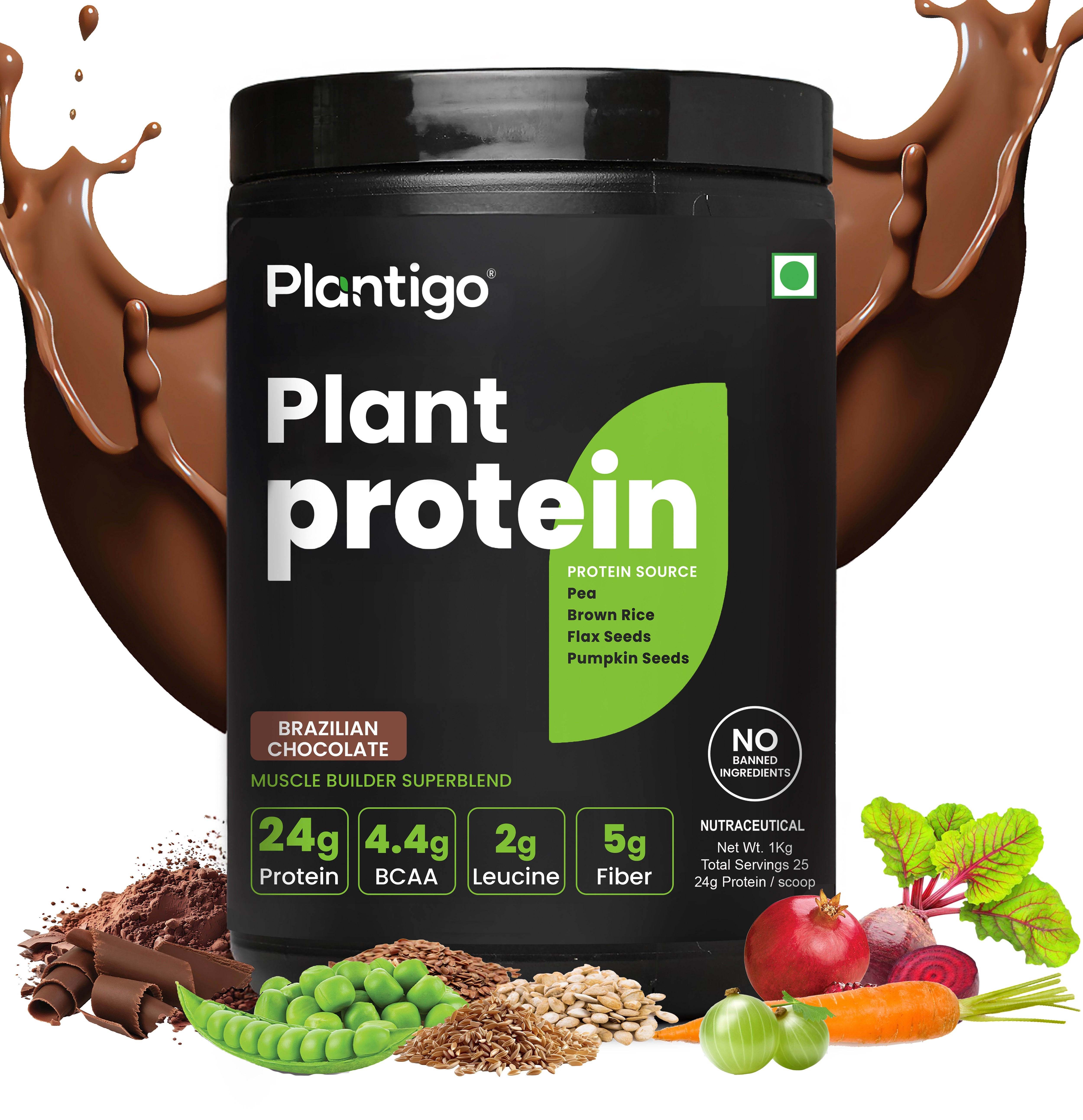
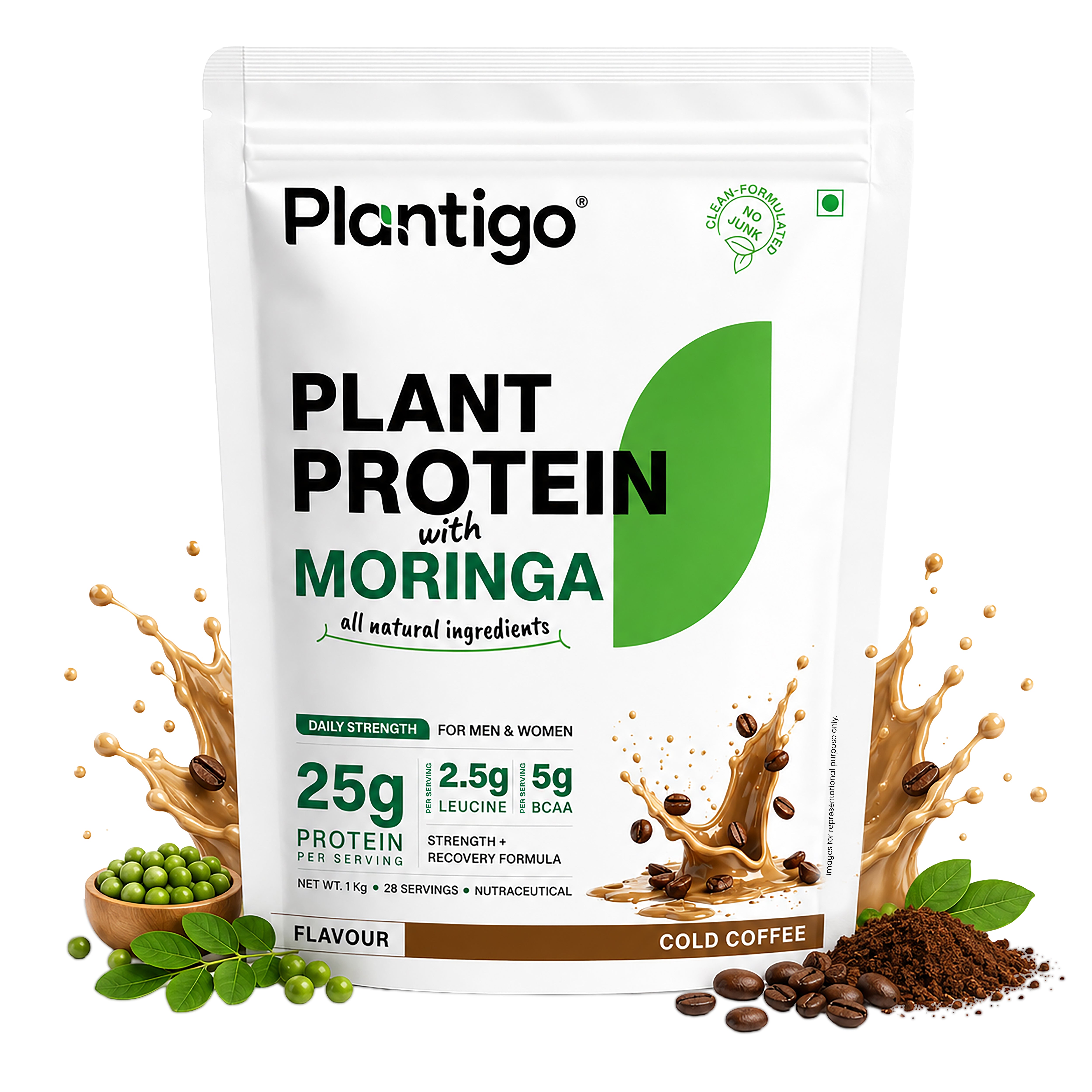
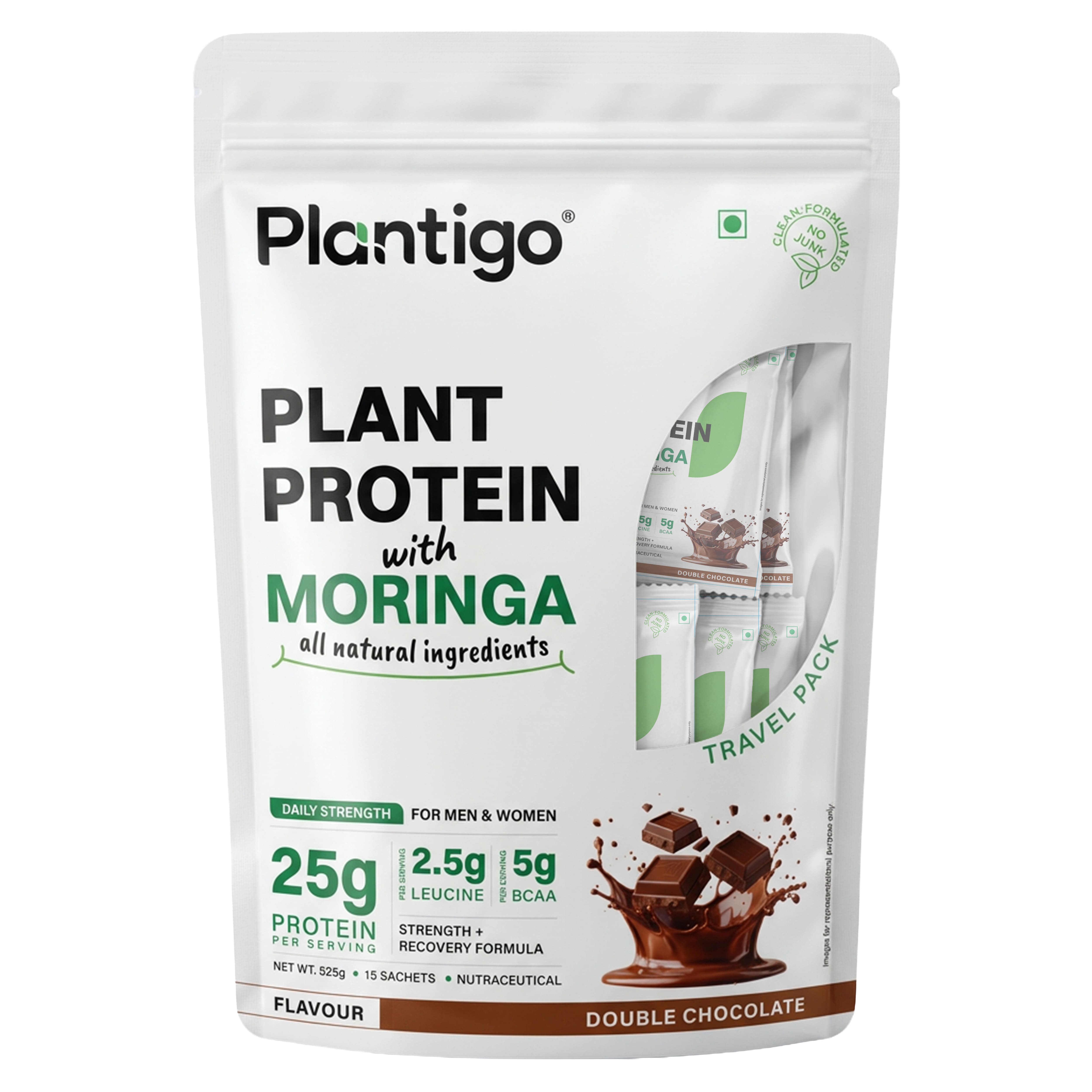
It supports muscle, makes fat loss easier, fuels workouts, improves recovery, and makes plant-focused nutrition more achievable. And on days when your meals fall short, a clean backup like Plantigo plant protein can help you stay consistent without overthinking.
If you’ve been training but still feel stuck, don’t only change your workout plan.
Change your protein strategy.
Your next step:
For the next 7 days, add one peanut-protein upgrade daily—oats, smoothie, chutney, roti, or a measured snack—and track your energy, hunger, and recovery.
Start using 100 gram peanut protein as a daily advantage—and watch your body respond.
Frequently Asked Questions
1. How much protein do peanuts contain per 100g?
100g of peanuts contain roughly 25–26 grams of protein, making them one of the highest-protein nuts and a strong plant-based option for fitness diets.
2. Is 100 gram peanut protein good for muscle gain?
Yes. 100 gram peanut protein supports muscle gain because it helps increase daily protein intake and provides calorie-dense nutrition useful for bulking and recovery.
3. Can peanut protein help with fat loss?
Yes. Peanut protein can support fat loss by improving satiety and cravings control, which makes it easier to follow a calorie deficit diet without constant hunger.
4. How can I add peanut protein to my daily meals?
You can add peanut protein by using peanut powder in oats/smoothies, peanut chutney with meals, peanut flour in rotis, or measured peanut butter in small portions.
5. Is peanut protein a good option for vegans?
Yes. Peanuts are a reliable plant protein source and fit well into vegan protein sources, especially when combined with dals, grains, and seeds for better amino acid balance.