
Have you ever noticed how mango is praised as “healthy” in one conversation — and blamed as “fattening” in the next?
One moment it’s in a clean fruit bowl with breakfast. The next moment someone warns, “Avoid mango if you want to lose weight… it has too much sugar.”
So what’s the truth?
The real story isn’t just about sweetness — it’s about what mango does to hunger, cravings, and how well you stick to your diet. That’s why understanding mango calories matters. Not because mango is dangerous — but because it’s misunderstood.
And once you understand mango properly, you’ll start seeing weight-loss foods differently too — especially how fruit behaves when paired with fiber or plant protein for better fullness.
In this article, we’ll break down 9 key facts that every weight loss diet should consider before deciding where mango fits.
What Do Mango Calories Actually Tell You About Weight Loss?
Before jumping into the facts, let’s clarify what the number behind mango calories really means.
Calories are simply units of energy. They tell you how much fuel you’re adding — but they don’t tell you:
-
how long you stay full
-
whether you’ll crave snacks later
-
whether your workout energy improves
-
whether your diet becomes easier to follow
That’s why many people struggle with fat loss: they obsess over calorie counts, but ignore what those calories do to behaviour.
And mango is a perfect example.
Because the real question isn’t “Does mango have calories?”
It’s:
Do mango calories help or hurt diet consistency?
A review highlights that whole fruit consumption is unlikely to drive excess calorie intake or obesity, and may support weight control due to fiber, water content, and satiety — which is very relevant when discussing mango as a whole fruit.
Top 9 Facts Every Weight Loss Diet Should Know About Mango Calories

1) Mango Isn’t That High-Calorie
The first surprising fact is psychological.
Mango tastes sweet, creamy, rich — almost like dessert. So most people assume it must be high-calorie.
But a typical 1-cup serving of chopped mango is around 100 calories. This is why the fear around mango calories is often exaggerated.
Here’s the real issue: mango tastes indulgent, but it isn’t automatically calorie-heavy.
Your brain judges mango based on taste — not nutrition.
And that one mistake creates unnecessary restriction.
2) Mango Won’t Cause Weight Gain
This is the part most people don’t want to hear.
Mango doesn’t cause fat gain by itself. Overeating does.
Most weight gain stories aren’t because someone ate mango once. It happens when mango becomes:
-
mango + ice cream
-
mango shake with sugar
-
mango dessert bowls every day
-
mango as “extra” after a full meal
So yes, track mango calories, but track the entire mango experience too.
Because the truth is: mango rarely makes people gain weight. The way mango is eaten does.
3) Portion Size Changes Everything
One mango is not one mango.
Some are small. Some are huge. Some have double the pulp.
A simple fix is to use consistent portions like:
-
½ mango
-
1 cup mango cubes
This makes mango calories predictable instead of emotional.
When you stop guessing portions, mango becomes a very manageable fruit — not a mystery food.
This is also why weight loss works better with awareness than restriction.
4) Mango Helps Control Cravings
Here’s an underrated fat loss skill:
Replacing processed cravings with natural satisfaction.
Many diets fail because people crave sweet foods and end up reaching for cookies, biscuits, or chocolate at night.
Mango can interrupt that cycle. Because when mango is eaten as a planned treat, it feels indulgent — but stays relatively controlled. In many cases, mango calories actually prevent higher calorie intake later.
It’s like a smart “sweet shortcut” that keeps your plan enjoyable.
The best diet isn’t the strictest. It’s the one you don’t quit.
5) Pair Mango for More Satiety
This is a game-changer for hunger control.
If mango is eaten alone, it digests quickly.
But if mango is paired with something like:
-
curd or Greek yogurt
-
nuts and seeds
-
chia pudding
…it slows digestion, increases fullness, and reduces rebound hunger.
That’s why smart diet planning isn’t about cutting mango calories — it’s about using mango properly.

In fact, this is why people experimenting with smoothies sometimes add pea protein powder — not as promotion, but because a protein anchor makes mango-based snacks more filling.
6) Best Time to Eat Mango
Same mango. Same calories.
But timing can change results.
For example, mango can be excellent as a morning pre workout meal because it gives fast fuel and feels light.
If you train early, mango can act as a gentle carbohydrate boost — especially useful for people who don’t like heavy breakfasts before exercise.
This is also where mango becomes a natural pre workout option — because it fuels performance without needing caffeine-loaded drinks.
So instead of asking “Can I eat mango?”
Ask: When will mango be most useful in my day?
That’s how you manage mango calories intelligently.
7) Mango Isn’t the Same as Sugar
Many people treat mango like sugar.
But mango is not sugar.
It is a whole fruit — which means:
-
water increases volume
-
fiber slows digestion
-
micronutrients support metabolism
This changes the way your body processes it.
If you’re in a fat loss diet, whole foods that keep you full matter more than foods that are simply “low calorie.”
So the real benefit of mango calories is the satisfaction-per-calorie ratio.
And mango’s satisfaction value is high.
8) Mango Offers More Than Calories
Many people exploring fat loss also explore digestion and inflammation.
That’s why fruits are often discussed as alkaline fruits — because they support hydration, micronutrients, and gut comfort (even though the internet often oversimplifies the pH idea).
Mango fits beautifully in such balanced eating styles because it improves diet quality and enjoyment.
What most people miss is that weight loss diets fail not because mango exists… but because diets become boring and people collapse.
Mango makes your diet feel human.
That’s why mango calories should not be judged like “danger calories.”
They’re lifestyle calories — if used correctly.
9) Mango Can Fit a Deficit
This is the final truth:
If your weekly calorie balance is in a deficit, mango will not stop fat loss.
Most people blame mango while ignoring:
-
weekend overeating
-
excess oil
-
restaurant food
-
sugary beverages
-
inconsistent protein
This is where tools like a protein intake calculator become useful — because when protein is correct, hunger drops, cravings reduce, and mango fits easily without causing overeating.
So yes: track mango calories — but track the week, not just the fruit bowl.
Putting It All Together: The Bigger Picture
Understanding mango calories isn’t about fear.
It’s about control.
Mango becomes risky only when:
-
portions are unmeasured
-
mango becomes dessert + snack + extra
-
mango is paired with calorie-heavy additions
But mango becomes powerful when:
-
portion is planned
-
mango replaces processed sweets
-
mango is paired with protein or fat
-
mango supports workout energy
That’s the real difference between a failed diet and a sustainable one.
What Mango Teaches Us About Other Foods Too
Once you understand how mango calories work, you start noticing a bigger truth:
Weight loss isn’t about banning foods.
It’s about building smarter patterns.
For example, people who lift weights start looking up creatine rich foods because strength training improves metabolism and preserves muscle during fat loss. Others explore hormone health and compare estrogen rich foods while improving overall nutrition quality.
Some people add simple routines like cinnamon water benefits for digestion or appetite support — not as magic, but as habit-building tools.
And many weight loss diets improve dramatically when protein improves — whether from whole foods, plant protein, or sometimes even a neutral plant based protein powder if someone struggles to hit targets.
The moment you stop fearing foods, you start designing strategies.
That’s what mango teaches.
Final Takeaway
Mango calories are not the enemy — portion creep is.
Mango can absolutely fit into weight loss diets. In fact, for many people it improves diet adherence by reducing sweet cravings and keeping eating enjoyable.
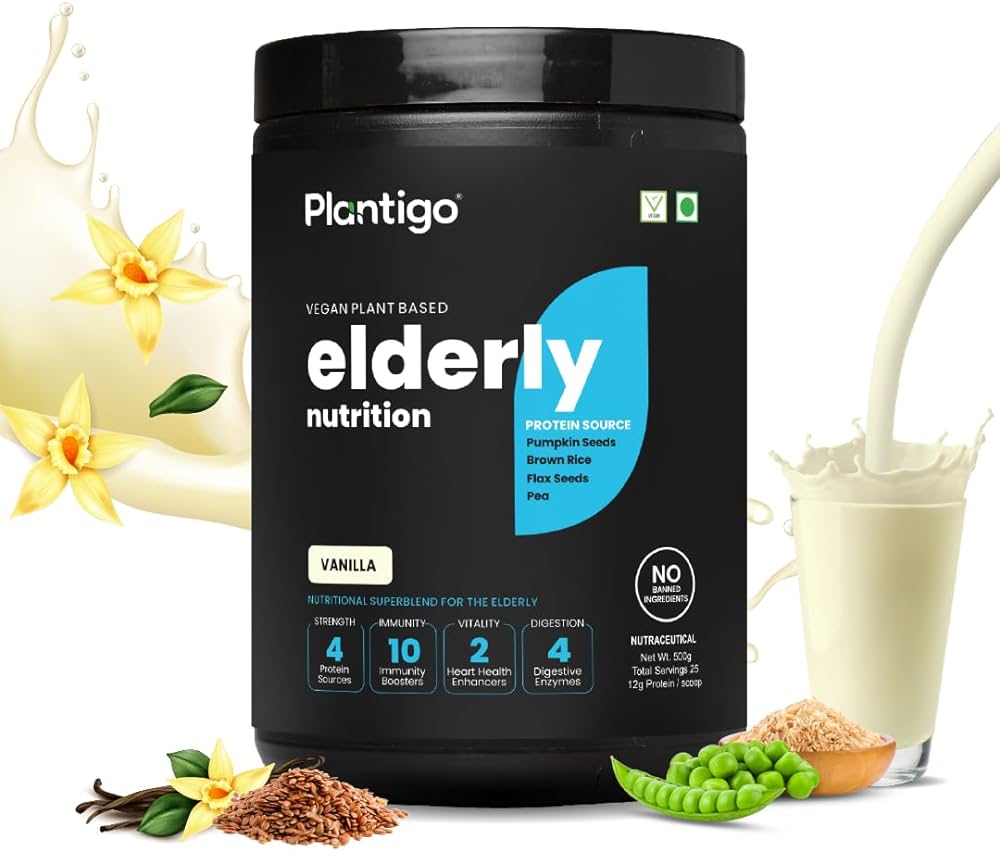
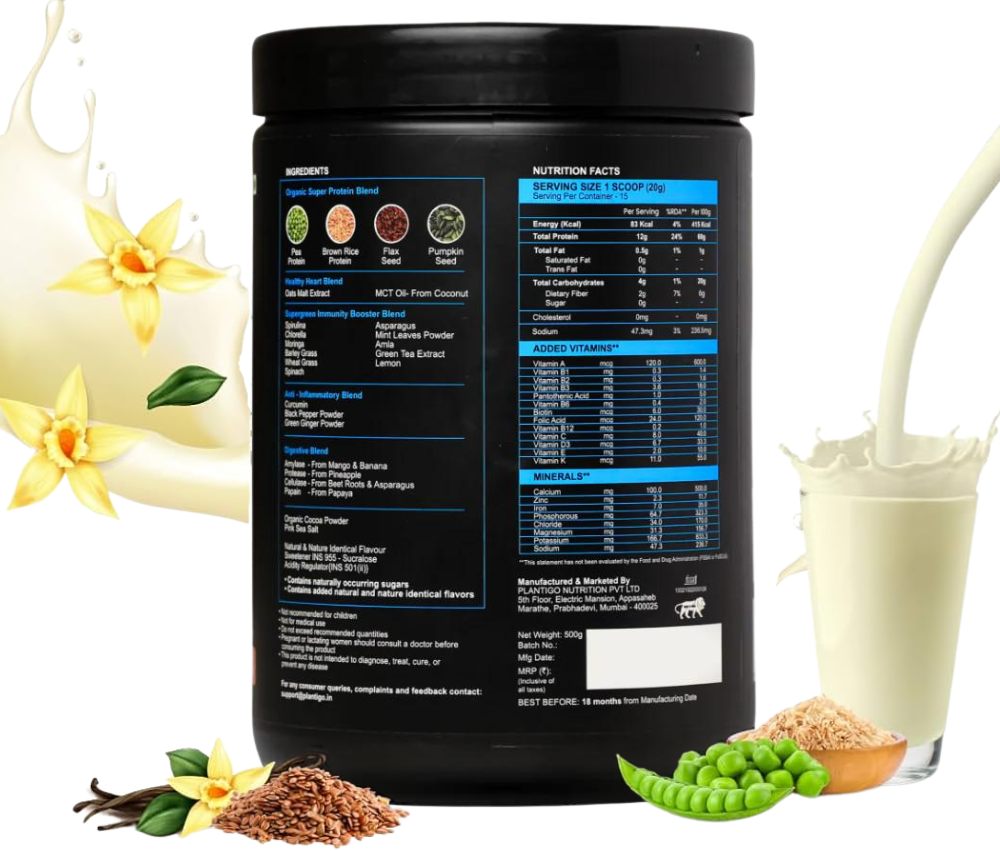
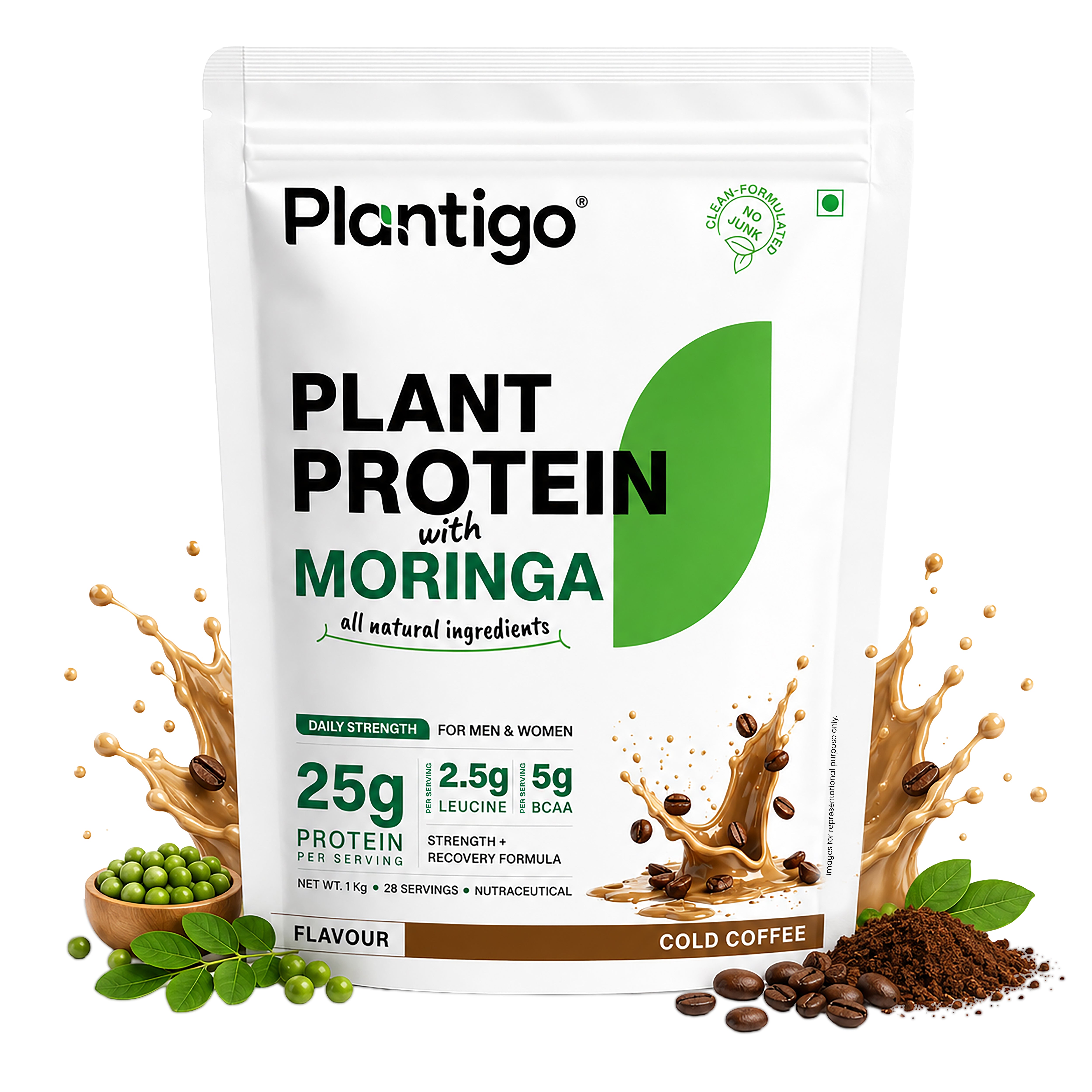
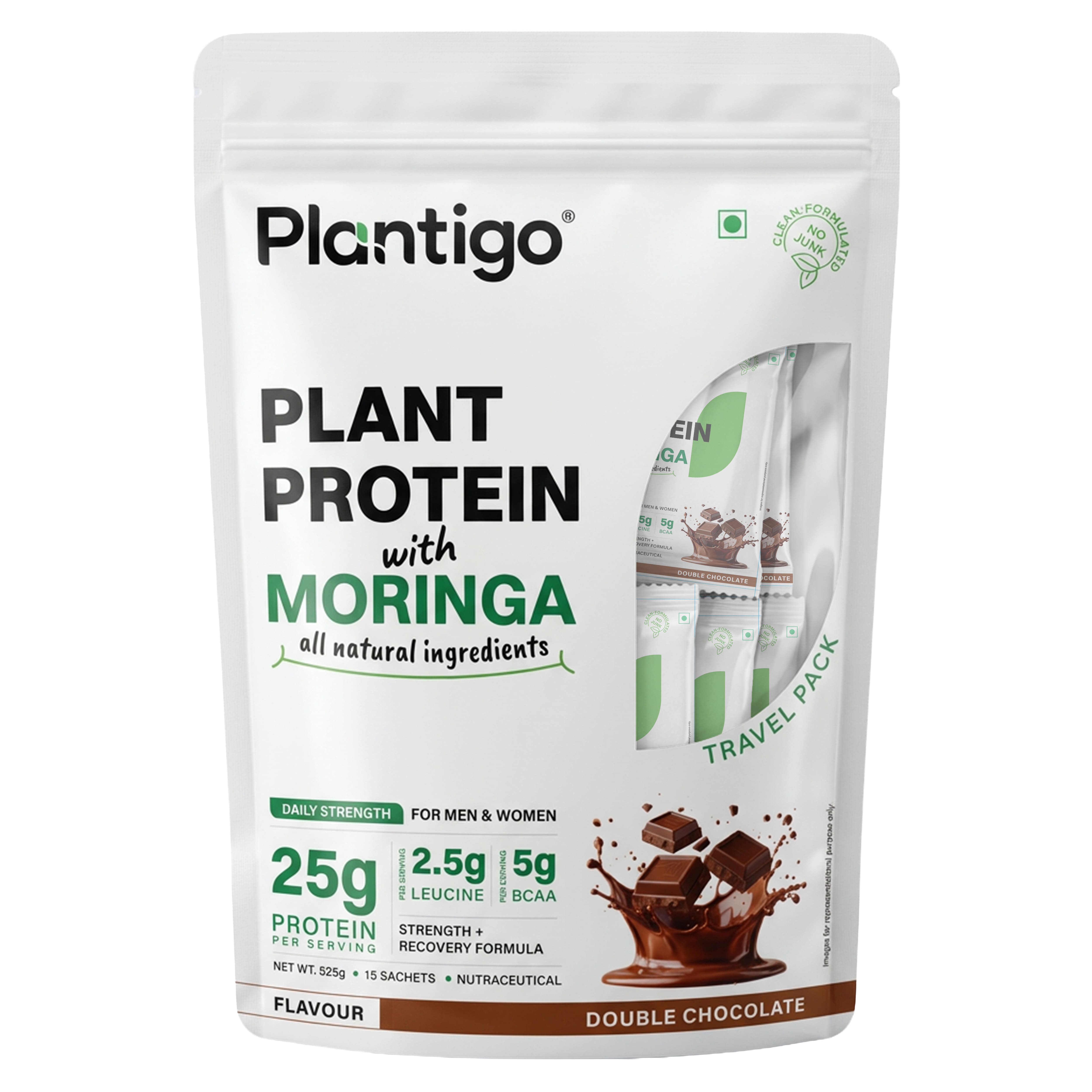
Want to make mango even more fat-loss friendly? Pair it with protein. A mango smoothie or bowl becomes far more filling with curd, nuts, or a clean option like Plantigo plant protein.
So don’t fear mango—use it smartly. Start with your next serving, keep it consistent, and observe how your hunger responds.
Frequently Asked Questions
1. How many mango calories are in 1 cup of mango?
1 cup of chopped mango contains roughly around 100 calories. The exact number can vary slightly based on mango variety and ripeness.
2. Can I eat mango during weight loss?
Yes, mango can fit into a weight loss diet. The key is portion control and avoiding high-calorie add-ons like ice cream, sugar, or heavy milkshakes.
3. Is mango fattening because it has sugar?
Not really. Mango is a whole fruit, which means it comes with fiber and water that slow digestion. It’s very different from refined sugar in desserts or sugary drinks.
4. What is the best time to eat mango for fat loss?
Mango works well earlier in the day, especially as a snack or around workouts. Many people find it useful as a light pre-workout fruit.
5. How can I make mango more filling?
Pair mango with protein or healthy fats—like curd, nuts, or chia seeds. This improves satiety and helps prevent rebound hunger after eating mango.