
If rice is “bad for blood sugar,” why did generations thrive on it without glucose monitors, carb counts, or diet rules?
Rice has been a part of Indian kitchens for centuries, yet in modern nutrition conversations, it often finds itself on the “avoid” list. Blood sugar spikes, weight gain, and diabetes fears have turned rice into a misunderstood villain. But here’s the twist—not all rice behaves the same in the body.
The basmati rice glycemic index reveals why this aromatic, long-grain rice deserves a very different reputation from regular white rice. Its unique structure changes how it digests, how steadily it fuels the body, and how it interacts with metabolism—especially when eaten alongside vegetables, fats, and sources of plant protein common in Indian meals.
Once you understand what actually happens after a spoon of basmati hits your plate, the story becomes far more interesting—and surprisingly reassuring.
Let’s uncover why basmati rice stands apart and why its impact on blood sugar is anything but ordinary.
Understanding the Basmati Rice Glycemic Index
The basmati rice glycemic index indicates how quickly basmati rice raises blood glucose levels after consumption. Foods with a lower or moderate GI release glucose slowly, providing steady energy rather than sharp sugar spikes.
Why does this matter?
-
Rapid blood sugar rises strain insulin response
-
Frequent spikes increase hunger and cravings
-
Long-term imbalance raises metabolic risk
Scientific research supports the fact that not all rice varieties behave the same. A study highlights that among milled white rice varieties, basmati rice tends to have one of the lowest glycemic index values, meaning it causes slower increases in blood glucose compared to other types of rice.
This lower GI makes basmati rice a smarter carbohydrate choice when eaten correctly and in balanced meals.
Top 7 Reasons Basmati Rice Is a Better Carb Than White Rice

1. High Amylose Content Slows Digestion
One of the main reasons the basmati rice glycemic index is lower lies in its physical structure. Basmati rice is rich in amylose, a starch that digests more slowly than amylopectin found in short-grain rice.
This slow digestion leads to:
-
Gradual glucose release
-
Longer-lasting energy
-
Reduced post-meal sleepiness
Instead of a quick energy burst followed by a crash, basmati offers consistency—something most modern diets lack.
2. More Stable Blood Sugar Response
Compared to regular white rice, the basmati rice glycemic index produces a gentler rise in blood sugar. Regular white rice breaks down rapidly, often mimicking the effects of refined sugar in the bloodstream.
Basmati rice:
-
Causes slower glucose absorption
-
Reduces insulin spikes
-
Supports better glycemic control
This makes it particularly relevant for people managing prediabetes, insulin resistance, or fluctuating energy levels.
3. Keeps You Fuller for Longer
Hunger often isn’t about how much you eat—it’s about how fast your body processes it. Because the basmati rice glycemic index is moderate, it helps keep you fuller for longer.
Benefits include:
-
Delayed return of hunger
-
Fewer cravings between meals
-
Easier portion management
When basmati rice is paired with vegetables and protein, satiety improves further. Some people even combine meals with legumes or neutral protein additions like pea protein powder for better meal balance without heaviness.
4. Better Fit for Balanced Indian Meals
Indian meals rarely consisted of rice eaten alone—and that matters. The basmati rice glycemic index works best when rice is part of a balanced plate with dals, vegetables, curd, or fermented foods.
Traditional pairings:
-
Slow digestion naturally
-
Improve nutrient absorption
-
Reduce glucose spikes
This is why rice-based diets historically supported health when meals were thoughtfully composed.
5. Supports Healthy Insulin Response
Rapid insulin spikes signal the body to store energy as fat. Since the basmati rice glycemic index leads to a smoother insulin response, the body is more likely to use glucose for fuel rather than storage.
This supports:
-
Metabolic flexibility
-
Improved insulin sensitivity
-
Better energy utilization
When paired with fiber, fats, and plant protein, basmati rice becomes part of a metabolically balanced meal rather than a trigger for fat gain.
6. Works Well With Nutrient-Dense Foods
Basmati rice doesn’t exist in isolation—it complements nutrient-rich foods beautifully. Meals that include basmati along with vitamin c rich foods in india like citrus fruits or capsicum can enhance iron absorption from plant foods.
Similarly, traditional additions such as amla juice benefits digestion and antioxidant intake, while fats from seeds or nuts slow carbohydrate absorption, further supporting the benefits of the basmati rice glycemic index.
7. Compatible With Modern Diet Plans
Rice is often excluded from structured diets, but the basmati rice glycemic index allows it to fit into multiple eating approaches when portions are controlled.
For example:
-
In an indian keto diet plan, small, strategic carb inclusions may use basmati
-
Active individuals benefit from basmati as a post-workout carb
-
Carb cycling plans can include basmati without metabolic disruption
The key isn’t elimination—it’s intelligent inclusion.
Cooking Methods Matter More Than You Think
The basmati rice glycemic index can rise or fall depending on preparation.
To keep it lower:
-
Avoid overcooking
-
Cook until grains are separate and firm
-
Allow rice to cool slightly before eating
Cooling increases resistant starch, which slows glucose absorption and supports gut health.
Basmati Rice vs Regular White Rice: The Real Difference
Regular white rice:
-
Shorter grain
-
Higher GI
-
Faster digestion
Basmati rice:
-
Long grain
-
Higher amylose
-
Lower basmati rice glycemic index
This difference explains why simply switching rice varieties can improve metabolic outcomes without changing total carbohydrate intake.
Why Protein Pairing Enhances the Effect
Protein slows carbohydrate digestion. Adding dal, legumes, or even a controlled amount of plant based protein powder can significantly improve blood sugar response when eating rice.

If you’re unsure how much protein suits your needs, using a protein intake calculator helps personalize meals without overdoing or under-fueling.
Women’s Health Perspective
For women, blood sugar stability influences hormones, mood, and energy. Meals centered around basmati rice pair well with foods linked to chia seeds benefits for females, such as improved digestion, micronutrient intake, and satiety.
Balanced meals help reduce energy crashes and support long-term metabolic health.
Clearing Food Confusion Through Context
Nutrition debates often oversimplify foods—just like discussions around groundnut vs peanut, where processing and form matter more than the food itself. Rice follows the same principle.
The basmati rice glycemic index shows that the type of rice, how it’s cooked, and what it’s eaten with all influence its impact far more than the word “rice” alone.
Who Should Be Mindful With Basmati Rice?
Even with a lower basmati rice glycemic index, portion size matters. People with diabetes or insulin resistance should:
-
Monitor individual responses
-
Combine rice with fiber and protein
-
Avoid very large servings
For most people, basmati rice is compatible with healthy eating when used thoughtfully.
Final Thoughts
The basmati rice glycemic index explains why this long-grain rice has endured for generations—not merely for its aroma, but for the way it behaves metabolically in the body.
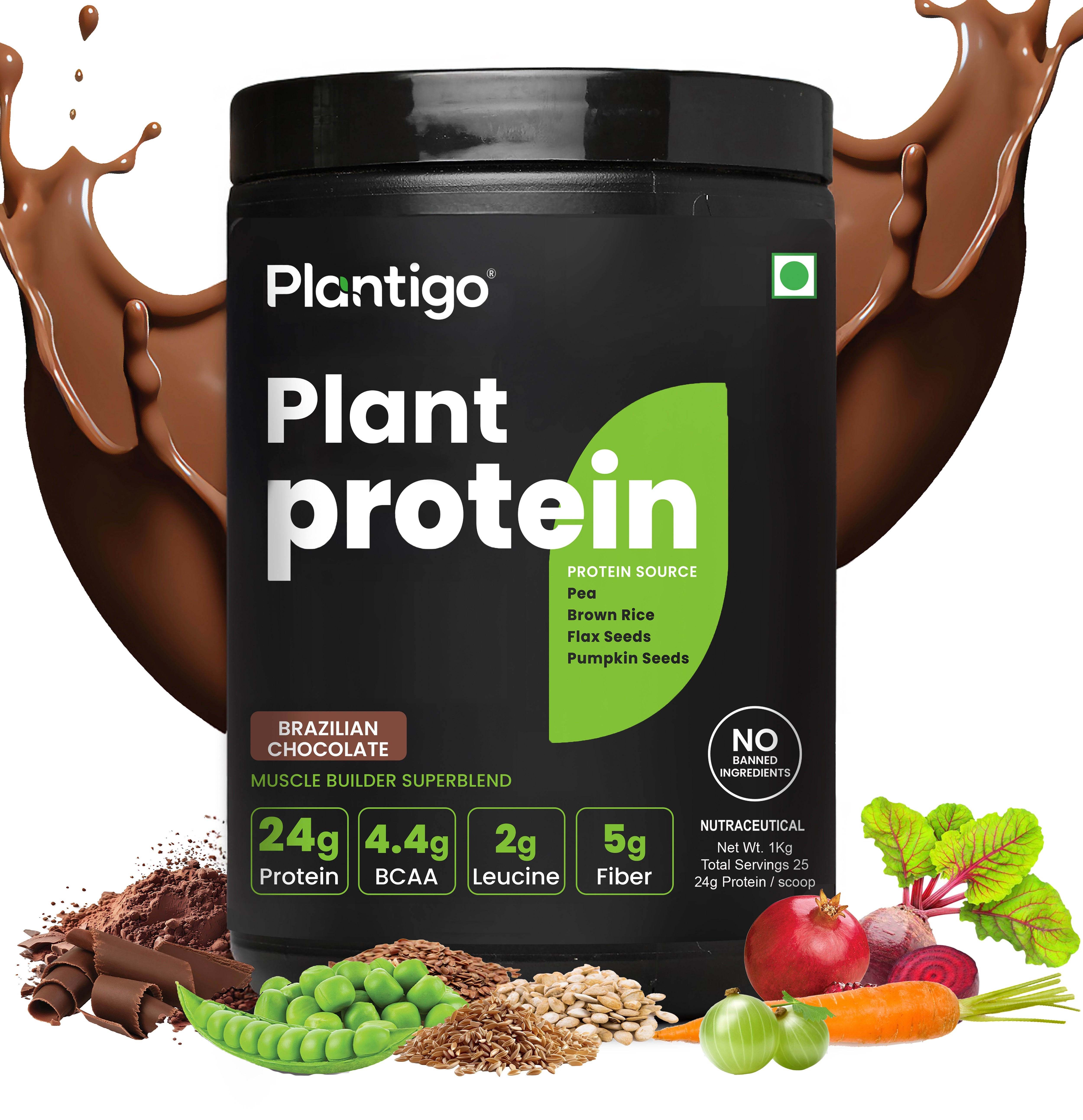
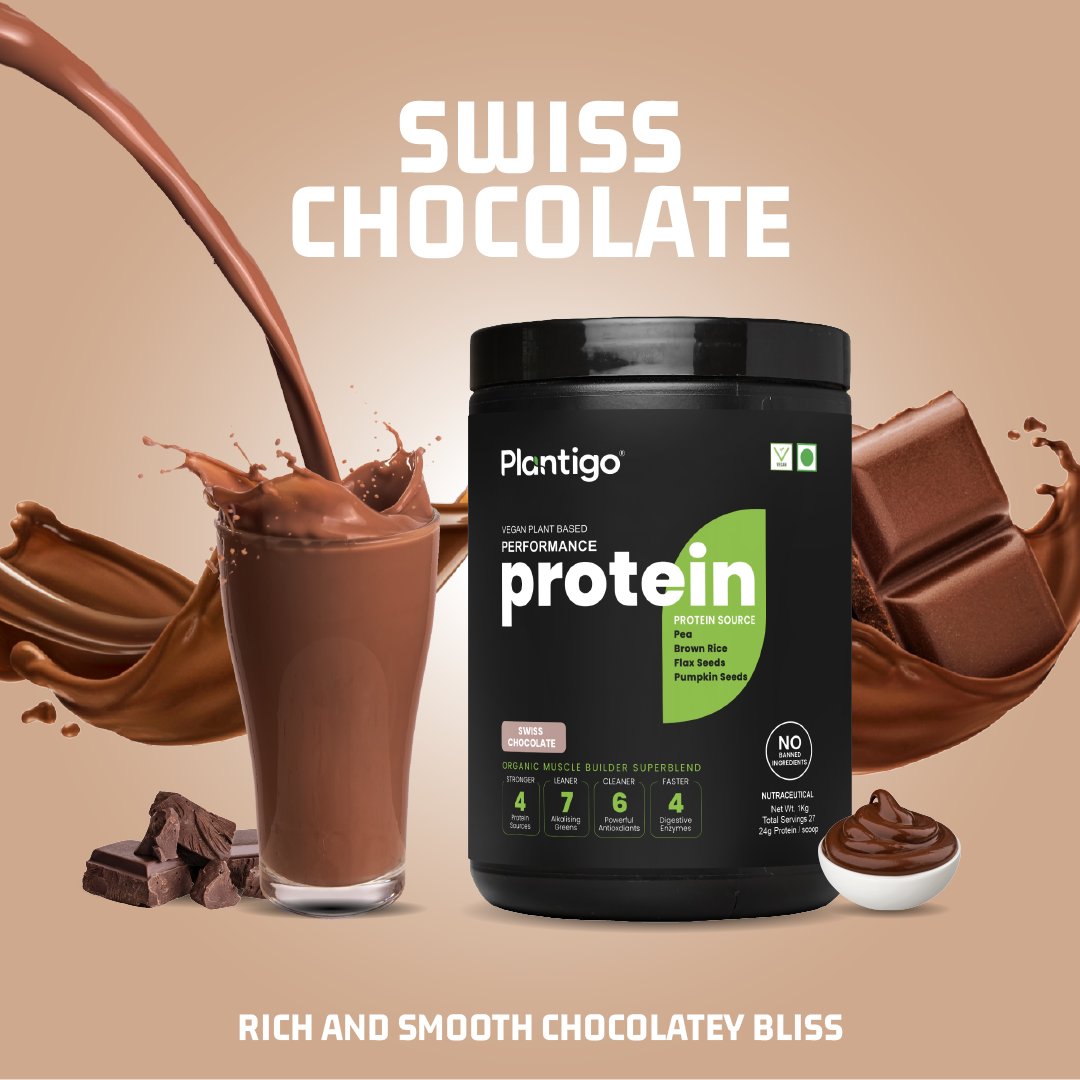
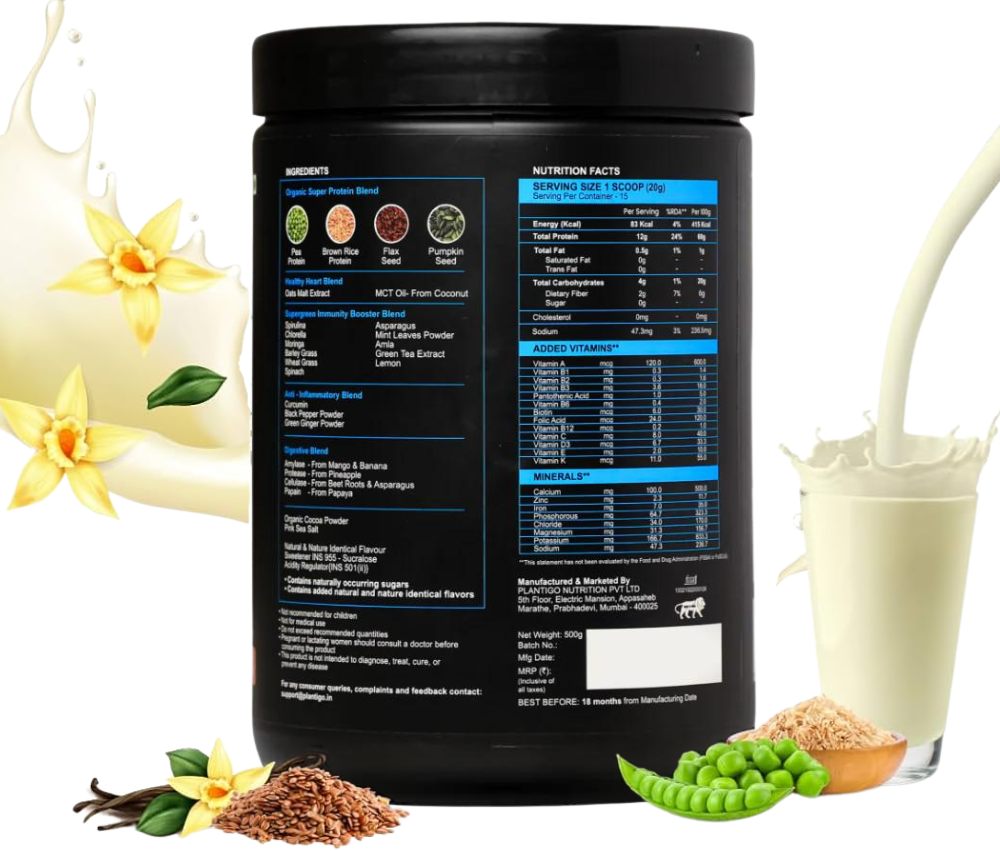
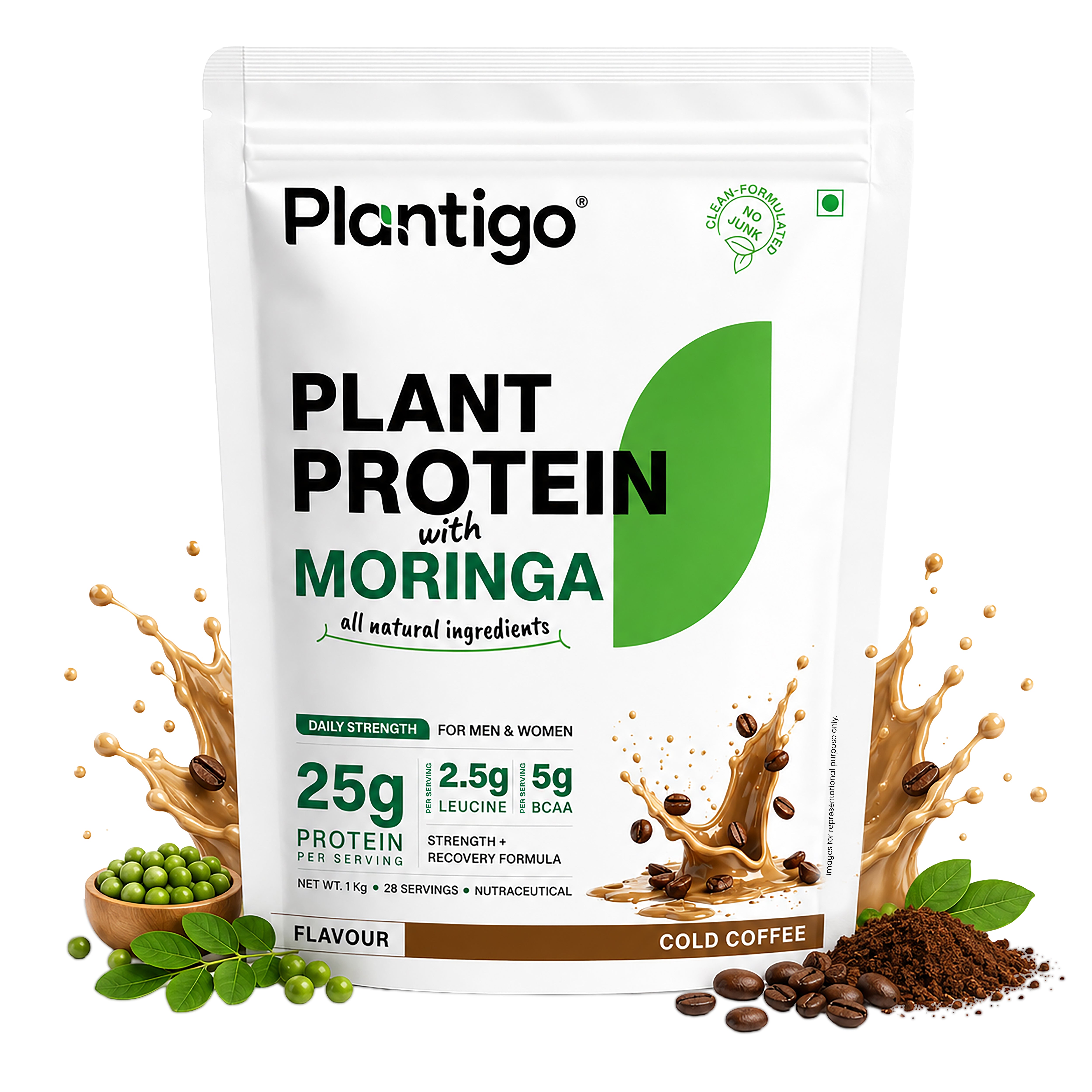
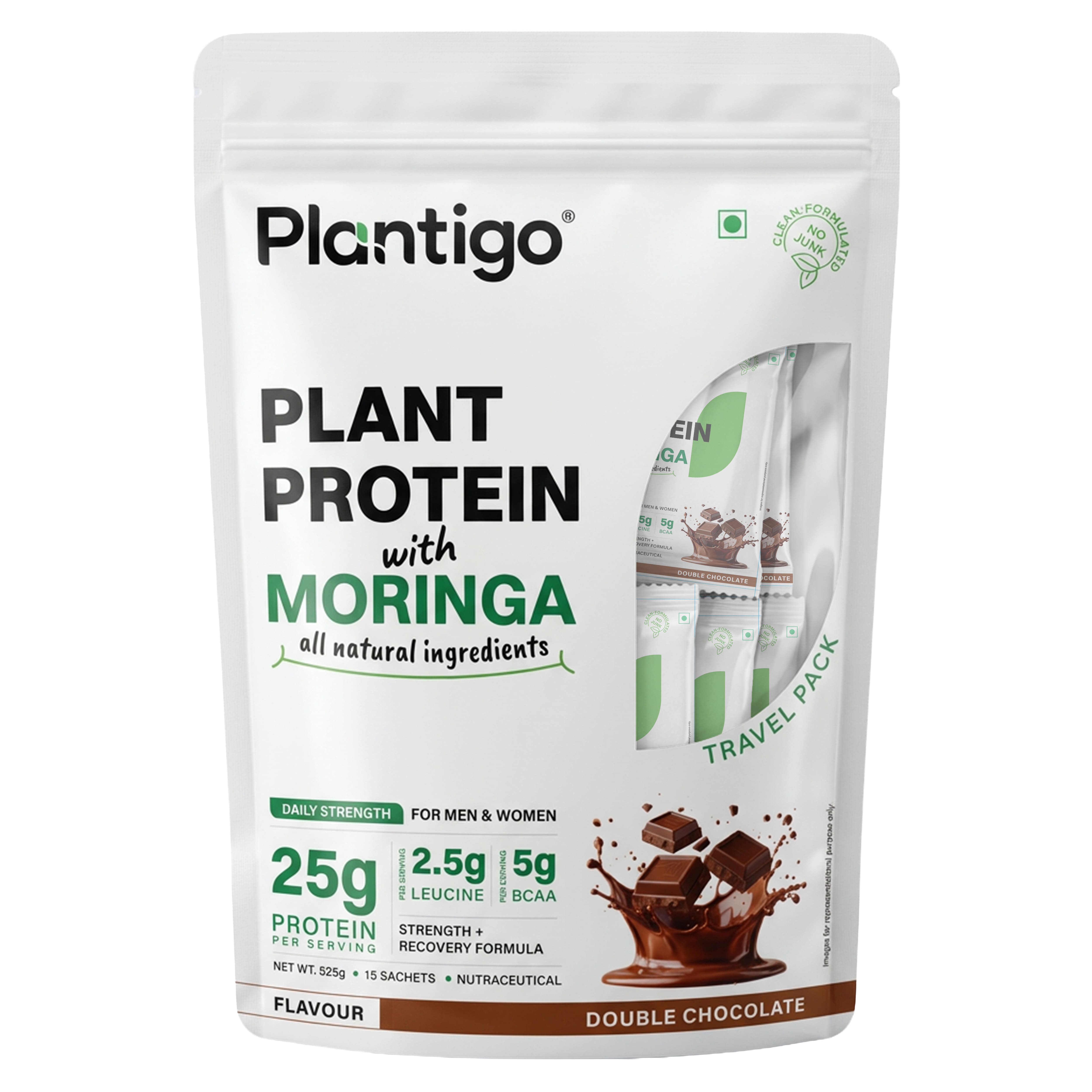
When cooked correctly, paired intelligently, and eaten in reasonable portions, basmati rice delivers steady energy, supports better blood sugar control, and fits seamlessly into both traditional and modern diets—especially when meals include vegetables, healthy fats, and a dependable source of Plantigo plant protein for better balance and satiety.
Understanding rice—rather than fearing it—is the real shift that leads to sustainable, long-term nutrition.
Frequently Asked Questions
1. Is basmati rice good for blood sugar control?
Yes, basmati rice is considered better for blood sugar control because it has a lower glycemic index than regular white rice. It releases glucose more slowly, helping prevent sharp sugar spikes.
2. What is the glycemic index of basmati rice compared to white rice?
The basmati rice glycemic index is generally lower than that of regular white rice. This means basmati rice causes a slower rise in blood glucose levels after meals.
3. Can people with diabetes eat basmati rice?
Yes, people with diabetes can eat basmati rice in controlled portions. It should be paired with fiber, vegetables, and protein to further reduce blood sugar impact.
4. Does cooking method affect the basmati rice glycemic index?
Yes, cooking method matters. Overcooking increases the glycemic index, while cooking basmati rice until firm and allowing it to cool slightly can help keep its GI lower.
5. Is basmati rice healthier than regular white rice?
Yes, basmati rice is generally healthier than regular white rice due to its lower glycemic index, higher amylose content, and better blood sugar response when eaten as part of a balanced meal.