By Aaryan | Last updated: August 2026
Groundnut and peanut are the same food — both refer to Arachis hypogaea, a legume native to South America. "Groundnut" is the common term in India, Africa, and Southeast Asia, while "peanut" is used in the West. There is no nutritional difference between them. The health impact changes based on how they're consumed: raw, roasted, as peanut butter, or as oil — each form alters the nutrient profile significantly.
Many people assume that groundnut vs peanut refers to two completely different foods. However, they are actually the same!
Groundnut vs Peanut: Understanding the Difference
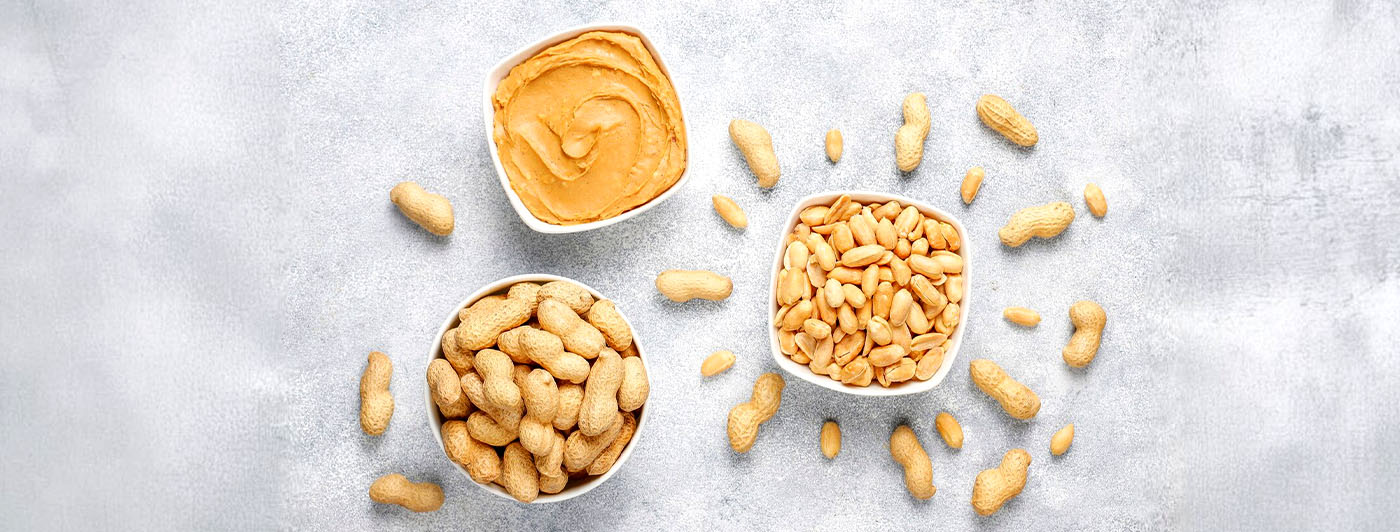
Many people assume that groundnut vs peanut refers to two completely different foods. However, they are actually the same! Groundnut is the term used in many parts of Asia and Africa, while peanut is more commonly used in the West. Scientifically known as Arachis hypogaea, peanuts belong to the legume family, meaning they grow underground, unlike tree nuts such as almonds and walnuts.
However, despite being the same food, the way groundnuts and peanuts are consumed differs across regions. While peanuts in Western countries are often roasted, salted, or processed into peanut butter, groundnuts are frequently used in Indian and African cuisines, sometimes eaten raw, boiled, or in oil form.
Nutritional Profile: Which One Packs More Benefits?
To determine the winner in groundnut vs peanut, let’s break down their nutritional benefits:
|
Nutrient |
Per 100g (Raw Peanuts) |
Per 100g (Roasted Peanuts) |
|
Calories |
567 kcal |
585 kcal |
|
Protein |
25.8g |
26.3g |
|
Carbohydrates |
16.1g |
21.0g |
|
Fats |
49.2g |
50.5g |
|
Fiber |
8.5g |
9.0g |
|
Magnesium |
168mg |
176mg |
|
Biotin |
17 mcg |
19 mcg |
As seen above, peanuts (or groundnuts) are protein-rich, high in fiber, and loaded with healthy fats, making them a great addition to a balanced diet.
Health Benefits of Peanuts/Groundnuts

1. Rich Source of Plant-Based Protein
One of the biggest advantages of groundnuts is their high protein content. Protein is essential for muscle growth, tissue repair, and overall body function. This makes peanuts a great snack for vegetarians and vegans looking for non-meat protein sources. However, if you struggle with signs of low protein, such as muscle weakness, fatigue, or brittle nails, adding more protein-rich foods like peanuts can be beneficial.
2. Supports Heart Health
Peanuts are packed with monounsaturated and polyunsaturated fats, which help in reducing bad cholesterol (LDL) while increasing good cholesterol (HDL). This significantly lowers the risk of heart disease.
3. Great for Skin and Hair
Peanuts are one of the best biotin rich foods. Biotin, also known as Vitamin B7, plays a crucial role in maintaining healthy hair, skin, and nails. So, if you want stronger hair and glowing skin, adding a handful of peanuts to your diet can be a great move.
4. Regulates Blood Sugar Levels
Peanuts have a low glycemic index, meaning they do not spike blood sugar levels drastically. This makes them a good snack for diabetics or those looking to maintain stable energy levels throughout the day.
5. Aids in Weight Management
Despite being calorie-dense, peanuts promote satiety, helping reduce overall calorie intake. The combination of protein, fiber, and healthy fats keeps you full for longer, reducing the likelihood of unhealthy snacking.
Groundnut vs Peanut: The Healthier Choice
Since groundnuts and peanuts are essentially the same, the difference lies in how they are processed and consumed. Here’s what to consider when choosing the healthier option:
1. Raw vs Roasted:
-
Raw peanuts retain more nutrients but can have anti-nutrients that hinder absorption.
-
Roasted peanuts have enhanced flavor but may contain added salt or oils that reduce their health benefits.
2. Peanut Butter vs Whole Peanuts:
-
Peanut butter is convenient but often contains maltodextrin, a processed carbohydrate used as a filler. While it enhances texture, it may spike blood sugar levels. Always choose natural peanut butter without added sugars or hydrogenated oils.
3. Peanut Oil vs Whole Peanuts:
-
Peanut oil is great for cooking but lacks fiber and some nutrients found in whole peanuts.
-
Whole peanuts are richer in fiber and protein, making them a better choice for overall nutrition.
Can Peanuts Replace Protein Powders?
When debating groundnut vs peanut, one common question arises: Can they replace protein powder? Peanuts (or groundnuts) are an excellent natural protein source, but they lack the complete amino acid profile needed for optimal muscle growth. While they provide high-quality plant protein, they do not contain all essential amino acids required for muscle recovery and repair.

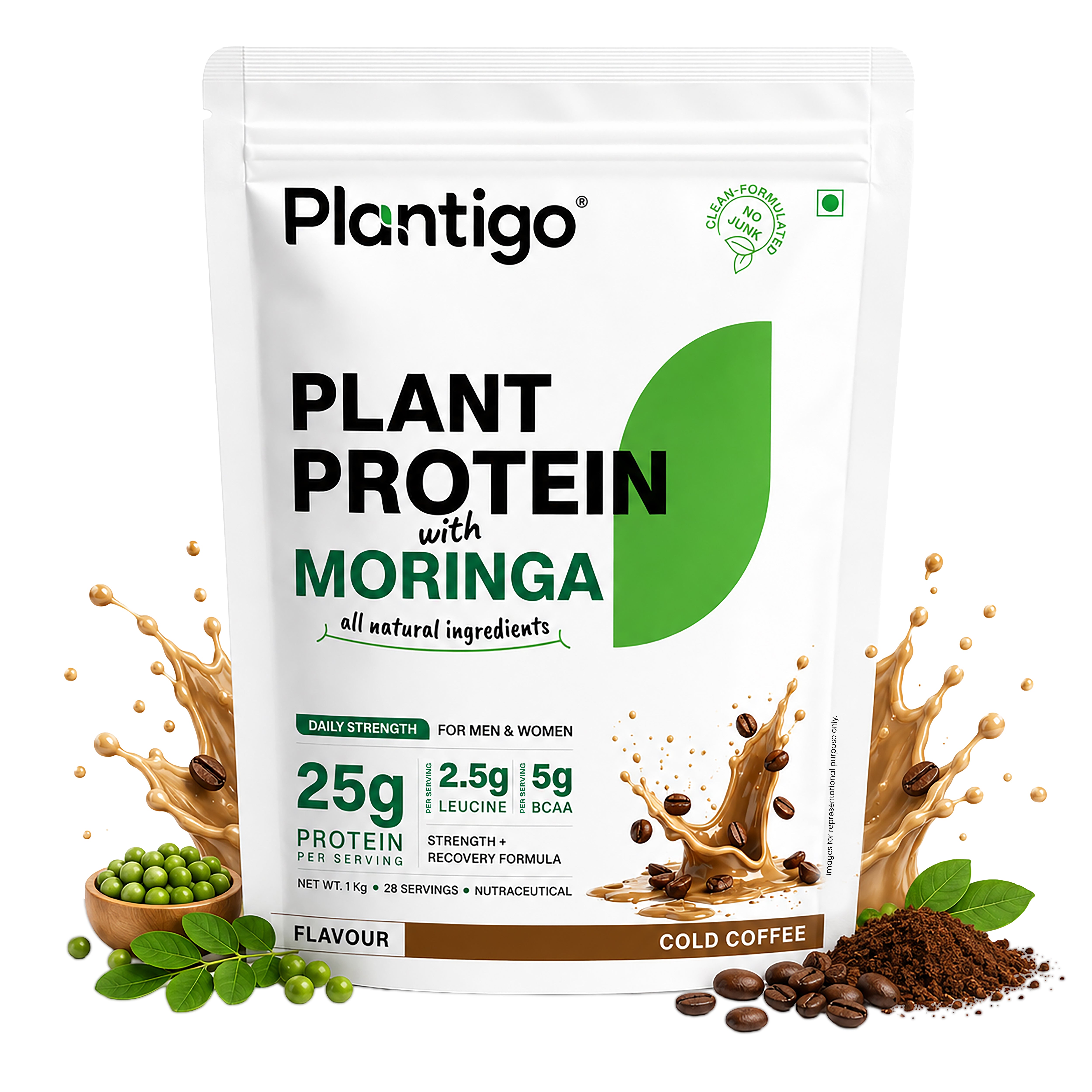
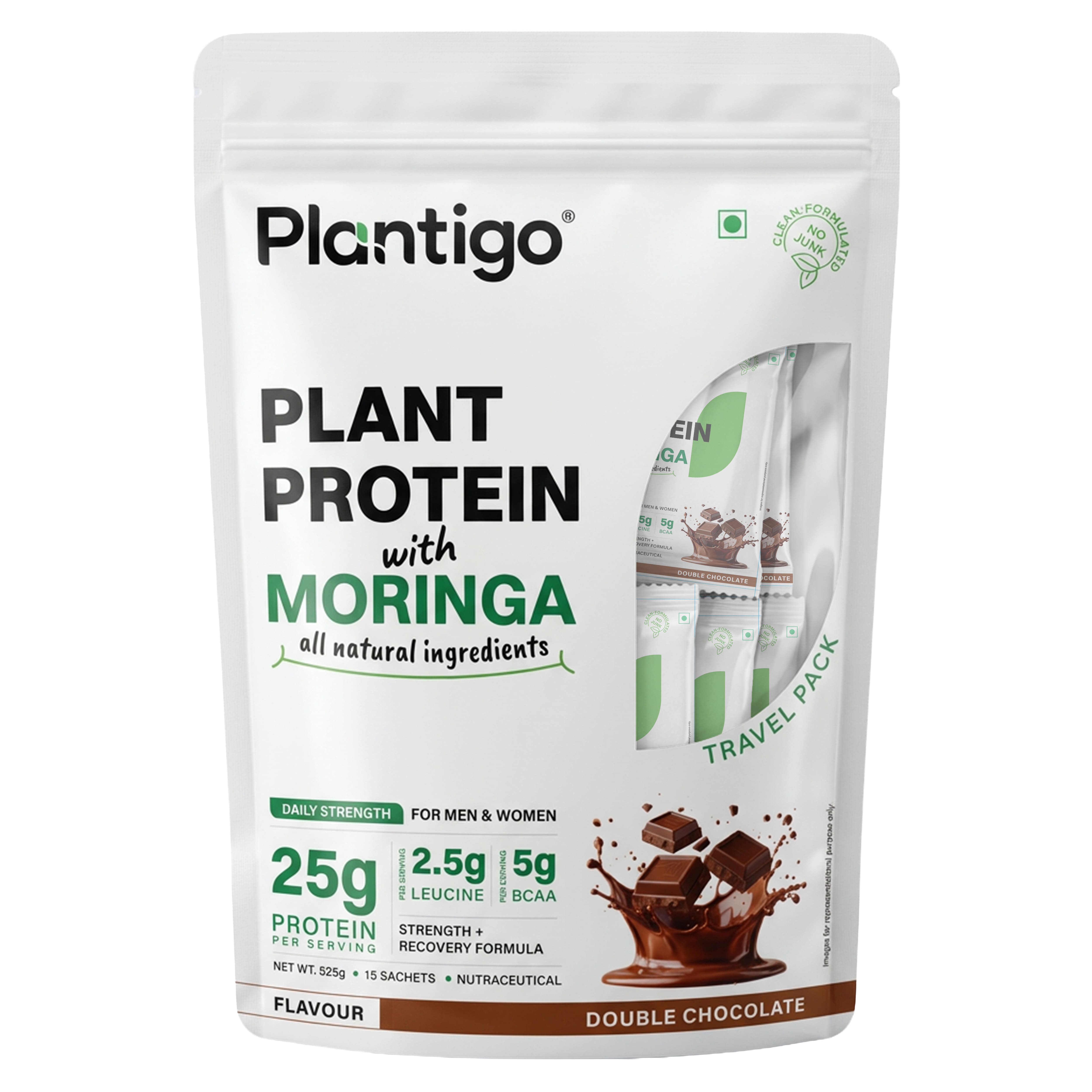
If you are a fitness enthusiast, relying solely on groundnut vs peanut for protein may not be sufficient.Instead, combining them with a plant based protein powder ensures you get a complete amino acid profile that supports muscle growth, strength, and recovery.
Are There Any Side Effects?
While peanuts offer numerous health benefits, excessive consumption can have downsides:
-
Allergies: Peanuts are one of the most common food allergens. If you experience symptoms like swelling, itching, or difficulty breathing, avoid them.
-
Aflatoxins: Peanuts can sometimes contain aflatoxins, which are harmful toxins produced by fungi. Storing peanuts properly reduces this risk.
-
Calorie Density: Since peanuts are calorie-dense, consuming them in large amounts may contribute to weight gain if not balanced with other foods.
Final Verdict: Which One is Better for You?
Since groundnut vs peanut refers to the same food, the real choice is about how you consume them. Raw or lightly roasted peanuts with no added salt or oils are the healthiest choice. Avoid processed peanut butter with additives like maltodextrin and opt for natural versions instead.
Ultimately, whether you call them groundnuts or peanuts, they are a nutrient-dense food packed with protein, fiber, and healthy fats, making them a fantastic addition to a balanced diet.
Conclusion
The debate over groundnut vs peanut boils down to regional terminology rather than an actual difference in the food itself. Both offer amazing health benefits, from supporting heart health to promoting skin and hair growth and aiding in weight management.
If you choose to include peanuts in your diet, opt for the least processed versions to maximize their benefits. Whether you snack on them whole, add them to meals, or use peanut butter, they can be a powerful ally in your journey toward better health.
Frequently Asked Questions
1. Is groundnut and peanut the same thing?
Yes. Groundnut and peanut are two names for the same legume (Arachis hypogaea). "Groundnut" is the term used in India and Africa, while "peanut" is more common in Western countries.
2. Which is healthier — raw peanuts or roasted peanuts?
Raw peanuts retain more nutrients but contain anti-nutrients that can reduce absorption. Dry-roasted peanuts without added salt or oil are the best middle ground — better flavour with minimal nutrient loss.
3. How much protein is in 100g of peanuts?
Approximately 25–26g of protein per 100g, making peanuts one of the most protein-dense plant foods available. They also provide 49g of healthy fats and 8.5g of fibre per 100g.
4. Can peanuts replace protein powder?
Not entirely. Peanuts provide 25g protein per 100g but also carry 49g of fat and ~567 calories. A dedicated plant protein powder delivers 24–25g protein per serving at under 130 calories with minimal fat.
5. Is peanut butter as healthy as whole peanuts?
Whole peanuts are healthier — they retain more fibre and have no additives. Many peanut butters contain maltodextrin, added sugar, and hydrogenated oils. If choosing peanut butter, pick one with only peanuts and salt on the label.