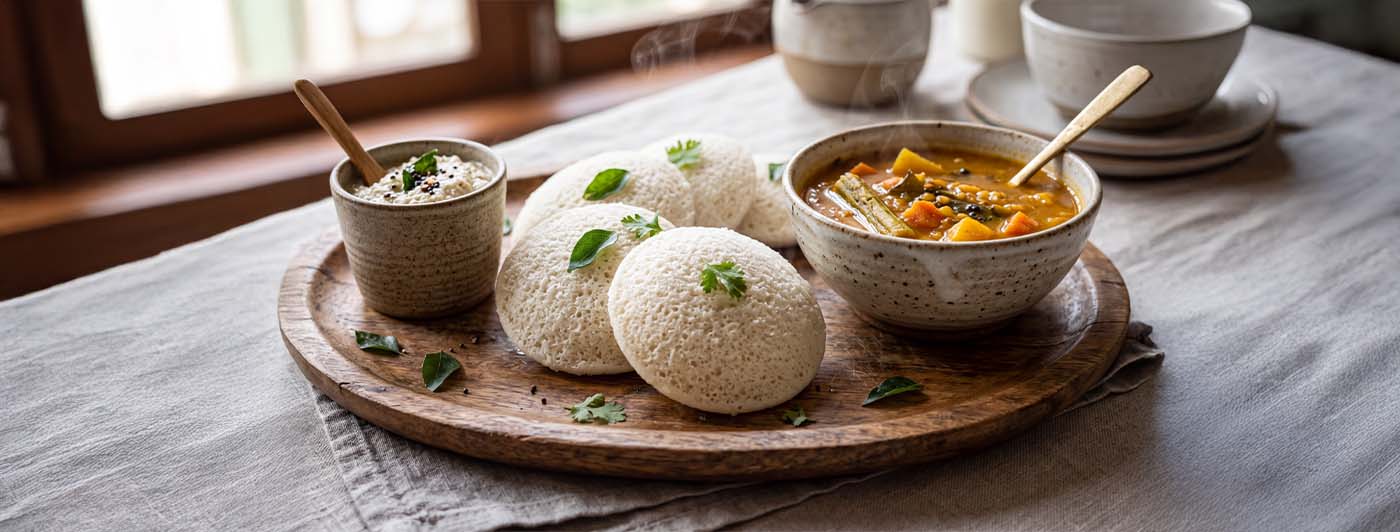
Idli is the breakfast that raised generations of South Indians — and increasingly, the rest of India too. It is light, digestible, low in fat, and easy on the stomach. But for anyone tracking daily protein, the question that comes up every morning is a simple one: how much protein am I actually getting from these two or three idlis? The number is modest, and understanding it alongside what sambar, chutney, and higher-protein idli variants add to the plate tells you exactly where idli sits in a daily protein strategy.
How Much Protein Does Idli Have?
A medium idli weighing approximately 40g contains 2–2.5g of protein, and per 100g idli contains 6.3g — making it a moderate protein food, not a high-protein one — according to theICMR-NIN IFCT 2017. The protein comes entirely from urad dal (black gram) in the batter at a standard 3:1 rice-to-dal ratio. Fermentation does not increase protein quantity but meaningfully improves protein digestibility by reducing trypsin inhibitors in the urad dal — meaning a higher percentage of idli's protein is actually absorbed compared to unfermented preparations.
Complete Data Breakdown: Idli Protein
1. Idli Protein by Piece and Serving Size
|
Serving |
Weight |
Idli Protein |
Calories |
|
1 small idli |
~25g |
1.5g |
38 kcal |
|
1 medium idli |
~40g |
2–2.5g |
58 kcal |
|
1 large idli |
~60g |
3.5–4g |
88 kcal |
|
2 medium idlis |
~80g |
4–5g |
116 kcal |
|
3 medium idlis |
~120g |
6–7.5g |
174 kcal |
|
Per 100g idli |
100g |
6.3g |
145 kcal |
Source: ICMR-NIN Indian Food Composition Tables 2017

2. Idli Full Nutritional Profile per 100g
|
Nutrient |
Value per 100g |
|
Protein |
6.3g |
|
Carbohydrates |
25–28g |
|
Fat |
0.2–0.5g |
|
Fibre |
1.5–2g |
|
Calories |
140–150 kcal |
|
Sodium |
200–250mg |
|
Iron |
0.9mg |
|
Calcium |
10–15mg |
|
Thiamine (B1) |
0.1–0.2mg |
|
Riboflavin (B2) |
0.05mg |
3. Idli Protein with Sambar and Accompaniments
This is where idli's protein picture changes significantly. A plain idli breakfast is moderate protein. An idli breakfast with sambar and chutney becomes a genuinely protein-complete South Indian meal.
|
Meal Component |
Serving |
Protein Added |
|
2 medium plain idlis |
80g |
4–5g |
|
1 katori toor dal sambar |
150ml |
4–6g |
|
Coconut chutney |
30g |
0.5–1g |
|
Peanut chutney |
30g |
3–4g |
|
Total: 2 idlis + sambar + coconut chutney |
8–12g protein |
|
|
Total: 2 idlis + sambar + peanut chutney |
11–15g protein |
The traditional idli-sambar combination is nutritionally more complete than most people realise — the lysine from urad dal in the idli combines with the methionine from rice, and the sambar dal adds another protein layer. For the full protein breakdown of sambar's dal base, see ourdal protein guide.
4. Idli Protein vs Higher-Protein Variants
Standard idli is a moderate protein food. But switching the batter ingredients increases protein meaningfully without changing the idli experience.
|
Idli Variant |
Protein per 100g |
Protein per Piece (~40g) |
Key Change |
|
Standard Idli (rice + urad) |
6.3g |
2–2.5g |
Baseline |
|
Ragi Idli (25% ragi flour) |
7–8g |
2.8–3.2g |
Ragi adds fibre + calcium |
|
Oats Idli |
7–9g |
2.8–3.6g |
Oats add beta-glucan + protein |
|
Moong Dal Idli |
8–10g |
3.2–4g |
More dal, less rice |
|
Soya Idli (10% soya) |
9–11g |
3.6–4.4g |
Highest protein variant |
|
Rava (Semolina) Idli |
4–5g |
1.6–2g |
Lower protein than standard |
Replacing 25–50% of rice with ragi or oats in the batter improves protein content by 20–30%, peridli millet batter study (PMC 2019). The texture remains acceptable at up to 25% replacement. See ourragi protein guide for more on ragi's nutritional profile.
Idli Protein vs Other Indian Breakfast Options
|
# |
Breakfast |
Serving |
Protein |
Verdict |
|
1 |
2 Idlis + sambar |
80g + 150ml |
8–12g |
Best protein-to-calorie ratio of any South Indian breakfast |
|
2 |
2 Rotis |
~60g |
6–8g |
Comparable protein, higher calories |
|
3 |
Poha |
150g cooked |
3–4g |
Lower protein |
|
4 |
Upma |
150g |
4–5g |
Lower protein |
|
5 |
2 Oats idlis |
80g |
5.6–7.2g |
Better protein than standard idli |
|
6 |
Dosa (plain) |
1 piece ~80g |
3–4g |
Lower protein than idli per gram |
|
7 |
Paratha (1 piece) |
~80g |
4–5g |
Similar protein but 3x the fat |
One-line verdict: Idli with sambar delivers the best protein-to-calorie ratio of any traditional South Indian breakfast. 2 idlis + sambar at under 200 kcal with 8–12g protein beats every other regional breakfast option at equivalent calories. For a full comparison of roti, the most common North Indian breakfast protein benchmark, read ourroti protein.
Benefits of Idli for Indians
1. Best Protein-to-Calorie at Breakfast
At 58 kcal per medium idli with 2–2.5g protein, idli delivers more protein per calorie than roti, paratha, poha, or upma.
-
3 idlis + sambar = 6–7.5g protein at ~200 kcal — the most calorie-efficient protein breakfast in South Indian cuisine
-
Zero added fat in steamed preparation unlike paratha, poha with oil, or upma
-
Low sodium base (idli itself) — accompaniments add sodium, but the idli's calories remain clean
2. Fermentation Boosts Digestibility
The 8–12 hour fermentation of idli batter significantly improves protein availability from urad dal. Aidli fermentation study (PMC 2013) confirmed that fermentation reduces trypsin inhibitors in urad dal — the compounds that block protein absorption — and increases B vitamins (riboflavin and thiamine) by the time fermentation is complete.
-
Trypsin inhibitor reduction means a higher percentage of idli's protein is actually absorbed
-
Fermentation produces lactic acid bacteria (probiotics) that support gut health
-
B vitamins (B1, B2, folate) increase during fermentation — improving the nutritional profile beyond raw batter
3. Diabetic-Friendly
Idli has a moderate glycaemic index (~70 for plain idli), but pairing with sambar and coconut chutney significantly lowers the overall meal GI by adding fat and protein that slow glucose absorption.
-
2 medium idlis with sambar: meal GI drops to approximately 55–60 from the plain idli GI of ~70
-
Low fat content (0.2g per idli) makes it safe for diabetics managing cardiovascular risk
-
Fermentation produces organic acids that reduce starch digestibility slightly, further moderating glucose response
4. Easily Upgradeable
The idli template is adaptable — the same preparation method, different protein results.
-
Add 25% oats to batter: protein increases by 20–30% per piece
-
Use moong dal instead of urad dal at 1:3 ratio: protein per idli rises to 3–4g
-
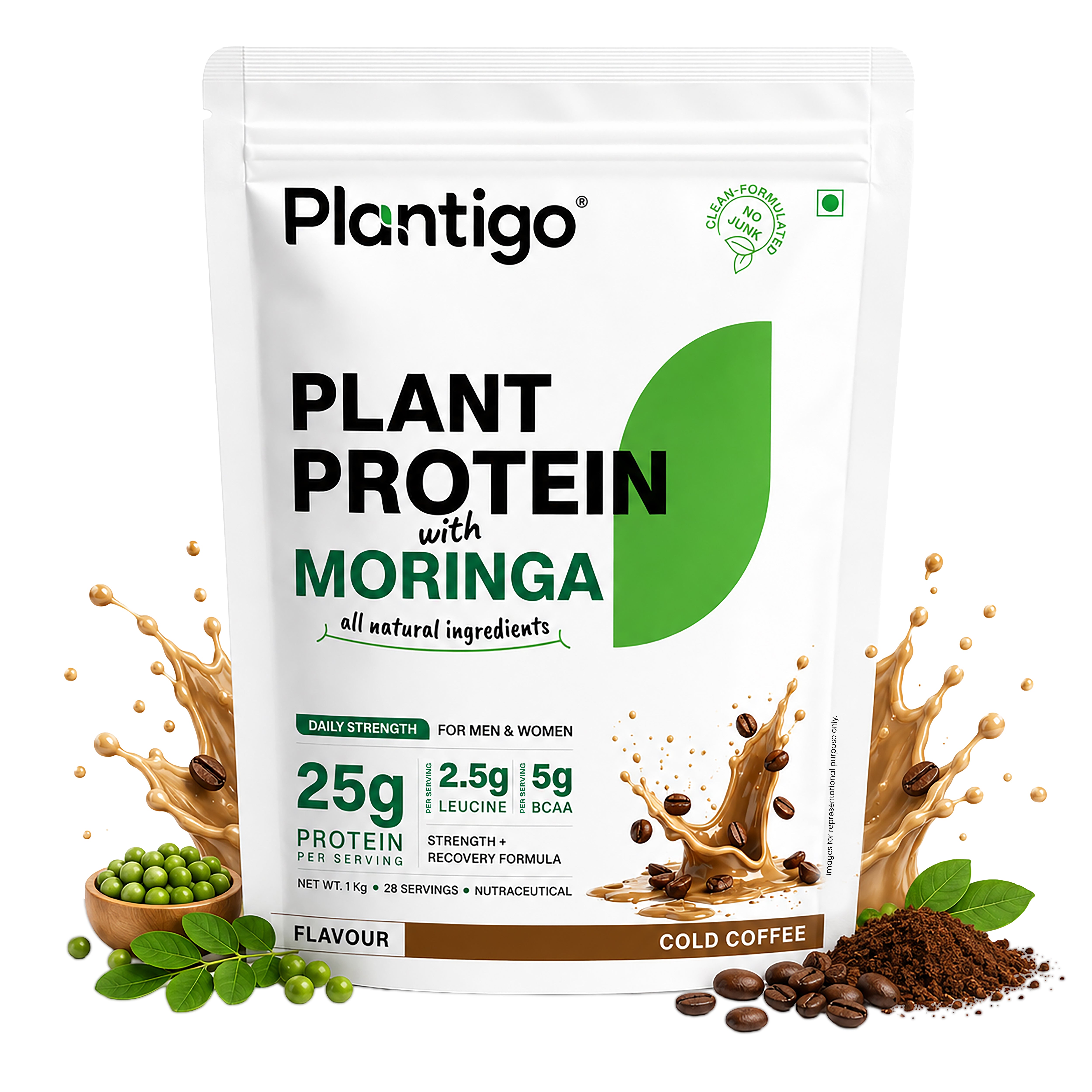
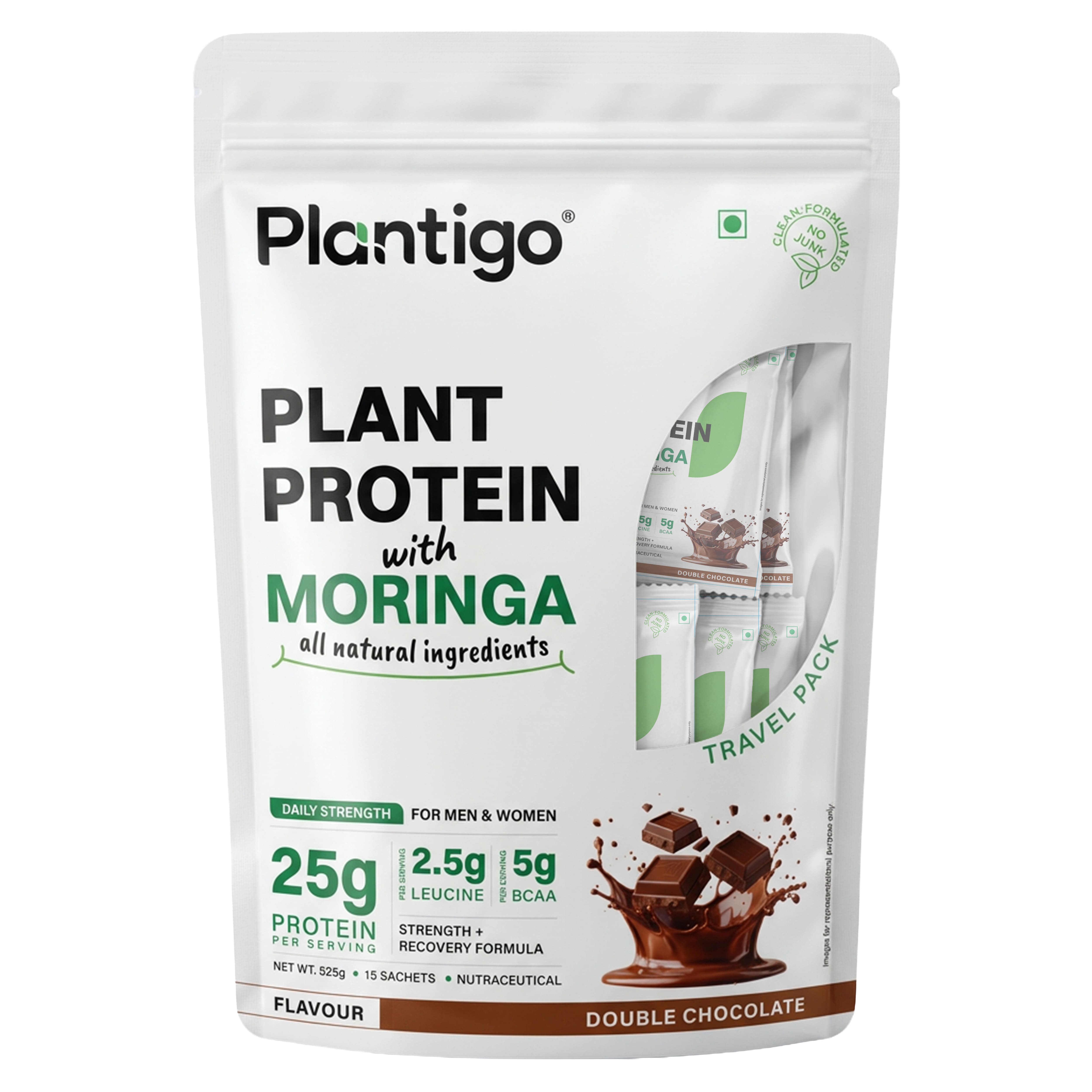
Add 1 scoop Plantigo to sambar: adds 25g protein to the meal without changing the idli itself
How to Boost Idli Protein Without Changing the Taste
Most Indians do not want to reinvent idli — they want the same soft, fermented breakfast with more protein. These changes are invisible to taste and texture:
1. Use higher urad dal ratio: Standard ratio is 3:1 (rice:urad). Shifting to 2:1 increases protein per idli by 15–20% with minimal texture change.
2. Add oats or ragi: Replace 25% of rice with rolled oats or ragi flour. Protein per idli improves from 2–2.5g to 2.8–3.5g. See ouroats protein for the nutritional comparison.
3. Switch to peanut chutney: Coconut chutney adds 0.5–1g protein per 30g. Peanut chutney adds 3–4g at the same serving size. A simple swap with significant protein impact.
4. Make thick sambar: The denser the sambar, the more dal protein per katori. A thick toor dal sambar at 150ml delivers 5–6g protein vs a watery sambar at 3–4g.
5. Add Plantigo to sambar: 1 scoop stirred into the sambar pot before serving adds 25g protein to the entire meal — completely invisible in flavour and texture.
Idli Protein vs Other Indian Protein Sources
1. Idli vs Roti
2 medium idlis (4–5g protein, 116 kcal) vs 2 rotis (6–8g protein, ~180 kcal). Roti edges ahead on pure protein per serving, but idli with sambar closes the gap and beats roti on calorie efficiency. The fermentation process also gives idli a digestibility advantage for people with sensitive stomachs. For the exact roti comparison, read ourroti protein.
Idli advantage: Lower calories, better digestibility, probiotic benefit from fermentation, zero fat.
2. Idli vs Dal
Idli contains rice as its primary ingredient — it is fundamentally a carbohydrate food with moderate protein from urad dal. A katori of toor dal (150g cooked) delivers 8–10g protein at similar calories. Dal is the protein food; idli is the carbohydrate food. The traditional combination of idli + sambar works precisely because they complement each other's macronutrient profile. Ourmoong dal protein covers dal's standalone protein value.
Dal advantage: 2–3x more protein per 100g. Idli advantage: better calorie efficiency, easier digestion as a morning food.
3. Idli vs Plant Protein Supplement
3 idlis with sambar and chutney delivers 10–15g protein at ~250–300 kcal. For a 70kg adult needing 58g daily, this covers 17–26% of the requirement. Idli cannot close the gap alone — it is a breakfast food that contributes meaningfully to the daily total but needs higher-protein foods across the rest of the day to complete the picture.

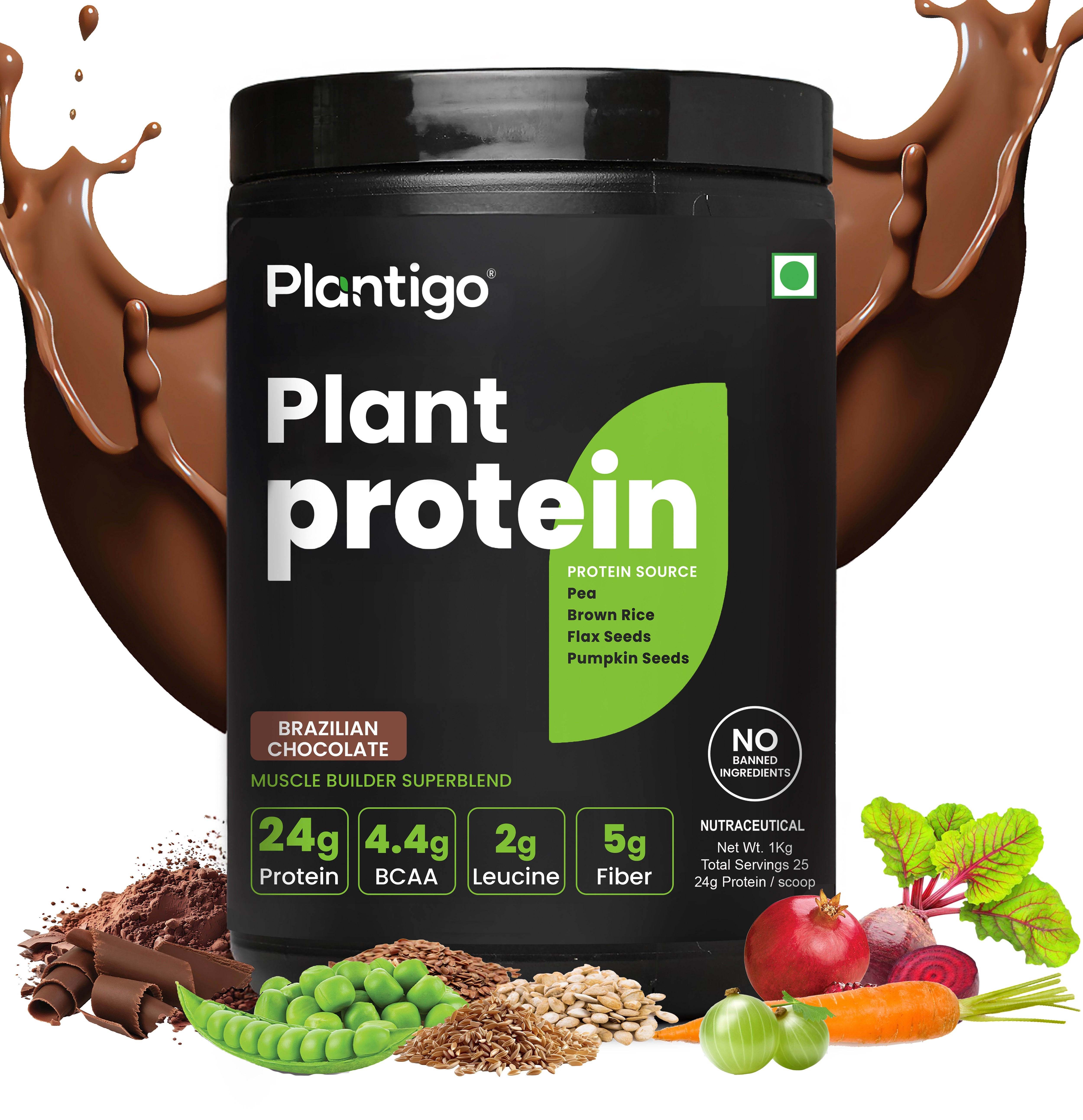
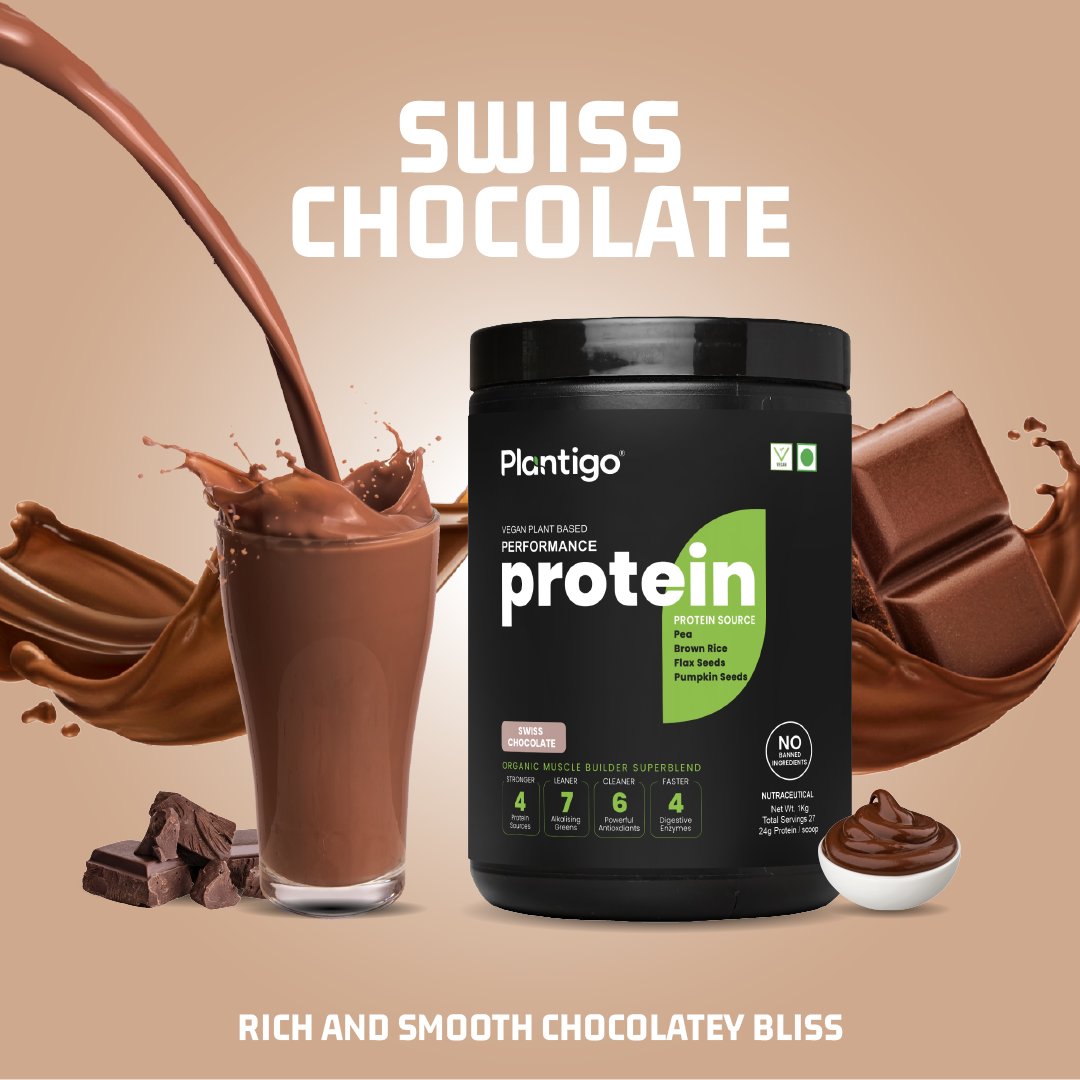
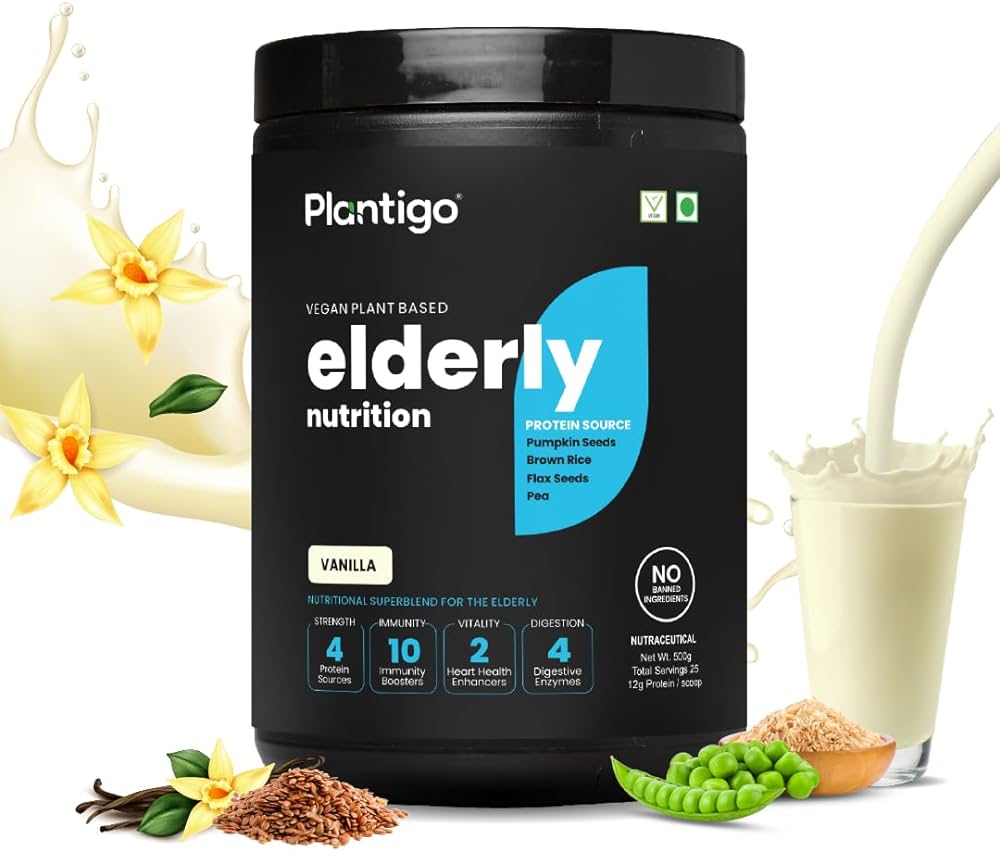
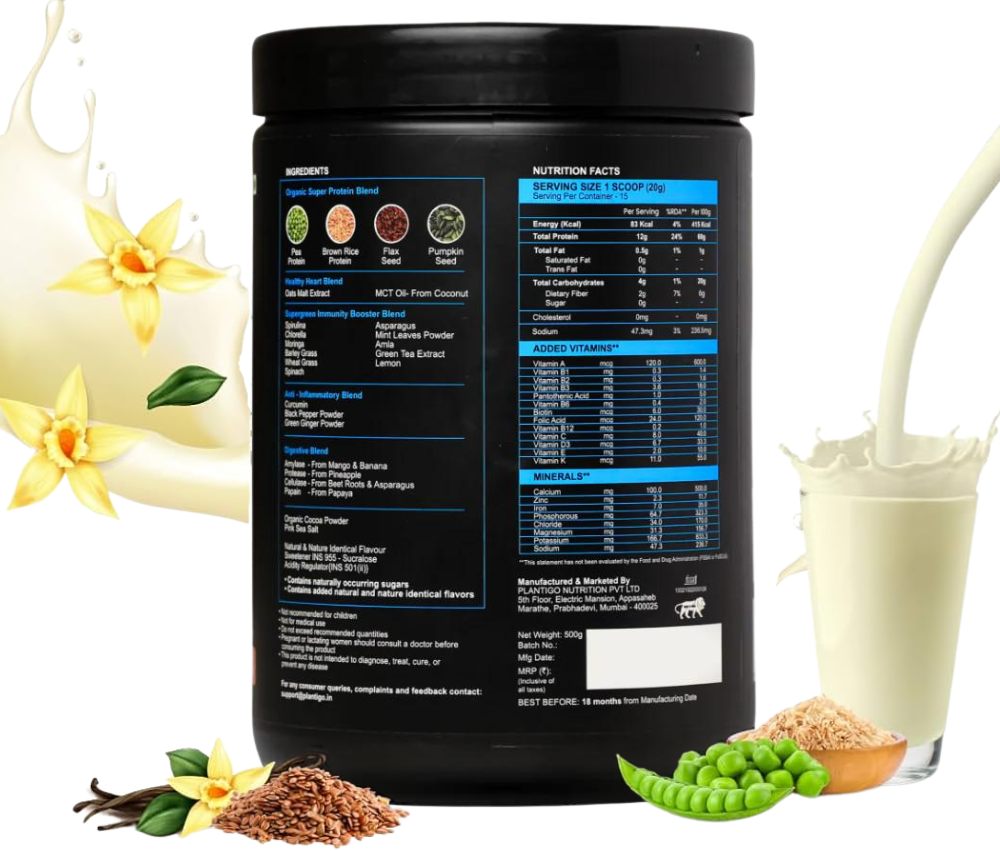
If your idli breakfast isn't closing your daily protein gap, Plantigo can help bridge it with a complete plant-based protein blend of Canadian Pea Isolate, Brown Rice, Pumpkin Seed, and Flaxseed — delivering all 9 essential amino acids without relying on dairy. With 4 digestive enzymes from real fruit, zero Class 2 preservatives, third-party Eurofins testing, and a 30-day taste guarantee, it is built for Indians who want clean, daily protein support.View Plantigo Plant-Based Protein
The Bottom Line
Idli protein is modest — 2–2.5g per medium piece, 6.3g per 100g. It is not a high-protein food. But it is the most calorie-efficient protein breakfast in South Indian cuisine when paired with sambar, and its fermentation process makes the protein it does contain more absorbable than most unfermented grain-legume combinations. For Indians who eat idli daily, the upgrade is simple: thicker sambar, peanut chutney instead of coconut, and a higher urad dal ratio in the batter can increase the protein in a standard breakfast by 50–80% without changing what idli tastes like.
For closing the full daily protein gap, idli is a reliable starting point — not the finish line.
Frequently Asked Questions
1. How much protein is in 2 idlis?
2 medium idlis (~80g) contain 4–5g of protein — add 150ml sambar and the total rises to 8–11g for a complete South Indian breakfast.
2. Are idlis a good source of protein?
Moderate — not high. At 2–2.5g per medium piece, idli is not a protein-dense food, but 2 idlis with sambar deliver 8–11g protein at under 200 kcal — better protein-to-calorie ratio than most Indian breakfasts.
3. Is idli good for muscle building?
Not as a standalone food — 3 idlis provide only 6–7.5g protein, well short of the 20–30g per meal typically recommended for muscle protein synthesis. Paired with thick sambar, peanut chutney, and a protein supplement, it can be part of a muscle-supporting breakfast.
4. Is idli healthy or junk?
Healthy — definitively. At 58 kcal per piece with zero fat, 2–2.5g protein, fermentation-derived probiotics, and no added oil, idli is one of the cleanest traditional breakfast foods in India. The accompaniments (oil-heavy chutneys, butter) are what turn it unhealthy.
5. Can I eat 6 idlis a day?
Yes — 6 medium idlis provide ~12–15g protein and ~350 kcal, which is safe and nutritionally balanced for most adults. Pair with sambar across 2–3 servings throughout the day rather than eating all 6 at once for better protein distribution.
External Sources
-
ICMR-NIN —Indian Food Composition Tables 2017
-
PMC —Idli Batter Fermentation and Nutritional Improvement (2013)
-
ICMR-NIN — RDA and EAR for Indians, 2020
Disclaimer: This article is for educational purposes only. If you have diabetes, kidney disease, digestive issues, are pregnant, or are on medication, consult your doctor or dietitian before making major dietary changes.