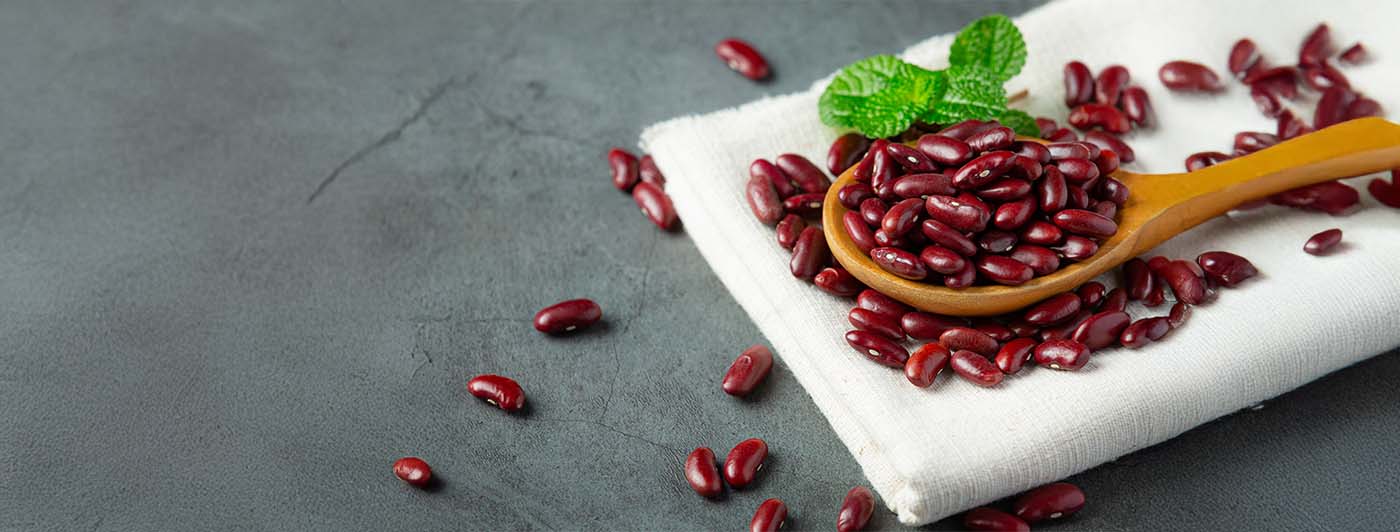
Rajma is one of the most protein-confident foods in the North Indian kitchen — Sunday rajma chawal is not just comfort food, it is a structurally complete protein meal that Indian households figured out long before nutrition science had a name for it. Yet most people who eat rajma regularly have no idea how much protein they are actually getting per serving, whether the gravy dilutes the protein, or how a rajma chawal plate compares to other popular Indian meals on protein. This guide answers all of that at the meal level — not the database level.
How Much Protein Is in Rajma?
Rajma contains 8.7g of protein per 100g cooked — making it one of the highest-protein legumes in the Indian diet — according to theICMR-NIN IFCT 2017. At a standard home katori size of 150g cooked rajma (the beans, not the full gravy), that translates to 13–15g of protein per serving. A full rajma chawal plate — 1 katori rajma + 1 cup rice + 1 small curd — delivers 20–24g of complete protein in one meal.
For a detailed per-100g raw and cooked breakdown, see our earlier guide onprotein in rajma per 100g.
Complete Data Breakdown: Protein in Rajma by Serving
1. Protein in Rajma by Katori and Bowl Size
|
Serving |
Cooked Weight |
Rajma Protein |
Calories |
|
1 small katori |
100g |
8.7g |
127 kcal |
|
1 standard katori |
150g |
13–15g |
190 kcal |
|
1 large katori |
200g |
17–18g |
254 kcal |
|
1 restaurant-style bowl |
250g |
21–22g |
317 kcal |
|
1 cup cooked (US measure) |
~177g |
15–16g |
225 kcal |
Source: ICMR-NIN Indian Food Composition Tables 2017
2. Protein in Rajma Across Indian Meal Formats
|
Meal |
Components |
Total Protein |
|
Rajma chawal |
1 katori rajma + 1 cup rice |
17–19g |
|
Rajma chawal with curd |
+ 100g curd |
21–24g |
|
Rajma roti |
1 katori rajma + 2 rotis |
20–23g |
|
Rajma salad |
150g boiled rajma + vegetables |
13–15g |
|
Rajma soup |
200g + vegetable broth |
16–18g |
|
Rajma tikki (2 pieces) |
~100g rajma + besan coating |
10–12g |
|
Rajma with paneer |
1 katori rajma + 50g paneer |
22–24g |
The traditional rajma chawal combination is nutritionally complete — rajma's high lysine content combines with rice's methionine to cover all 9 essential amino acids in one plate. This is the same logic behind ourdal protein guide — traditional Indian meal science built amino acid complementarity before it had a scientific name.

3. Does Rajma Gravy Dilute the Protein?
This is the most practical question for Indian home cooks. The answer depends entirely on the bean-to-water ratio in the curry.
|
Rajma Preparation |
Protein per 100g |
Why |
|
Thick dry-style rajma |
10–11g per 100g |
Less water — higher bean concentration per spoon |
|
Standard home curry |
8.7–9g per 100g |
Standard water ratio |
|
Thin, watery rajma |
5–6g per 100g |
More gravy, fewer beans per katori |
|
Restaurant-style (thick gravy) |
8–10g per 100g |
Tomato-onion base is dense, bean content varies |
Practical tip: The protein is in the beans, not the gravy. More beans per katori = more protein. A thicker rajma with less water and more beans per serving consistently outperforms a watery preparation at the same volume.
4. Protein in Rajma vs Other North Indian Proteins
|
Food |
Serving |
Protein |
Notes |
|
Rajma |
1 katori (150g cooked) |
13–15g |
High fibre, low GI |
|
Chana (chole) |
1 katori (150g cooked) |
13–14g |
Higher folate, comparable protein |
|
Toor/moong dal |
1 katori (150g cooked) |
10–12g |
More digestible, less protein |
|
Paneer |
100g |
18–20g |
Higher protein but more fat and calories |
|
Soya chunks (cooked) |
100g |
18–20g |
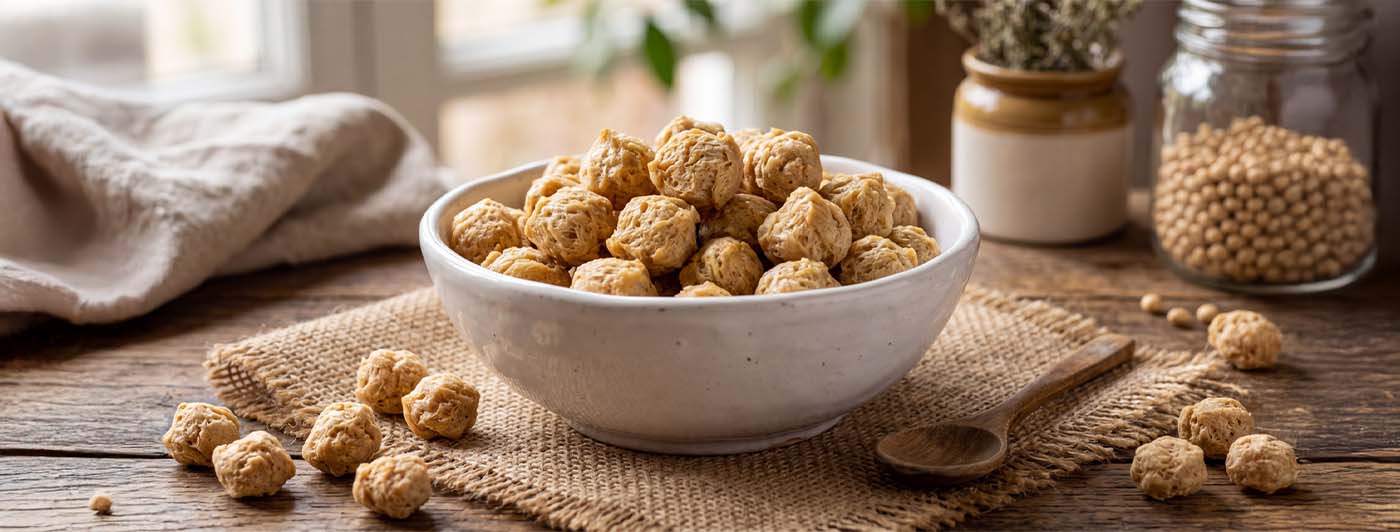
Highest plant protein per 100g cooked |
|
Rajma + rice (full plate) |
400g total |
20–24g |
Complete protein — all 9 EAAs covered |
For the chana comparison in detail, see ourchana protein breakdown.
Protein in Rajma vs Other Indian Legumes: Scored Comparison
|
# |
Parameter |
Rajma |
Winner |
|
1 |
Protein per 100g cooked |
8.7g |
Masoor dal and lentils edge ahead (9g) |
|
2 |
Protein per katori |
13–15g |
Rajma wins on serving-size density |
|
3 |
Leucine content |
High |
Rajma — best among Indian legumes for muscle |
|
4 |
Glycaemic index |
29–52 |
Rajma wins —kidney bean GI study (PMC 2022) confirms low GI across all varieties |
|
5 |
Fibre per 100g raw |
15g |
Rajma wins over most dals |
|
6 |
Iron per 100g |
5.1mg |
Rajma wins — highest iron among common Indian legumes |
|
7 |
Folate |
Good |
Chana (chole) leads marginally |
|
8 |
Digestibility |
Moderate |
Moong dal wins — rajma needs full cooking |
|
9 |
Protein completeness |
Incomplete (low methionine) |
Draw — all legumes need grain pairing |
|
10 |
Daily versatility |
Curry, salad, soup, tikki |
Rajma wins on North Indian cuisine range |
One-line verdict: Rajma leads Indian legumes on leucine content, iron, fibre, and serving-size protein delivery. For Indians focused on muscle maintenance or iron status, it is the single most valuable legume in the North Indian kitchen.
Benefits of Rajma Protein for Indians
1. Highest Leucine Among Indian Legumes
Leucine is the amino acid that directly triggers muscle protein synthesis — and rajma has the highest leucine content among commonly eaten Indian dals and legumes.
-
1 katori (150g) delivers leucine levels sufficient to trigger muscle protein synthesis response in adults
-
Particularly valuable for Indians aged 35–55 managing age-related muscle loss (sarcopenia)
-
Effective for post-meal muscle repair — best consumed at lunch or dinner, not breakfast, for muscle-building purposes
-
Leucine advantage over chana and most dals is the reason which dal has the hightest protein guides consistently recommend rajma for muscle-focused Indians — see ourdal protein ranking
2. Ideal for Diabetics
Rajma has a GI of 29–52 across varieties — firmly low GI — confirmed by akidney bean GI study (PMC 2022). Its alpha-amylase inhibitors actively slow starch digestion, reducing post-meal glucose spikes.
-
Safe for daily consumption at 150–200g cooked for diabetic Indians
-
6–7g fibre per 100g cooked slows gastric emptying further
-
Rajma chawal — despite containing rice — has a significantly lower meal GI than plain rice because rajma's protein and fibre moderate the rice's glucose release
-
Zero cholesterol, low fat — appropriate for diabetics managing cardiovascular risk
3. Best Iron Source Among Indian Legumes
5.1mg iron per 100g raw makes rajma the highest-iron common Indian legume — ahead of moong, chana, and toor dal.
-
1 katori cooked rajma covers ~20% of the 25mg daily iron requirement for Indian women
-
Iron supports haemoglobin production, oxygen delivery to muscles, and energy metabolism
-
Squeeze lemon over rajma before serving — Vitamin C doubles non-haem iron absorption
-
Particularly valuable for vegetarian Indian women aged 25–45 managing iron-deficiency anaemia
4. Supports Weight Loss
At 127 kcal per 100g cooked with 8.7g protein and 6–7g fibre, rajma creates satiety for 3–4 hours — longer than rice, roti, or most Indian snack foods at equivalent calories.
-
Protein + fibre combination reduces rebound hunger between meals
-
Low fat content makes it appropriate for any calorie-deficit eating pattern
-
1 katori rajma as a meal anchor (with minimal rice) is one of the most protein-efficient low-calorie lunches in North Indian cuisine
-
Women tracking protein for weight loss can find a 7-day plan incorporating rajma in ourprotein diet plan for women
How Much Rajma Should You Eat Per Day?
General population: 0.83g protein per kg body weight daily perICMR-NIN RDA 2020. For a 70kg adult, that is 58g daily. 1 standard katori of rajma (150g cooked) contributes 13–15g — covering 22–26% of the daily target.
Active Indians: 1 katori at lunch + 1 katori at dinner = 26–30g protein from rajma alone — a meaningful base before other foods contribute.
1. Who benefits most:
-
North Indian vegetarians using rajma as their primary protein
-
Adults aged 25–55 managing iron deficiency, muscle maintenance, or weight
-
Diabetics who need a high-protein, low-GI main dish
-
Women needing both protein and iron in one food source
2. Who should be cautious:
-
Chronic kidney disease (CKD): rajma's high potassium (1,359mg/100g raw) and phosphorus can stress compromised kidneys — a nephrologist must set the limit
-
High uric acid/gout: rajma has moderate purine content — limit to 1–2 servings per week and monitor uric acid levels
-
Irritable bowel: rajma's high fibre and oligosaccharides can cause gas and bloating — soak overnight, pressure cook fully, and add hing while cooking
How to Include Rajma in Your Indian Diet
1. Rajma chawal (classic): 1 katori thick rajma + 1 cup rice = 17–19g protein, all 9 EAAs covered. Use less water in the gravy and more beans per serving. For protein comparison of what the roti alternative adds, see ourroti protein guide.
2. Rajma salad (no cooking): Boil rajma in advance, refrigerate, toss with cucumber, onion, tomato, lemon, chaat masala. 150g rajma = 13–15g protein at ~190 kcal. Best for office lunches or calorie-conscious days.
3. Rajma tikki: Mix cooked rajma with besan coating — adds protein from both sources. 2 tikkis (~100g rajma) deliver 10–12g protein. Add besan-coated preparation note: ourbesan protein breakdown shows the combined protein value.
4. Rajma with paneer: Adding 50g paneer cubes to rajma curry increases the meal's protein from 13–15g to 22–24g — the highest-protein North Indian vegetarian meal combination available without supplements.
5. Rajma soup: 200g cooked rajma blended partially with vegetable broth = 16–18g protein in a filling, low-calorie format suitable for dinner or weight-loss phases.

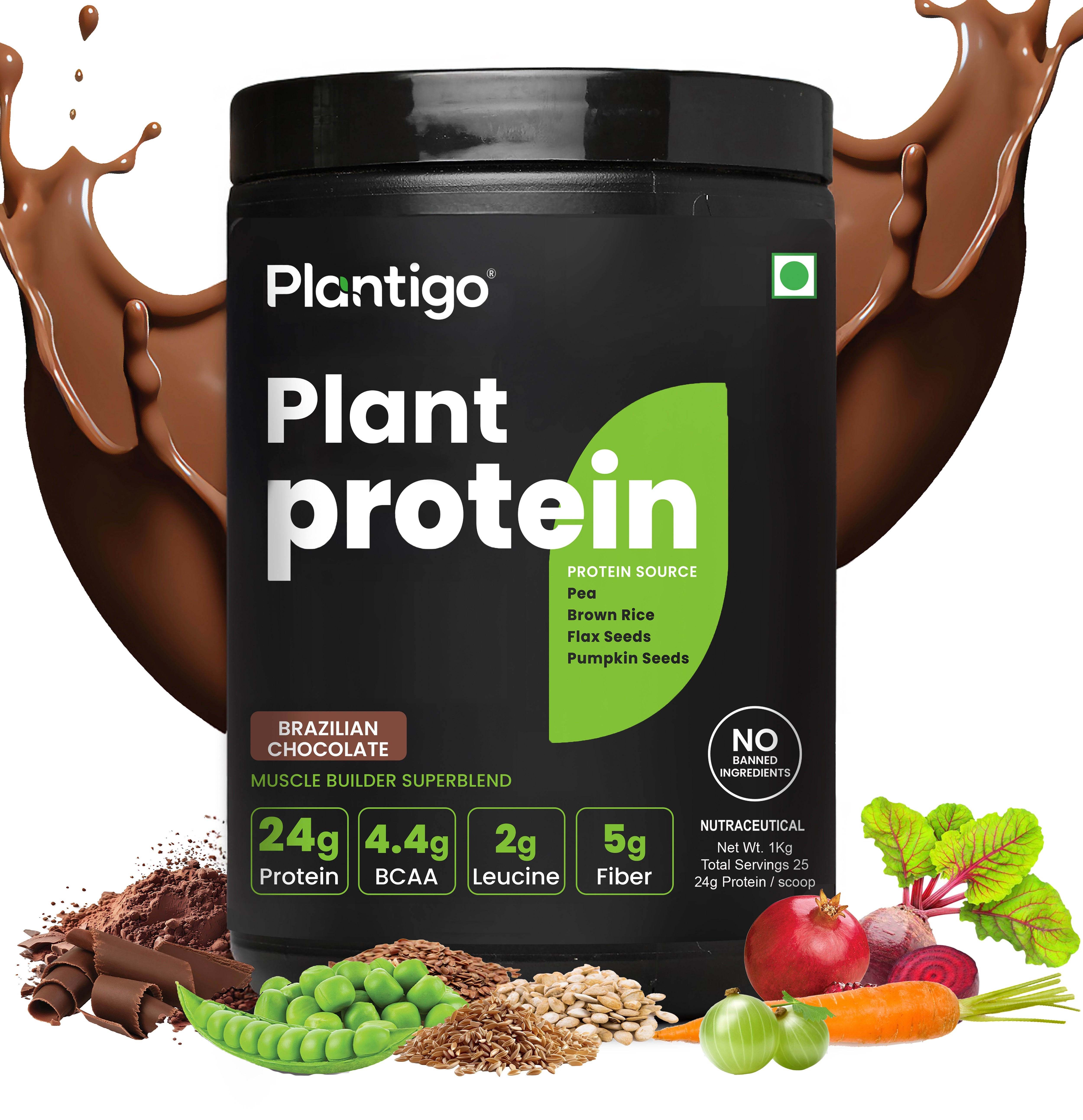
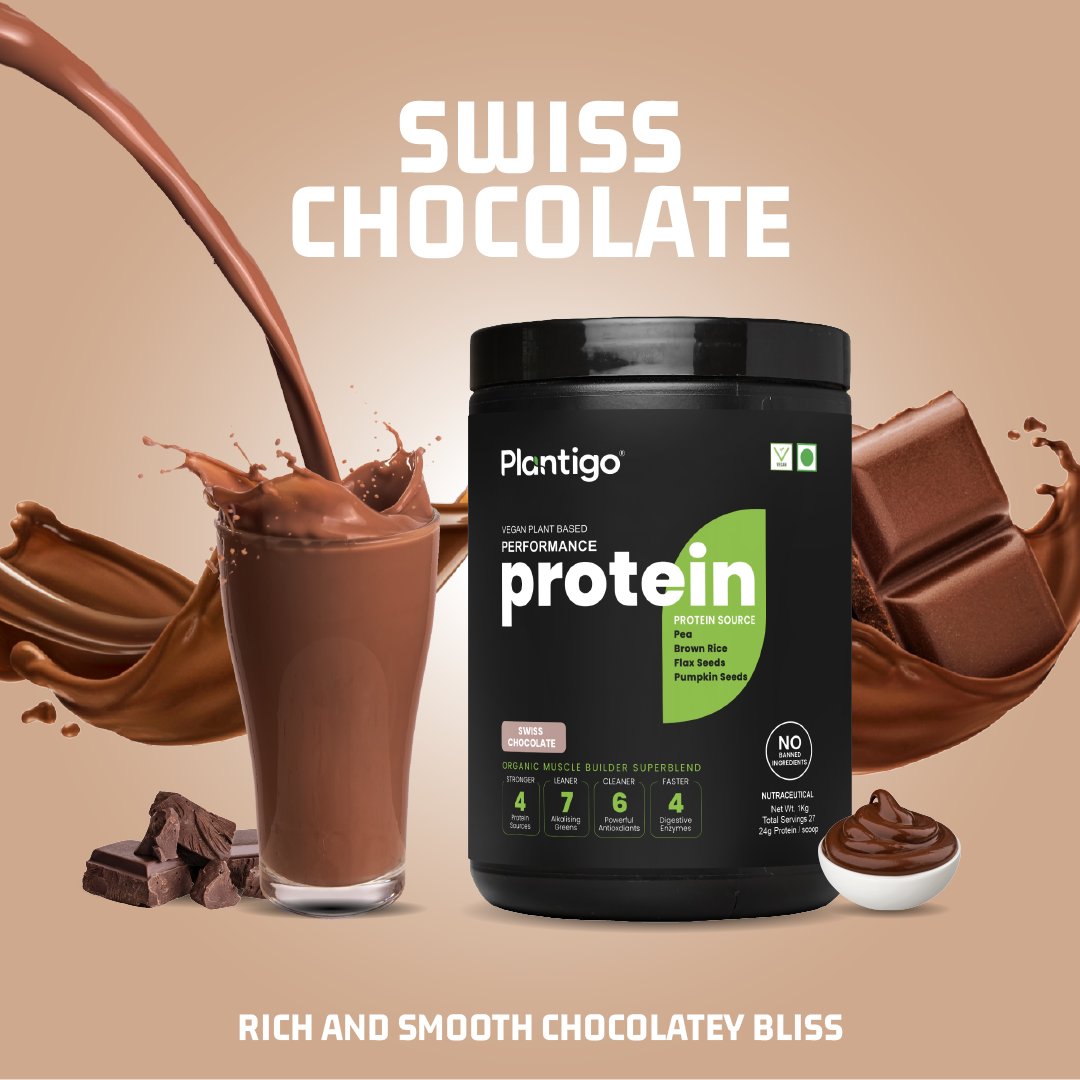
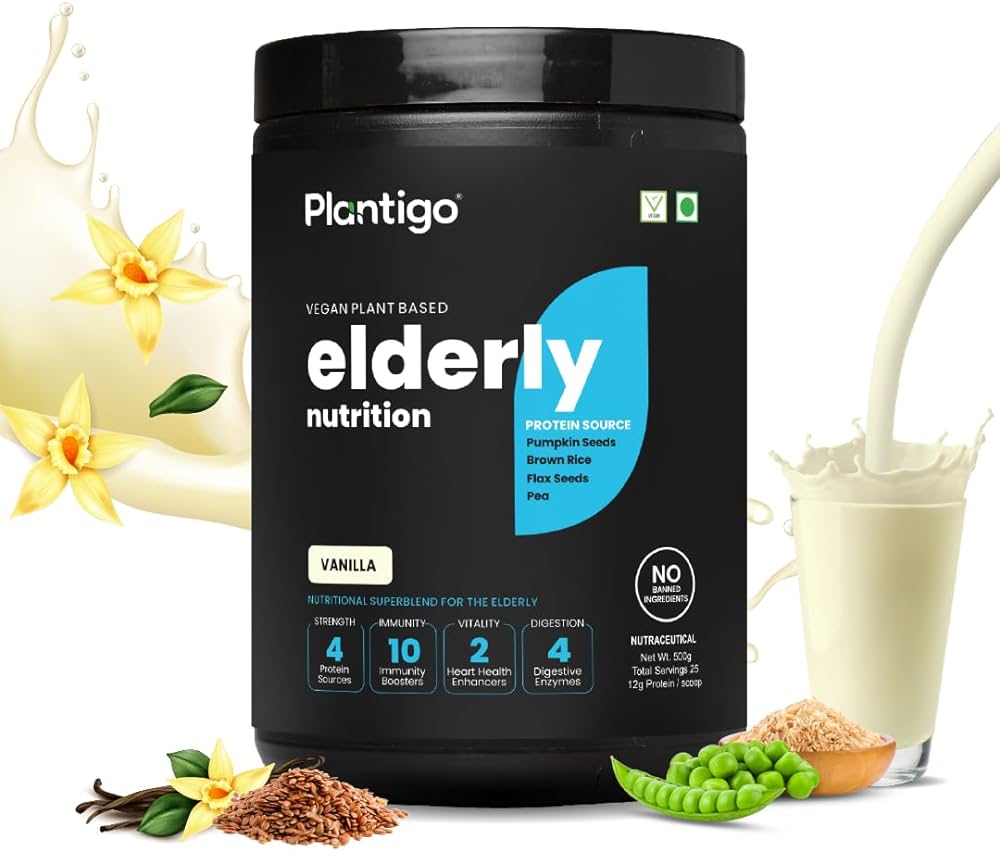
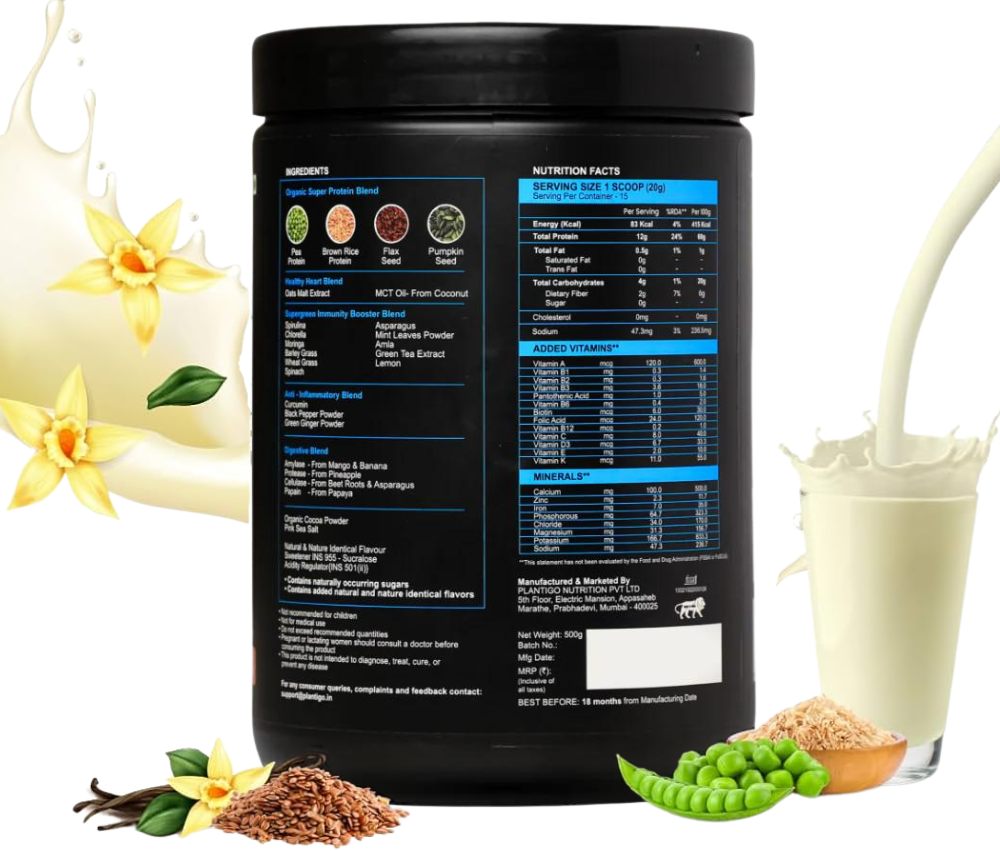
If rajma and dal together aren't closing your daily protein gap, Plantigo can help bridge it with a complete plant-based protein blend of Canadian Pea Isolate, Brown Rice, Pumpkin Seed, and Flaxseed — delivering all 9 essential amino acids without relying on dairy. With 4 digestive enzymes from real fruit, zero Class 2 preservatives, third-party Eurofins testing, and a 30-day taste guarantee, it is built for Indians who want clean, daily protein support.View Plantigo Plant-Based Protein
The Bottom Line
Protein in rajma is 8.7g per 100g cooked — but the number that matters for daily Indian life is per katori: 13–15g per standard serving, and 20–24g for a full rajma chawal plate with curd. No other North Indian legume delivers leucine, iron, and fibre at this combination in one meal. Rajma chawal is not just a beloved Sunday lunch — it is structurally the most nutritionally complete traditional North Indian meal, covering all 9 essential amino acids through the rice-legume combination that Indian food culture built intuitively long before modern nutrition science named it.
For Indians aged 25–55 looking to close their daily protein gap, rajma is the best-value high-protein main dish in the North Indian kitchen. It cannot close the full gap alone — but it is the strongest single food anchor in any vegetarian protein strategy.
Frequently Asked Questions
1. How much protein is in 100g of rajma?
8.7g per 100g cooked — and 22–25g per 100g raw before cooking, per ICMR-NIN IFCT 2017. A standard 150g katori delivers 13–15g of protein.
2. Is rajma a good source of protein?
Yes — it is one of the best plant-based protein sources in the Indian diet. At 8.7g per 100g cooked with high leucine content, high fibre, and a low GI of 29–52, it outperforms most Indian legumes on the full nutritional package.
3. What is poor man's protein?
Rajma, along with dal and chana, is India's original poor man's protein. At ₹100–₹150 per kg raw, 1 katori of cooked rajma delivers 13–15g protein at a cost of ₹10–15 — the best protein value in the North Indian kitchen.
4. How to get 70g protein daily from an Indian vegetarian diet?
1 katori rajma (13–15g) + 1 katori dal (10–12g) + 100g paneer or curd (18–20g) + 1 scoop Plantigo (25g) = 66–72g — achievable with existing North Indian meal habits plus one clean supplement.
5. Is 30g of protein for breakfast good?
Yes — 30g at breakfast is an effective starting point for meeting the daily 58–70g requirement. Rajma roti (1 katori + 2 rotis = 20–23g) falls short of 30g alone but pairs well with a protein supplement to cross the threshold cleanly.
External Sources
-
ICMR-NIN —Indian Food Composition Tables 2017
-
ICMR-NIN — RDA and EAR for Indians, 2020
Disclaimer: This article is for educational purposes only. If you have diabetes, kidney disease, digestive issues, are pregnant, or are on medication, consult your doctor or dietitian before making major dietary changes.