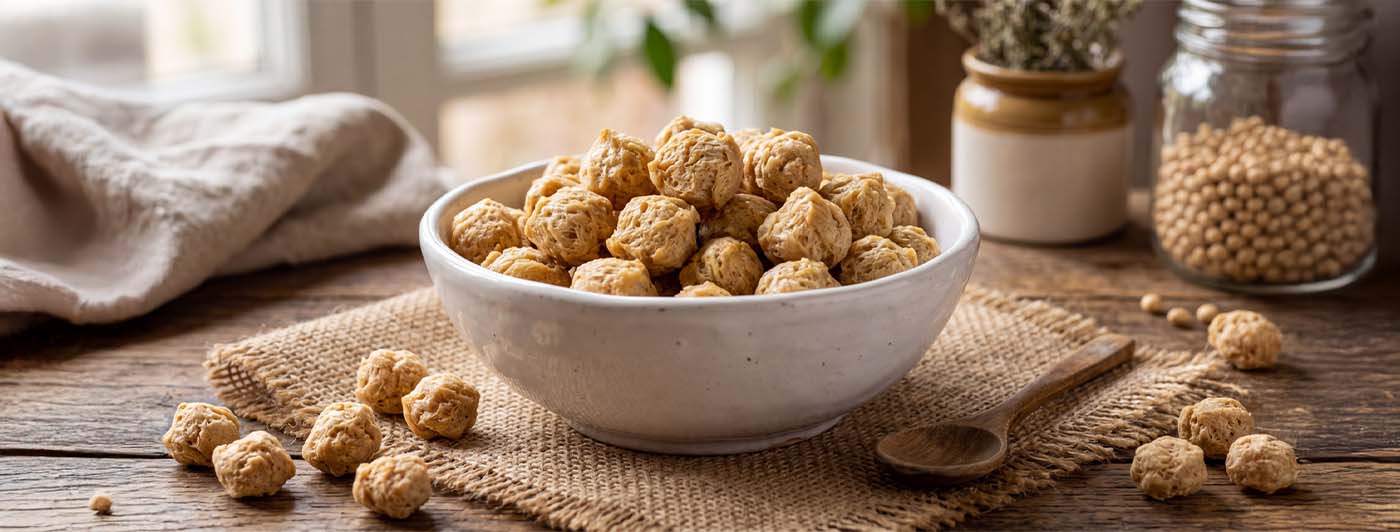
Soya chunks sit in an interesting position in the Indian kitchen — the most protein-dense vegetarian food by raw weight, available for under ₹100 per kg, yet surrounded by more conflicting health claims than almost any other food. Are they safe daily? Do they affect hormones? How much protein do you actually get in a curry vs a pulao? This guide addresses the serving-size numbers the existing databases miss, the safety questions every Indian adult is quietly searching, and exactly how soya chunks fit into a daily protein strategy without the confusion.
How Much Protein Do Soya Chunks Have per 100g?
Soya chunks contain 52g of protein per 100g raw (dry weight) — the highest protein density of any commonly available vegetarian food in India — according to theICMR-NIN IFCT 2017. Once rehydrated and cooked, that drops to approximately 17g per 100g because the chunks absorb 2.5–3x their dry weight in water. The total protein per piece does not change — only the concentration per 100g changes as mass increases. For the complete raw vs cooked dilution breakdown and amino acid profile, see our detailedsoya chunks nutrition facts guide.
Complete Data Breakdown: Soya Chunks Protein by Serving
1. Protein per Piece and Per Indian Serving
|
Serving |
Dry Weight |
Cooked Weight |
Protein |
|
1 medium soya chunk (rehydrated) |
~5g dry |
~15g cooked |
2.6g |
|
5 pieces (snack portion) |
~25g dry |
~75g cooked |
13g |
|
1 standard serving (home curry) |
~30g dry |
~90g cooked |
15.6g |
|
1 generous serving |
~50g dry |
~150g cooked |
26g |
|
1 cup cooked (US measure) |
~35g dry |
~105g cooked |
18.2g |
|
100g dry (full nutritional analysis) |
100g dry |
~275g cooked |
52g |
|
100g cooked |
— |
100g cooked |
17g |
Source: ICMR-NIN Indian Food Composition Tables 2017
2. Protein in Soya Chunks Across Indian Meal Formats
|
Indian Preparation |
Dry Soya Used |
Approx Protein |
Notes |
|
Soya chunks curry (1 katori) |
30g dry |
15–16g |
Standard home preparation |
|
Soya pulao (1 cup rice + soya) |
25g dry |
13g soya + 5g rice = 18g |
Complete amino acid meal |
|
Soya tikka/kebab (6 pieces) |
40g dry |
20–22g |
Higher protein — less gravy dilution |
|
Soya bhurji (dry preparation) |
30g dry |
15–16g |
Dry prep retains concentration |
|
Soya chunks salad |
25g dry |
13g |
Cold, raw-soaked — best protein retention |
|
Soya in dal (added to dal curry) |
15g dry |
7–8g |
Small addition to dal meal |
The key variable is water ratio — dry preparations (tikka, bhurji, salad) retain higher protein concentration per katori than gravy-heavy curries because less water is added after rehydration.
3. Soya Chunks vs Soya Granules vs Textured Soy Protein — What Is the Difference?
Most Indians use "soya chunks" as a generic term, but there are meaningful differences across formats:
|
Product |
Protein per 100g Dry |
Texture |
Best Indian Use |
|
Soya chunks (large, whole) |
52g |
Chunky, chewy |
Curry, pulao, biryani |
|
Soya granules (minced) |
52–54g |
Fine, minced |
Keema, bhurji, paratha filling |
|
Soya mini chunks (small) |
52g |
Bite-sized |
Stir-fry, rice dishes, salads |
|
Textured soy protein (TSP) |
50–52g |
Varies |
All of the above |
|
Soya flour |
35–40g |
Powdered |
Rotis, parathas, baking |
All whole soya chunk formats have essentially identical protein per 100g dry. Soya flour is lower because the dehulling and processing removes some protein. For supplement-grade soy protein isolate and how it compares to pea protein, see oursoy protein vs pea protein guide.
4. Soya Chunks Protein vs Other Indian Protein Sources
|
Food |
Serving |
Protein |
Notes |
|
Soya chunks (30g dry, 1 curry serving) |
~90g cooked |
15–16g |
Highest plant protein per serving |
|
Paneer |
100g |
18–20g |
Higher protein, higher fat and calories |
|
Rajma (1 katori cooked) |
150g |
13–15g |
Comparable, lower calorie density |
|
Chana (1 katori cooked) |
150g |
13–14g |
Comparable |
|
Moong dal (1 katori cooked) |
150g |
10–12g |
Lower protein |
|
2 medium eggs |
100g |
12–14g |
Complete protein, not plant-based |
|
Plant protein supplement (1 scoop) |
30g |
22–25g |
Clean, complete, no cooking needed |
For how soya chunks compare to the full dal and legume range, see our guide onwhich dal has the highest protein.
Soya Chunks vs Other Indian Proteins: Scored Comparison
|
# |
Parameter |
Soya Chunks |
Verdict |
|
1 |
Protein per 100g dry |
52g |
Highest among all Indian plant foods |
|
2 |
Protein per serving (cooked) |
15–16g per 30g dry |
Leads dal and legumes; comparable to paneer |
|
3 |
PDCAAS (protein quality) |
1.0 |
Matches whey — the only plant protein with a perfect score |
|
4 |
Amino acid completeness |
Complete — all 9 EAAs |
Only plant-based complete protein at this price point |
|
5 |
Cost per gram of protein |
₹2–4 per gram |
Cheapest protein source in India by a large margin |
|
6 |
GI |
Low (~30) |
Suitable for diabetics |
|
7 |
Phytoestrogen content |
Present (130mg isoflavones/100g dry) |
Safe at 25–50g dry daily — see safety section |
|
8 |
Daily versatility |
Curry, pulao, tikka, bhurji, salad |
Highest cooking versatility among plant proteins |
|
9 |
Suitability for thyroid conditions |
Moderate caution |
Consult doctor if on thyroid medication |
|
10 |
Protein supplement comparison |
Food — needs cooking |
Plant protein powder wins on convenience and daily consistency |
One-line verdict: Soya chunks are the most protein-dense, most affordable, and most versatile plant protein in the Indian kitchen — with a complete amino acid profile no other Indian food source matches at this price. The only reason to not make it your primary daily protein is the phytoestrogen consideration, which limits it to 25–50g dry per day rather than unlimited daily use. For a side-by-side with plant protein powder, read ourplant protein vs whey guide.

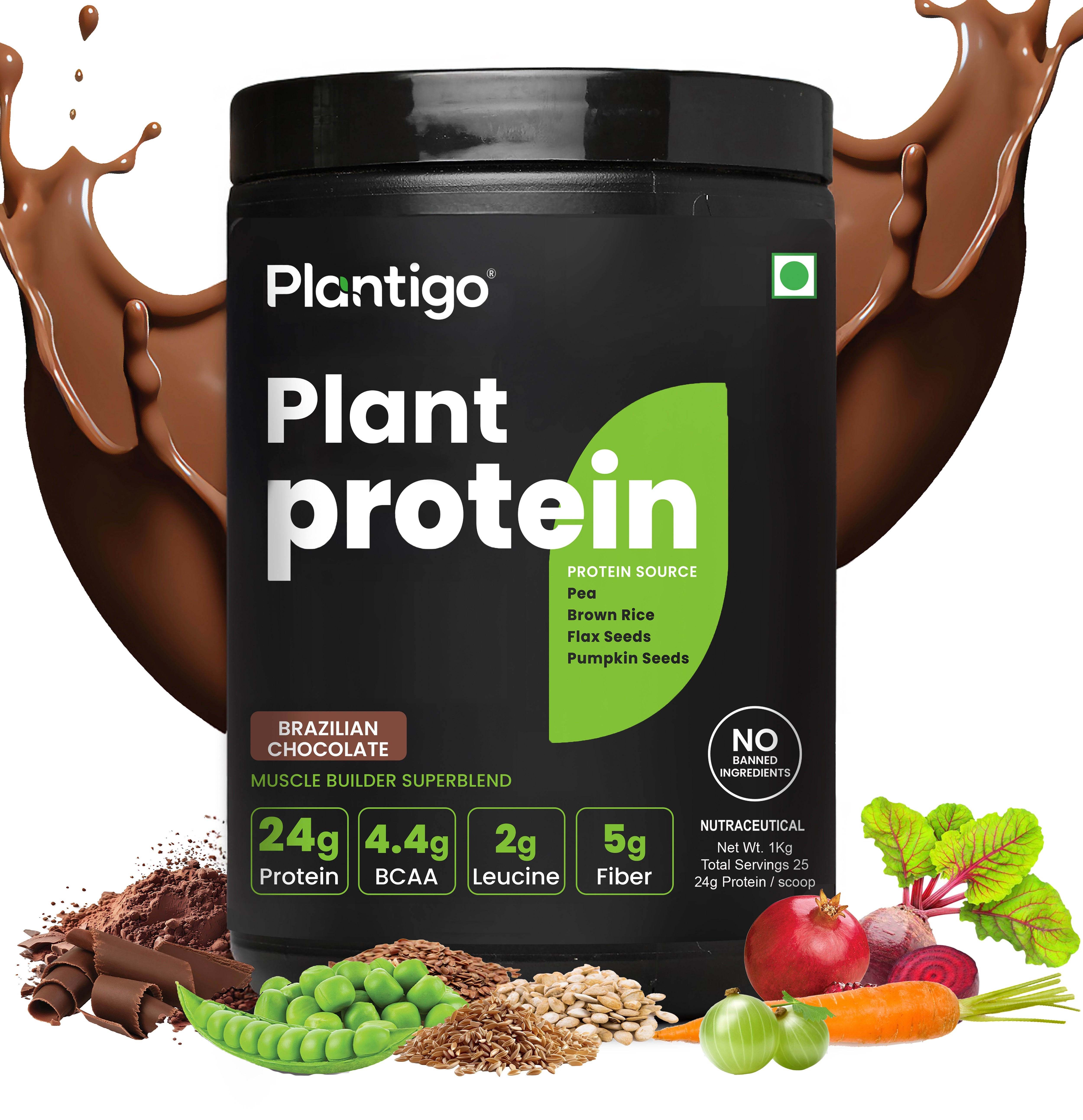
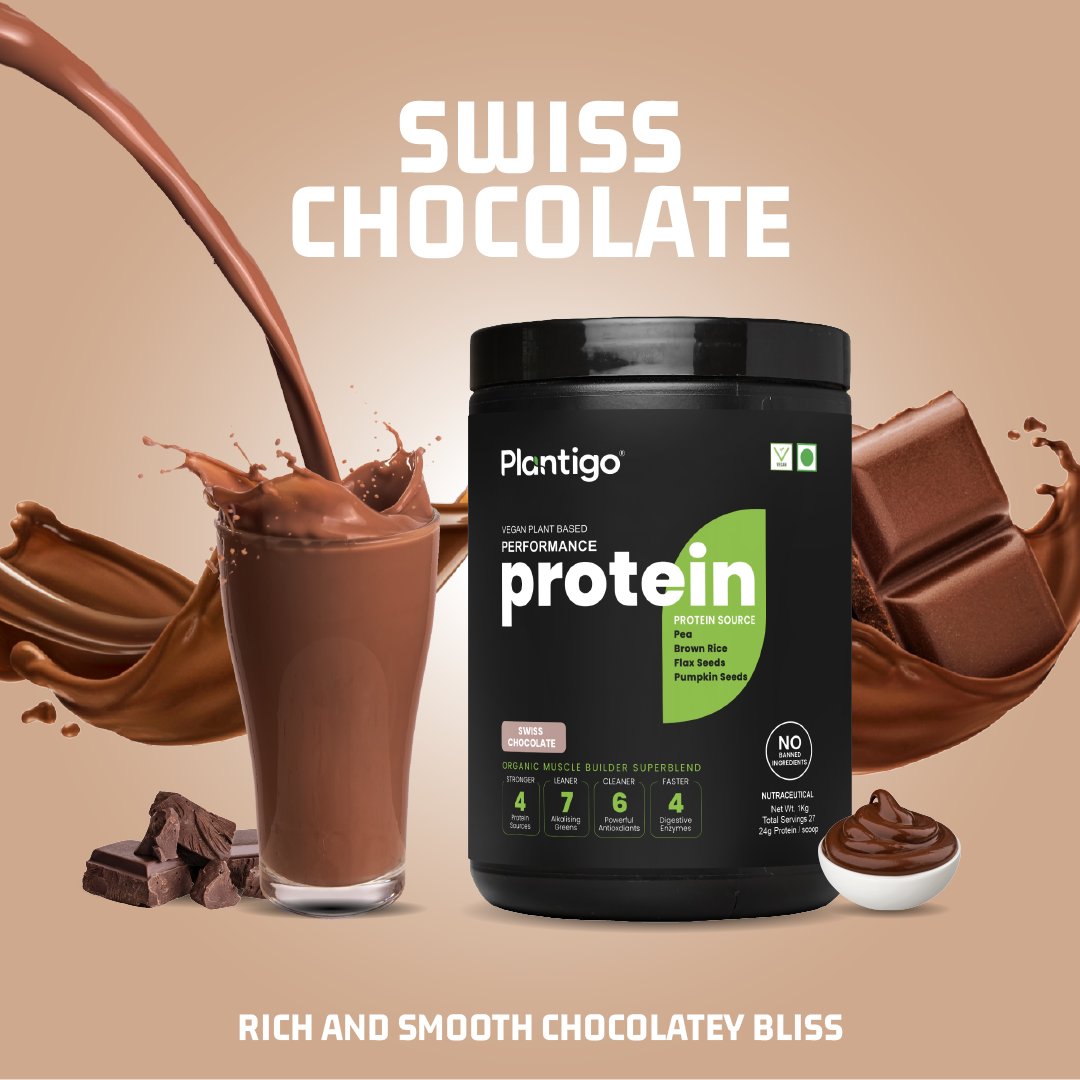
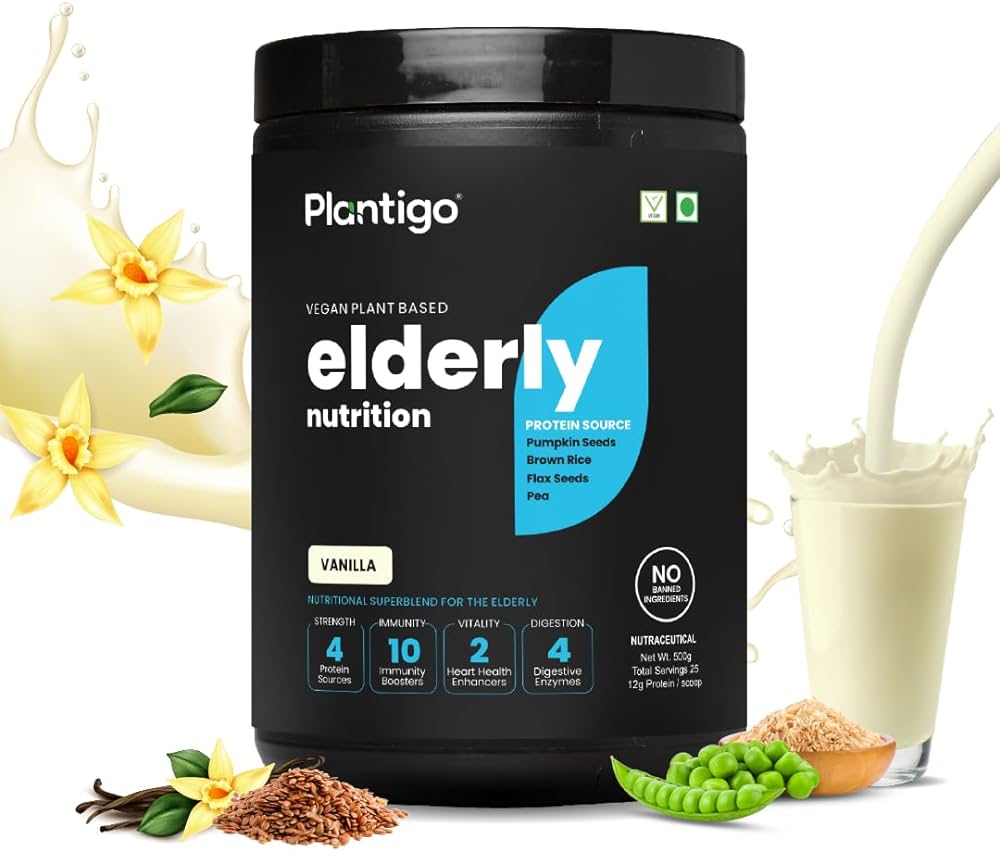
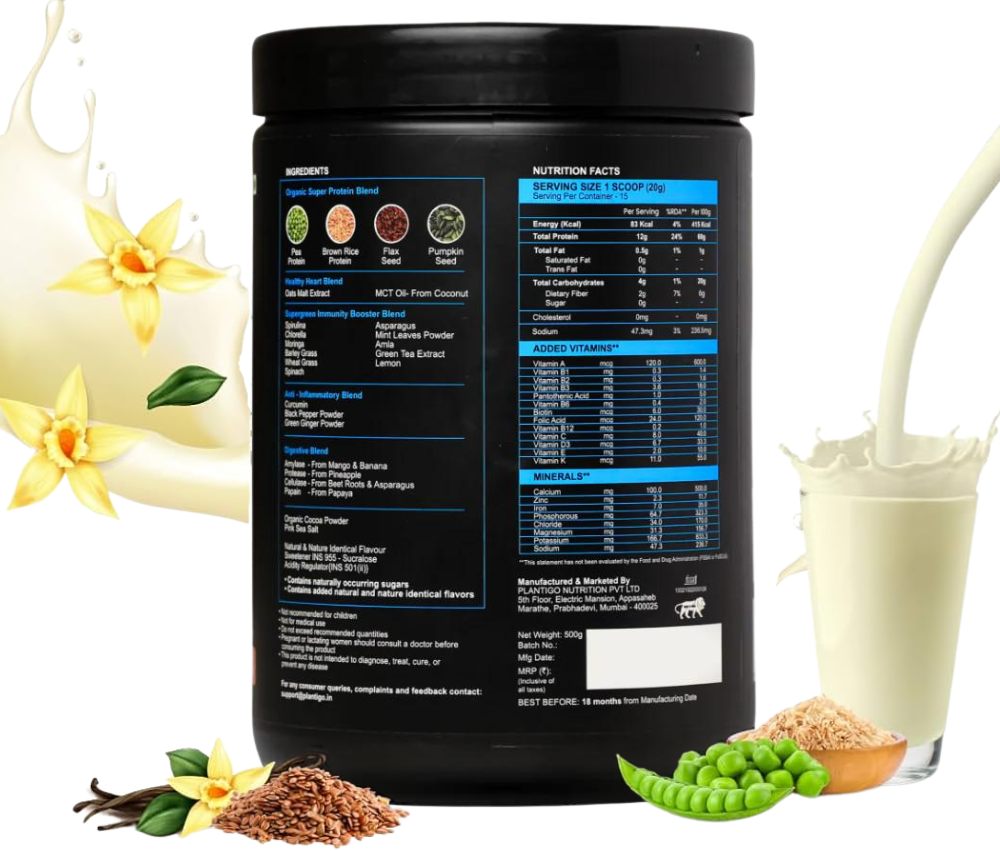
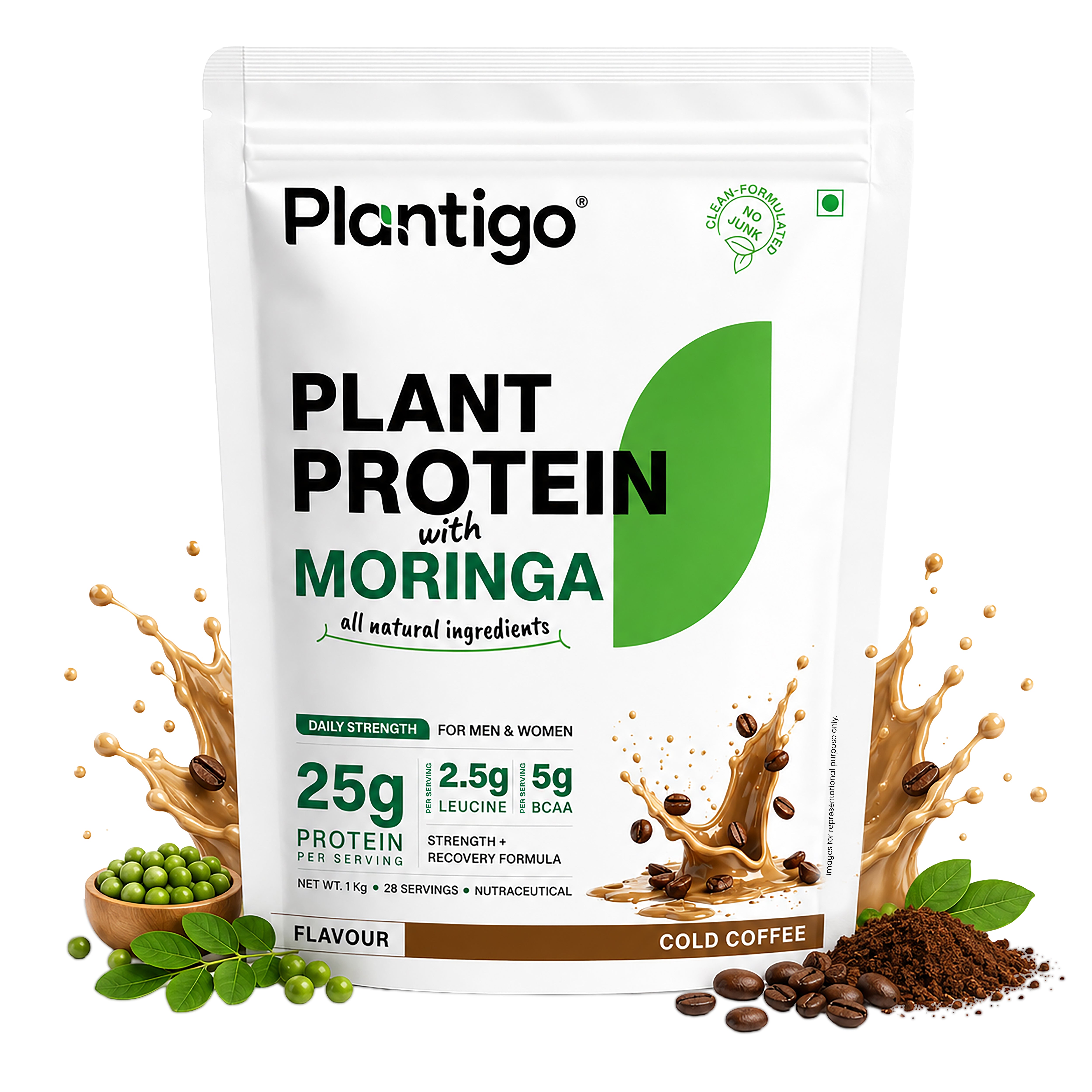
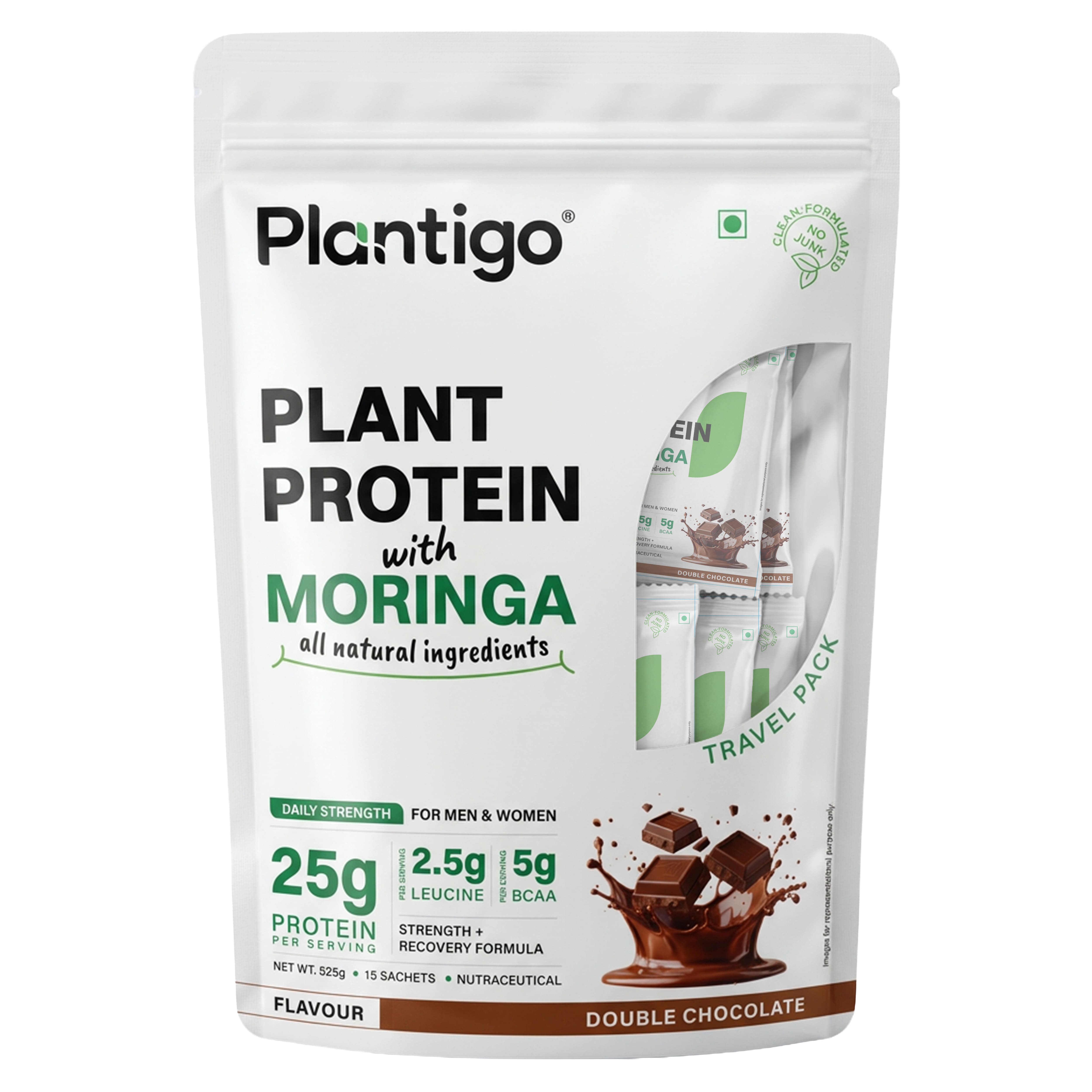
If soya chunks and dal together aren't closing your daily protein gap, Plantigo can help bridge it with a complete plant-based protein blend of Canadian Pea Isolate, Brown Rice, Pumpkin Seed, and Flaxseed — delivering all 9 essential amino acids without relying on dairy or soy. With 4 digestive enzymes from real fruit, zero Class 2 preservatives, third-party Eurofins testing, and a 30-day taste guarantee, it is built for Indians who want clean, daily protein support.View Plantigo Plant-Based Protein
Benefits of Soya Chunks Protein for Indians

1. Highest Protein Density of Any Indian Plant Food
52g protein per 100g dry — more than chicken breast (27g), eggs (13g), paneer (18g), or any Indian dal or legume.
-
A 30g dry serving (1 curry portion) delivers 15–16g protein at ~170 kcal — better protein-to-calorie ratio than paneer
-
PDCAAS score of 1.0 — the only plant food that matches whey protein on amino acid quality
-
Complete protein independently — does not need grain pairing to cover all 9 essential amino acids
2. Best Value Protein in India
At ₹80–₹100 per 100g dry (delivering 52g protein), soya chunks provide protein at approximately ₹2–4 per gram — the lowest cost per gram of protein of any food source in India, plant or animal.
-
Significantly cheaper than paneer (₹15–25 per gram of protein), eggs (₹8–12), or plant protein supplements
-
Shelf-stable, widely available in every Indian grocery store and online
-
PerICMR-NIN RDA 2020, a 70kg adult needs 58g daily protein — 100g dry soya chunks covers this entirely at under ₹100
3. Muscle Building — Best Indian Plant Option
Leucine content of soya protein is comparable to whey — the amino acid that directly triggers muscle protein synthesis.
-
For vegetarian Indians who cannot or do not want to use whey, soya chunks deliver the closest functional equivalent at the lowest cost
-
2 servings of 30g dry across lunch and dinner = 30–32g protein daily from soya alone
-
Effective for muscle maintenance in adults aged 35–55 managing age-related muscle loss
4. Safe for Diabetics
Low GI of approximately 30 and high fibre (5–6g per 30g dry serving) make soya chunks one of the safest high-protein foods for diabetic Indians.
-
No blood sugar spike — protein and fibre together slow gastric emptying significantly
-
Zero cholesterol — relevant for diabetics managing cardiovascular co-morbidities
-
Low fat (0.5g per 100g dry) — appropriate for any metabolic syndrome management
5. Supports Weight Loss
At 170 kcal per 30g dry serving with 15–16g protein and 4–5g fibre, soya chunks create satiety for 3–4 hours — more effectively than equivalent calories from rice, roti, or most snack foods.
-
High protein-to-calorie ratio reduces total daily calorie intake through satiety
-
Dry preparations (tikka, salad) deliver the same protein at even lower calories than gravy versions
-
For women tracking protein for weight management, our7-day protein plan for women shows how to incorporate soya chunks effectively
How Much Soya Chunks Should You Eat Per Day?
This is the most searched safety question about soya chunks — and the one most content gets wrong by either overclaiming or overcautioning.
Safe daily range for most healthy adults: 25–50g dry weight per day (equivalent to 75–150g cooked). This delivers 13–26g of protein while keeping isoflavone intake well within the range considered safe by international nutritional bodies.
General population: 30–40g dry daily (2 moderate curry servings) is practical, safe, and covers 25–35% of daily protein needs.
Active Indians: Up to 50g dry daily — rotate with other protein sources (dal, paneer, curd) rather than eating only soya chunks.
1. Who benefits most:
-
Vegetarian men and women aged 25–55 needing a high-protein, affordable daily food
-
Athletes and gym-goers wanting the cheapest plant protein with a complete amino acid profile
-
Diabetics needing a low-GI, high-protein main dish
-
Budget-conscious Indians — no other food delivers this protein quality per rupee
2. Who should be cautious:
-
Thyroid conditions: Soya's goitrogens can interfere with thyroid hormone synthesis and thyroid medication absorption. If you take levothyroxine or have hypothyroidism, eat soya chunks at least 4 hours away from your medication and discuss daily limits with your doctor.
-
Hormone-sensitive conditions: A 2024 meta-analysis of 40 RCTs (soy isoflavones meta-analysis (PMC 2024)) found soy isoflavones had no significant effect on estrogenicity at normal dietary doses. Extreme overconsumption (200g+ dry daily) is a different matter — stay within 50g dry.
-
Soy allergy: Any soy sensitivity or allergy is an absolute contraindication.
-
Kidney disease (CKD): High protein of any type stresses compromised kidneys — consult a nephrologist.
How to Include Soya Chunks in Your Indian Diet
Preparation matters more for soya chunks than for almost any other Indian protein — improper preparation leaves a beany smell and spongy texture that puts most people off.
Correct preparation steps:
-
Soak in hot water for 15–20 minutes (not cold — hot water removes the beany smell faster)
-
Squeeze each chunk firmly to remove as much soaking water as possible — this also removes excess antinutrients
-
Rinse once with clean water before cooking
-
Cook in a flavourful base — the sponge-like texture absorbs masala exceptionally well
1. Soya chunks curry: 30g dry, soaked and squeezed, cooked in onion-tomato masala. 15–16g protein per katori. The classic preparation.
2. Soya pulao: 25g dry added to pressure-cooked rice. 13g soya + 5g rice = 18g complete protein in one pot. The rice provides methionine complement — though soya chunks are complete independently, the combination boosts total protein per meal.
3. Soya tikka: Soaked chunks marinated in curd and spices, grilled or pan-fried. Dry preparation = higher protein per piece than curry. 40g dry = 20–22g protein in 6 pieces.
4. Soya bhurji: Soya granules cooked dry with onions, tomatoes, and spices. Fastest preparation, highest protein concentration because no gravy dilution.
5. Add to dal: 15g dry soya added to any dal doubles the protein content of the katori — invisible in flavour, significant in protein. For the dal protein baseline before adding soya, see ourdal protein guide.
The Phytoestrogen Question — Answered Clearly
This is the question most Indians are searching but most content either dismisses or overcautioning. The honest position:
What the science says at normal dietary doses (25–50g dry daily):
-
A 2024 systematic review and meta-analysis of 40 randomised controlled trials found that soy isoflavones had no statistically significant effect on any measure of estrogenicity at typical dietary doses — seesoy isoflavones meta-analysis (PMC 2024)
-
Multiple meta-analyses confirm no significant effect on testosterone levels in men at normal consumption
-
Isoflavones at normal dietary levels are structurally too different from human oestrogen to cause measurable hormonal effects in healthy adults
What the science says at excessive doses (100g+ dry daily):
-
Case reports exist of hormonal disruption at extreme intakes
-
Goitrogenic effects on thyroid are documented — particularly in people with low iodine intake or pre-existing thyroid conditions
-
The practical conclusion: stay within 25–50g dry daily, rotate with other proteins, and if you have a thyroid condition, discuss with your doctor
The practical Indian position: Generations of South and East Asians have consumed soy-based foods daily without adverse hormonal effects. The concerns are real at extreme intake — not at the 30–40g dry that fits naturally into Indian meal portions.
The Bottom Line
Soya chunks protein per 100g raw is 52g — the highest of any Indian plant food, with a PDCAAS of 1.0 that matches whey. At 25–50g dry daily, they are safe, affordable, and nutritionally complete. The phytoestrogen concern is real at extreme intake but not at the portions that fit naturally into Indian meals. For Indians who want to maximise protein on a tight budget, no single food competes with soya chunks on protein density per rupee.
The one limitation: relying only on soya chunks for daily protein is neither varied enough nutritionally nor advisable for thyroid-sensitive individuals. Rotate with dal, rajma, paneer, curd, and a clean supplement to close the daily gap reliably.
Frequently Asked Questions
1. How much protein is in 100g boiled soya chunks?
17g protein per 100g boiled/cooked — the same 52g raw protein is now distributed across 2.5–3x the weight after water absorption, per ICMR-NIN IFCT 2017.
2. How much protein is in 40g soya chunks?
40g dry soya chunks delivers 20.8g protein (52g × 0.4). Once cooked to ~120g, those same 20.8g are distributed across the larger cooked weight.
3. Can I eat 100g soya chunks everyday?
100g dry daily is above the recommended 25–50g. At 100g dry, isoflavone intake approaches levels that may affect thyroid function — especially for those on thyroid medication. 50g dry daily is the practical upper limit for most healthy adults.
4. Which is better, egg or soya chunks?
Depends on the metric. Soya chunks lead on protein density (52g per 100g dry vs 13g per 100g egg) and cost. Eggs lead on bioavailability, Vitamin B12, and Vitamin D. For pure protein per rupee, soya chunks win. For complete daily nutrition, both together are better than either alone.
5. Can I eat 50g soya chunks daily?
Yes — 50g dry daily (about 1.5 large curry servings) is appropriate for most healthy adults, delivering 26g protein. Those with thyroid conditions should check with their doctor first.
6. How to get 75g protein a day from an Indian vegetarian diet?
1 katori rajma or dal (13–15g) + 30g dry soya chunks in a curry (15g) + 100g paneer or curd (18–20g) + 1 scoop Plantigo (25g) = 71–75g daily — achievable without supplements if curd and paneer portions are generous.
External Sources
-
ICMR-NIN —Indian Food Composition Tables 2017
-
ICMR-NIN — RDA and EAR for Indians, 2020
Disclaimer: This article is for educational purposes only. If you have diabetes, kidney disease, thyroid conditions, digestive issues, are pregnant, or are on medication, consult your doctor or dietitian before making major dietary changes.