
Ragi has fed South India for centuries — ground into mudde in Karnataka, brewed into ambali in Tamil Nadu, rolled into roti across Andhra and Telangana. Yet most Indians who eat ragi regularly have no clear idea of what it actually delivers nutritionally beyond a vague sense that it is "healthy." The protein number surprises most people because it is neither as high as a legume nor as low as plain rice. Where ragi genuinely outperforms almost everything else — including dairy — is calcium. Understanding the full picture tells you exactly how to use ragi in a daily Indian diet and what it cannot do alone.
How Much Protein Does Ragi Contain per 100g?
Ragi contains 7.3g of protein per 100g — higher than white rice (6.8g) but lower than wheat (10–12g) — according to theIndian Food Composition Tables 2017 published by ICMR-NIN. Malted ragi improves this to approximately 8.5g per 100g as the malting process reduces antinutrients and increases protein bioavailability. For a grain, 7.3g is respectable — but ragi's real nutritional case rests on calcium (344mg per 100g), fibre (11.2g per 100g), and a GI of approximately 55, not on protein alone.
Complete Nutritional Breakdown: Ragi per 100g
1. Macronutrient Profile
|
Nutrient |
Ragi (Raw, per 100g) |
White Rice (per 100g) |
Wheat Flour (per 100g) |
Bajra (per 100g) |
|
Protein (g) |
7.3g |
6.8g |
10–12g |
11.6g |
|
Carbohydrates (g) |
66–72g |
78g |
70g |
67g |
|
Fibre (g) |
11.2g |
0.2g |
1.9g |
1.2g |
|
Fat (g) |
1.3–1.9g |
0.5g |
1.7g |
5g |
|
Calories (kcal) |
328–336 |
345 |
341 |
361 |
Source: ICMR-NIN Indian Food Composition Tables 2017

2. Micronutrient Profile — Where Ragi Actually Wins
|
Micronutrient |
Ragi (per 100g) |
White Rice (per 100g) |
Cow's Milk (per 100ml) |
|
Calcium (mg) |
344mg |
10mg |
120mg |
|
Iron (mg) |
3.9mg |
0.7mg |
0.1mg |
|
Phosphorus (mg) |
283mg |
115mg |
90mg |
|
Potassium (mg) |
408mg |
70mg |
150mg |
|
Magnesium (mg) |
137mg |
25mg |
10mg |
|
Zinc (mg) |
2.3mg |
1.1mg |
0.4mg |
344mg of calcium per 100g makes ragi the richest plant-based calcium source among all Indian grains and cereals — approximately 2.8 times the calcium in cow's milk per 100g. For Indians who are lactose intolerant, vegan, or simply not consuming enough dairy, ragi is nutritionally irreplaceable on this single metric.
3. Amino Acid Profile of Ragi Protein
Ragi is not a complete protein. Its amino acid profile has a meaningful gap in lysine — the same amino acid where most grains fall short. However, ragi is notably higher in methionine and tryptophan compared to most legumes, making it a useful complementary protein source in an Indian diet where dal is the primary protein.
|
Amino Acid |
Ragi |
Compared to Other Grains |
|
Methionine |
Good |
Higher than most legumes — fills the legume gap |
|
Tryptophan |
Good |
Notably higher than wheat and rice |
|
Lysine |
Low |
Common grain limitation — pair with dal or dairy |
|
Leucine |
Moderate |
Sufficient for general health, not for sports nutrition |
Ragi + dal in the same meal creates amino acid complementarity — ragi's methionine compensates for dal's low methionine, and dal's lysine compensates for ragi's low lysine. This is the nutritional rationale behind traditional South Indian meals like ragi mudde with sambar — food science built into the cuisine over centuries. For more on lysine-rich plant foods to pair with ragi, see our guide onlysine-rich plant foods.
4. Protein by Preparation and Serving Size
|
Ragi Preparation |
Serving Size |
Protein |
|
Raw ragi flour |
100g |
7.3g |
|
Malted ragi |
100g |
~8.5g |
|
Ragi roti (1 piece) |
~30g flour |
~2.2g |
|
Ragi mudde (1 ball) |
~80g cooked |
~3.5g |
|
Ragi dosa (1 piece) |
~25g flour |
~1.8g |
|
Ragi porridge (1 bowl) |
~30g flour + 200ml milk |
~4g ragi + 6g milk = ~10g |
|
Ragi malt (1 glass) |
~20g flour |
~1.5g |
The protein per serving of any ragi preparation is modest — ragi mudde delivers 3–4g, ragi roti delivers 2–3g. Ragi earns its place in the diet through calcium, fibre, and GI management rather than protein density.
Ragi vs Other Indian Grains: Which Is Better?
|
# |
Parameter |
Ragi |
Winner |
|
1 |
Protein per 100g |
7.3g |
Wheat (10–12g), Bajra (11.6g) beat ragi |
|
2 |
Calcium per 100g |
344mg |
Ragi wins — by a large margin over all grains |
|
3 |
Fibre per 100g |
11.2g |
Ragi wins — 55x more than white rice |
|
4 |
Glycaemic Index |
~55 |
Ragi wins vs white rice (GI 64–72) |
|
5 |
Iron per 100g |
3.9mg |
Ragi wins over rice and wheat |
|
6 |
Gluten-free |
Yes |
Ragi wins for gluten-intolerant Indians |
|
7 |
Protein completeness |
Incomplete (low lysine) |
Draw — all grains are incomplete alone |
|
8 |
Affordability |
₹40–80/kg |
Draw — rice and wheat cheaper; bajra comparable |
|
9 |
South Indian versatility |
Mudde, dosa, roti, porridge, malt |
Ragi wins for South Indian cuisine |
One-line verdict: Ragi does not win on protein — wheat and bajra are meaningfully higher. Ragi wins on calcium, fibre, iron, and low GI. For South Indians managing blood sugar, bone health, or lactose intolerance, it is the most nutritionally complete grain available at any price. For a direct comparison with bajra, read ourbajra protein per 100g guide.
Benefits of Ragi for South Indians
1. Calcium Without Dairy
344mg calcium per 100g — the highest of any Indian cereal — meets ~30% of the daily requirement (1,000mg) in a 100g serving. For South Indians who are lactose intolerant or consume limited dairy, ragi is the only grain that meaningfully contributes to bone health. Traditional preparation methods (fermentation for dosa, malting for malt drinks) improve calcium absorption by reducing phytic acid.
-
Ragi roti with sambar: ~100mg calcium per roti + ~50mg from sambar = 150mg per meal
-
Ragi malt with milk: 50mg from ragi + 240mg from 200ml milk = 290mg calcium in one drink
-
Ragi mudde with rasam: ~275mg calcium from 80g mudde alone
2. Blood Sugar Management
A clinical study in NIDDM subjects found thatfinger millet-based diets produced significantly lower plasma glucose levels than equivalent rice or wheat meals — attributed to ragi's higher fibre content and polyphenols slowing starch digestion. For further detail on exactly why ragi's GI works the way it does, read our article onragi's glycaemic index and blood sugar control.
-
GI of ~55 vs white rice at 64–72 — meaningful reduction in post-meal glucose response
-
11.2g fibre per 100g slows gastric emptying and glucose absorption
-
Polyphenols in ragi's seed coat have demonstrated anti-diabetic properties in multiple studies, per aPMC review of finger millet's health benefits
-
Whole ragi (unpolished) retains more polyphenols than ragi flour — mudde made from whole grain is preferable for diabetics
3. Iron for Anaemia Prevention
3.9mg iron per 100g — significantly higher than white rice (0.7mg) and comparable to many legumes. For South Indian women aged 25–45, particularly those who are vegetarian and at risk of iron-deficiency anaemia, ragi is one of the few affordable, daily-use grain sources of non-haem iron. See our article oniron-rich Indian foods for a broader list.
-
100g ragi covers ~25% of the 15mg daily iron requirement for women
-
Pairing with vitamin C sources (tomato rasam, amla chutney) improves non-haem iron absorption
-
Malted ragi increases bioavailable iron to ~5.4mg per 100g
4. Weight Management
Ragi's 11.2g fibre per 100g creates satiety that lasts significantly longer than an equivalent calorie serving of rice. Tryptophan — present in relatively high amounts in ragi — suppresses appetite by raising serotonin levels, reducing between-meal cravings.
-
Ragi mudde (80g) creates satiety for 3–4 hours vs plain rice of equivalent calories
-
Lower calorie density than wheat-based preparations when prepared without ghee
-
Ragi malt as a breakfast substitute reduces overall morning calorie intake without protein compromise
-
High fibre slows carbohydrate absorption — reducing the "eat again in 90 minutes" cycle common with white rice
How to Include Ragi in Your South Indian Diet
Ragi integrates seamlessly into South Indian food without changing the character of any dish. The challenge most people face is not availability or taste — it is knowing which preparation maximises which nutritional benefit.
1. Ragi Mudde (Karnataka): The highest-calcium preparation. One ball (~80g) delivers ~275mg calcium. Traditionally served with sambar or saaru — the combination creates amino acid completeness.
2. Ragi Dosa: 25–30% ragi flour substituted into standard dosa batter. Fermentation increases protein bioavailability and reduces antinutrients. Pair with sambar for a protein-complete breakfast — ragi's methionine + dal's lysine.
3. Ragi Ambali (Tamil Nadu): Fermented ragi porridge. Fermentation further reduces phytic acid, improving calcium and iron absorption. Traditional post-workout recovery food for agricultural workers.
4. Ragi Roti: Mix ragi flour with warm water, shape into thick rotis. For protein boost, add 1 tbsp besan to the dough — see ourbesan protein breakdown for why this matters. Each roti delivers ~2.2g ragi protein + ~1.5g besan protein.
5. Ragi Malt (Morning): 20g ragi flour in 200ml warm milk or water. A child-friendly, elderly-friendly preparation that delivers calcium from both sources simultaneously. Adding a banana increases potassium and natural sweetness.
6. Sprouted Ragi: Sprouting increases protein to ~8.5g per 100g and reduces phytic acid by up to 40% — improving absorption of calcium, iron, and the protein itself. Use sprouted ragi flour for rotis or mix into idli batter.
Ragi Protein vs Other Indian Protein Sources
1. Ragi vs Rice
White rice has 6.8g protein per 100g — marginally less than ragi's 7.3g, but a dramatically worse nutritional profile overall. Rice has 0.2g fibre, 10mg calcium, and a GI of 64–72. Ragi outperforms rice on every micronutrient metric. Therice protein per 100g breakdown covers this comparison in full.
Ragi advantage: 55x more fibre, 34x more calcium, 5.6x more iron, lower GI — for a similar calorie count.
2. Ragi vs Wheat
Wheat flour contains 10–12g protein per 100g — meaningfully more than ragi. But wheat contains gluten, 23mg calcium (vs 344mg in ragi), and 1.9g fibre (vs 11.2g). For Indians managing gluten intolerance, bone health concerns, or blood sugar, ragi is the better daily grain despite the protein gap.
Ragi advantage: Gluten-free, 15x more calcium, 6x more fibre, lower GI for blood sugar management.
3. Ragi vs Dal (as Protein Sources)
Ragi is a grain, not a legume — comparing them directly as protein sources misses the point. Dal delivers 20–25g protein per 100g raw; ragi delivers 7.3g. They are not competing — they are complementary. Ragi mudde with sambar dal is the most nutritionally complete South Indian meal precisely because each covers the other's gaps. Ragi contributes calcium, iron, fibre, and methionine; dal contributes protein, lysine, and folate.
Best combination: 80g ragi mudde + 1 katori sambar = ~3.5g + ~8g protein = 11.5g complete protein + 275mg calcium in one traditional South Indian meal.
4. Ragi vs Plant Protein Supplement
Ragi alone cannot close an Indian adult's daily protein gap — 100g of ragi flour (a generous daily use) delivers 7.3g protein against a daily requirement of 58g for a 70kg adult. Two ragi rotis deliver ~4–5g. Even three ragi mudde balls deliver only 10–12g. Ragi is a daily grain, not a protein source.
For Indians using ragi as their staple grain alongside dal and other food sources, a clean plant protein supplement closes the remaining gap without disrupting eating habits.

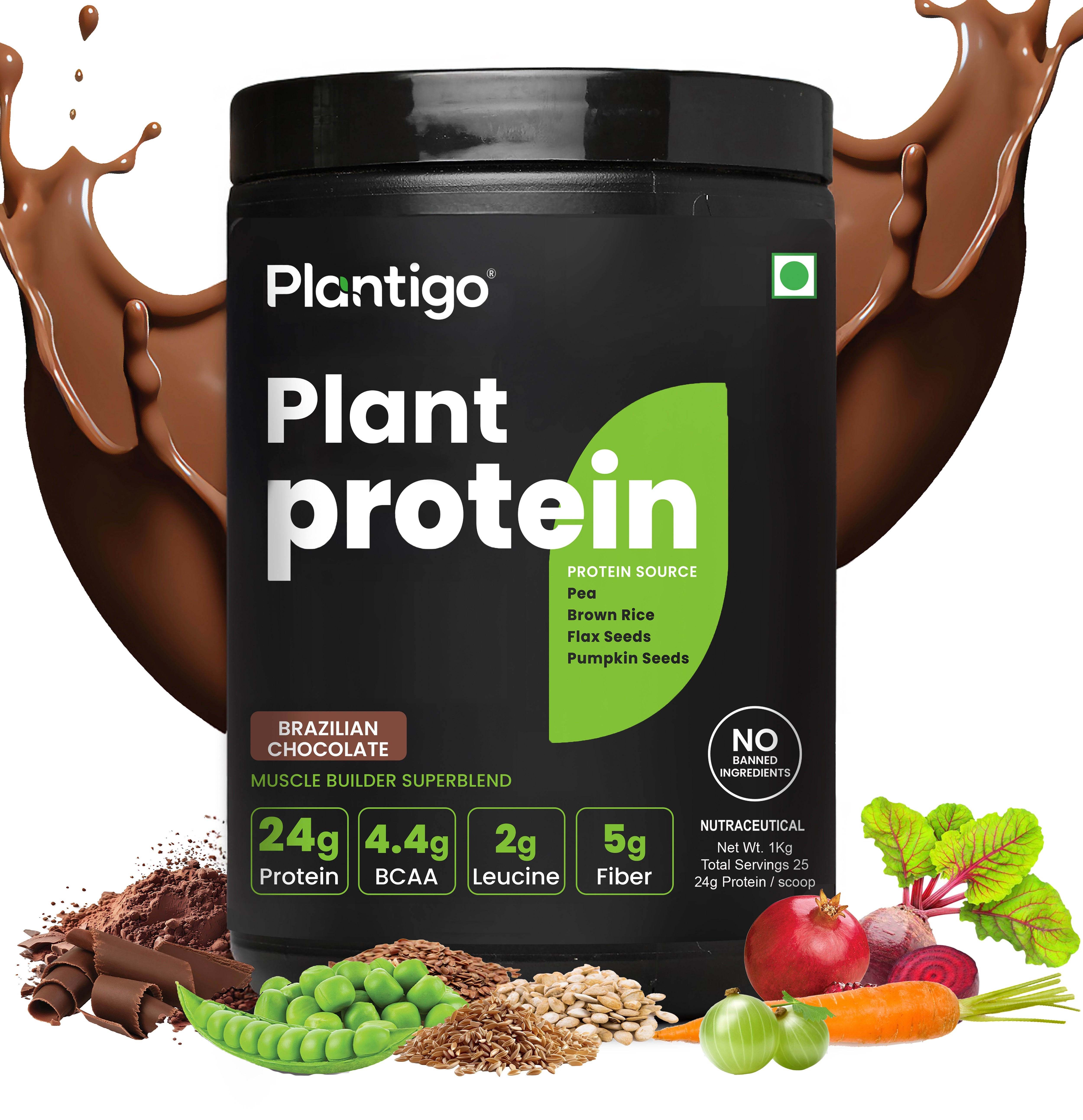
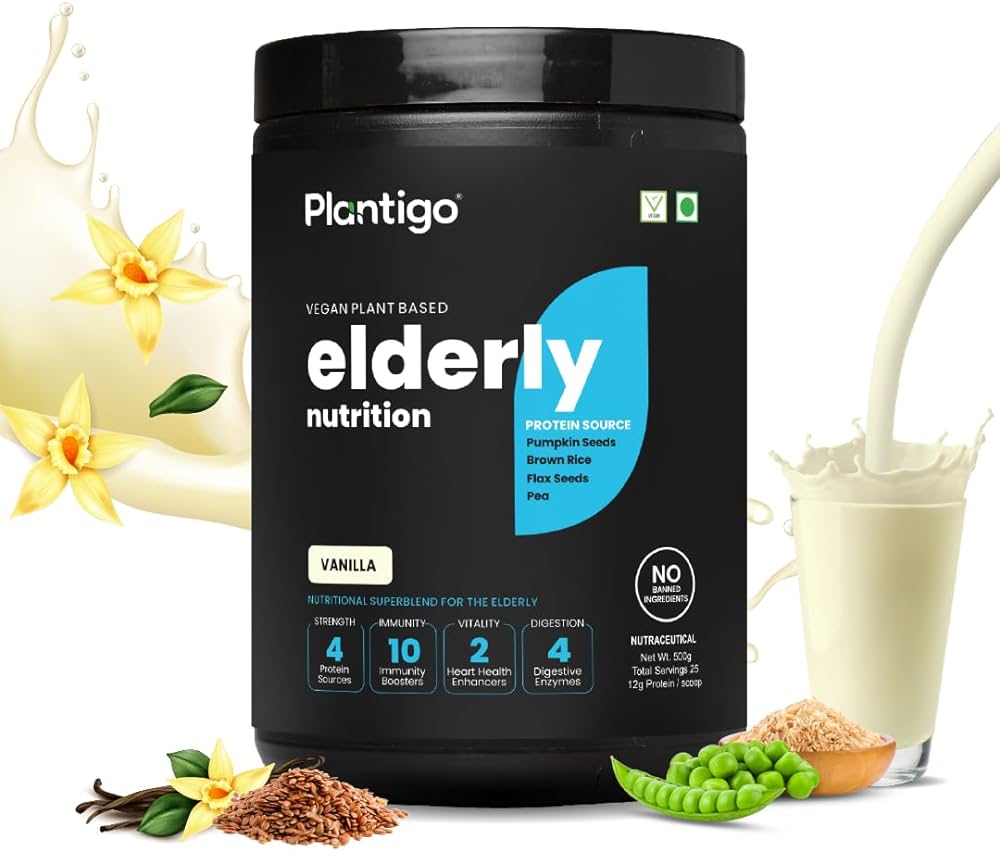
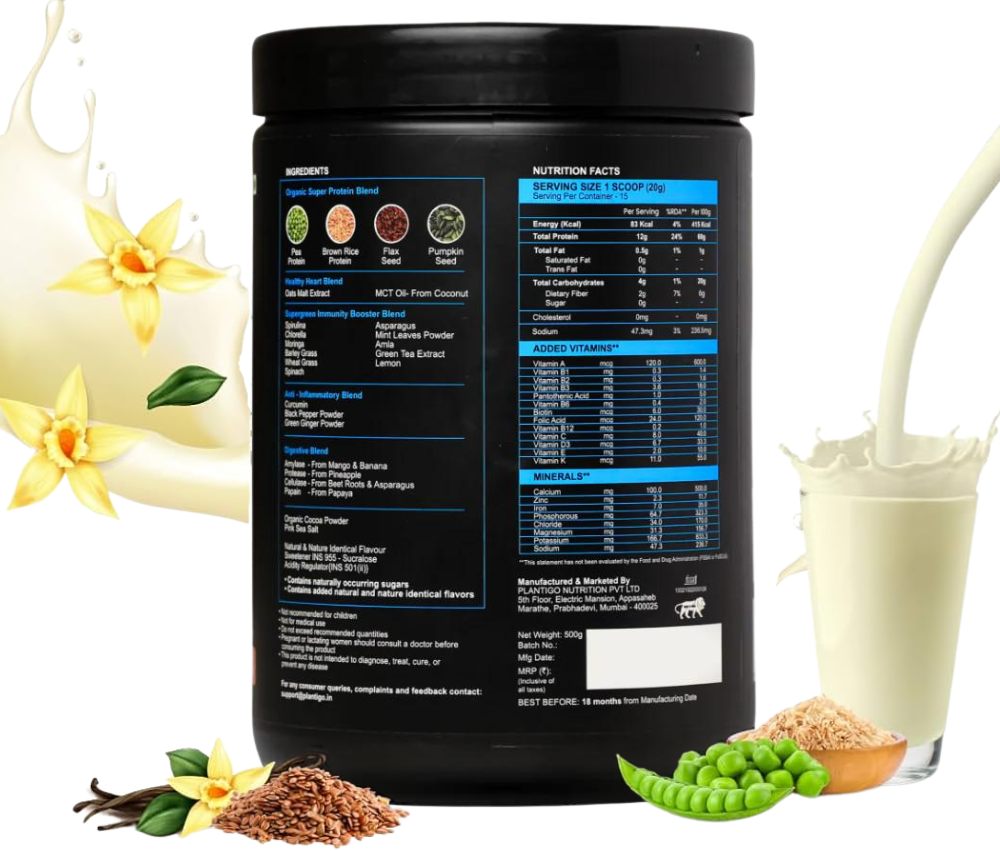
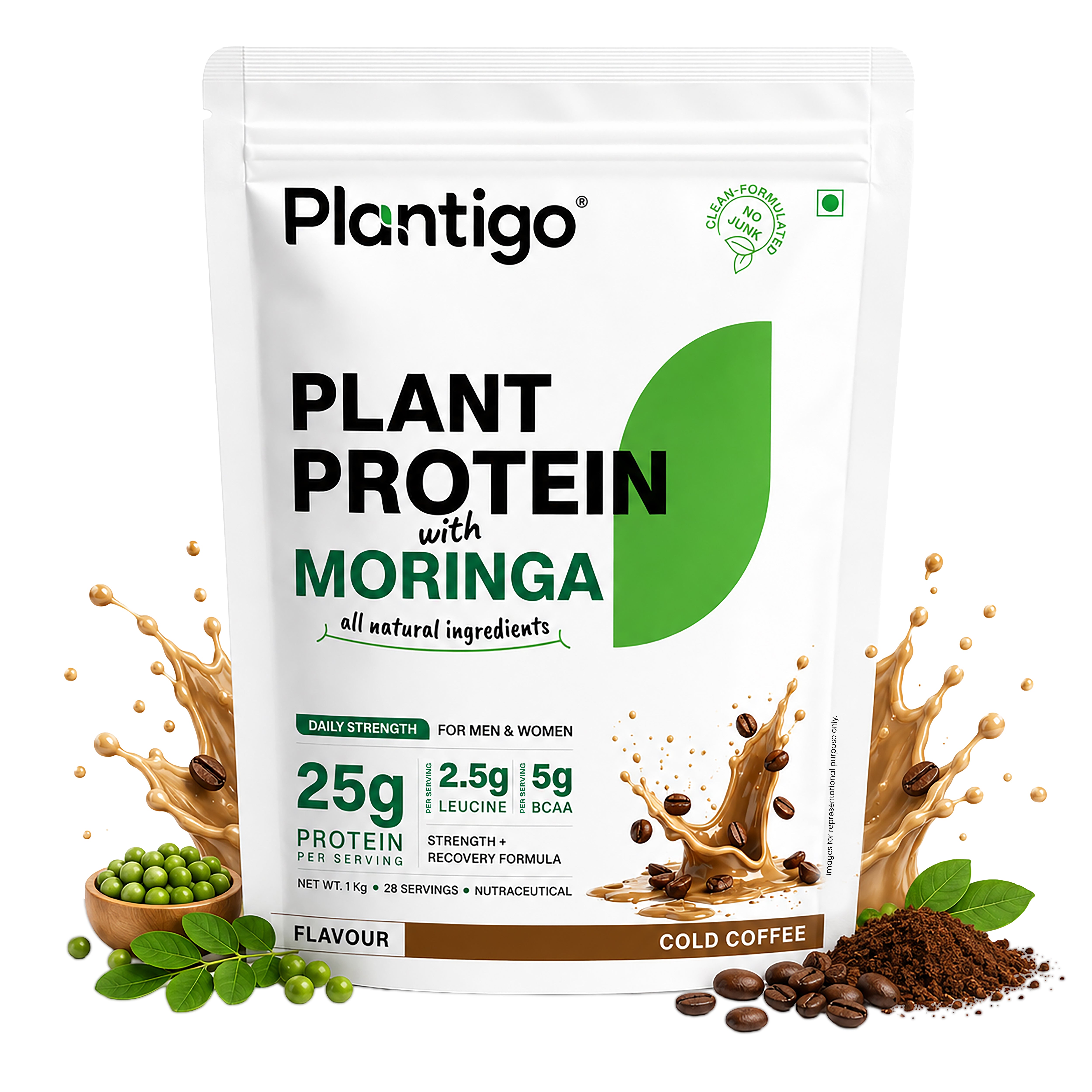
If ragi and dal together aren't closing your daily protein gap, Plantigo can help bridge it with a complete plant-based protein blend of Canadian Pea Isolate, Brown Rice, Pumpkin Seed, and Flaxseed — delivering all 9 essential amino acids without relying on dairy. With 4 digestive enzymes from real fruit, zero Class 2 preservatives, third-party Eurofins testing, and a 30-day taste guarantee, it is built for Indians who want clean, daily protein support.View Plantigo Plant-Based Protein
The Bottom Line
Ragi's protein content — 7.3g per 100g — is decent for a grain but not the reason to eat it. The reason is 344mg of calcium per 100g, 11.2g of fibre, 3.9mg of iron, and a GI of ~55 that makes it the most nutritionally complete grain available to the Indian kitchen at any price. For South Indians who are lactose intolerant, diabetic, anaemic, or managing bone health, ragi is irreplaceable as a daily staple.
On protein specifically: ragi contributes, but cannot lead. Paired with dal in traditional South Indian meal combinations, it becomes part of a complete protein meal. For the remaining daily protein gap — which dal and ragi together cannot close — a clean supplement is the practical bridge.
Frequently Asked Questions
1. How much protein is in ragi per 100g?
7.3g protein per 100g raw — higher than white rice (6.8g) but lower than wheat (10–12g) and bajra (11.6g), per ICMR-NIN IFCT 2017.
2. Is ragi high in protein?
No — 7.3g per 100g is moderate for a grain but not high-protein. Ragi's nutritional strength is calcium (344mg/100g), fibre (11.2g), and iron (3.9mg), not protein density.
3. Is ragi better than oats?
For calcium and iron, ragi wins decisively — 344mg vs 54mg calcium per 100g. Oats lead on protein (12–13g vs 7.3g) and beta-glucan fibre. For South Indians managing blood sugar or bone health, ragi is the better daily grain.
4. Is ragi heavy to digest?
No — ragi is easier to digest than wheat because it is gluten-free. Fermented preparations like ragi dosa and ambali further improve digestibility by reducing antinutrients.
5. Who should avoid ragi?
People with chronic kidney disease should limit ragi — its potassium (408mg/100g) and phosphorus (283mg/100g) can worsen kidney function. Those with oxalate kidney stones should also moderate consumption.
6. Does ragi have iron?
Yes — 3.9mg of iron per 100g, covering approximately 25% of a woman's 15mg daily requirement. Pairing ragi with vitamin C sources (tomato rasam, amla chutney) improves non-haem iron absorption.
7. Does ragi increase creatinine?
Not in healthy individuals at normal serving sizes (50–100g/day). For people with existing kidney disease, ragi's high potassium and phosphorus can stress kidneys — those with elevated creatinine must consult a nephrologist before eating ragi regularly.