What if one of the most powerful foods for blood sugar control was never new—just forgotten? Long before glucose charts and diet trends existed, certain grains were already doing the job silently. Blood sugar management today isn’t only about diabetes; it’s about steady energy, metabolic health, and preventing long-term damage caused by constant sugar spikes.
Among traditional Indian grains, one humble millet stands out—not because it’s trendy, but because it’s metabolically smart. Understanding the glycemic index of ragi explains why this ancient grain fits so effortlessly into modern nutrition science and balanced diets built around whole foods and plant protein.
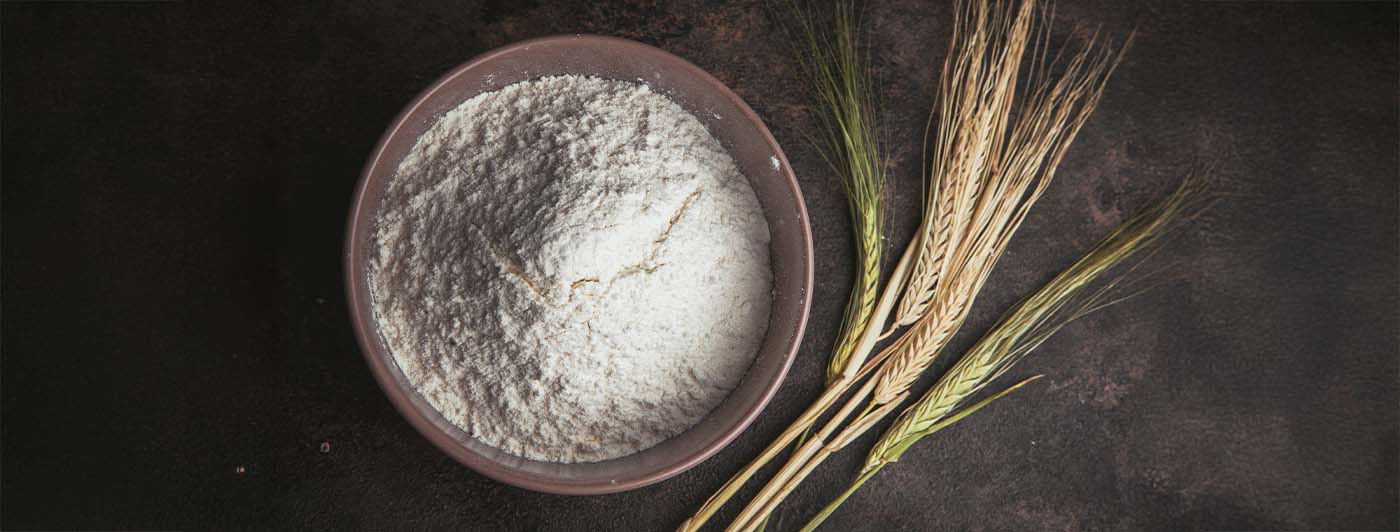
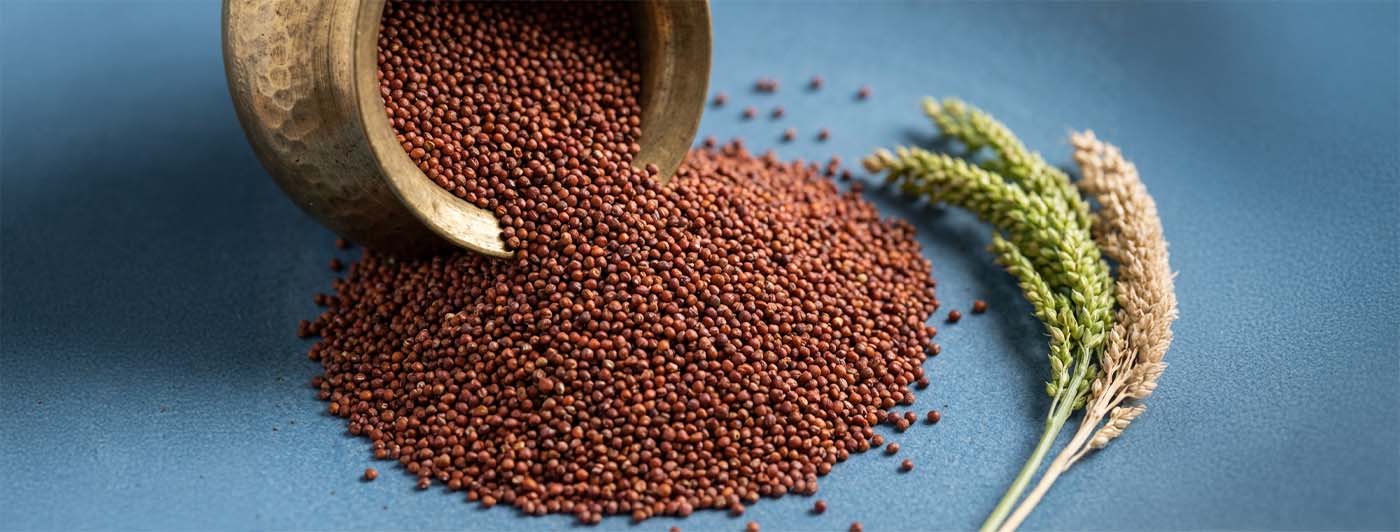
Known as finger millet, ragi has nourished generations with slow, sustained energy. Now, science is catching up—revealing why this age-old grain may be one of the most reliable choices for blood sugar balance today.
Why the Glycemic Index of Ragi Matters More Than You Think
Before diving into the reasons, it helps to pause and understand why the glycemic index of ragi deserves attention. The glycemic index (GI) measures how quickly carbohydrates in food raise blood glucose levels. Foods with a lower GI release glucose slowly, preventing sudden spikes and crashes. A classic human study comparing whole finger millet (ragi) diets to high-GI carbohydrate meals found that finger millet led to significantly lower plasma glucose levels and reduced peak glucose response—largely due to its high fiber and complex carbohydrate structure, which slows digestion and absorption.
Ragi’s carbohydrate structure, fiber content, and micronutrient profile work together to produce a uniquely steady glucose response—something that refined grains simply cannot replicate.
9 Reasons Why the Glycemic Index of Ragi Makes It The Ideal Choice
1. Slow Blood Sugar Release
One of the strongest advantages of ragi lies in its complex carbohydrate matrix. Unlike refined wheat or polished rice, ragi digests slowly, releasing glucose in a controlled manner. This gradual digestion is central to the glycemic index of ragi, which remains lower than many common staples when prepared traditionally.
This means fewer insulin spikes, reduced hunger pangs, and more predictable energy throughout the day—especially beneficial for people with insulin resistance.
2. High Fiber Advantage
Fiber is nature’s blood sugar regulator, and ragi contains it in abundance. Soluble fiber slows gastric emptying, while insoluble fiber improves gut motility. Together, they form a natural barrier that delays glucose absorption and helps prevent sudden glucose spikes.

This fiber-driven effect significantly contributes to the glycemic index of ragi, ensuring that carbohydrates are absorbed at a pace your body can handle comfortably—especially when ragi is part of balanced meals that may also include whole foods or a clean plant based protein powder for added nutritional support.
3. Better Insulin Response
Ragi is rich in polyphenols—bioactive compounds known for their antioxidant properties. These compounds reduce oxidative stress, which is closely linked to insulin resistance.
By improving cellular response to insulin, ragi indirectly supports better glucose uptake, reinforcing the metabolic advantage behind the glycemic index of ragi.
4. Low Glycemic Load
Glycemic load considers both the quality and quantity of carbohydrates. Even though ragi is carbohydrate-dense, its impact per serving remains modest due to slow digestion and fiber content.
This is why meals containing ragi often feel satisfying without causing post-meal sluggishness—a practical outcome of the glycemic index of ragi working in real life, not just on paper.
5. Magnesium Benefit
Magnesium plays a crucial role in carbohydrate metabolism and insulin signaling. Ragi is naturally rich in this mineral, which helps enzymes involved in glucose breakdown function efficiently.
Adequate magnesium intake is often overlooked, even though people obsess over data points like protein in 100 gm moong dal or rajma 100 gm protein. Ragi quietly contributes by supporting the metabolic machinery behind stable blood sugar.
6. Fermentation Effect
Traditional ragi preparations—such as fermented batters and porridges—enhance mineral absorption and further reduce glucose spikes. Fermentation partially breaks down starches, making them easier to digest while preserving fiber.
This traditional wisdom further optimizes the glycemic index of ragi, proving that preparation methods matter just as much as the grain itself.
7. Naturally Gluten-Free
Chronic low-grade inflammation worsens insulin resistance. Since ragi is naturally gluten-free, it is gentler on the gut for many individuals, reducing inflammatory responses linked to poor glucose control.
Compared to highly processed foods containing additives or even class 2 preservatives side effects that disrupt gut health, ragi remains clean, simple, and biologically compatible.
8. Supports Balanced Meals
Blood sugar stability depends on balanced meals, not carb elimination. Ragi pairs well with legumes, vegetables, and dairy alternatives, allowing flexibility in meal planning.
While discussions often revolve around 100 gm oats nutrition or the role of supplements like pea protein powder, ragi offers a whole-food foundation that supports steady glucose without overcomplicating nutrition strategies.
9. Longer Satiety
Ragi is dense, earthy, and filling. It naturally slows eating pace, increases satiety hormones, and reduces mindless snacking—an underrated benefit for blood sugar control.
This satiety factor ties back once again to the glycemic index of ragi, as slower eating and digestion work together to maintain glucose equilibrium over longer periods.
How Ragi Fits into a Modern, Balanced Diet
Modern nutrition often swings between extremes—obsessing over numbers like a protein intake calculator, debating the merits of plant based protein powder, or searching lists of b12 vegetables and fruits. While these tools have their place, foundational foods like ragi create the metabolic base where everything else works better by stabilizing blood sugar first.
Ragi complements plant protein sources naturally, supporting glucose control while allowing flexibility across dietary patterns without depending on ultra-processed foods. Instead of replacing meals, ragi works as a whole-food anchor that improves overall nutrient utilization.
Easy Ways to Add Ragi to Your Diet

-
Ragi porridge for breakfast with nuts or seeds for steady energy
-
Ragi rotis or dosas paired with lentils and vegetables
-
Mixed-grain batters using ragi in idlis or pancakes
-
Fermented or sprouted ragi for better digestion and mineral absorption
Used this way, ragi strengthens modern nutrition strategies by creating a stable blood sugar foundation that supports long-term metabolic health.
Why Science and Tradition Finally Agree
What makes ragi fascinating is not just tradition or science alone—it is where both intersect. Long before glycemic research existed, ragi was fed to laborers, children, and elders because it sustained energy without exhaustion.
Today, the glycemic index of ragi provides scientific validation for what traditional diets have long recognized. Numerous nutritional reviews report that finger millet has a low glycemic response and high dietary fiber, which together help regulate blood glucose levels more effectively than refined grains. This slow, steady glucose release aligns perfectly with ancestral eating patterns that valued sustained energy without rapid sugar peaks.
By uniting ancestral wisdom with modern glycemic science, ragi stands out as a metabolic ally—offering stable energy and balanced glucose control in ways both old and new nutrition frameworks can appreciate.
Final Thoughts
In a world chasing shortcuts and quick fixes, ragi stands quietly confident. Its impact on blood sugar isn’t accidental—it’s the result of fiber, minerals, antioxidants, and time-tested preparation methods working in natural harmony.
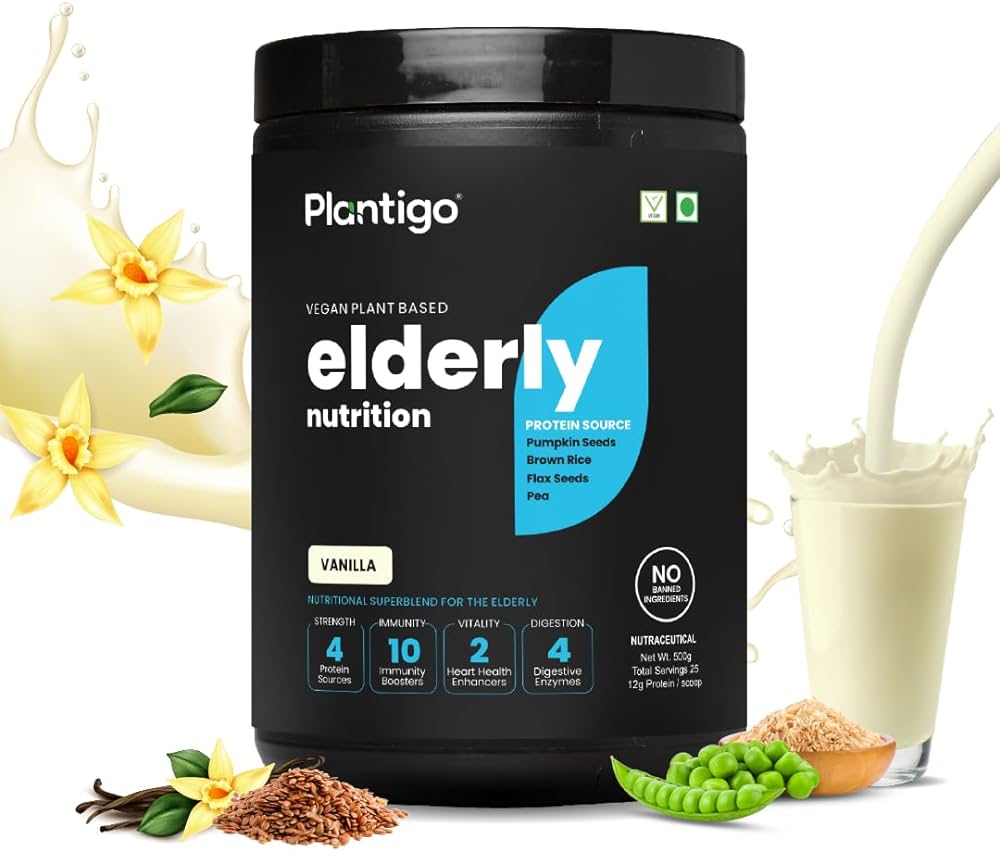
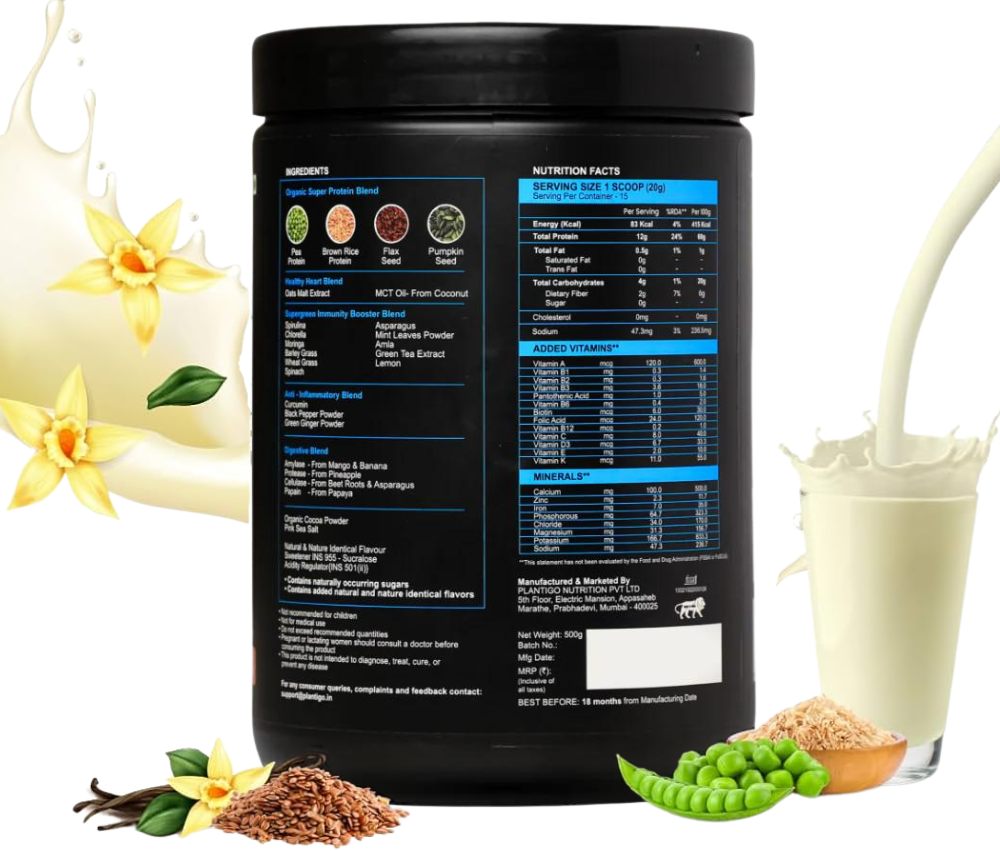
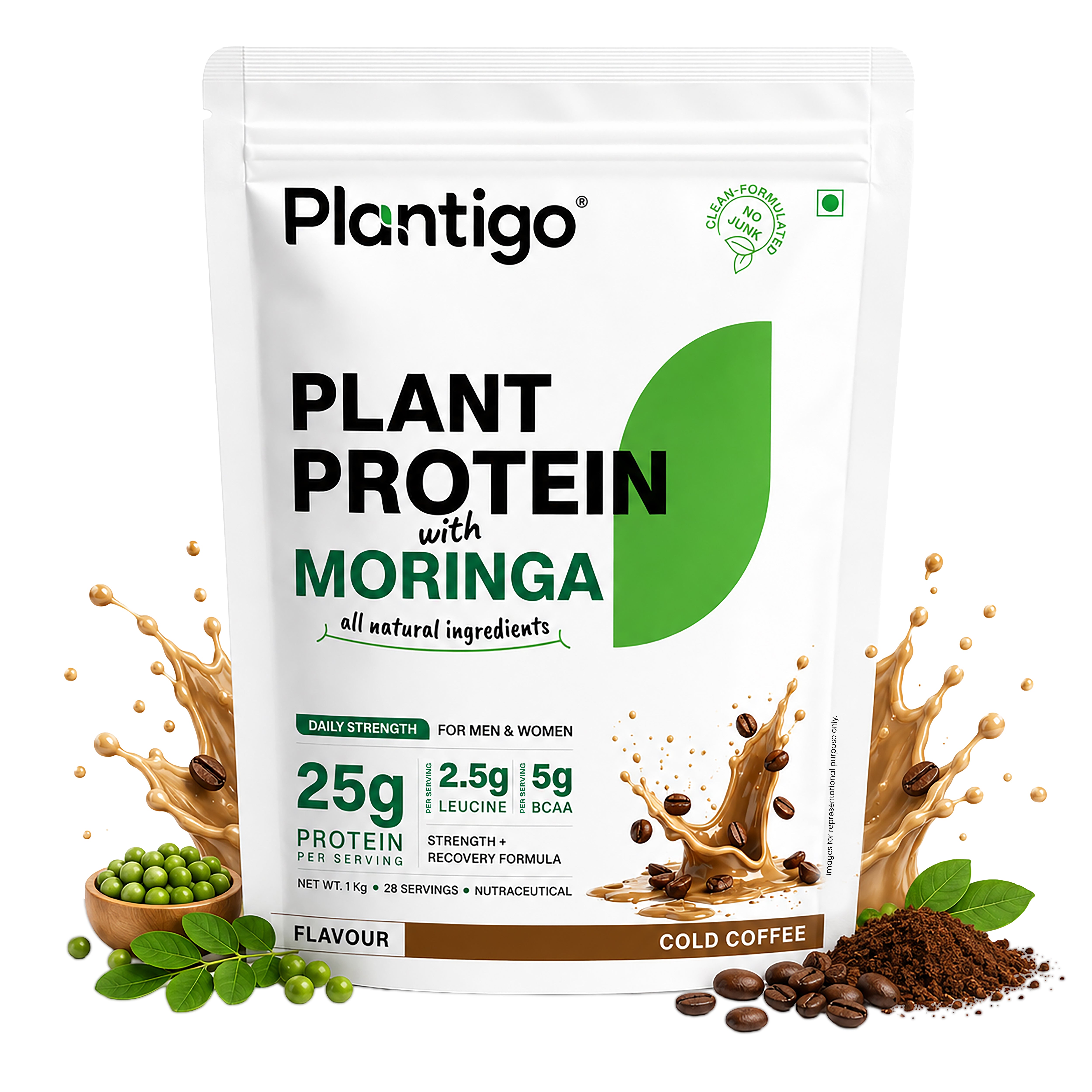
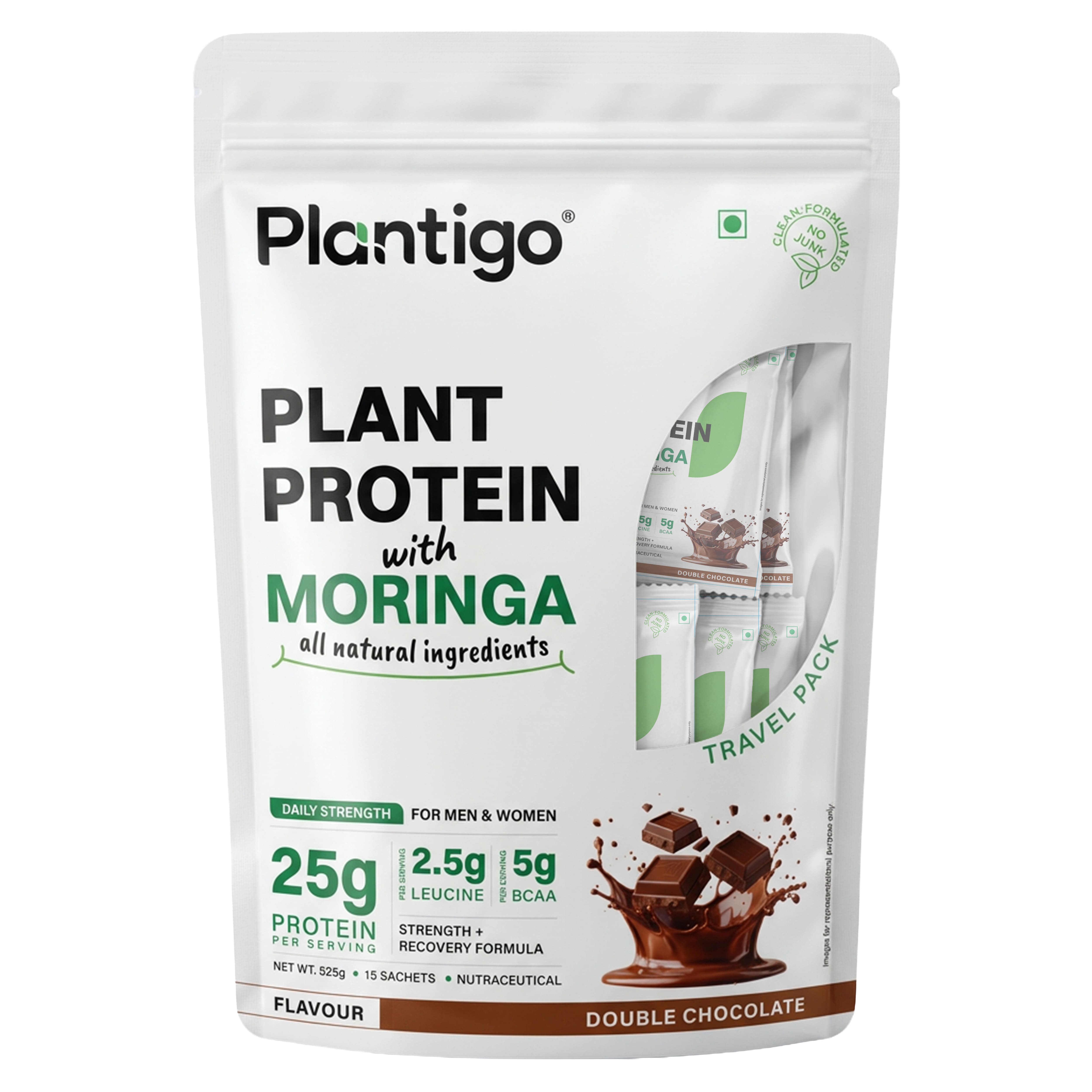
The glycemic index of ragi is more than a nutritional number; it’s a reminder that real metabolic stability comes from whole foods designed to work with the body, not against it. When paired with clean sources of Plantigo plant protein, ragi forms the foundation of meals that support steady energy and balanced glucose levels.
If blood sugar control and sustained energy matter to you, ragi isn’t a trend to try—it’s a staple to return to. Start small. Add ragi to one meal this week, and observe how your energy levels and hunger patterns change.
Frequently Asked Questions (FAQs)
1. Is ragi good for blood sugar control?
Yes, ragi is considered good for blood sugar control because it digests slowly and releases glucose gradually. Its high fiber content and low glycemic response help prevent sudden sugar spikes.
2. What is the glycemic index of ragi compared to rice or wheat?
The glycemic index of ragi is generally lower than polished white rice and refined wheat products, especially when ragi is cooked traditionally or fermented. This makes it a better option for stable energy.
3. Can people with diabetes eat ragi daily?
In moderation, ragi can be included daily by people with diabetes. Portion size, preparation method, and overall meal balance play an important role in maintaining healthy blood sugar levels.
4. Does ragi keep you full for longer?
Yes, ragi is rich in dietary fiber and complex carbohydrates, which increase satiety and slow digestion. This helps reduce frequent hunger and supports better appetite control.
5. What is the best way to eat ragi for blood sugar balance?
Ragi is best consumed in whole or minimally processed forms—such as porridge, rotis, dosas, or fermented preparations—paired with vegetables or protein-rich foods for optimal blood sugar stability.