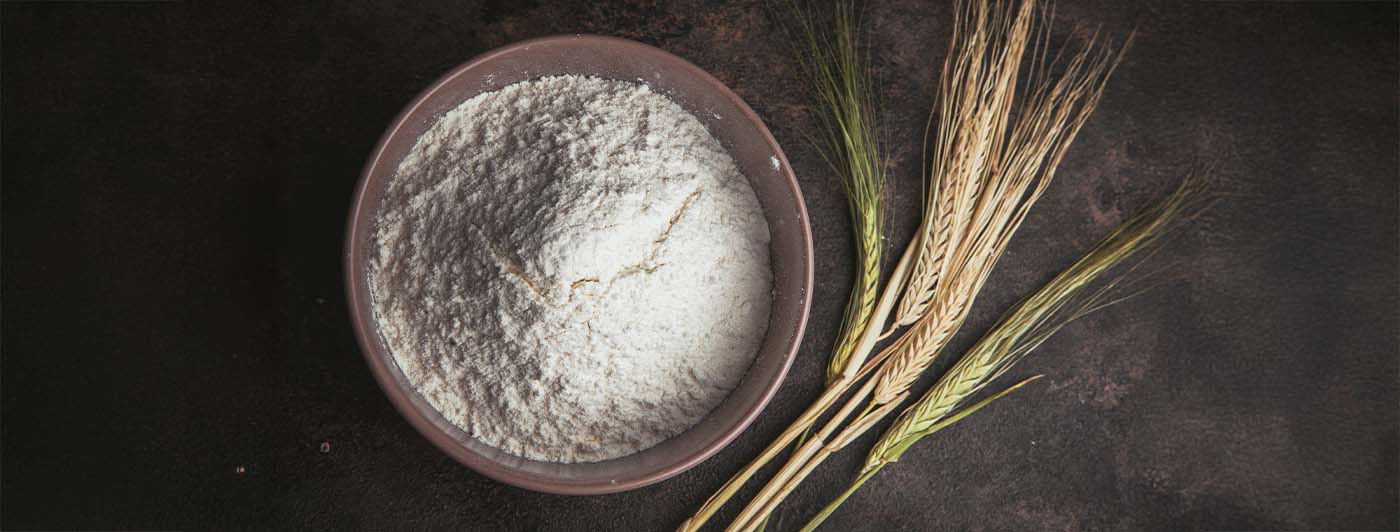
Have you ever noticed how the same roti can sometimes keep you satisfied for hours—and at other times leave you hungry soon after? The reason often has less to do with portion size and more to do with how your body processes wheat. Wheat flour is one of the most commonly consumed staples in Indian and global diets. From rotis and breads to cakes and cookies, it quietly forms the foundation of everyday meals—yet its effect on blood sugar and metabolism is widely misunderstood.
That’s where the glycemic index of wheat flour becomes an essential concept. This single factor can explain energy crashes, sudden cravings, and why pairing wheat-based foods with fiber or sources of plant protein can completely change how your body responds.
In this article, we’ll uncover nine lesser-known facts that reveal what really happens after you eat wheat flour. Each insight builds on the last—so by the end, you’ll start looking at this everyday ingredient in a very different way.
What Does the Glycemic Index of Wheat Flour Really Tell You?
Before we jump into the facts, let’s clarify why the glycemic index of wheat flour matters in the first place. The glycemic index (GI) measures how quickly a carbohydrate-containing food raises blood glucose levels after consumption. Foods are ranked on a scale of 0–100, with higher numbers indicating faster and sharper blood sugar spikes.
When it comes to wheat flour, the GI isn’t just a number—it’s a metabolic story shaped by processing, structure, and digestion. In fact, a clinical trial found that adults with type 2 diabetes experienced significantly lower post-meal glucose responses and overall glycemic variability when consuming less-processed whole grains rather than finely milled grains, even though the foods had similar macronutrient profiles. This suggests that particle size and processing—just like in wheat flour—play a key role in how your body handles glucose.
This scientific insight helps explain why two seemingly similar wheat-based foods can produce very different blood sugar effects—and why simply knowing the glycemic index of wheat flour doesn’t tell the whole story without considering processing and food structure.
Top 9 Key Facts About the Glycemic Index of Wheat Flour

1. High Glycemic Index of Wheat Flour
One of the most surprising truths about the glycemic index of wheat flour is that it is relatively high compared to many traditional whole foods. Refined wheat flour (maida) often has a GI ranging between 70–85, placing it firmly in the high-GI category.
This means foods made from refined flour can cause rapid glucose spikes, followed by crashes that leave you hungry again sooner than expected. This rollercoaster effect is why wheat-based processed foods are often linked to overeating and energy dips.
2. Whole Wheat Flour Has Moderate GI
Many people switch to whole wheat flour assuming it’s automatically blood-sugar friendly. While it’s nutritionally superior, the glycemic index of wheat flour in its whole form still sits in the moderate range (around 60–70).
Why? Even though the bran and germ add nutrients, the starch structure of wheat remains easy to digest once ground into flour. This makes whole wheat flour better than refined flour, but not the lowest-GI option available.
3. Fine Milling Raises Wheat Flour GI
Here’s a lesser-known fact: the finer the flour, the higher the glycemic index of wheat flour tends to be. Finely milled flour exposes more surface area to digestive enzymes, accelerating glucose absorption.
Stone-ground or coarsely milled wheat flour digests more slowly, leading to a gentler blood sugar response. This is one reason traditional milling methods often produced healthier staples than modern ultra-refined flours.
4. Fiber Lowers Wheat Flour GI
Fiber is one of the strongest moderators of the glycemic index of wheat flour. When wheat flour retains more natural fiber, digestion slows down, resulting in steadier glucose release.
Pairing wheat-based meals with fiber foods like vegetables, seeds, and legumes further improves blood sugar control. Fiber acts like a traffic signal for glucose—slowing its entry into the bloodstream and reducing insulin spikes.
5. Protein Reduces Wheat Flour GI Impact
Protein has a remarkable ability to blunt blood sugar spikes. While wheat flour itself is carb-heavy, combining it with protein-rich foods can lower the effective glycemic index of wheat flour in a meal.
For example, adding curd, lentils, or even paneer (for reference, many people look up paneer protein per 100g when balancing meals) can help stabilize glucose levels. The same principle applies when meals include legumes such as rajma, often compared by checking protein in rajma per 100g.
6. Vitamin C Helps Lower Wheat Flour GI
Micronutrients also play a subtle but important role. Foods rich in antioxidants and acids can reduce the speed of carbohydrate digestion. Adding foods containing vit c—like lemon, amla, or bell peppers—to wheat-based meals can slightly lower the glycemic response.
A squeeze of lemon over a roti or vegetables isn’t just about taste; it’s also about smarter glucose management.
7. Cooking Changes Wheat Flour GI
The glycemic index of wheat flour isn’t fixed—it changes with cooking methods. Overcooking breads and rotis gelatinizes starch, increasing digestibility and GI. On the other hand, cooling cooked wheat products can form resistant starch, which digests more slowly.
This explains why leftover rotis or breads, when reheated gently, may have a slightly lower glycemic effect than freshly made ones.
8. Meal Pairing Affects Wheat Flour GI
Looking at the glycemic index of wheat flour in isolation can be misleading. What truly matters is the overall meal context—fat content, protein, fiber, and even meal timing.
A balanced plate that includes vegetables, healthy fats, and protein sources—whether from dairy, legumes, or vegetarian protein sources—will have a dramatically different impact compared to eating wheat flour alone.
This is also where interest in alternatives grows, such as plant protein options or ancient grains. For instance, comparisons often bring up quinoa nutrition, which highlights its lower GI and superior amino acid profile.
9. Wheat Flour GI Varies by Person
Perhaps the most overlooked fact is that individual responses vary. Age, muscle mass, insulin sensitivity, and lifestyle all influence how your body reacts to wheat flour. Two people can eat the same roti and experience very different blood sugar responses.
This is why tools like a protein intake calculator and continuous glucose monitoring are gaining popularity—they help personalize nutrition rather than relying on averages.

Some people also explore balanced supplements like pea protein powder or a neutral plant based protein powder to support satiety and muscle health without adding extra refined carbs.
Putting It All Together: The Bigger Picture
Understanding the glycemic index of wheat flour isn’t about fear or elimination—it’s about awareness. Wheat flour can absolutely be part of a healthy diet when consumed mindfully, combined with fiber, protein, and micronutrients.
Scientific evidence supports this balanced approach. A review highlights that the glycemic response of carbohydrate-rich foods is significantly influenced by overall meal composition, particularly the presence of dietary fiber, protein, and fats. The study emphasizes that mixed meals produce lower post-meal glucose spikes compared to carbohydrate-dominant meals eaten in isolation.
Instead of asking, “Is wheat flour good or bad?” a better question is: How am I eating it, how often, and with what? When you approach wheat flour with this mindset, you move from restriction to intelligent nourishment.
Final Takeaway
The glycemic index of wheat flour is neither a fixed villain nor a health hero—it’s a variable shaped by processing, preparation, and smart food pairing. By understanding these nine key facts, you gain real control over how wheat-based foods influence your energy levels, metabolic health, and long-term well-being.
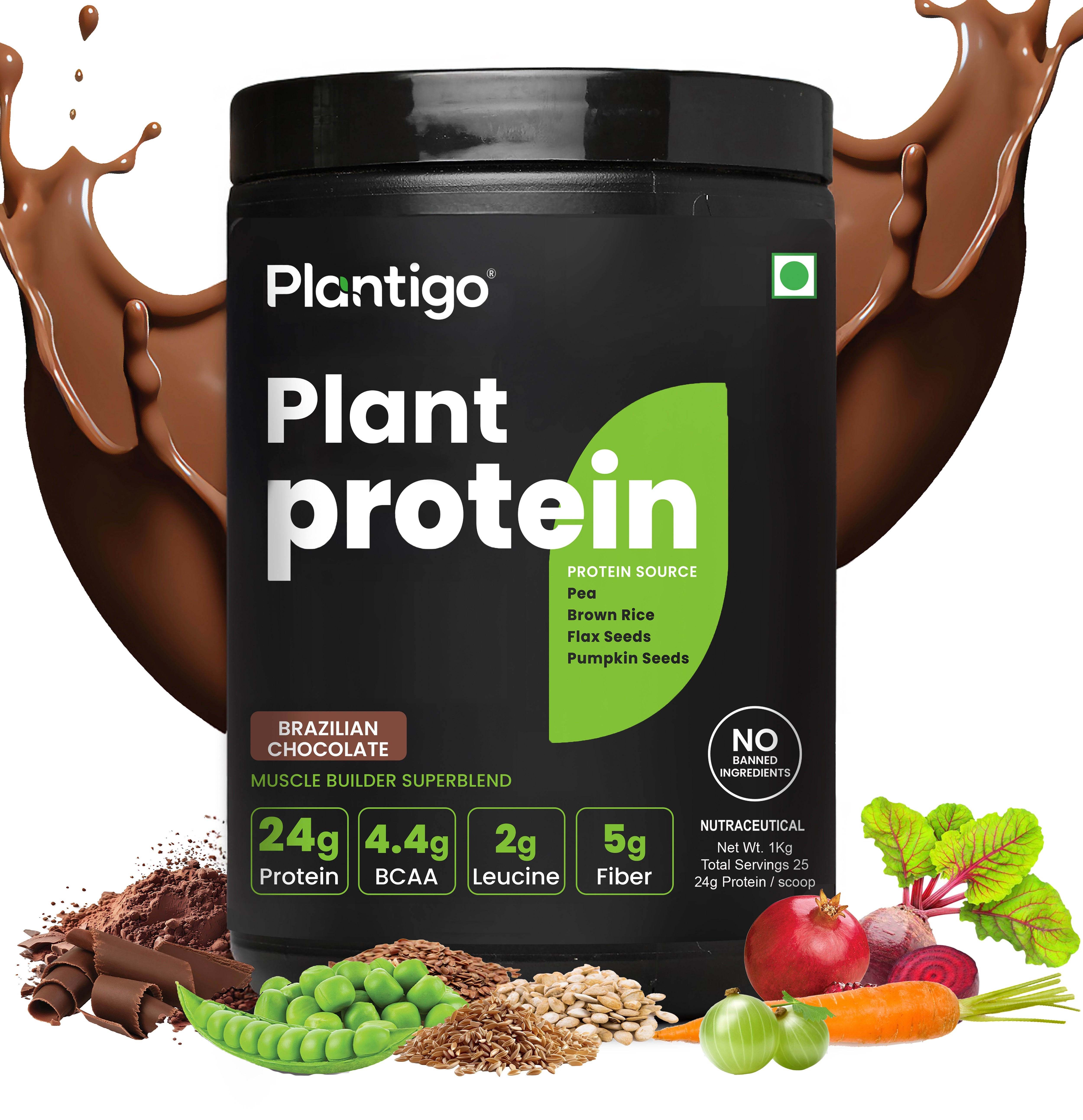
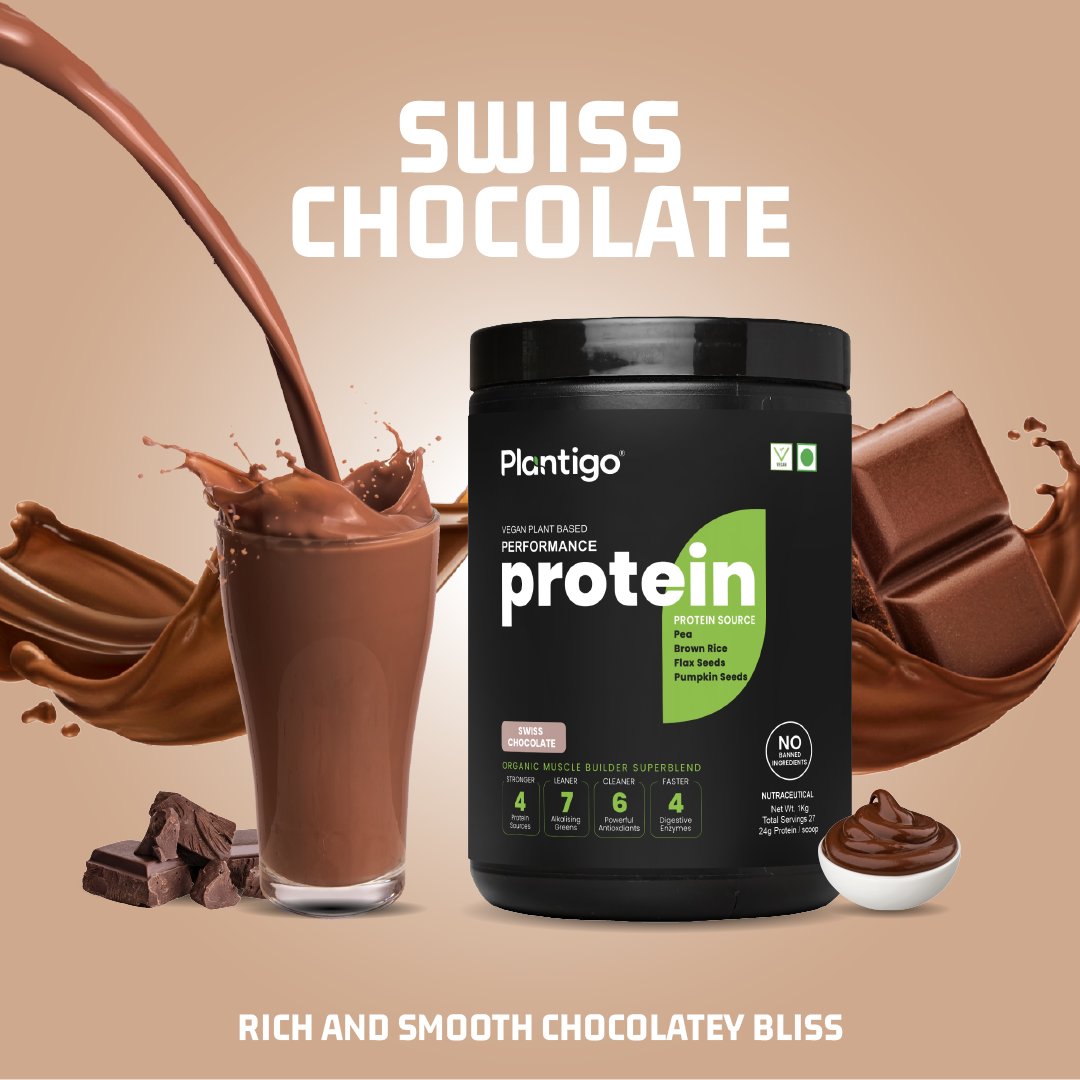
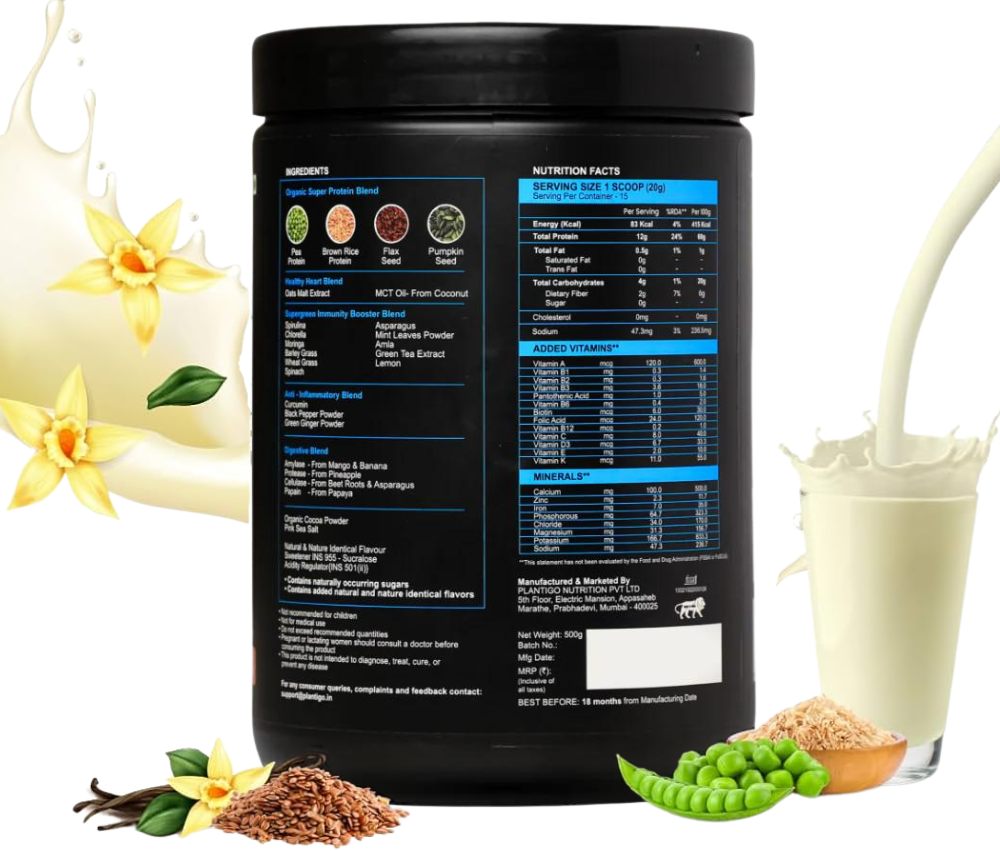
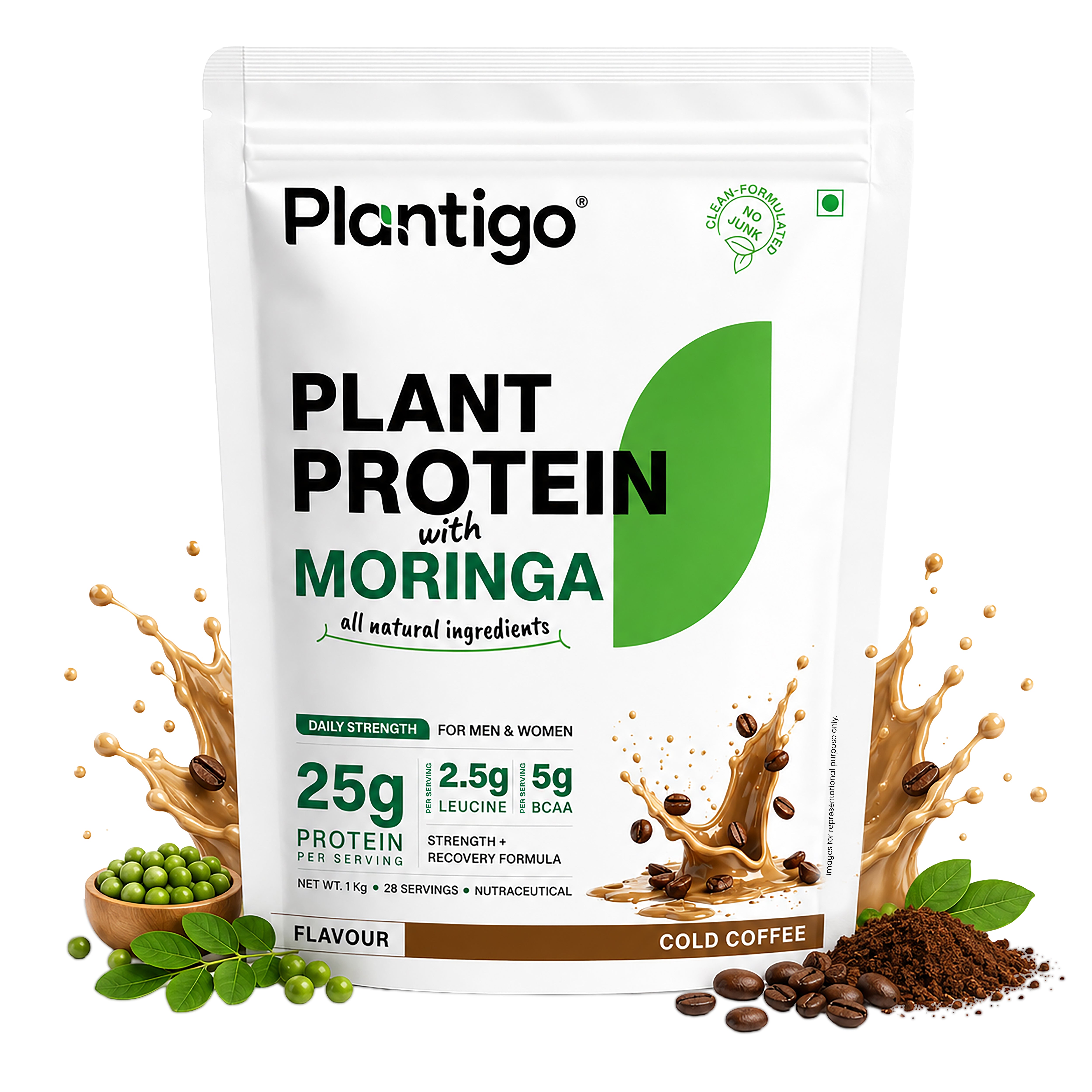
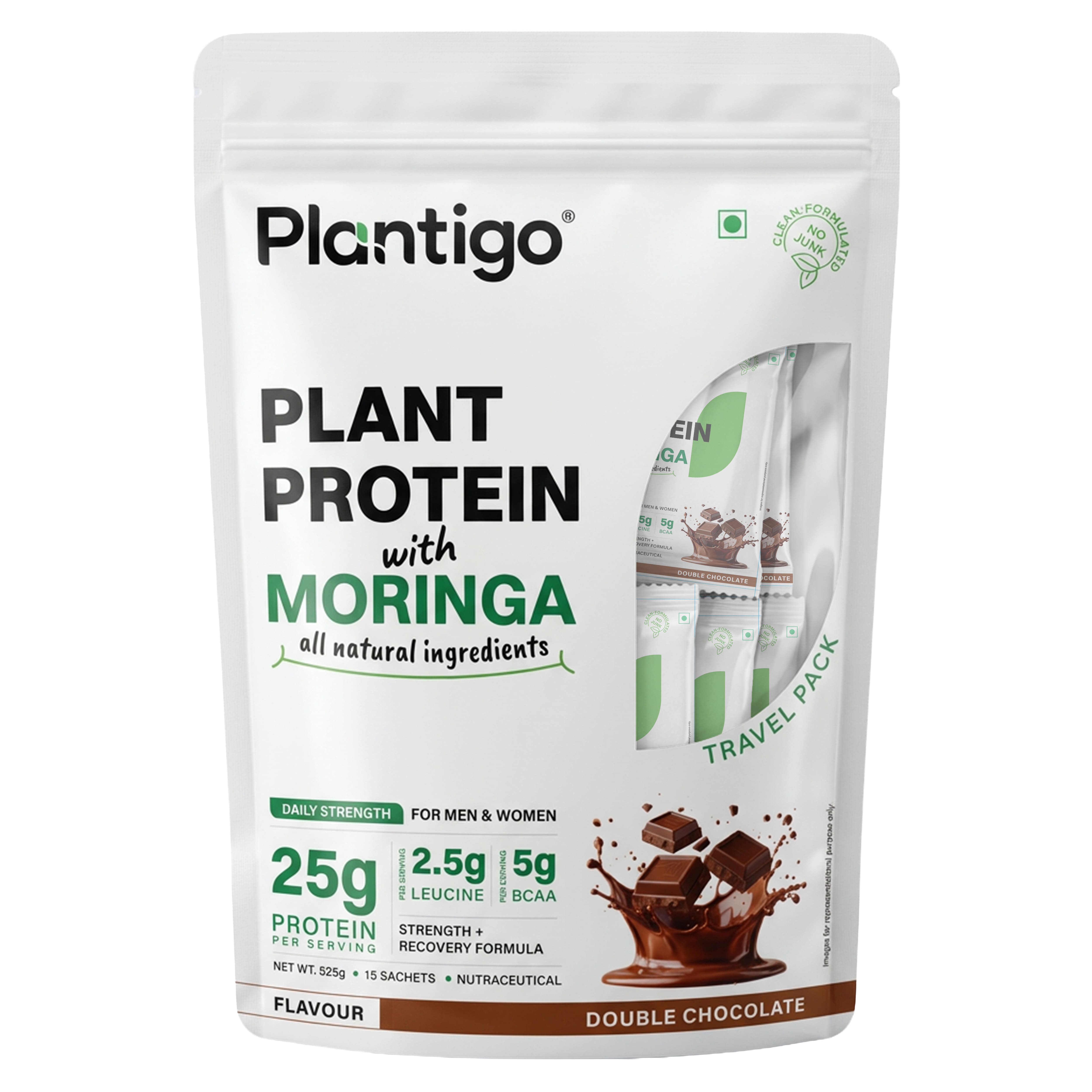
When you start noticing these nuances, every meal becomes an opportunity—not just to eat, but to eat wisely. Pairing wheat-based foods with fiber-rich vegetables or a quality source of plant protein—such as Plantigo plant protein—can help support steadier blood sugar responses and longer-lasting satiety without drastically changing what you eat.
The real shift happens with awareness. Instead of cutting foods out, begin building better plates. Notice how combinations affect your energy, hunger, and focus—and refine them over time.
Start with your next meal. Observe how your body responds, make small improvements, and let informed choices—not restriction—shape your everyday nutrition.
Frequently Asked Questions
1. What is the glycemic index of wheat flour?
The glycemic index of wheat flour generally ranges from 60 to 85. Refined wheat flour is higher on the scale, while whole wheat flour usually falls in the moderate GI range.
2. Is whole wheat flour better than refined wheat flour?
Yes, whole wheat flour is nutritionally better because it contains more fiber and micronutrients. However, it still has a moderate glycemic index, so portion size and food pairing remain important.
3. Does wheat flour raise blood sugar quickly?
Wheat flour can raise blood sugar, especially when refined or eaten alone. Pairing it with fiber, protein, or healthy fats helps slow digestion and reduce glucose spikes.
4. Can cooking affect the glycemic index of wheat flour?
Yes, cooking methods matter. Overcooking wheat-based foods can increase GI, while cooling and gently reheating them may lower the glycemic impact by forming resistant starch.
5. Can wheat flour be eaten daily as part of a healthy diet?
Yes, wheat flour can be eaten daily when consumed mindfully. Combining it with vegetables, protein, and healthy fats helps support better blood sugar control and sustained energy.