
What if a fruit you’ve eaten your entire life was quietly influencing your skin health, hair strength, and fat metabolism—without you ever noticing?
Pineapple is often treated as a tropical indulgence—sweet, juicy, and refreshing. But behind its sunny flavour lies a surprisingly complex nutritional profile that supports skin clarity, digestion, metabolic balance, and hair health. When you begin to explore the benefits of pineapple, it becomes clear this fruit is far more than a dessert ingredient.
What makes pineapple unique isn’t just its vitamins, but how its enzymes, antioxidants, and minerals work together in the body. Its natural enzyme bromelain aids digestion and recovery, while vitamin C supports collagen formation. These effects are even more effective when pineapple is part of balanced meals that include fibre and plant protein, helping the body use nutrients more efficiently.
From supporting collagen production to assisting fat metabolism, pineapple plays roles most people never associate with daily health. Let’s explore nine science-backed, lesser-known ways it can support your skin, hair, and weight goals—one layer at a time.
Why Nutritionists Are Talking About the Benefits of Pineapple More Than Ever
In modern nutrition, the focus has shifted toward functional foods—ingredients that do more than provide calories. Pineapple fits beautifully into this category. Rich in vitamin C, manganese, fibre, and a unique enzyme called bromelain, pineapple delivers effects that extend beyond basic nourishment.
One of the most talked-about benefits of pineapple is its ability to reduce inflammation while supporting digestion and tissue repair. Bromelain, the naturally occurring proteolytic enzyme in pineapple, has been studied for its anti-inflammatory and digestive-support properties. Scientific research highlights bromelain’s role in modulating inflammatory pathways and supporting tissue healing, reinforcing pineapple’s status as a functional food rather than just a source of natural sugars.
Before diving into the specific benefits, it helps to remember this: pineapple works best when consumed fresh, ripe, and in moderation, as part of a balanced eating pattern.
Top 9 Surprising Benefits of Pineapple
1. Boosts Skin Collagen
Collagen is the structural protein that keeps skin firm and elastic. Vitamin C is essential for collagen synthesis, and pineapple happens to be one of the richest natural sources.
Among the lesser-known benefits of pineapple is how its vitamin C content supports fibroblast activity—the cells responsible for producing collagen and elastin. This makes pineapple particularly useful for improving skin texture and slowing visible signs of ageing.
Interestingly, people who already consume other skin-supportive foods—such as those exploring the benefits of chia seeds in water for skin or the benefits of eating papaya for skin—often notice even better results when pineapple is included regularly.
2. Reduces Skin Inflammation
Chronic, low-grade inflammation is a hidden driver of acne, pigmentation, and uneven skin tone. Bromelain, the enzyme found almost exclusively in pineapple, has been studied for its anti-inflammatory properties.
One of the standout benefits of pineapple is bromelain’s ability to support the body’s natural inflammatory response without suppressing it aggressively. This balance is important for skin healing, especially after breakouts or environmental stress.
Regular intake may help calm redness, reduce puffiness, and support clearer-looking skin over time.
3. Improves Digestion
Good digestion is often the missing link in weight management. Bromelain assists in breaking down proteins, which reduces digestive strain and improves nutrient absorption.
Among the metabolic benefits of pineapple, improved digestion stands out because it indirectly influences appetite control, energy levels, and fat storage. When digestion is efficient, the body is less likely to hold on to excess weight due to inflammation or bloating.
This is particularly helpful for individuals following a structured eating approach, such as a diet plan for weight loss for female where hormonal balance and gut health play major roles.
4. Supports Fat Burning
Pineapple is low in calories but rich in compounds that assist metabolic processes. Its manganese content plays a role in carbohydrate and fat metabolism, helping the body convert food into usable energy.
One of the practical benefits of pineapple is that it allows you to add sweetness and satiety without relying on processed sugars—making it easier to stay consistent with long-term weight goals.
This makes pineapple an excellent addition to meals built around wholesome foods, where nutrient density matters more than calorie restriction.
5. Promotes Hair Growth
Hair follicles are among the most metabolically active structures in the body. They require a steady supply of antioxidants and minerals to remain strong.
Another underrated benefits of pineapple lies in its contribution to scalp health. Vitamin C supports iron absorption, while antioxidants protect hair follicles from oxidative stress—two factors directly linked to hair thinning.
When paired with a balanced intake of minerals from foods that contain selenium, pineapple helps create an internal environment that supports healthier hair growth cycles.
6. Reduces Bloating
Weight fluctuation isn’t always about fat—it’s often about water retention. Pineapple’s potassium content helps regulate sodium balance, reducing bloating and puffiness.
One of the more subtle benefits of pineapple is how it supports lymphatic drainage and fluid balance, making it especially useful during travel, hormonal shifts, or periods of high salt intake.
This benefit often goes unnoticed because the effect feels “lighter” rather than dramatic—but over time, it contributes to a leaner, less inflamed appearance.
7. Aids Muscle Recovery
While pineapple isn’t a protein source, it complements protein-rich diets exceptionally well. Bromelain has been studied for its role in reducing muscle soreness and improving recovery.
This is why many athletes pair fruit with protein sources such as legumes (including the most protein rich dal) or even neutral additions like pea protein powder—not for taste, but for digestive synergy.
One of the functional benefits of pineapple is that it helps the body use protein more efficiently, rather than simply consuming more of it.
8. Supports Plant-Based Diets
As more people move toward plant-forward eating, pineapple’s versatility becomes even more valuable. It pairs well with whole grains, nuts, seeds, and legumes without overpowering meals.
Another of the modern benefits of pineapple is its compatibility with plant-centric diets that prioritise fibre, antioxidants, and micronutrients over excess calories.

For those balancing macros using tools like a protein intake calculator, pineapple offers a way to add flavour and nutrition without complicating protein targets—especially in diets centred around plant protein or a plant based protein powder.
9. Helps Manage Weight
Quick weight loss rarely lasts. Sustainable results depend on reducing inflammation, improving digestion, and maintaining metabolic flexibility.
The final—and perhaps most important—benefits of pineapple is how it supports consistency rather than extremes. Its fibre helps control appetite, its enzymes support digestion, and its nutrients nourish rather than deprive.
Over time, this creates a healthier relationship with food—where weight management feels natural instead of forced.
How to Include Pineapple Without Overdoing It
Despite all the benefits of pineapple, moderation is key. Pineapple contains natural sugars, and excessive intake may irritate sensitive digestion.

Smart ways to include it:
-
Fresh pineapple as a mid-morning fruit portion
-
Added to salads for enzyme support
-
Paired with protein-rich meals for digestion
-
Blended with fibre-rich ingredients, not juices
-
Avoid canned pineapple in syrup, which strips away many of its natural advantages.
Final Thoughts
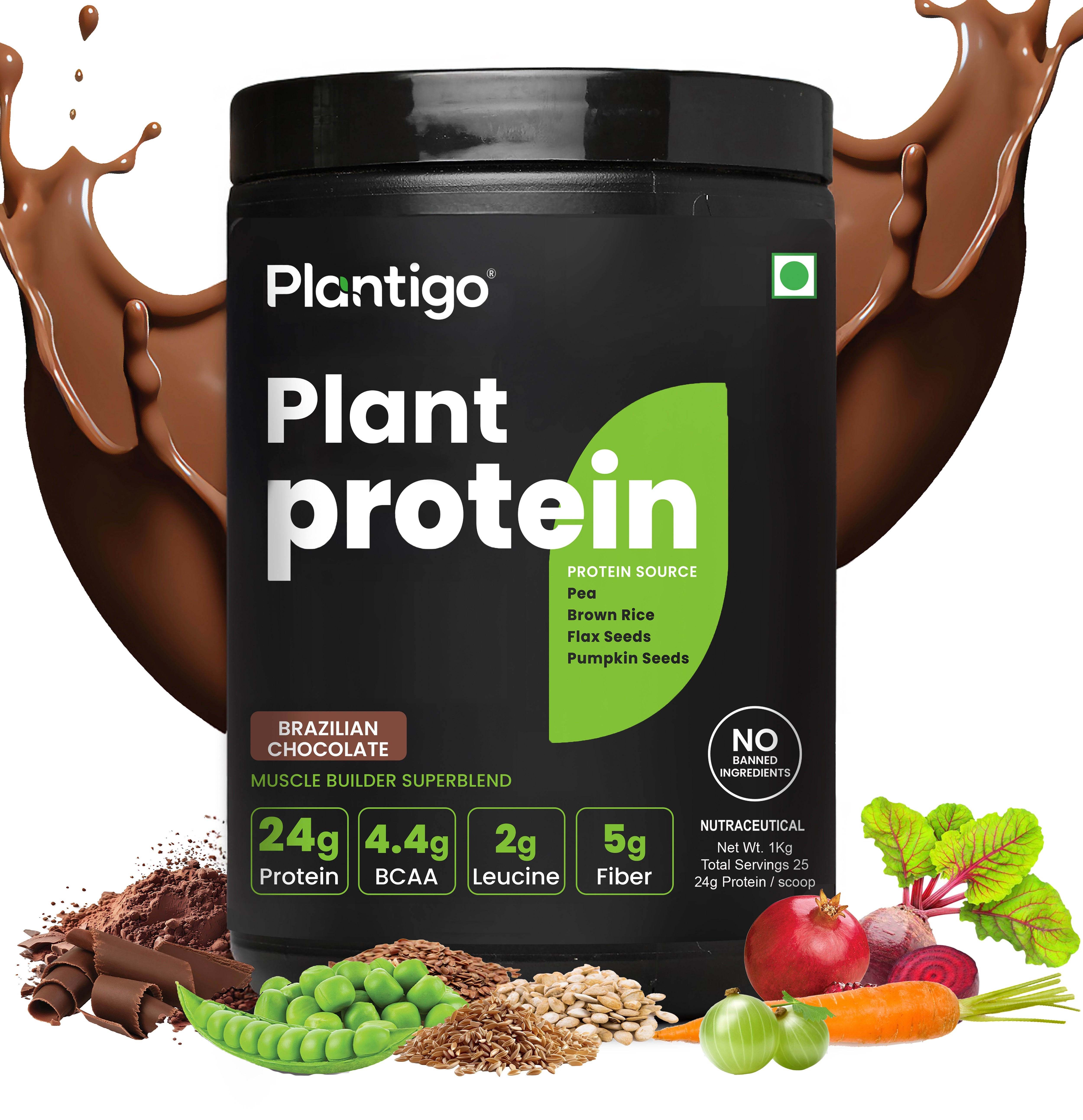
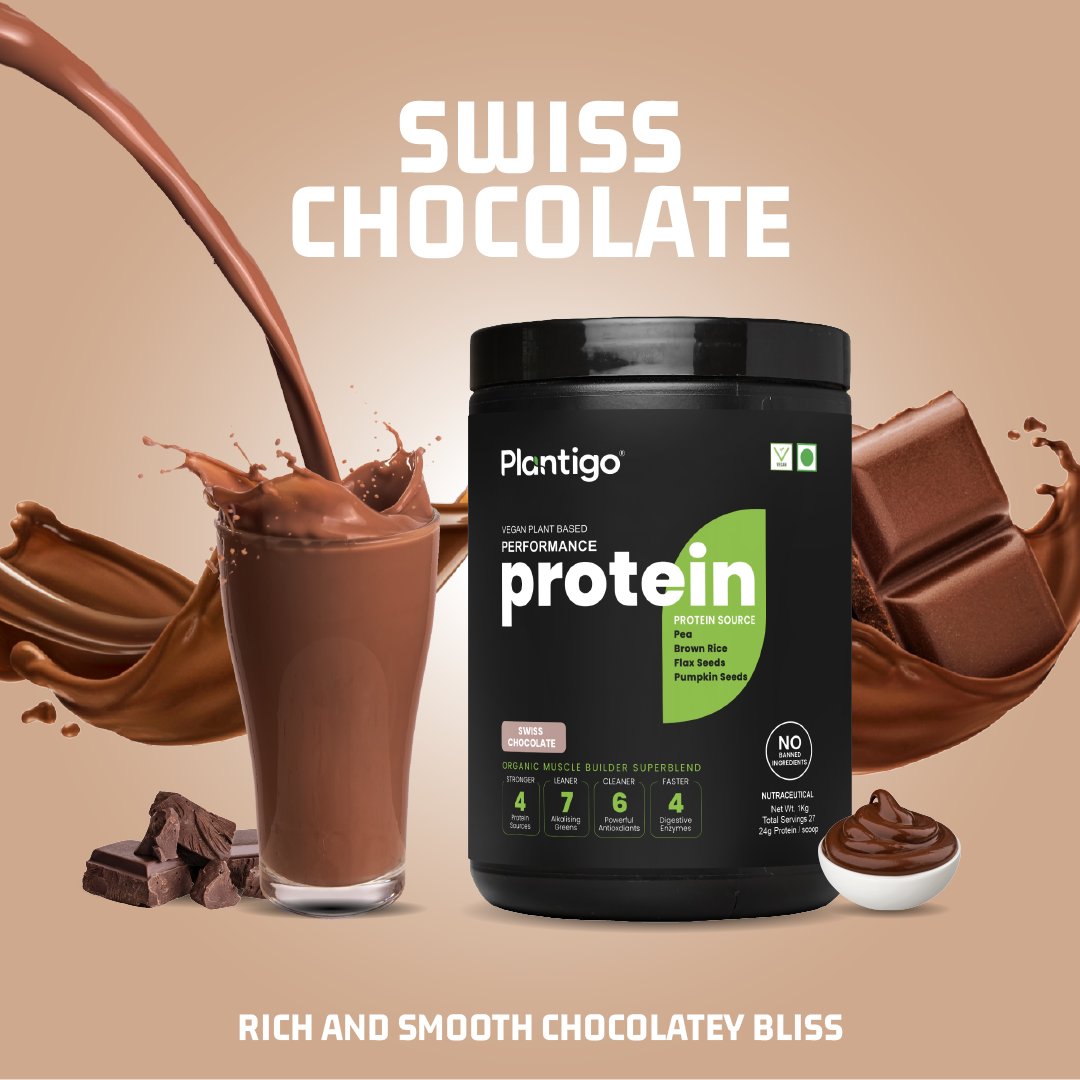
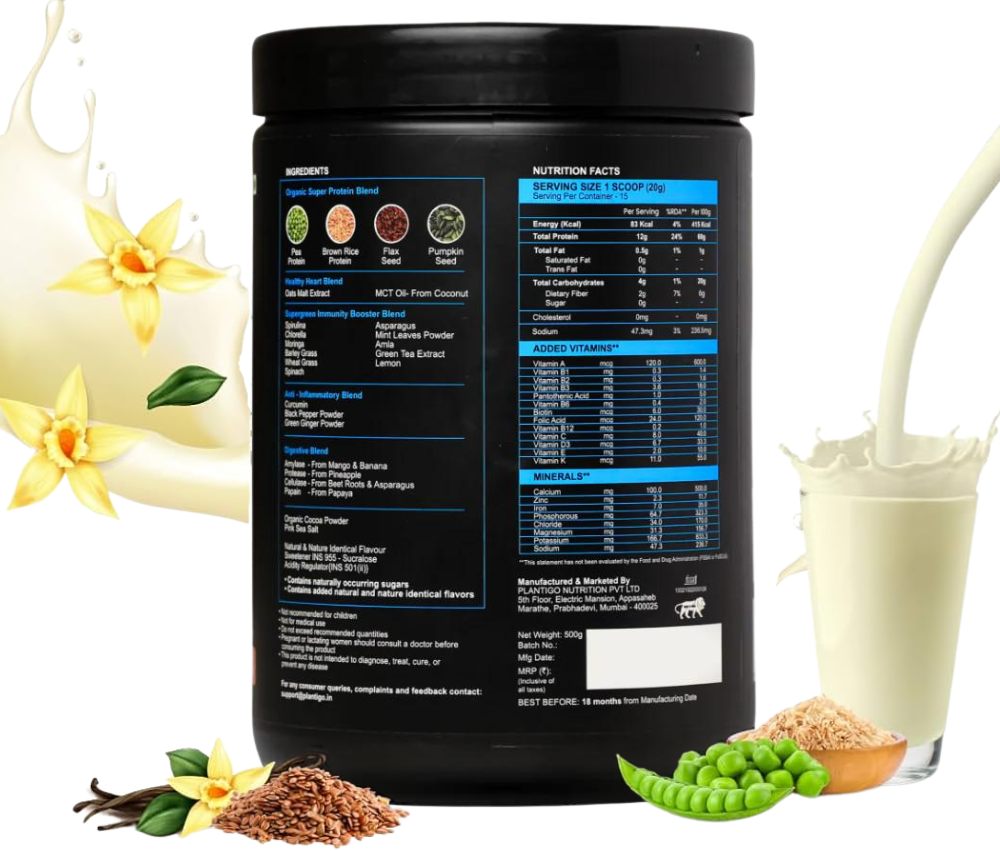
Pineapple is a reminder that nutrition doesn’t have to be complicated to be powerful. When used intentionally, the benefits of pineapple extend far beyond taste—supporting skin clarity, hair strength, digestion, and sustainable weight management. Its enzymes and antioxidants work best when paired with balanced meals, especially those that include clean sources of Plantigo plant protein, helping the body absorb nutrients more efficiently and recover better over time.
Rather than chasing trendy superfoods or extreme diets, the most effective choices are often the familiar ones—when we understand how to use them well. Small additions, made consistently, create the biggest impact.
Start by adding pineapple thoughtfully to your daily meals, pair it with whole foods and quality plant protein, and let simple nutrition work quietly in your favour—day after day.
Frequently Asked Questions
1. How much pineapple can I eat in a day?
You can safely eat about 100–150 grams of fresh pineapple per day. This amount provides vitamins and enzymes without overloading natural sugars.
2. Is pineapple good for weight loss?
Yes, pineapple can support weight management when eaten in moderation. Its fibre aids digestion, and bromelain helps reduce bloating, which can support a healthier metabolism.
3. Can pineapple improve skin health?
Yes, pineapple supports skin health due to its high vitamin C content, which helps collagen production and may improve skin firmness and clarity over time.
4. Is pineapple good for digestion?
Yes, pineapple contains bromelain, an enzyme that helps break down proteins and supports smoother digestion, especially when eaten with meals.
5. Can pineapple be eaten daily?
Yes, pineapple can be eaten daily if consumed fresh, ripe, and in moderate portions as part of a balanced diet.