By Aaryan | Last updated: September 2026
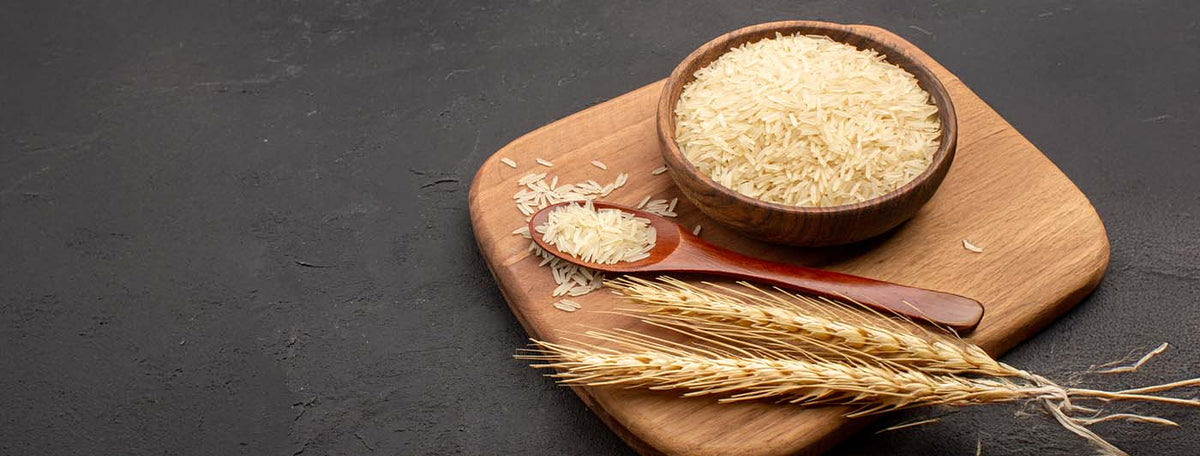
Rice protein per 100g provides roughly 7–8 grams of protein when consumed as whole rice, and up to 70–80 grams of protein when concentrated into rice protein isolate. This makes rice-derived protein one of the most versatile ingredients in plant-based diets. Understanding the nutritional value of rice protein helps people make informed choices when building balanced vegetarian or plant-forward meal plans.
Introduction
For millions of people across the world, rice is more than just a staple food — it is a foundation of daily nutrition. From Asian households to Indian kitchens and global cuisines, rice appears on plates almost every day. While most people associate rice with carbohydrates, the protein content hidden within rice grains often goes unnoticed. This is where understanding rice protein per 100g becomes important, especially for those following vegetarian, vegan, or plant-forward diets.
Protein plays a critical role in muscle repair, enzyme production, hormone regulation, immune function, and overall metabolic health. As interest in plant-based eating continues to grow globally, many people are asking a simple but powerful question: How much protein can everyday foods like rice actually provide?
When we analyze rice protein per 100g, we begin to understand how rice contributes to daily protein intake and why it is increasingly used in modern nutrition — from traditional meals to advanced formulations like plant based protein powder. This article explores the nutritional profile of rice protein, how it compares to other plant foods, and why it has become a key component in plant protein nutrition.
But there is more to rice protein than just numbers — and understanding its role may change the way you think about everyday meals.
Key Points Summary
-
Rice protein per 100g in whole rice averages around 7–8 grams
-
Rice protein isolate can contain 70–80 grams protein per 100g
-
Rice protein is easily digestible and hypoallergenic
-
It provides important amino acids that support muscle recovery
-
Rice protein can complement other plant proteins to create a complete amino acid profile
-
Whole grains like rice also provide vitamins, minerals, and antioxidants
-
Rice protein is widely used in sports nutrition and plant-based diets
-
Combining rice with legumes increases overall protein quality
-
Rice plays a foundational role in global plant protein consumption
Understanding Rice Protein Per 100g
When discussing plant nutrition, one of the most important metrics is rice protein per 100g. This standardized measurement allows nutritionists, dieticians, and consumers to compare foods accurately.
Whole rice contains moderate amounts of protein, but the type of protein it contains is highly digestible and suitable for a wide variety of diets.
|
Type |
Protein/100g (cooked) |
Calories |
Fibre |
Best For |
|
White rice (long grain) |
2.7g |
130 kcal |
0.4g |
Everyday meals, easy digestion |
|
Brown rice |
2.6g |
111 kcal |
1.8g |
Fibre + micronutrients |
|
Basmati rice (white) |
3.5g |
121 kcal |
0.4g |
Highest protein among white rice |
|
Black rice (forbidden) |
3.5g |
116 kcal |
1.5g |
Antioxidants + protein |
|
Wild rice |
4.0g |
101 kcal |
1.8g |
Highest protein among whole grains |
|
Rice protein isolate |
70–80g |
370 kcal |
0g |
Supplementation, protein powders |
Source: USDA FDC. All values cooked except rice protein isolate (dry). Raw/dry whole rice contains 7–8g protein per 100g — cooking adds water, which dilutes the per-100g figure.
From this comparison, it becomes clear that rice protein per 100g varies significantly depending on how the rice is processed. Whole grains provide modest protein levels, while concentrated rice protein products dramatically increase protein density.
Understanding rice protein per 100g helps people determine how rice contributes to daily nutritional requirements, particularly in vegetarian diets where grains and legumes play a central role in protein intake.
Interestingly, rice protein is often overlooked because its carbohydrate content dominates its nutritional reputation. But when viewed in the context of total diet patterns, rice contributes meaningful protein to millions of meals every day.
Nutritional Breakdown of Rice Protein
Looking deeper at rice protein per 100g, we see that rice offers more than just protein. Whole rice contains carbohydrates, fiber, minerals, and antioxidants that contribute to overall health.
Nutritional Profile of Brown Rice (per 100g cooked)
|
Nutrient |
Approximate Value |
|
Calories |
111 kcal |
|
Protein |
7–8 g |
|
Carbohydrates |
23 g |
|
Fiber |
1.8 g |
|
Magnesium |
43 mg |
|
Iron |
0.8 mg |
|
B Vitamins |
Present |
This nutritional composition highlights why understanding rice protein per 100g is valuable when evaluating plant-based foods.
For example, the broader 100 gm brown rice nutrition profile also includes minerals like magnesium and phosphorus that support bone health, nerve function, and energy metabolism.
These nutrients play important roles in:
-
Muscle contraction
-
Oxygen transport
-
Metabolic enzyme activity
-
Cellular energy production
So while rice may not be the most protein-dense plant food, it contributes a balanced mix of macronutrients and micronutrients.
Amino Acid Profile and Digestibility
One reason nutrition experts emphasize rice protein per 100g is the quality of the protein itself.
Rice protein contains several essential amino acids including:
-
Methionine
-
Cysteine
-
Leucine
-
Valine
These amino acids play crucial roles in:
-
Muscle protein synthesis
-
Tissue repair
-
Hormone production
-
Immune system function
Rice protein is also known for being hypoallergenic, meaning it rarely triggers food allergies. This makes it a preferred protein source for people who cannot tolerate soy, dairy, or gluten-based protein sources.
Another advantage of rice protein per 100g is its high digestibility score, which means the body can efficiently absorb and utilize the amino acids it provides.
Scientific reviews show that rice proteins are highly digestible compared with many other cereal proteins and provide a favorable amino-acid profile, supporting their role as a useful plant protein source.
Compared with some legumes that may cause digestive discomfort, rice protein tends to be gentler on the stomach and easier for many people to tolerate.
How Rice Protein Compares With Other Plant Protein Sources
To understand the significance of rice protein per 100g, it helps to compare rice with other commonly consumed plant proteins.
Comparison of Plant Protein Sources
|
Food |
Protein Per 100g |
|
Rice |
7–8 g |
|
Chickpeas |
19 g |
|
Kidney beans |
24 g |
|
Sattu |
20–22 g |
For example:
-
100 gram chana protein content is significantly higher than rice because chickpeas are legumes.
-
100g rajma protein levels are also higher due to the dense protein structure of kidney beans.
-
Traditional Indian foods like roasted gram flour show impressive values for protein in sattu per 100g, making them excellent protein sources.
However, despite having lower protein density compared to legumes, rice protein per 100g remains valuable because rice is consumed frequently and in larger quantities.
This makes rice a consistent contributor to daily protein intake, especially in traditional diets.
Rice Protein and Balanced Diets
Understanding rice protein per 100g becomes even more meaningful when rice is combined with other foods.
Traditional cuisines around the world have naturally paired rice with legumes or lentils to create more balanced amino acid profiles.
Examples include:
-
Rice with dal
-
Rice with beans
-
Rice with chickpeas
These combinations help compensate for amino acids that may be limited in individual foods.
Rice complements legumes extremely well because its amino acid profile balances theirs. As a result, many plant-based nutrition strategies emphasize the combined value of foods rather than looking at rice protein per 100g in isolation.
This concept is the foundation of many traditional diets long before modern nutrition science explained why these combinations work so well.
Rice Protein and Muscle Health
One of the biggest misconceptions about plant foods is that they cannot support muscle health. However, recent research shows that plant proteins can be highly effective when consumed in sufficient amounts.
When examining rice protein per 100g, scientists have found that rice protein isolate can support:
-
Muscle recovery
-
Lean muscle mass development
-
Post-workout repair
In fact, a study comparing rice protein isolate with whey protein found similar improvements in lean body mass, muscle thickness, strength, and power after resistance training, suggesting that rice-derived protein can be effective for athletic performance and recovery when consumed in adequate amounts.
Athletes who follow vegetarian or vegan diets often combine rice protein with other proteins to achieve optimal amino acid intake.
The digestibility and amino acid availability of rice protein make it useful in athletic nutrition strategies focused on recovery and muscle maintenance.
Protein Intake and Daily Requirements
Knowing rice protein per 100g also helps individuals calculate their daily protein intake.
Daily protein needs depend on factors such as:
-
Age
-
Physical activity level
-
Body weight
-
Health goals
For example, many nutrition professionals use tools like a protein intake calculator to determine how much protein someone should consume daily.
If a person requires around 60 grams of protein per day, rice alone would not meet that requirement. However, rice can contribute meaningfully when combined with other protein-rich foods.
Understanding rice protein per 100g helps individuals build smarter meal combinations and achieve balanced nutrient intake.
Rice Protein and Everyday Meals
In everyday diets, rice appears in many forms.
Some common rice-based meals include:
-
Rice and lentils
-
Rice with vegetables
-
Rice bowls
-
Rice porridges
Even everyday foods like flatbreads contribute to protein intake. For instance, many people ask how much protein in one roti, which typically contains around 3–4 grams of protein depending on flour type.
By combining foods strategically, daily protein intake can increase significantly.
In many traditional diets, meals that combine grains and legumes naturally improve the quality and quantity of dietary protein.
Role of Rice Protein in Hair and Skin Health
Protein is also critical for maintaining healthy hair and skin.
Hair is primarily made of keratin, a structural protein that requires adequate amino acids for growth.
While rice alone cannot supply all nutrients needed for hair health, it can contribute to dietary protein intake that supports keratin food sources in the body.
Adequate protein consumption helps support:
-
Hair growth
-
Skin repair
-
Nail strength
-
Tissue regeneration
This is another reason why understanding rice protein per 100g matters when evaluating overall nutrition.
Practical Ways to Include Rice Protein in Diet
For most people, rice is already a regular part of their meals.
Here are simple ways to maximize the benefits of rice protein per 100g:

1. Combine Rice with Lentils
Rice and lentils together provide a more balanced amino acid profile.
2. Add Beans or Chickpeas
Adding legumes increases the overall protein density of meals.
3. Use Whole Grains
Brown rice offers additional fiber and micronutrients.
4. Pair Rice with Nuts or Seeds
Seeds like sesame or pumpkin seeds can enhance protein intake.
5. Include Diverse Plant Foods
A variety of grains, legumes, and vegetables improves nutritional balance.
These strategies ensure that rice protein per 100g contributes effectively to overall plant nutrition.
Why Rice Protein Matters in Plant Protein Nutrition
The increasing popularity of plant-forward diets has placed more attention on grains and legumes as protein sources.

Rice stands out because it is:
-
Widely available globally
-
Affordable
-
Easily digestible
-
Versatile in cooking
Even though its protein content is moderate, rice protein per 100g still plays a crucial role in plant-based dietary patterns because rice is eaten so frequently.
When combined with other plant protein sources such as lentils, beans, nuts, and seeds, rice helps create balanced meals that support long-term nutritional health.
Final Thoughts
While rice is traditionally viewed as a carbohydrate-rich staple, understanding rice protein per 100g reveals a more nuanced nutritional role. Rice contributes meaningful protein to daily diets, particularly when combined with legumes, beans, and other plant foods.
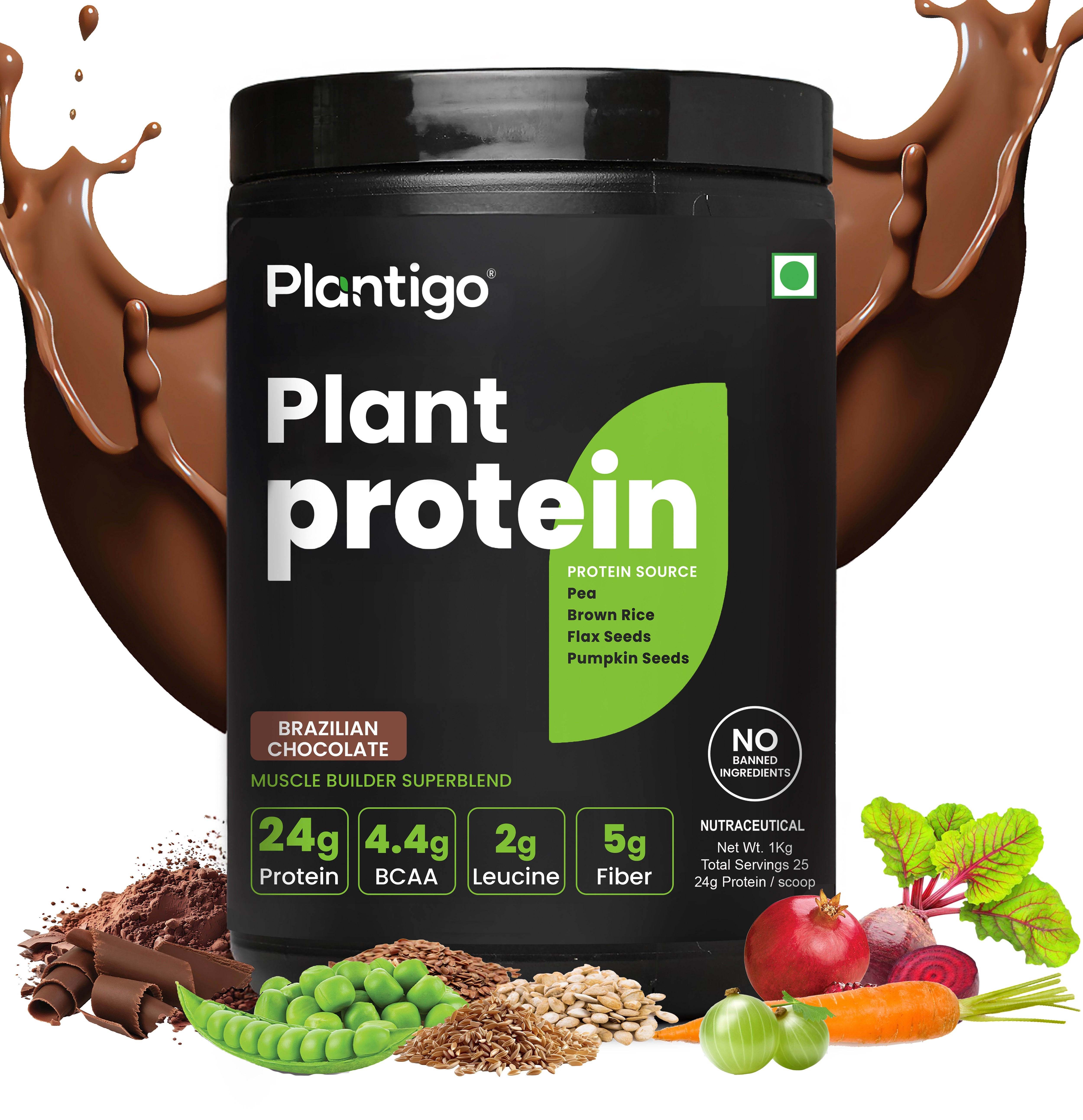
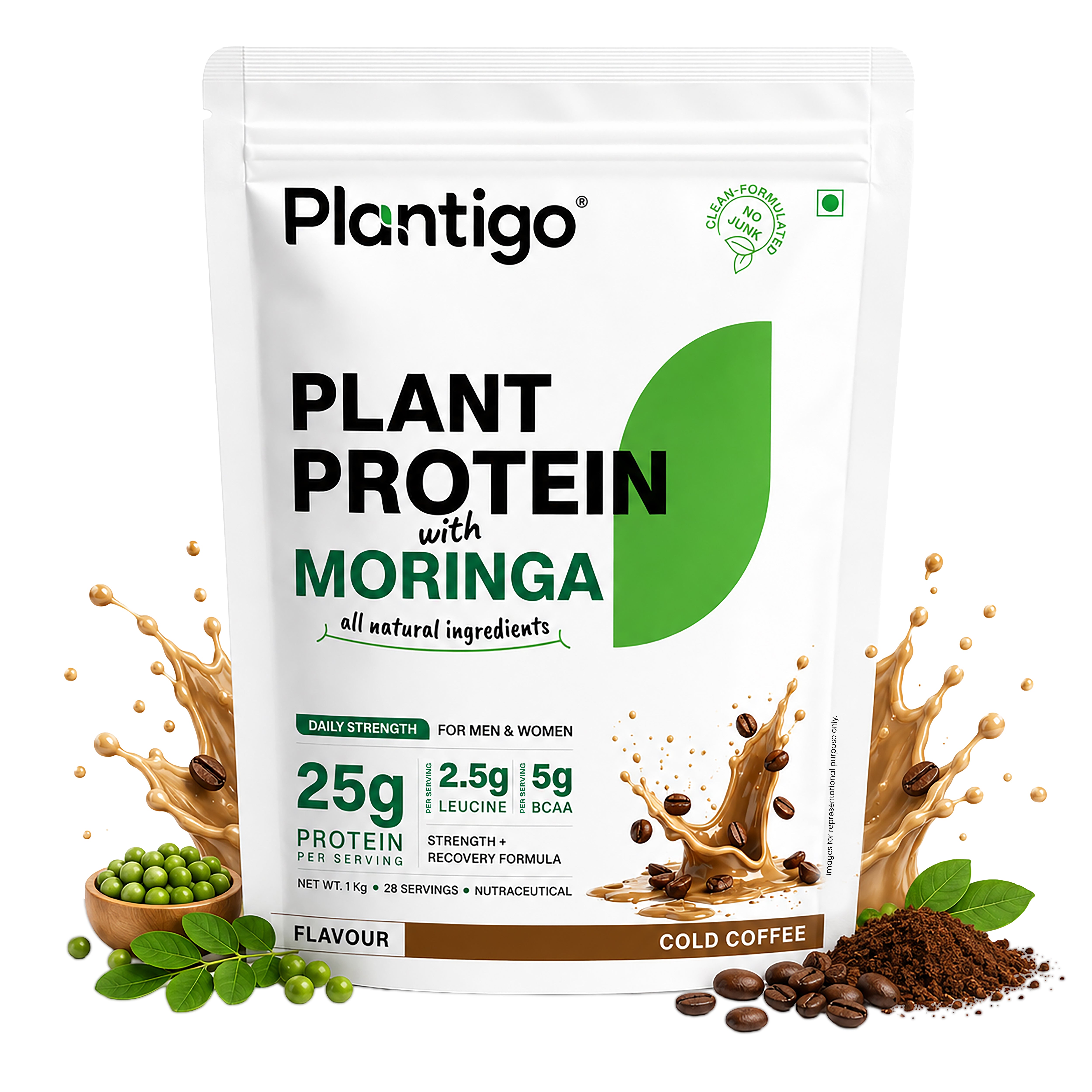
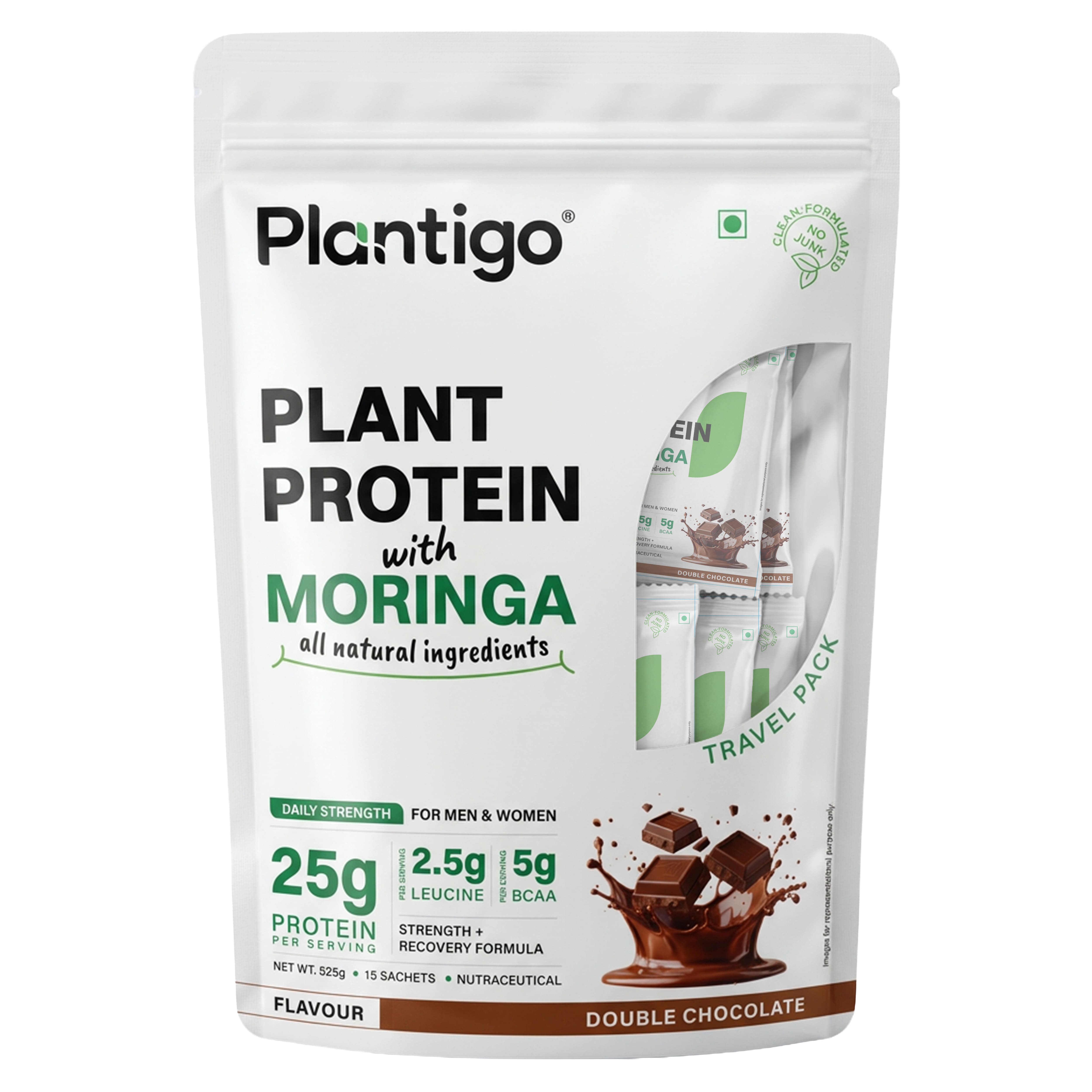
As plant-forward eating continues to grow worldwide, foods like rice will remain foundational elements of balanced nutrition, often working alongside other plant protein sources—including thoughtfully formulated options such as Plantigo plant protein —to help support daily protein requirements.
By understanding rice protein per 100g, individuals can make more informed choices about how everyday foods contribute to overall protein intake, muscle health, and long-term dietary balance.
Frequently Asked Questions
1. How much protein does rice contain per 100g?
Rice protein per 100g typically ranges between 7–8 grams in whole rice, depending on the rice variety and processing method.
2. Is rice protein a complete protein?
Rice protein contains many essential amino acids but is slightly lower in lysine. Pairing rice with legumes improves overall amino acid balance.
3. Can rice protein support muscle growth?
Yes. Rice protein isolate has been shown in research to support muscle recovery and growth when consumed in adequate amounts alongside resistance training.
4. Is rice protein easy to digest?
Rice protein is highly digestible and rarely causes food allergies, making it suitable for many dietary needs.
5. Is rice protein suitable for plant-based diets?
Yes. Rice is widely consumed globally and contributes significantly to protein intake in vegetarian and plant-forward diets.