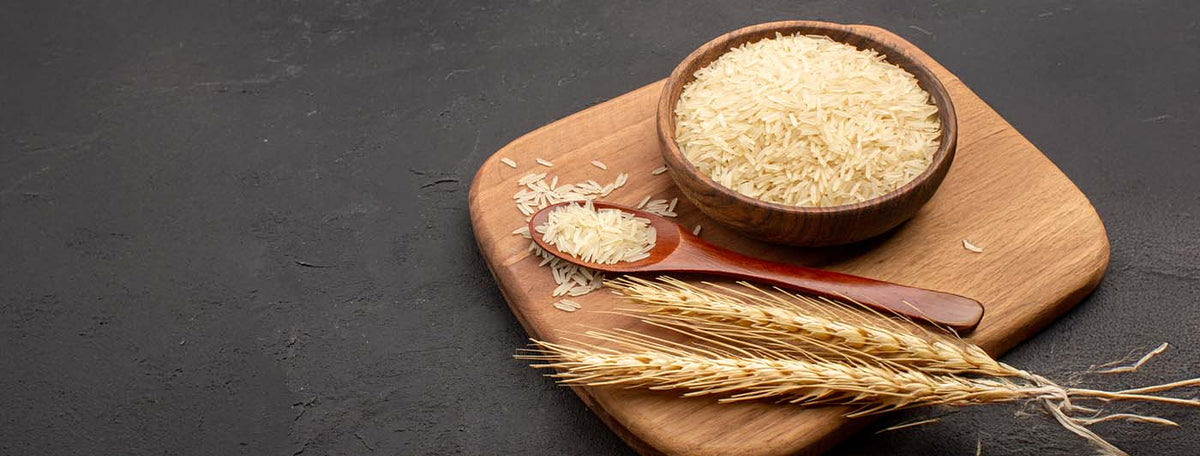
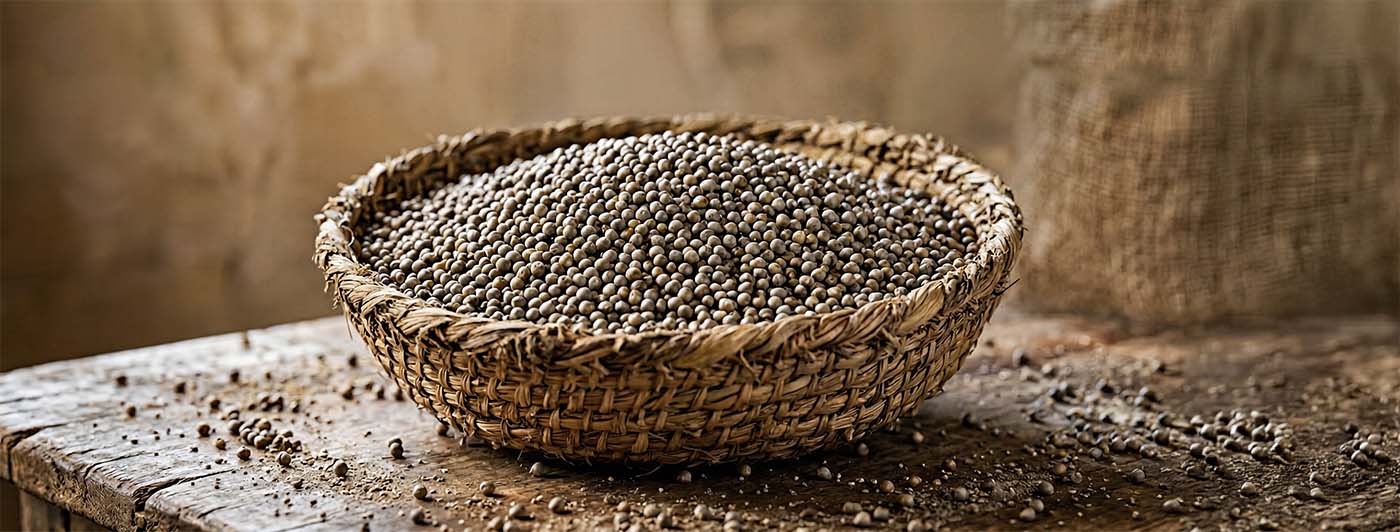
Bajra protein per 100g is approximately 10–12 grams, making pearl millet a valuable source of plant protein for vegetarian and plant-based diets. Along with protein, bajra provides fiber, iron, magnesium, and slow-digesting carbohydrates, which support energy levels, muscle repair, and metabolic health.
Because of its nutrient density and versatility in Indian cooking, understanding bajra protein per 100g helps people plan balanced vegetarian meals that contribute meaningfully to daily protein requirements.
Introduction
Millets are making a global comeback. Once considered traditional grains of rural India, they are now recognized worldwide for their nutritional richness. Among them, pearl millet—commonly known as bajra—stands out as a powerhouse grain.
When people start exploring plant-based nutrition, one of the first questions they ask is about bajra protein per 100g and whether it can meaningfully contribute to their daily protein needs. The answer is surprisingly encouraging.
Beyond its protein content, bajra offers a unique nutritional profile that supports heart health, gut health, and sustained energy. It has been consumed for centuries in Indian households in the form of rotis, porridges, and fermented dishes.
Today, as more people shift toward vegetarian diets and natural whole foods, understanding bajra protein per 100g becomes important for anyone trying to build a balanced plant protein diet.
But protein numbers alone don't tell the full story.
To truly understand why bajra deserves a place in modern diets, we need to explore its nutritional profile, compare it with other plant protein foods, and understand how it contributes to daily protein requirements.
Let’s begin.
Key Points About Bajra Protein Per 100g
Before diving deeper, here are the most important things to know about bajra protein per 100g:
-
Bajra contains 10–12 grams of protein per 100 grams
-
It is rich in essential minerals like iron, magnesium, and phosphorus
-
Bajra is naturally gluten-free
-
It provides slow-release carbohydrates for sustained energy
-
When combined with legumes, it forms a complete amino acid profile
-
Understanding bajra protein per 100g helps vegetarians plan balanced meals
-
It supports muscle repair, metabolism, and digestive health
-
It contains antioxidants and phytochemicals that contribute to overall wellness
These qualities make bajra an important grain in traditional and modern plant-focused diets.
Understanding Bajra Protein Per 100g
What Makes Bajra a Valuable Protein Source
When discussing bajra protein per 100g, we must look beyond just the number.
Bajra provides roughly 10–12 grams of protein per 100 grams of raw grain. While this may appear lower than legumes like lentils or beans, the grain offers other benefits that make it nutritionally valuable.
First, the protein in bajra contains important amino acids such as methionine and cysteine, which are often limited in many cereals.
Second, the grain has a balanced combination of protein, fiber, and complex carbohydrates, which makes it ideal for sustained energy and satiety.
Another advantage is that bajra has a lower glycemic index compared to refined grains, meaning it releases energy slowly and helps maintain stable blood sugar levels.
This is why many nutritionists consider bajra protein per 100g a meaningful contributor to daily protein intake, particularly in vegetarian diets.
Nutritional Breakdown of Bajra (Per 100g)
To fully appreciate bajra protein per 100g, we need to understand the grain's broader nutritional composition.
|
Nutrient |
Amount per 100g |
|
Protein |
10–12 g |
|
Carbohydrates |
65–67 g |
|
Fiber |
8–11 g |
|
Fat |
4–5 g |
|
Iron |
~8 mg |
|
Magnesium |
~137 mg |
|
Phosphorus |
~296 mg |
|
Calcium |
~42 mg |
This nutritional density explains why bajra protein per 100g is often highlighted in discussions around whole-grain nutrition.
Unlike refined grains, bajra retains its bran and germ layers, which contain the majority of vitamins, minerals, and antioxidants. Scientific studies on pearl millet also confirm that it is a nutrient-dense cereal grain rich in protein, dietary fiber, and essential micronutrients, which contributes to improved dietary quality and metabolic health.
How Bajra Compares With Other Plant Protein Foods
When evaluating protein sources in vegetarian diets, comparison becomes essential.
The value of bajra protein per 100g becomes clearer when placed alongside other plant foods.
|
Food |
Protein per 100g |
|
Bajra |
10–12 g |
|
Chickpeas |
~19 g |
|
Rajma |
~24 g |
|
Sattu |
~20 g |
|
Wheat |
~13 g |
For example:
-
100 gram chana protein is approximately 19 grams, making chickpeas richer in protein than grains.
-
100g rajma protein is around 24 grams, which is significantly higher but requires longer cooking.
-
The protein in sattu per 100g is roughly 20 grams, making roasted gram flour another strong protein source.
However, grains like bajra provide important complementary amino acids that help balance the protein profile of legumes.
This complementary relationship explains why traditional meals combining bajra rotis with lentils or beans remain nutritionally balanced.
The Role of Bajra in Daily Protein Intake
Protein needs vary based on body weight, age, and physical activity.
Adults typically require 0.8–1.2 grams of protein per kilogram of body weight daily.
Understanding bajra protein per 100g helps people plan how much protein they get from staple foods.
For example:
A typical meal may include:
-
2 bajra rotis
-
1 bowl dal
-
vegetables
If each roti uses about 40 grams of flour, two rotis provide roughly 8 grams of protein from bajra alone.
This raises another common question: how much protein in one roti?
Depending on the flour used, a single roti usually provides 3–4 grams of protein.
When paired with lentils or legumes, the overall protein quality and amino acid balance improves significantly.
Why Plant Proteins Matter Today
Protein is essential for muscle repair, hormone production, immune function, and enzyme activity.

But modern diets often rely heavily on animal-based protein sources.
For many people, exploring plant protein sources offers both health and sustainability benefits.
Whole grains like bajra play a key role because they:
-
complement legumes nutritionally
-
provide fiber and micronutrients
-
support digestive health
-
promote long-lasting satiety
Understanding bajra protein per 100g helps people see how traditional grains contribute to protein intake without relying solely on animal foods.
In some diets, people may also include foods like plant based protein powder to complement natural sources, but whole foods like bajra remain foundational to balanced nutrition.
Signs Your Body May Need More Protein
Protein intake is often underestimated in vegetarian diets.
If daily intake is insufficient, certain symptoms may appear.
Common deficiency of protein causes include:
-
muscle weakness
-
fatigue
-
slower recovery after exercise
-
hair thinning
-
frequent infections
These symptoms highlight why monitoring protein intake matters.
Understanding foods like bajra protein per 100g helps individuals make informed dietary choices that prevent nutritional gaps.
Practical Ways to Include Bajra in a High-Protein Diet
Knowing bajra protein per 100g is useful, but how you use it in meals matters even more.
Here are practical ways to incorporate bajra into everyday meals:
Bajra Rotis
The most traditional preparation. Pair with dal or legumes for balanced amino acids.
Bajra Khichdi
Cooking bajra with lentils increases total protein content and improves digestibility.
Bajra Porridge
A warm breakfast option that provides steady energy and supports digestive health.
Bajra Dosa
Fermented batters improve mineral absorption and digestion.
Bajra Upma
A nutrient-dense alternative to semolina that provides fiber, protein, and micronutrients.
Bajra Salad Bowls
Cooked bajra grains can also be added to salads with vegetables, chickpeas, and nuts for a balanced meal.
These dishes highlight how understanding bajra protein per 100g translates into real, nourishing meals.
How to Combine Bajra for Better Protein Quality
Plant proteins work best when combined strategically.
Because grains and legumes have complementary amino acid profiles, traditional meals already reflect this balance.
Examples include:
|
Grain |
Paired Food |
Benefit |
|
Bajra |
Lentils |
Improved amino acid balance |
|
Bajra |
Chickpeas |
Higher total protein |
|
Bajra |
Yogurt |
Better digestibility |
|
Bajra |
Vegetables |
Higher fiber and micronutrients |
This combination approach makes bajra protein per 100g more nutritionally effective.
Calculating Your Daily Protein Needs
One of the easiest ways to evaluate your diet is using a protein intake calculator.
Such tools estimate daily protein needs based on:
-
body weight
-
age
-
physical activity
-
fitness goals
Once you know your requirement, foods like bajra, lentils, and legumes can be combined to meet the target.
For example:
-
A 70-kg adult may need around 56–84 grams of protein daily.
-
Knowing bajra protein per 100g helps determine how much of this requirement can come from staple grains.
Why Bajra Is Gaining Global Popularity
Interest in millets has surged in recent years.
Nutritionists and food scientists now recognize their value in sustainable diets.
The rise in interest around bajra protein per 100g is part of a broader shift toward:
-
whole grains
-
traditional foods
-
sustainable agriculture
Bajra requires significantly less water than wheat or rice and grows well in dry climates, making it an environmentally resilient crop.
As concerns about climate change and food sustainability grow, grains like bajra are increasingly seen as part of the future of global food systems.
How Bajra Supports Overall Health
Beyond bajra protein per 100g, the grain offers several health benefits.

1. Supports Heart Health
Its fiber content helps regulate cholesterol levels and supports cardiovascular wellness.
2. Helps Manage Blood Sugar
Bajra has a lower glycemic impact compared to refined grains, which helps stabilize blood glucose levels.
3. Supports Digestive Health
High fiber improves gut function and supports beneficial gut bacteria.
4. Provides Essential Minerals
Iron and magnesium contribute to energy metabolism, muscle function, and bone health. Research on millets also suggests that grains like pearl millet contain dietary fiber, antioxidants, and bioactive compounds that may support heart health, digestive function, and stable blood sugar levels, making them valuable components of balanced diets.
Connecting Bajra to a Balanced Plant-Based Diet
In traditional Indian diets, grains and legumes are consumed together.
This naturally improves protein quality.
Understanding bajra protein per 100g helps reinforce the idea that plant-based diets can meet nutritional needs when planned thoughtfully.
Whole grains like bajra contribute energy, minerals, fiber, and moderate protein, while legumes supply higher protein levels and complementary amino acids.
Together, they form a nutritionally balanced dietary pattern that supports long-term health.
Final Thoughts
The renewed interest in traditional grains has brought attention to their nutritional potential. Understanding bajra protein per 100g reveals that this humble millet is more than just a staple grain—it is a meaningful contributor to balanced nutrition.
While it may not contain as much protein as legumes, its combination of protein, fiber, minerals, and slow-digesting carbohydrates makes it valuable in everyday meals.
When paired with lentils, beans, or dairy, the nutritional impact of bajra protein per 100g becomes even more significant.
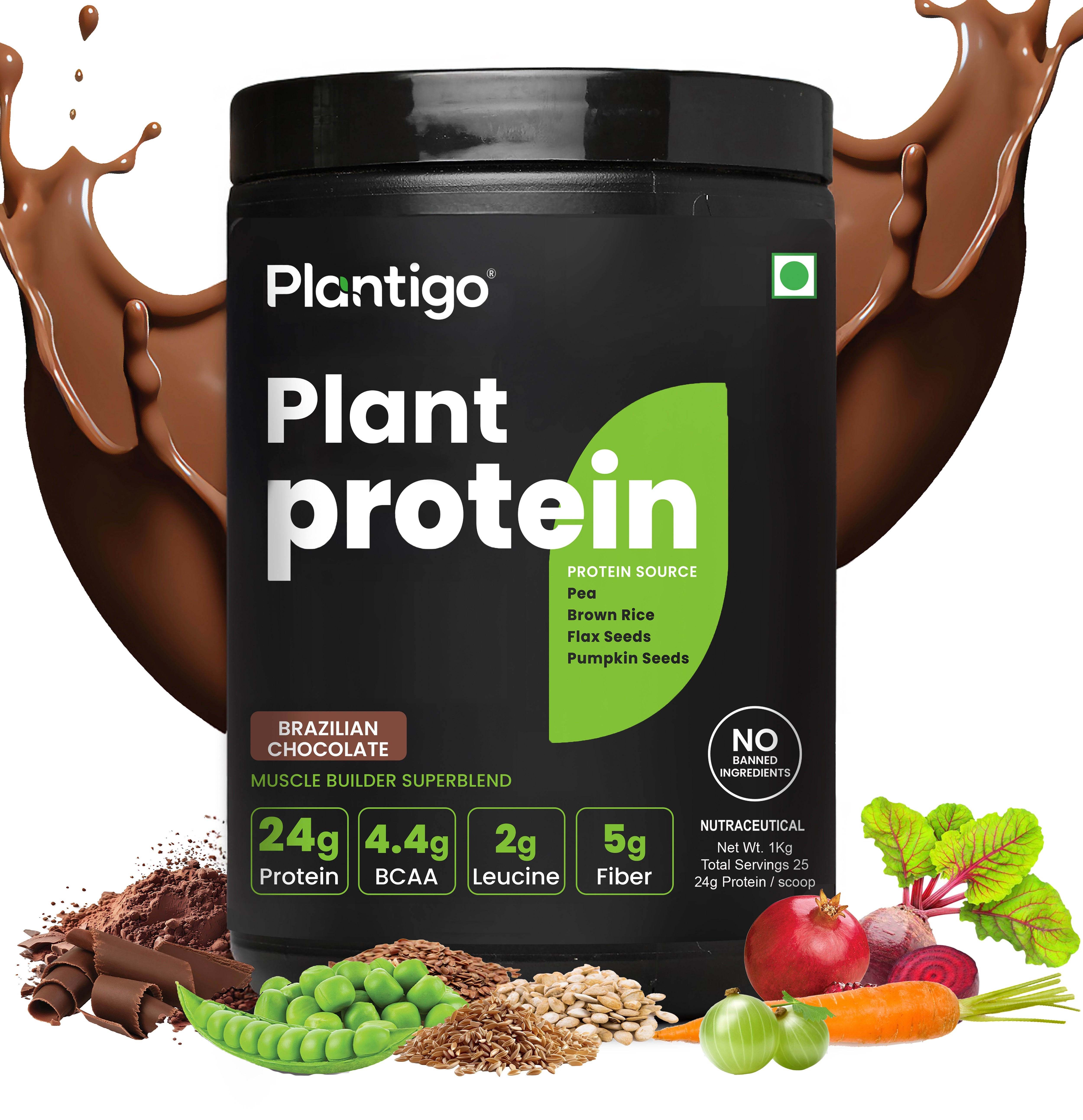
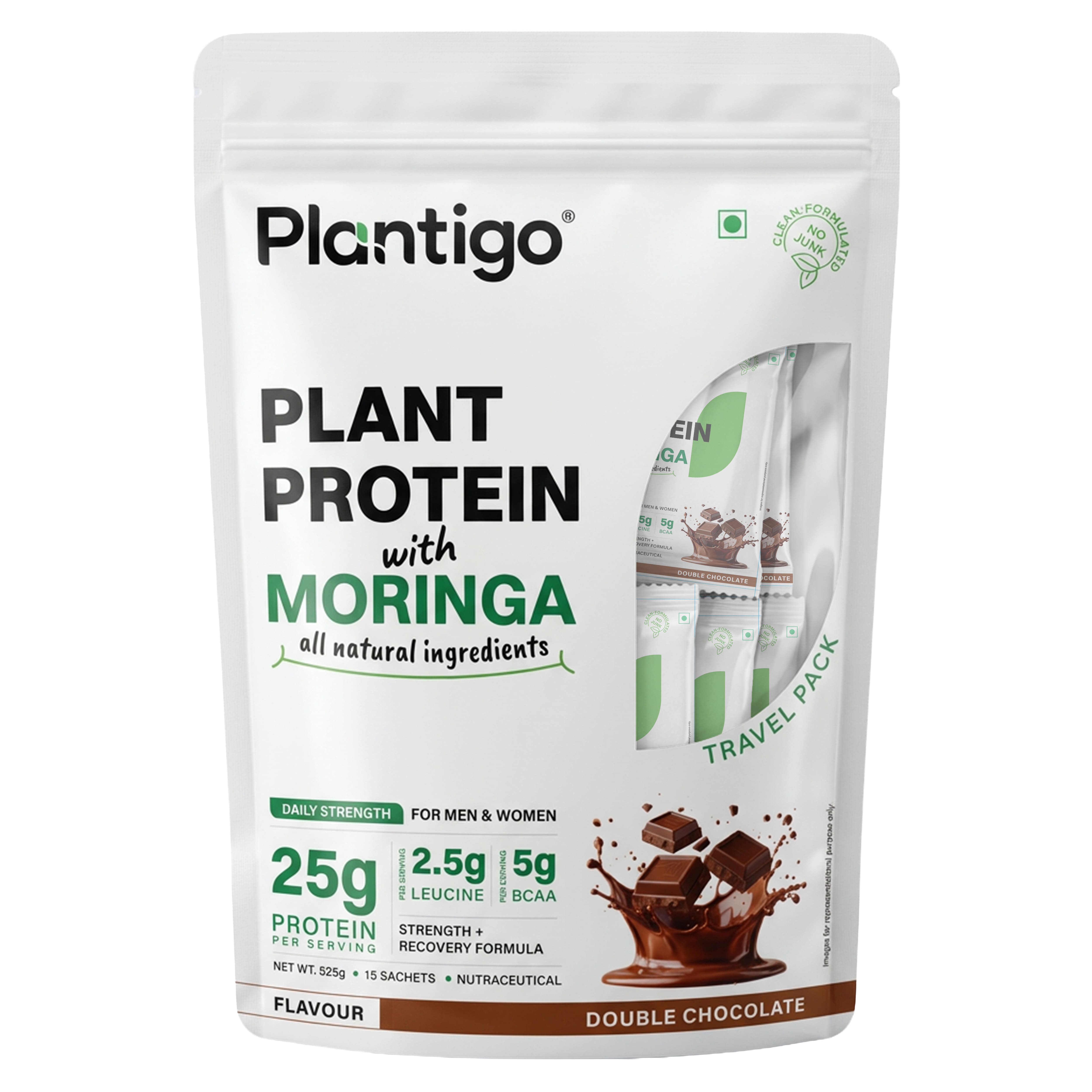
In modern plant-forward diets, traditional whole foods like bajra can work alongside other sources of plant nutrition—including thoughtfully formulated options such as Plantigo plant protein —to help individuals meet their daily protein needs in a balanced and sustainable way.
As more people explore sustainable and plant-focused diets, grains like bajra remind us that many powerful nutritional solutions have existed in traditional food systems all along.
Frequently Asked Questions
1. Is bajra a good source of protein?
Yes. Bajra protein per 100g ranges from 10–12 grams, making it a meaningful plant protein source, especially when paired with legumes.
2. How much protein does bajra roti provide?
One bajra roti typically contains 3–4 grams of protein, depending on its size and flour quantity.
3. Is bajra better than wheat for protein?
Wheat contains slightly more protein, but bajra offers higher mineral content and is naturally gluten-free.
4. Can bajra help vegetarians meet protein requirements?
Yes. When combined with lentils, beans, or chickpeas, foods contributing to bajra protein per 100g support balanced vegetarian diets.
5. Is bajra suitable for daily consumption?
Yes. It can be eaten regularly as part of a varied diet that includes legumes, vegetables, and other grains.