If you think curd is just a cooling side dish on your plate, think again.
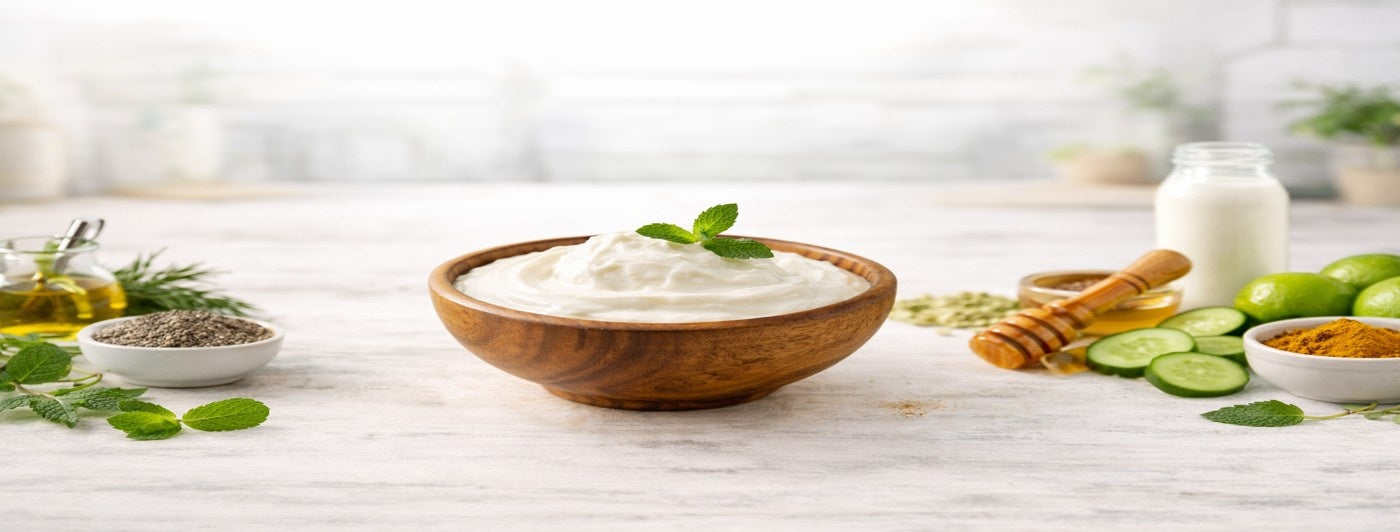
The simple bowl of dahi beside your dal or paratha contains something powerful — 100 gram curd protein. In a world focused on protein powders, plant protein blends, and macro tracking, we often overlook this traditional, nutrient-dense food that has supported Indian diets for generations.
So how much does it actually provide?
On average, 100 gram curd protein delivers about 3–4 grams of high-quality protein, along with probiotics, calcium, and vitamin B12. More importantly, it supports both muscle repair and gut health — a rare combination that even many plant protein sources don’t naturally offer.
But can 100 grams of curd really improve digestion, metabolism, immunity, and even mental clarity?
Let’s explore.
How Much Is 100 Gram Curd Protein?
On average:
-
100 gram curd protein = 3–4 grams of protein
-
Calories = ~60–70 kcal (depending on fat content)
-
Rich in calcium, B12, probiotics, and bioavailable nutrients
While 3–4 grams may not sound dramatic, what makes 100 gram curd protein special is its absorption quality, digestive support, and metabolic impact.
Research highlights that fermented dairy products like yogurt — very similar to curd — are a source of high-quality protein and beneficial bacterial cultures that can influence digestion, muscle protein synthesis, and overall nutrient absorption. These cultures can also support the moderation of gut microbiota and improve metabolic outcomes, making fermented dairy a uniquely nutrient-dense source of protein and probiotics.
Now let’s uncover the 9 surprising health benefits — and some of them may surprise you.
100 Gram Curd Protein and Why It’s More Powerful Than You Think
When evaluating protein sources, we often look only at numbers. But nutrition isn’t just about grams — it’s about bioavailability, digestion, synergy, and metabolic response.
Here’s why 100 gram curd protein stands out.
1. Supports Muscle Repair
Protein is essential for muscle recovery. While gym enthusiasts often rely on shakes, 100 gram curd protein provides:
-
Casein protein (slow-digesting)
-
Steady amino acid release
-
Reduced overnight muscle breakdown
Because curd contains casein, it works beautifully as a night-time protein. Unlike fast-digesting whey, the protein in curd releases gradually — supporting muscle repair while you sleep.
For comparison:
-
Banana protein per 100g is only about 1.1g.
-
Quinoa protein is higher (~4g per 100g cooked), but lacks probiotics.
-
Curd uniquely combines protein + gut support, making it metabolically efficient.
2. Improves Gut Health
Here’s where 100 gram curd protein becomes interesting.
Curd contains live probiotics that improve gut microbiota balance. A healthier gut means:
-
Better nutrient absorption
-
Reduced bloating
-
Improved protein utilization
Many people consume adequate protein but still feel fatigued because their digestive system doesn’t absorb nutrients efficiently. That’s where 100 gram curd protein stands apart — it not only provides protein but also strengthens the system responsible for absorbing it.
A review explains that fermented dairy products containing probiotic cultures can positively influence gut microbiota composition, enhance digestion, and improve metabolic health markers. These probiotics support intestinal barrier function and nutrient assimilation, making fermented dairy both a protein source and a digestive enhancer.
Curd solves two problems at once:
-
Provides protein.
-
Improves the system that absorbs protein.
-
That’s powerful synergy.
3. Aids Weight Management Naturally
If you're trying to lose fat without extreme dieting, 100 gram curd protein can be a quiet ally.
Why?
-
High satiety index
-
Low calorie density
-
Stabilizes blood sugar
-
Reduces late-night cravings
Instead of processed zero calorie snacks, a bowl of curd provides:
-
Real protein
-
Real micronutrients
-
Real fullness
For women searching for sustainable options like protein powder for weight loss female, curd offers a whole-food alternative that supports metabolism without artificial sweeteners.
4. Strengthens Bones with Protein + Calcium Combo
Many protein sources lack calcium. Curd doesn’t.
In 100 gram curd protein, you get:
-
~120 mg calcium
-
Phosphorus
-
Vitamin B12
Protein improves bone matrix formation, while calcium strengthens bone density. Together, they create a strong skeletal structure.
This makes curd especially valuable for:
-
Women over 40
-
Post-menopausal individuals
-
Growing teenagers
5. Enhances Immunity
Did you know nearly 70% of your immune cells reside in your gut?
Because 100 gram curd protein comes with probiotics, it supports:
-
Gut barrier integrity
-
Reduced inflammation
-
Better immune signaling
Pair curd with selenium rich foods in India like sunflower seeds or lentils, and you create a nutrient-dense immunity-boosting meal.
This isn’t hype — it’s biological design.
6. Supports Healthy Metabolism and Hormonal Balance
Protein stimulates thermogenesis — meaning your body burns more calories digesting it.
Even modest amounts like 100 gram curd protein:
-
Increase satiety hormones
-
Reduce hunger hormone ghrelin
-
Improve insulin response
If you use a protein intake calculator, you’ll notice daily requirements often range between 0.8–1.6 g/kg bodyweight.
Curd may not fulfill all your needs alone — but it helps you consistently hit your target in a natural way.
Consistency beats extremes.
7. Improves Skin Health from Within
Glowing skin is not only about creams.
The protein in curd supports:
-
Collagen synthesis
-
Tissue repair
-
Hydration retention
Pair 100 gram curd protein with butter fruit benefits (avocado) — rich in healthy fats — and you create a skin-supportive combination of protein + good fats.
Internal nourishment shows externally.
8. A Smart Protein Addition for Plant-Based Eaters
While curd is dairy-based, many individuals balance dairy with plant protein sources.
Compared to:
-
Plant protein options like lentils
-
Or even a plant based protein powder
-
Curd offers different amino acid profiles and probiotics.
Some athletes combine:
-
Pea protein powder post-workout
-
Curd at night for slow protein release
This layered protein strategy optimizes muscle repair across the day.

It’s not about choosing one — it’s about understanding how they complement each other.
9. Supports Mental Calm and Better Sleep
Here’s something most people don’t know.
The casein in 100 gram curd protein contains tryptophan — an amino acid that supports serotonin production.
Better serotonin:
-
Improves mood
-
Reduces anxiety
-
Enhances sleep quality
And when sleep improves, recovery improves.
That’s a full-circle metabolic benefit.
How to Maximize 100 Gram Curd Protein in Your Diet
To truly benefit from 100 gram curd protein, consider:
1. Timing Matters
-
Night: Slow digestion supports recovery.
-
Afternoon: Prevents sugar cravings.
2. Combine Smartly
-
With quinoa protein sources like cooked quinoa bowls.
-
With fruits (avoid excess sugar).
-
With nuts and seeds.
3. Choose Quality
-
Prefer homemade curd.
-
Avoid added sugar variants.
-
Full-fat for satiety, low-fat for calorie control.
Is 100 Gram Curd Protein Enough Per Day?
Short answer: It depends.
For a 70 kg individual needing ~70–100g protein daily, 100 gram curd protein provides only 3–4g.
But here’s the insight:
It’s not meant to be your only source.
It’s a strategic supporting protein that:
-
Enhances digestion
-
Improves absorption
-
Adds calcium
-
Supports gut health
Think of it as foundational nutrition — not flashy, but powerful.
Comparison Snapshot
|
Food |
Protein per 100g |
Additional Benefit |
|
Curd |
3–4g |
Probiotics + Calcium |
|
Banana |
~1g |
Carbohydrate energy |
|
Quinoa |
~4g |
Complete plant protein |
|
Lentils |
~9g cooked |
High plant protein |
|
Greek Yogurt |
~8–10g |
Higher protein version |
Notice something?
Curd may not win on raw numbers — but it wins on digestive intelligence.
Final Thoughts
In a world full of flashy supplements and bold claims, we often overlook foods that have quietly nourished generations.
100 gram curd protein is:
-
Affordable
-
Accessible
-
Easy to digest
-
Nutrient-dense
-
Metabolically supportive
It supports gut health, strengthens bones, improves metabolism, and helps you meet daily protein needs in a simple, sustainable way.
It doesn’t scream.
It nourishes.
Whether you rely on whole foods, include options like Plantigo plant protein for higher performance goals, or follow a balanced mixed diet, adding a bowl of curd daily builds a strong nutritional base.
Sometimes the most powerful nutrition isn’t new — it’s already in your kitchen.
FAQs
1. How much protein is in 100 grams of curd?
100 gram curd protein provides around 3–4 grams of high-quality protein, depending on fat content. It also delivers calcium, probiotics, and vitamin B12, making it more than just a basic protein source.
2. Is 100 gram curd protein enough to meet daily protein needs?
No, 100 gram curd protein alone is not enough to meet total daily requirements, especially for active individuals. However, it works as a supportive protein that improves digestion and complements other protein sources.
3. Is 100 gram curd protein good for weight loss?
Yes. 100 gram curd protein supports weight management by increasing satiety, stabilizing blood sugar, and reducing cravings. Its probiotic content also supports gut health, which influences metabolism.
4. Does 100 gram curd protein improve digestion?
Yes. The probiotics in 100 gram curd protein help balance gut bacteria, improve nutrient absorption, and reduce bloating, making protein utilization more efficient.
5. Is 100 gram curd protein better than protein powder?
It depends on your goal. 100 gram curd protein is ideal for daily gut, bone, and metabolic support, while protein powders may help individuals who need higher protein intake for muscle building or intense training.