
In everyday conversations, the terms health and wellness are often used interchangeably, but they are not the same. Understanding the difference between health and wellness can help people make better lifestyle and nutrition choices.
Health generally refers to the physical condition of the body and the absence of disease, while wellness is the ongoing process of making choices that support overall wellbeing. Wellness includes habits such as balanced nutrition, regular exercise, stress management, and getting enough sleep.
The difference between health and wellness becomes clear when we look at daily lifestyle habits. A person may be medically healthy but still lack energy or balance in life. Wellness focuses on improving these areas through healthier routines, including nutrient-rich foods such as plant protein sources.
In the sections below, we explore seven key points that explain the difference between health and wellness and why both matter for long-term wellbeing.
Difference Between Health and Wellness: The Core Meaning
The simplest way to understand the difference between health and wellness is to look at how each concept is defined.
Health generally refers to the physical condition of the body. A person is considered healthy when there is no disease, injury, or medical condition affecting normal functioning.
Wellness, on the other hand, is an active process. It involves making conscious decisions that improve physical, mental, and emotional wellbeing.
For example, someone may be medically healthy but still experience fatigue, stress, or poor lifestyle habits. Wellness focuses on improving those areas through better nutrition, exercise, and stress management.
Scientific research also supports this broader view. A study discussing lifestyle medicine and wellness approaches highlights that long-term wellbeing is influenced by daily habits such as nutrition, physical activity, sleep, and stress management—not just the absence of disease.
Understanding the difference between health and wellness encourages people to move from simply “not being sick” to actively building a vibrant and balanced life.
7 Key Difference Between Health and Wellness
1. What Is the Difference Between Health and Wellness?
The first major difference between health and wellness is that health is usually described as a state of being, while wellness is a continuous journey.
Health can be measured through indicators like blood pressure, cholesterol levels, or absence of disease.
Wellness, however, is about daily habits such as:
-
Eating nutritious foods
-
Staying physically active
-
Getting adequate sleep
-
Managing stress
For example, choosing nutrient-dense foods such as vitamin d foods vegetarian indian sources like m ushrooms or fortified dairy products can contribute to overall wellness.
When people recognize the difference between health and wellness, they begin focusing on daily lifestyle choices rather than just medical checkups.
2. Is Health the Same as Wellness?
Another important difference between health and wellness is that wellness goes beyond the physical body.
Health traditionally focuses on physical wellbeing, but wellness includes several dimensions such as:
-
Mental wellness
-
Emotional wellness
-
Social wellbeing
-
Spiritual balance
Stress, relationships, and emotional resilience all influence how people feel day to day.
For example, simple habits like eating nutrient-rich foods or enjoying fruits such as guava for skin benefits can contribute not only to physical health but also to a sense of wellbeing.
Recognizing the difference between health and wellness helps individuals focus on both physical and emotional balance.
3. Why Does Wellness Go Beyond Health?
Nutrition is another area where the difference between health and wellness becomes clear.
A person may technically be healthy even with a poor diet, as long as no disease is present. However, wellness emphasizes optimizing nutrition to support long-term vitality.
For instance, foods that support skin, joints, and connective tissues—often referred to as collagen rich foods vegetarian indian options like sesame seeds, nuts, and legumes—are commonly included in wellness-focused diets.
Similarly, people interested in wellness often track their nutrient intake more closely and include a variety of whole foods to support overall wellbeing.
Understanding the difference between health and wellness highlights how nutrition supports not just survival but optimal living.
4. How Are Health and Wellness Connected?
One of the biggest differences in the difference between health and wellness is prevention.
Health systems often focus on treating illness, while wellness emphasizes preventing disease before it occurs.
Preventive strategies include:
-
Balanced nutrition
-
Regular exercise
-
Adequate sleep
-
Stress reduction
For example, including high protein fruits in india such as guava, jackfruit, or avocado can support energy and muscle maintenance.
These everyday decisions reflect how the difference between health and wellness shifts the focus from treatment to prevention.
5. Why Is Wellness Important for Overall Health?
Micronutrients play a vital role in both health and wellness, but wellness places greater emphasis on optimizing them.
A balanced diet often includes foods rich in iron and zinc, such as lentils, pumpkin seeds, spinach, and chickpeas. These nutrients support immune function, energy production, and cellular health.
Similarly, consuming antioxidant rich foods like berries, pomegranates, turmeric, and leafy greens helps reduce oxidative stress in the body.
These dietary patterns highlight the difference between health and wellness, as wellness focuses on improving cellular health rather than simply avoiding illness.
6. Can You Be Healthy Without Being Truly Well?
Another interesting difference between health and wellness is the role of self-awareness.
Wellness encourages individuals to understand their body’s needs and adjust lifestyle habits accordingly.
For example, people who track their nutritional intake might use tools like a protein intake calculator to estimate how much protein they need based on body weight and activity level.
This type of personalized approach reflects the proactive mindset behind wellness.
Recognizing the difference between health and wellness empowers people to take responsibility for their own wellbeing.
7. How Do Daily Habits Improve Health and Wellness?
Balanced nutrition is a cornerstone of wellness.
Many wellness-focused diets emphasize whole foods and natural sources of nutrients, including plant protein from legumes, seeds, and grains.

For some individuals, supplements may also help meet nutritional needs. For example, pea protein powder is sometimes used by people who prefer dairy-free protein sources.
Similarly, a plant based protein powder can be a convenient option when dietary protein intake is difficult to meet through meals alone.
This nutritional awareness highlights another aspect of the difference between health and wellness: wellness focuses on optimizing lifestyle habits for long-term vitality.
The Bigger Picture: Why Health and Wellness Work Together
Understanding the difference between health and wellness does not mean one is more important than the other. In reality, both concepts work together.

Health provides the foundation, ensuring that the body functions properly and is free from disease.
Wellness builds on that foundation by encouraging people to create habits that support long-term vitality.
This includes:
-
Balanced nutrition
-
Regular physical activity
-
Mental wellbeing
-
Healthy social relationships
-
Stress management
When people understand the difference between health and wellness, they realize that wellbeing is not a single destination but a lifelong journey.
Final Thoughts
The difference between health and wellness may seem subtle, but it can significantly shape how we approach our daily lives. Health focuses mainly on the absence of illness, while wellness is a broader, more proactive approach to living well through intentional lifestyle choices.
By prioritizing balanced nutrition, regular exercise, mental wellbeing, and preventive habits, individuals can support both health and wellness together. Understanding the difference between health and wellness encourages a shift in mindset—from simply avoiding illness to actively building a healthier and more vibrant life.
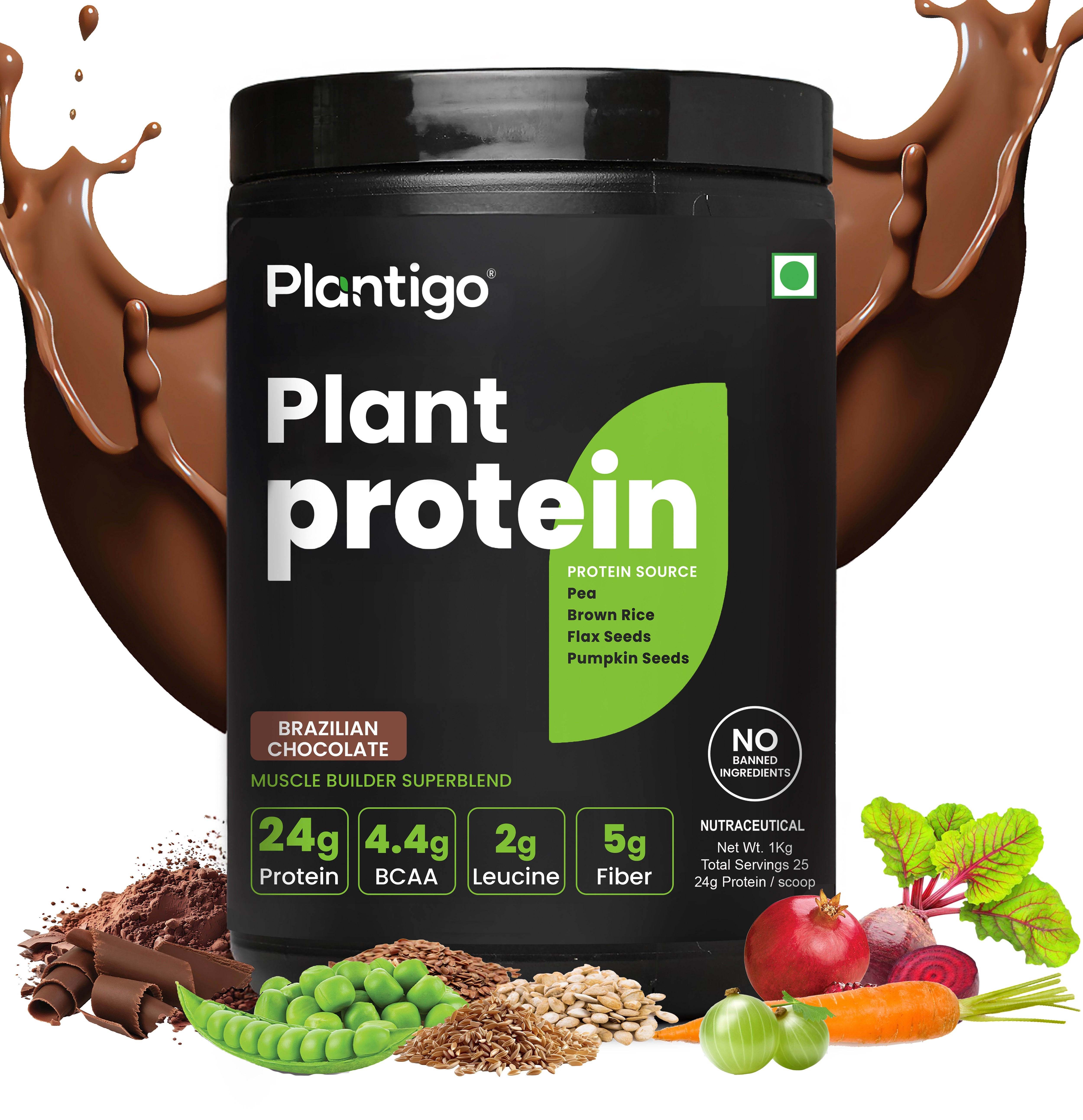
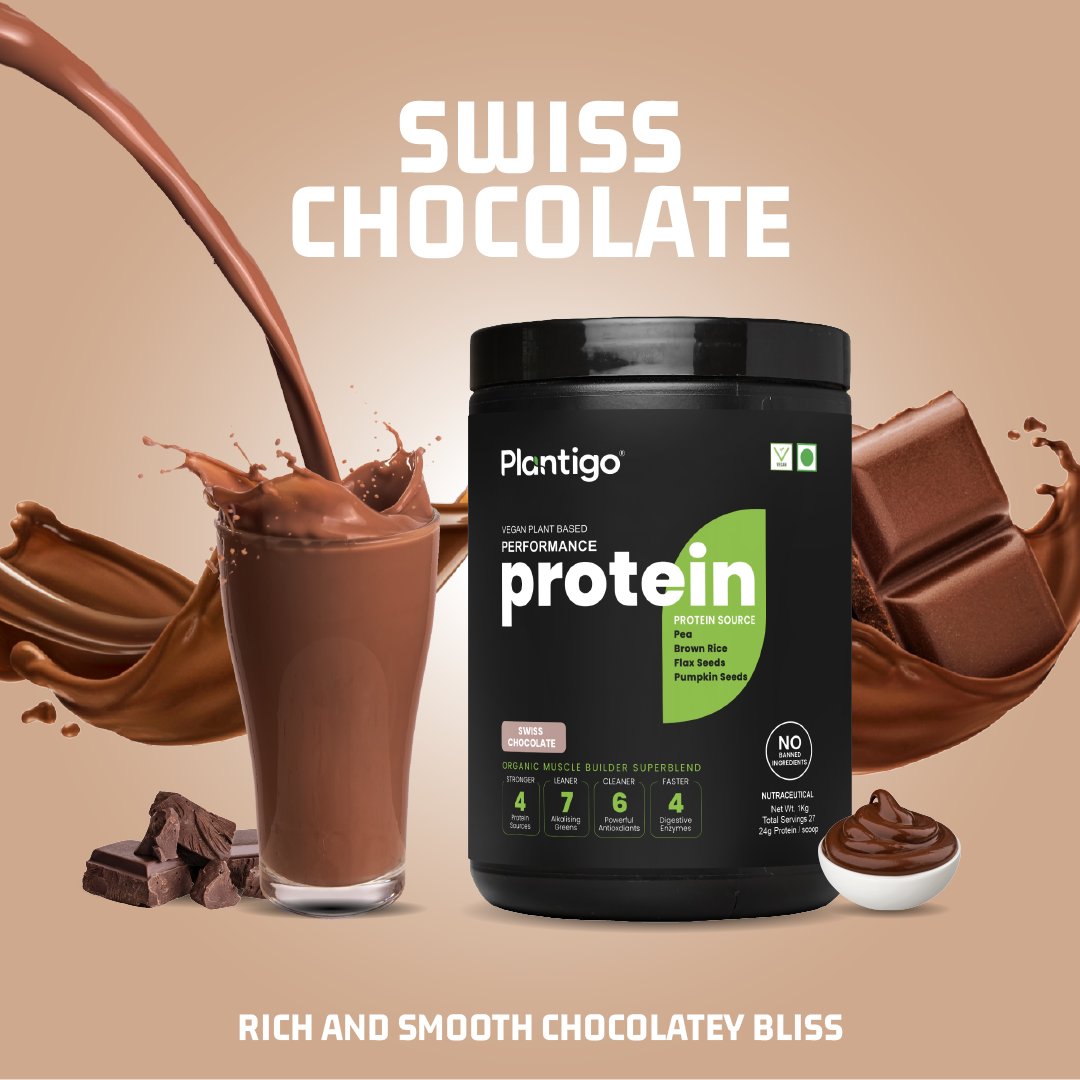
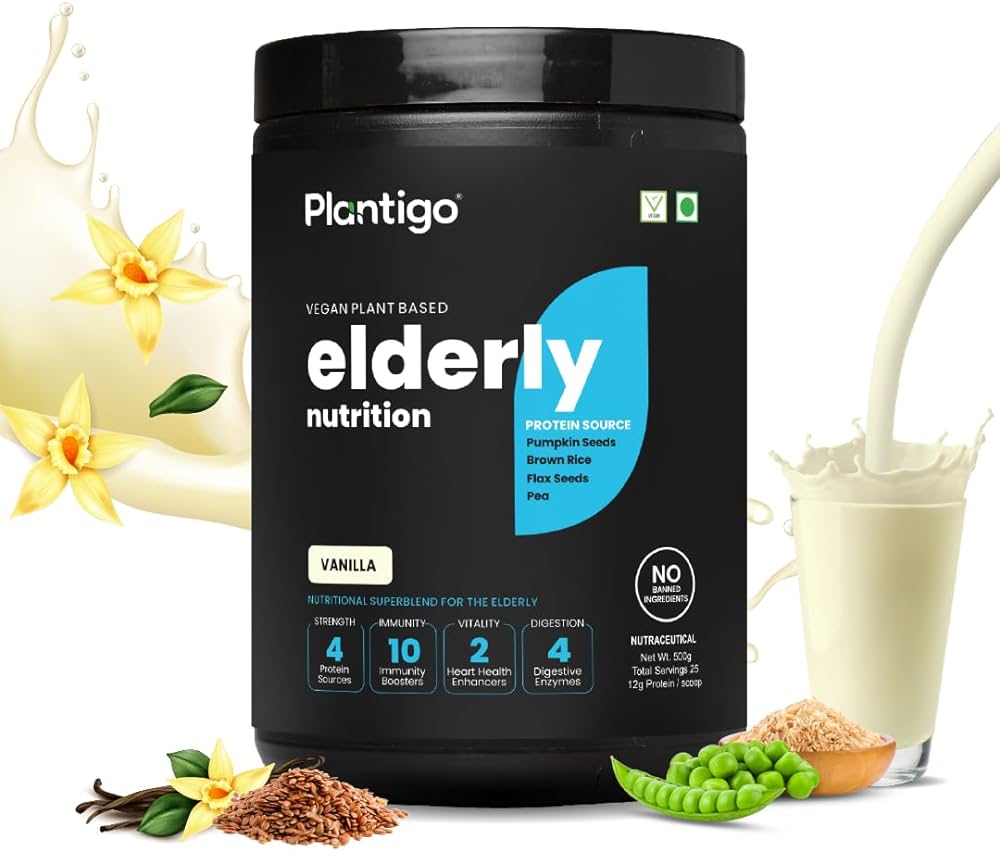
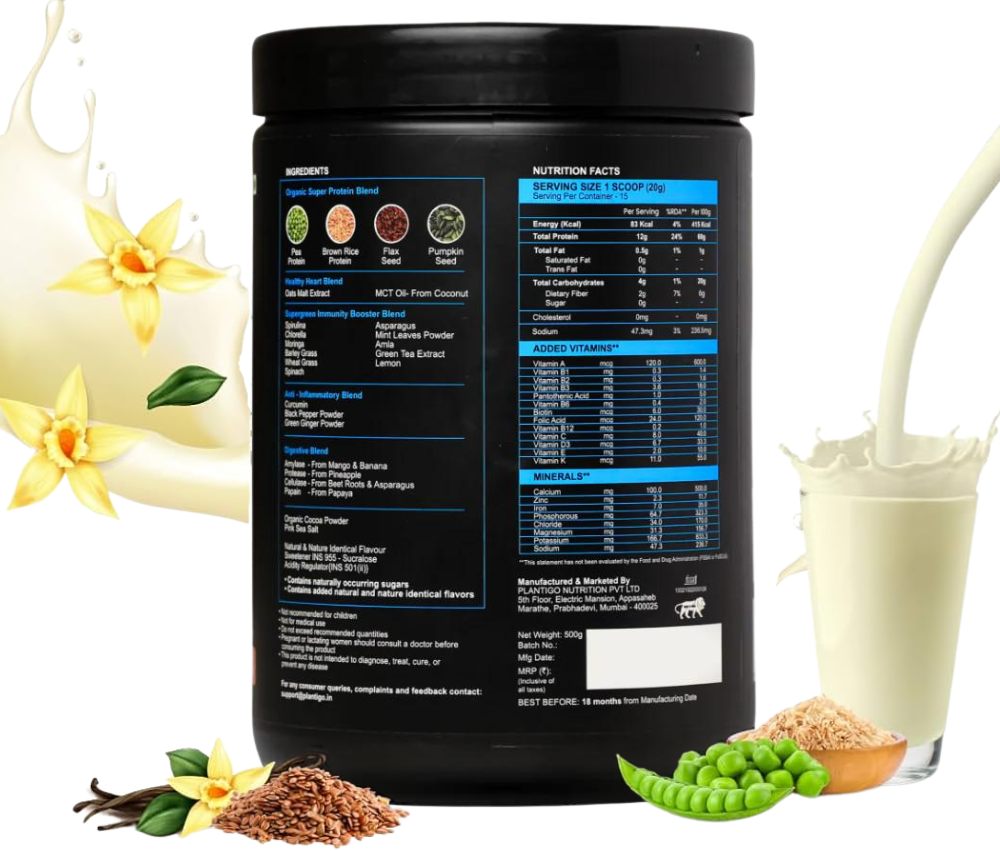
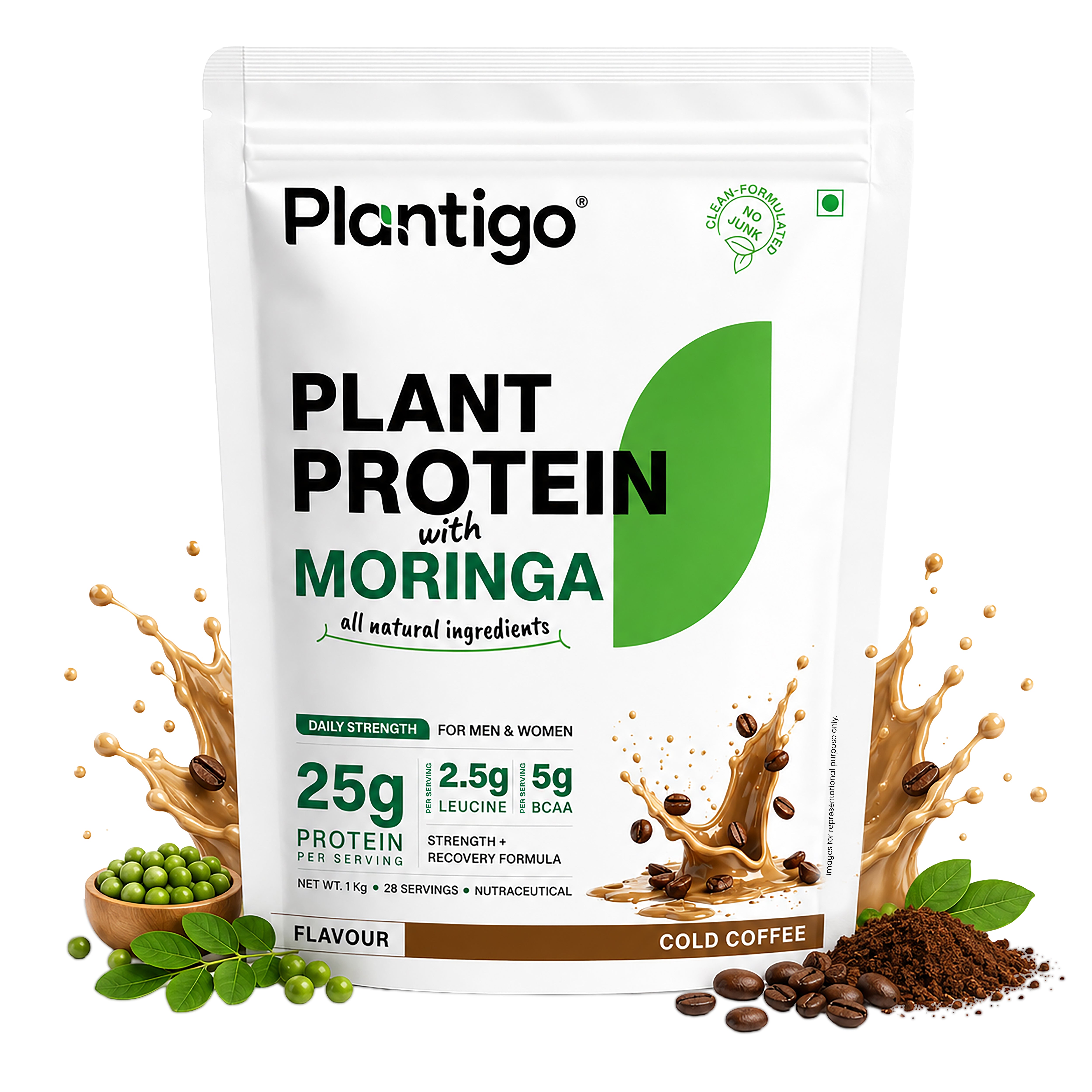
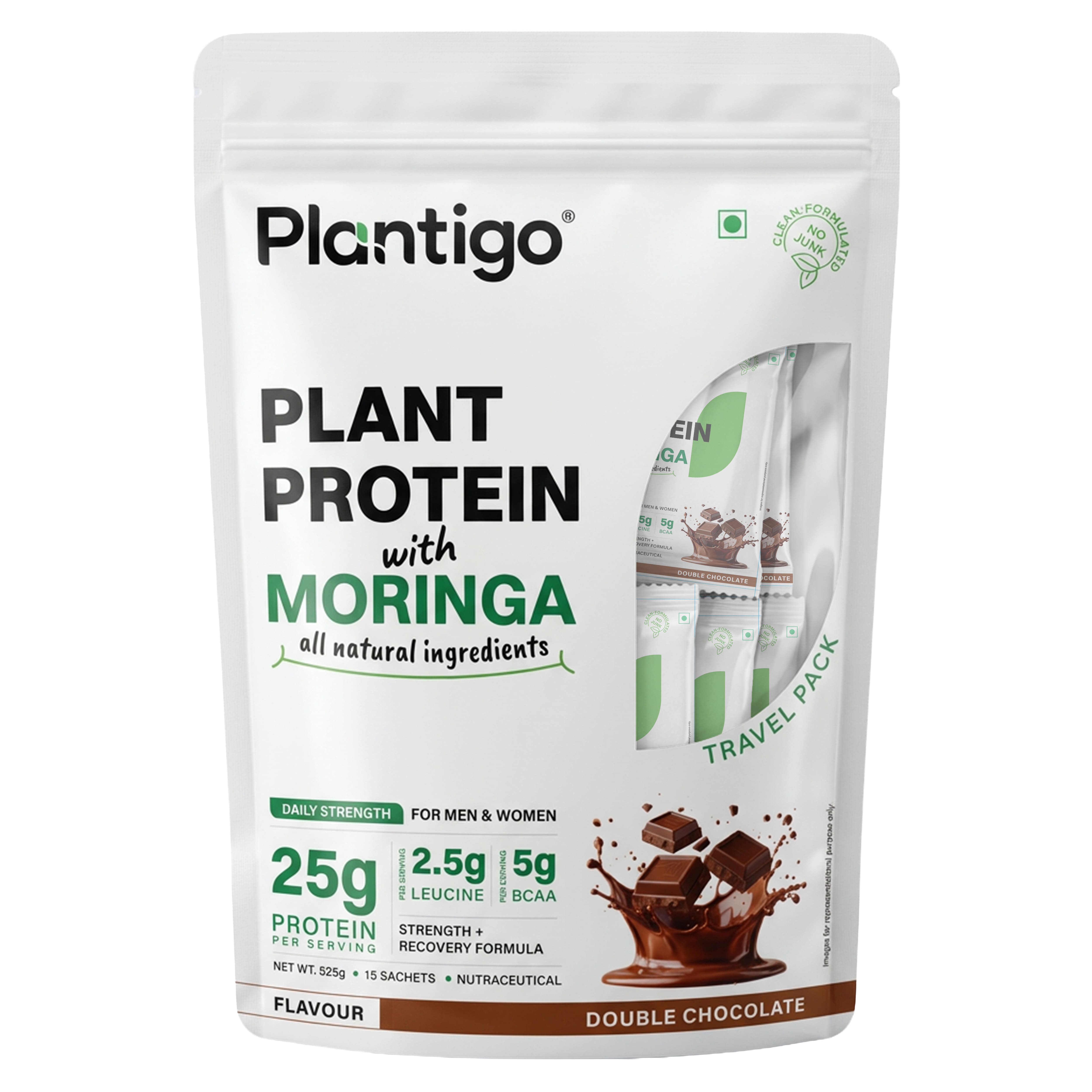
For many people, maintaining consistent nutrition can be challenging with busy lifestyles. Adding convenient sources of protein, such as Plantigo plant protein, can help support daily nutritional needs alongside a balanced diet.
When you start making small, intentional choices that support your wellbeing, the path to better living becomes not only achievable but also sustainable. Take the first step toward a healthier routine today.
FAQs
1. What is the difference between health and wellness?
The difference between health and wellness is that health refers to the physical condition of the body and the absence of disease, while wellness is the ongoing process of making lifestyle choices that support overall wellbeing.
2. Can someone be healthy but not truly well?
Yes. A person can be medically healthy but still feel stressed, fatigued, or out of balance. Wellness focuses on improving lifestyle habits such as nutrition, sleep, exercise, and mental wellbeing.
3. Why is wellness important for long-term health?
Wellness encourages preventive habits such as balanced nutrition, physical activity, stress management, and adequate sleep, which help support long-term health and reduce the risk of disease.
4. How does nutrition support health and wellness?
A balanced diet that includes nutrient-dense foods, plant protein sources, vitamins, and minerals helps support energy levels, immune function, and overall wellbeing.
5. What are simple habits that improve health and wellness?
Simple habits include eating balanced meals, staying physically active, managing stress, getting enough sleep, and maintaining positive social connections. These daily habits support both health and wellness.