
Protein powders have become a common part of modern nutrition, especially for fitness enthusiasts, busy professionals, and people trying to increase their daily intake of plant protein. Yet a question frequently appears in online forums and gym conversations: can protein powder cause hair loss?
The short answer is usually no. Protein itself is essential for healthy hair because hair strands are made largely of a protein called keratin. However, certain factors associated with diet changes, rapid weight loss, nutrient deficiencies, or hormonal conditions may sometimes lead people to wonder can protein powder cause hair loss after starting supplements.
Hair health depends on a combination of nutrition, genetics, stress levels, hormones, and overall lifestyle. Because many people begin using supplements when they change their diet or fitness routine, it can be easy to mistakenly link hair shedding directly to protein powder.
In this article, we examine the science behind the question can protein powder cause hair loss and explore seven important facts that explain the real relationship between protein intake, nutrition, and hair health.
Can Protein Powder Cause Hair Loss? The Real Explanation
When people ask can protein powder cause hair loss, they are usually experiencing temporary hair shedding and looking for a clear cause. However, most scientific evidence shows that protein itself does not cause hair loss.
Hair is primarily made of keratin, a structural protein. Without adequate protein intake, hair actually becomes weaker, thinner, and more prone to falling out.
In fact, research database notes that protein malnutrition can lead to hair thinning and hair loss, highlighting the important role that adequate protein intake plays in maintaining healthy hair growth.
That means increasing protein intake through food or supplements is usually beneficial, not harmful, for hair health.
However, confusion arises because certain factors associated with protein supplements can indirectly contribute to hair shedding. Understanding these factors is essential before concluding that protein powders are responsible.
Let’s examine the seven facts that explain why the question can protein powder cause hair loss often appears in discussions.
Fact 1: Can Low Protein Intake Cause Hair Loss?
Hair strands are composed primarily of keratin protein, which means the body requires sufficient protein to maintain healthy hair growth cycles.
When protein intake drops too low, the body prioritizes essential organs over hair production. This can push hair follicles into a resting phase known as telogen effluvium, leading to noticeable shedding.
Ironically, people who ask can protein powder cause hair loss may actually be experiencing the effects of insufficient protein intake before starting supplements.
Even common foods contribute small amounts of protein. For example:
-
Many people are surprised to learn about protein in roti, which contributes to daily intake.
-
Fruits also contain trace protein; knowing the protein in one banana can help estimate overall nutrition.
-
Protein powders are often used to fill nutritional gaps rather than create them.
Fact 2: Can Crash Dieting Cause Hair Loss?
Another reason the question can protein powder cause hair loss comes up is because supplements are often paired with rapid weight-loss diets.
Strict dieting can lead to deficiencies in nutrients such as:
-
Iron
-
Zinc
-
Biotin
-
Vitamin D
These nutrients are essential for hair follicle health.
Many individuals who follow an aggressive 6 pack diet dramatically reduce calorie intake. The resulting nutrient deficit — not the protein powder — may trigger temporary hair shedding.
Hair loss caused by dieting is usually reversible once proper nutrition resumes.
Fact 3: Do Protein Supplements Affect Hormones?
Hair loss can also be influenced by hormones, particularly dihydrotestosterone (DHT). DHT is associated with androgenic alopecia, a genetic condition affecting both men and women.
Because protein powders are popular among athletes and bodybuilders, some people assume supplements increase hormone levels. This leads them to wonder again: can protein powder cause hair loss?
In reality, standard protein powders do not significantly alter hormone levels.
Hair loss related to hormones is usually due to genetics rather than diet.
Fact 4: Can Nutrient Deficiencies Cause Hair Loss?
Hair growth requires more than just protein. The body needs a balanced supply of vitamins, minerals, and healthy fats.
People focusing only on protein intake may overlook other important nutrients. Foods rich in vitamins and antioxidants — sometimes referred to as collagen foods — support skin and hair structure.
For example, vitamin C helps the body produce collagen, which contributes to scalp health.
This is why experts emphasize a balanced diet, not just supplements, when addressing hair concerns.
When individuals lack micronutrients, they may mistakenly believe can protein powder cause hair loss, when the real issue is overall diet quality.
Fact 5: Are Plant Protein Powders Safe for Hair?
Protein supplements vary widely in ingredients and processing methods. Some people prefer dairy-based options, while others choose plant-derived sources.
For instance, pea protein powder is commonly used by people looking for dairy-free alternatives. Like other protein sources, it simply provides amino acids that the body uses for muscle repair and tissue maintenance.

There is no credible evidence that plant proteins themselves trigger hair loss.
This is another reason why the question can protein powder cause hair loss often leads to misunderstanding. The body processes protein similarly whether it comes from food or supplements.
Fact 6: Can Lifestyle and Stress Affect Hair Growth?
Hair health is influenced by many lifestyle factors beyond nutrition:
-
Sleep quality
-
Stress levels
-
Physical activity
-
Scalp circulation
Some people adopt healthier habits alongside protein supplements, including fitness routines and wellness practices.
For instance, individuals trying to improve appearance may combine dietary changes with facial exercises for face fat, improved hydration, and regular workouts.
These lifestyle shifts affect the body in complex ways. Temporary hair shedding can sometimes occur during metabolic adjustments.
This again leads people to wonder can protein powder cause hair loss, even though the underlying causes are multifactorial.
Fact 7: What Are the Real Causes of Hair Loss?
Hair loss rarely occurs due to a single factor. Instead, it often results from a combination of influences such as stress, diet, genetics, and health conditions.
For example, someone tracking nutrition may analyze foods like 100 gm sattu protein or experiment with different diets while monitoring hair changes.
In reality, hair growth cycles can fluctuate naturally over time.
To better understand personal needs, many people now use tools such as a protein intake calculator to estimate daily protein requirements based on body weight and activity level.
Adequate nutrition supports hair health rather than harming it.
The Bigger Picture: Why Protein Is Essential for Hair Health
If we revisit the central question — can protein powder cause hair loss — the answer becomes clearer when we look at the biology of hair growth.

-
Hair follicles require amino acids to produce keratin, the protein that forms the structure of hair strands.
-
Insufficient protein intake can weaken hair, making it thinner and more prone to shedding.
-
Consistent protein intake supports the hair growth cycle, which is why nutrition experts emphasize adequate daily protein.
-
Whole foods and supplements can both contribute to protein intake when dietary needs are difficult to meet through meals alone.
-
Plant protein sources and other nutrient-rich foods can support overall health and help maintain healthy hair when included in a balanced diet.
Protein Supplements in Modern Diets
Modern lifestyles often make it difficult to meet protein requirements through food alone. Busy schedules, dietary preferences, and fitness goals all influence nutritional choices.
A plant based protein powder is simply a convenient way to supplement daily protein intake when whole foods fall short.
However, the key is balance.
Supplements should complement — not replace — nutrient-rich foods such as vegetables, fruits, legumes, whole grains, nuts, and seeds.
Final Thoughts
The internet is full of mixed opinions, which is why the question can protein powder cause hair loss often comes up.
However, research shows that protein itself does not cause hair loss. In fact, hair is made largely of protein, and low protein intake can actually lead to weaker hair and increased shedding.
Many cases where people believe supplements are responsible are actually linked to factors like nutrient deficiencies, rapid dieting, hormonal changes, or stress.
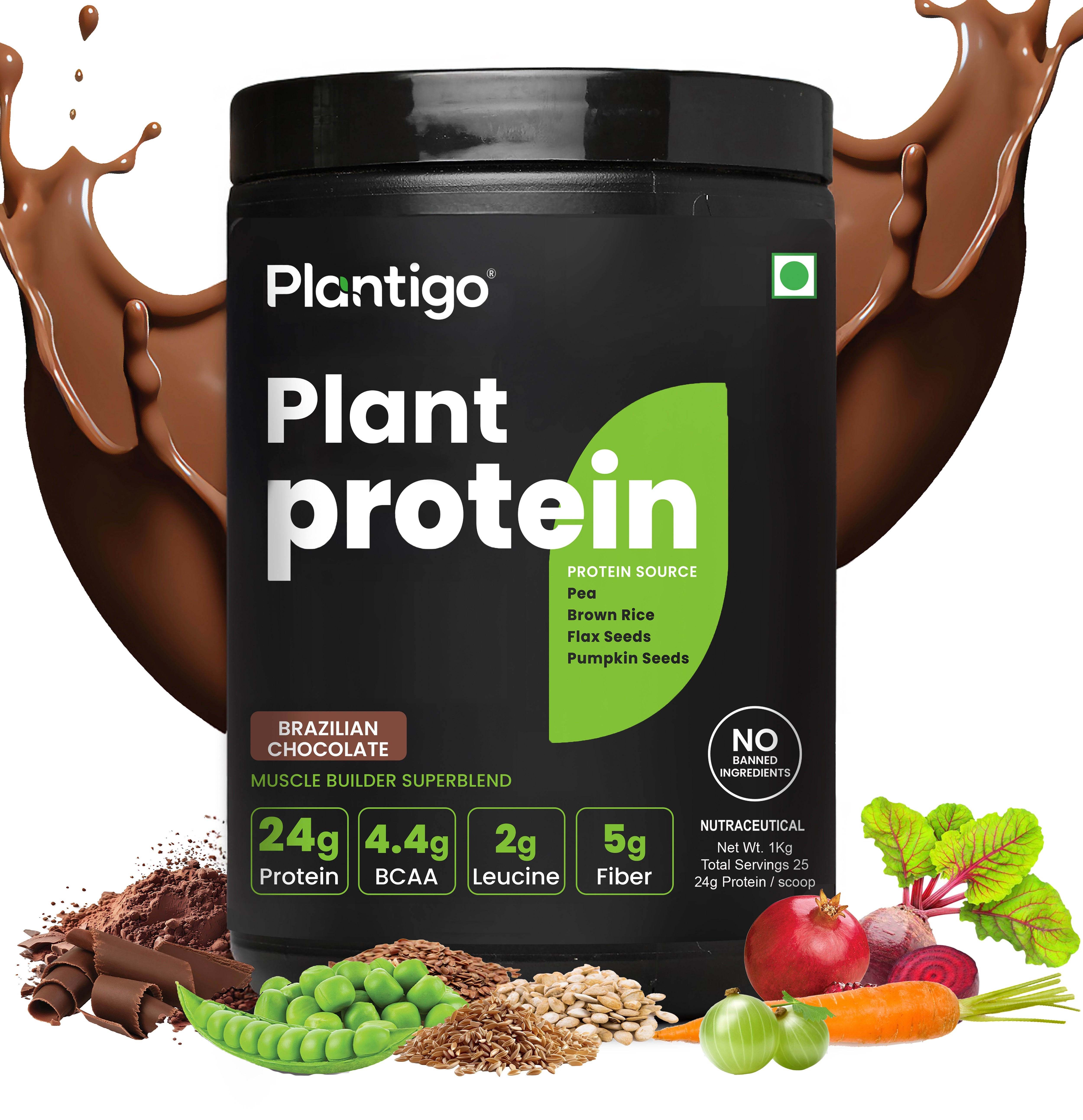
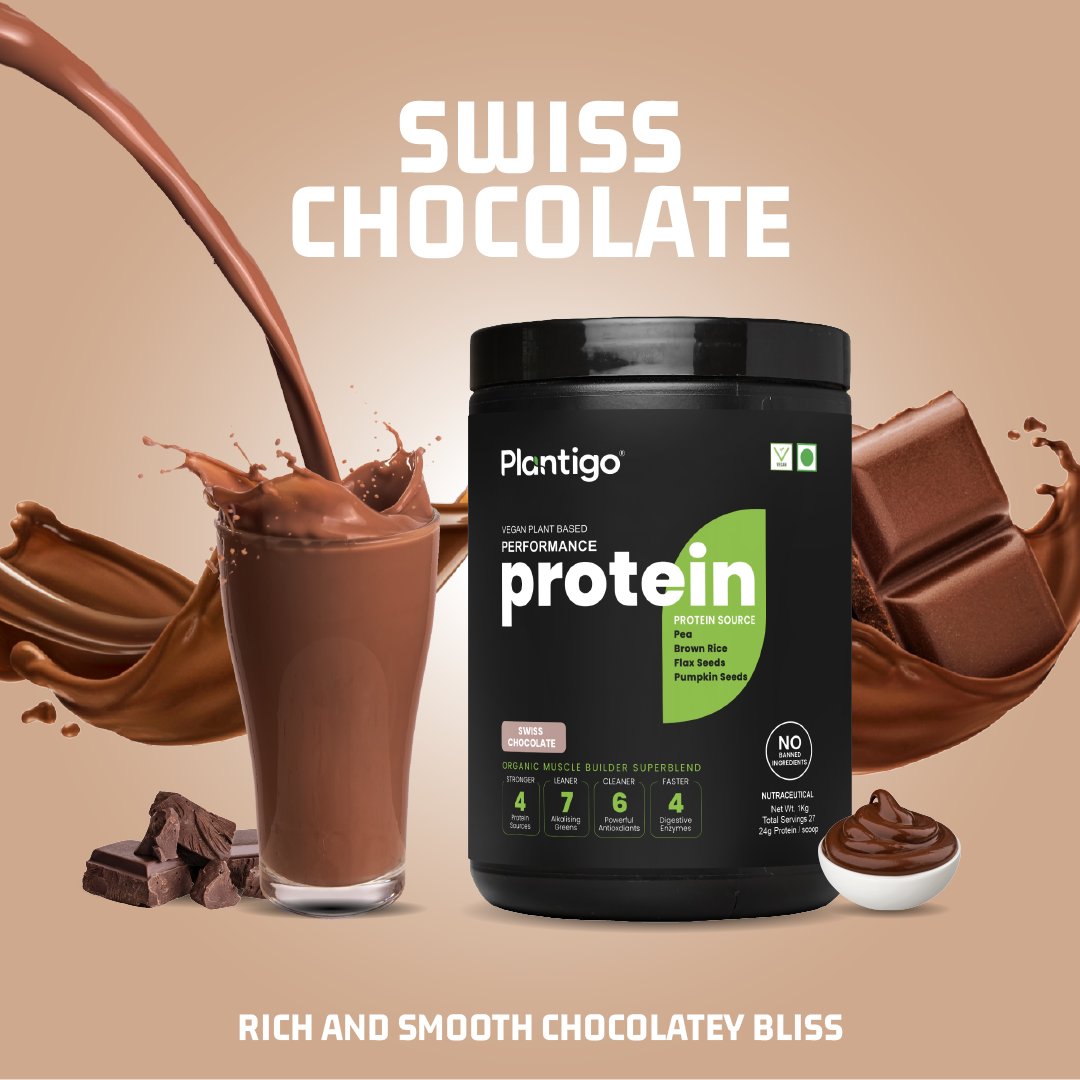
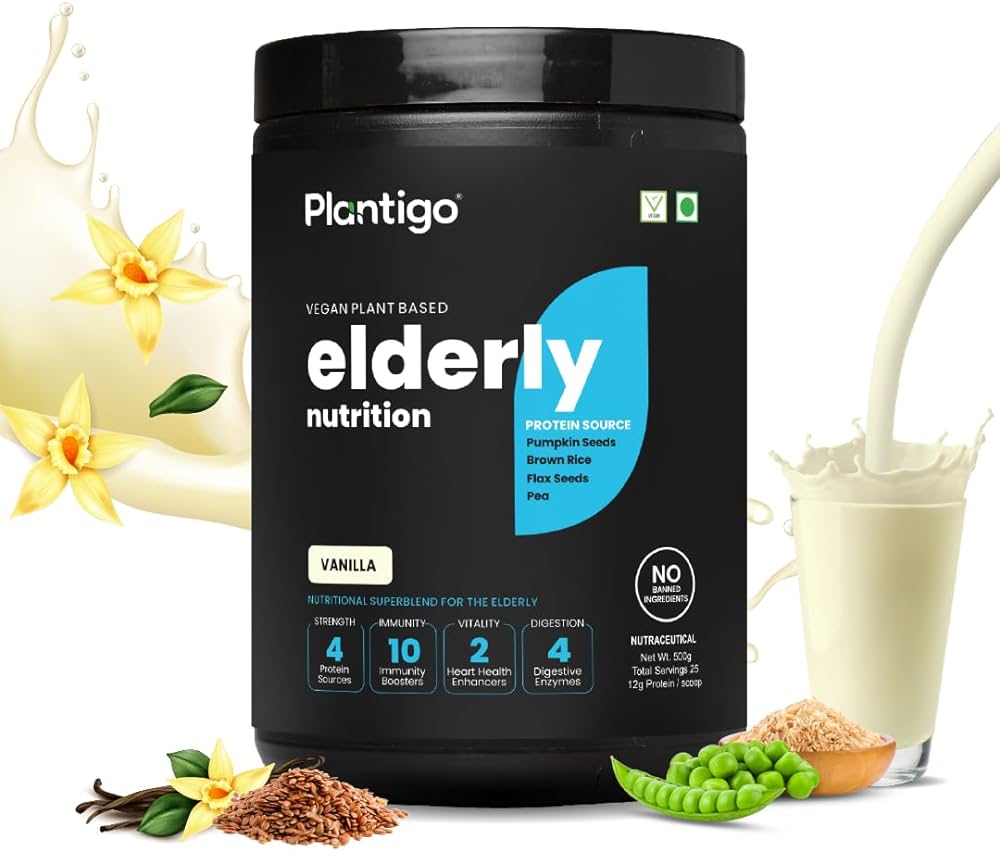
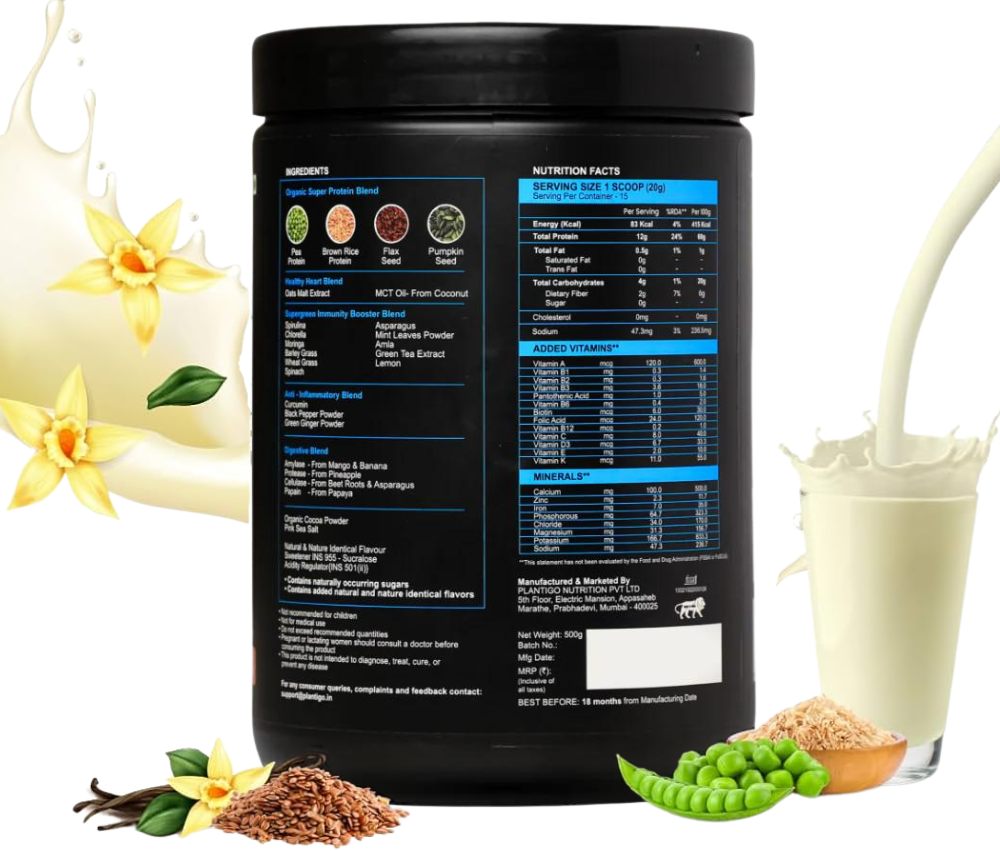
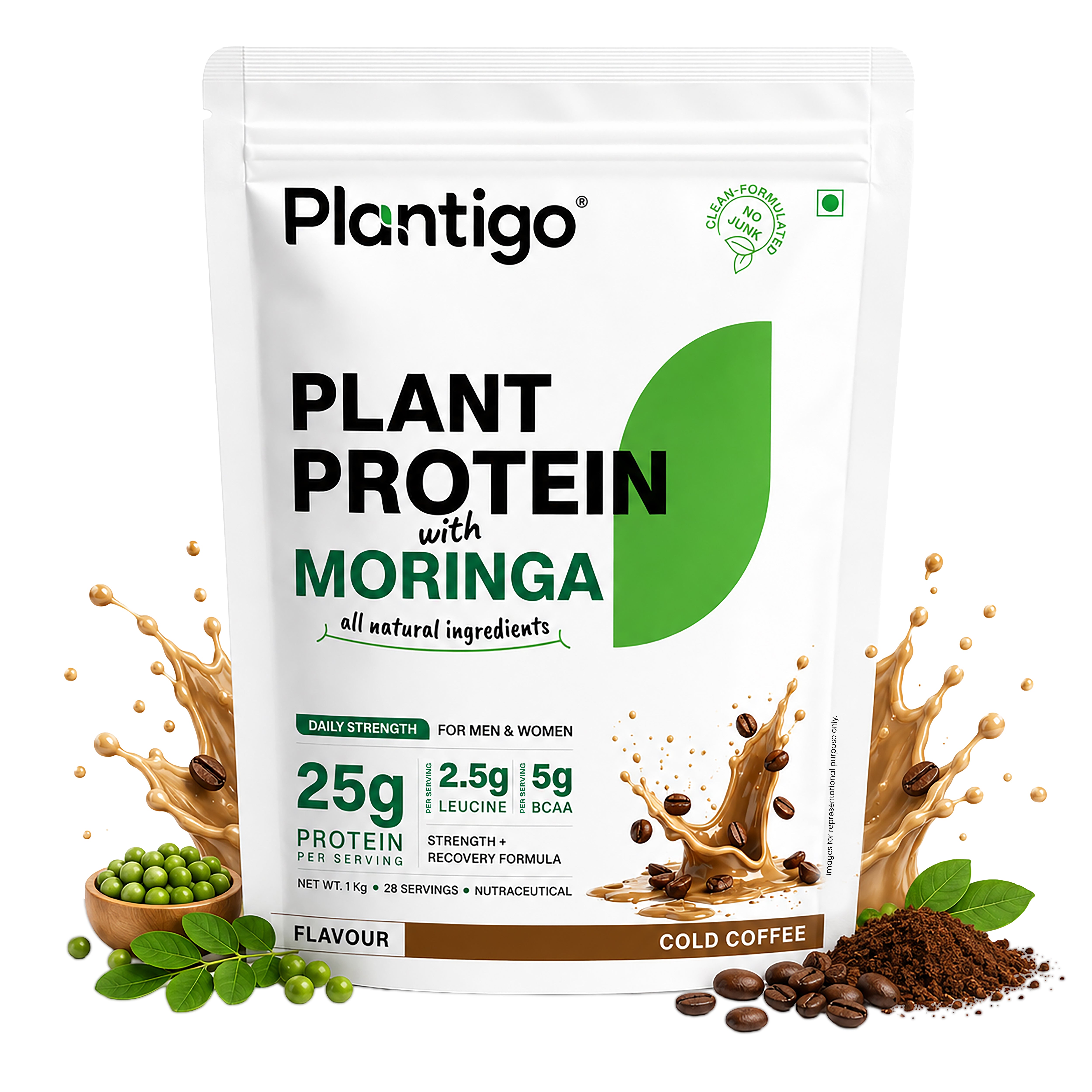
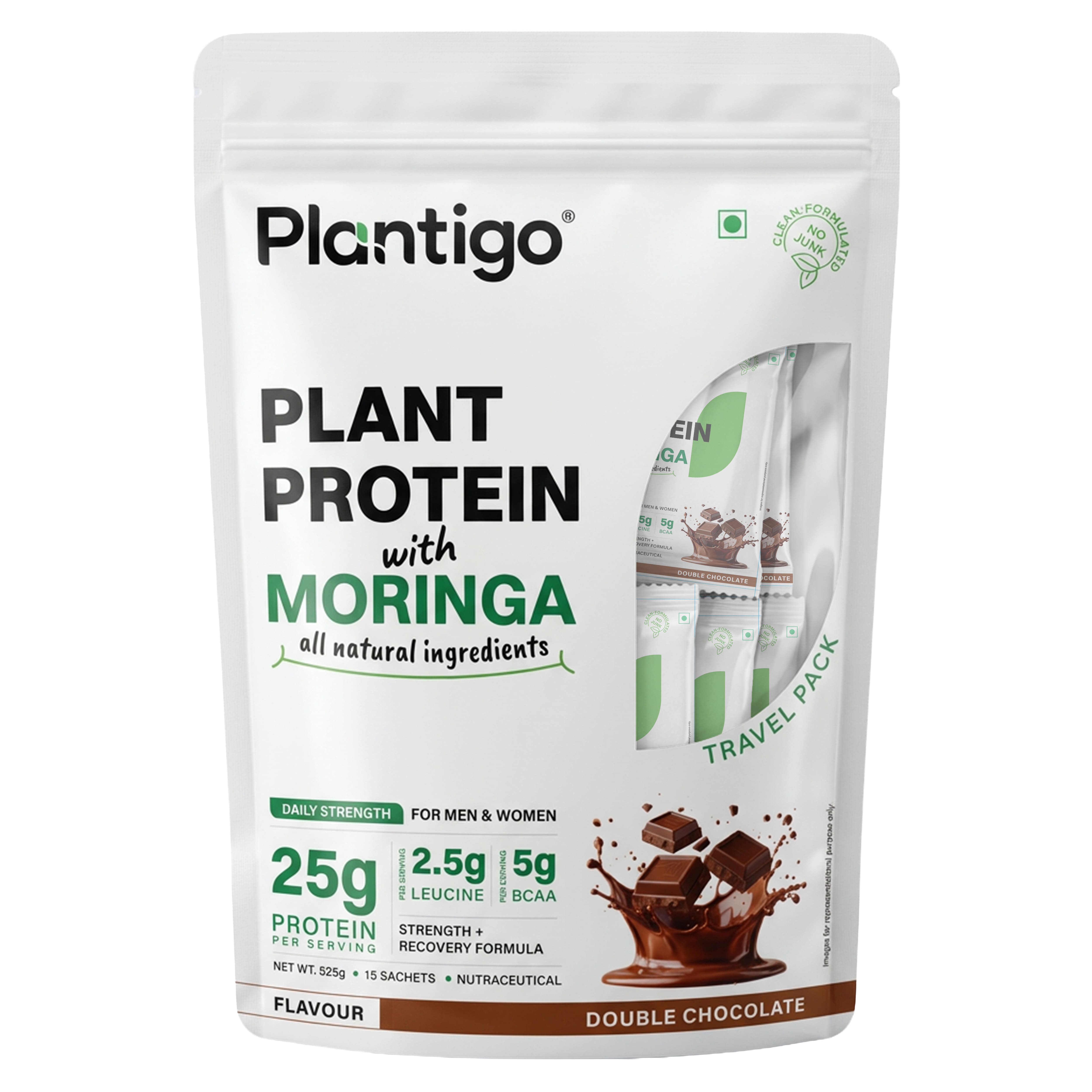
Maintaining a balanced diet and adequate protein intake is essential for healthy hair. For those who struggle to meet their daily protein needs through food alone, options such as Plantigo plant protein can help support overall nutrition.
So when people ask can protein powder cause hair loss, the reality is simple: protein is usually part of the solution, not the problem.
FAQs
1. Can protein powder cause hair loss?
No. Protein powder itself does not usually cause hair loss. Hair is made of keratin, a protein, so adequate protein intake actually helps support healthy hair growth.
2. Why do some people notice hair loss after starting protein powder?
Hair shedding after starting protein powder is often linked to rapid dieting, nutrient deficiencies, or stress, not the supplement itself.
3. Is protein important for hair growth?
Yes. Hair follicles need amino acids from protein to produce keratin, which helps maintain strong and healthy hair strands.
4. Are plant-based protein powders safe for hair?
Yes. Plant-based protein powders provide amino acids that support overall nutrition and normal hair growth when consumed as part of a balanced diet.
5. What are the common causes of hair loss?
Common causes include nutrient deficiencies, hormonal changes, stress, genetics, and rapid weight loss rather than protein supplements.