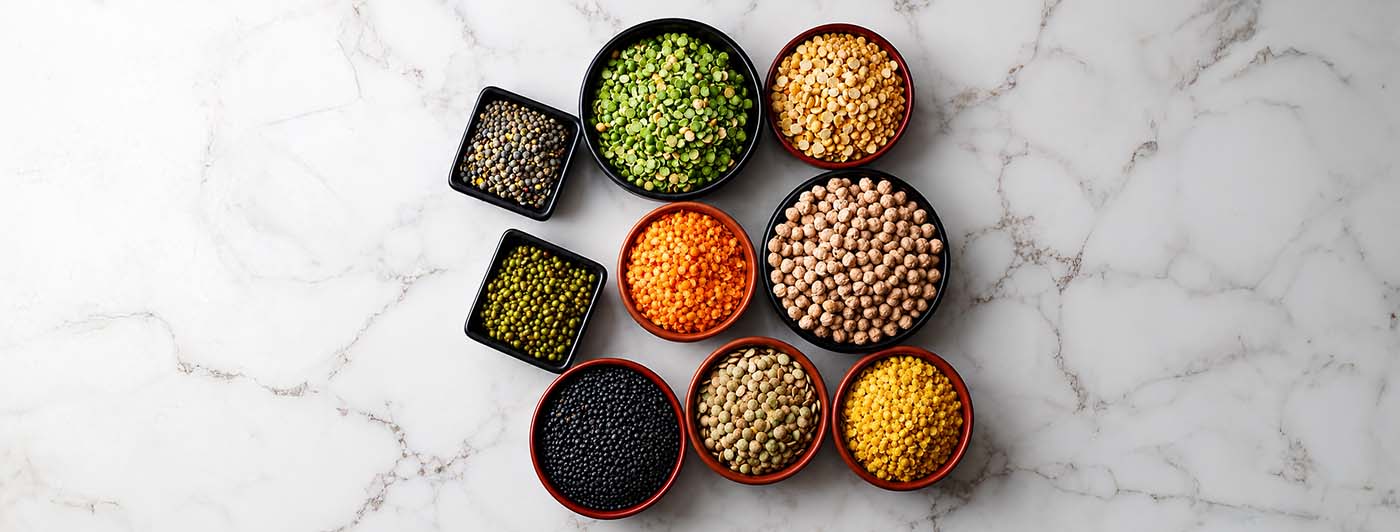
Dal sits at the centre of the Indian plate every single day — yet most Indians have never stopped to ask how much protein it is actually delivering. The numbers online are confusing because some quote raw weights, some cooked, and some refer to a katori without specifying size. If you are trying to hit a doctor-advised protein target, managing blood sugar, or simply trying to understand whether your daily dal is doing enough nutritional work, the raw vs cooked distinction alone changes the picture entirely.
How Much Protein Is in Dal per 100g?
Urad dal leads all commonly eaten Indian dals with 24–25g of protein per 100g raw, according to theIndian Food Composition Tables — making it a denser protein source per gram than most chicken preparations (chicken breast averages 22–23g per 100g cooked). Masoor and moong dal follow at 23–25g per 100g raw, with chana and toor dal at 20–22g. However, once cooked, all dals drop to just 7–9g per 100g due to water absorption — meaning a standard 150g katori delivers only 10–14g of protein, not the raw figure most people assume.
This raw vs cooked gap is the single most misunderstood fact about dal protein in India — and the reason most Indians underestimate how much dal they actually need to eat to close their daily protein gap.
Complete Data Breakdown: Dal Protein per 100g
1. Raw Dal Protein — Ranked Highest to Lowest
|
Dal |
Protein per 100g (Raw) |
Fibre (g) |
GI |
Best For |
|
Urad Dal (Black Gram) |
24–25g |
18g |
43 |
Muscle building, calcium |
|
Masoor Dal (Red Lentil) |
24–25g |
11g |
29 |
Weight loss, iron, quick cooking |
|
Moong Dal (Green/Yellow) |
23–24g |
16g |
25 |
Digestion, diabetics, daily use |
|
Chana Dal (Bengal Gram) |
20–22g |
12g |
8 |
Diabetics, satiety, heart health |
|
Toor/Arhar Dal (Pigeon Pea) |
21–22g |
15g |
29 |
Everyday cooking, immunity |
|
Rajma (Kidney Beans) |
22–23g |
15g |
29 |
Muscle gain, iron, north India staple |
|
Kulthi Dal (Horse Gram) |
22–25g |
5g |
Low |
Complete amino acid profile, weight loss |
Source: ICMR-NIN Indian Food Composition Tables 2017
2. Cooked Dal Protein — What You Actually Eat
This is the number that matters for daily nutrition planning. Dal absorbs 2–3x its weight in water during cooking, which dilutes protein concentration significantly.
|
Dal |
Protein per 100g (Cooked) |
Protein per 150g Katori |
Protein per 200g Bowl |
|
Urad Dal |
~9g |
~13–14g |
~18g |
|
Masoor Dal |
~8–9g |
~12–13g |
~16–18g |
|
Moong Dal |
~7–8g |
~10–12g |
~14–16g |
|
Chana Dal |
~8–9g |
~12–13g |
~16–18g |
|
Toor Dal |
~7–8g |
~10–12g |
~14–16g |
|
Rajma |
~8–9g |
~12–14g |
~16–18g |
A full dal-chawal lunch — 150g cooked dal + 150g cooked rice — delivers approximately 10–14g of protein. The ICMR-NIN"What India Eats" 2023 report found urban Indian adults consume an average of 55.4g protein daily — well short of the recommended 58–70g for a 70kg adult.
3. Raw vs Cooked: Why the Gap Matters
|
State |
Protein per 100g |
What It Means |
|
Raw moong dal |
23–24g |
The number on most nutrition databases |
|
Cooked moong dal |
7–8g |
What reaches your plate |
|
Sprouted moong dal |
26–29g (bioavailable) |
Highest usable protein — sprouting reduces antinutrients |
Sprouting dal before cooking increases bioavailable protein and reduces phytic acid — the compound that binds minerals and reduces absorption. This is why sprouted moong is nutritionally superior to plain boiled moong, not just in protein but in iron, zinc, and vitamin C. Our guide onprotein in sprouts per 100g covers this in detail.

4. Amino Acid Completeness of Dal
This is the limitation most Indians do not know about. Dal is high in lysine but low in methionine — making it an incomplete protein on its own. Rice and roti are the opposite: high in methionine, low in lysine.
|
Protein Source |
Lysine |
Methionine |
Complete? |
|
Dal (all varieties) |
High |
Low |
No — alone |
|
Rice / Roti |
Low |
High |
No — alone |
|
Dal + Rice / Dal + Roti |
Balanced |
Balanced |
Yes — combined |
|
Plantigo blend (pea + rice + pumpkin) |
High |
High |
Yes — by design |
Dal-chawal and dal-roti are nutritionally complete combinations — traditional Indian food science, validated. The combination reaches a PDCAAS comparable to animal protein when eaten together in the same meal.
Which Dal Is Best for Your Goal?
The protein numbers across dals are close. What differentiates them for Indian adults is the full nutritional profile — GI, fibre, digestibility, and amino acid coverage.
|
# |
Goal |
Best Dal |
Why |
|
1 |
Highest protein per 100g |
Urad Dal |
24–25g raw, highest among everyday dals |
|
2 |
Diabetes and blood sugar |
Chana Dal |
GI of 8 — lowest of all dals; 12g fibre per 100g |
|
3 |
Weight loss |
Masoor Dal |
High protein, low GI (29), quick to cook, high satiety |
|
4 |
Digestion and sensitive gut |
Moong Dal |
Lowest oligosaccharide content — least gas and bloating |
|
5 |
Muscle building |
Urad Dal or Rajma |
High leucine content; rajma has strong iron profile for recovery |
|
6 |
Complete amino acid profile |
Kulthi Dal |
One of the few dals with near-complete EAA coverage |
|
7 |
Everyday family cooking |
Toor Dal |
Mild, versatile, high protein, widely available |
The one-line verdict: No single dal wins on every parameter. Rotating 2–3 varieties weekly — moong for digestion, chana for blood sugar, urad or rajma for protein density — delivers better overall nutrition than eating only one dal daily. For a ranked breakdown of which dal leads on protein specifically, read our guide onwhich dal has the highest protein.
Benefits of Dal Protein for Indians
1. Best-Value Daily Protein for Vegetarians
-
1kg raw dal (₹80–₹160) delivers ~220–250g protein across 10 servings — the most affordable protein in any Indian kitchen
-
Available in every region, every cuisine: sambar, dal tadka, amti, kootu
-
11–18g fibre per 100g raw — no animal protein source comes close
-
Cholesterol-free, low in saturated fat, high in complex carbohydrates
2. Safe for Diabetics and Pre-Diabetics
-
Chana dal GI 8, moong dal GI 25 — virtually no blood sugar spike
-
High fibre slows gastric emptying and reduces post-meal insulin demand
-
Safe for daily use at 100–200g cooked without glycaemic impact
-
Safest high-protein food option for India's 74 million diabetic adults
3. Supports Muscle Maintenance After 35
-
200g cooked urad or rajma provides 16–18g protein toward the 58–70g daily target
-
High lysine content — the amino acid most critical for muscle protein synthesis in vegetarians
-
Iron in masoor and rajma supports oxygen delivery to muscles during recovery
-
2 servings/day covers 25–35% of daily protein needs — read our guide onusing moong dal post-workout
4. Easier to Digest Than Most Plant Proteins
-
Soak for 6–8 hours before cooking — reduces phytic acid by up to 50%
-
Sprouting reduces lectins and increases bioavailable protein further
-
Moong dal: lowest gas-producing oligosaccharide content — best for IBS and sensitive gut
-
Add hing and jeera while cooking to reduce bloating
-
Pressure cooking removes more antinutrients than open pot boiling
How Much Dal Should You Eat Per Day?
TheICMR-NIN RDA 2020 recommends 0.83g of protein per kg of body weight daily for healthy Indian adults. For a 70kg adult, that is approximately 58g per day — a target most urban vegetarian Indians fall short of at 55.4g per day on average.
General population: 2 servings of cooked dal daily (200–300g total) delivers 14–27g of protein — covering 25–40% of the daily requirement.
Active Indians: 1.2–1.6g per kg body weight daily for regular training. Dal alone cannot close this gap — supplementation becomes practical.
Standard dal serving: 150g cooked (1 katori) = 10–14g protein. Two katoris per day is achievable and recommended.
1. Who benefits most:
-
Vegetarians aged 25–55 using dal as their primary protein source
-
Diabetics and pre-diabetics — dal's low GI makes it the safest daily protein food
-
Adults managing weight — dal's fibre-to-protein ratio is unmatched among plant foods
-
Elderly adults needing easily digestible, affordable protein
-
Those with high uric acid: moong and masoor dal are low-purine choices
2. Who should be cautious:
-
Chronic kidney disease (CKD): high potassium and phosphorus in dal may worsen kidney function — portion size must be set by a nephrologist
-
Uric acid concerns: urad dal is high in purines — those with gout should limit it
-
IBS with severe gas: chana and rajma can worsen symptoms — switch to moong dal
How to Include Dal in Your Indian Diet for Maximum Protein
The typical Indian dal serving is one katori per meal — which is nutritionally good but often not enough to meet daily protein targets on its own. Here is how to get more protein out of dal without eating more food.
1. Morning: Moong dal cheela — 2 cheelas made from 50g raw moong dal batter delivers approximately 12g protein. Faster to make than paratha, higher in protein than poha.
2. Lunch: Dal-chawal is nutritionally complete — the lysine from dal and methionine from rice combine to form a complete protein. Use 1.5 katoris of thick dal (not thin/watery) to maximise protein per meal.
3. Evening snack: Sprouted moong with lemon and chaat masala — 100g sprouted moong delivers 8–9g bioavailable protein with almost no cooking required.
4. Dinner: Rajma or chana dal as the main protein — both are higher in protein density and more filling than toor dal. Pair with 1 roti for amino acid completeness.
5. Boost any dal: Add 1 tbsp besan (gram flour) to dal while cooking — it thickens the dal, adds 2–3g protein per serving, and disappears into the flavour. See our article onprotein in 100g besan for the full breakdown.
Dal Protein vs Other Indian Protein Sources
1. Dal vs Chana (Whole Chickpeas)
Whole chana provides 19g of protein per 100g cooked — similar to dal but with a higher carbohydrate load (27g per 100g cooked). Ourfull protein breakdown of chana covers the comparison in detail. Chana is slightly denser calorically and takes longer to digest — better for weight gain, less ideal for diabetics than chana dal.
Dal advantage: Lower GI, easier to digest, more versatile in cooking formats.
2. Dal vs Rajma
Rajma (kidney beans) provides 22–23g per 100g raw and 8–9g cooked — comparable to chana dal. It is higher in leucine (the key amino acid for muscle protein synthesis) than most dals and has a richer iron profile. Our article onprotein in rajma per 100g covers its full nutritional breakdown. The limitation: rajma takes longer to cook, is harder to digest, and is higher in purines.
Dal advantage: More digestible, lower purine content, suitable for daily use across age groups.
3. Dal vs Protein Powder
This is not an either/or choice. Dal is food — it carries fibre, complex carbohydrates, iron, folate, and B vitamins that a supplement cannot replicate. But two katoris of dal daily delivers only 20–28g of protein. For a 70kg adult needing 58g+ daily, food alone — even with generous dal servings — leaves a gap of 20–30g on most days.
The most practical combination for Indian adults: 2 katoris dal + 2 rotis + 1 scoop Plantigo = 51–57g protein before any dairy or other food sources. This closes the 70g daily target without restructuring meals or eating volumes that are unrealistic.
4. Dal vs Egg
One large egg delivers 6–7g of complete protein with all 9 essential amino acids and a PDCAAS of 1.0 — the maximum possible score. 100g of raw urad dal delivers 24–25g of protein but is low in methionine, making it incomplete alone.
|
Parameter |
Dal (100g raw) |
Egg (1 large, 50g) |
|
Protein |
22–25g |
6–7g |
|
Complete protein alone |
No |
Yes |
|
Fibre |
11–18g |
0g |
|
Cholesterol |
0mg |
186mg |
|
GI |
8–43 (varies) |
0 |
|
Cost per 30g protein |
₹8–15 |
₹30–45 |
Dal wins on fibre, GI, cholesterol, and cost per gram of protein. Egg wins on amino acid completeness and absorption speed. For Indian vegetarians, dal + roti achieves the same amino acid completeness as egg — at a fraction of the cost — which is why dal-chawal has sustained a largely vegetarian population for centuries.
Optimal combination for maximum protein quality: 1 katori urad dal + 1 cup rice + a pinch of hing = a complete protein meal delivering 14–18g of protein with a combined PDCAAS comparable to animal protein.

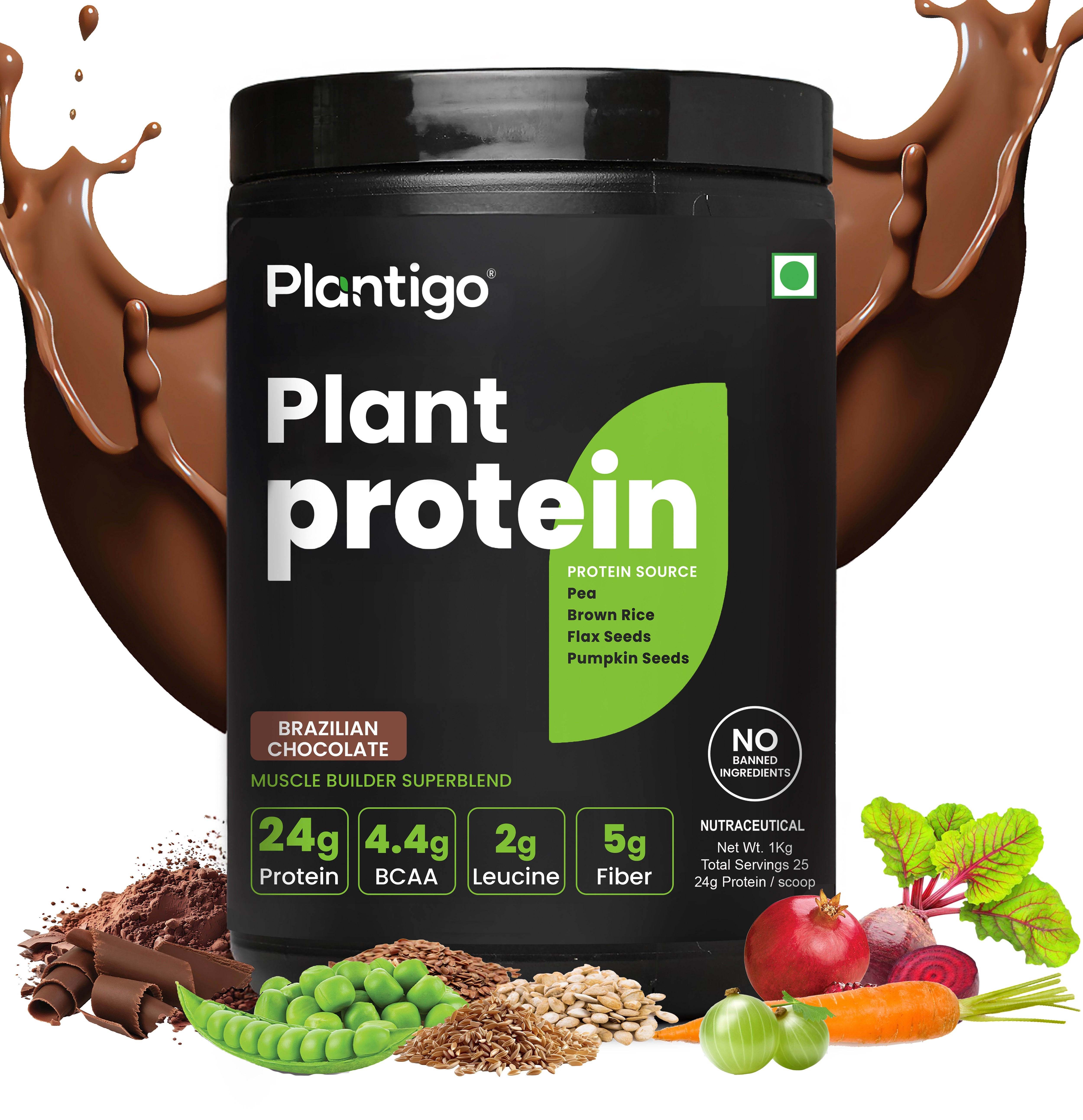
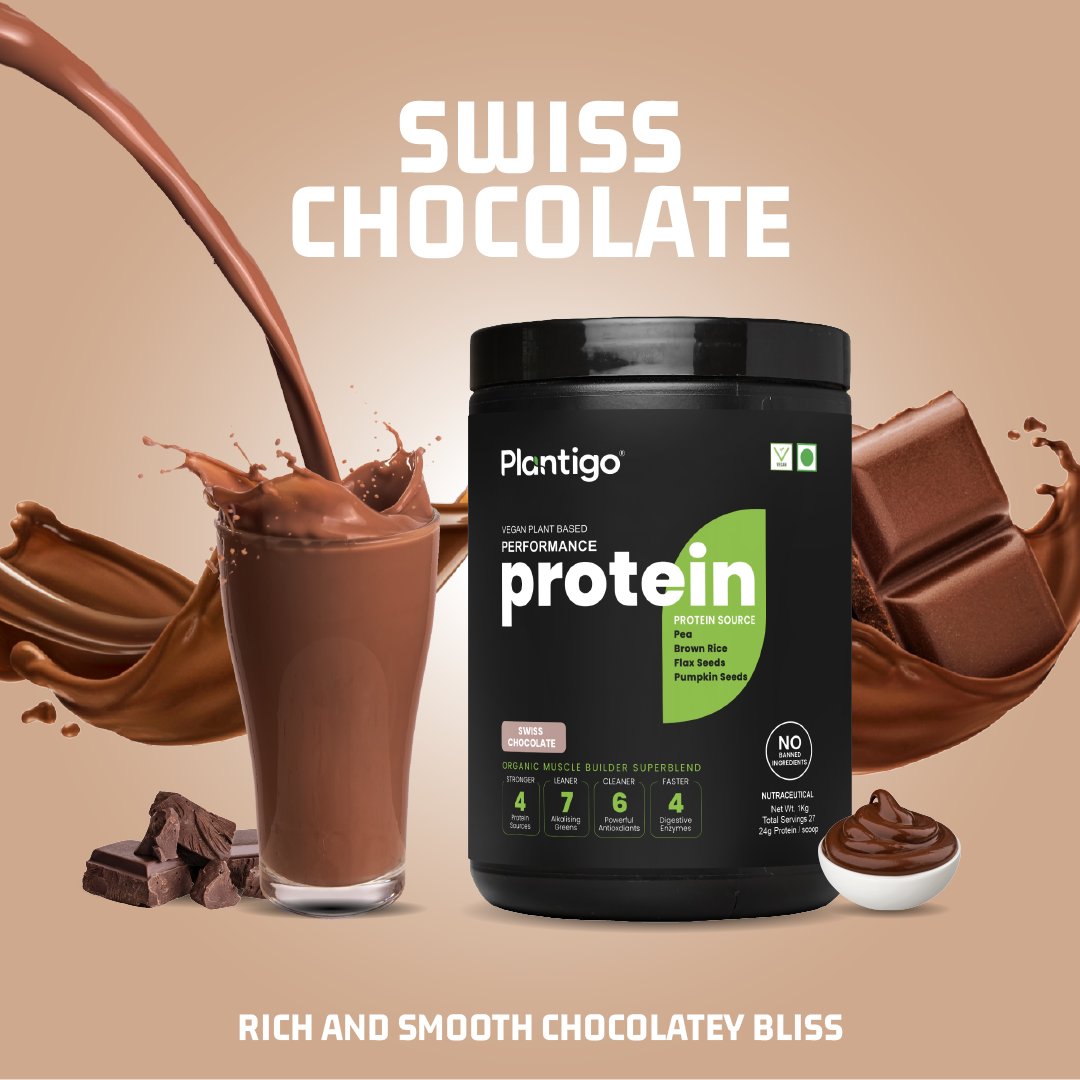
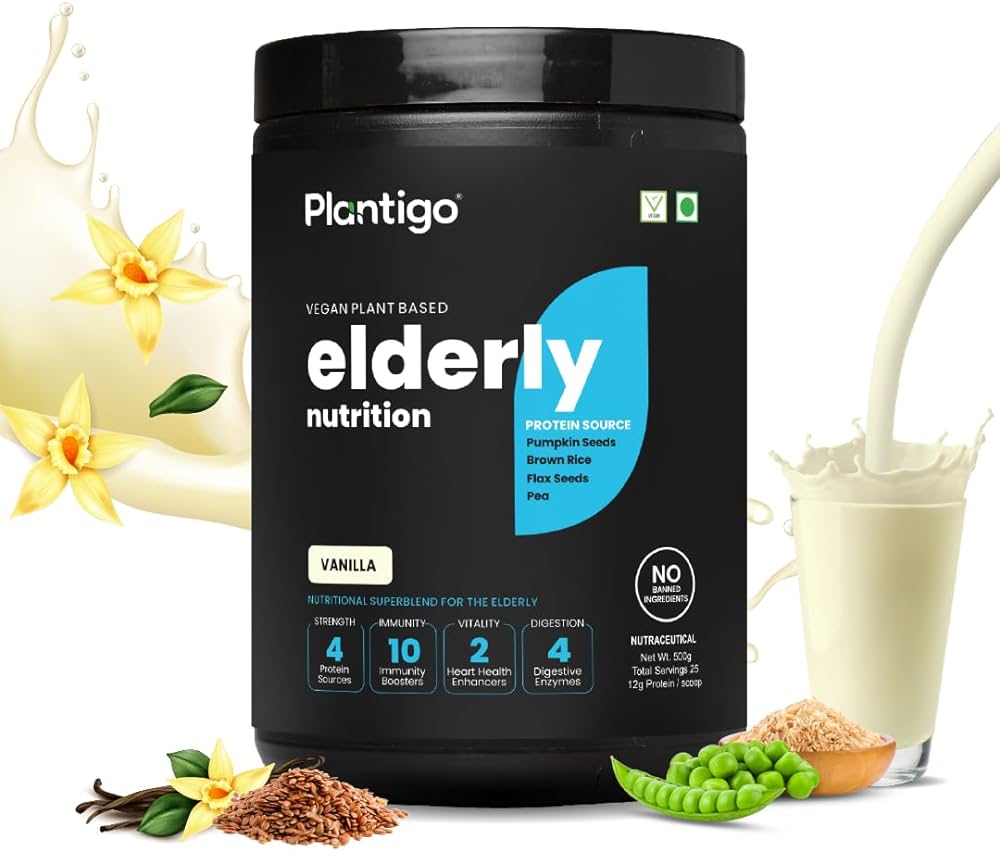
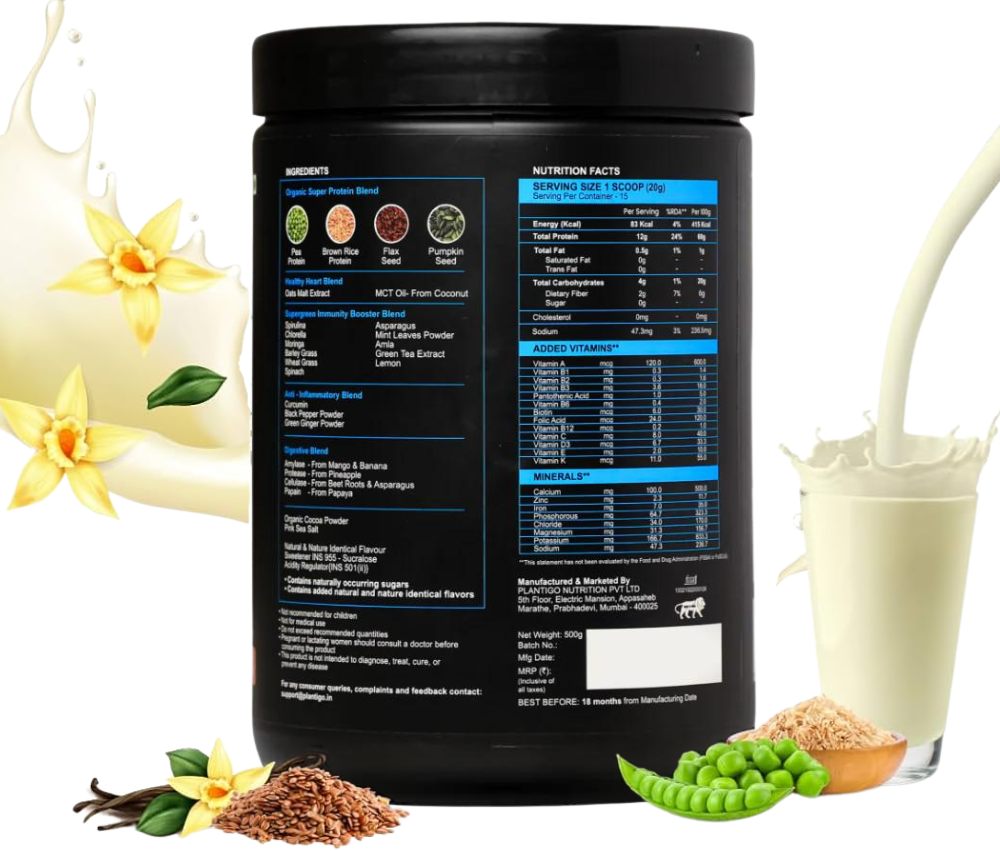
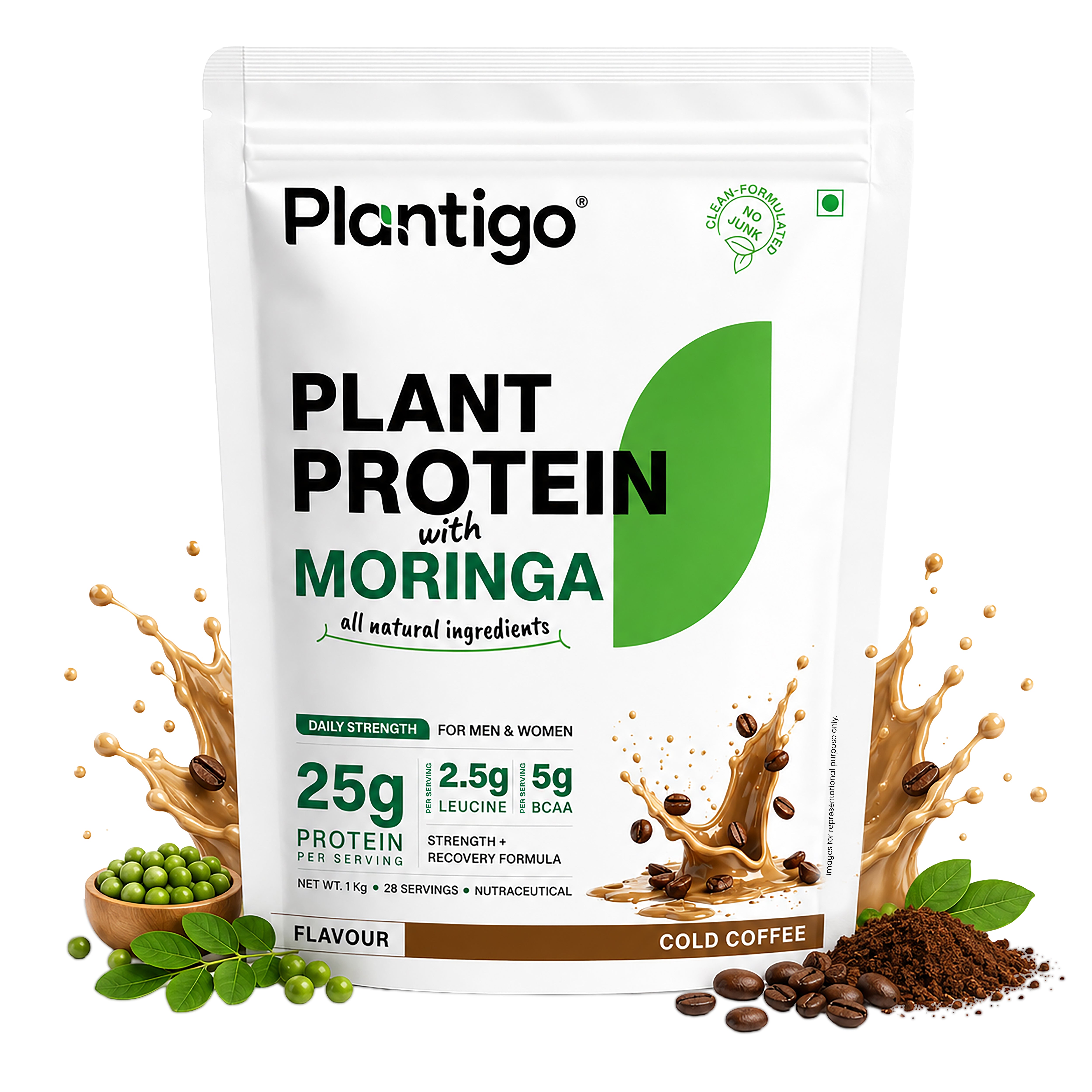
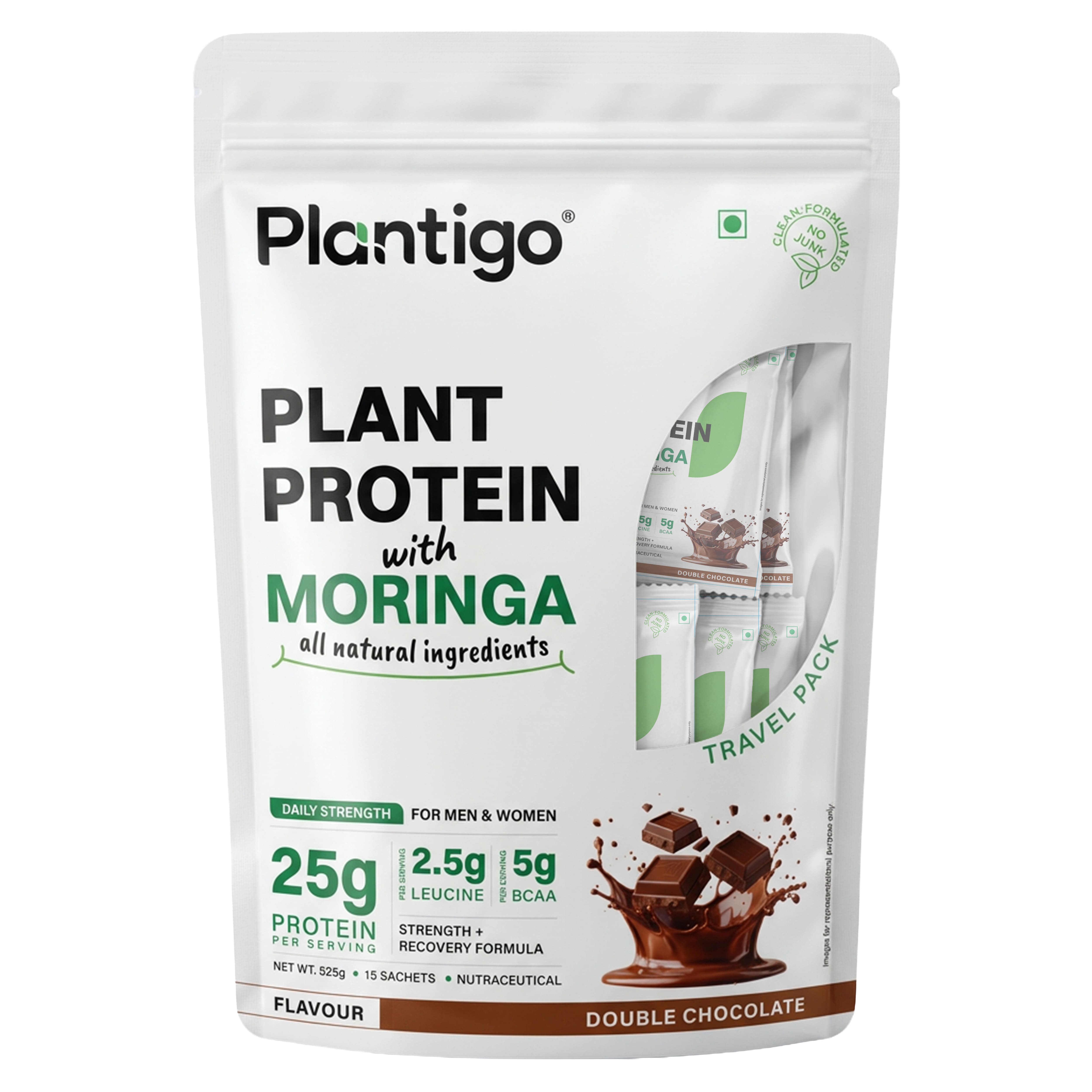
If dal alone isn't closing your daily protein gap, Plantigo can help bridge it with a complete plant-based protein blend of Canadian Pea Isolate, Brown Rice, Pumpkin Seed, and Flaxseed — delivering all 9 essential amino acids without relying on dairy. With 4 digestive enzymes from real fruit, zero Class 2 preservatives, third-party Eurofins testing, and a 30-day taste guarantee, it is built for Indians who want clean, daily protein support.View Plantigo Plant-Based Protein
The Bottom Line
Dal is one of the most nutritionally complete foods in the Indian diet — high protein, low GI, high fibre, affordable, and available everywhere. Urad and masoor dal lead on raw protein at 24–25g per 100g, but what actually reaches the plate after cooking is 7–9g per 100g. Two generous servings of dal daily covers roughly 25–35% of a 70kg adult's protein requirement — valuable, but not sufficient on its own.
The traditional dal-chawal and dal-roti combinations are nutritionally intelligent — they create amino acid completeness that neither food achieves alone. For Indians aged 25–55 trying to close a larger protein gap without overhauling their diet, a clean plant protein supplement used alongside daily dal is the most practical, evidence-based approach.
Frequently Asked Questions
1. Which dal has the highest protein per 100g?
Urad dal and masoor dal lead at 24–25g protein per 100g raw — the highest among commonly eaten Indian dals per ICMR-NIN data.
2. Which is better, dal or egg?
Dal wins on fibre, low GI, and cost per gram; egg wins on amino acid completeness — but dal + rice or roti matches egg on completeness at a fraction of the price.
3. How much dal for 30g of protein?
Approximately 120–130g raw (uncooked) — around 350–400g cooked or 2.5 large katoris of urad or masoor dal.
4. How to get 70g protein in a day from an Indian vegetarian diet?
2 katoris dal (20–24g) + 2 rotis (6–8g) + 100g paneer or curd (18–20g) + 1 scoop Plantigo (25g) = 69–77g daily.
5. How much protein does 1 katori of dal have?
A 150g katori of cooked dal delivers approximately 10–14g protein depending on variety and thickness.
6. Is dal a complete protein?
No — dal is low in methionine, but paired with rice or roti it becomes a complete protein; kulthi dal is the exception with a near-complete amino acid profile alone.
7. Does cooking dal reduce its protein?
No — the total protein stays the same; it simply dilutes as water is absorbed, dropping from ~22–25g per 100g raw to ~7–9g per 100g cooked.
External Sources
-
ICMR-NIN —Indian Food Composition Tables 2017
-
ICMR-NIN —What India Eats Report 2023
-
ICMR-NIN — RDA and EAR for Indians, 2020
Disclaimer: This article is for educational purposes only. If you have diabetes, kidney disease, digestive issues, are pregnant, or are on medication, consult your doctor or dietitian before making major dietary changes.