The Indian supplement market has grown fast — and so has the noise. Dozens of plant protein products now compete on every platform, most optimised for shelf appeal rather than what actually matters: protein content, amino acid completeness, ingredient cleanliness, and independent verification. Indians aged 25–55 — vegetarians, lactose-intolerant adults, people managing blood sugar, working professionals trying to close a daily protein gap — deserve a ranking built on those criteria, not brand size or marketing spend. Here is that ranking for 2026.
Why Indians Are Switching to Plant Protein Powder
The shift is not ideological. Most Indian plant protein buyers are not vegan — they are lacto-vegetarians switching from whey for one or more of these reasons:
-
Lactose intolerance: 60–70% of South Asian adults are lactose intolerant. Bloating after whey is almost always a lactose problem, not a protein problem.
-
Blood sugar concerns: Maltodextrin — the filler in most whey products — has a glycaemic index of 95–136, higher than table sugar. For India's74 million diabetic adults, this is not acceptable in a daily supplement.
-
Cleaner labels: Indians are reading ingredient lists more carefully. Class 2 preservatives, artificial sweeteners, and opacity around protein sources are driving people toward simpler, verifiable formulations.
-
Comparable muscle outcomes: A12-week RCT found no significant difference in lean mass or strength between plant and whey protein groups when total protein intake was matched. The performance argument for whey no longer holds for most users. For a full breakdown, read ourplant protein vs whey comparison.
What to Look for Before You Buy
Most buying guides skip straight to the product list. That is a mistake. Knowinghow protein powder is formulated makes the difference between choosing a product that works and one that looks right on paper.
1. Protein per serving: Minimum 20g per 30g serving. Under 18g is under-dosed for meaningful daily support.
2. Multi-source blend: Single-source pea isolate scores 0.69–0.89 on PDCAAS (protein quality) because it is low in methionine. Pea + Brown Rice + Pumpkin Seed together reach 0.95–1.0 — comparable to whey's 1.0, per the FAO Food and Nutrition Paper 92 (2013). A product with only one plant source is not amino acid-complete. Our article on soy vs pea protein explains why source combination matters.
3. No maltodextrin in the first 5 ingredients: GI of 95–136. Immediate disqualifier for diabetic or weight-conscious buyers.
4. Digestive enzymes: Protease, amylase, papain or bromelain from real fruit. Without them, plant protein is harder to digest and more likely to cause bloating. This is also whyplant protein and acne complaints often trace back to digestive issues rather than the protein itself.
5. Third-party testing: Eurofins, Informed Choice, or NABL/Trustified certification. Self-certified products ask you to trust the brand's own claims. The 2024 Citizens Protein Project — the most rigorous independent test of Indian protein supplements — found 70% of 36 tested products were mislabelled, and 14% contained mycotoxins or heavy metals. Theheavy metals risk in plant protein is real and underreported.
Top 11 Best Plant Protein Powders in India 2026
1. Plantigo — Best Overall for Indian Adults
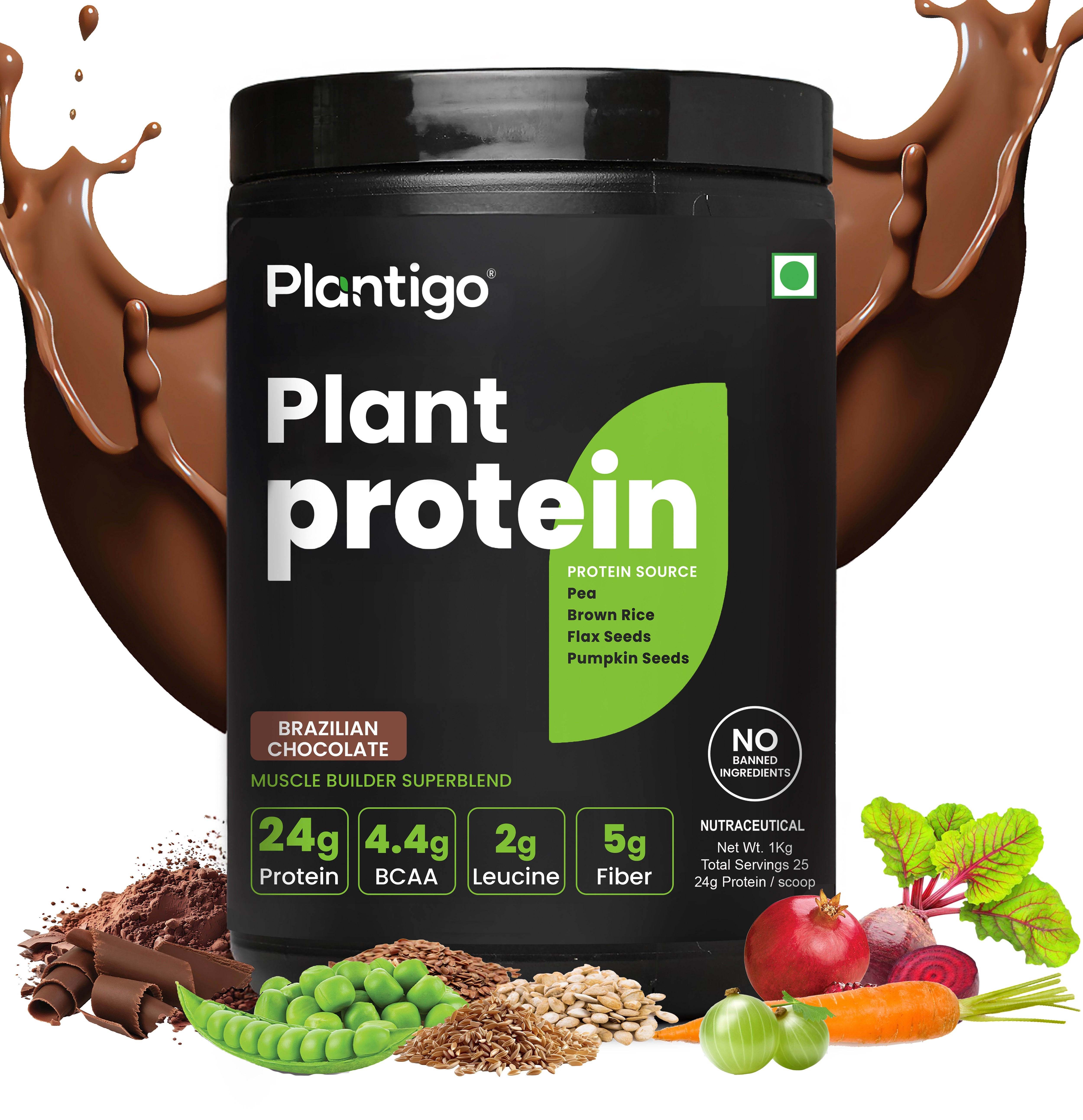
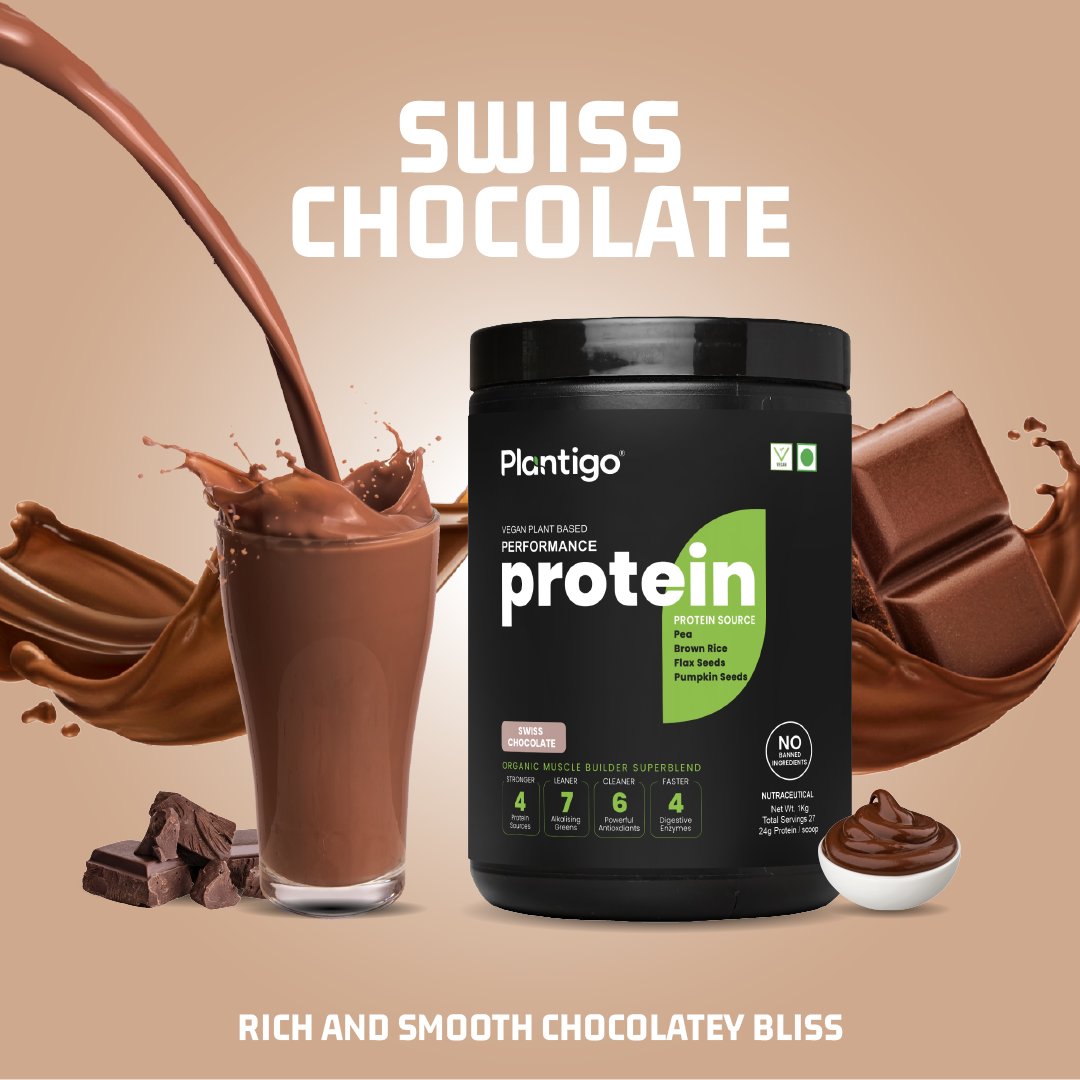
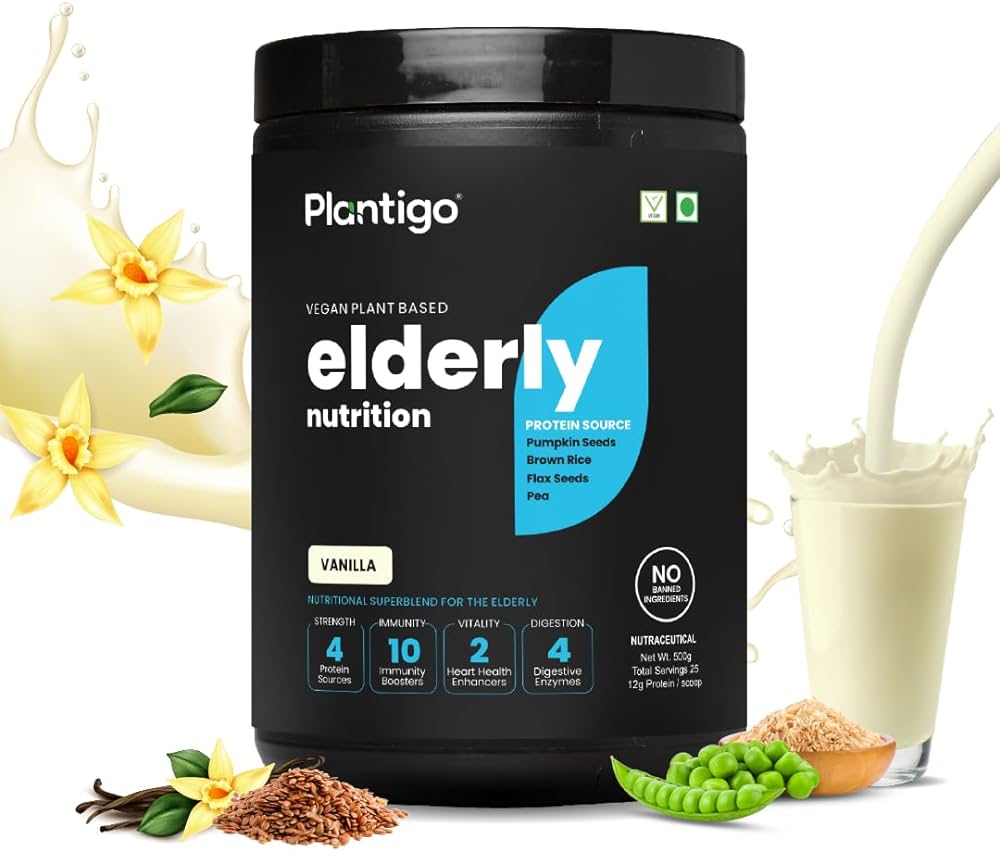
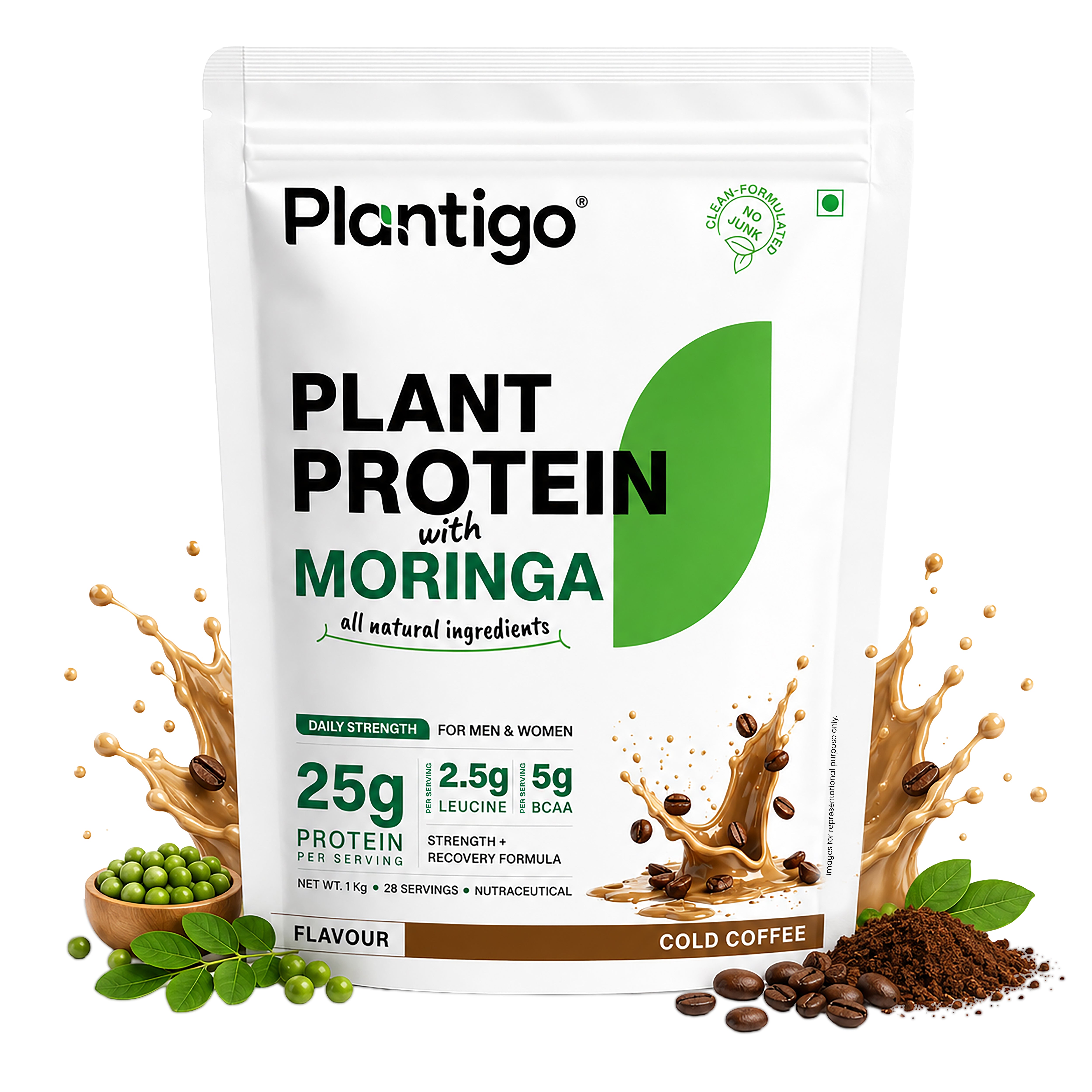
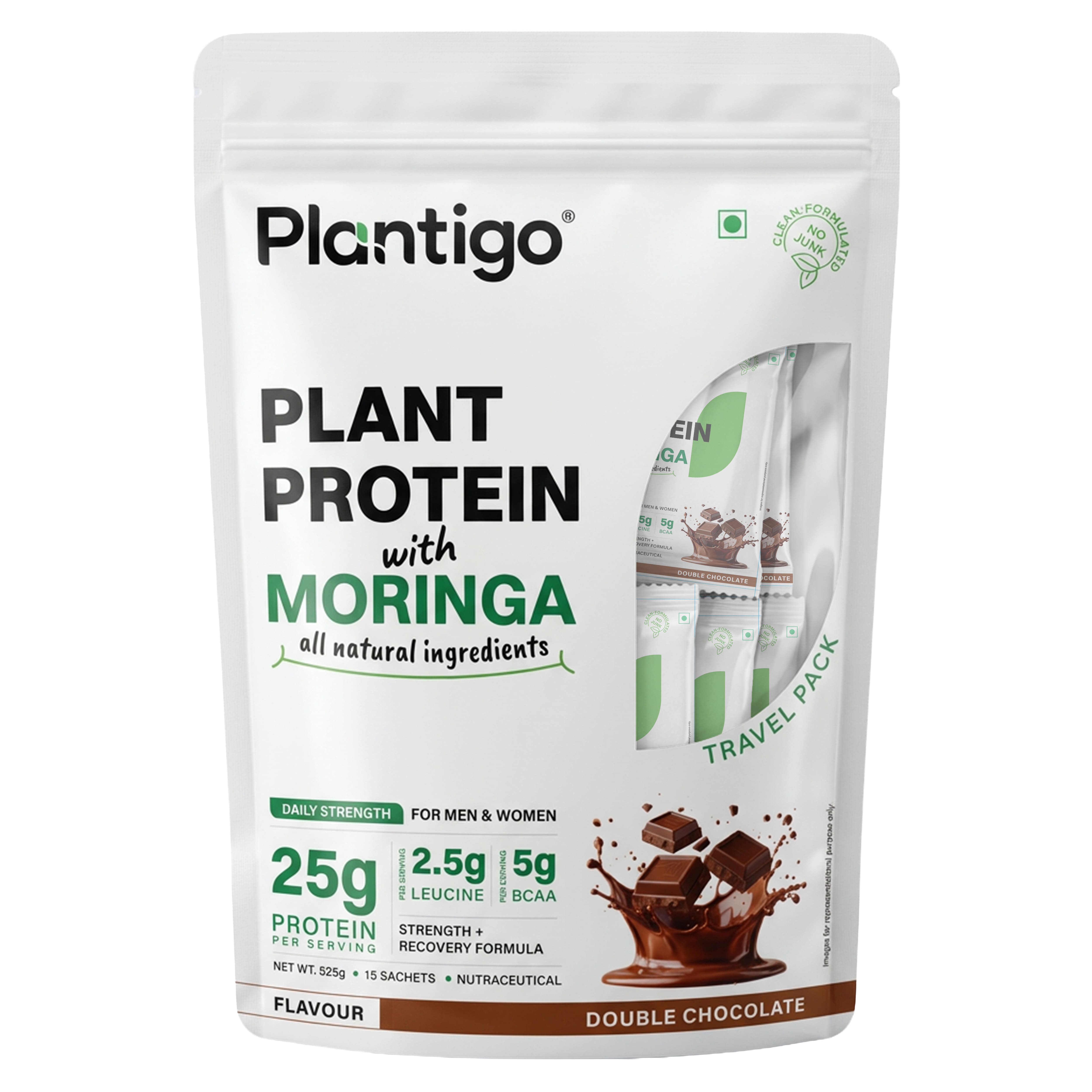
Plantigo is the only plant protein in India built specifically for the Indian body — not adapted from a Western gym supplement, not using the cheapest available pea isolate, and not hiding behind a "proprietary blend." It is formulated for Indians aged 25–55 managing blood sugar, closing a daily protein gap on doctor's advice, or switching from whey because of digestive issues.
What makes Plantigo stand out:
-
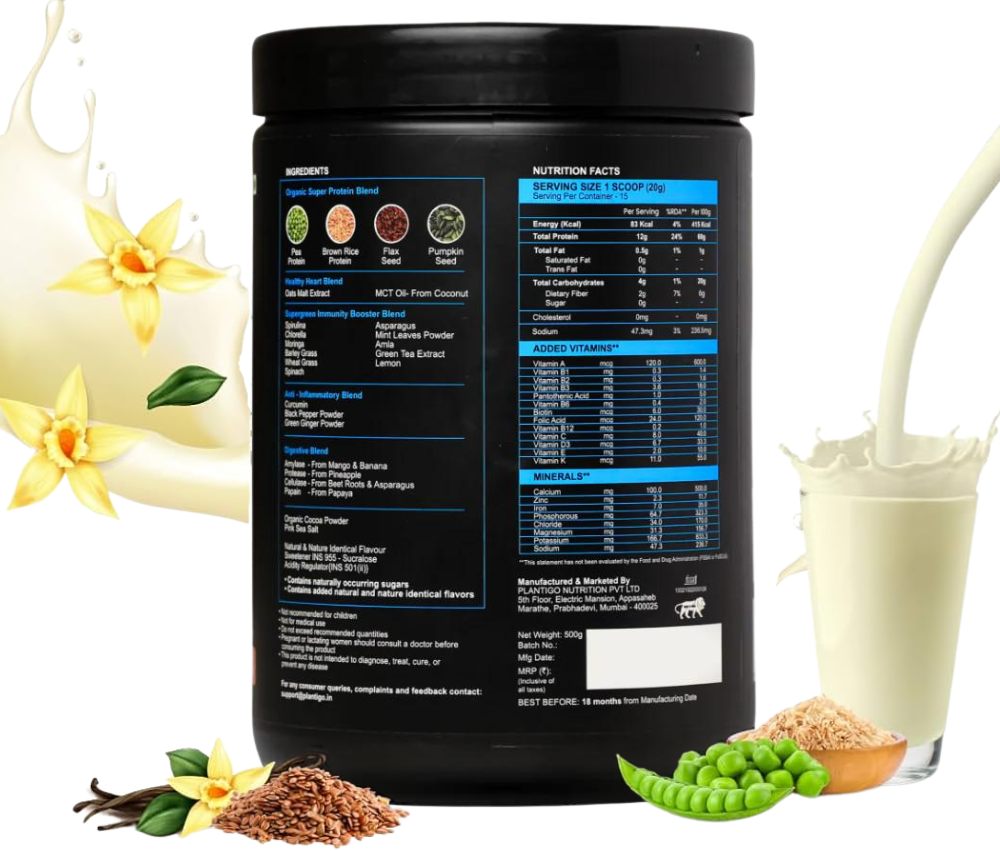
25g protein per serving — Canadian Pea Isolate, Brown Rice Protein, Pumpkin Seed Protein, and Flaxseed; theICMR-NIN RDA 2020 sets the daily requirement at 0.83g per kg body weight — a target most vegetarian Indians miss from food alone.
-
All 9 essential amino acids — multi-source blend reaches PDCAAS 0.95–1.0
-
4 digestive enzymes from real fruit — protease, amylase, lipase, bromelain; zero bloating design
-
Zero Class 2 preservatives — no sodium benzoate, no potassium sorbate, no artificial colours
-
No maltodextrin — safe for diabetic and pre-diabetic Indians daily
-
Third-party Eurofins tested — every batch, independently verified
-
30-day taste guarantee — no risk on first purchase
-
Dissolves in chaas, lassi, or warm water — designed for Indian kitchens
Protein: 25g | Best for: Adults 25–55, diabetics, lactose-intolerant Indians, women managing body composition, non-gym daily users Verdict: The most complete, cleanest, most honestly labelled plant protein built for the Indian adult — not the Indian gym-goer specifically, but anyone who wants daily protein done right. Buy:plantigo.in

2. Origin Nutrition
A clean pea + pumpkin seed blend, Informed Choice UK certified, and named best vegan protein by the 2024 Citizens Protein Project. Single-source formulation — the methionine gap is only partially covered without a full multi-source blend.
Protein: 25g | Price: ₹1,599–₹2,064 (845g–1kg) | Best for: Buyers who prioritise third-party test credentials
3. MuscleBlaze Biozyme Plant Protein
Pea + brown rice blend with a proprietary Enhanced Absorption Formula. Well-known among Indian gym-goers and widely available. More of a sports supplement than a daily wellness product — less suited to the 25–55 non-gym buyer.
Protein: ~25g | Price: ₹1,800–₹3,500 (1kg) | Best for: Regular gym-goers and athletes
4. Fast&Up Plant Protein
Pea + brown rice blend with INFORMED SPORT certification — one of very few Indian plant proteins tested for banned substances. Relevant specifically for competitive athletes under anti-doping rules. Less relevant for everyday supplementation.
Protein: ~25g | Price: ₹1,700–₹3,000 (1kg) | Best for: Competitive and tested-sport athletes
5. Oziva Protein & Herbs
Plant protein combined with Ayurvedic herbs, shatavari, and probiotics — popular with Indian women. Now 100% owned by Hindustan Unilever (February 2026). Protein content is lower than most dedicated options on this list at 23g per serving.
Protein: ~23g | Price: ₹1,500–₹2,500 (1kg) | Best for: Women wanting protein + wellness herbs in one product
6. Cosmix No-Nonsense Plant Protein
Organic pea + rice isolate with gut-friendly herbs. Transparent labelling, NABL tested. Now 60% owned by Marico (February 2026). Protein density and enzyme formulation are less comprehensive than Plantigo at a similar price point.
Protein: 24g | Price: ₹1,170–₹1,999 (500g–800g) | Best for: Clean-label-first buyers on a budget
7. YogaBar Plant Protein
Pea + brown rice, monk fruit sweetened, no artificial preservatives. Good entry-level option for first-time users. Lacks digestive enzymes and Eurofins-level third-party verification.
Protein: ~26g | Price: ₹1,500–₹2,800 (1kg) | Best for: Beginners switching from whey
8. Kapiva Vita Greens & Plant Protein
Pea + rice base with supergreens (spirulina, amla, wheatgrass) and Ayurvedic herbs. More of a functional wellness product than a protein supplement — protein content is lower than most entries on this list.
Protein: ~20–22g | Price: ₹1,500–₹2,200 (1kg) | Best for: Ayurveda-aligned buyers wanting protein + micronutrients
9. Optimum Nutrition Gold Standard Plant Protein
Pea + brown rice + sacha inchi blend from a globally trusted brand. Good amino coverage and taste, but priced at 2–3x most Indian alternatives. Counterfeits are common on third-party platforms — verify the seller.
Protein: ~24g | Price: ₹2,500–₹4,500 (684g–1kg) | Best for: Premium buyers who prioritise global brand trust
10. Nakpro Pea Protein Isolate
Single-source pea isolate at 28.8g per serving for ₹1,049/kg — the best protein-per-rupee ratio in the category. Trustified + NABL certified. The methionine limitation means it works best for Indians whose regular diet already includes rice, dal, and roti.
Protein: 28.8g | Price: ~₹1,049 (1kg) | Best for: Budget-conscious buyers, students
11. AS-IT-IS Soy Protein Isolate
Zero additives, zero flavouring, zero marketing. Soy isolate at ~₹770/kg delivers the highest DIAAS of any single-source plant protein. Not suitable for those with thyroid conditions or soy sensitivity — for everyone else, it is the lowest cost per gram of complete protein available in India.
Protein: ~27g | Price: ~₹770 (1kg) | Best for: Budget-first buyers comfortable with soy
Quick Comparison Table
|
# |
Brand |
Protein/Serving |
Key Feature |
Price (1kg) |
Best For |
|
1 |
Plantigo |
25g |
Multi-source + Eurofins tested + 4 enzymes + zero Class 2 preservatives |
See product page |
Daily use, diabetics, 25–55 age group |
|
2 |
Origin Nutrition |
25g |
Informed Choice UK certified; Citizens Protein Project #1 |
₹1,599–₹2,064 |
Independent-test-credibility buyers |
|
3 |
MuscleBlaze Biozyme |
25g |
Enhanced Absorption Formula, clinical backing |
₹1,800–₹3,500 |
Gym-goers, athletes |
|
4 |
Fast&Up Plant |
25g |
INFORMED SPORT certified |
₹1,700–₹3,000 |
Competitive/tested athletes |
|
5 |
Oziva Protein & Herbs |
23g |
Herbs + probiotics, women-focused (HUL-owned) |
₹1,500–₹2,500 |
Women, holistic wellness |
|
6 |
Cosmix No-Nonsense |
24g |
Organic sources, gut herbs, clean label (Marico 60%) |
₹1,170–₹1,999 |
Clean-label budget buyers |
|
7 |
YogaBar Plant |
26g |
Monk fruit sweetened, no preservatives |
₹1,500–₹2,800 |
Beginners, first-time users |
|
8 |
Kapiva Vita Greens |
20–22g |
Supergreens + Ayurvedic herbs |
₹1,500–₹2,200 |
Ayurveda-aligned buyers |
|
9 |
ON Gold Standard Plant |
24g |
Sacha inchi blend, global brand |
₹2,500–₹4,500 |
Premium/taste-focused buyers |
|
10 |
Nakpro Pea Isolate |
28.8g |
Best protein-per-rupee; Trustified + NABL |
~₹1,049 |
Value buyers, students |
|
11 |
AS-IT-IS Soy Isolate |
~27g |
Highest DIAAS of any plant protein; zero additives |
~₹770 |
Lowest cost per gram of complete protein |
Which Plant Protein Is Best for Your Goal?
For daily protein support (25–55 age group, diabetics, non-gym adults): Plantigo — zero maltodextrin, zero Class 2 preservatives, Eurofins tested, 4 digestive enzymes from real fruit. Built for this audience specifically, not adapted from a gym supplement.
For women's wellness alongside protein: Oziva Protein & Herbs for the herb + probiotic combo — or Plantigo if clean daily protein is the priority. Our7-day protein powder plan for women covers how to use either effectively.
For gym performance and muscle gain: MuscleBlaze Biozyme — sports-focused, clinical backing.
For tested-sport and anti-doping requirements: Fast&Up — INFORMED SPORT certified.
For beginners switching from whey: YogaBar — light flavour, no supplement-y experience. Though Plantigo's 30-day taste guarantee removes the same risk at a more complete formulation.
For pure budget with no frills: Nakpro at ₹1,049/kg — best protein per rupee, single-source.
Not sure if you even need protein powder? Read our article ontaking protein powder without going to the gym — it answers the question most Indian adults aged 25–55 are actually asking.
What to Avoid: 5 Red Flags on Any Plant Protein Label
-
Maltodextrin in the first 5 ingredients — a high-GI filler that spikes blood sugar. Common in cheaper formulations and almost never disclosed prominently.
-
"Protein matrix" or "proprietary blend" with no named sources — means quantities are hidden. Walk away.
-
No digestive enzymes — plant protein without enzymes is harder to absorb and more likely to cause discomfort.Why plant protein needs digestive enzymes explains this clearly.
-
No third-party testing — self-certification is not verification. The 2024 Citizens Protein Project found 70% of Indian protein products were mislabelled. This is not a minor concern.
-
Class 2 preservatives — sodium benzoate, potassium sorbate — common in products optimised for shelf life rather than daily health.
Where to Buy Plant Protein Powder in India
-
Plantigo —plantigo.in — direct, with 30-day taste guarantee and batch-level Eurofins verification
-
Origin Nutrition — originnutrition.in, Amazon India, Healthkart
-
MuscleBlaze — muscleblaze.com, Amazon, Flipkart, Healthkart
-
Fast&Up — fastandup.com, Amazon, Flipkart
-
Oziva — oziva.in, Amazon, Flipkart
-
Cosmix — mycosmix.com, Blinkit, Amazon
-
YogaBar — yogabar.in, Amazon, BigBasket
-
Kapiva — kapiva.in, Amazon
-
ON Gold Standard — Amazon India, Healthkart (verify seller — counterfeits are common for ON products)
-
Nakpro — nakpro.in, Amazon, Flipkart
-
AS-IT-IS — asitisnutrition.com, Amazon
The Bottom Line
For most Indians aged 25–55 — whether you are managing blood sugar, closing a daily protein gap on a doctor's advice, or simply done with a whey supplement that leaves you bloated — Plantigo is the most complete answer on this list. Multi-source blend, Eurofins tested every batch, zero maltodextrin, zero Class 2 preservatives, 4 digestive enzymes from real fruit, and a 30-day taste guarantee. It is not a gym supplement that was adapted for general use. It was built for daily use from the start.
The other 10 brands on this list each do something well. But none of them combine all five non-negotiables — protein completeness, clean label, digestive enzymes, independent verification, and Indian-body-first formulation — in one product at a price that makes daily use practical.
Frequently Asked Questions
1. Which is the best plant protein powder in India in 2026?
Plantigo — multi-source blend, Eurofins tested, zero maltodextrin, zero Class 2 preservatives, and the only one built specifically for the Indian adult rather than the Indian gym-goer.
2. Is plant protein powder good for weight loss?
Yes — 1–3g fibre per serving slows digestion, increases satiety, and reduces rebound hunger without adding unnecessary calories.
3. Can I take plant protein powder without going to the gym?
Yes — most Indians using plant protein are closing a daily dietary gap, not fuelling training sessions, and a product like Plantigo is specifically designed for that use case.
4. Which plant protein is best for diabetics in India?
Plantigo — no maltodextrin (GI 95–136), no high-GI fillers, and 1–3g fibre per serving that helps slow glucose absorption.
5. What is the difference between single-source and multi-source plant protein?
Single-source pea scores 0.69–0.89 on PDCAAS due to low methionine; a multi-source blend like Plantigo (pea + rice + pumpkin seed) reaches 0.95–1.0 with all 9 EAAs covered.
6. Is plant protein powder safe for daily use?
Yes at 25–30g per day for healthy adults — those with chronic kidney disease must consult a nephrologist first.
7. How do I check if a plant protein is genuine and clean?
Look for Eurofins or equivalent third-party certification, FSSAI registration, and named protein sources on the label — Plantigo publishes batch-level Eurofins reports on its website.