
Most Indians switching to protein supplements hit the same wall their doctor didn't prepare them for: whey leaves them bloated, gassy, or breaking out — and no one explains why. The supplement market hasn't helped either, built almost entirely around products designed for Western gym-goers, not a 45-year-old vegetarian in Chennai managing blood sugar on a doctor's advice. Whether you have been told to raise your protein intake, are trying to lose weight without losing muscle, or simply want a supplement that doesn't make you feel worse — the answer to which protein actually suits the Indian body is less complicated than the marketing suggests.
Does Plant Protein Actually Match Whey for Protein Content?
Plant protein isolates deliver 20–27g of protein per 30g serving — within 5–10% of whey isolate — according to the Indian Food Composition Tables 2017, ICMR-NIN. The long-held belief that plant protein is "weaker" was based on single-source powders like plain rice or soy in isolation; modern multi-source blends combining pea isolate, brown rice, and pumpkin seed now match whey's protein density gram for gram.
The real difference is not in the number on the label. It is in what each protein carries with it — and what it does not.
Complete Data Breakdown: Plant Protein vs Whey
1. Protein Content per 30g Serving
|
Parameter |
Whey Concentrate |
Whey Isolate |
Multi-Source Plant Protein |
|
Protein (g) |
22–24g |
25–27g |
20–27g |
|
Fat (g) |
3–5g |
1–2g |
2–4g |
|
Carbohydrates (g) |
4–6g |
1–2g |
3–6g |
|
Lactose |
Present (4–8%) |
Trace |
Zero |
|
Cholesterol |
40–60mg |
10–20mg |
Zero |
|
Fibre |
0g |
0g |
1–3g |
|
Digestive Enzymes |
None |
None |
Added in quality blends |
Source: ICMR-NIN Indian Food Composition Tables 2017
2. Amino Acid Profile
Whey is a complete protein — it contains all 9 essential amino acids (EAAs) in proportions that closely match human muscle tissue. Single-source plant proteins like plain rice or pea used to be called "incomplete" because one or more EAA was present in lower quantities. The modern answer: combine sources.
|
Amino Acid |
Whey (mg per 30g) |
Pea Isolate Alone |
Pea + Rice + Pumpkin Blend |
|
Leucine |
2,400mg |
1,900mg |
2,100–2,300mg |
|
Lysine |
2,200mg |
1,700mg |
2,000–2,200mg |
|
Methionine |
500mg |
250mg |
450–520mg |
|
Isoleucine |
1,200mg |
1,050mg |
1,100–1,200mg |
|
Valine |
1,500mg |
1,100mg |
1,300–1,450mg |
|
PDCAAS Score |
1.0 |
0.89 |
0.95–1.0 |
A well-formulated plant blend reaches a PDCAAS of 0.95–1.0, effectively closing the "incomplete protein" gap — per the FAO Expert Consultation on Dietary Protein Quality Evaluation, Food and Nutrition Paper 92 (2013). For a detailed breakdown of whether pea protein alone covers your EAAs, read our guide on pea protein's amino acid profile.
3. Digestibility
Whey hits the bloodstream within 30–60 minutes. Plant proteins absorb at a slower, steadier rate. For most Indians this is not a disadvantage:
-
Rapid whey absorption causes a spike-and-crash nitrogen response in sedentary or lightly active people
-
Steady-release plant protein suits mid-morning or bedtime use without blood sugar disruption
-
People with lactose sensitivity absorb plant protein with far less cramping or bloating
Quality plant blends add digestive enzymes — protease, amylase, papain or bromelain from real fruit — that close the digestibility gap meaningfully. Our article on digestive enzymes in plant protein explains the mechanism.
Plant Protein vs Whey Protein: Which Is Better?
For most Indians, plant protein is the better daily choice — but whey leads in specific, narrow use cases. Here is a category-by-category breakdown so you can pick based on your actual goal, not marketing.
|
# |
Category |
Winner |
Why |
|
1 |
Protein content per serving |
Draw |
Both deliver 20–27g per 30g serving; multi-source plant blends match whey isolate gram for gram |
|
2 |
Amino acid completeness |
Draw |
Pea + rice + pumpkin blend reaches PDCAAS 0.95–1.0, comparable to whey's 1.0 |
|
3 |
Muscle building |
Draw |
12-week RCT shows no significant difference in lean mass or strength gains when total protein intake is matched |
|
4 |
Digestion and bloating |
Plant protein |
Zero lactose; absorbed without the gas, cramping, or bloating that affects 60–70% of South Asian adults on whey |
|
5 |
Blood sugar safety |
Plant protein |
No maltodextrin (GI 95–136), zero cholesterol, 1–3g fibre per serving slows glucose absorption |
|
6 |
Weight loss |
Plant protein |
Higher fibre content increases satiety; lower calorie density per serving; no rebound hunger from blood sugar spikes |
|
7 |
Ingredient label cleanliness |
Plant protein |
No Class 2 preservatives, no artificial colours, shorter ingredient list — verifiable via third-party testing |
|
8 |
Post-workout absorption speed |
Whey |
Whey absorbs in 30–60 minutes; faster amino acid spike benefits competitive athletes in acute recovery windows |
|
9 |
Suitability for diabetics |
Plant protein |
No high-GI fillers; fibre-assisted glucose management; zero cholesterol for cardiovascular co-management |
|
10 |
Daily tolerability |
Plant protein |
Can be taken twice daily without digestive load; fits chaas, lassi, and Indian meal formats naturally |
The one-line verdict: Whey has an edge only for competitive athletes who are not lactose-sensitive and need the fastest possible post-workout absorption. For every other Indian — vegetarian, lactose-intolerant, diabetic, weight-conscious, or simply supplementing daily on a doctor's advice — plant protein wins across more categories that actually matter to daily life.
Benefits of Plant Protein for the Indian Body

1. No Lactose — No Hidden Bloating
Between 60–70% of South Asian adults are lactose intolerant to some degree, according to published data in the Indian Journal of Gastroenterology. Whey — even isolate — carries enough residual lactose to trigger discomfort in this population.
-
Zero lactose in plant protein eliminates bloating that most Indians misattribute to "protein not suiting them"
-
No gas, no cramping, no post-shake discomfort
-
Works for vegetarians who cannot tolerate dairy in any form
-
Safe for adults with IBS or sensitive digestion
-
Can be taken twice daily without the cumulative digestive load whey creates
2. Better Fit for Diabetics and Pre-Diabetics
Many whey products contain maltodextrin — a filler with a glycaemic index of 95–136, higher than table sugar. This makes it a poor fit for the estimated 74 million adults in India living with diabetes, per the IDF Diabetes Atlas, India country data.
-
No maltodextrin in clean plant protein keeps blood sugar stable
-
Zero cholesterol — important for diabetics managing cardiovascular risk
-
Naturally lower in saturated fat than whey
-
Fibre content (1–3g per serving) slows glucose absorption
-
Gentler on kidneys compared to high-dose whey at equivalent protein intake
-
The full case against maltodextrin in supplements is in our piece on maltodextrin risks
3. Cleaner Ingredient Label
Most commercial whey products carry Class 2 preservatives — chemicals routinely used to extend shelf life. Quality plant protein built for the Indian market eliminates these.
-
Zero Class 2 preservatives means no sodium benzoate, potassium sorbate, or similar compounds in your daily supplement
-
Third-party lab testing (e.g. Eurofins) provides independent ingredient verification
-
No artificial colours or binders needed in well-formulated plant blends
-
Shorter ingredient list = easier to audit and trust
-
What Class 2 preservatives do to your body is covered in detail in our piece on Class 2 preservatives
4. Better for the 35–55 Age Group
The ICMR-NIN Dietary Guidelines for Indians 2024 identify protein deficiency as a significant concern in Indian adults, particularly in the 35–55 age group consuming largely cereal-heavy diets.
-
Supports muscle maintenance as natural muscle loss (sarcopenia) begins after age 35
-
Steady amino acid release supports overnight muscle repair when taken before bed
-
No hormonal disruption from lactose or whey peptides — relevant for perimenopausal women
-
Suitable as a daily protein base for vegetarians who eat less than 40g food protein per day
-
Lower in calories per gram of protein than most whey concentrates — better for weight management
5. Supports Weight Loss Without Sacrificing Muscle
Plant protein's fibre content (1–3g per serving) combined with its slower digestion rate increases satiety — keeping you fuller for longer than whey at the same calorie count.
-
Fibre slows gastric emptying, reducing hunger between meals
-
Lower calorie density per serving than whey concentrate (which carries more fat)
-
No blood sugar spike means no rebound hunger 90 minutes after consumption
-
Supports fat loss while preserving lean muscle during a calorie deficit
-
A 12-week RCT found no significant difference in lean mass between plant and whey protein groups — published on PMC, 2022
6. Real Outcomes from Indian Users
Umesh, 47, from Pune — a software professional advised by his doctor to increase protein after a pre-diabetes diagnosis — switched from whey to Plantigo's plant-based blend.
-
Body fat dropped from 23% to 15% over 8 months
-
HbA1c improved from 6.2 to 5.7
-
No bloating or digestive discomfort throughout
His wife used Plantigo alongside regular meals to close a daily protein gap without restructuring her diet and lost 6kg over the same period. Neither result came from protein alone — but consistent, clean daily protein was the variable that changed.
How Much Plant Protein Should You Take?
General population: 0.8g of protein per kilogram of body weight per day is the minimum per the ICMR-NIN Dietary Guidelines for Indians 2024. Most urban Indians on a typical vegetarian diet consume 30–45g daily — well short of the 56–80g a 70kg adult needs.
Active Indians: 1.2–1.6g per kg body weight per day for regular resistance training or aerobic activity, per FAO/WHO protein recommendations.
Standard serving: 1 scoop (25–30g) once or twice daily, depending on how much protein you are already getting from food.
1. Who benefits most:
-
Adults aged 35–55 with doctor-advised protein targets
-
Vegetarians whose food protein comes mostly from low-PDCAAS single sources like plain dal or roti
-
Diabetic or pre-diabetic individuals who cannot tolerate lactose or high-GI fillers
-
Older adults managing sarcopenia (age-related muscle loss)
-
Women during perimenopause managing body composition
2. Who should be cautious:
-
Chronic kidney disease (CKD): high protein of any type stresses already-compromised kidneys — a nephrologist must set the daily ceiling
-
Pregnant or breastfeeding women: consult a dietitian before adding any supplement
-
Anyone on medication: pumpkin seed and flaxseed have mild hormonal effects — a doctor's review is advisable
How to Include Plant Protein in Your Indian Diet
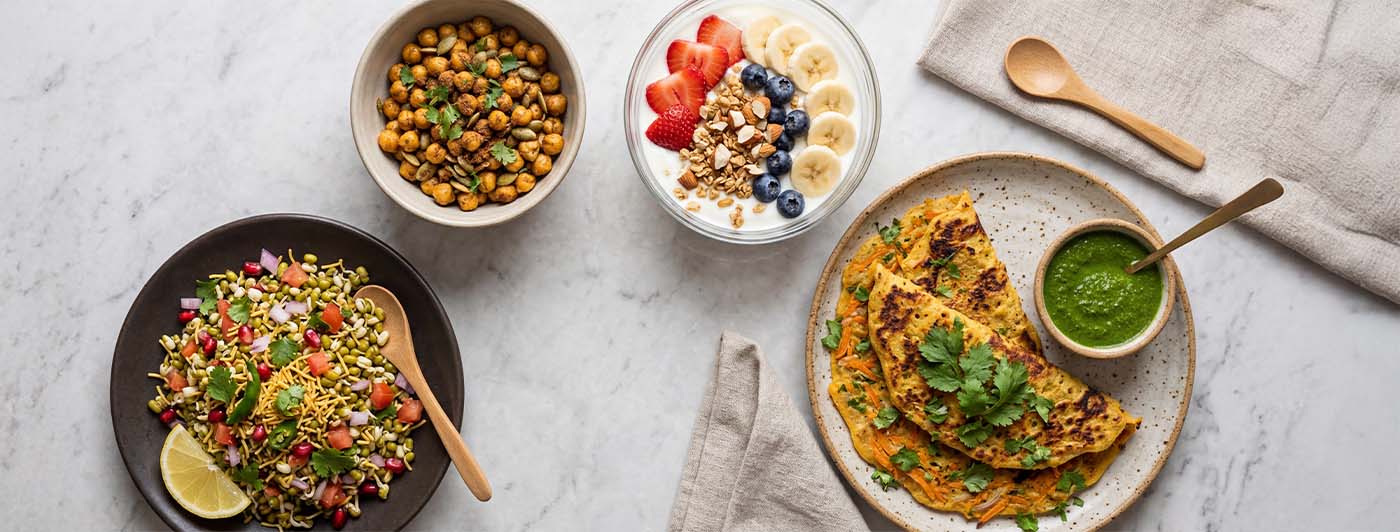
The biggest mistake Indians make is treating protein powder as a gym product — used only post-workout, only by people who train hard. For the 35–55 age group supplementing for general health, the better approach is as a daily nutrition gap-filler at whatever meal fits naturally.
1. Morning: Mix one scoop into chaas, lassi, or warm water with lime. Dissolves cleanly without overpowering the drink.
2. Breakfast: Add to your besan chilla batter, poha, or upma. A well-formulated plant blend disappears into savoury Indian preparations. See our high-protein besan chilla recipe for exact proportions.
3. Mid-Morning: Mix with a glass of buttermilk — the natural digestive enzymes in chaas complement those already in quality plant protein blends.
4. Post-Workout: Take one scoop within 30 minutes of finishing your session. Plant protein's slower absorption provides a steadier amino acid supply over 2–3 hours rather than a sharp peak.
5. Bedtime: A light scoop in warm water or almond milk before sleep — particularly effective for older adults maintaining muscle mass overnight.
Plant Protein vs Other Indian Protein Sources
1. Plant Protein vs Soya Chunks
Soya chunks contain 52g of protein per 100g raw — the highest single-source plant protein in most Indian kitchens, per ICMR-NIN data. The soya chunks nutrition breakdown covers this in full.
-
Getting 30g of protein from soya alone requires eating ~60g raw every day — a full bowl, every day
-
Soya contains phytoestrogens (isoflavones) — adults with thyroid or hormone-sensitive conditions are often advised to limit intake
-
Less practical as a daily, consistent protein source compared to a measured scoop
Plant protein supplement advantage: Fixed, measured scoop — no meal restructuring, no phytoestrogen concerns.
2. Plant Protein vs Chana and Dal
Chana provides 19g of protein per 100g cooked, per ICMR data. The full protein breakdown of chana shows it is a solid food source — but it also carries 27g of carbohydrates per 100g cooked.
-
High carbohydrate load matters for diabetics managing blood sugar
-
Dal-based proteins have lower PDCAAS scores without complementary grains in the same meal
-
Difficult to eat enough dal daily to hit 60–80g protein targets without excess carb intake
Plant protein supplement advantage: Isolated protein with minimal carbohydrate load — useful for Indians already meeting carb needs from roti and rice.
3. Plant Protein vs Whey Protein
A quality multi-source plant blend now matches whey on protein content and PDCAAS score while eliminating lactose, reducing cholesterol, and offering a cleaner label. A 2022 RCT published on PMC found no significant differences in lean mass, muscle cross-sectional area, or strength between plant and whey protein groups over 12 weeks of resistance training.
-
Whey still leads on speed of absorption for acute post-workout use by competitive athletes who are not lactose-sensitive
-
For Indians aged 35–55 supplementing for general health, weight management, or doctor-advised protein targets — plant protein is the cleaner, better-tolerated option
-
For a training-specific comparison, read our earlier piece on plant vs whey for muscle gain

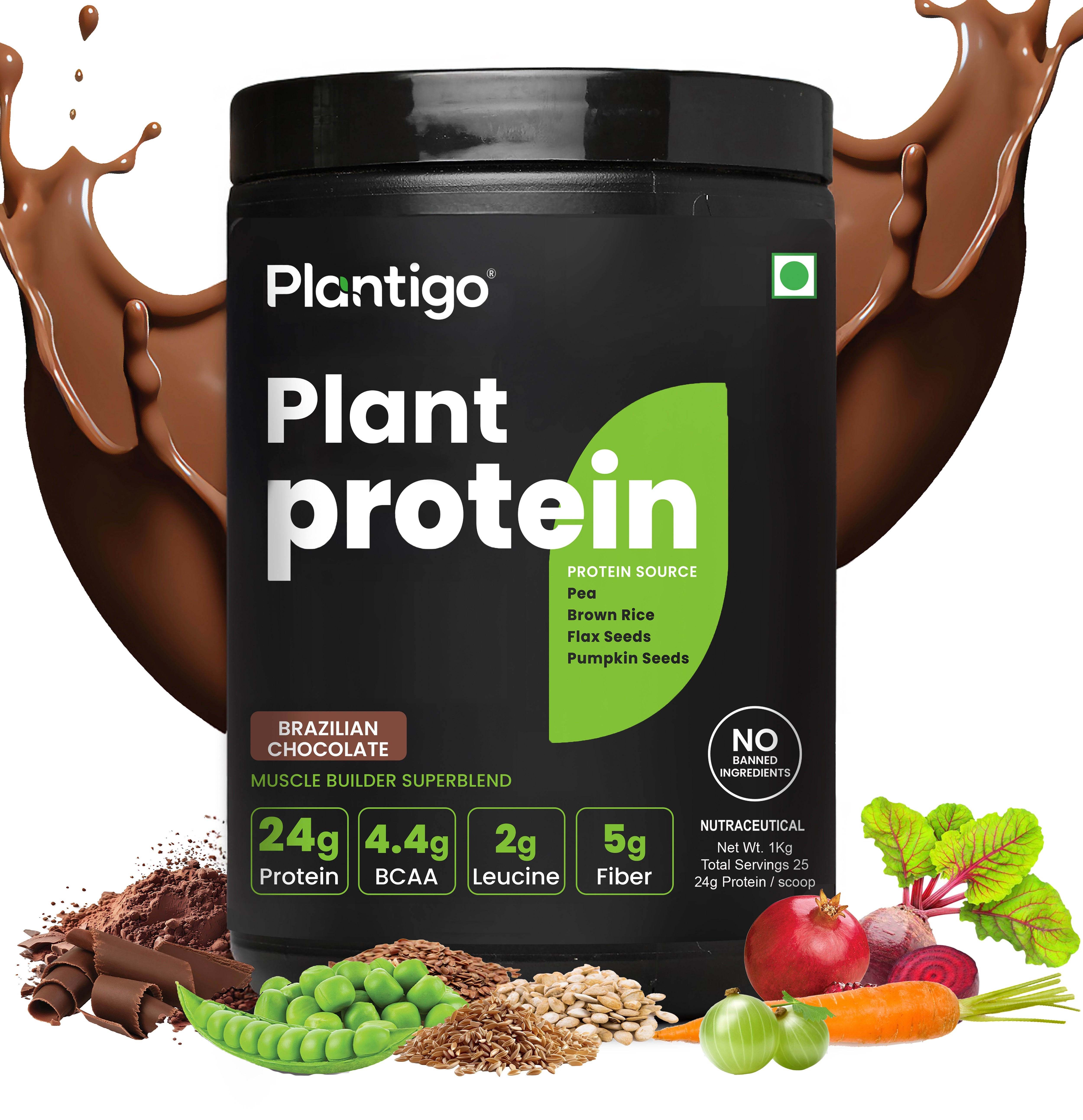
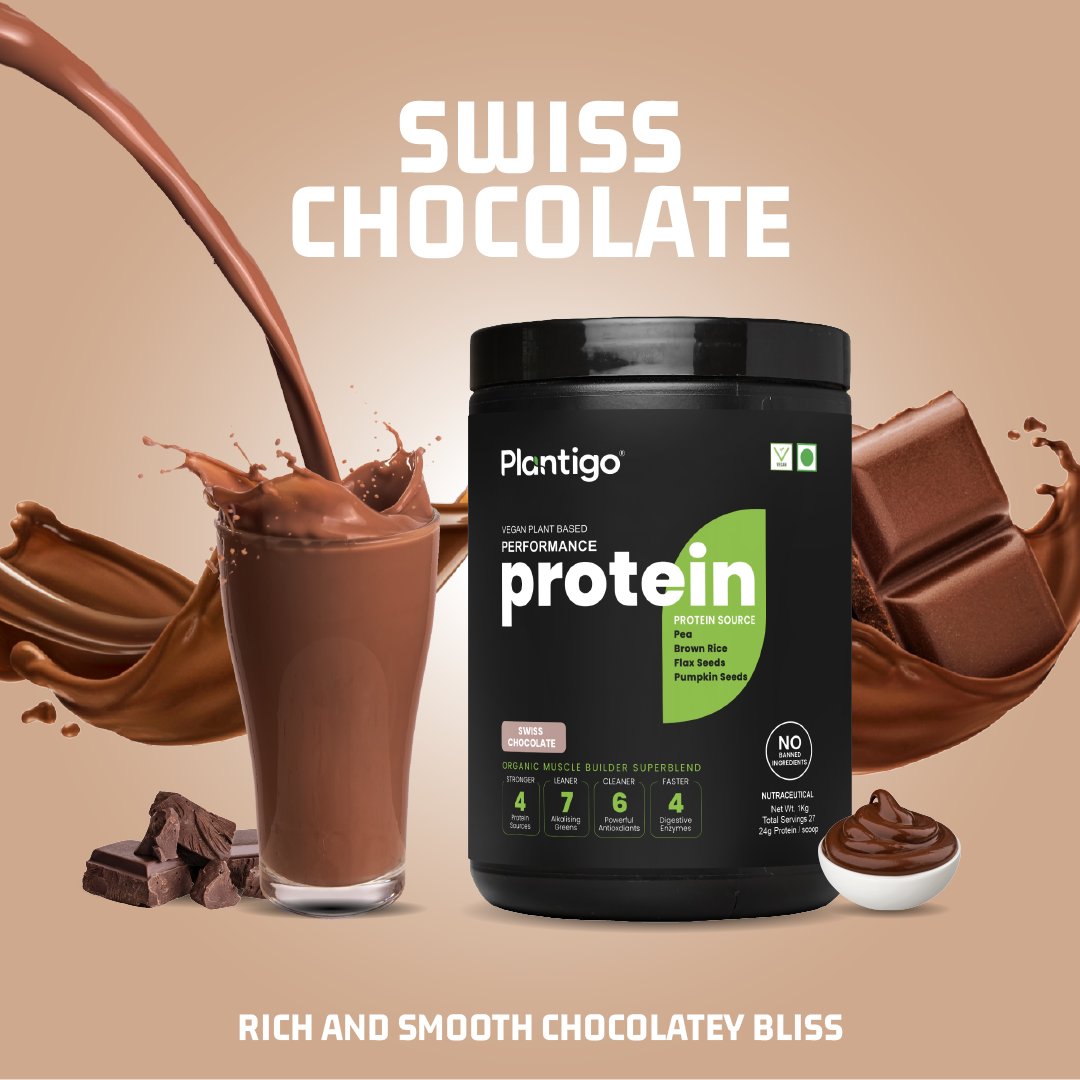
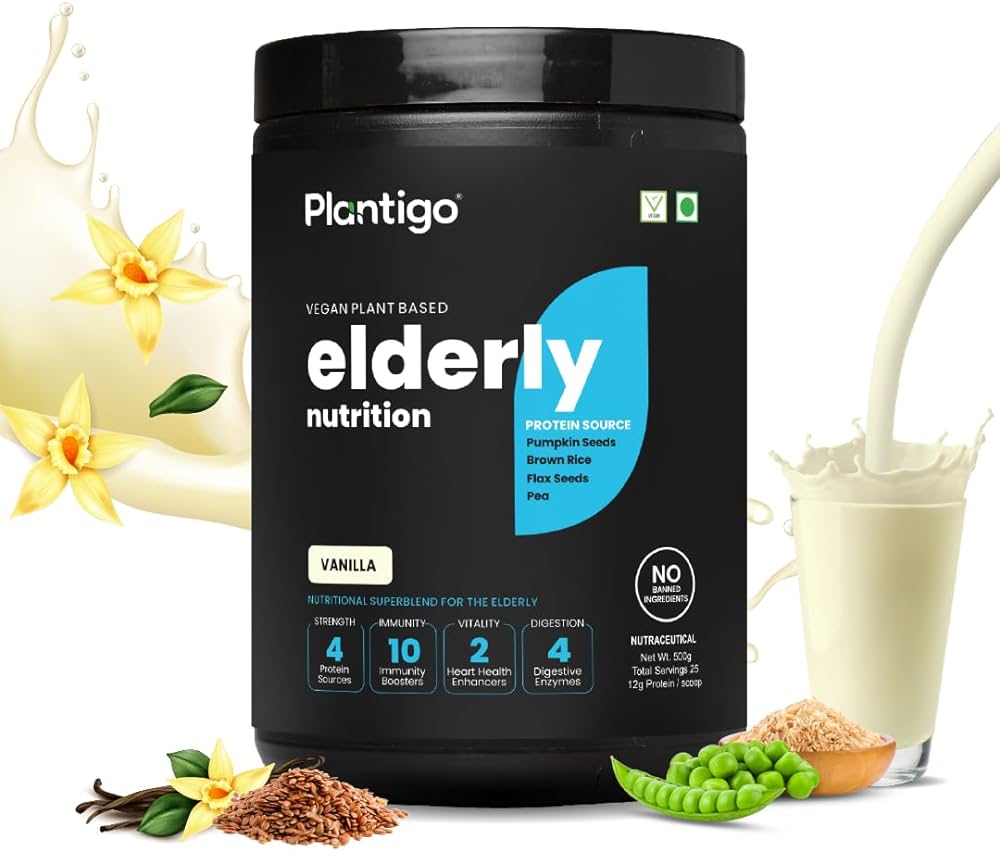
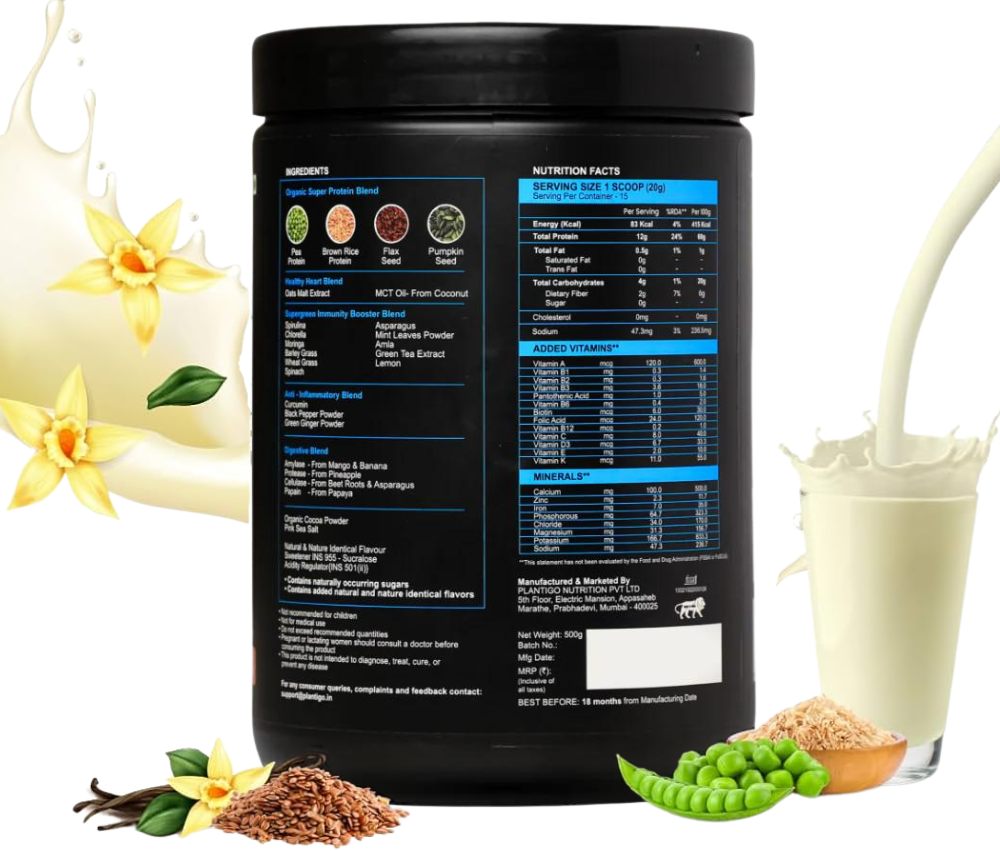
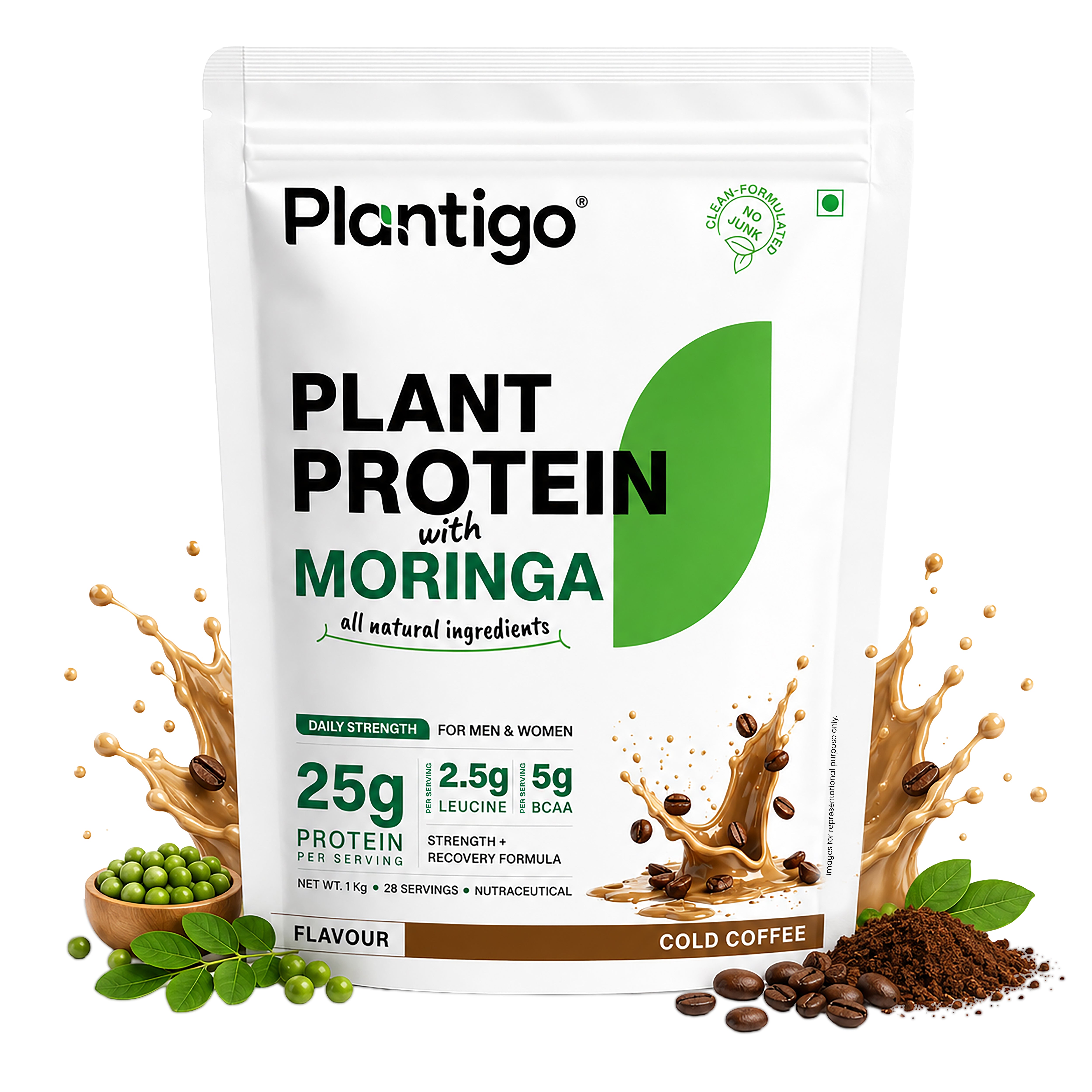
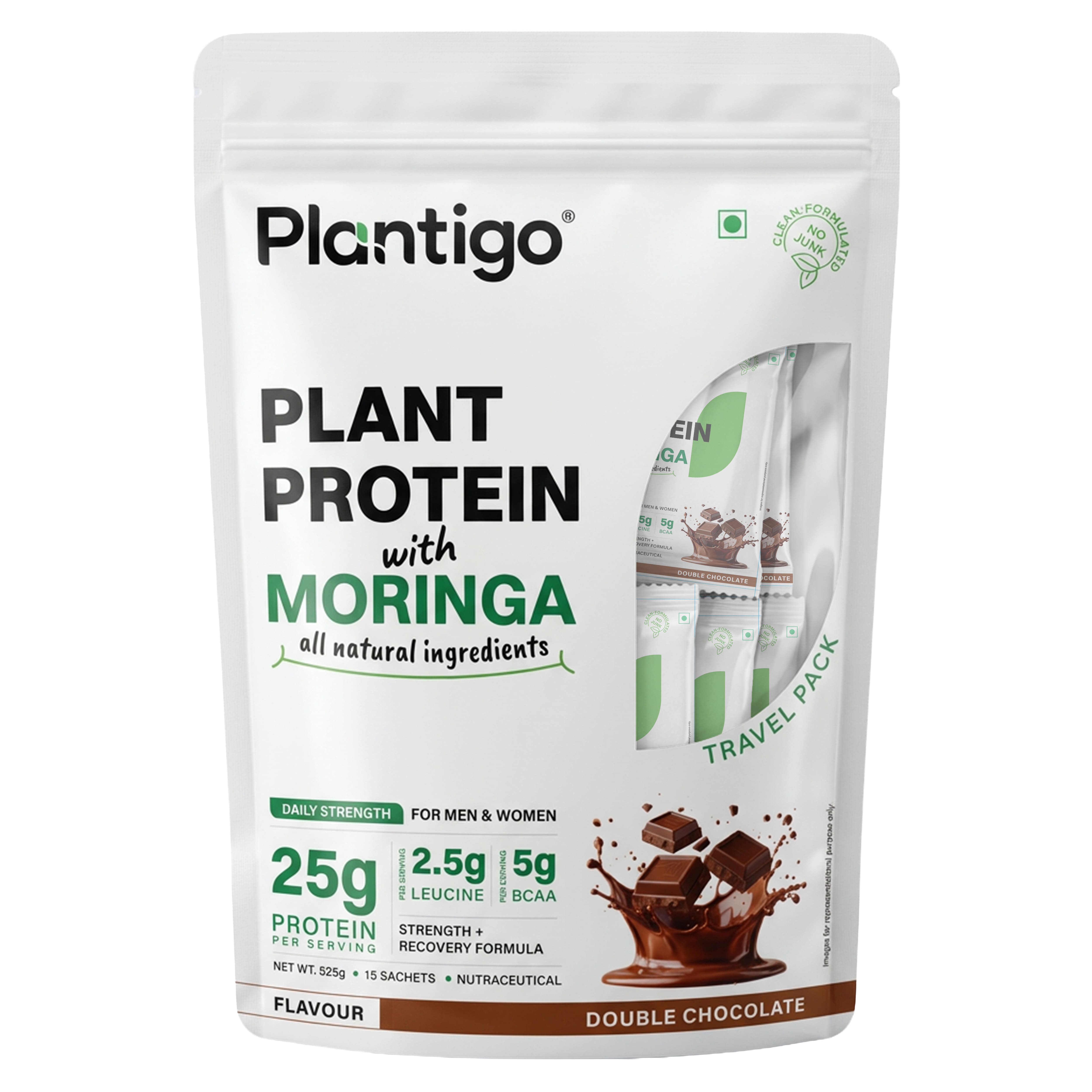
If plant protein food sources alone aren't closing your daily protein gap, Plantigo can help bridge it with a complete plant-based protein blend of Canadian Pea Isolate, Brown Rice, Pumpkin Seed, and Flaxseed — delivering all 9 essential amino acids without relying on dairy. With 4 digestive enzymes from real fruit, zero Class 2 preservatives, third-party Eurofins testing, and a 30-day taste guarantee, it is built for Indians who want clean, daily protein support. View Plantigo Plant-Based Protein
The Bottom Line
For most Indians — vegetarians, lactose-intolerant adults, people managing blood sugar, and anyone over 35 who needs daily protein support — plant protein is not a compromise. A well-formulated multi-source blend now matches whey on the numbers that matter (protein content, amino acid completeness) while removing the problems that cause most Indians to quietly stop taking their supplement: bloating, gas, blood sugar spikes from fillers, and a label full of ingredients they cannot pronounce.
Whey still holds an edge for competitive athletes who need rapid post-workout absorption and can tolerate dairy without issue. For everyone else, the choice that works daily, without disruption, is the better one — and for the Indian body, that is plant protein.
Frequently Asked Questions
1. Which is better — plant protein or whey protein?
For most Indians: plant protein. It delivers 20–27g per 30g serving without lactose, maltodextrin, or dairy — removing the three most common reasons Indians stop taking whey.
2. Does plant protein really build muscle like whey?
Yes. A 12-week RCT found no significant difference in lean mass, strength, or muscle cross-sectional area between plant and whey protein groups when total protein intake was matched.
3. Is plant protein good for weight loss?
Yes. Its fibre content slows digestion, increases satiety, and reduces rebound hunger — making it easier to maintain a calorie deficit without losing muscle.
4. Can I take plant protein if I am diabetic?
Yes, with the right product. Choose one with no maltodextrin (GI 95–136) in the ingredient list. Clean plant protein without high-GI fillers is appropriate for diabetic Indians.
5. Does plant protein cause bloating or gas?
No. Zero lactose means far less bloating than whey. If discomfort occurs, check the label for sucralose or sorbitol — the more common culprits.
6. Is plant protein safe for kidneys?
For healthy kidneys, yes — at standard servings of 25–30g per day. Adults with chronic kidney disease should consult a nephrologist before taking any protein supplement.
7. Which plant protein is best — pea, rice, or soy?
A blend outperforms any single source. Pea isolate + brown rice + pumpkin seed covers all 9 essential amino acids and reaches a PDCAAS of 0.95–1.0, comparable to whey's 1.0.
External Sources
-
ICMR-NIN — Indian Food Composition Tables 2017
-
FAO — Dietary Protein Quality Evaluation in Human Nutrition, Food and Nutrition Paper 92 (2013)
-
ICMR-NIN — Dietary Guidelines for Indians 2024
Disclaimer: This article is for educational purposes only. If you have diabetes, kidney disease, digestive issues, are pregnant, or are on medication, consult your doctor or dietitian before making major dietary changes.