
Plant protein has gained tremendous popularity among health-conscious consumers, athletes, and people shifting toward more sustainable nutrition. But there is a fascinating biological challenge hidden behind plant-based nutrition: the human digestive system often needs extra support to break down plant proteins efficiently.
This is where digestive enzymes play a crucial role.
Without the right enzymatic support, a significant portion of plant protein may not be fully broken down into amino acids—the building blocks your body actually uses. Understanding why this happens and how multiple enzymes work together can transform the way you approach nutrition, performance, and overall health.
Let’s explore the science behind digestive enzymes, plant protein digestion, and why a combination of enzymes matters for optimal absorption.
What Are Digestive Enzymes and Why Do They Matter?
Digestive enzymes are specialized proteins produced by the body that break down food into smaller molecules your body can absorb.
Each macronutrient requires different enzymes:
-
Proteases break down proteins into amino acids
-
Amylases break down carbohydrates into simple sugars
-
Lipases break down fats into fatty acids
When we consume protein, especially plant protein, our digestive system relies heavily on digestive enzymes to break complex protein structures into usable amino acids.
However, plant proteins contain natural compounds that can slow digestion, making it harder for the body to extract nutrients efficiently. That is why many nutrition scientists now emphasize the importance of multiple digestive enzymes working together rather than relying on a single enzyme.
Why Plant Protein Is Harder to Digest
Animal proteins are typically easier for the body to digest because their amino acid structures are more accessible.
Plant proteins, on the other hand, come packaged with:
-
Fiber
-
Phytates
-
Lectins
These compounds are beneficial for health but can create barriers for digestion. As a result, the body may need stronger or multiple digestive enzymes to fully break down plant-based proteins.
For example, foods like lentils, chickpeas, and even certain forms of pea protein powder contain complex protein structures that require several enzymatic steps before amino acids become available for absorption.
Without adequate digestive enzymes, individuals may experience:
-
Bloating
-
Reduced amino acid absorption
-
Slower muscle recovery
-
Digestive discomfort
This is why nutritionists often recommend enzyme support when consuming large amounts of plant protein.
The Role of Multiple Enzymes in Protein Digestion
A single enzyme cannot fully break down plant protein.
Instead, digestion occurs in stages, requiring a cascade of digestive enzymes.
Here is how the process works:
1. Initial Protein Breakdown
The stomach begins digestion using acids and protease enzymes.
However, this stage only partially breaks down protein chains.
Additional digestive enzymes are required later in the small intestine to continue the process.
2. Advanced Protein Cleavage
Proteases such as:
-
Chymotrypsin
-
Peptidase
continue breaking protein fragments into smaller peptides.
These digestive enzymes are essential for separating long protein chains into individual amino acids.
3. Final Amino Acid Absorption
At the final stage, specialized digestive enzymes convert peptides into free amino acids that the body can absorb through the intestinal wall.
Only at this stage does the body gain access to the nutrients needed for:
-
Muscle repair
-
Hormone production
-
Immune function
-
Cellular repair
Without adequate digestive enzymes, much of the protein may pass through the digestive tract without being fully utilized.
Why Plant-Based Diets Benefit from Enzyme Diversity
Plant proteins differ significantly from animal proteins.
They often contain multiple amino acid structures and protective plant compounds. Because of this, digestion requires a wider range of digestive enzymes.
A multi-enzyme approach allows the digestive system to:
-
Break down complex protein matrices
-
Reduce anti-nutritional factors
-
Improve amino acid absorption
When multiple digestive enzymes work together, the body can access a greater percentage of the protein consumed.
This is especially important for people relying heavily on plant protein as their primary protein source.
The Hidden Link Between Protein Digestion and Overall Health
Efficient protein digestion affects far more than muscle growth.

When digestive enzymes function properly, amino acids support many biological processes including:
-
Collagen production
-
Neurotransmitter synthesis
-
Hormone regulation
-
Immune defense
Interestingly, several skin and metabolic functions depend on amino acids derived from protein digestion.
For example, people researching which food increase melanin in skin often discover that amino acids like tyrosine play a role in melanin production. These amino acids must first be released through proper protein digestion using digestive enzymes.
Digestive Efficiency and Nutrient Synergy
The body rarely uses nutrients in isolation.
For instance, foods that support circulation and metabolism can indirectly influence how efficiently nutrients are delivered throughout the body.
Certain nitric oxide foods improve blood flow, which helps transport amino acids derived from protein digestion to muscles and tissues.
Similarly, many individuals interested in beetroot juice benefits for skin are actually benefiting from improved circulation and antioxidant intake, both of which complement efficient protein metabolism.
The key point is that digestive enzymes unlock the amino acids that allow these physiological processes to function properly.
Hydration and Protein Metabolism
Hydration plays an underestimated role in digestion.
Enzymatic reactions require an optimal fluid balance in the digestive tract. When hydration levels are low, enzyme efficiency may decline.
Some individuals explore hydration strategies like learning how to make alkaline water in order to support digestive balance and mineral intake.
While hydration alone cannot replace enzyme function, it supports the environment where digestive enzymes operate most effectively.
Hormones, Amino Acids, and Protein Digestion
Hormonal balance also depends on adequate amino acid availability.
Many people searching for dietary strategies for hormonal health often explore an estrogen foods list to support hormone balance naturally.
However, even hormone-supportive foods rely on proper digestion to release their nutrients. Once again, efficient protein breakdown through digestive enzymes ensures that amino acids required for hormone synthesis are available to the body.
Measuring Your Protein Needs
Not everyone requires the same amount of protein.
Athletes, active individuals, and people recovering from illness often need higher intake levels.
This is where tools like a protein intake calculator become useful. These tools estimate protein needs based on body weight, activity level, and metabolic demands.
But simply consuming more protein is not enough.
Without adequate digestive enzymes, increasing protein intake may not translate into better absorption.
This is particularly relevant for individuals consuming plant based protein powder as part of their daily nutrition.
Why Absorption Matters More Than Intake
A crucial concept in nutrition is bioavailability.
Bioavailability refers to how much of a nutrient the body can actually absorb and use.
Two individuals may consume the same amount of plant protein, yet one may absorb significantly more amino acids due to better enzyme activity.
When the digestive system has access to multiple digestive enzymes, protein bioavailability improves because:
-
More peptides are broken down
-
Amino acids are released efficiently
-
Gut discomfort is reduced
This is why modern nutrition research focuses not just on protein intake but also on digestive efficiency.
The Future of Plant ProteinNutrition
As plant-based diets continue to grow worldwide, nutrition science is paying closer attention to how these foods interact with the digestive system.

Researchers are studying how combinations of digestive enzymes can improve the utilization of plant proteins, making them comparable to animal protein in absorption efficiency.
The future of plant nutrition will likely involve:
-
Multi-enzyme digestive support
-
Improved protein processing techniques
-
Optimized amino acid availability
These innovations will help ensure that plant protein delivers its full nutritional potential.
Final Thoughts
Plant proteins are powerful sources of nutrition, offering fiber, phytonutrients, and sustainable nutrition benefits.
However, their complex structure means the body often requires multiple digestive enzymes to fully unlock their amino acids.
By supporting digestion through proper enzyme activity, the body can maximize:
-
Protein absorption
-
Muscle recovery
-
Hormone balance
-
Overall metabolic health
Understanding the role of digestive enzymes highlights an important truth in nutrition: it is not just what you eat, but what your body can actually absorb that determines the benefits you receive.
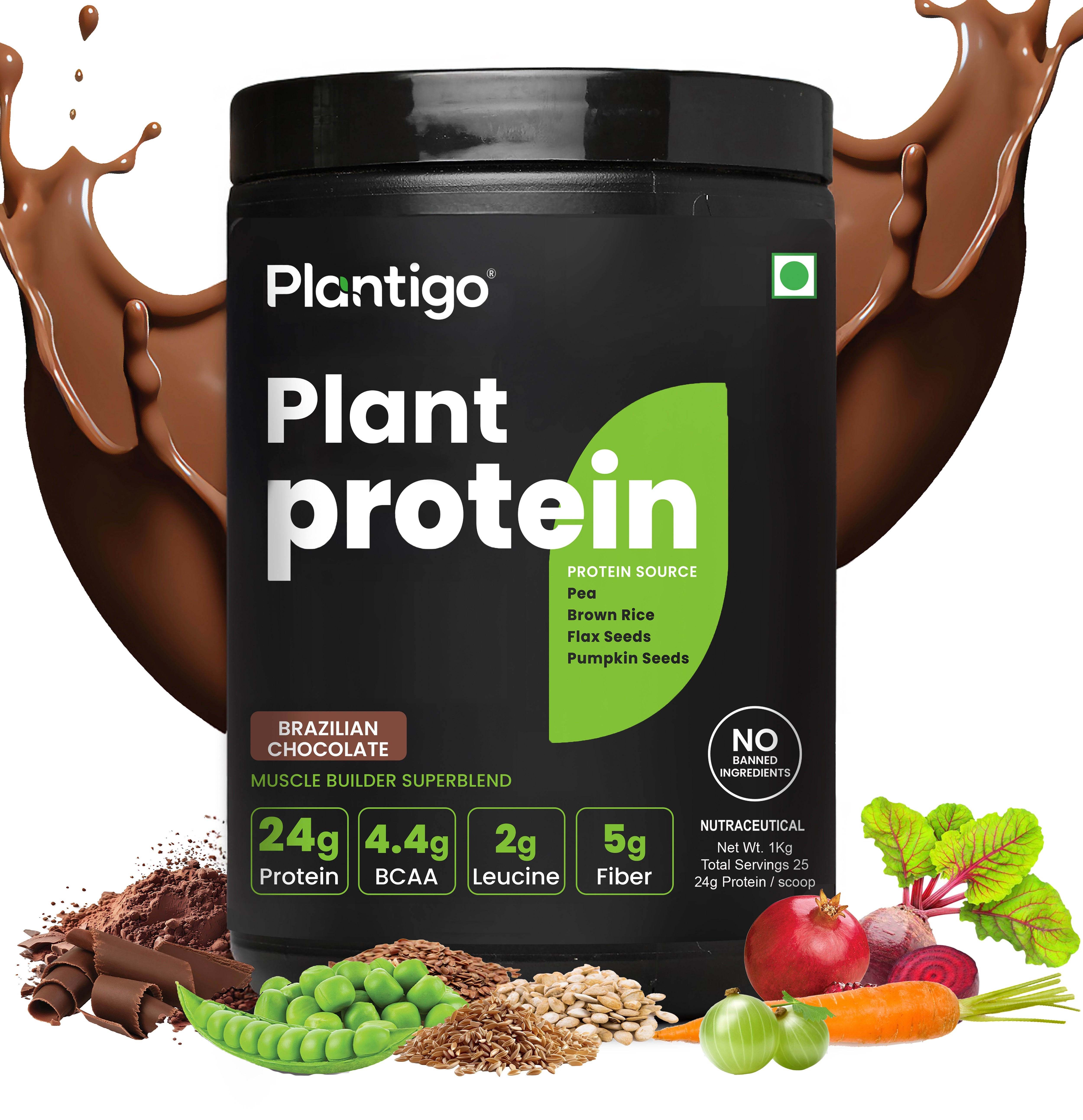
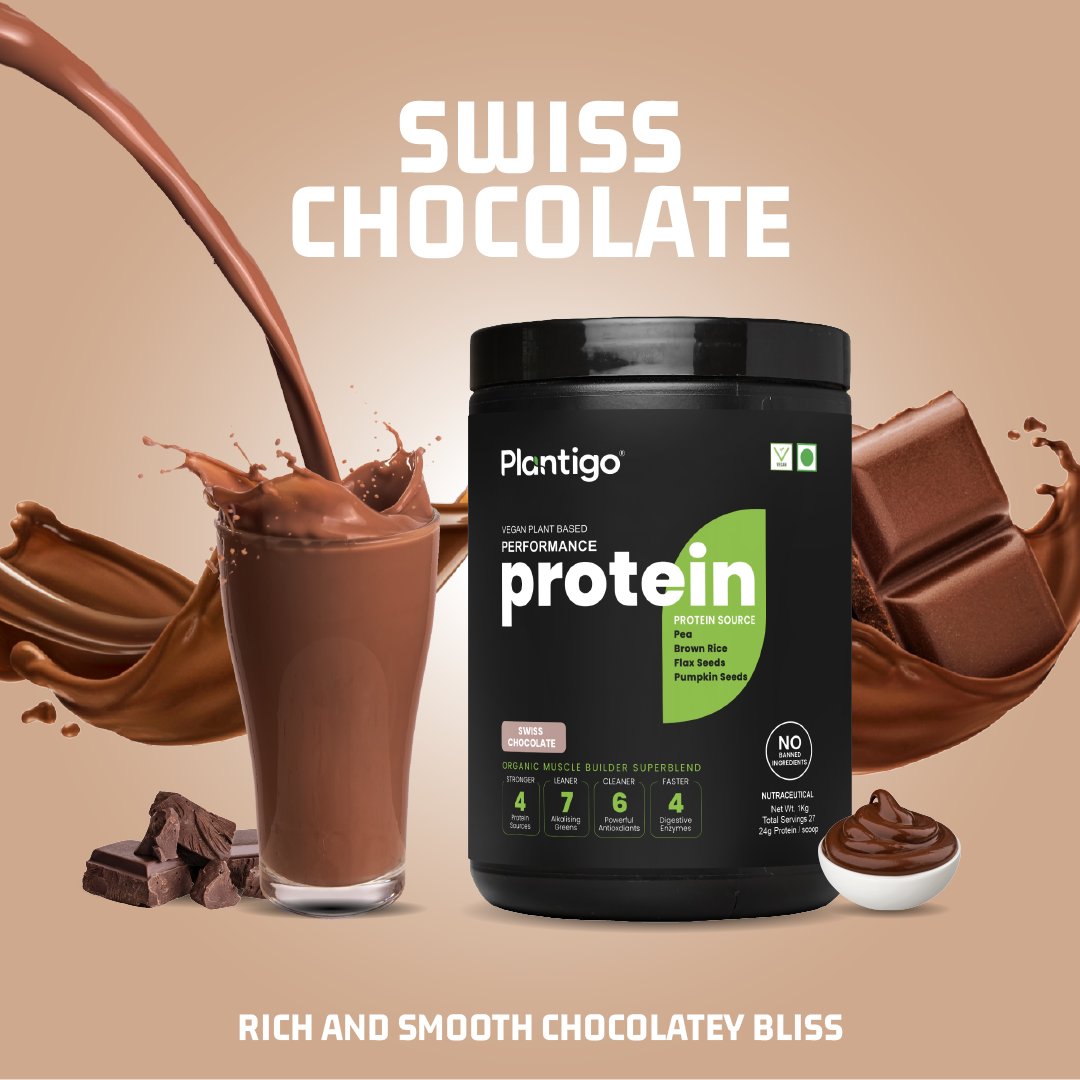
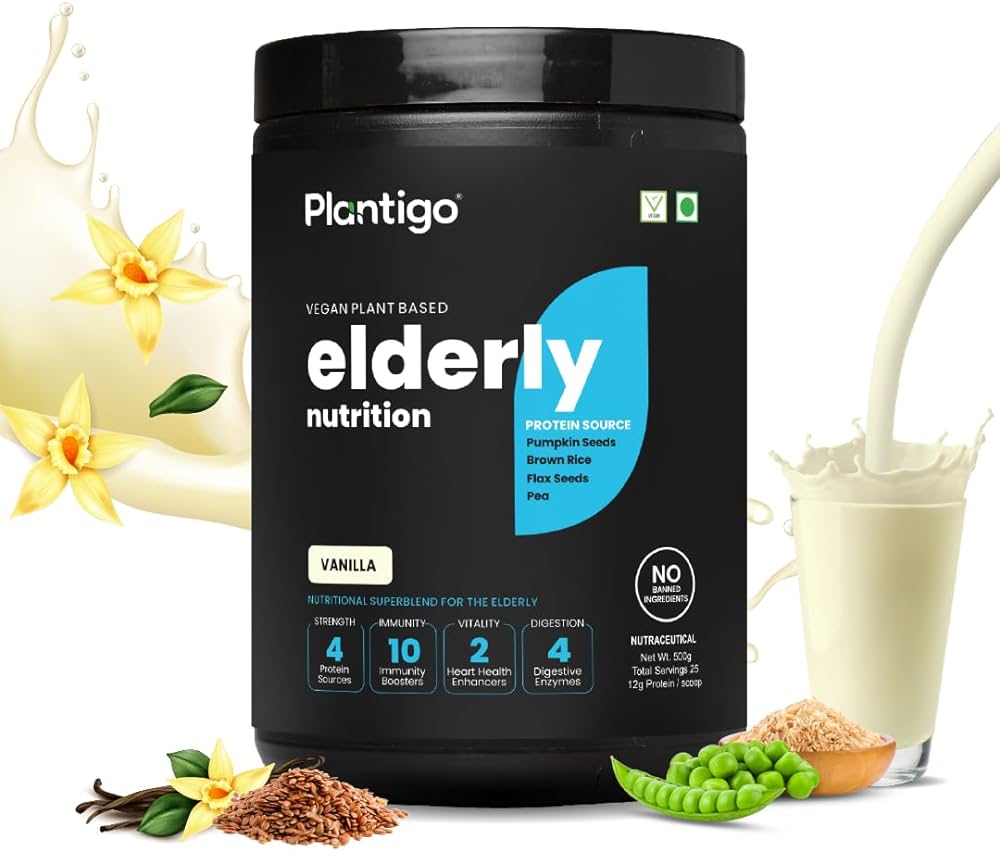
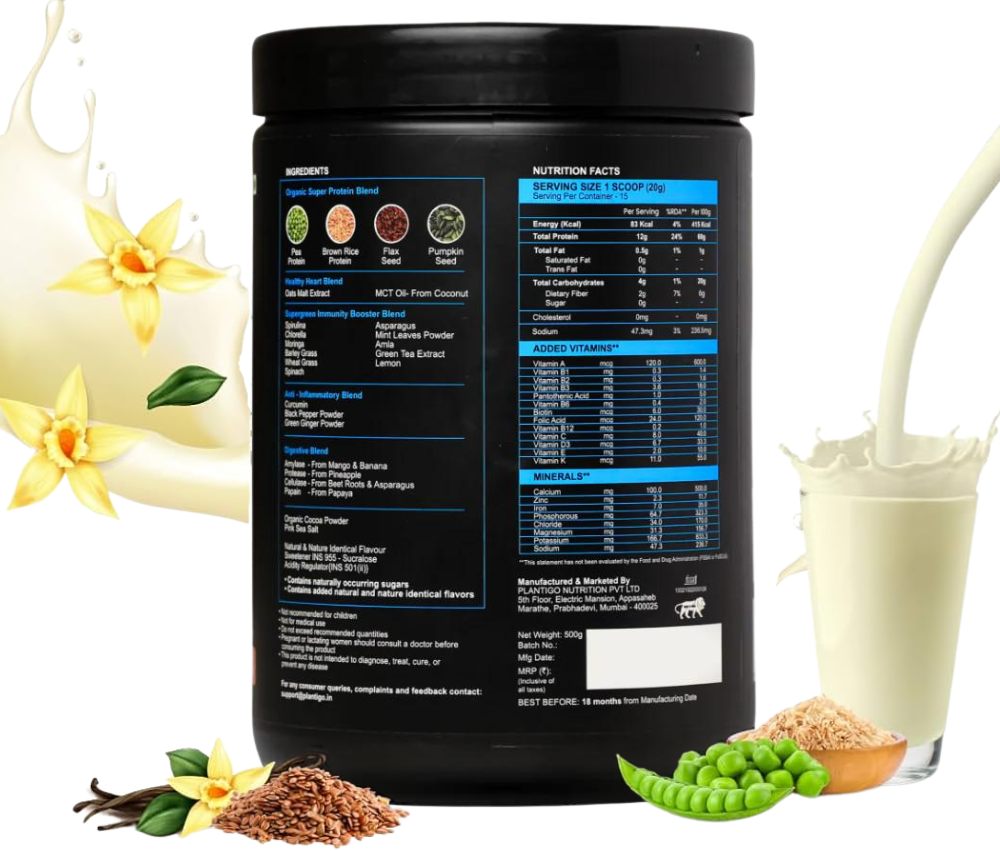
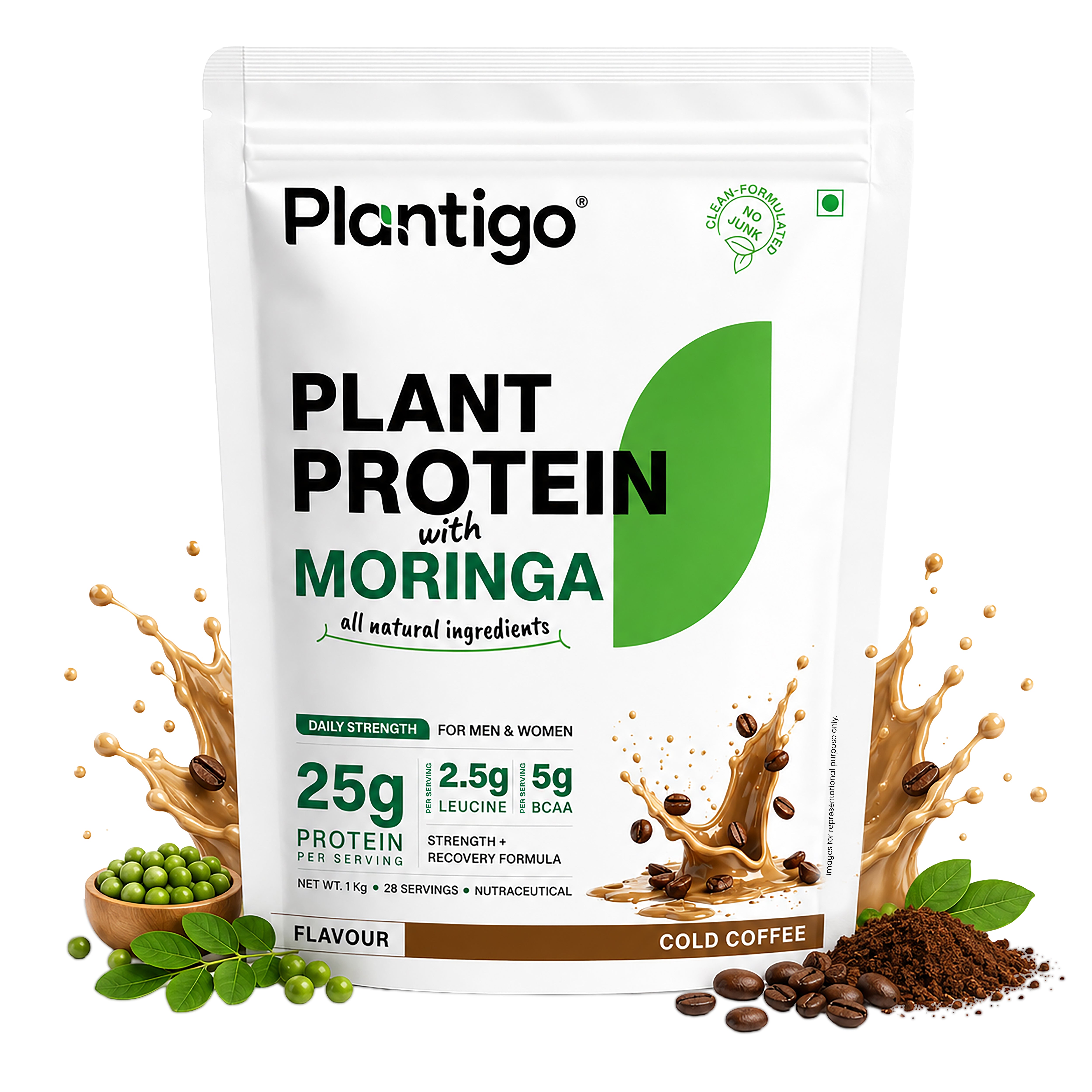
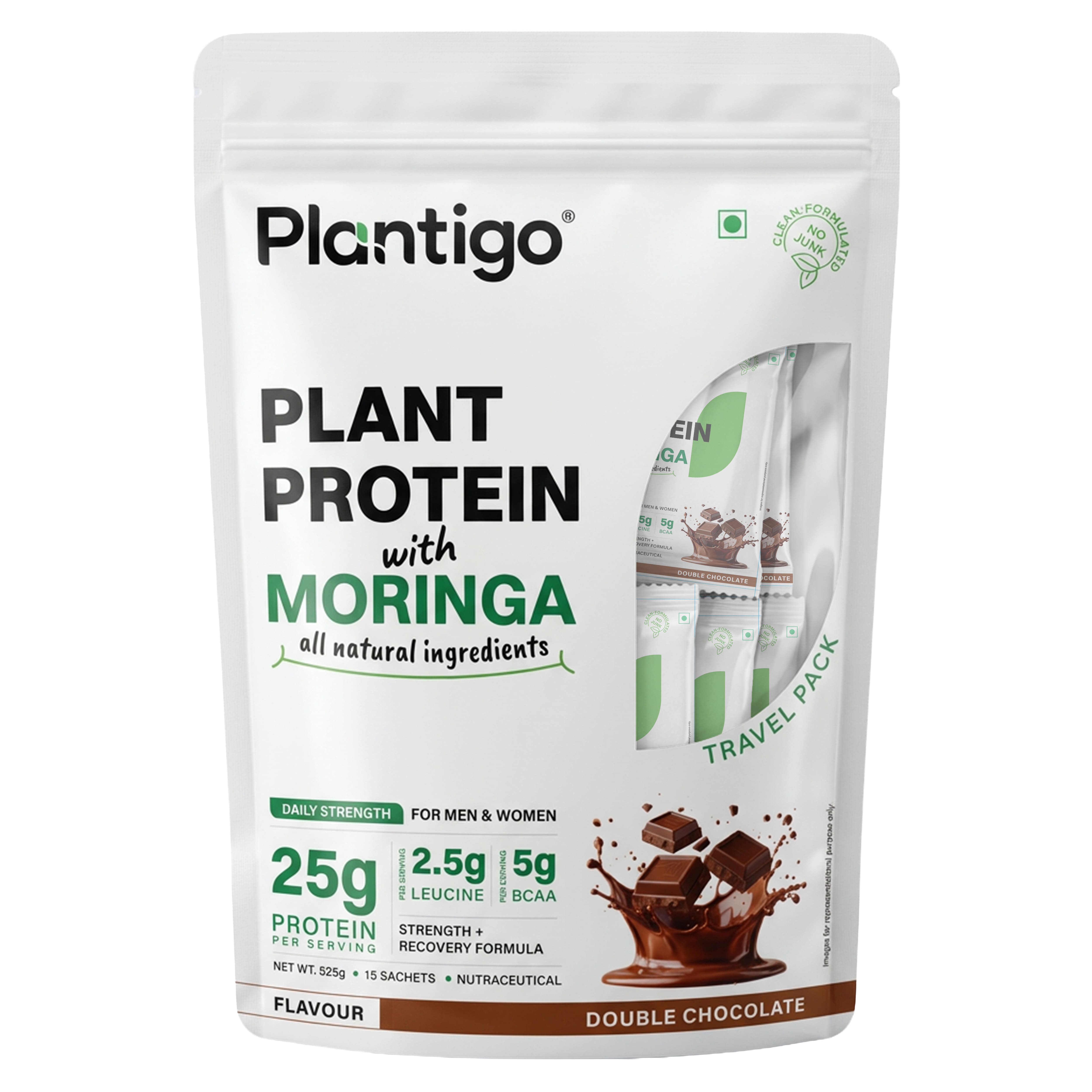
This is particularly relevant when consuming modern plant protein formulations, including options like Plantigo plant protein, where ingredient quality and digestibility both influence how effectively the body can utilize amino acids.
As plant-based nutrition continues to evolve, optimizing digestion will remain one of the most important steps in getting the most out of every gram of protein consumed.
FAQs
1. Why do plant proteins need digestive enzymes?
Plant proteins contain fiber and compounds that slow digestion. Digestive enzymes help break these proteins into amino acids so the body can absorb and use them for muscle repair, metabolism, and overall health.
2. What digestive enzymes break down protein?
The main digestive enzymes for protein are proteases such as trypsin, chymotrypsin, and peptidase. They break protein chains into smaller peptides and finally into amino acids the body can absorb.
3. Why are multiple digestive enzymes needed for plant protein?
Plant protein digestion happens in stages. Multiple digestive enzymes work together to break long protein chains into peptides and amino acids for better absorption.
4. Is plant protein harder to digest than animal protein?
Plant protein can be harder to digest because it contains fiber and plant compounds. Digestive enzymes help break down these proteins so nutrients can be absorbed more efficiently.
5. How do digestive enzymes improve protein absorption?
Digestive enzymes break complex protein molecules into amino acids. These amino acids are then absorbed through the intestine and used for muscle recovery, hormones, and overall body functions.