
Weight loss advice is everywhere—drink detox juices, cut carbs, skip dinner, or eat only salads. Yet many people trying to lose weight eventually discover a surprising problem: they are not eating enough protein.
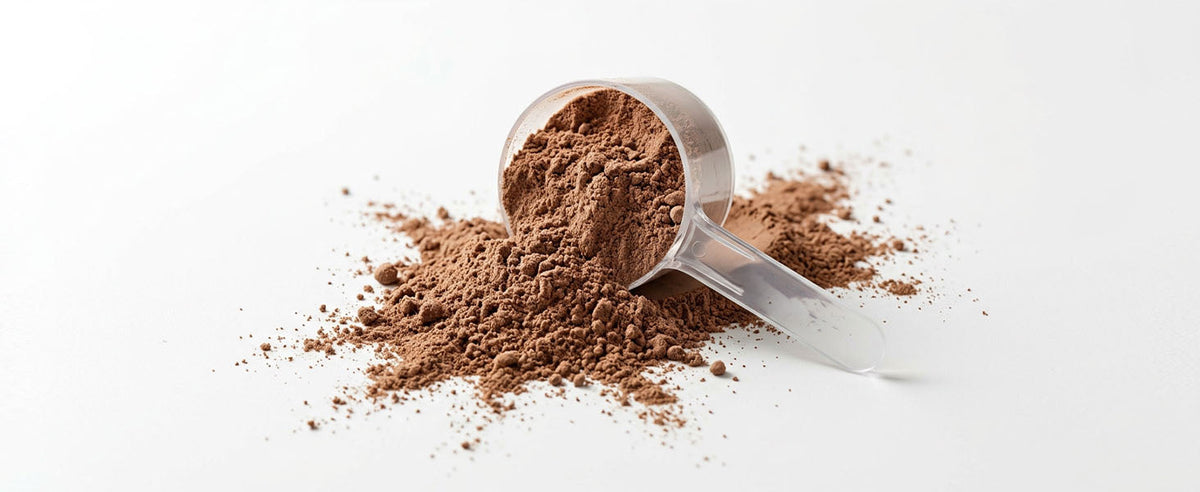
Yes, plant based protein powders can help with weight loss when used as part of a balanced diet. They increase satiety, help preserve lean muscle, and support metabolism during a calorie deficit. Because of these benefits, nutrition experts often recommend plant based protein powders and other sources of plant protein as convenient ways to improve daily protein intake.
But are plant based protein powders truly effective for fat loss, or are they simply another supplement trend?
The answer lies in how protein affects metabolism, appetite control, and calorie balance. When used correctly alongside whole foods and physical activity, plant based protein powders can support sustainable fat loss while helping maintain energy and muscle mass.
Let’s explore the science behind this growing nutrition trend.
How Plant Based Protein Powders Support Weight Loss
Understanding the role of plant based protein powders in weight loss requires looking at three important factors: satiety, metabolism, and calorie control.
1. Protein Helps You Feel Full Longer
One of the biggest challenges in weight loss is controlling hunger. Diets that are too low in protein often lead to frequent snacking and cravings.
This is where plant based protein powders become useful. Protein stimulates hormones like peptide YY and GLP-1 that promote feelings of fullness. When meals contain adequate protein, people naturally eat fewer calories throughout the day.
For example, adding a scoop of plant based protein powder to a smoothie or breakfast bowl can make a meal far more satisfying.
Interestingly, many people who start focusing on protein also begin exploring nutritional questions like protein in oats per 50g, showing how small dietary tweaks can make a big difference in satiety.
2. Protein Boosts Metabolism
Another reason plant based protein powders support fat loss is the thermic effect of food (TEF).
Digesting protein requires more energy than digesting carbohydrates or fats. This means your body burns slightly more calories simply processing protein.
Although the difference is modest, consistent consumption of plant based protein powders alongside meals can contribute to improved metabolic efficiency over time.
Additionally, many individuals use a protein intake calculator to estimate their daily requirements and ensure they are consuming enough protein to support both muscle maintenance and fat loss.
3. Protein Helps Preserve Lean Muscle
When people lose weight too quickly, they often lose both fat and muscle.
Maintaining muscle mass is critical because muscle tissue helps regulate metabolism. Diets that include adequate protein—especially from sources like plant based protein powders—help protect lean body mass during calorie deficits.
This is one of the key reasons fitness professionals recommend protein supplementation during weight loss phases.
A well-balanced diet including plant protein, whole foods, and exercise can help maintain muscle while the body burns fat.
Are Plant Based Protein Powders Better Than Other Protein Sources?
Not necessarily better—but often easier to digest and more versatile.
Many people turn to plant based protein powders because they are dairy-free and suitable for vegetarian or vegan diets. They are also often combined with fiber-rich ingredients that support digestion.
Some formulations contain protein from multiple plant sources to create a balanced amino acid profile. A common example is pea protein powder, which naturally contains branched-chain amino acids important for muscle recovery.

However, protein powders should complement—not replace—whole foods.
For example, many traditional foods are excellent protein sources. People often search for nutrition details such as how much protein in 100g chana when planning vegetarian diets.
Similarly, pulses, legumes, and grains remain among the best protein sources in India.
Can Plant Based Protein Powders Reduce Belly Fat?
Many people exploring plant based protein powders for weight loss are specifically interested in reducing belly fat.

While no supplement can directly target belly fat, protein plays an important role in overall fat loss.
Higher protein intake can:
-
Reduce cravings
-
Improve satiety
-
Support muscle retention
-
Stabilize blood sugar
These factors indirectly help reduce body fat over time.
Interestingly, individuals focused on belly fat reduction often search for lifestyle strategies such as what to drink to lose belly fat, but diet quality and protein intake remain far more important factors.
Adding plant based protein powders to balanced meals can help maintain consistent energy levels and prevent overeating.
How to Use Plant Based Protein Powders for Weight Loss
Using plant based protein powders effectively requires integrating them into a balanced nutrition strategy rather than relying on them alone.
Here are some practical ways people use plant based protein powders while trying to lose weight.
1. High-Protein Breakfast
Starting the day with protein helps regulate hunger throughout the day.
A smoothie with plant based protein powder, oats, and berries provides a balanced meal containing protein, fiber, and complex carbohydrates.
2. Meal Support During Busy Days
Many people struggle to eat balanced meals when schedules become hectic.
In such cases, plant based protein powders offer a convenient option to maintain protein intake without resorting to unhealthy snacks.
3. Post-Workout Recovery
Exercise is an important part of weight loss, especially resistance training.
After workouts, plant based protein powders help support muscle recovery and reduce fatigue.
4. Balanced Nutrition with Whole Foods
Protein supplements should always complement a whole-food diet.
Pairing plant based protein powders with nutrient-dense foods such as fruits for weight loss, legumes, and grains can improve diet quality.
Similarly, adding fiber-rich foods such as high fiber vegetables india—including spinach, cabbage, and gourds—can improve digestion and satiety.
Do Plant Based Protein Powders Work Without Exercise?
Technically yes—but results will be limited.
Weight loss occurs when calorie expenditure exceeds calorie intake. While plant based protein powders can help control appetite and improve nutrition, physical activity significantly improves results.
Combining plant based protein powders with resistance training or regular exercise improves body composition by preserving muscle while reducing fat.
Common Myths About Plant Based Protein Powders
Myth 1: Protein Powders Cause Weight Gain
Protein powders themselves do not cause weight gain. Weight gain occurs when total calorie intake exceeds daily energy expenditure.
When used appropriately, plant based protein powders can actually help manage appetite and support fat loss.
Myth 2: Plant Proteins Are Incomplete
This belief is outdated. Many modern plant based protein powders combine multiple protein sources to provide balanced amino acids.
Myth 3: You Must Replace Meals With Protein Shakes
While some weight loss plans use meal replacement strategies, most nutrition experts recommend using plant based protein powders alongside whole foods rather than replacing meals entirely.
Are Plant Based Protein Powders Safe for Daily Use?
Yes—when used within recommended intake levels.
Protein powders are essentially concentrated protein sources. When consumed as part of a balanced diet, plant based protein powders are generally safe for most healthy adults.
However, individuals should still prioritize diverse food sources including legumes, grains, seeds, fruits, and vegetables.
Final Thoughts
Weight loss is rarely about a single food or supplement. Instead, it depends on consistent habits that support calorie balance, good nutrition, and regular physical activity.
Within this broader lifestyle approach, plant based protein powders can play a valuable role. They provide a convenient way to increase protein intake, improve satiety, and support muscle maintenance during fat loss.
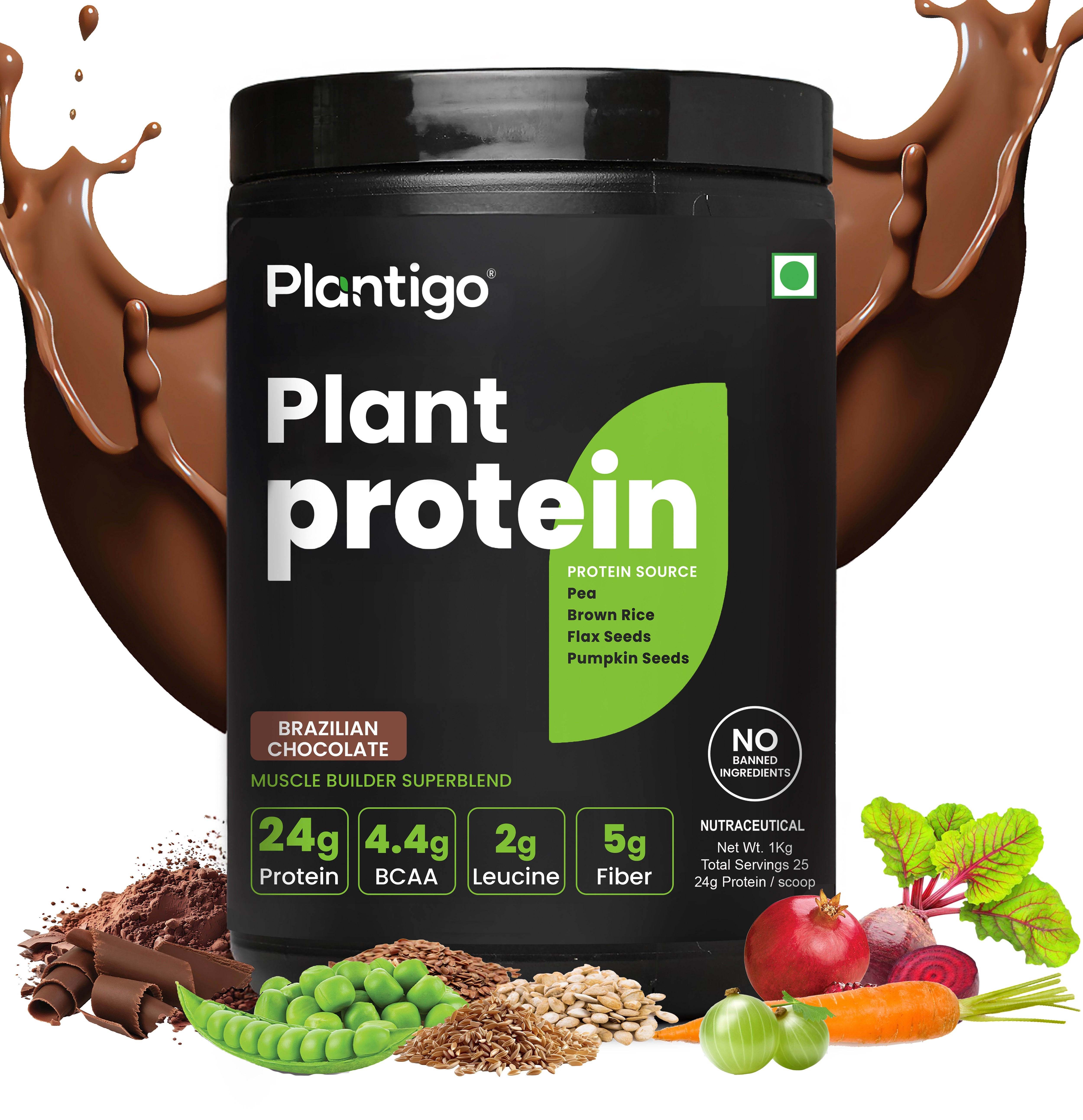
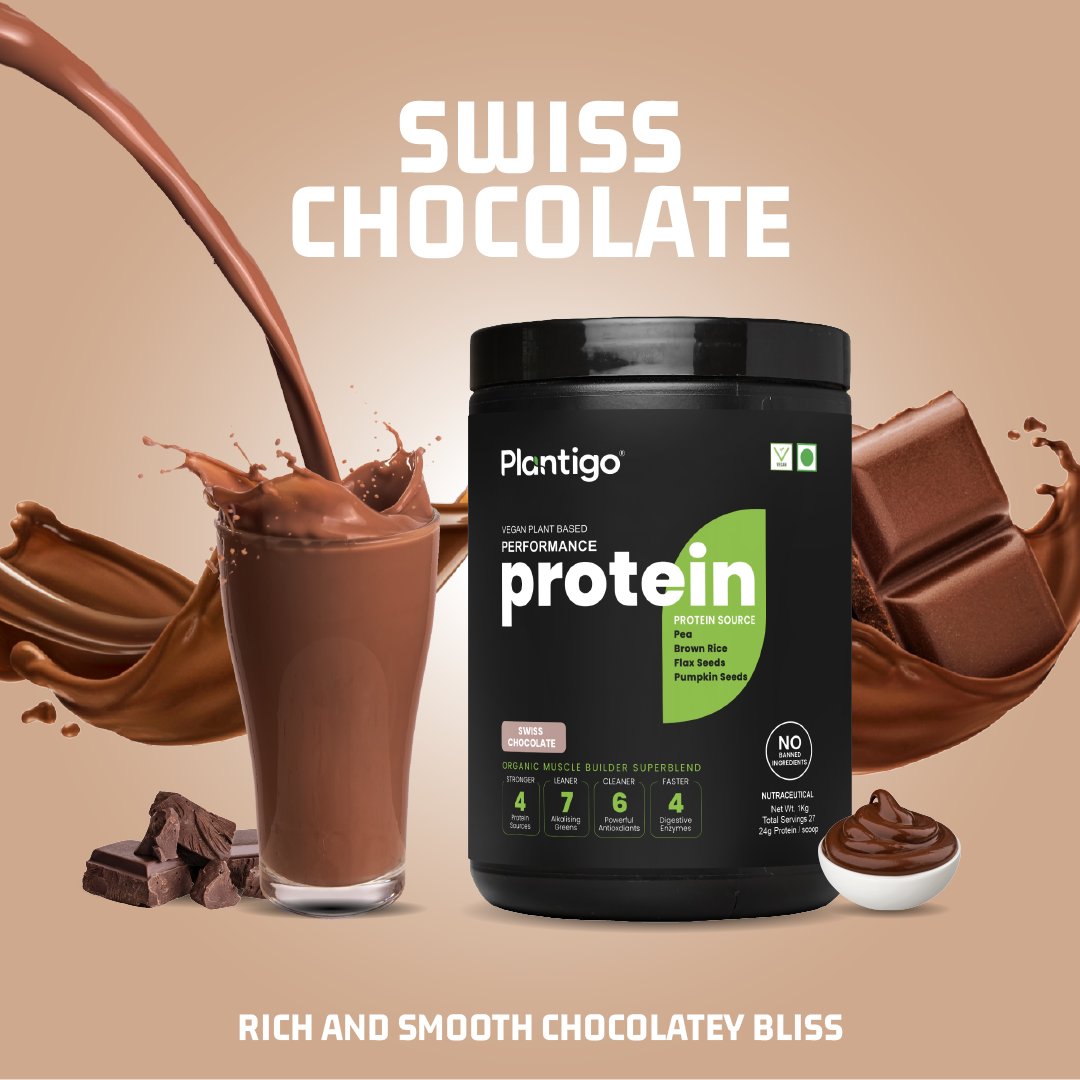
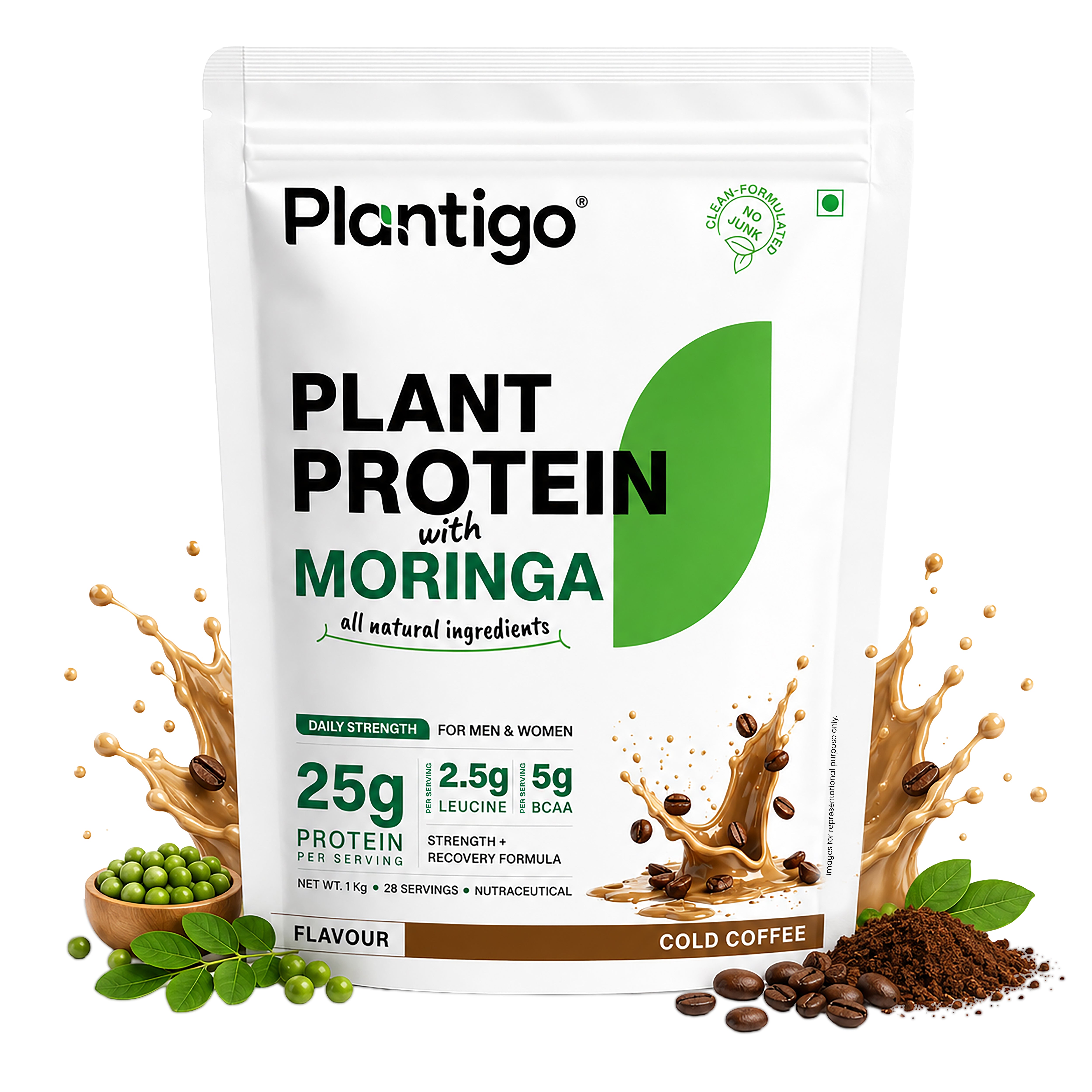
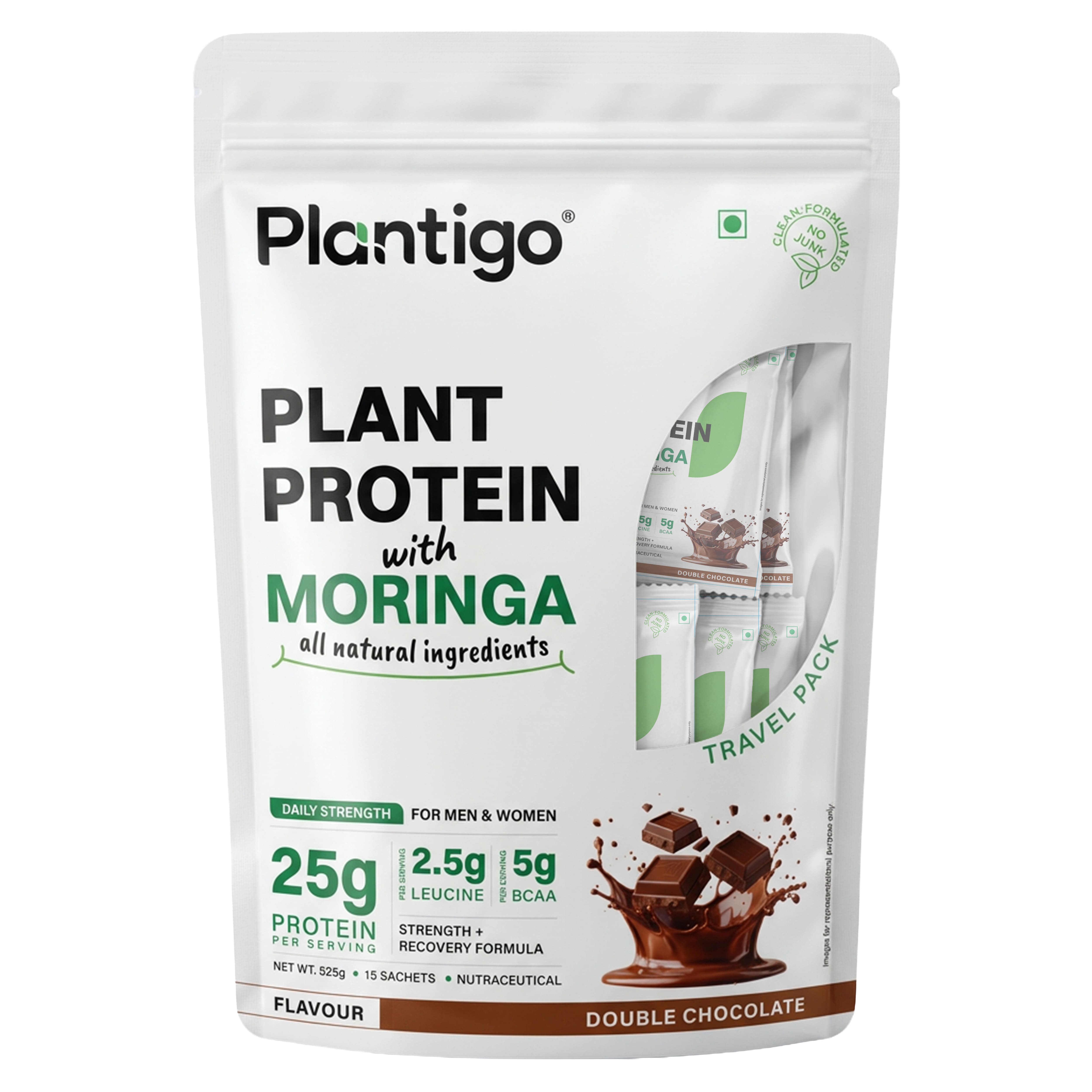
When combined with nutrient-dense foods, exercise, and sustainable eating patterns, plant based protein powders can become an effective tool for people working toward healthier body composition. Choosing clean, minimally processed options—such as Plantigo plant protein—can also help ensure you’re supporting your body with simple, high-quality ingredients.
The key is balance—use plant based protein powders as part of a thoughtful nutrition strategy built on whole foods, adequate protein, and consistent lifestyle habits.
FAQs
1. Do plant based protein powders help with weight loss?
Yes, plant based protein powders can help with weight loss by increasing satiety, supporting metabolism, and helping preserve lean muscle during a calorie deficit.
2. How do plant based protein powders support fat loss?
Plant based protein powders support fat loss by reducing hunger, improving fullness after meals, and helping maintain muscle mass while the body burns fat.
3. When should I take plant based protein powders for weight loss?
Plant based protein powders can be taken at breakfast, after workouts, or between meals to increase daily protein intake and help control hunger.
4. Are plant based protein powders better than whole food protein sources?
Plant based protein powders are convenient but should complement whole foods like legumes, grains, and seeds, which remain important protein sources in a balanced diet.
5. Can plant based protein powders reduce belly fat?
Plant based protein powders cannot directly target belly fat, but higher protein intake helps control appetite, preserve muscle, and support overall fat loss.