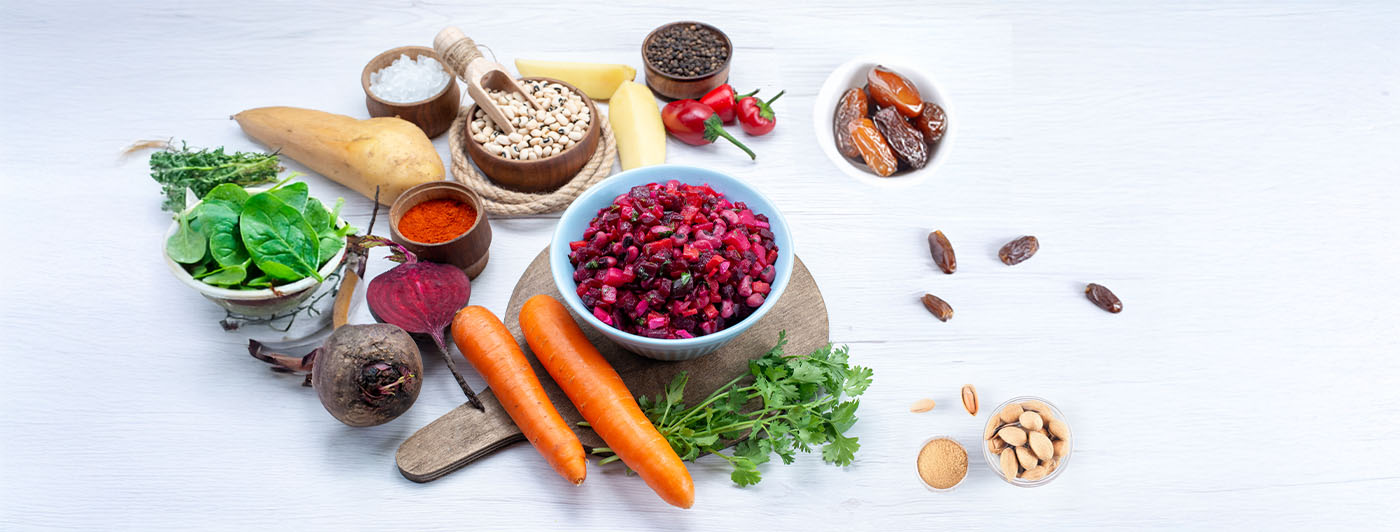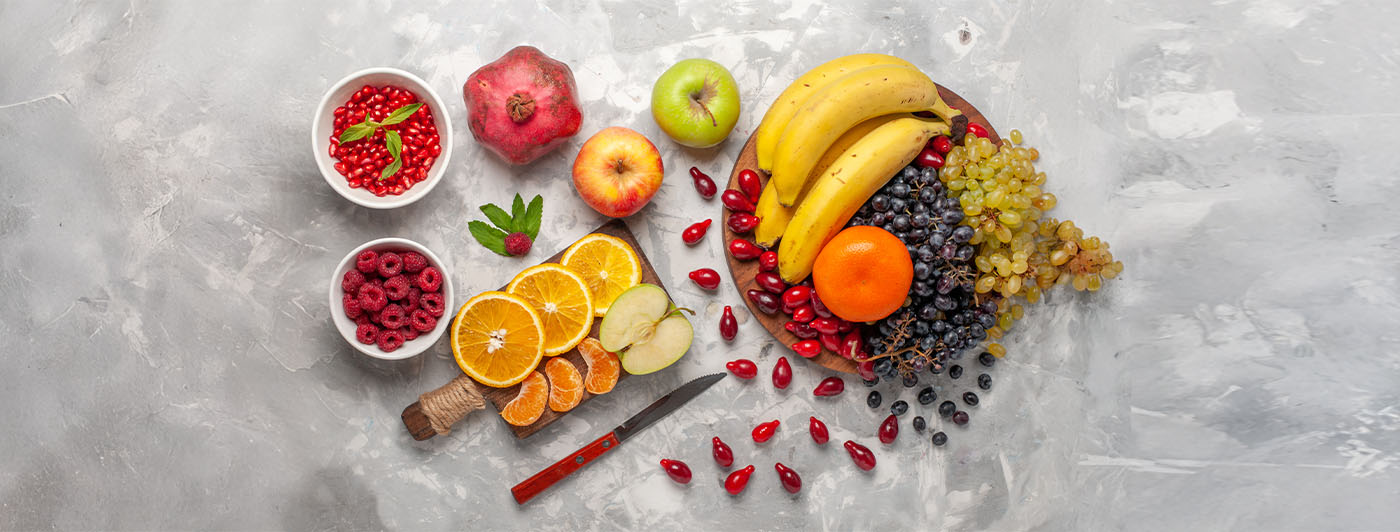
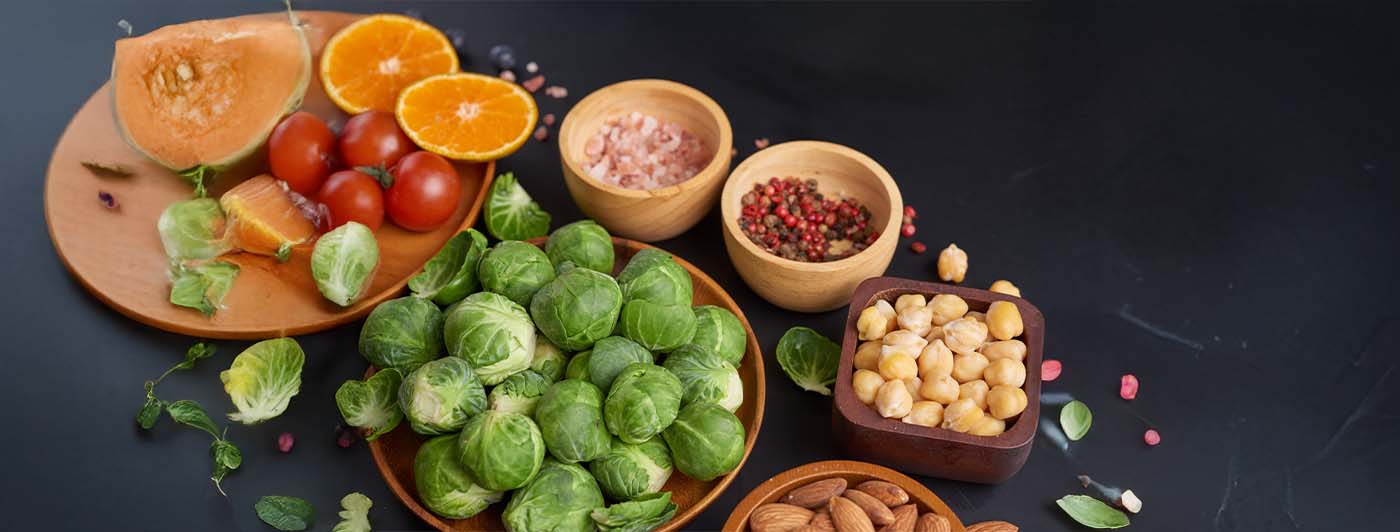
Black sesame seeds, spinach, dark chocolate, carrots, walnuts and pumpkin seeds are the best melanin rich foods. They provide copper, tyrosine and antioxidants that support natural melanin production, protect skin from UV damage and improve skin tone and glow.
Melanin rich foods support natural skin glow by enhancing melanin production, protecting against UV damage, and reducing oxidative stress. These foods are packed with antioxidants, copper, vitamin A, amino acids, and essential nutrients that help maintain healthy pigmentation and strengthen skin resilience. When consumed consistently, melanin rich foods — alongside adequate plant protein for structural repair — can support even tone, radiance, and long-term skin vitality from within.
What if glowing skin isn’t about becoming lighter — but about becoming stronger?
Melanin is your skin’s natural pigment. It determines tone, protects against UV radiation, and acts as a powerful biological shield against environmental stressors. Supporting melanin production isn’t about altering who you are. It’s about nourishing the internal systems — including sufficient plant protein intake for collagen and tissue support — that keep your skin vibrant, resilient, and protected.
Let’s explore how melanin rich foods work — and which ones deserve a place on your plate.
Why Melanin Rich Foods Matter for Skin Health
Melanin is produced by specialized cells called melanocytes. The process, known as melanogenesis, requires specific nutrients and enzymatic reactions. Its production depends heavily on:
-
Copper
-
Tyrosine (an amino acid)
-
Vitamin A
-
Vitamin C
-
Antioxidants
Melanin rich foods supply these essential nutrients, helping support natural pigmentation and skin protection. When oxidative stress is reduced and nutrient levels are balanced, melanin synthesis becomes more efficient.
Scientific research supports this pathway. According to a review, melanogenesis begins with the conversion of the amino acid tyrosine through reactions mediated by the copper-dependent enzyme tyrosinase. This highlights why nutrients like copper and amino acids play a central role in melanin production and overall pigment health.
Environmental stress, poor diet, and inflammation can disrupt pigment balance, leading to uneven tone or dullness. Instead of focusing only on creams and serums, supporting melanin rich foods through diet strengthens your skin at a structural and cellular level.
Now let’s look at the top 11.
Top 11 Melanin Rich Foods
1. Black Sesame Seeds
Tiny yet powerful, black sesame seeds are among the most concentrated natural sources of copper — a mineral directly involved in melanin synthesis.
They also contain lignans and antioxidants that protect melanocytes from oxidative stress. Just one tablespoon added to smoothies or salads can meaningfully contribute to your intake of melanin rich foods.
2. Spinach
Leafy greens like spinach provide iron, folate, vitamin A, and chlorophyll — nutrients that support healthy skin turnover and pigmentation balance.
Spinach also supports blood circulation, improving oxygen delivery to skin cells. While often grouped among low calorie fruits and vegetables for weight-conscious diets, its contribution to melanin rich foods makes it a glow essential.
3. Dark Chocolate (70%+)
High-quality dark chocolate contains copper, magnesium, and flavonoids that enhance circulation and melanin synthesis.
Flavonoids also protect skin from UV-induced oxidative stress. Moderation is key — but this is one indulgence that supports melanin rich foods while satisfying cravings.
4. Carrots
Carrots are loaded with beta-carotene, which converts into vitamin A in the body. Vitamin A supports healthy skin turnover and pigment stability.
Carrots are often included in drinks to reduce belly fat due to their fiber content, but their deeper value lies in their ability to nourish melanin rich foods pathways and promote radiant skin tone.
5. Walnuts
Walnuts provide omega-3 fatty acids and copper — a dual benefit for pigmentation and inflammation control.
Healthy fats improve nutrient absorption, enhancing the effectiveness of melanin rich foods consumed alongside them. They also reduce inflammatory stress that may otherwise disrupt pigmentation balance.
6. Sweet Potatoes
Sweet potatoes are rich in beta-carotene and antioxidants that protect skin cells from UV stress.
They’re also frequently included in structured plans like a fruit diet for weight loss in 7 days due to their fiber and nutrient density. However, their role in melanin rich foods extends far beyond weight management — they nourish pigmentation pathways directly.
7. Pumpkin Seeds
Pumpkin seeds are excellent sources of zinc and copper — both critical for skin repair and melanin production.
While pumpkin seeds benefits for hair are widely discussed, their impact on skin pigmentation makes them one of the most underrated melanin rich foods.
8. Berries
Blueberries and blackberries are packed with antioxidants that protect melanocytes from free radical damage.
Berries are often classified among alkaline fruits in wellness circles. Their antioxidant density strengthens the cellular environment needed for melanin rich foods to function effectively and maintain pigment integrity.
9. Tomatoes
Tomatoes contain lycopene, a powerful antioxidant that protects against UV-induced oxidative stress.
While not directly increasing melanin, they safeguard pigment-producing cells, indirectly supporting the long-term effectiveness of melanin rich foods.
10. Avocados
Avocados provide vitamin E and healthy fats, supporting cellular membrane stability and skin elasticity.
When combined with melanin rich foods, fats from avocados enhance nutrient absorption — especially fat-soluble vitamins essential for pigmentation support and glow.
11. Legumes (Lentils & Chickpeas)
Legumes provide plant protein and amino acids such as tyrosine — a direct precursor in melanin production.
Adequate protein intake is essential for structural skin repair and enzymatic reactions involved in pigmentation. Many people use a protein intake calculator to meet daily protein targets, but pairing protein with melanin rich foods optimizes skin-supporting nutrition.

Even adding pea protein powder to smoothies alongside spinach or berries can enhance amino acid diversity naturally. The synergy of plant protein and melanin rich foods strengthens collagen formation and pigmentation pathways simultaneously.
How Melanin Rich Foods Work From Within
Melanin synthesis requires:
-
Copper for enzymatic activation
-
Tyrosine as a substrate
-
Enzymatic support (tyrosinase activity)
-
Antioxidant protection to prevent melanocyte damage
Melanin rich foods supply these building blocks while reducing inflammation and oxidative stress.
Nutrition influences pigmentation gradually. It does not dramatically change your natural skin tone — but it enhances evenness, resilience, and glow.
Adding melanin rich foods consistently supports:
-
UV defense
-
Reduced hyperpigmentation risk
-
Balanced skin tone
-
Cellular protection
-
Reduced oxidative damage
Supporting Melanin with Balanced Nutrition
Glow is not isolated from metabolism or overall health.
Many people focus on natural pre workout meals for energy or incorporate plant based protein powder into smoothies for muscle recovery. But the same nutrients supporting muscle repair also influence skin resilience and pigment stability.
Adequate plant protein intake ensures structural repair. Copper-rich seeds and antioxidant-dense fruits protect pigment cells. Together, melanin rich foods work synergistically with overall nutrition to enhance skin strength.
Hydration, micronutrient diversity, and anti-inflammatory eating patterns further amplify results.
A Note on Realistic Expectations
Melanin rich foods do not artificially darken the skin or drastically change pigmentation.
Instead, they:

-
Protect existing melanin
-
Support healthy production
-
Improve tone uniformity
-
Strengthen skin defense systems
The visible result is often smoother, more even, naturally radiant skin.
Consistency over 4–8 weeks is key.
Final Thoughts
Glowing skin is not about changing your shade. It’s about strengthening your biology.
When you consistently include melanin rich foods in your diet, you support:
-
Natural pigmentation balance
-
Antioxidant protection
-
Even skin tone
-
Reduced oxidative stress
-
Structural protein support
-
Improved cellular resilience
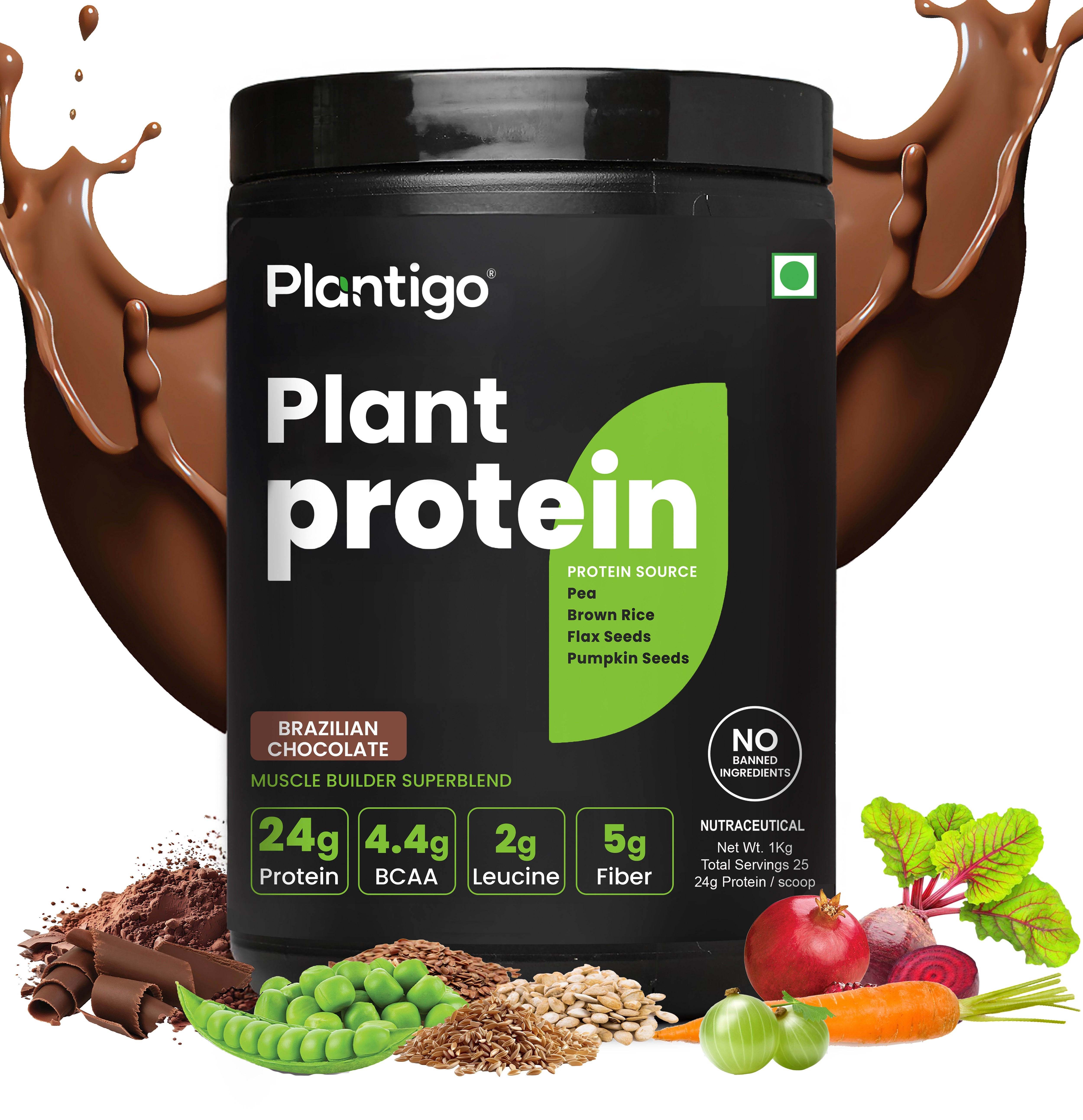
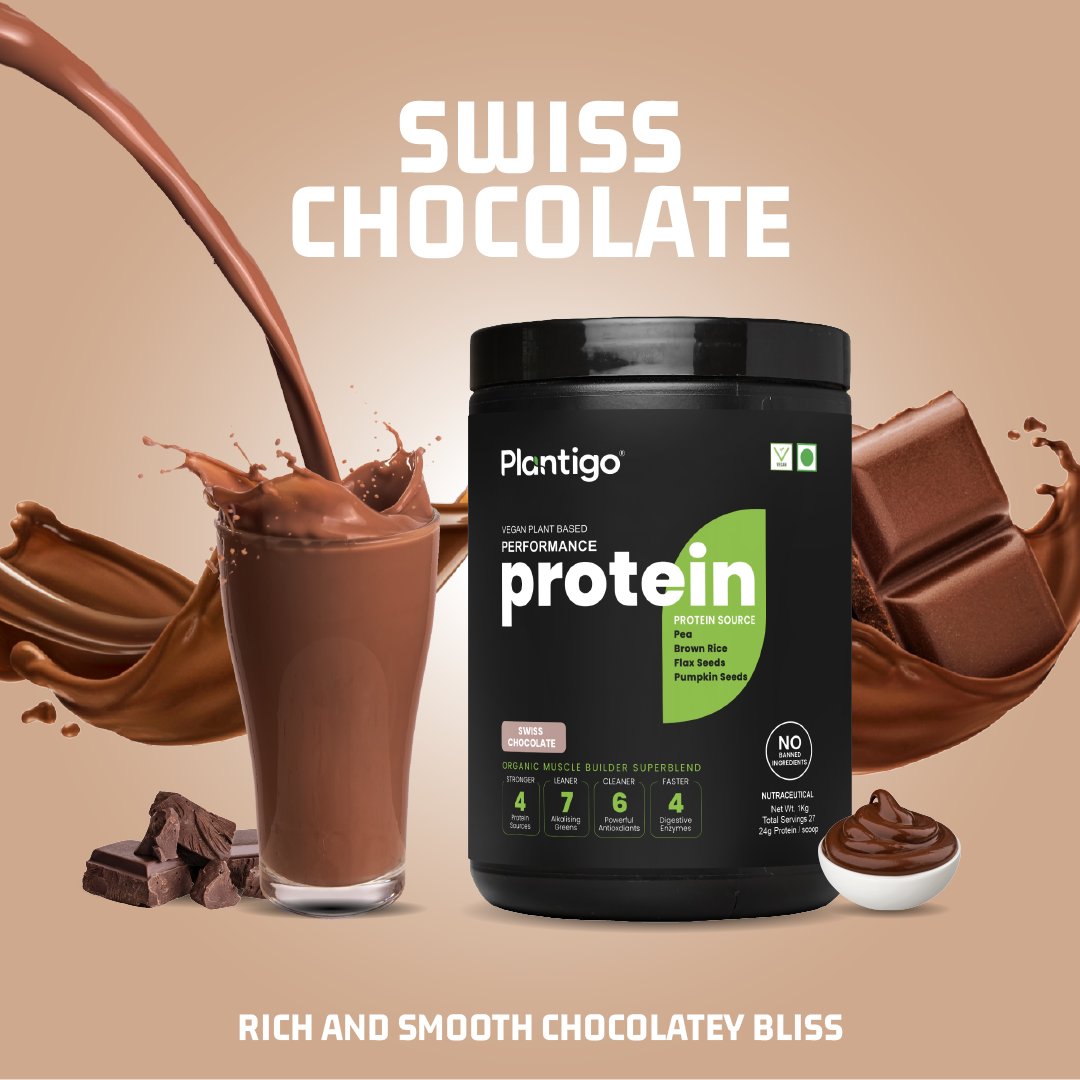
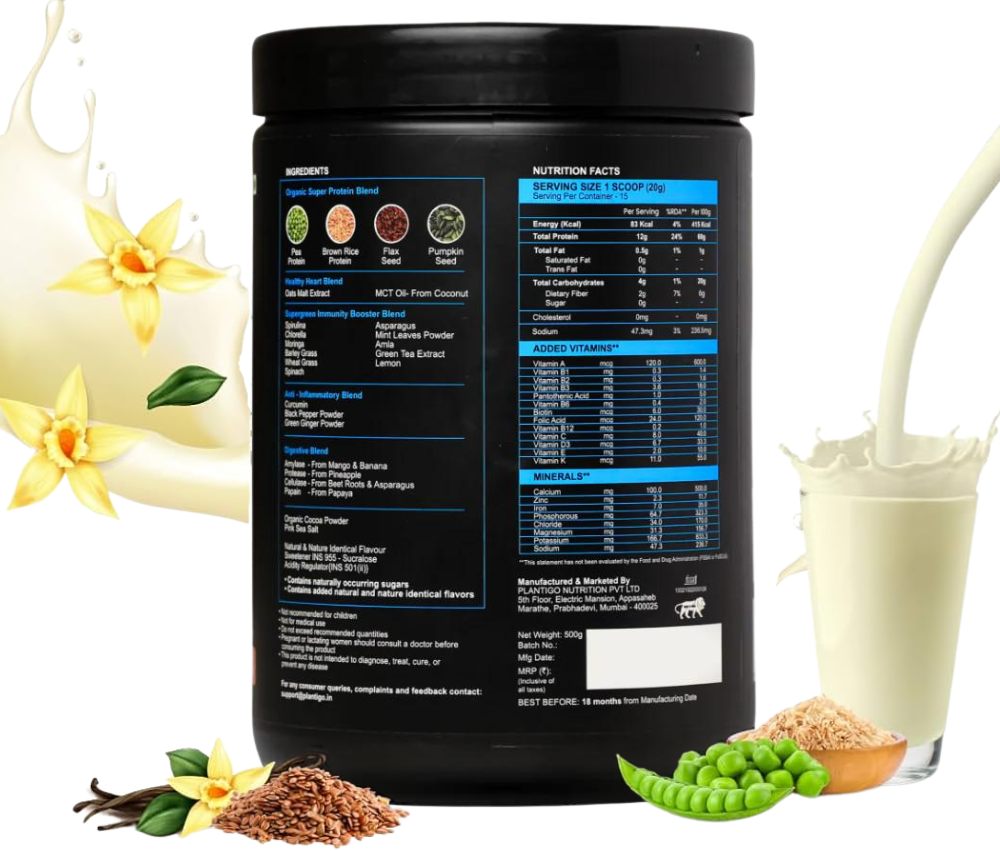
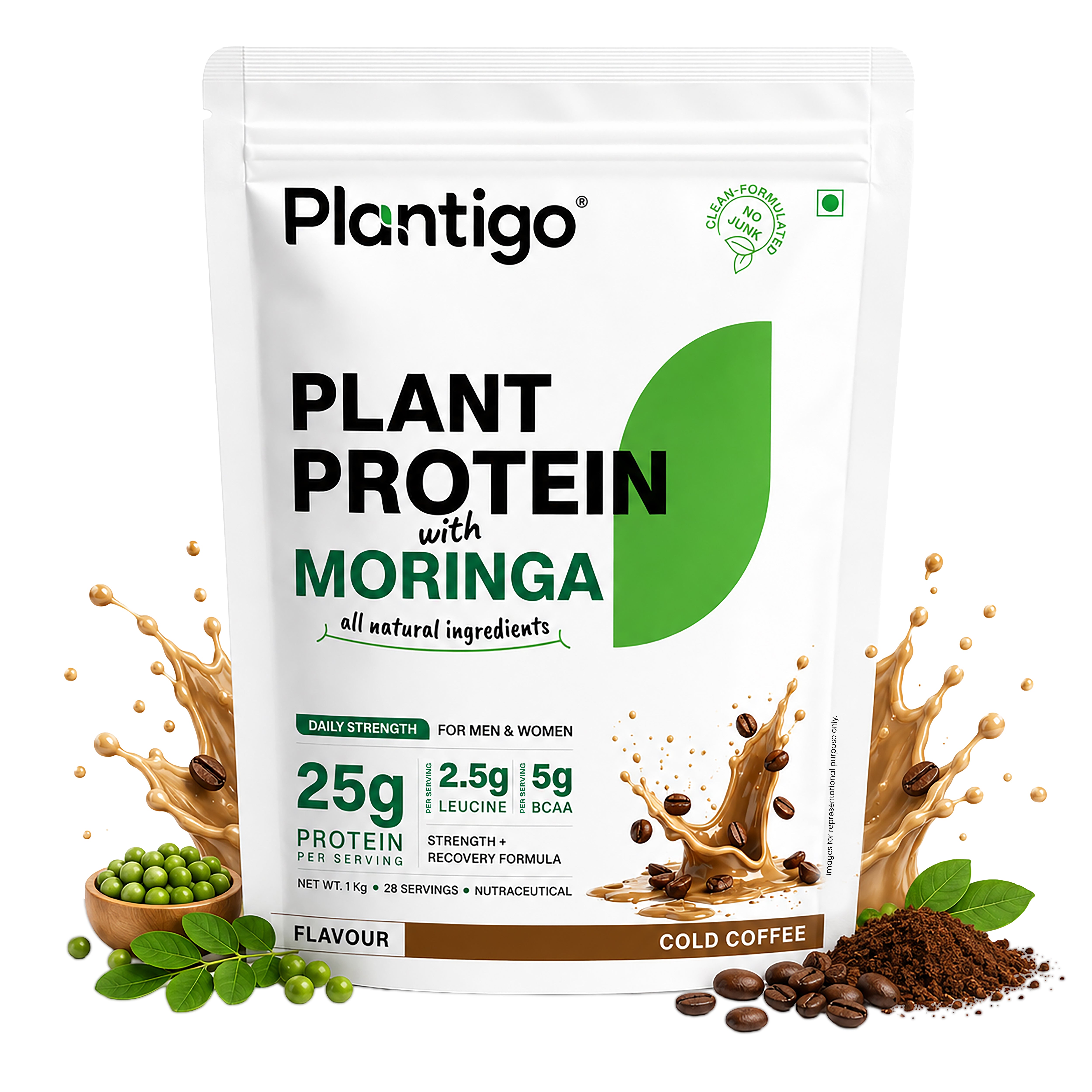
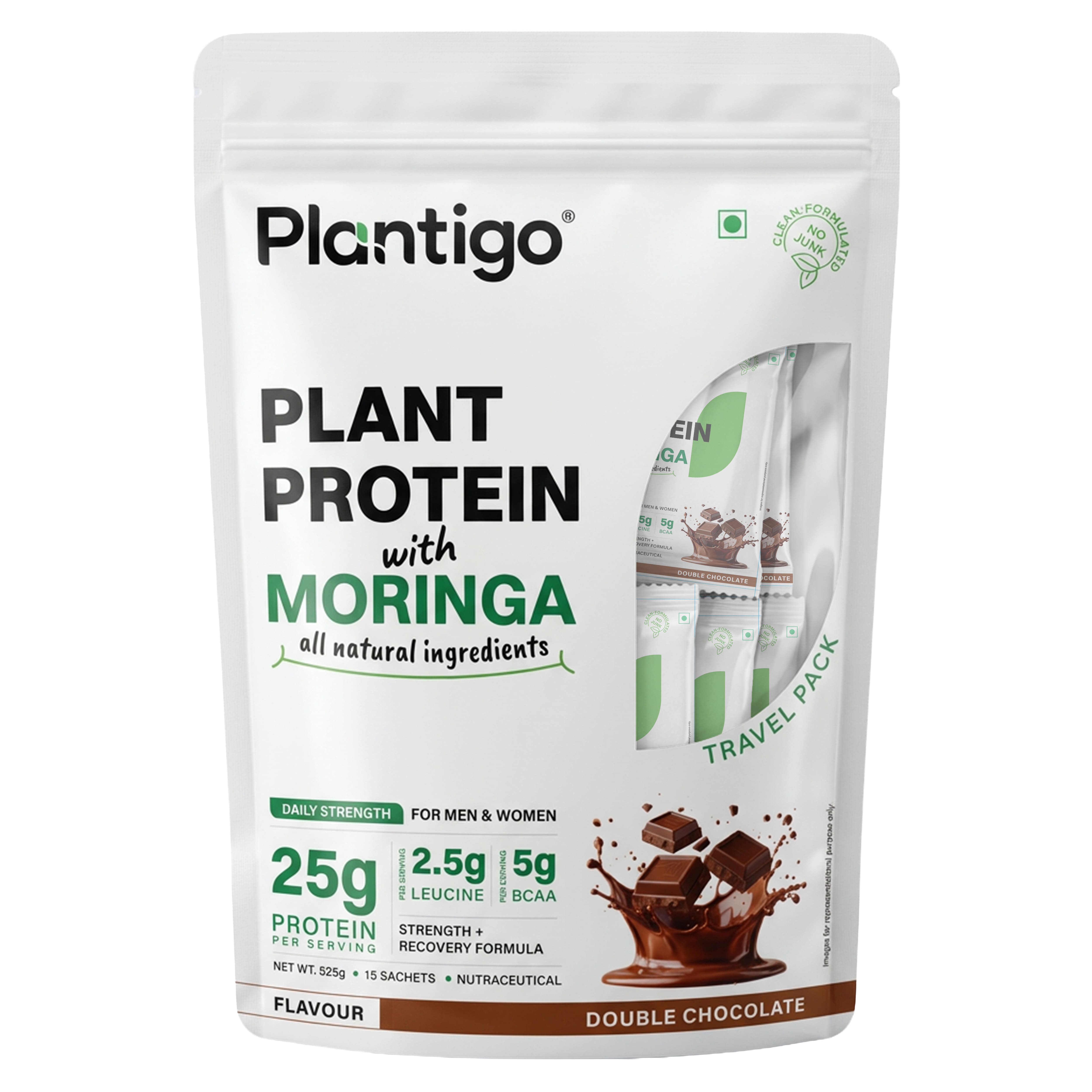
Adequate protein intake also plays a key role in maintaining healthy skin structure. Pairing melanin rich foods with a clean, complete source like Plantigo plant protein can further support collagen formation and long-term skin strength from within.
Nutrition works quietly — but powerfully.
Instead of chasing temporary glow from the outside, nourish your pigment system from within.
Because real radiance is not applied.
It is built.
FAQs
Q1: Which foods increase melanin?
Black sesame seeds, spinach, dark chocolate, carrots and pumpkin seeds provide copper, tyrosine and antioxidants that directly support melanin synthesis.
Q2: How do I get melanin naturally?
Eat copper and tyrosine rich foods consistently — black sesame seeds, walnuts, berries and leafy greens. Reducing UV exposure also protects existing melanin.
Q3: How can I increase melanin in my hair?
Black sesame seeds, walnuts and dark chocolate provide copper critical for hair follicle pigmentation. Pumpkin seeds add zinc. Results visible within 4-8 weeks.
Q4: What fruit is high in melanin?
No fruit contains melanin directly. Berries and tomatoes support melanin production — blueberries protect melanocytes through antioxidants and tomatoes shield pigment cells via lycopene.
Q5: Are melanin rich foods good for vitiligo?
They support the nutritional environment for melanogenesis but cannot reverse vitiligo alone. Copper and tyrosine rich foods may support melanocyte function alongside medical treatment.