
Plant-based diets can support muscle growth when they include the right muscle building foods. These foods provide protein, essential amino acids, and nutrients that help repair muscle tissue after exercise.
Many people assume only animal protein builds muscle, but several plant foods rich in plant protein can support lean muscle development when eaten in the right combinations.
In this guide, we explore 11 powerful muscle building foods that help improve protein intake, support recovery, and promote lean muscle growth on a plant-based diet.
To build muscle effectively, your diet should include foods that provide:
-
High-quality protein
-
Essential amino acids
-
Nutrients that support recovery and strength
These muscle building foods offer all three.
Top 11 Plant-Based Muscle Building Foods for Lean Muscle Growth
If you're building muscle on a vegetarian or plant-based diet, these muscle building foods can help you meet your protein needs while supporting recovery and performance.
Let’s start with one of the most powerful options.
1. Lentils
Lentils are among the most underrated muscle building foods available in plant-based diets.
Just one cup of cooked lentils provides around 18 grams of protein, along with iron, fiber, and complex carbohydrates.
These nutrients help:
-
Support muscle repair
-
Maintain energy levels during workouts
-
Improve recovery after exercise
Lentils also contain slow-digesting carbohydrates, making them an excellent option for a pre workout meal that fuels training sessions.
2. Chickpeas
Chickpeas provide both protein and carbohydrates, making them ideal muscle building foods for people training regularly.
They contain about 15 grams of protein per cup and offer a steady energy release that helps prevent fatigue during workouts.
Chickpeas are also commonly included in a 7 day vegetarian meal plan indian, where they appear in dishes like chole, hummus, and roasted snacks.
3. Quinoa
Quinoa stands out among muscle building foods because it contains all nine essential amino acids.
Unlike most plant foods, quinoa is considered a complete protein, making it extremely valuable for athletes.
It also provides:
-
Magnesium for muscle function
-
Iron for oxygen transport
-
Complex carbohydrates for sustained energy
These nutrients make quinoa an excellent foundation for a balanced muscle-building diet.
4. Pea Protein
Pea protein has become increasingly popular among athletes looking for convenient plant protein sources.
Many people include pea protein powder in smoothies or shakes to help meet their daily protein needs.
It is rich in branched-chain amino acids, which support muscle recovery and growth.
Because of its digestibility and amino acid profile, pea protein is often included in supplements designed for athletes.

5. Tofu
Tofu has long been a staple among vegetarian athletes.
Made from soybeans, tofu is rich in protein and contains essential amino acids that support muscle repair. It is one of the most versatile muscle building foods, as it can be grilled, sautéed, baked, or blended into smoothies.
Its soft texture also makes it easy to digest, which is helpful for individuals increasing their plant protein intake.
6. Pumpkin Seeds
Pumpkin seeds might be tiny, but they are powerful muscle building foods packed with nutrients.
They provide:
-
Protein
-
Magnesium
-
Zinc
-
Healthy fats
Magnesium plays an important role in muscle contraction and recovery, making pumpkin seeds an excellent addition to a post-workout meal.
7. Almonds
Almonds are another excellent example of nutrient-dense muscle building foods.
They contain protein, vitamin E, and healthy fats that support muscle recovery and reduce oxidative stress after intense workouts.
Because almonds are calorie-dense, they also help athletes meet their daily energy requirements.
8. Chia Seeds
Chia seeds are gaining popularity among athletes and fitness enthusiasts.
They are rich in protein, omega-3 fatty acids, and fiber, making them effective muscle building foods that support endurance and recovery.
Interestingly, many people researching chia seeds benefits for skin discover that these seeds also provide antioxidants and healthy fats that contribute to skin health while supporting overall nutrition.
9. Oats
Oats are widely recognized as one of the best carbohydrate sources for athletes.
While they are not extremely high in protein, they play a crucial role among muscle building foods because they provide sustained energy for workouts.
Oats also contain beta-glucan fiber that supports digestion and gut health.
This is especially helpful for individuals increasing their intake of plant based protein powder or other high-protein foods.
10. Spinach
Spinach may not be famous for protein, but it plays an important supporting role among muscle building foods.
It contains:
-
Iron
-
Magnesium
-
Antioxidants
Iron helps transport oxygen to muscles, while magnesium supports muscle contraction and relaxation.
Spinach also contributes to nutrient diversity in plant-based diets.
11. Beans
Kidney beans, black beans, and pinto beans are among the most widely consumed muscle building foods worldwide.
They provide protein, fiber, and complex carbohydrates that support muscle recovery and stable energy levels.
Beans also contain inositol foods, compounds that may support metabolic health and energy regulation.
Why Protein Is Critical for Muscle Growth
Muscle growth occurs when muscle fibers are stressed during exercise and then repaired through protein synthesis.
This process requires amino acids obtained from protein-rich muscle building foods.
When protein intake is too low, the body cannot repair muscle tissue effectively.
Over time, severe protein deficiency may lead to conditions associated with protein deficiency disease, highlighting the importance of adequate dietary protein.
Calculating Your Protein Needs
Everyone has different protein requirements depending on their body weight and activity level.
Many athletes use a protein intake calculator to estimate their daily needs.
Generally, individuals engaged in strength training require around 1.6 to 2.2 grams of protein per kilogram of body weight.
Meeting these requirements with diverse muscle building foods ensures that the body receives a full range of amino acids and nutrients.
Supporting Muscle Growth with Complementary Nutrients
Muscle development does not depend on protein alone.
Certain nutrients support recovery, hormone balance, and tissue repair.
For example:
-
Vitamin C supports collagen production
-
Iron supports oxygen transport
-
Antioxidants reduce muscle inflammation
Some individuals explore high collagen rich foods to support connective tissue health and joint recovery during training.
Combining these nutrients with protein-rich muscle building foods creates a more balanced muscle-building diet.
Why Plant-Based Muscle Building Is Growing
Plant-based nutrition is gaining popularity among athletes because it offers several advantages:

-
High fiber intake
-
Anti-inflammatory nutrients
-
Better digestive health
With proper planning, plant-based diets can provide enough protein to support muscle growth without relying on animal products.
The key is combining different muscle building foods to create complete amino acid profiles.
Final Thoughts
Building lean muscle on a plant-based diet is entirely possible when you include the right muscle building foods. Lentils, quinoa, beans, seeds, and nuts provide valuable plant protein that supports muscle recovery and strength.
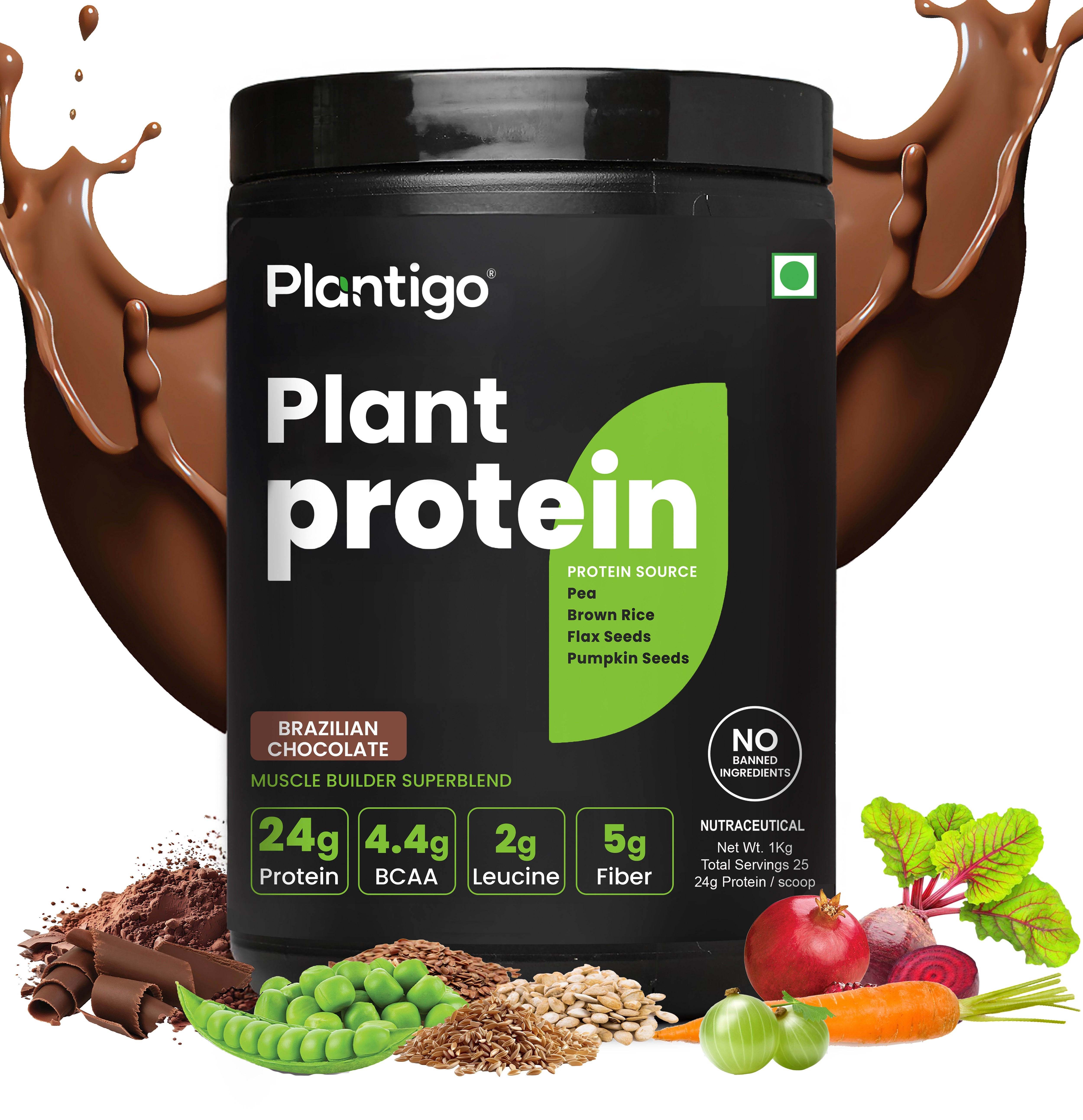
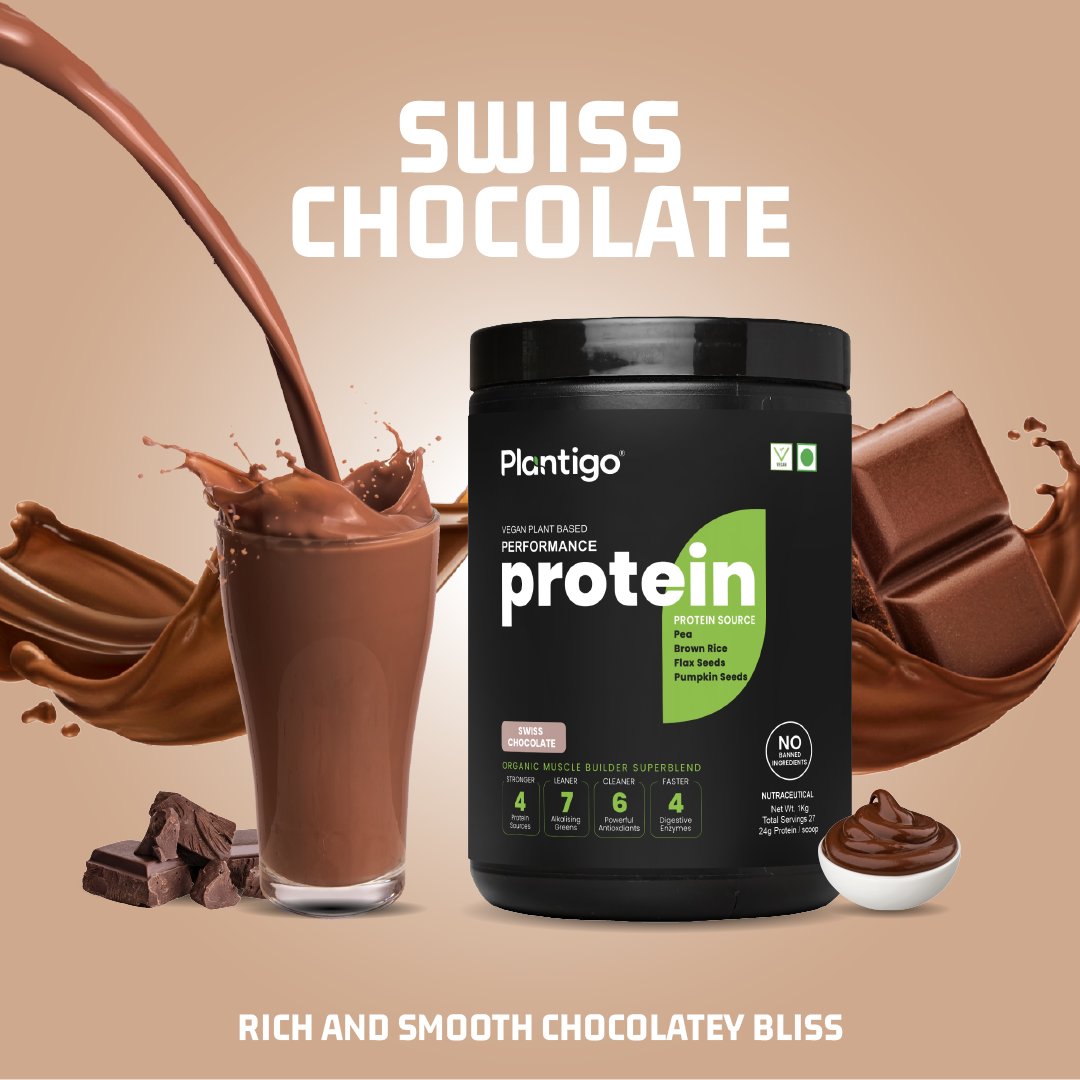
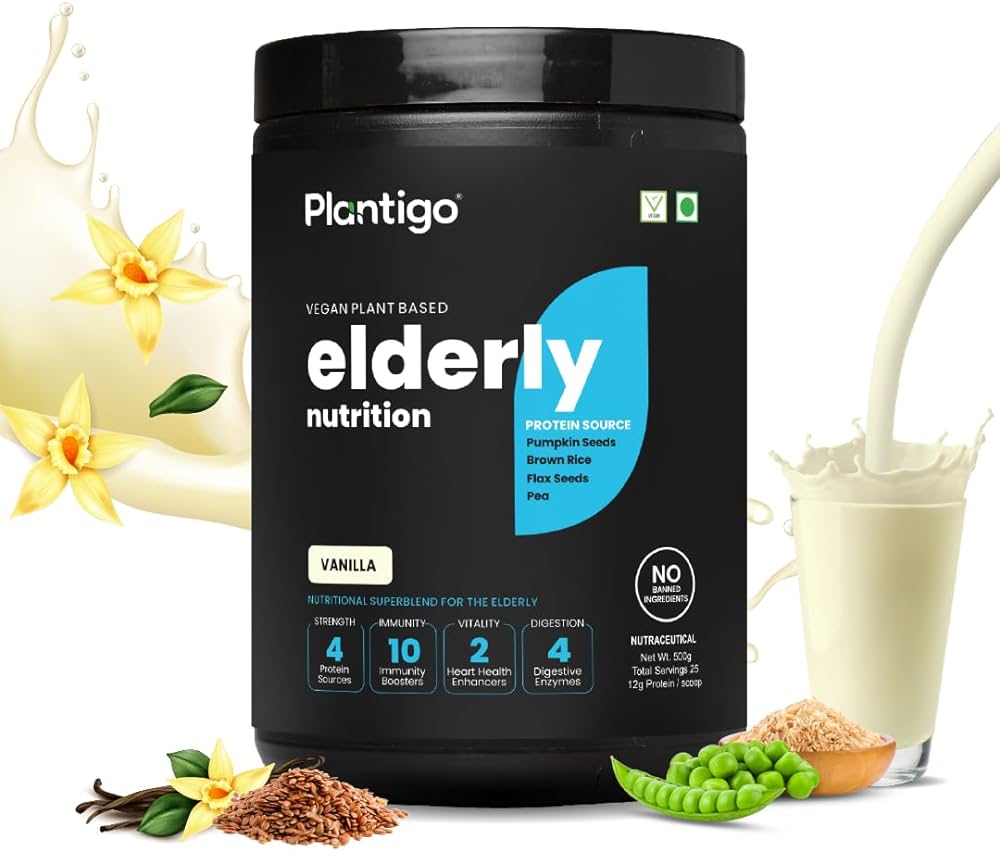
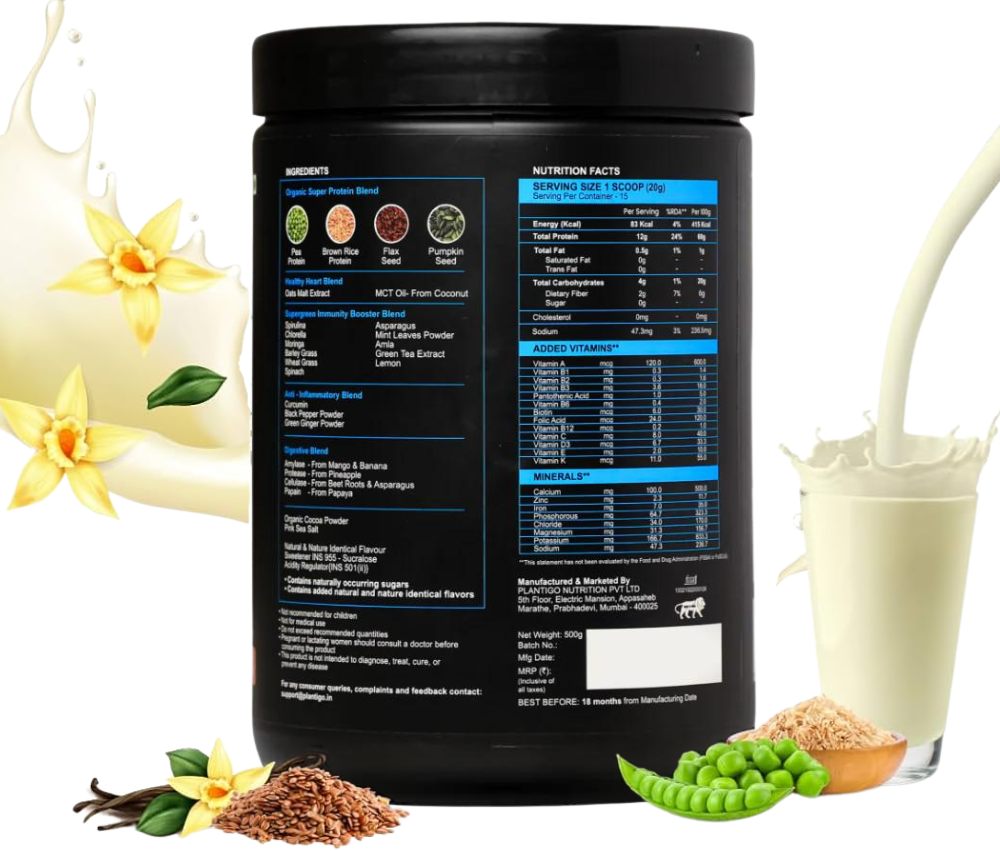
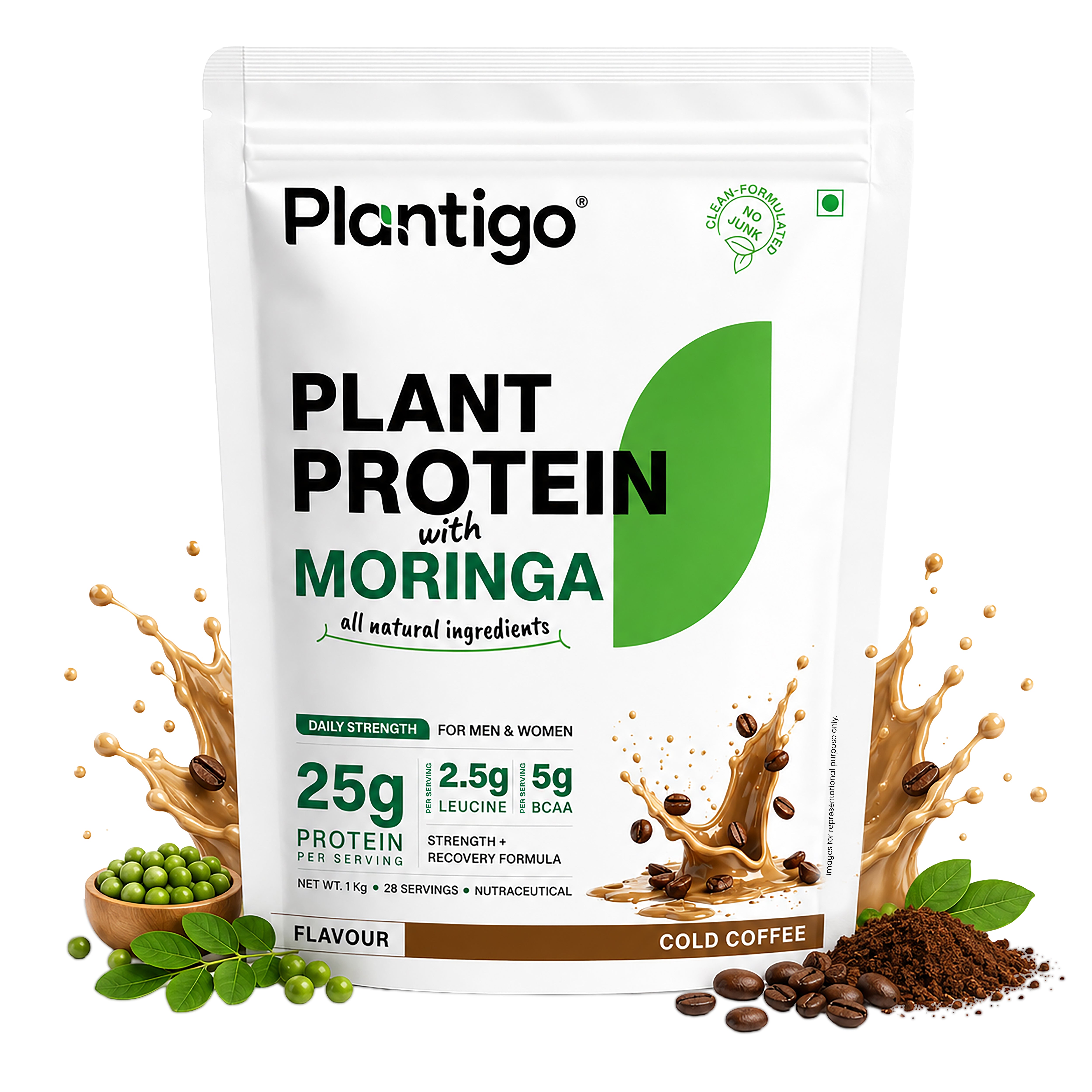
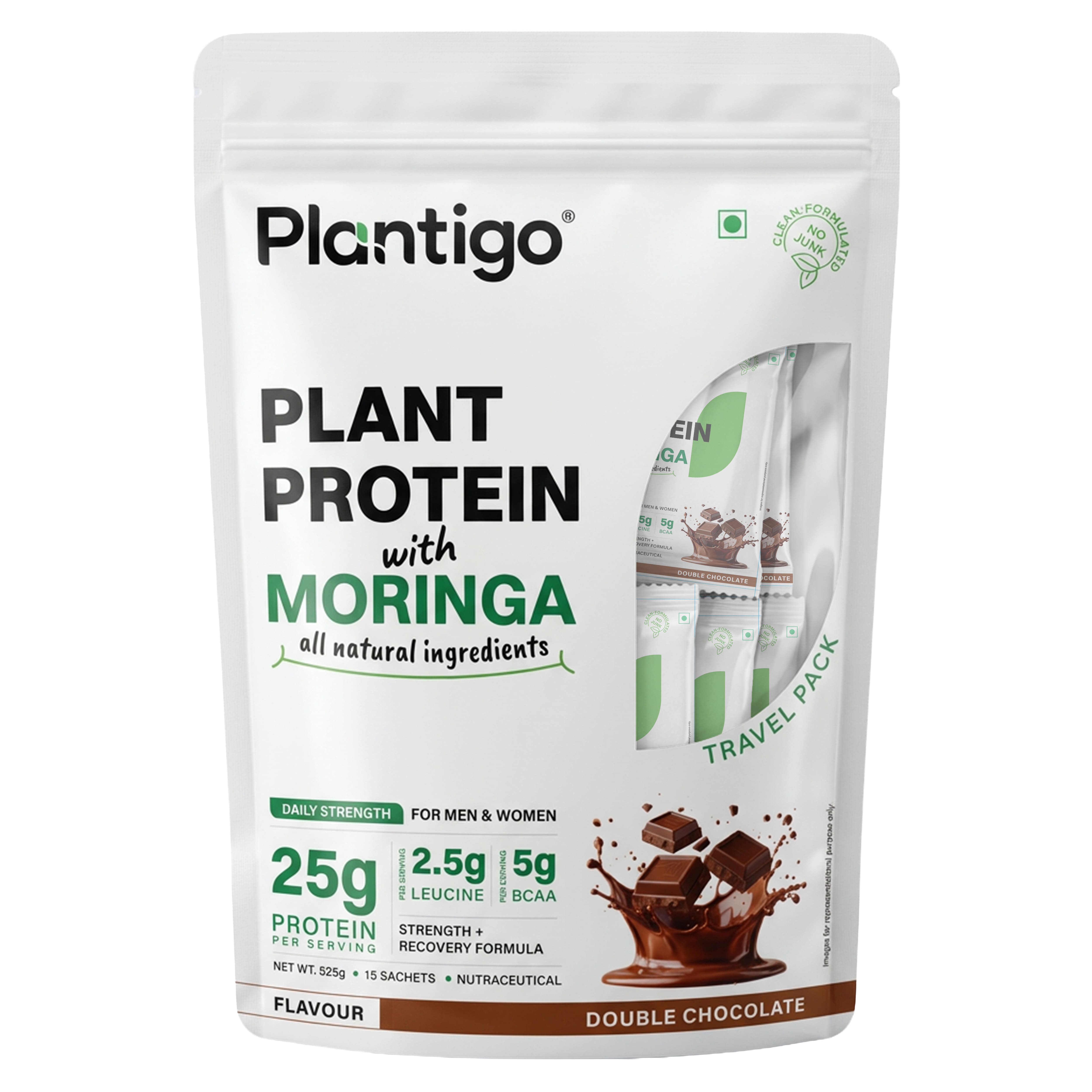
Many people also combine whole foods with convenient options like Plantigo plant protein to help meet their daily protein needs more consistently.
Adding more muscle building foods to your daily meals—whether in breakfast bowls, post-workout smoothies, or balanced lunches—can help support stronger muscles, better recovery, and long-term health.
FAQs
1. What are the best plant-based muscle building foods?
Some of the best muscle building foods include lentils, chickpeas, quinoa, tofu, beans, seeds, nuts, oats, and pea protein. These foods provide plant protein and essential amino acids that support lean muscle growth.
2. Can you build muscle with plant-based muscle building foods?
Yes. Muscle building foods from plant sources like beans, lentils, quinoa, and seeds provide protein and amino acids that help repair and grow muscle when combined with regular strength training.
3. How much protein do you need from muscle building foods?
Most people aiming to build muscle need about 1.6–2.2 grams of protein per kilogram of body weight. Eating a variety of muscle building foods helps meet these protein needs.
4. Why are plant-based muscle building foods beneficial?
Plant-based muscle building foods provide protein along with fiber, antioxidants, and minerals that support digestion, recovery, and overall health.
5. When should you eat muscle building foods?
Many athletes eat muscle building foods after workouts to support muscle recovery. Including protein-rich foods throughout the day also helps maintain steady muscle repair.