
Protein powders have become one of the most widely used supplements in modern nutrition. From athletes to office professionals, many people add protein shakes to their daily routine. But a common question still confuses many people: does protein powder increase weight?
The short answer is: it depends on how you use it.
Protein powder itself is not inherently fattening. In fact, in many situations it can actually help with fat loss, muscle development, and better metabolic health. This applies whether the protein comes from dairy sources or plant protein, which many vegetarians and fitness enthusiasts now include in their diets.
The confusion arises because protein powders are used for very different goals — some people use them to gain muscle mass, while others use them for weight management.
To fully understand does protein powder increase weight, we need to explore how protein affects metabolism, calorie balance, muscle growth, and appetite. Below are 7 scientifically backed truths that explain what really happens when you consume protein powder.
Does Protein Powder Increase Weight? Understanding the Science
Before diving into the myths and facts, let’s clarify the central question: does protein powder increase weight if you consume it regularly?
Weight gain occurs when calorie intake exceeds calorie expenditure over time. Protein powder itself is simply a concentrated source of protein, usually containing 100–150 calories per scoop. Whether that contributes to weight gain depends on your overall daily calorie intake and activity level.
For example:
-
If protein powder adds extra calories beyond your daily requirement, it may contribute to weight gain.
-
If protein powder replaces unhealthy snacks or helps maintain muscle while dieting, it may actually help reduce body fat.
Interestingly, scientific research suggests that higher protein intake can actually support weight management rather than cause fat gain. A review of multiple clinical trials found that increasing dietary protein can reduce body weight and body fat while preserving lean muscle mass, particularly when combined with controlled calorie intake and exercise.
So when people ask does protein powder increase weight, the real answer lies in context, diet, and lifestyle.
Let’s explore the truths that clarify the confusion.
7 Truths About Protein Powder
1. Does Protein Powder Increase Weight on Its Own?
One of the biggest misconceptions around supplements is the belief that protein powders are designed to make people gain weight.
In reality, protein powders are simply convenient sources of dietary protein.
The body uses protein primarily for:
-
Muscle repair
-
Hormone production
-
Enzyme formation
-
Immune function
If someone consumes protein powder within their normal calorie intake, it will not automatically cause weight gain.
This is why when people ask does protein powder increase weight, nutritionists usually respond with another question: what else are you eating throughout the day?
Even natural foods like lentils, nuts, and seeds contribute calories. For instance, if you look at dal protein per 100g, you’ll see that traditional vegetarian foods also contain significant protein along with calories.
The difference is simply convenience and concentration.
2. Do Extra Calories From Protein Shakes Cause Weight Gain?
To properly answer does protein powder increase weight, we must understand energy balance.
Weight gain occurs when:
Calories consumed > Calories burned
If someone drinks multiple protein shakes daily on top of regular meals, total calorie intake increases. Over time, this may result in weight gain.
However, protein actually has a high thermic effect, meaning the body burns more calories digesting it compared to carbohydrates or fats.
Protein digestion requires roughly:
-
20–30% of its calories for digestion
-
Compared to 5–10% for carbs
-
And 0–3% for fats
This means protein is metabolically efficient and less likely to be stored as fat.
Scientific research supports this. A study explains that diets higher in protein increase satiety, thermogenesis, and energy expenditure, which may help regulate body weight and prevent fat gain when calorie intake is controlled.
Therefore, when people ask does protein powder increase weight, the scientific answer is that excess calories cause weight gain, not protein itself.
3. Can Protein Powder Help With Weight Loss?
Interestingly, many dieticians recommend protein supplementation during weight loss programs.
Higher protein intake helps:
-
Increase satiety (you feel fuller longer)
-
Reduce cravings
-
Preserve lean muscle mass
-
Support fat loss
When someone replaces a high-sugar snack with a protein shake, their calorie intake may actually decrease.
This is why in many fitness programs and a 7 day gym workout plan for beginners, nutrition guidance often includes adequate protein intake.
In such cases, the question does protein powder increase weight becomes misleading, because the supplement is often used specifically to help manage weight and body composition.
4. Does Muscle Gain From Protein Increase Body Weight?
Sometimes people notice that their weight increases after starting protein supplements. This leads them to wonder again: does protein powder increase weight?
What may actually be happening is muscle gain.
Protein supports muscle repair after exercise. When combined with resistance training, protein helps the body build lean muscle tissue.
Muscle weighs more than fat per unit volume because it is denser. So the scale may increase even while body fat decreases.
For example, someone following strength training along with a structured routine like a 7 day gym workout plan for beginners might gain muscle mass. In this scenario, the weight gain reflects improved body composition, not fat accumulation.
So when discussing does protein powder increase weight, it is important to distinguish between:
-
Healthy muscle gain
-
Unhealthy fat gain
These are completely different outcomes.
5. Do Hidden Ingredients in Protein Powder Cause Weight Gain?
Another important factor when evaluating does protein powder increase weight is the ingredient list.
Not all protein powders are nutritionally equal.
Some products contain additives such as:
-
Added sugars
-
Artificial flavoring
-
Fillers
-
High-glycemic carbohydrates
A common additive in mass gain supplements is maltodextrin, a processed carbohydrate used to increase calories quickly.
There are growing discussions around maltodextrin dangers, particularly when consumed regularly in large amounts because it can spike blood sugar and contribute unnecessary calories.
When a protein product contains large amounts of added carbohydrates, the answer to does protein powder increase weight may indeed be yes — due to those additional ingredients rather than the protein itself.
Reading labels is therefore crucial.
6. Does Your Activity Level Affect How Protein Impacts Weight?
The next factor that determines does protein powder increase weight is how active you are.
Recommended protein intake generally varies based on lifestyle
|
Lifestyle |
Protein per kg body weight |
|
Sedentary |
0.8 g/kg |
|
Moderate activity |
1.2–1.6 g/kg |
|
Strength training |
1.6–2.2 g/kg |
Many people underestimate how much protein they actually need.
Tools such as a protein intake calculator can help determine appropriate daily protein requirements based on body weight and activity level.
If protein intake stays within recommended ranges, protein powder is simply a dietary supplement to meet nutritional needs, not something that automatically causes weight gain.
So again, when evaluating does protein powder increase weight, the answer depends on whether total intake exceeds what the body requires.
7. Why Your Overall Diet Matters More Than Protein Powder
Ultimately, the biggest factor influencing body weight is overall dietary pattern, not one single supplement.
A balanced vegetarian diet can provide protein from many sources such as:
-
Lentils
-
Chickpeas
-
Beans
-
Seeds
-
Nuts
-
Dairy or plant proteins
Certain foods also provide essential micronutrients like zinc, which supports metabolism and immune health. Many diet plans therefore include zinc rich foods for vegetarians such as pumpkin seeds, lentils, and cashews.

In fact, many people prefer naturally derived options like plant protein, which are easier to digest for some individuals. Products such as pea protein powder are examples of plant-derived proteins that are commonly used in vegetarian nutrition without necessarily leading to weight gain.
This broader perspective helps answer the recurring question: does protein powder increase weight?
The supplement itself is rarely the determining factor — the total diet matters far more.
Additional Factors That Influence Weight
Beyond protein intake, several lifestyle factors influence body weight.

1. Overall calorie intake
Foods with high sugar and fat content contribute more to weight gain than protein.
2. Physical activity
Regular exercise helps balance calorie intake.
3. Nutrient balance
A diet including vegetables, whole grains, and natural foods supports metabolic health.
4. Meal timing
Eating the right pre workout food in morning can help maintain energy levels and support muscle recovery.
5. Low-calorie food choices
Including fruits with minimal calories such as 0 calorie fruits can support healthy weight management.
When all these elements are balanced, protein supplementation rarely leads to unwanted weight gain.
Final Verdict: Does Protein Powder Increase Weight?
So, after exploring the science and nutrition behind it, we return to the original question: does protein powder increase weight?
The evidence shows:
-
Protein powder does not inherently cause weight gain.
-
Weight gain occurs primarily due to excess calorie consumption.
-
When used correctly, protein supplements can support muscle growth, satiety, and fat loss.
-
Ingredient quality, lifestyle, and total diet determine the real impact.
In simple terms, does protein powder increase weight depends on how it fits within your daily calorie needs and physical activity.
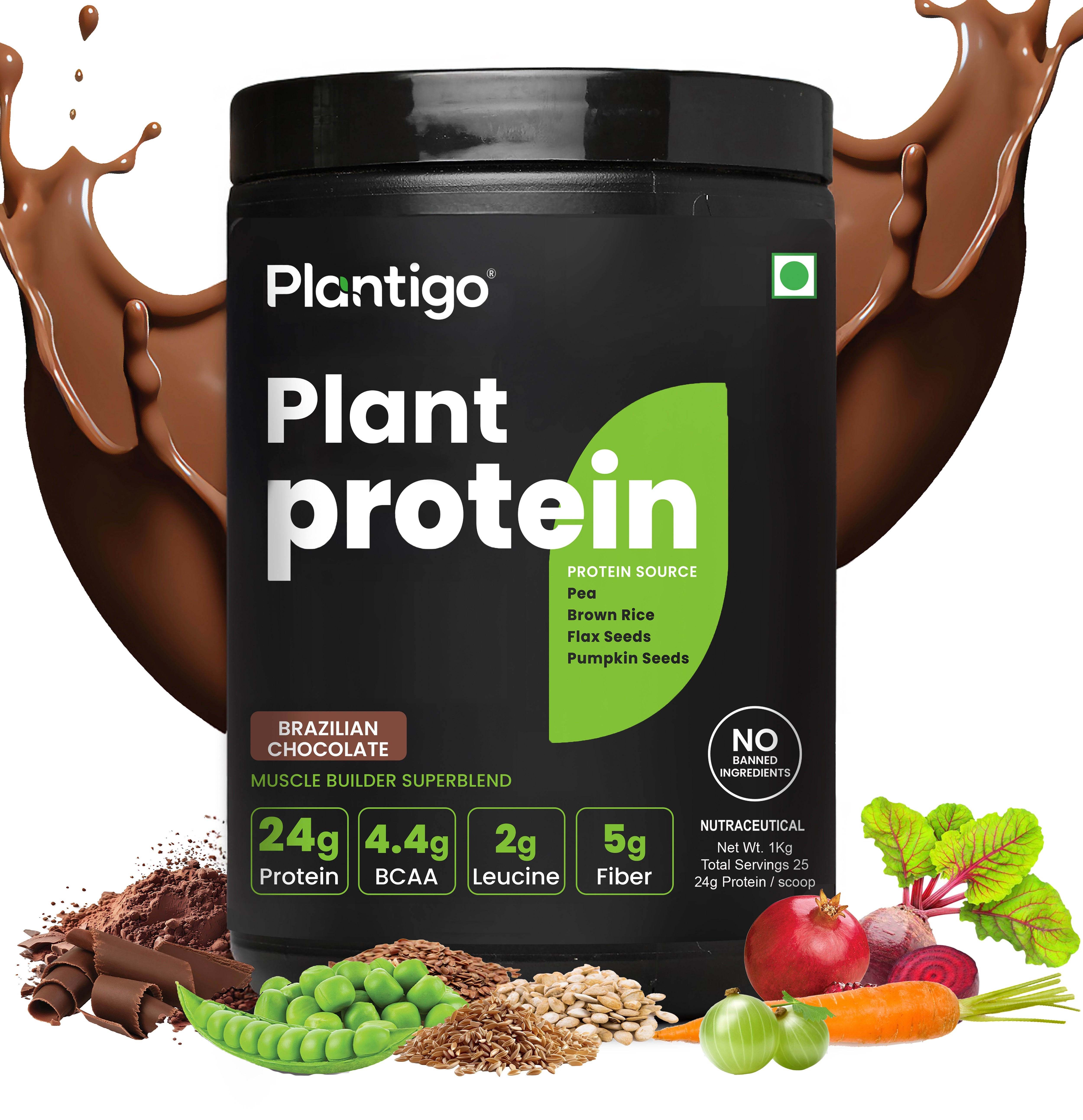
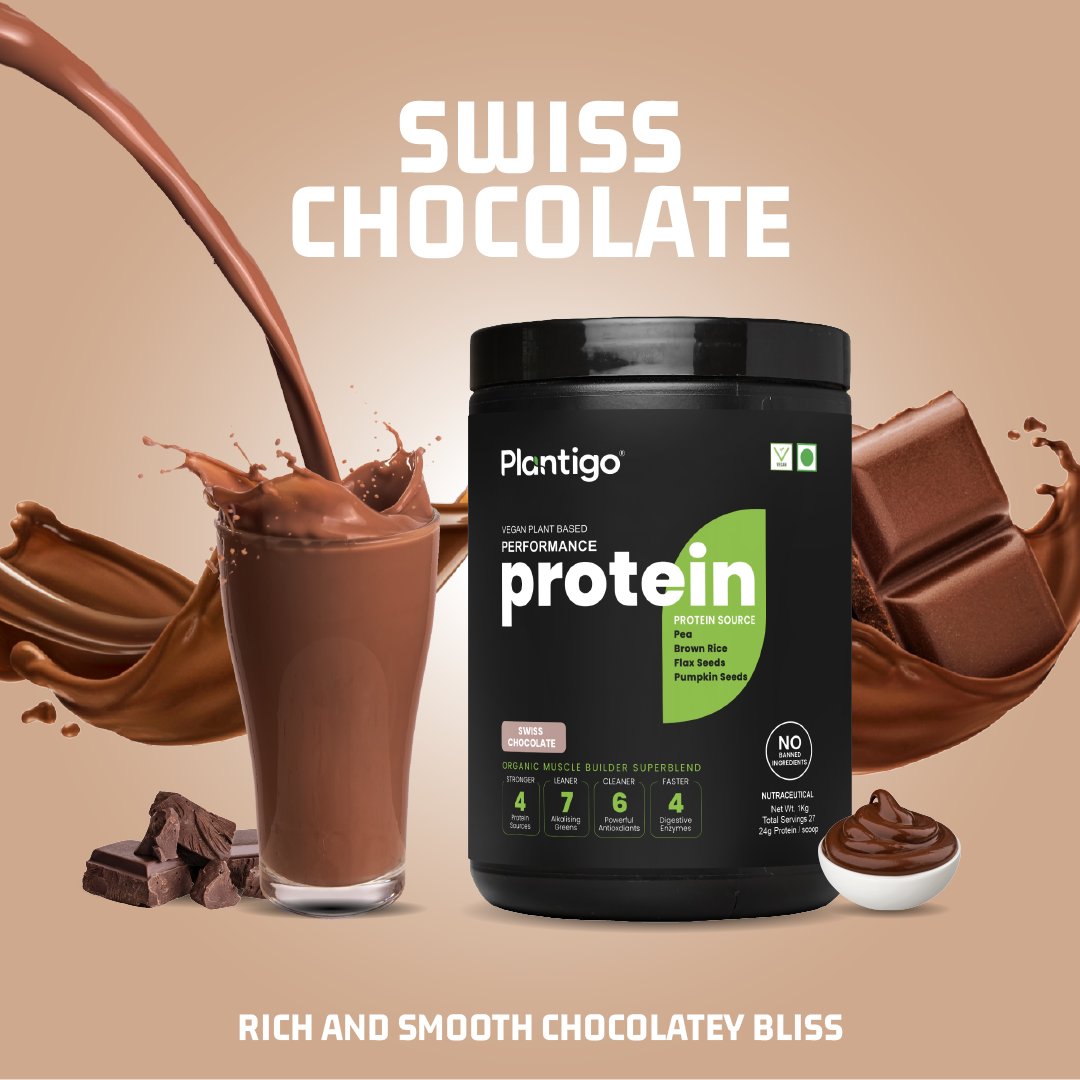
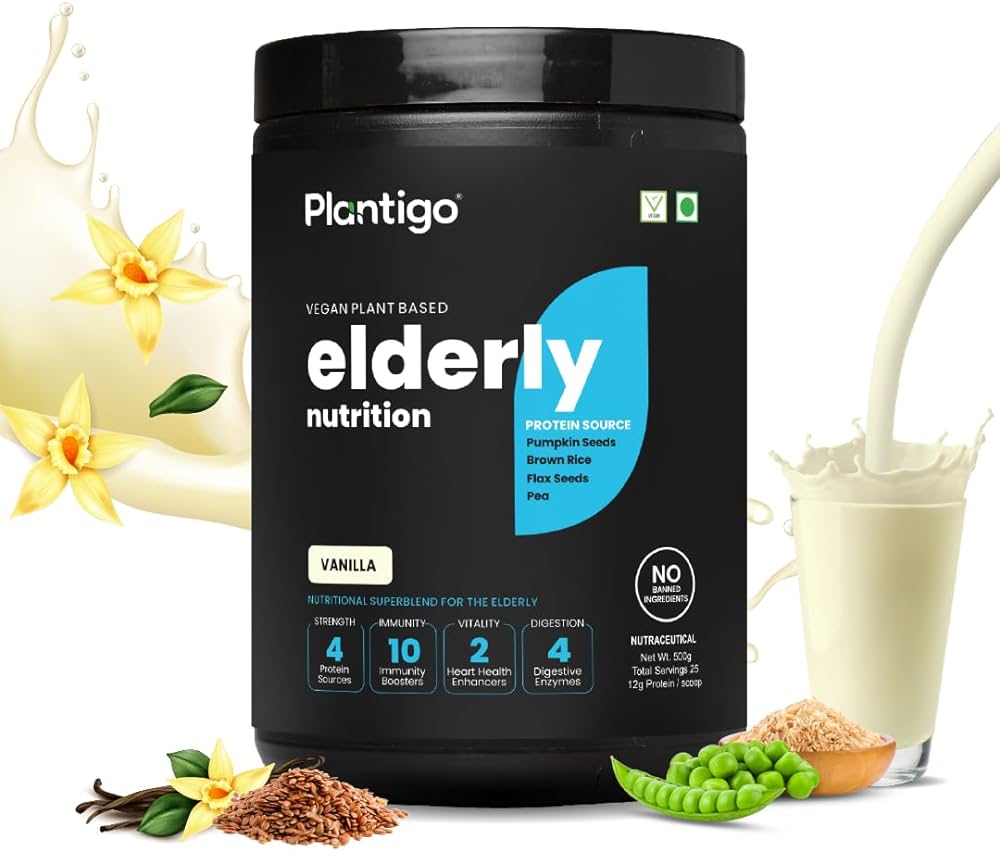
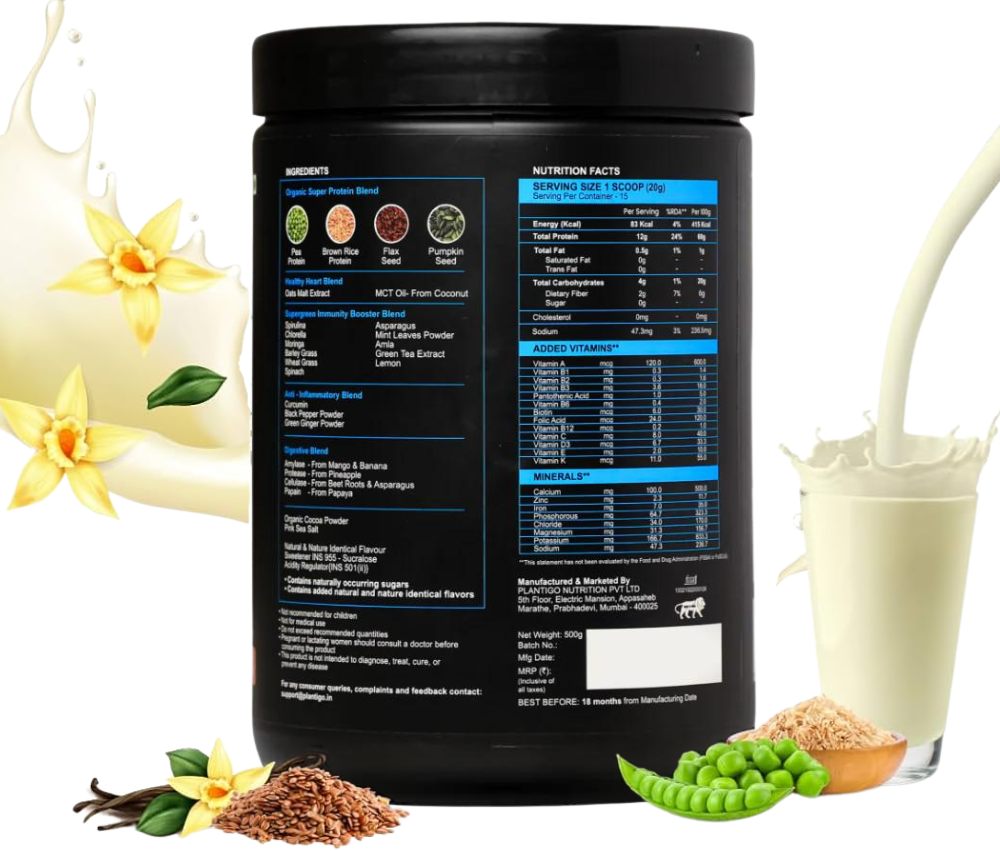
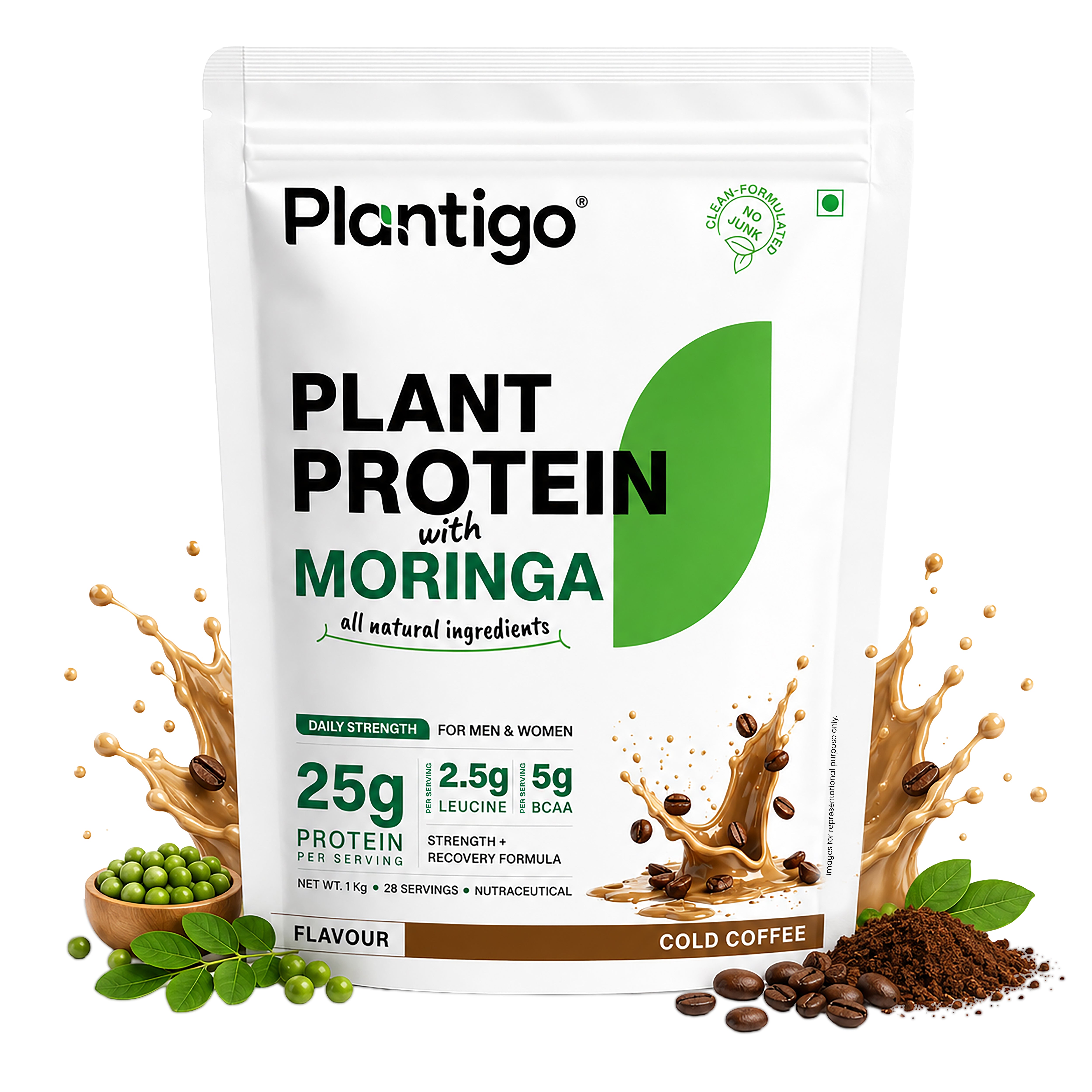
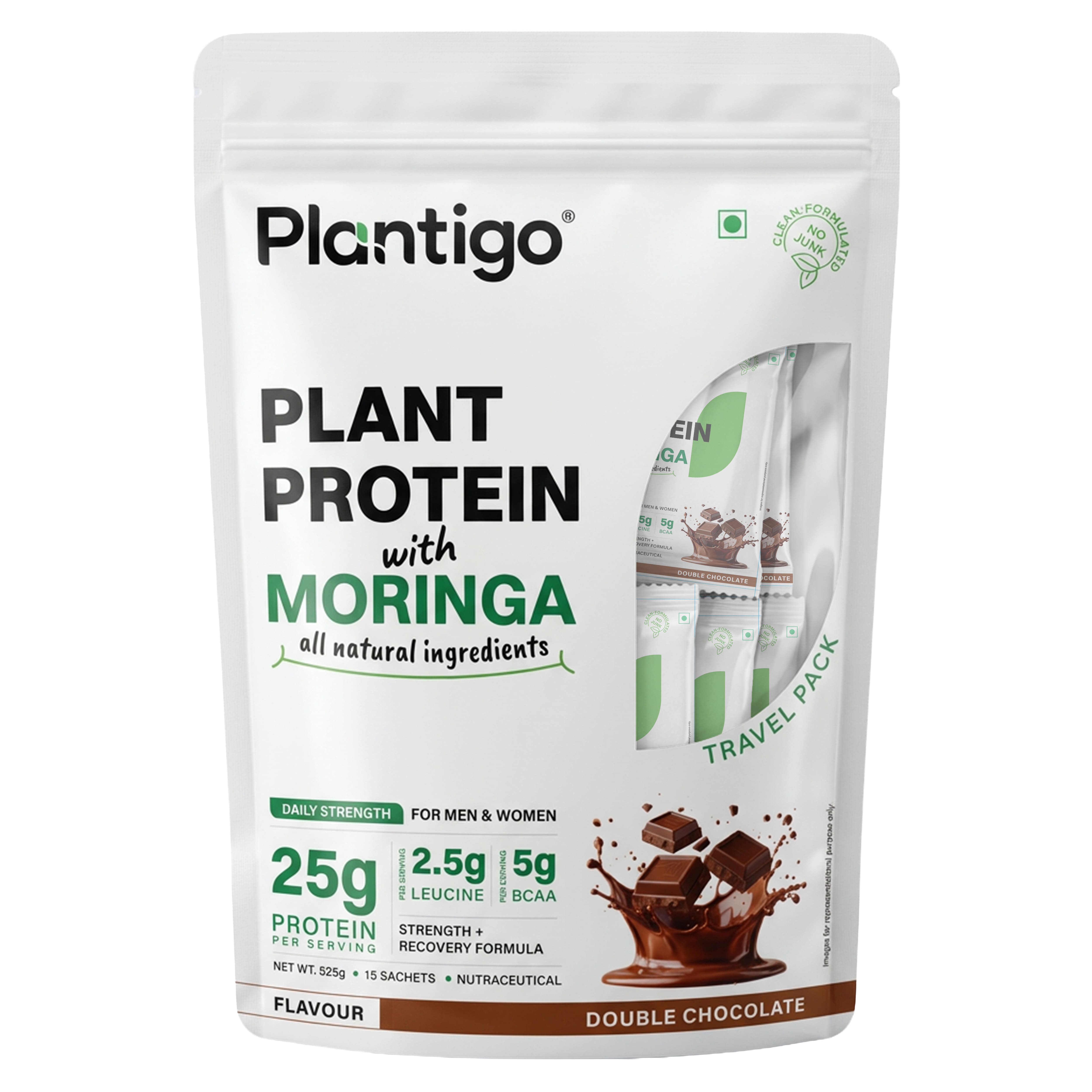
For many people, protein powders are simply a practical way to meet protein requirements, especially in vegetarian diets where plant-derived sources may be needed to balance nutrition. This is why many individuals today prefer clean, minimally processed options such as Plantigo plant protein, which focus on simple plant-based ingredients.
Understanding this context helps separate myths from reality and allows individuals to make informed decisions about their diet and health.
FAQs
1. Does protein powder increase weight?
Protein powder does not automatically cause weight gain. Weight increases only when total calorie intake exceeds what your body burns.
2. Can protein powder help with weight loss?
Yes. Protein helps increase satiety, reduce cravings, and preserve muscle during weight loss.
3. How much protein powder should you take daily?
Protein needs vary by activity level, usually 0.8–2.2 g per kg of body weight. A protein intake calculator can help estimate your needs.
4. Is plant protein as effective as whey protein?
Yes. Many plant protein sources, including pea protein powder, can support muscle recovery and daily protein needs.
5. When should you drink protein powder?
Protein powder can be taken post-workout for recovery or anytime during the day to help meet daily protein intake.