
Imagine waking up feeling lighter, clearer, and more energized—simply because the water you drink supports your body instead of working against it.
That’s the promise that’s made alkaline water one of the most talked-about wellness habits today. From fitness enthusiasts who track their nutrition as closely as their steps, to people who include clean, balanced meals with plant protein, many are turning toward alkaline hydration as a way to feel better from the inside out.
Alkaline water has become a global wellness trend, often linked with better hydration, improved acid–alkaline balance, and digestive ease. But many people still wonder how to make alkaline water at home safely, cheaply, and effectively.
The good news? You can modify your regular drinking water using simple household ingredients, minerals, or purification techniques—without expensive machines or complicated processes.
Before exploring seven easy methods on how to make alkaline water, let’s first understand what “alkaline” truly means.
Why pH Matters & What Makes Water ‘Alkaline’
Water becomes alkaline when its pH rises above 7.0 (neutral). This can happen naturally through minerals such as calcium, magnesium, and potassium—or artificially through additives or filtration.
When you learn how to make alkaline water, the goal isn’t to convert your entire diet to high-pH liquids but to support hydration, digestion, and overall well-being in a balanced way.
A study found that drinking mineral-based alkaline water was associated with improved hydration and a more favorable acid–base balance in physically active individuals.
7 Easy Methods on How to Make Alkaline Water at Home
Below are seven safe, science-informed, and easy techniques you can use at home.
1. Use Baking Soda (Sodium Bicarbonate)
One of the simplest ways on how to make alkaline water is by using baking soda, which has a naturally high pH (around 9).
Just add:
-
¼ teaspoon baking soda
-
Into 1 liter of filtered water
-
Mix thoroughly until fully dissolved
This method is reliable and fast. Baking soda is also gentle on the stomach and can help ease acidity for some individuals. Avoid excessive quantities if you have sodium restrictions.
As you explore how to make alkaline water, always start with the mildest proportions and adjust based on taste and tolerance.
2. Squeeze Fresh Lemon Into Your Water
It may sound counterintuitive, but lemon—despite being acidic outside the body—has an alkalizing effect after metabolism.
A simple recipe:
-
Squeeze half a lemon into a glass
-
Add room-temperature water
-
Optional: Let it infuse for 4–6 hours
Many people who search how to make alkaline water prefer the lemon method because it’s refreshing, supports digestion, and adds natural electrolytes.
This also makes a perfect morning beverage before workouts or as a part of a diet plan for six pack abs, since hydration plays a major role in fat metabolism.
3. Mineral Drops or pH Drops
Another highly effective trick on how to make alkaline water involves using trace mineral drops that are easily available in pharmacies or online. These drops contain:
-
Magnesium
-
Potassium
-
Calcium
-
Other essential electrolytes
Just a few drops can raise the pH of a whole bottle. This option is excellent if you want consistency and control over alkalinity.
It also pairs well with a health-focused lifestyle—especially if you track your nutrition using a protein intake calculator or maintain a balanced meal plan that incorporates whole foods, iron rich Indian foods, and high-quality protein for muscle repair.
4. Use an Alkaline Filter Pitcher
If you're looking for a more long-term solution on how to make alkaline water, consider alkaline filter pitchers. These pitchers often use:
-
Multi-layer filtration
-
Mineral stones
-
Activated carbon
-
Ion-exchange resin
The filter improves taste, removes impurities, and increases pH.
This is one of the safest and most convenient methods, especially for daily household use. Alkaline pitchers also fit well into routines that include zero calorie snacks, meal planning, or detox practices—without requiring much work.
5. Add Himalayan Pink Salt or Rock Salt
Salt might not be the first thing that comes to mind when learning how to make alkaline water, but Himalayan pink salt contains over 80+ trace minerals, many of which contribute to alkalinity.
How to do it:
-
Add 1 small pinch of pink salt to a glass of water
-
Stir well and let it dissolve
Salt enhances the mineral profile of water, turning it more alkaline and electrolyte-rich.
This method can be beneficial after intense workouts, especially if you track changes through creatine before and after results or other fitness metrics.
Always use a minimal amount—just enough to increase minerals, not sodium.
6. Use an Alkaline Water Ionizer Machine
A water ionizer uses electrolysis to separate water into acidic and alkaline streams. While it's a pricier option, it’s also the most controllable method for those serious about understanding how to make alkaline water consistently.
Ionizers allow you to:
-
Set your desired pH
-
Filter impurities
-
Produce alkaline and acidic water simultaneously
If you’re someone who maintains structured meal plans—like tracking 100 gm paneer protein, choosing melanin rich foods, or balancing carbohydrates, minerals, and fat intake—then a home ionizer can complement your health routine.
7. Add Fresh Fruits, Herbs, or Alkaline Mineral Stones
Natural infusion is one of the most enjoyable and flavorful techniques on how to make alkaline water.
Popular additions include:
-
Cucumbers
-
Mint leaves
-
Apple slices
-
Basil
-
Orange slices
-
Ginger
-
Watermelon
When infused, these ingredients release natural enzymes, minerals, and antioxidants that help raise pH levels gently.
In fact, many people use these combinations as part of their detox water routines.
Adding alkaline mineral stones to a jar is another long-lasting method. These stones—made from tourmaline, maifan, or calcium balls—naturally release minerals that increase water alkalinity.
How Much Alkaline Water Should You Drink Daily?
Even after understanding how to make alkaline water, moderation is important.
Most people can safely consume 1–2 glasses a day to start, gradually increasing to 1–2 liters, depending on activity levels, weather, and dietary habits.

It pairs well with balanced nutrition, whether your intake includes plant based protein powder, whole grains, healthy fats, or traditional home-cooked meals. Hydration should complement—not replace—nutritious eating.
Benefits of Drinking Alkaline Water
While not a magic solution, alkaline water may offer benefits such as:

1. Better Hydration
Alkaline water sometimes contains more electrolytes, which enhances cell hydration—especially after workouts.
2. Reduced Acid Reflux
Some studies show alkaline water with a pH of 8.8 can deactivate pepsin, the enzyme causing acid reflux.
3. Improved Energy Levels
Mineral-rich alkaline water supports metabolism, gut function, and oxygen distribution.
4. Antioxidant Properties
Ionized alkaline water can act as a mild antioxidant by neutralizing free radicals.
5. Supports a Balanced Diet
When you already consume high-quality foods—such as plant protein, nuts, whole grains, and melanin rich foods —alkaline water helps maintain a favorable acid-alkaline balance.
This lifestyle often aligns with those who consume foods like pea protein powder, iron rich Indian foods, or post-workout hydration strategies.
Common Myths You Should Ignore
Learning how to make alkaline water is helpful—but understanding what it cannot do is equally important.
-
It does not cure diseases
-
It does not replace a balanced diet
-
It does not make you immune to acidity triggers (coffee, spicy food, stress)
-
It does not replace electrolytes during intense exercise the way mineral-rich beverages do
Healthy living requires a combination of good hydration, balanced meals, detox water, whole foods, and mindful activity—not just alkaline water.
Who Should Avoid Drinking Too Much Alkaline Water?
While safe for most people, excessive alkaline water may not be suitable for those with:
-
Kidney issues
-
Severe gastrointestinal disorders
-
High blood pressure (if using salt-based methods)
-
Metabolic alkalosis risk
If unsure, consult a doctor.
Final Thoughts
Learning how to make alkaline water at home empowers you to take charge of your hydration, mineral intake, and overall wellness with simple, sustainable choices.
Whether you prefer lemon-infused water, trace mineral drops, or an advanced ionizer, the goal remains the same: clean, balanced, mineral-rich hydration that supports your lifestyle.
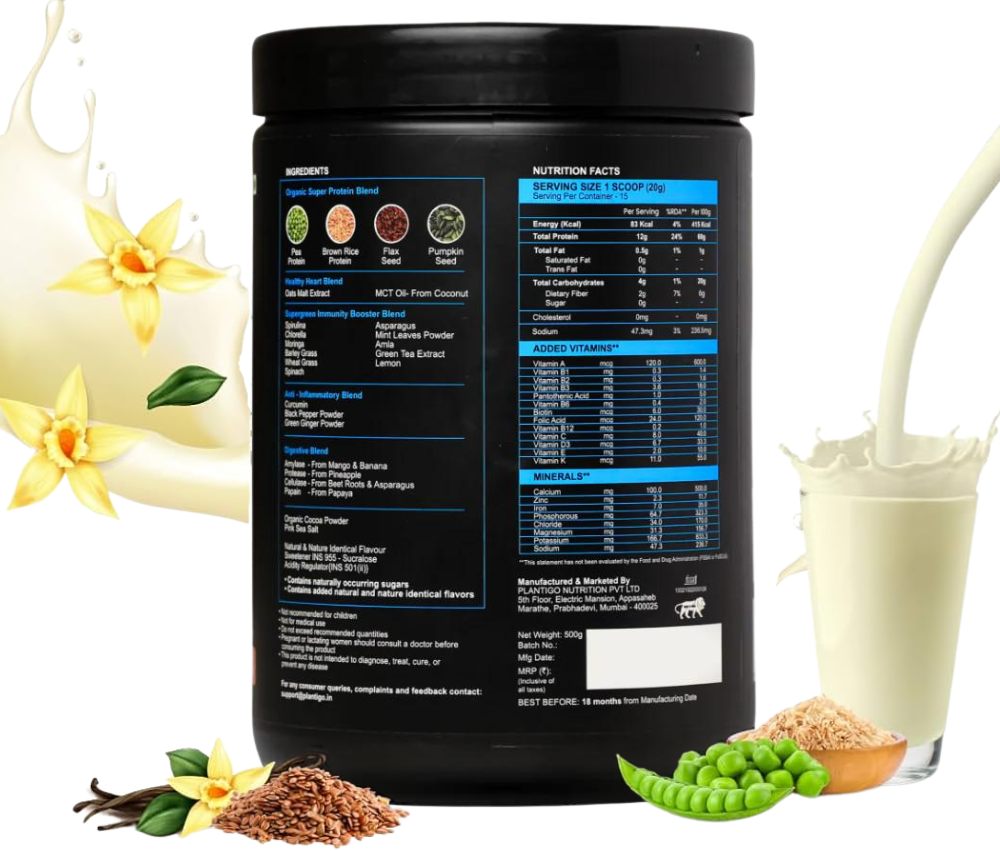
Once you understand the science and methods behind how to make alkaline water, you can weave it effortlessly into your daily routine—whether you’re focused on fitness, digestion, weight management, or building a cleaner nutrition foundation. Many people pair alkaline hydration with wholesome foods and cleaner protein sources such as Plantigo’s plant protein, creating a well-rounded approach to everyday wellness.
With the methods above, you now fully know how to make alkaline water at home safely, affordably, and effectively.
Start with one method today, observe the difference in your energy and hydration, and slowly build a routine that aligns with your health goals. Small changes, done consistently, lead to powerful transformations.
Frequently Asked Questions
1. Is it safe to drink alkaline water every day?
Yes, drinking alkaline water in moderation is generally safe for most people. Start with 1–2 glasses daily and gradually increase based on your body’s response and activity levels.
2. Can I make alkaline water without any special machines?
Absolutely. Simple ingredients like lemon, baking soda, Himalayan pink salt, or mineral drops are enough to learn how to make alkaline water at home safely and quickly.
3. Does lemon water really become alkaline inside the body?
Yes. While lemon is acidic outside the body, it produces alkaline byproducts during digestion, making it a popular natural method for creating mildly alkaline water.
4. What is the fastest way to make alkaline water at home?
The quickest method is mixing ¼ teaspoon of baking soda into 1 liter of filtered water. It dissolves instantly and raises the pH quickly — just avoid it if you're watching sodium intake.
5. Who should avoid drinking alkaline water regularly?
People with kidney issues, severe digestive disorders, high blood pressure (when using salt-based methods), or metabolic alkalosis risk should consult a doctor before drinking alkaline water regularly.