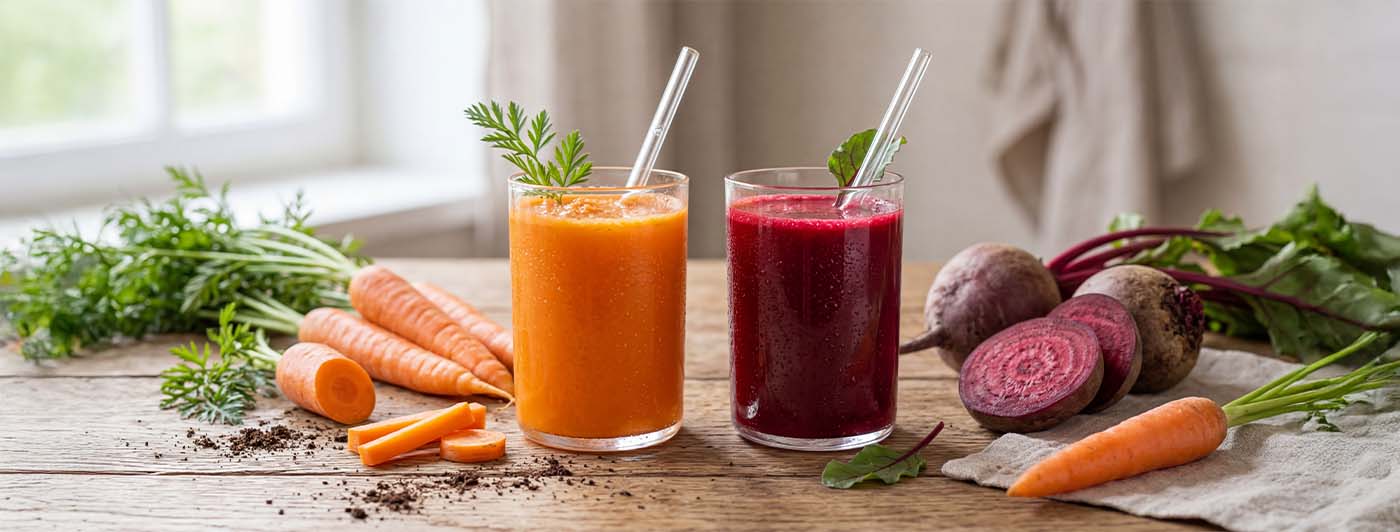
The most impactful beetroot and carrot juice benefits include improved stamina, clearer skin, better digestion, enhanced liver function, and reduced inflammation — most of which become noticeable within 14 days of consistent daily consumption.
Key Takeaways
-
Beetroot and carrot juice benefits go far beyond basic nutrition — they work at a hormonal and cellular level
-
The nitrates in beetroot directly improve oxygen delivery to muscles and organs
-
Carrots contribute beta-carotene, a powerful antioxidant that transforms inside the body
-
Daily consumption for 2 weeks produces measurable, visible changes in energy and skin
-
This juice works best as part of a structured morning routine, not as an occasional drink
-
The combination of both vegetables creates synergistic effects neither produces alone
Introduction
Most people reach for beetroot or carrot juice separately — and get decent results. But combine them? Something interesting happens biochemically that most nutrition guides never explain.
This isn't a juice trend. Beetroot has been used medicinally since Roman times. Carrots contain compounds your body literally cannot produce on its own. Together, they target energy, inflammation, skin health, and fat metabolism simultaneously.
What makes this combination even more powerful is how well it works alongside a balanced morning routine. When paired with a clean plant protein source, the benefits extend beyond energy and detox — supporting muscle recovery, skin repair, and overall metabolic function. The juice enhances circulation and nutrient delivery, while protein provides the essential building blocks your body uses.
But here's what makes this guide different: we're not just telling you what the benefits are. We're telling you when you'll feel them, why they happen, and exactly how to use this juice for maximum results in the shortest time.
Stay with this — because benefit number 4 is one almost nobody in the wellness space talks about. And it might be the most important one for anyone over 30.
Why This Combination Works Better Than Either Alone
Beetroot is loaded with dietary nitrates, betalains, and folate. Carrots are dense with beta-carotene, vitamin K1, potassium, and antioxidants. On their own, each is impressive. Together, they cover a remarkably wide spectrum of biological functions.
Beetroot's nitrates improve blood flow and oxygen delivery. Carrot's beta-carotene reduces oxidative stress in the cells that benefit from that improved circulation.
It's a two-step mechanism — beetroot opens the highway, carrot protects the vehicles travelling on it. This is precisely why beetroot and carrot juice benefits stack so powerfully with consistent daily use.
Top 7 Beetroot and Carrot Juice Benefits
1. Sustained Energy Boost
This is usually the first beetroot and carrot juice benefit people notice — and it catches them off guard.
Nitrates from beetroot convert to nitric oxide in the body. Nitric oxide dilates blood vessels, reducing the oxygen cost of physical activity. Your muscles do the same work with less effort.
This is why beetroot juice has become one of the most researched what is pre workout drink alternatives in sports nutrition. Elite athletes use it before competition for measurable performance gains — without stimulants.
By day 3–5, most people report waking up less groggy, experiencing fewer afternoon energy dips, and needing less caffeine. That's not placebo. That's nitric oxide doing its job.
2. Clearer Skin Within 7–10 Days
Beta-carotene from carrots converts to vitamin A inside the body — the same compound expensive retinol skincare products are derived from. Except when consumed through food, it works systemically, not just topically.
Beetroot's betalains are potent anti-inflammatory compounds that reduce the chronic inflammation responsible for acne, redness, and premature ageing.
Together, these beetroot and carrot juice benefits for skin fight damage from two directions simultaneously. Most people notice a visible difference in skin tone and texture by day 7–10.

One useful addition: pairing this juice with a plant based protein powder smoothie in your morning routine supplies the amino acids that complement beta-carotene's skin repair mechanisms. Protein provides the raw material — beta-carotene directs the construction.
3. Improved Digestion and Less Bloating
Beetroot is rich in betaine — a compound that supports stomach acid production and liver bile secretion. Both are critical for breaking down food efficiently and preventing the bloating most people accept as normal.
Carrots contribute soluble and insoluble fiber that feeds beneficial gut bacteria and regulates bowel transit time.
There's an interesting parallel with fruit fast protocols used in naturopathic nutrition — where consuming only fruits and juices for 1–3 days resets gut flora. Beetroot and carrot juice produces a milder, more sustainable version of this reset effect daily.
By end of week one, most people notice significantly reduced bloating. By week two, it feels like a different gut entirely.
4. Liver Detoxification Support
This is the benefit we promised — and it's the one most wellness guides skip entirely.
Beetroot contains betalains that support Phase 2 liver detoxification — the process by which the liver neutralises fat-soluble toxins. A study identified betanin as a potent inhibitor of inflammatory enzymes that burden liver function.
Carrot's beta-carotene and glutathione precursors support the same detox pathways from a different angle — reducing oxidative damage to liver cells while beetroot stimulates their function.
You won't feel your liver detoxifying. But you'll notice the downstream effects: clearer thinking, more stable mood, less afternoon fatigue — typically visible by end of week two. These are some of the most underrated beetroot and carrot juice benefits for long-term health.
5. Lower Blood Pressure
This benefit has the most robust clinical evidence behind all beetroot and carrot juice benefits.
A study found that one daily glass of beetroot juice reduced blood pressure by an average of 8/4 mmHg in hypertensive patients — comparable to some prescription medications.
Carrots contribute potassium, which counteracts the blood pressure-raising effects of sodium and further supports vascular relaxation.
This is also where zinc rich foods for vegetarians becomes relevant. Zinc plays a critical role in nitric oxide synthesis — the very mechanism through which beetroot reduces blood pressure. Pairing this juice with zinc-rich foods like pumpkin seeds or lentils amplifies the cardiovascular benefits meaningfully.
6. Quiet but Consistent Weight Management
This benefit doesn't announce itself loudly. It works in the background — which is exactly how sustainable fat loss is supposed to happen.
Beetroot and carrot juice is low in calories, high in fiber, and rich in compounds that support insulin sensitivity. The fiber slows gastric emptying, reducing hunger between meals.
A common question in weight management discussions: can oats help in weight gain when combined with high-fiber juices? Oats are calorie-dense and great for muscle gain — but paired with beetroot and carrot juice, they create a highly satiating breakfast that controls appetite rather than driving excess intake.
By week two, most people report eating less at lunch without consciously trying. That's fiber and nitrates doing exactly what the science predicts.
7. Faster Muscle Recovery
The final beetroot and carrot juice benefit ties everything together — especially for active individuals.
Nitrates reduce muscle fatigue and accelerate recovery by improving oxygen delivery to muscle tissue post-exercise. Carrot's anti-inflammatory compounds reduce exercise-induced oxidative stress — the cellular damage that causes soreness and delays recovery.
For plant-based athletes, plant protein sources like hemp seeds and pea protein pair exceptionally well with this juice post-workout. The juice handles inflammation and circulation. Protein handles muscle repair.
Understanding your daily targets through a protein intake calculator helps ensure you're not leaving recovery gains on the table. And for those in a muscle-building phase, finding the best protein powder for weight gain that complements a plant-based routine — pea or hemp-based options work particularly well — rounds out the recovery stack.
Does Beetroot Carrot Juice Help With Weight Loss?
Beetroot and carrot juice doesn't burn fat directly. What it does is create the internal conditions that make fat loss significantly easier.
The fiber suppresses hunger by slowing gastric emptying. The nitrates improve metabolic efficiency. The betalains support liver function — and a healthy liver metabolises fat far more effectively than an overburdened one.
There's also the insulin sensitivity angle. Chronically elevated insulin is one of the primary drivers of stubborn belly fat. Regular consumption improves insulin receptor sensitivity, directing glucose into cells for energy rather than storing it as fat.
The beetroot and carrot juice benefits for weight loss work best when this juice replaces a high-sugar morning drink rather than being added on top of a poor diet. If you're also tracking protein targets, running your numbers through a protein intake calculator ensures fat loss happens without muscle loss — where most people quietly go wrong.
Best Time to Drink Beetroot Carrot Juice
Timing amplifies the beetroot and carrot juice benefits more than most people realise.
First thing on an empty stomach is the gold standard. Nitrates absorb fastest without food competing for digestive priority. Beta-carotene uptake is significantly higher in a fasted state. Drink it 20–30 minutes before breakfast.
60–90 minutes before a workout is the second most effective window. This gives nitrates enough time to fully convert to nitric oxide — so your cardiovascular system peaks exactly when you need it most during training.
Before bed is the least optimal. Natural sugars in carrot can mildly elevate blood sugar before sleep, interfering with overnight fat metabolism and growth hormone release.
Morning fasted or pre-workout. Everything else is a compromise.
Beetroot Carrot Juice Before Workout vs Morning — Which Is Better?
The honest answer: it depends on your primary goal.
For fat loss and metabolic health — drink it first thing on an empty stomach. The fasted state maximises absorption and the appetite-suppressing effects carry through to your first meal.
For athletic performance — drink it 60–90 minutes before training. Nitric oxide peaks at this window, meaning improved oxygen delivery and endurance exactly when it counts.
If you train in the morning — you naturally get both benefits. Drink on waking, train 60–90 minutes later, and the beetroot and carrot juice benefits for both metabolism and performance compound in a single intake.
Pairing it with a small plant protein rich pre-workout meal — hemp seeds, pea protein, or a light smoothie — creates a complete performance window covering energy, endurance, and muscle preservation.
How to Make It Correctly
Getting the ratio right matters more than most recipes acknowledge.
Base recipe:
-
1 medium beetroot (approx. 150g)
-
2 medium carrots
-
½ inch fresh ginger
-
½ lemon, juiced
-
100ml cold water or coconut water
Cold press if possible — it preserves up to 3x more nitrates than centrifugal juicing. Drink immediately or within 20 minutes of preparation. Always consume on an empty stomach, 20–30 minutes before breakfast.
Quick Comparison: Beetroot and Carrot Juice Benefits by Timeline
|
Benefit |
When You'll Notice It |
Key Compound |
|
Energy Boost |
Day 3–5 |
Nitrates (Beetroot) |
|
Skin Clarity |
Day 7–10 |
Beta-Carotene (Carrot) |
|
Digestion Reset |
End of Week 1 |
Betaine + Fiber (Both) |
|
Liver Detox Effects |
End of Week 2 |
Betalains (Beetroot) |
|
Blood Pressure Drop |
Hours to 2 weeks |
Nitric Oxide + Potassium |
|
Weight Management |
Week 2 onwards |
Fiber + Insulin Sensitivity |
|
Muscle Recovery |
Consistent use + exercise |
Nitrates + Antioxidants |
Your Morning Routine Stack
The beetroot and carrot juice benefits are maximised within a structured morning sequence:
-
On waking: 200ml warm lemon water
-
15 minutes later: Beetroot and carrot juice
-
30 minutes later: Protein-rich breakfast
This gives nitrates time to convert before you eat, ensures beta-carotene absorbs optimally with dietary fat, and sets up your digestive system for the entire day.
Side Effects and Who Should Avoid This Juice
For most people, this juice is completely safe. But a few groups need specific awareness.

-
Beeturia — pink or red urine after consuming beetroot — affects around 10–14% of people. It looks alarming. It's entirely harmless.
-
Kidney stones: Beetroot is high in oxalates. If you have a history of kidney stones, limit intake to 100–150ml daily and consult your physician.
-
Diabetes: Juicing removes some of carrot's natural fiber, which normally buffers sugar release. Monitor blood glucose response in the first few days.
-
Blood pressure medication: Beetroot's pressure-lowering effect is clinically significant. Combined with antihypertensive medication, it can lower blood pressure further than intended. Check with your doctor first.
-
Pregnancy: Beetroot's folate content is beneficial — but the high nitrate load warrants medical clearance before daily consumption in the first trimester.
For everyone else, this is one of the safest whole-food additions to a daily morning routine.
Conclusion
The beetroot and carrot juice benefits in this guide aren't theoretical — they're backed by clinical research and measurable within two weeks.
Energy, skin, digestion, liver health, blood pressure, weight management, and muscle recovery — seven biological systems supported by two vegetables and fifteen minutes of morning preparation.
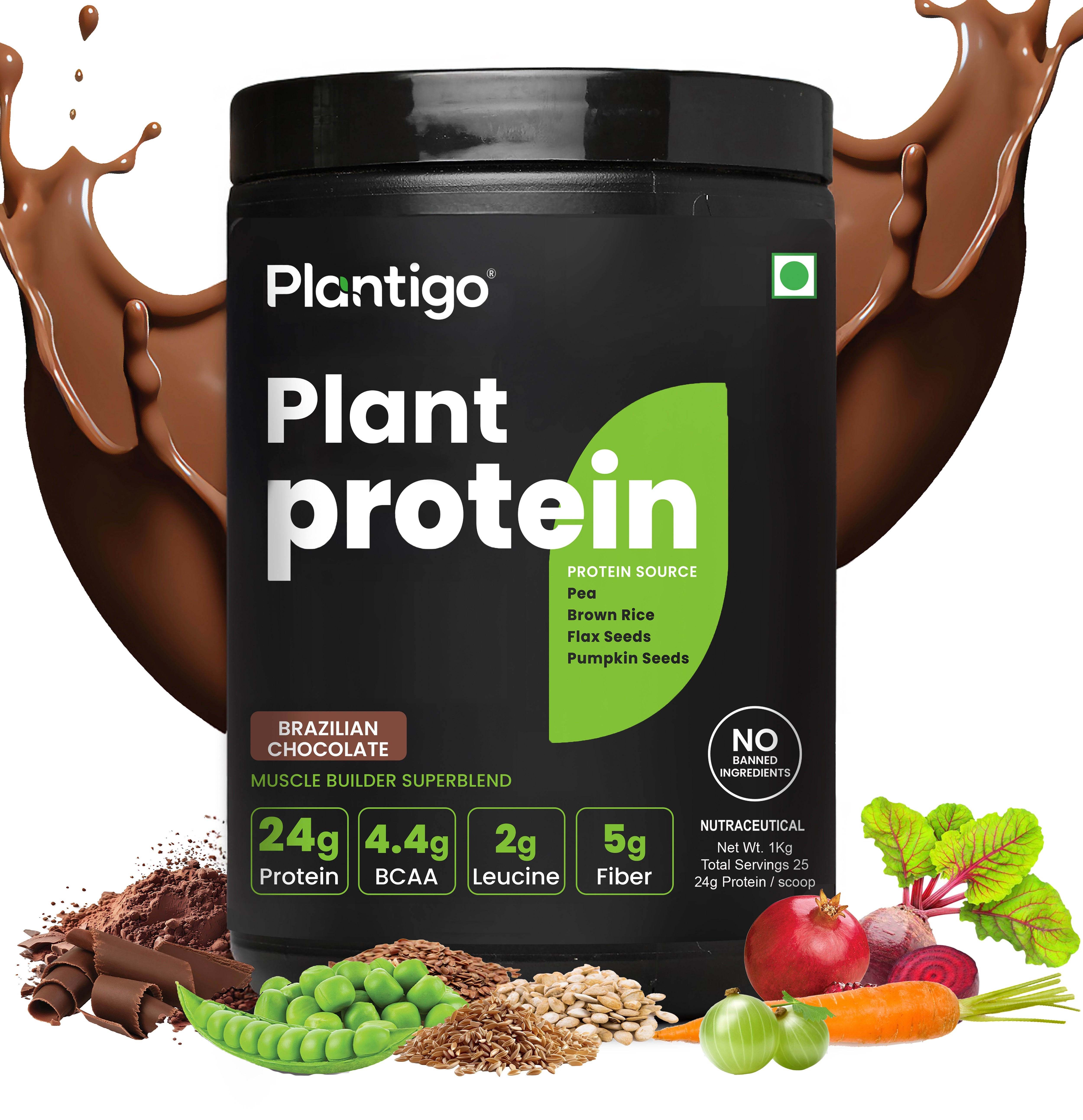
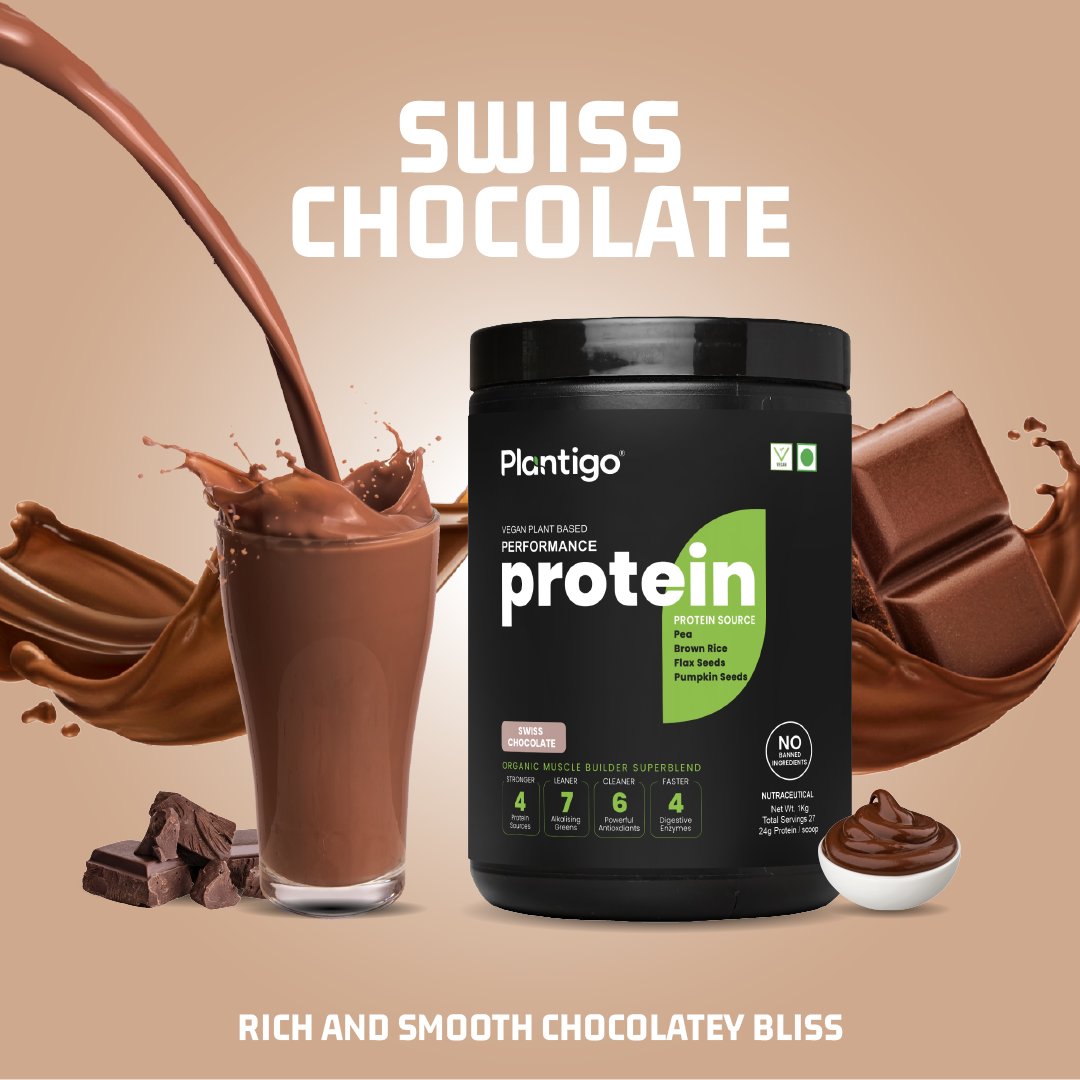
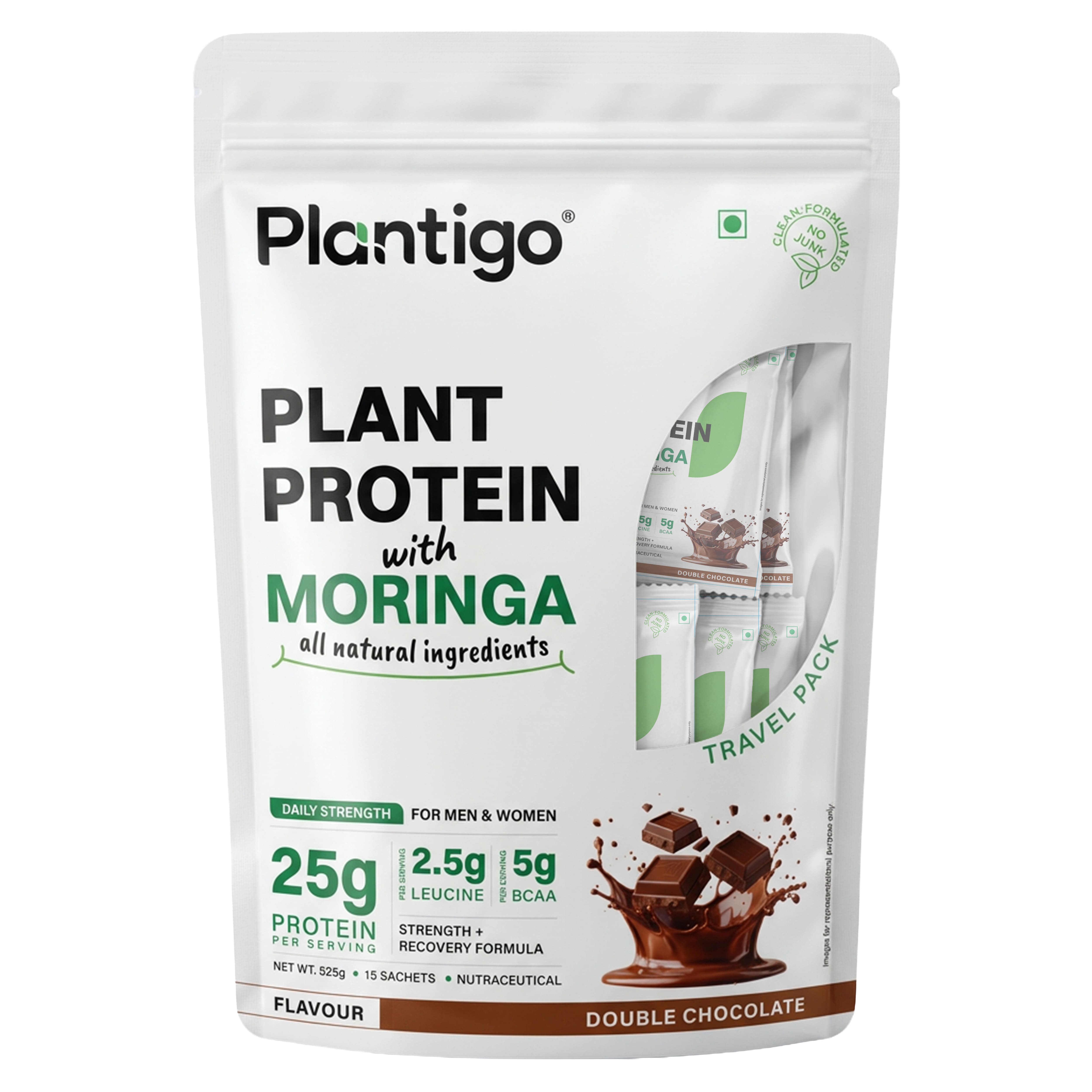
Treat this juice as the foundation of your morning nutrition. Layer in adequate plant protein, track your numbers, and stay consistent. Adding a clean option like Platigo plant protein ensures your body gets the essential amino acids needed for muscle recovery, skin repair, and overall metabolic support — without unnecessary fillers or additives.
Two weeks. One juice. Start tomorrow.
Frequently Asked Questions
Q1: What are the main beetroot and carrot juice benefits for skin?
Beta-carotene converts to vitamin A, supporting cell turnover and collagen. Beetroot's betalains reduce inflammation behind acne and ageing. Most people see visible changes within 7–10 days.
Q2: How much should I drink daily?
200–250ml daily is the evidence-based sweet spot. More than 500ml may cause harmless pink discolouration of urine and excessive beta-carotene intake over time.
Q3: Can I drink it on an empty stomach?
Yes — and it's the recommended approach. An empty stomach maximises nitrate absorption and beta-carotene bioavailability. Wait 20–30 minutes before your first meal.
Q4: Are there any side effects?
Most people experience none. Pink or red-tinged urine from beetroot is harmless. People with kidney stones should moderate intake due to oxalate content. Diabetics should monitor blood sugar as carrots have a moderate glycemic index.
Q5: How long before beetroot and carrot juice benefits become noticeable?
Energy improvements appear within 3–5 days. Skin, digestion, and liver benefits become evident by end of week two with daily consumption.