
What are the best protein rich snacks in India?
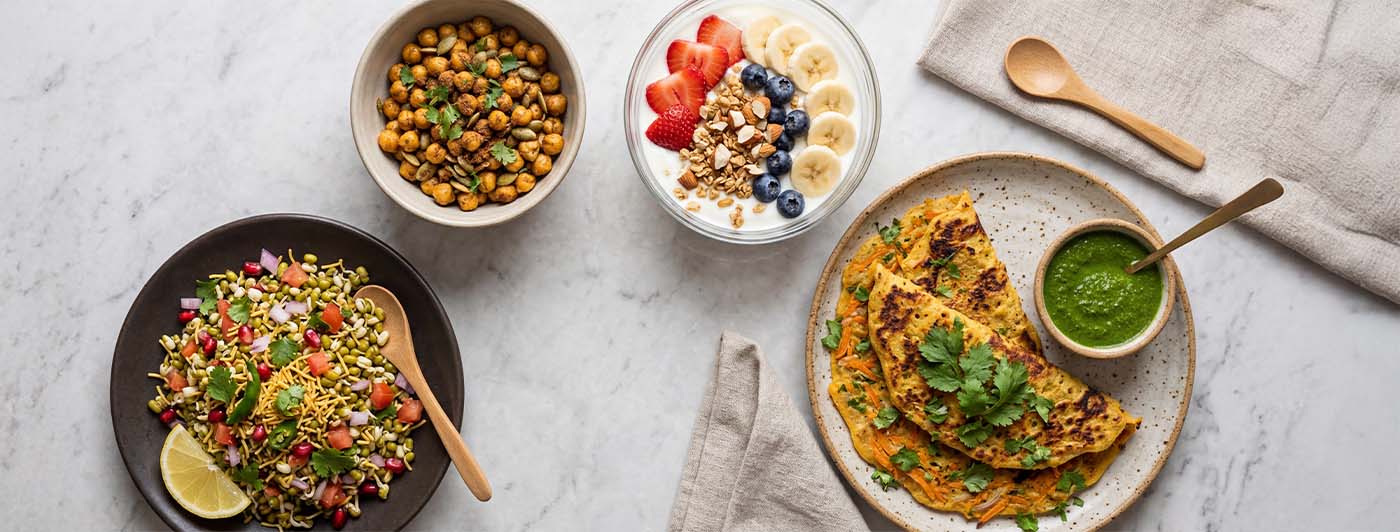
The best protein rich snacks in India are roasted chana (7g protein per 30g serving), Greek yoghurt (10g per 100g), moong sprout chaat (3.4g per 100g), paneer cubes (18g per 100g), boiled eggs (13g per 100g), and edamame (11g per 100g cooked). These snacks deliver the highest protein per serving of any commonly available Indian snack options — veg and non-veg combined.
Introduction
Here’s the uncomfortable truth about Indian snacking: most of it delivers almost zero protein.
Biscuits, namkeen, chips, and murmura—the snacks that dominate Indian kitchens and office drawers—are largely refined carbohydrates with minimal protein content. They may curb hunger for 20 minutes, but often leave you hungry again within the hour, supported by research [1] on protein and satiety.
The good news is that the alternative doesn’t have to be boring or expensive. India has one of the richest traditions of genuinely protein rich snacks in the world, including roasted legumes, fermented foods, sprouted grains, dairy-based options, and naturally nourishing healthy plant protein sources [2] that have been part of Indian food culture for generations. Most people simply don’t view them through a protein-focused lens.
That changes now. What follows is a ranked list of 15 protein rich snacks that are practical, widely available in India, and worth adding to your routine. You’ll find exact protein values, simple preparation ideas, and nutritional insights to help you snack smarter—whether you prefer vegetarian, dairy-based, or plant protein options.
Key Points Summary
-
Protein rich snacks in India include roasted chana, Greek yoghurt, paneer, edamame, moong sprouts, and peanut butter — all delivering 5g+ protein per serving
-
Snacking accounts for 20–30% of daily caloric intake for most Indians — making snack protein choices as important as meal protein choices
-
Roasted chana is the most cost-effective protein rich snack available in India at under ₹30 per 100g with 22g protein per 100g dry weight
-
Greek yoghurt delivers 10g protein per 100g — nearly double standard curd — making it one of the most protein-dense dairy snack options
-
Most traditional Indian namkeen snacks deliver under 3g protein per 30g serving — making the protein gap between poor and good snack choices significant
-
Combining protein rich snacks with fiber-rich accompaniments improves satiety and reduces overall daily caloric intake
-
Strategic snacking on high-protein options supports muscle maintenance, appetite regulation, and sustained energy between meals
Why Snack Protein Matters as Much as Meal Protein
Most people track protein at meals — dal at lunch, eggs at breakfast, paneer at dinner — and treat snacks as nutritionally irrelevant. That's a significant oversight.
Which food has highest protein is a question most people answer with meal foods — chicken, dal, paneer. But snacks consumed 2–3 times daily across a year contribute as much total protein to your diet as any single meal category. Choosing protein rich snacks consistently versus carbohydrate-dominant alternatives can add 15–25g of daily protein — the equivalent of an entire extra meal's worth of protein — without any change to main meals.
The mechanism is straightforward: protein at snack time maintains muscle protein synthesis between meals, reduces appetite at subsequent meals through satiety signalling, and stabilises blood glucose in ways that carbohydrate-dominant snacks cannot.
Understanding this transforms snacking from a nutritional afterthought into a genuine dietary lever — one that most Indians are currently leaving entirely unpulled.
What Qualifies as a Protein Rich Snack?
A protein rich snack delivers a minimum of 5g of protein per standard serving — enough to trigger meaningful satiety signalling and contribute measurably to daily protein targets.
The threshold matters because it separates genuinely useful snacks from foods that appear protein-containing but deliver too little to matter. A standard packet of biscuits (30g) delivers approximately 1.5–2g of protein — below the threshold. A 30g serving of roasted chana delivers 7g — above it.
This is the lens through which every snack in this list has been selected.
At a Glance: 15 Protein Rich Snacks Ranked
|
Rank |
Snack |
Protein per Serving |
Serving Size |
Veg |
|
1 |
Paneer cubes |
18g |
100g |
Veg |
|
2 |
Greek Yoghurt |
10g |
100g |
Veg |
|
3 |
Boiled Eggs |
17g |
100g |
Veg |
|
4 |
Edamame |
11g |
100g |
Veg |
|
5 |
Roasted Chana |
7g |
30g |
Veg |
|
6 |
Peanut Butter |
8g |
30g |
Veg |
|
7 |
Moong Sprout Chaat |
3.4g |
100g |
Veg |
|
8 |
Soya Chunks (snack) |
13g |
25g dry |
Veg |
|
9 |
Makhana (Fox Nuts) |
4g |
30g |
Veg |
|
10 |
Besan Chilla |
11g |
100g |
Veg |
|
11 |
Pumpkin Seeds |
9g |
30g |
Veg |
|
12 |
Rajma Chaat |
7g |
100g cooked |
Veg |
|
13 |
Hung Curd Dip |
8g |
100g |
Veg |
|
14 |
Quinoa Snack Bowl |
5g |
100g cooked |
Veg |
|
15 |
Chicken Tikka |
19g |
100g |
Veg |
The 15 Protein Rich Snacks — Full Breakdown
1. Paneer Cubes — 18g Protein per 100g
Paneer delivers 18g of protein per 100g — the highest protein content of any commonly eaten Indian dairy snack — alongside meaningful calcium (480mg/100g) and phosphorus. It requires zero cooking when eaten raw — cube it, season with chaat masala and lemon, and it's ready in under two minutes. Among protein rich snacks that are genuinely satisfying, paneer's combination of protein and fat creates one of the strongest satiety responses available in Indian snacking. Keep a block in the fridge and portion 100g daily as a mid-morning or evening snack.
2. Greek Yoghurt — 10g Protein per 100g
Greek yoghurt delivers approximately 10g of protein per 100g — nearly double standard curd — because straining removes whey and concentrates the protein content of the base milk. How much protein in curd (standard dahi): approximately 3.5–4g per 100g — making Greek yoghurt a dramatically superior protein snack despite appearing similar. Add fresh fruit, a teaspoon of honey, or a handful of seeds — Greek yoghurt is the most versatile and protein-dense dairy-based protein rich snack available and one of the easiest to incorporate daily without any preparation.
3. Tofu Cubes — 17g Protein per 100g
Tofu delivers approximately 17g of protein per 100g — all nine essential amino acids — alongside meaningful calcium (350mg/100g) and iron, making it one of the most complete plant-based protein rich snacks available.
Cube firm tofu, pan-fry with minimal oil until golden, and season with chaat masala and lemon — ready in under 10 minutes with zero cooking skill required.
Among protein rich snacks that deliver complete protein in veg format, pan-fried tofu competes directly with eggs on protein density while adding calcium and iron that eggs don't provide.
4. Edamame — 11g Protein per 100g
Edamame delivers 11g of complete protein per 100g cooked — all nine essential amino acids — alongside 303mcg of folate and meaningful vitamin K, making it one of the most nutritionally complete snack foods available. Steam from frozen in 3–4 minutes, season with sea salt and lemon — edamame is one of the most convenient protein rich snacks for anyone seeking plant-based complete protein in snack format. Increasingly available in Indian urban supermarkets and online, edamame represents the single biggest upgrade available for anyone currently snacking on low-protein namkeen alternatives.
5. Roasted Chana — 7g Protein per 30g Serving
Roasted chana delivers approximately 7g of protein per 30g serving — with protein in chana per 100g sitting at approximately 22g dry weight — making it the most cost-effective protein rich snack available in India. At under ₹30 per 100g in most Indian markets, roasted chana delivers elite protein density at a price point that no other high-protein snack can match. Eat plain, mix with peanuts and seeds for a trail mix, or combine with onion and lemon for an instant chaat — roasted chana is the most accessible and affordable protein rich snack in this entire list.
6. Peanut Butter — 8g Protein per 30g Serving
Peanut butter delivers approximately 8g of protein per 30g serving alongside healthy monounsaturated fats and 3g of fiber — a combination that creates one of the most sustained satiety responses of any snack food. Choose natural peanut butter with no added sugar or hydrogenated oils — two tablespoons on whole grain toast or apple slices creates a complete protein rich snack with complementary macronutrients.
Peanut butter is also one of the most versatile plant protein delivery mechanisms available — it integrates into smoothies, oatmeal, and sauces as easily as it works standalone on toast.
7. Moong Sprout Chaat — 3.4g Protein per 100g
Moong sprout chaat delivers 3.4g of protein per 100g with superior bioavailability to cooked moong dal — because sprouting degrades phytic acid and activates digestive enzymes that improve amino acid absorption. A standard 200g chaat serving delivers approximately 7g of protein alongside live enzymes, vitamin C from lemon, and antioxidants from raw onion and tomato. Require zero cooking, cost almost nothing, and take under five minutes to assemble — moong sprout chaat is the most nutritionally intelligent traditional Indian protein rich snack available at any budget level.
8. Soya Chunks Snack — 13g Protein per 25g Dry
25g of dry soya chunks rehydrated and seasoned delivers approximately 13g of protein — more than two boiled eggs — in a snack that costs under ₹10 per serving. Rehydrate in hot water for 10 minutes, squeeze dry, season with chaat masala, chilli, and lemon, and pan-fry briefly — soya chunks become a crispy, high-protein snack that satisfies texture cravings alongside protein requirements. Among protein rich snacks that deliver elite protein density at minimal cost, soya chunks are unmatched in the Indian market — yet almost entirely absent from most people's snacking rotation.
9. Makhana (Fox Nuts) — 4g Protein per 30g
Makhana delivers approximately 4g of protein per 30g alongside low fat content (0.1g/30g) and meaningful magnesium — making it one of the most calorie-controlled protein rich snacks available for weight-conscious individuals. At approximately 107 calories per 30g, makhana delivers protein, crunch, and satiety at a caloric cost significantly lower than most nut-based snacks. Roast in ghee with rock salt and black pepper for two minutes — makhana is the most snack-culturally aligned protein rich snack in Indian tradition, now validated by modern nutrition data.
10. Besan Chilla — 11g Protein per 100g
Besan chilla delivers approximately 11g of protein per 100g — made from chickpea flour at 22g protein per 100g dry — alongside iron, folate, and a low glycemic index of 44 that supports sustained energy. Two standard besan chillas take under 10 minutes to prepare and deliver 22g+ of protein before any fillings are added — making them one of the highest-protein homemade protein rich snacks available in Indian cooking. Add paneer, tofu, or vegetable fillings to push protein further — besan chilla is the most nutritionally upgradeable snack in this list.
11. Pumpkin Seeds — 9g Protein per 30g
Pumpkin seeds deliver approximately 9g of protein per 30g alongside 7.81mg zinc, 592mg magnesium, and meaningful methionine — addressing the most common micronutrient gaps in plant-based Indian diets simultaneously. A small handful daily requires zero preparation and delivers protein, zinc, and magnesium in one of the most mineral-dense snack formats available. Among protein rich snacks that work as toppings — on curd, salads, or oatmeal — pumpkin seeds are the most versatile mineral-and-protein delivery mechanism available without any cooking requirement.
12. Rajma Chaat — 7g Protein per 100g Cooked
Rajma delivers approximately 7g of protein per 100g cooked weight alongside iron (2.9mg/100g), fiber (7g/100g), and lysine — the essential amino acid most commonly deficient in grain-heavy Indian diets. Cold rajma chaat — kidney beans tossed with onion, tomato, lemon, and chaat masala — requires no cooking when using canned or pre-boiled rajma and delivers a complete protein rich snack in under three minutes. Protein in chana per 100g dry is approximately 22g — comparable to rajma — but rajma's richer texture and lower preparation requirement make it the superior ready-to-eat chaat snack option.
13. Hung Curd Dip — 8g Protein per 100g
Hung curd (strained dahi) delivers approximately 8g of protein per 100g — created by straining standard curd through a muslin cloth for 2–3 hours to remove whey and concentrate protein content. Season with roasted cumin, chilli, and fresh herbs — hung curd becomes a protein-dense dip that pairs with vegetable crudités, whole grain crackers, or besan chilla for a complete high-protein snack combination. The simplest homemade upgrade to standard curd — hung curd transforms a 3.5g protein snack into an 8g protein snack through nothing more than straining and waiting.
14. Quinoa Snack Bowl — 5g Protein per 100g Cooked
Quinoa delivers approximately 5g of complete protein per 100g cooked — all nine essential amino acids — alongside 2g fiber and meaningful magnesium, making it one of the few grain-based snack options that qualifies as a complete protein. Quinoa calories 100g cooked sit at approximately 120 calories — making a quinoa snack bowl one of the most protein-complete, calorie-controlled grain snack options available. Prepare a batch at the start of the week and portion into snack bowls with lemon, cucumber, and seeds — quinoa snack bowls are the most amino acid-complete grain-based protein rich snack in this list.
15. Tempeh Tikka — 19g Protein per 100g
Tempeh delivers approximately 19g of protein per 100g — fermented soybean protein with superior bioavailability to tofu due to fermentation degrading phytic acid and improving amino acid absorption.
Marinate in yoghurt, turmeric, chilli, and garam masala — air-fry or grill for 15 minutes — tempeh tikka mimics the texture and spice profile of chicken tikka while delivering comparable protein entirely from plants.
Among protein rich snacks that satisfy the grilled, spiced snack craving without animal protein, tempeh tikka is the most nutritionally complete and texturally satisfying veg alternative available.
How to Build Snacking Into a High-Protein Day
Here's what a deliberate high-protein snacking day looks like in practice:

Nearly 44g of protein from snacks alone — before breakfast, lunch, or dinner is counted. Within a healthy indian meal plan targeting 100g+ of daily protein, this snacking framework contributes nearly half the total daily requirement entirely from between-meal eating.
Use a protein intake calculator to establish your precise daily protein target, then map these snack options against your meal protein to identify exactly where your daily gaps are and which protein rich snacks most efficiently close them.
Protein Rich Snacks and Supplements — Where Each Fits
Snacks and supplements serve different nutritional roles — and understanding this prevents over-reliance on either.

Protein rich snacks deliver protein alongside fiber, micronutrients, and phytonutrients that isolated supplements cannot replicate. A handful of roasted chana, a bowl of moong sprout chaat, or a besan chilla contributes to gut health, mineral intake, and satiety in ways that a protein shake does not.
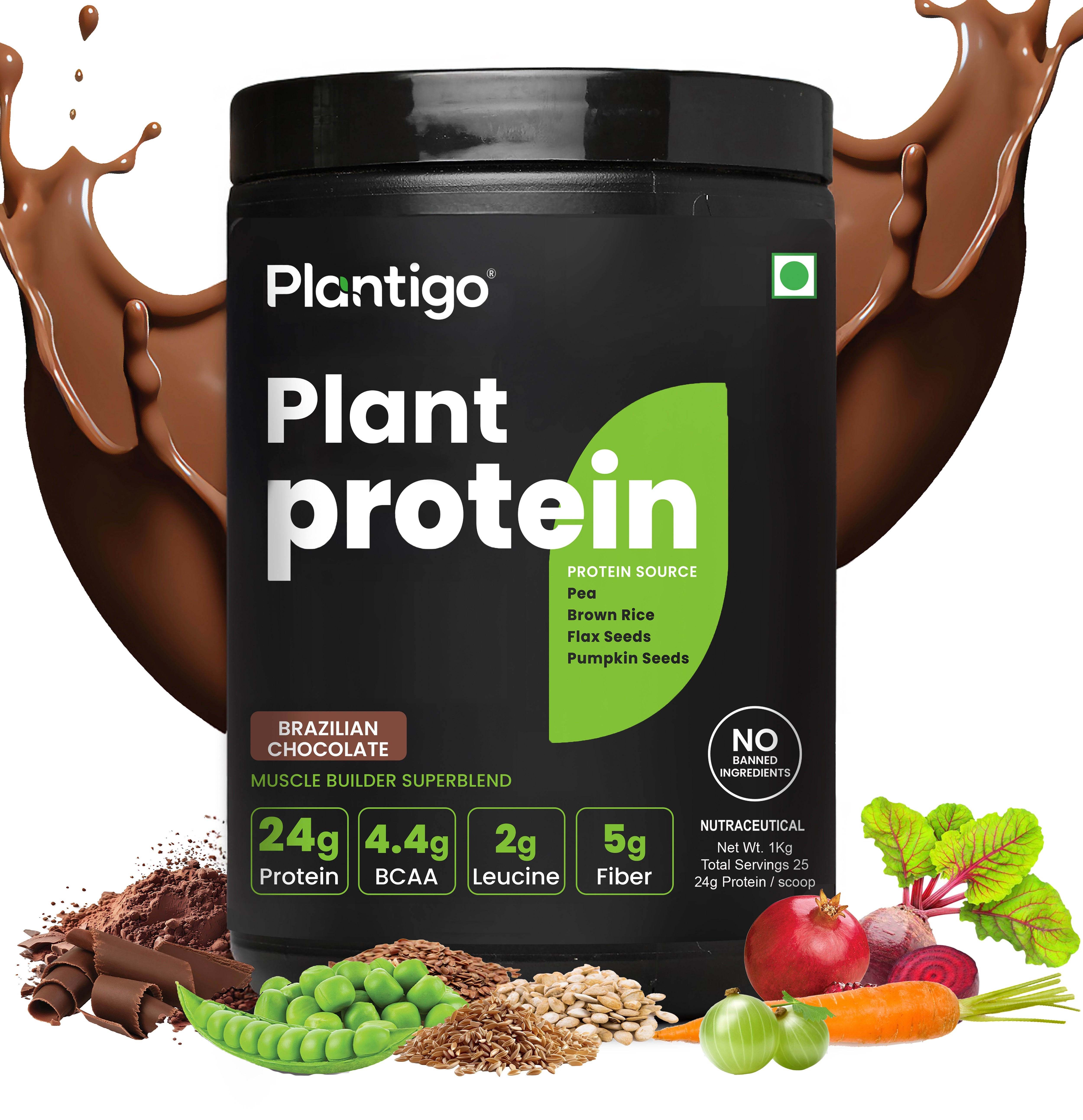
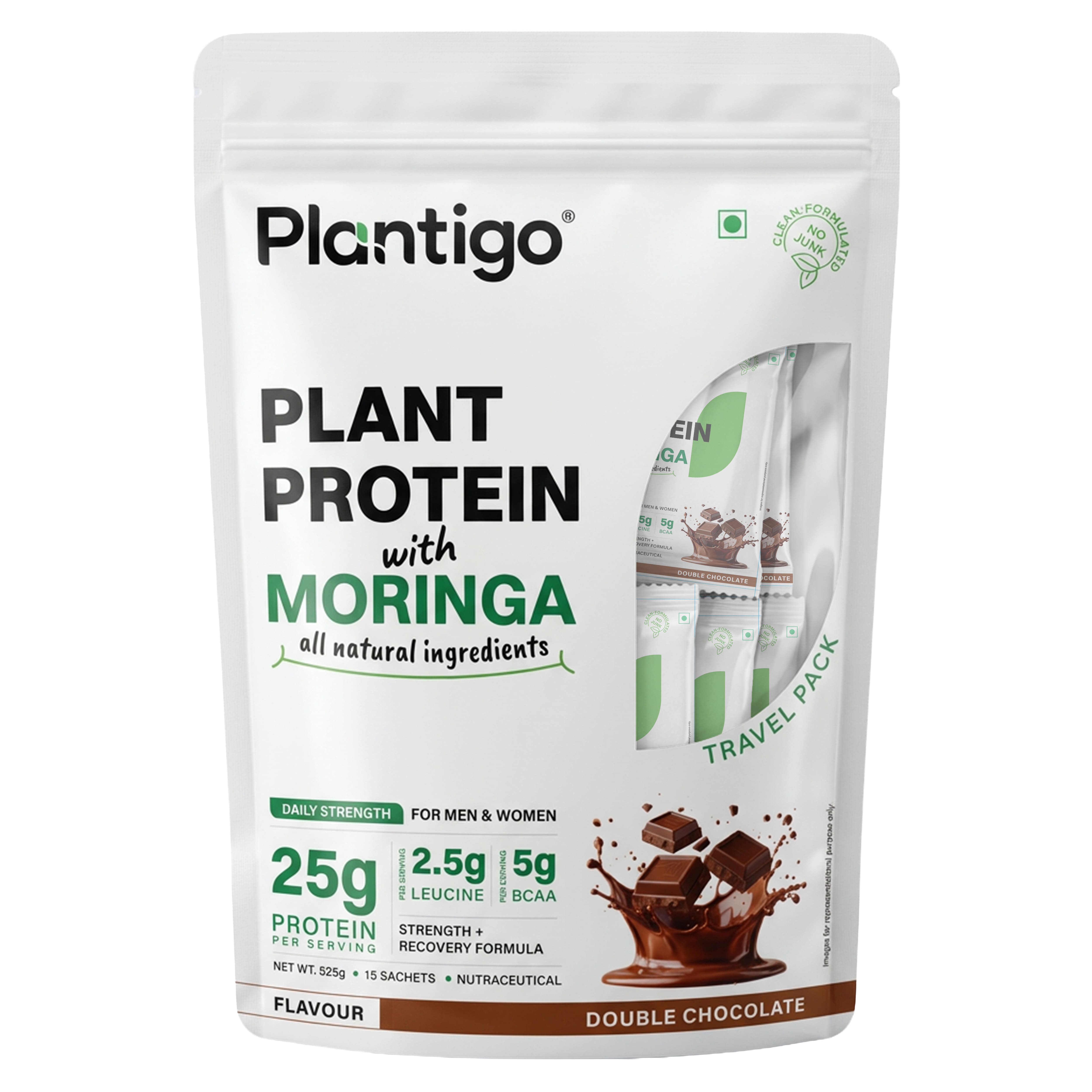
Plant based protein powder from pea or soy sources concentrates protein for post-workout recovery or when whole food intake genuinely falls short — useful as a complement to a strong snacking foundation, not as a replacement for it.
The most effective approach combines both: whole food protein rich snacks across the day building the nutritional foundation, with targeted supplementation filling specific gaps when whole food isn't practical.
Conclusion
India's snacking tradition is genuinely rich in high-protein options. The problem has never been availability — it's been awareness.
Roasted chana has been a street food staple for centuries. Moong sprout chaat is in every market. Besan chilla takes 10 minutes. Paneer requires no cooking at all. The protein rich snacks that can meaningfully upgrade your daily nutrition are already part of Indian food culture — they just need to be chosen deliberately rather than by default.
Replace one low-protein snack daily with a high-protein alternative from this list. Track the difference across 30 days. The cumulative effect of consistent, informed snack choices is one of the most accessible nutritional upgrades available — requiring no new habits, no expensive ingredients, and no major dietary overhaul.
Start with roasted chana. Build from there.
Frequently Asked Questions
Q1: Which is the best protein rich snack in India?
Roasted chana leads on cost and accessibility at 7g protein per 30g serving. Paneer leads on protein density at 18g per 100g. Chicken tikka leads on total protein per serving at 25g per 100g — the highest of any snack on this list.
Q2: Which vegetarian snack has the most protein?
Paneer at 18g protein per 100g leads among veg protein rich snacks, followed by edamame (11g/100g), besan chilla (11g/100g), and soya chunks (13g per 25g dry). All four qualify as genuinely high-protein vegetarian snack options.
Q3: How much protein should a snack have?
A minimum of 5g of protein per snack serving is the threshold for meaningful contribution to daily protein targets. Snacks delivering under 3g — biscuits, plain murmura, most namkeen — do not qualify as protein rich snacks in any meaningful nutritional sense.
Q4: Can snacks help meet daily protein requirements?
Yes — strategic snacking on high-protein options can contribute 30–45g of daily protein before main meals are counted. For anyone targeting 100g+ of daily protein, snack protein choices are as important as meal protein choices.
Q5: Is roasted chana a good protein snack?
Yes — roasted chana delivers 7g protein per 30g serving at under ₹30 per 100g, making it the most cost-effective protein rich snack available in India. It also delivers fiber, iron, and lysine alongside its protein content.
References:


,%20Greek%20yoghurt%20(10g%20per%20100g),%20moong%20sprout%20chaat%20(3.4g%20per%20100g...)