India has 101 million people living with diabetes — the highest absolute number of any country in the world. Most of them are on some form of dietary restriction, and most of them are also protein-deficient. The standard Indian diabetic diet — reduced rice, less roti, more vegetables — cuts carbohydrates but does not replace the protein that rice and roti were contributing. The result is a population managing blood sugar but simultaneously losing muscle mass, immune function, and metabolic rate. Protein powder for diabetics in India is not a fitness product — it is a nutritional corrective for a diet that has been modified in one direction without compensating in another.
Is Protein Powder Safe for Diabetic Patients?
Protein powder is safe for diabetic patients when it is free of added sugar, artificial sweeteners, and maltodextrin fillers — and when it is used to close a dietary protein gap, not as a meal replacement — supported by anIndian nutrition therapy review confirming that protein intake at 0.8–1.2g per kg body weight is appropriate for most Indian T2DM patients without nephropathy. The key risk for diabetics is not protein itself but the additives in poorly formulated products: maltodextrin raises blood sugar faster than table sugar (GI ~110), added fructose drives insulin resistance, and artificial sweeteners disrupt gut microbiome function that regulates glucose metabolism. A clean, third-party tested plant protein with zero added sugar is not only safe — it actively supports blood sugar control by reducing the glycaemic load of meals and improving muscle mass, which is the primary site of glucose disposal in the body.
Why Indian Diabetics Are Protein-Deficient
The standard diabetic dietary advice in India focuses on what to remove — white rice, maida, sugar, fried food. It rarely addresses what needs to replace the protein those foods were providing, however inadequately.
|
Dietary change |
Protein lost |
Typical replacement |
|
Reducing rice from 2 cups to 1 cup |
~5–6g protein |
Usually vegetables — near zero protein |
|
Removing roti from 3 to 1 piece |
~6g protein |
Salad or fruit — near zero protein |
|
Avoiding dal fry (oil concern) |
~8g protein |
Nothing |
|
Skipping curd (lactose worry) |
~3–4g protein |
Water |
The result: a diabetic Indian adult eating a "doctor-advised diet" may consume as little as 20–30g protein daily against an ICMR requirement of 56–65g for a 70kg adult. This gap drives sarcopenia — muscle loss that worsens insulin resistance because skeletal muscle is where 70–80% of glucose is cleared after meals, as confirmed in anAsian Indian diabetes protein study.
Plant Protein vs Whey vs Diabetic-Specific Formulas: Which Is Best?
|
# |
Parameter |
Plant Protein |
Whey Isolate |
Diabetic Formula (commercial) |
Winner |
|
1 |
Added sugar |
Zero (clean options) |
Often present |
Often present |
Plant protein |
|
2 |
Maltodextrin |
Zero (clean options) |
Often present |
Often present |
Plant protein |
|
3 |
GI impact |
Negligible |
Low |
Variable (check label) |
Plant protein |
|
4 |
Lactose-free |
Yes |
No (unless isolate) |
Usually yes |
Plant protein |
|
5 |
Complete amino acids |
Yes (multi-source blend) |
Yes |
Varies |
Draw |
|
6 |
Isoflavones (insulin sensitivity) |
Yes (pea/soy base) |
No |
No |
Plant protein |
|
7 |
Fibre content |
Moderate |
Zero |
Low |
Plant protein |
|
8 |
Cost per serving |
₹40–80 |
₹60–120 |
₹80–200 |
Plant protein |
|
9 |
Digestive enzyme support |
Yes (clean blends) |
Rare |
Sometimes |
Plant protein |
One-line verdict: For Indian diabetics, a multi-source plant protein blend — pea isolate, brown rice, pumpkin seed — is the strongest choice: zero added sugar, negligible GI impact, complete amino acids, and isoflavones that improve insulin sensitivity. Commercial "diabetic formulas" frequently contain maltodextrin and added fructose — always check the ingredient list before the nutrition panel. For the full whey vs plant comparison, see ourwhey vs plant protein guide.

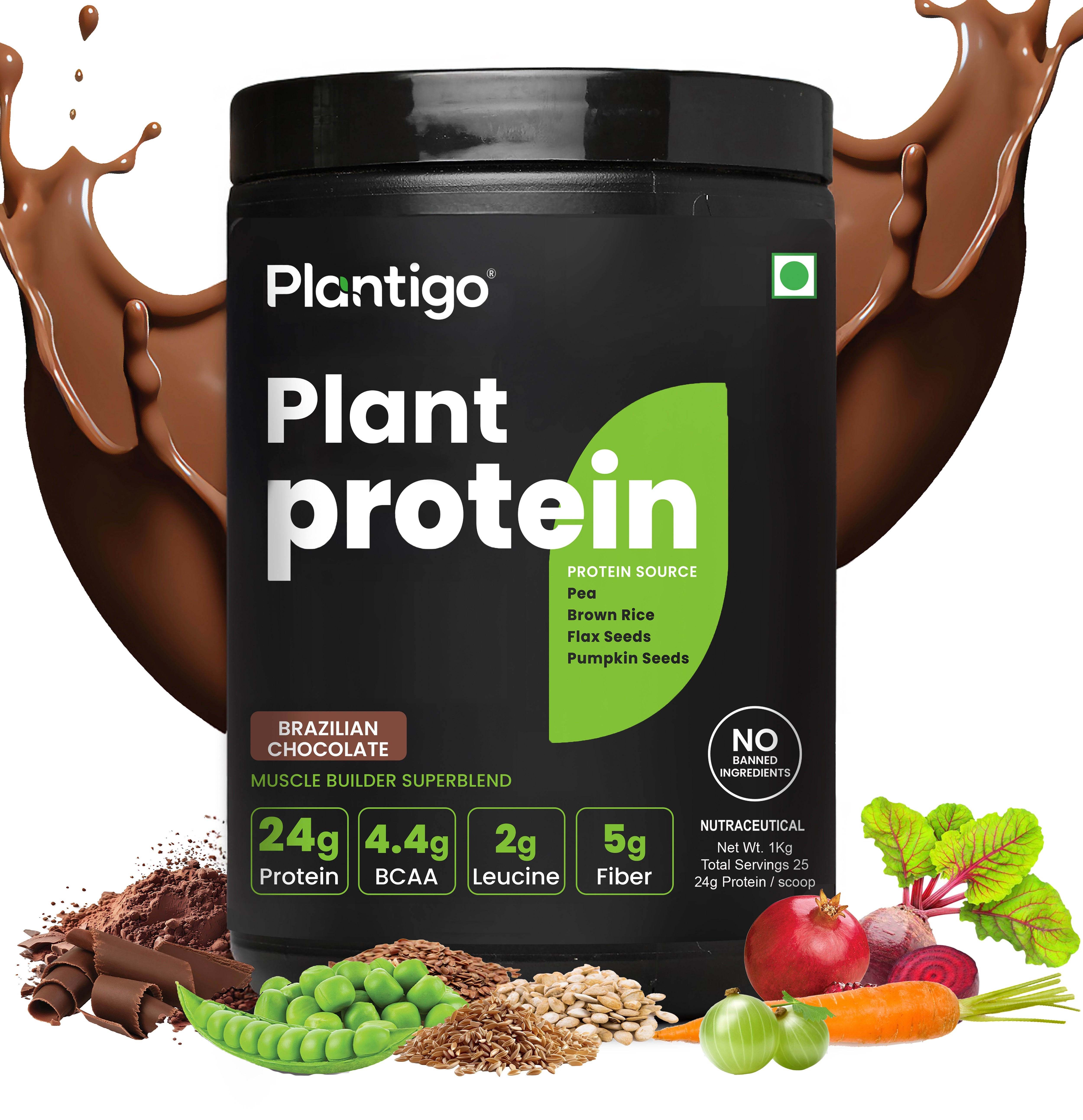
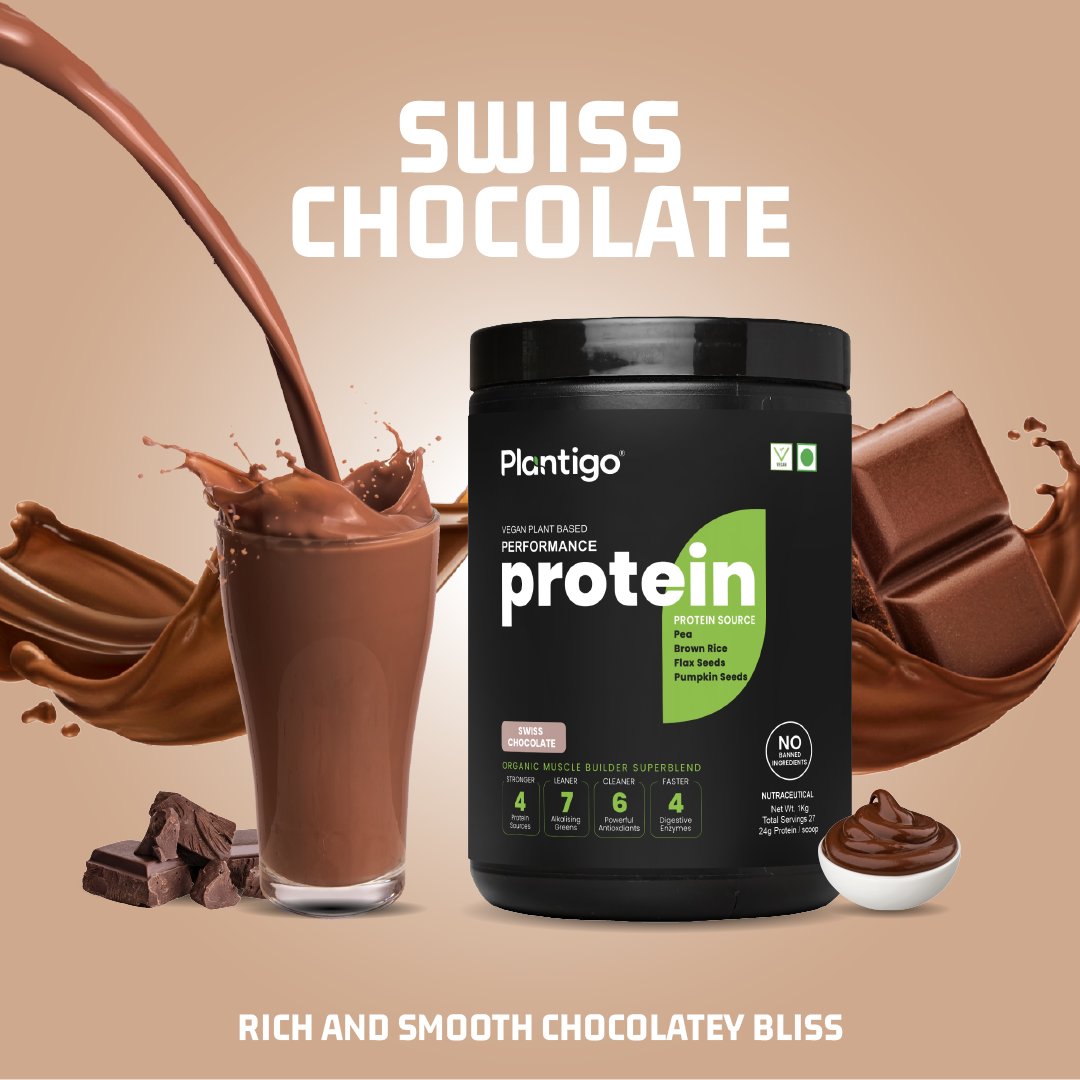
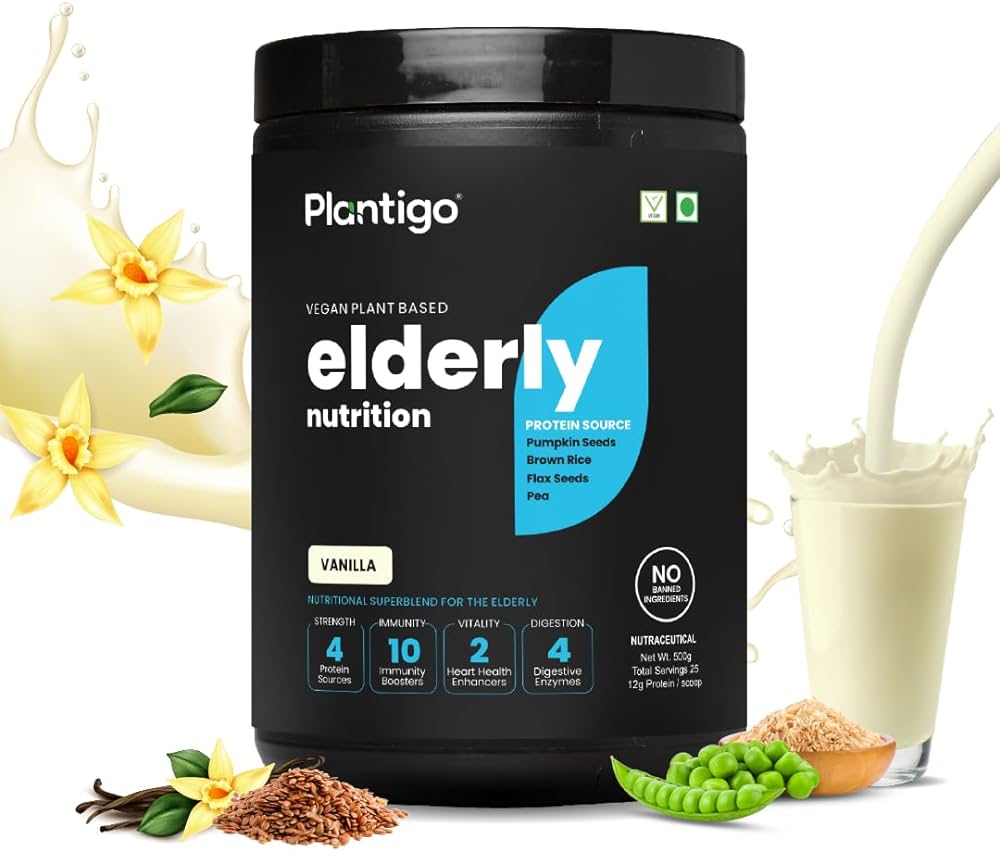
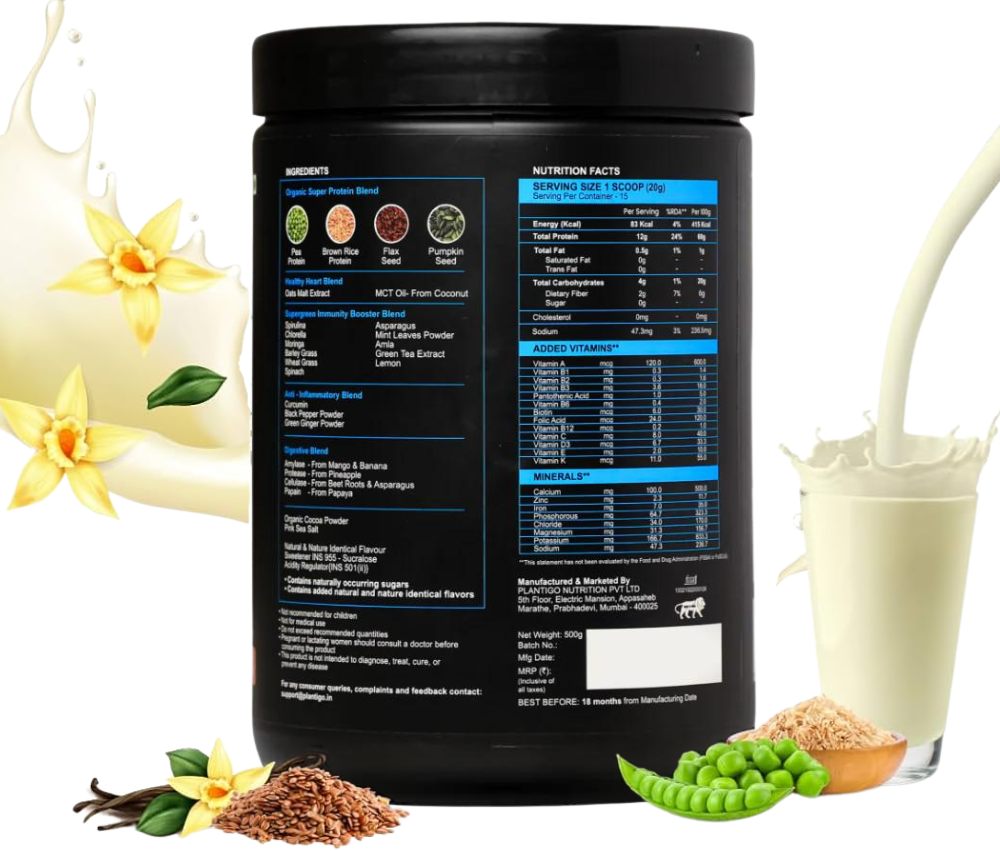
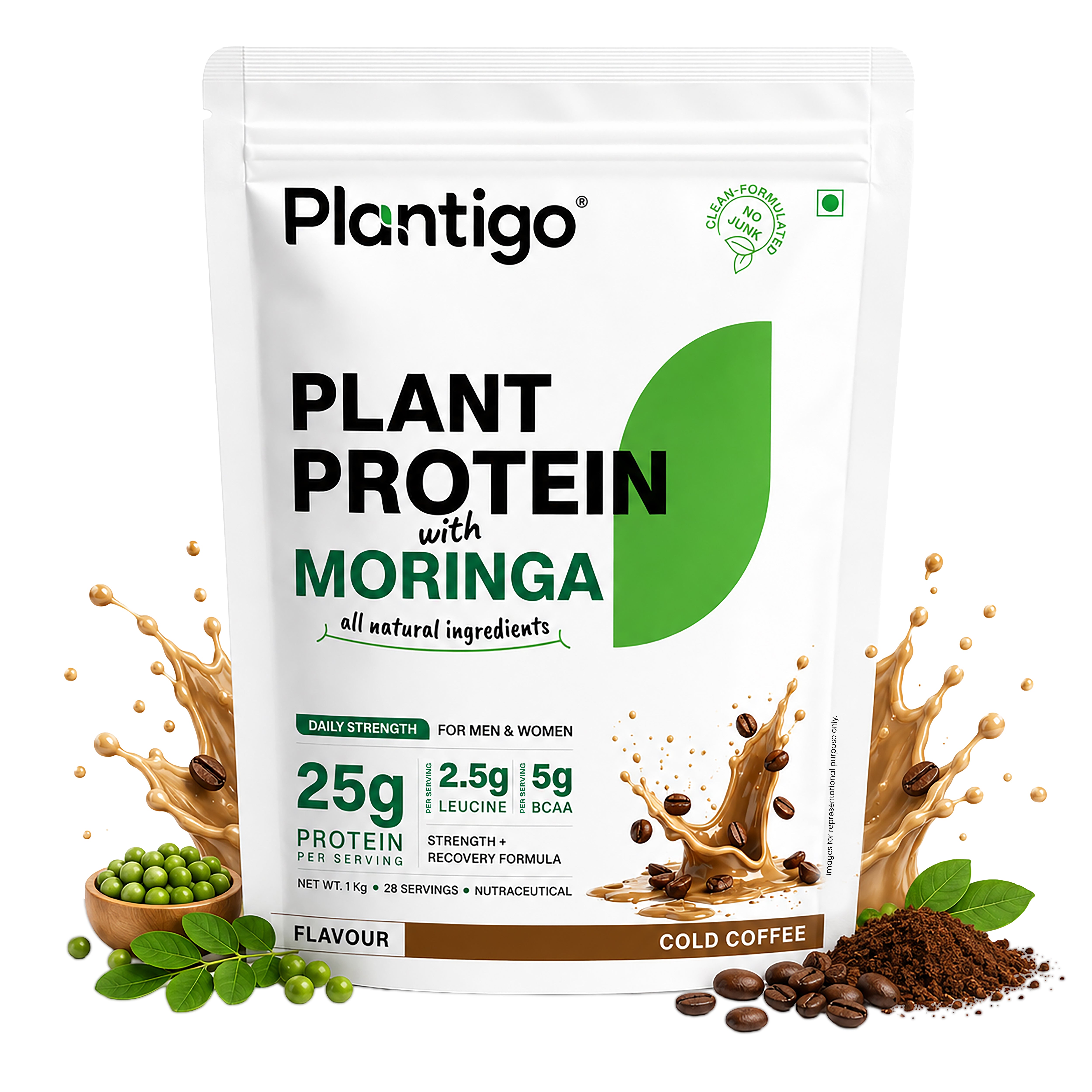
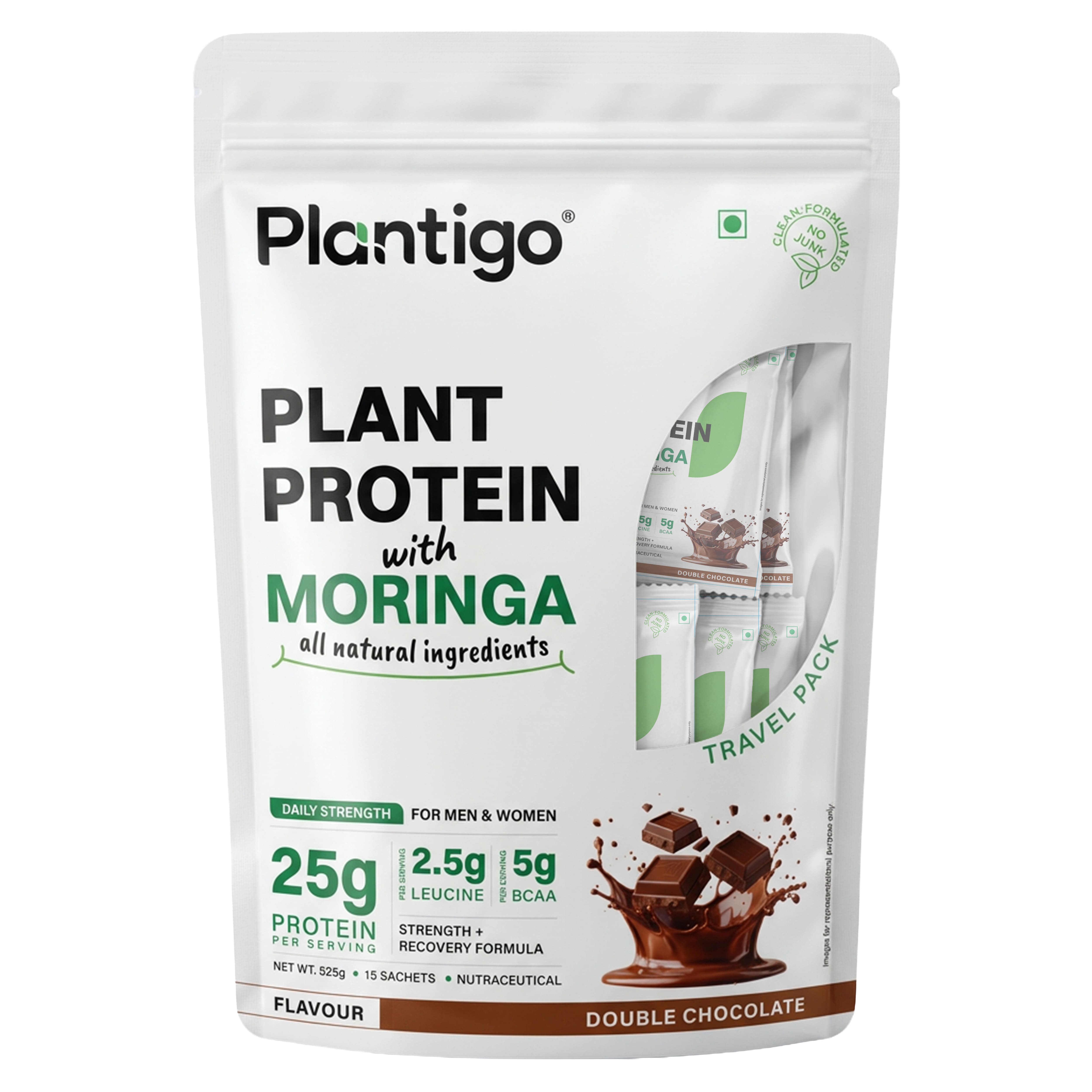
If your diabetic diet isn't closing the daily protein gap, Plantigo bridges it with a complete plant-based blend of Canadian Pea Isolate, Brown Rice, Pumpkin Seed, and Flaxseed — all 9 essential amino acids, zero added sugar, zero Class 2 preservatives, Eurofins-tested, with a 30-day taste guarantee.View Plantigo Plant Protein
Benefits of Plant Protein for Diabetic Indians

1. Blood Sugar Stability
Protein slows gastric emptying, reducing post-meal glucose spikes from carbohydrates eaten in the same meal.
-
Adding 20g protein to a rice meal reduces glycaemic response by 20–30%
-
Pea protein improves insulin sensitivity via arginine — improves glucose uptake
-
Replacing a high-carb breakfast with a protein shake cuts morning glucose excursion by 40–50%
2. Muscle Preservation
Skeletal muscle clears 70–80% of post-meal glucose — losing it directly worsens insulin resistance.
-
1.2–1.6g protein per kg daily preserves lean mass during caloric restriction
-
Leucine in pea isolate triggers muscle protein synthesis — maintaining glucose disposal capacity
3. Weight and HbA1c Management
Protein is the most satiating macronutrient — critical for diabetics managing weight alongside blood sugar.
-
25g protein at breakfast reduces daily calorie intake by 200–400 kcal
-
Higher protein diets reduce HbA1c by 0.5–1% in T2DM patients via improved body composition, per ahigh-protein diabetes review
4. Kidney-Safe at Correct Dosage
Protein concerns apply to nephropathy patients — not all diabetics.
-
Without nephropathy: 0.8–1.2g per kg daily is safe per RSSDI guidelines
-
With nephropathy: 0.6–0.8g per kg — supplement only under medical supervision
-
Plant protein produces less uric acid waste than animal protein
5. Reduces Insulin Resistance
Better body composition is the primary driver of improved insulin sensitivity in Indian adults.
-
Every 1kg of muscle gained improves insulin sensitivity by 3–5% in T2DM patients
-
Pea isoflavones reduce inflammatory cytokines (TNF-α, IL-6) that drive insulin resistance
-
Light resistance exercise (20 min/day) + adequate protein reverses sarcopenia-driven insulin resistance
What to Look for in a Protein Powder for Diabetics
Must have:
-
Zero added sugar — check ingredient list, not just the nutrition panel
-
Zero maltodextrin — GI of ~110, spikes blood glucose faster than table sugar
-
Third-party tested (Eurofins or equivalent) — not self-certified
-
20–25g protein per serving from a complete source
-
Digestive enzymes — bromelain or papain from real fruit for absorption support
Must avoid:
-
Fructose or corn syrup — drives hepatic insulin resistance
-
Artificial sweeteners (sucralose, aspartame) — disrupt gut microbiome glucose regulation
-
Proprietary blends — hide individual ingredient doses
-
"Diabetic formula" products with maltodextrin as first or second ingredient — check before buying
-
Any product without a visible third-party test certificate
How Much Protein Should a Diabetic Take?
|
Patient profile |
Daily protein target |
Supplement dose |
|
T2DM, no nephropathy, sedentary |
0.8g/kg body weight |
1 scoop (20–25g) once daily |
|
T2DM, no nephropathy, active |
1.0–1.2g/kg body weight |
1 scoop once or twice daily |
|
T2DM with mild nephropathy |
0.6–0.8g/kg body weight |
Consult doctor before supplementing |
|
Pre-diabetic, weight management |
1.2–1.4g/kg body weight |
1 scoop daily, preferably at breakfast |
|
T2DM, post-illness recovery |
1.2–1.5g/kg body weight |
1–2 scoops daily as advised |
1. Who Benefits Most
-
Diabetics on calorie-restricted diets losing muscle alongside fat
-
Vegetarian Indians with no eggs or limited dairy protein
-
Post-menopausal women with T2DM managing both insulin resistance and sarcopenia
-
Pre-diabetics using protein as a blood sugar management tool
2. Who Should Be Cautious
-
Patients with existing nephropathy — protein restriction is necessary; supplement only under medical supervision
-
Patients on insulin — protein can slow glucose absorption and affect insulin timing; inform your diabetologist
-
Those with gout — high purine foods alongside protein supplements require monitoring
How to Take Protein Powder as a Diabetic Indian
1. Morning shake (replaces high-GI breakfast): 1 scoop plant protein + 200ml water or unsweetened almond milk + handful of soaked almonds. Total: ~22g protein, negligible carbohydrate. Eliminates the morning glucose spike from idli, poha, or upma. For why ragi is a better grain complement than rice for diabetics, see ourragi protein guide.
2. Added to dal or sabzi: 1 scoop unflavoured plant protein stirred into a family-size dal pot. No taste change, no GI impact — just 20–25g extra protein distributed across the meal. Best approach for diabetics who want to maintain food habits. For the highest-protein dal options, see ourdal protein guide.
3. Post-walk shake: 20–30 minutes of walking after meals is standard diabetic advice. Adding a 20g protein shake immediately after the walk amplifies muscle glucose uptake — the muscle acts like a sponge for blood glucose at this point. For the full protein-rich Indian food context, see ourprotein-rich Indian foods guide.
4. Mixed into roti dough: Half a scoop of unflavoured plant protein added to atta before kneading — each roti gains 3–4g protein with no change in taste or texture. For diabetics who cannot eliminate roti, this is the practical fix. For the full roti protein breakdown, see ourroti protein guide.
Protein Powder vs Whole Food Protein for Diabetics
1. Protein Powder vs Dal
Dal delivers 20–25g protein per 100g raw with fibre and a low GI — the gold standard for diabetic Indians. The supplement does not replace it. Most Indian diabetics eat one katori dal daily (6–8g protein) — the supplement closes the remaining 40–50g gap. For the strongest dal for diabetics, see ourchana protein guide.
Supplement advantage: Consistent dose, no cooking, faster absorption post-exercise.
2. Protein Powder vs Curd
Curd delivers 3–4g protein per 100g with probiotic benefit and low GI (~36). Excellent daily food for diabetics — gut microbiome health directly improves insulin sensitivity. But 200g curd covers only 6–7g protein. The supplement and curd are complementary, not competing.
Supplement advantage: 4–5x more protein per gram consumed, zero lactose risk, consistent amino acid profile.
3. Protein Powder vs Soya Chunks
Soya chunks deliver 52g protein per 100g dry — and their isoflavones improve insulin sensitivity directly. For diabetics who eat soya chunks regularly, the protein gap is smaller. For those who don't, the supplement fills it. See oursoya chunks guide for the full breakdown.
Supplement advantage: More convenient, pre-portioned, multi-source amino acid profile.
The Bottom Line
Protein powder is safe for diabetic patients in India when it is clean — zero added sugar, zero maltodextrin, third-party tested. For the 101 million Indians with diabetes who are simultaneously protein-deficient, a plant-based protein supplement is not a luxury but a nutritional corrective for a diet that manages carbohydrates without replacing protein. Plantigo's blend — pea isolate, brown rice, pumpkin seed, flaxseed — delivers 20–25g complete protein per serving with negligible GI impact, making it the most practical daily protein bridge for Indian diabetics eating food-first, supplement-second.
Frequently Asked Questions
1. Which protein powder is best for a diabetic person?
A multi-source plant protein blend — pea isolate, brown rice, pumpkin seed — with zero added sugar and zero maltodextrin is best. Avoid products with fructose, sucralose, or proprietary blends.
2. Can I take protein powder if I have diabetes?
Yes — safe for most diabetics at 0.8–1.2g per kg daily. Patients with nephropathy must consult their doctor first as protein restriction may apply.
3. Which chapati is good for diabetes?
Besan roti (22g protein/100g) and ragi roti (GI ~55) are the strongest diabetic options. Both have lower GI than plain wheat roti and deliver more protein per piece.
4. What is the best breakfast for a diabetic?
A protein-first breakfast — 1 scoop plant protein in water or almond milk — eliminates the morning glucose spike. Moong dal chilla or besan chilla are the best whole-food diabetic breakfast options.
5. What is the silent killer of diabetes?
Sarcopenia — muscle loss — is the silent complication. Skeletal muscle clears 70–80% of post-meal glucose; as it declines, insulin resistance worsens even with unchanged diet and medication.
External Sources
Disclaimer: This article is for educational purposes only. If you have diabetes, kidney disease, or are on insulin or oral medication, consult your diabetologist or dietitian before changing your protein intake or adding any supplement.