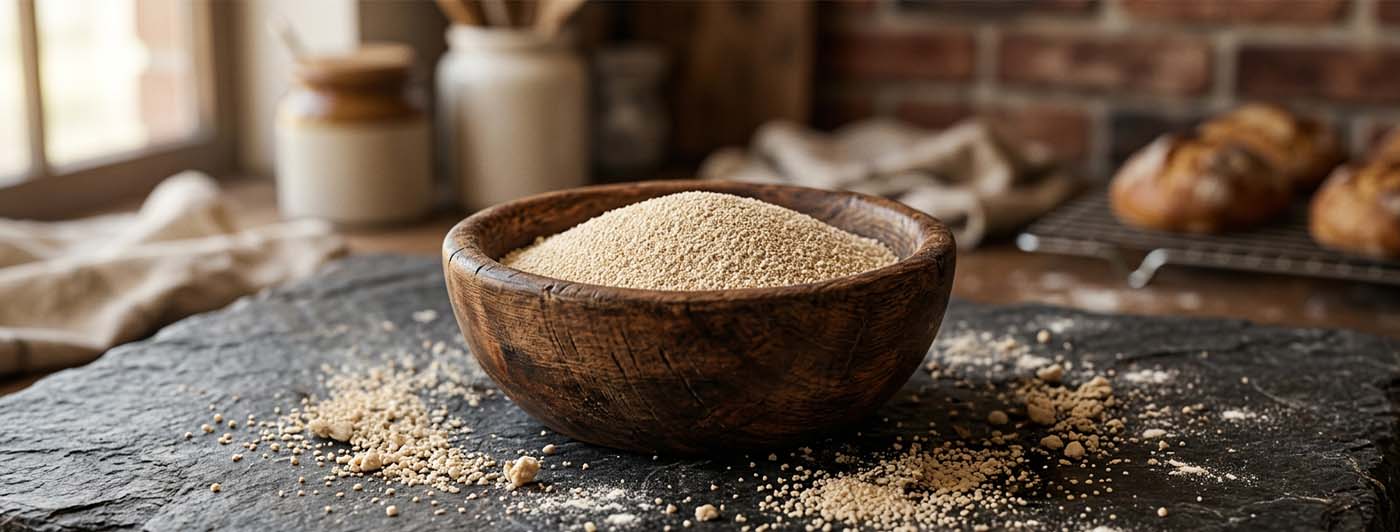
Nutritional yeast has quietly built a reputation in Indian fitness and vegan communities as a protein-dense, B12-rich superfood. The claims are real — 50g protein per 100g, complete amino acids, rich in B vitamins — but the practical picture for Indian daily use is more complicated. Most Indians encounter yeast protein as a topping or flavouring, not as a primary protein source. Understanding what yeast protein actually delivers, how it compares to a multi-source plant protein powder, and where each fits in an Indian diet tells you whether yeast belongs in your kitchen daily or occasionally.
How Much Protein Does Yeast Contain per 100g?
Nutritional yeast contains approximately 50g of protein per 100g dry weight — one of the highest protein densities of any plant-derived food — and is one of the few non-animal sources to provide all 9 essential amino acids in adequate proportions, qualifying as a complete protein, as confirmed in aPMC review on yeast as a food protein source. At a typical Indian serving of 1–2 tablespoons (8–16g), however, yeast delivers 4–8g protein — a meaningful contribution but not a primary protein source by volume. Baker's yeast used in bread-making is not the same as nutritional yeast and is not consumed for protein; the protein figures apply specifically to deactivated nutritional yeast (Saccharomyces cerevisiae).
Complete Nutritional Breakdown: Yeast Protein per 100g
1. Macronutrient Profile
|
Nutrient |
Nutritional Yeast (per 100g) |
Plant Protein Powder (per 100g) |
Paneer (per 100g) |
Soya Chunks (per 100g dry) |
|
Protein (g) |
50g |
75–85g |
18–20g |
52g |
|
Carbohydrates (g) |
38g |
5–8g |
1.2–3g |
30g |
|
Fat (g) |
7g |
3–6g |
20–25g |
0.5g |
|
Fibre (g) |
26g |
2–4g |
0g |
13g |
|
Calories (kcal) |
325 |
350–380 |
265–300 |
345 |
Source: USDA FoodData Central; PMC yeast protein review 2023
2. Micronutrient Profile — Where Yeast Wins
|
Micronutrient |
Nutritional Yeast (per 100g) |
Daily Requirement |
% Met |
|
Vitamin B12 (mcg) |
40–100mcg (fortified) |
2.4mcg |
1,600–4,000% |
|
Vitamin B1 / Thiamine (mg) |
9.6mg |
1.2mg |
800% |
|
Vitamin B2 / Riboflavin (mg) |
9.7mg |
1.3mg |
746% |
|
Vitamin B6 (mg) |
4.8mg |
1.3mg |
369% |
|
Folate (mcg) |
3,786mcg |
400mcg |
946% |
|
Zinc (mg) |
7.6mg |
11mg |
69% |
|
Iron (mg) |
3.9mg |
15mg (women) |
26% |
Nutritional yeast's most exceptional feature is its B vitamin density — particularly B12 when fortified, which makes it the most practical B12 source for Indian vegans who otherwise have no reliable plant-based B12 source. This is the single strongest case for including nutritional yeast in an Indian vegan diet daily.
3. Amino Acid Profile of Yeast Protein
Nutritional yeast is a complete protein — all 9 essential amino acids are present in proportions adequate for adult requirements, per aPMC study on yeast protein accessibility.
|
Amino Acid |
Nutritional Yeast |
vs Plant Protein Blend |
|
Lysine |
Good |
Comparable — both adequate |
|
Leucine |
Moderate |
Plant blend higher — pea isolate is leucine-rich |
|
Methionine |
Moderate |
Draw — both moderate |
|
Tryptophan |
Good |
Comparable |
|
Digestibility |
85–90% |
90–98% (with digestive enzymes) |
The key difference: plant protein powder using pea isolate has higher leucine content per serving — the amino acid that triggers muscle protein synthesis. Yeast protein is complete but less leucine-optimised than a dedicated plant protein blend.
4. Protein by Serving Size — What Indians Actually Use
|
Yeast Serving |
Typical Indian Use |
Protein |
|
1 tbsp (8g) |
Sprinkled on dal/sabzi |
~4g |
|
2 tbsp (16g) |
Added to smoothie |
~8g |
|
3 tbsp (24g) |
Stirred into soup or khichdi |
~12g |
|
30g (maximum practical daily) |
Split across meals |
~15g |
|
Plant protein 1 scoop (25g) |
Single shake |
20–22g |
At a realistic Indian daily use of 1–2 tablespoons, yeast contributes 4–8g protein — useful but not a replacement for a dedicated protein source.
Yeast Protein vs Plant Protein: Which Is Better?
|
# |
Parameter |
Nutritional Yeast |
Plant Protein Powder |
Winner |
|
1 |
Protein per 100g |
50g |
75–85g |
Plant protein |
|
2 |
Protein per serving (practical) |
4–8g (1–2 tbsp) |
20–22g (1 scoop) |
Plant protein |
|
3 |
Complete amino acids |
Yes |
Yes (multi-source) |
Draw |
|
4 |
Leucine content |
Moderate |
High (pea isolate) |
Plant protein |
|
5 |
B12 content |
Very high (fortified) |
Usually zero |
Nutritional yeast |
|
6 |
B vitamins overall |
Exceptional |
Minimal |
Nutritional yeast |
|
7 |
Digestibility |
85–90% |
90–98% (with enzymes) |
Plant protein |
|
8 |
Taste |
Cheesy, nutty |
Neutral (unflavoured) |
Nutritional yeast |
|
9 |
Cost per gram of protein |
₹5–8/g |
₹1–2/g |
Plant protein |
|
10 |
Availability in India |
Specialty stores only |
Widely available |
Plant protein |
|
11 |
Daily practicality |
Flavouring use — limited volume |
Shake, dal, roti — versatile |
Plant protein |
One-line verdict: Nutritional yeast is not a protein supplement — it is a B vitamin supplement that also has meaningful protein. For daily protein targets, a multi-source plant protein blend delivers 3–4x more protein per serving at one-third the cost per gram of protein. Use yeast for B12 and flavour; use plant protein for hitting daily protein numbers. For the full whey vs plant comparison, see ourwhey vs plant protein guide.

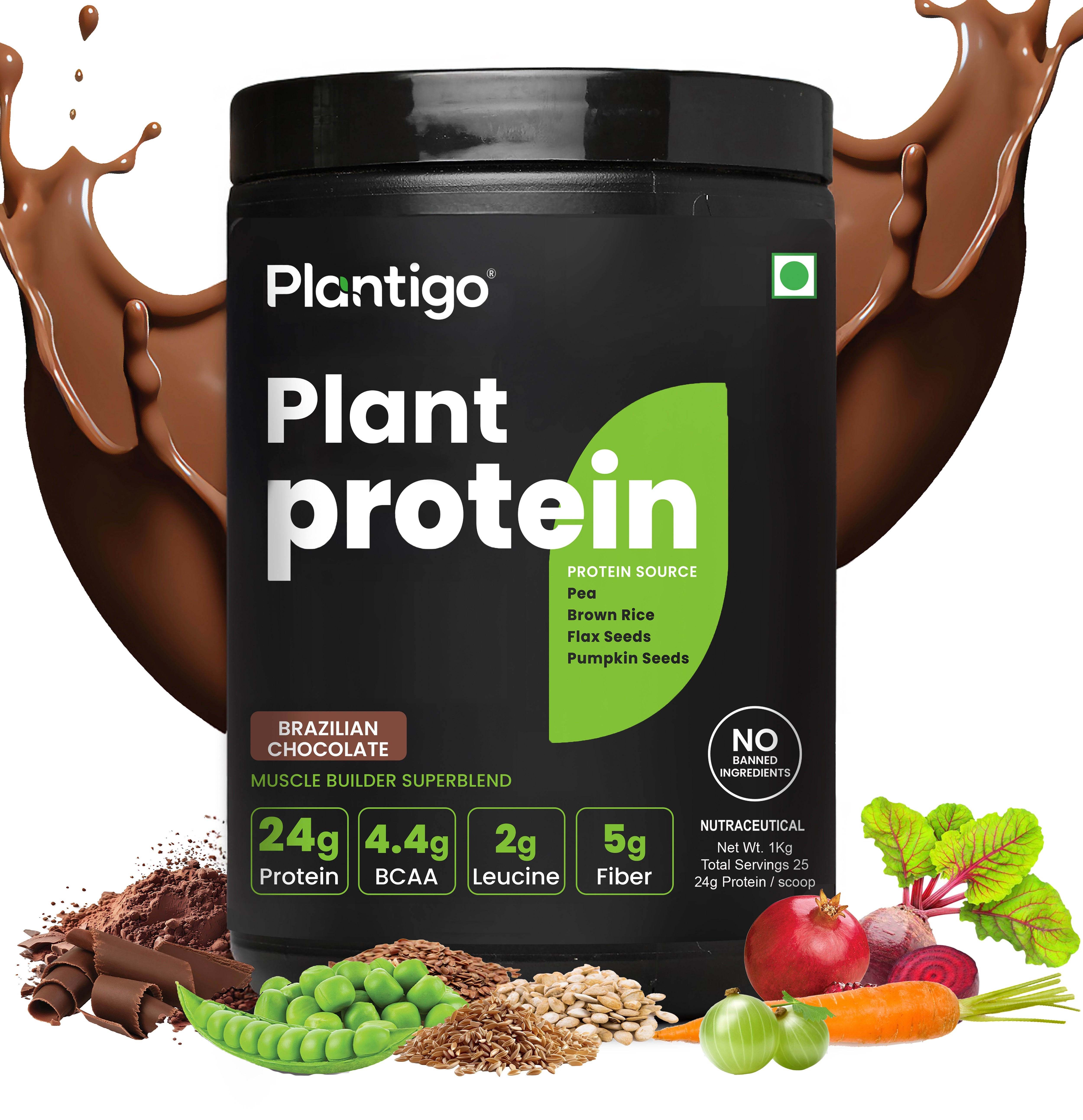
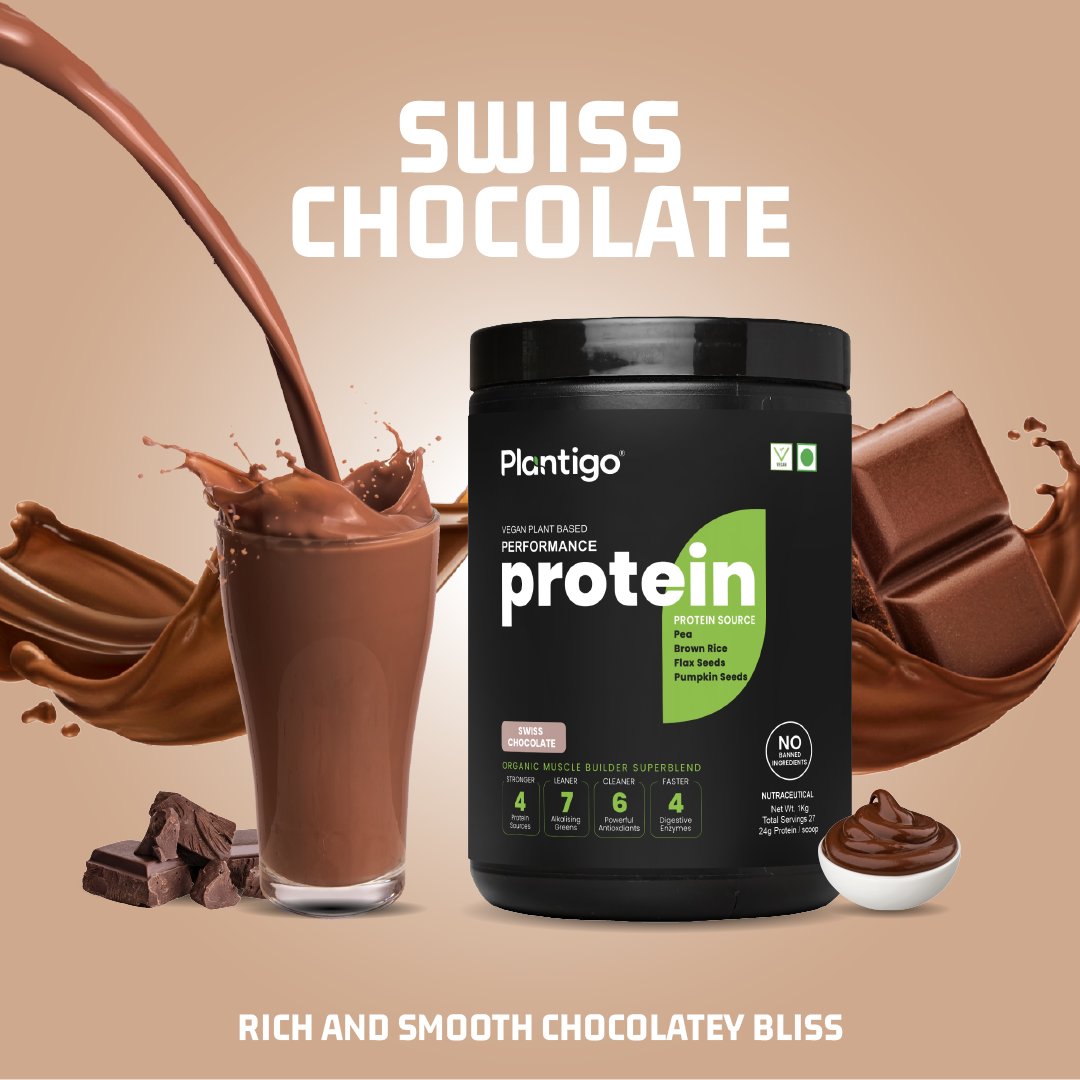
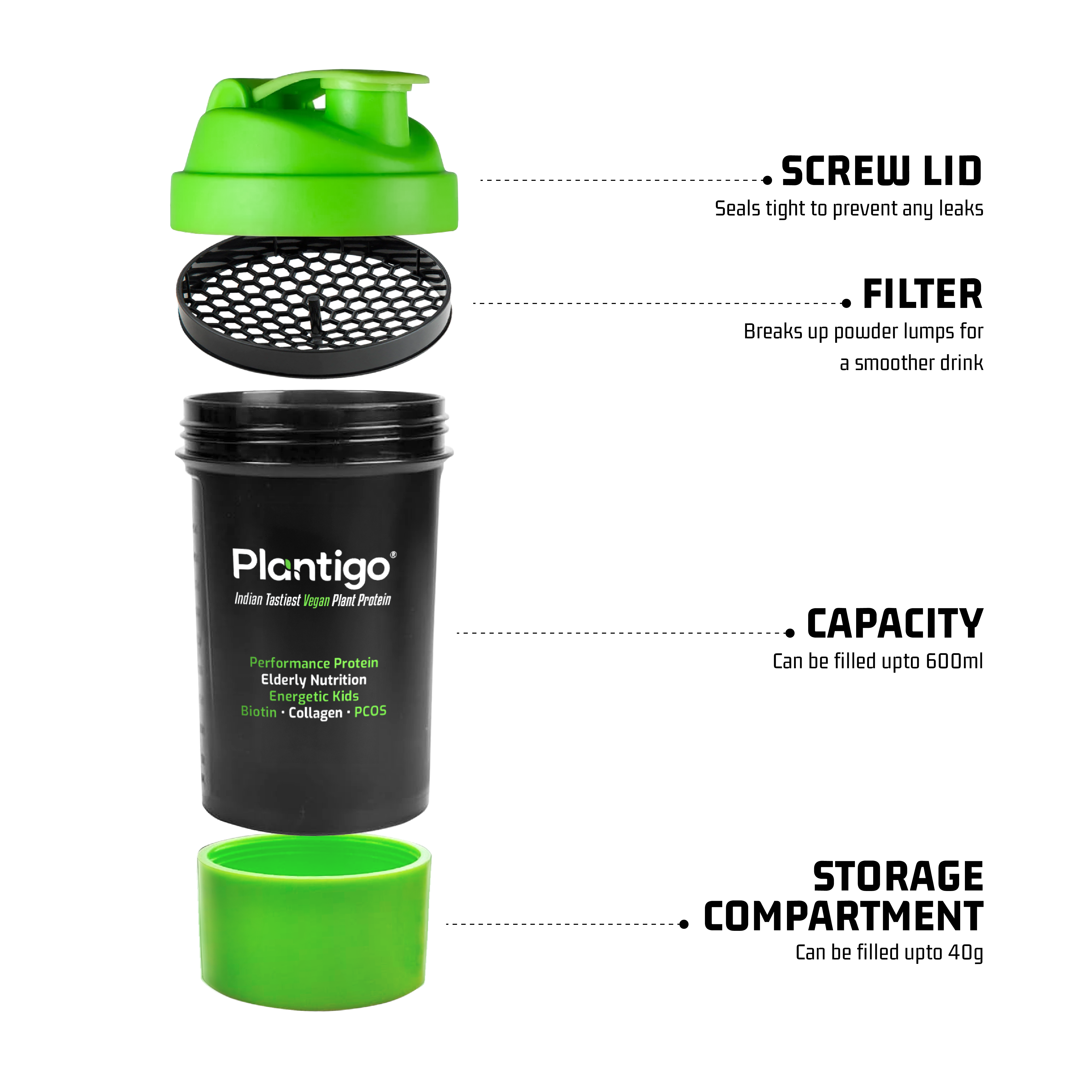
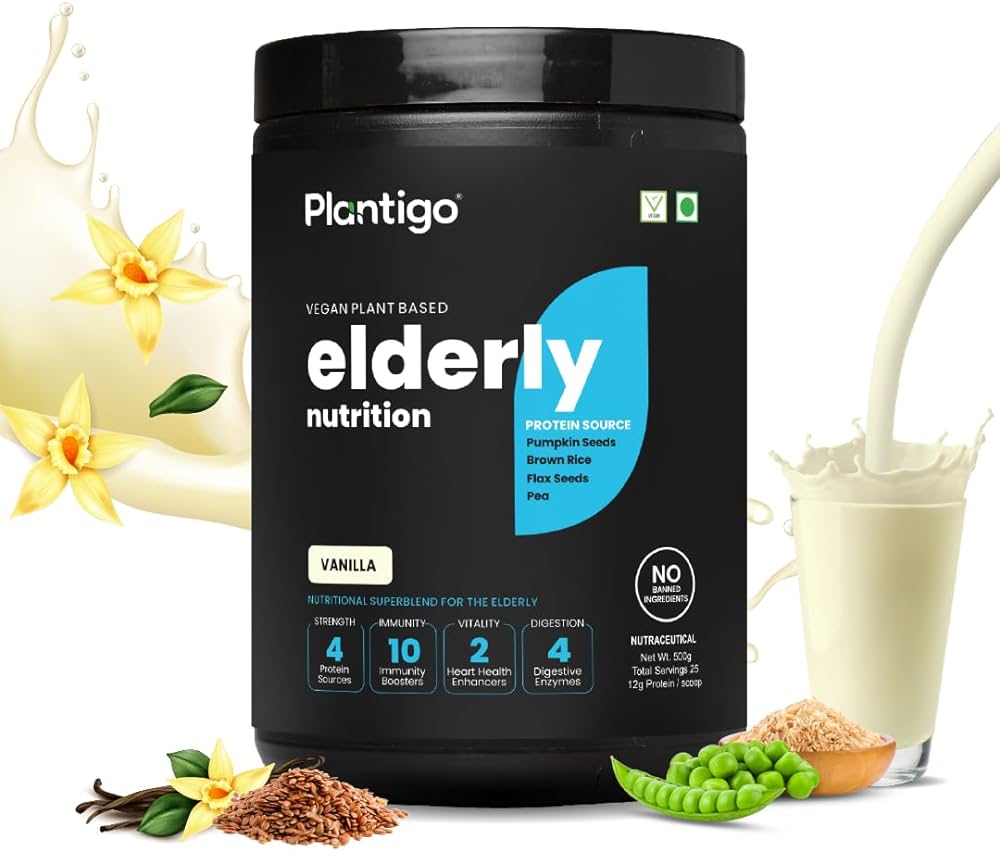
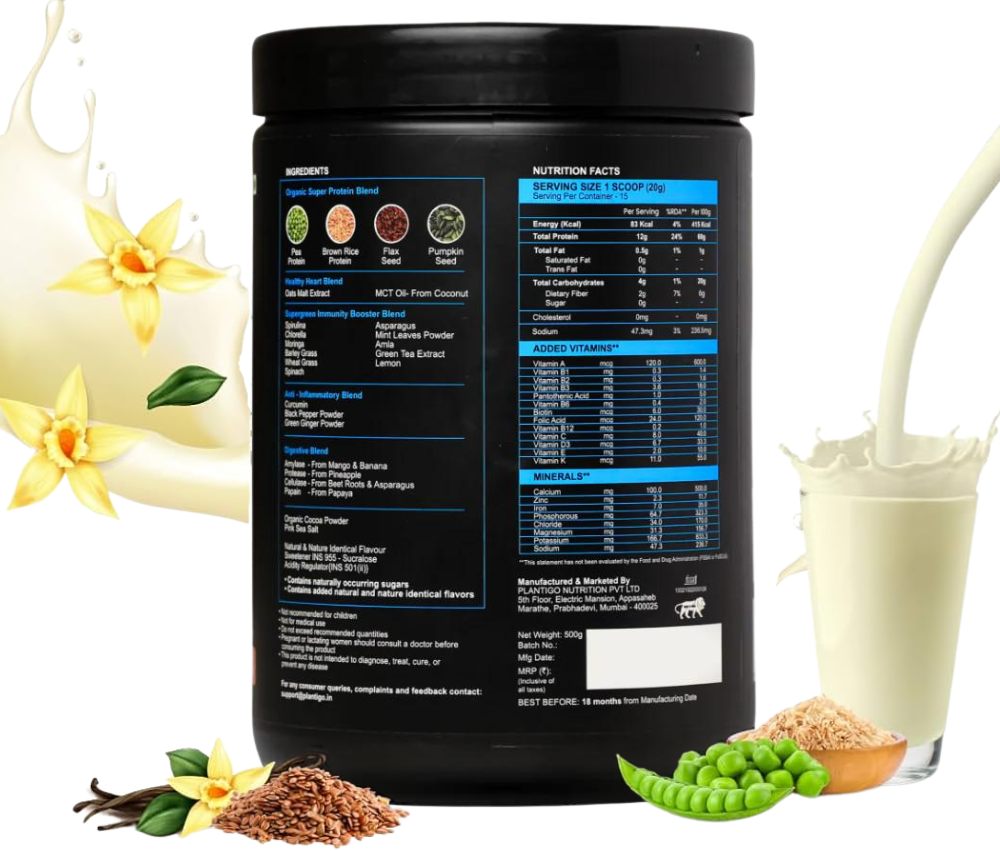
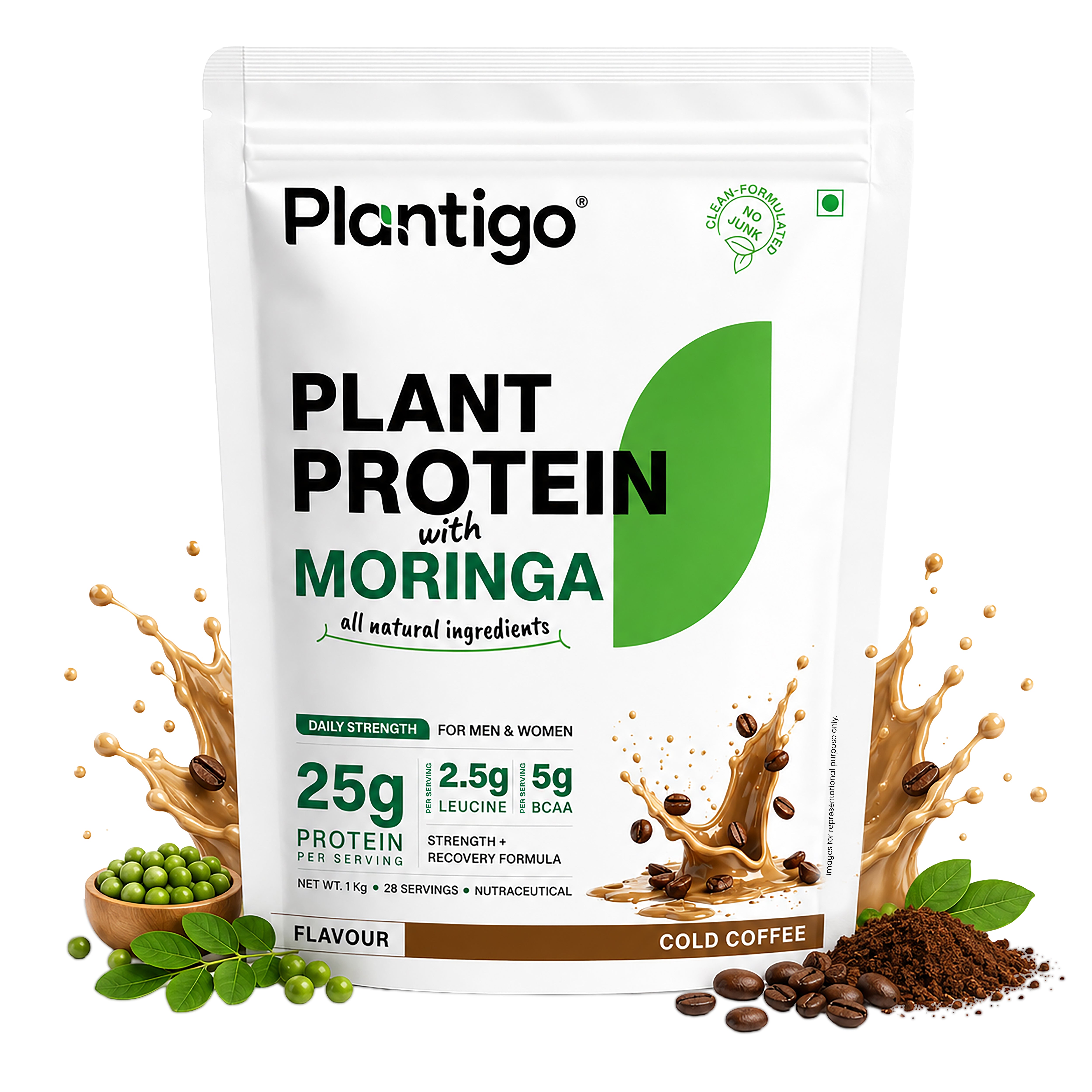
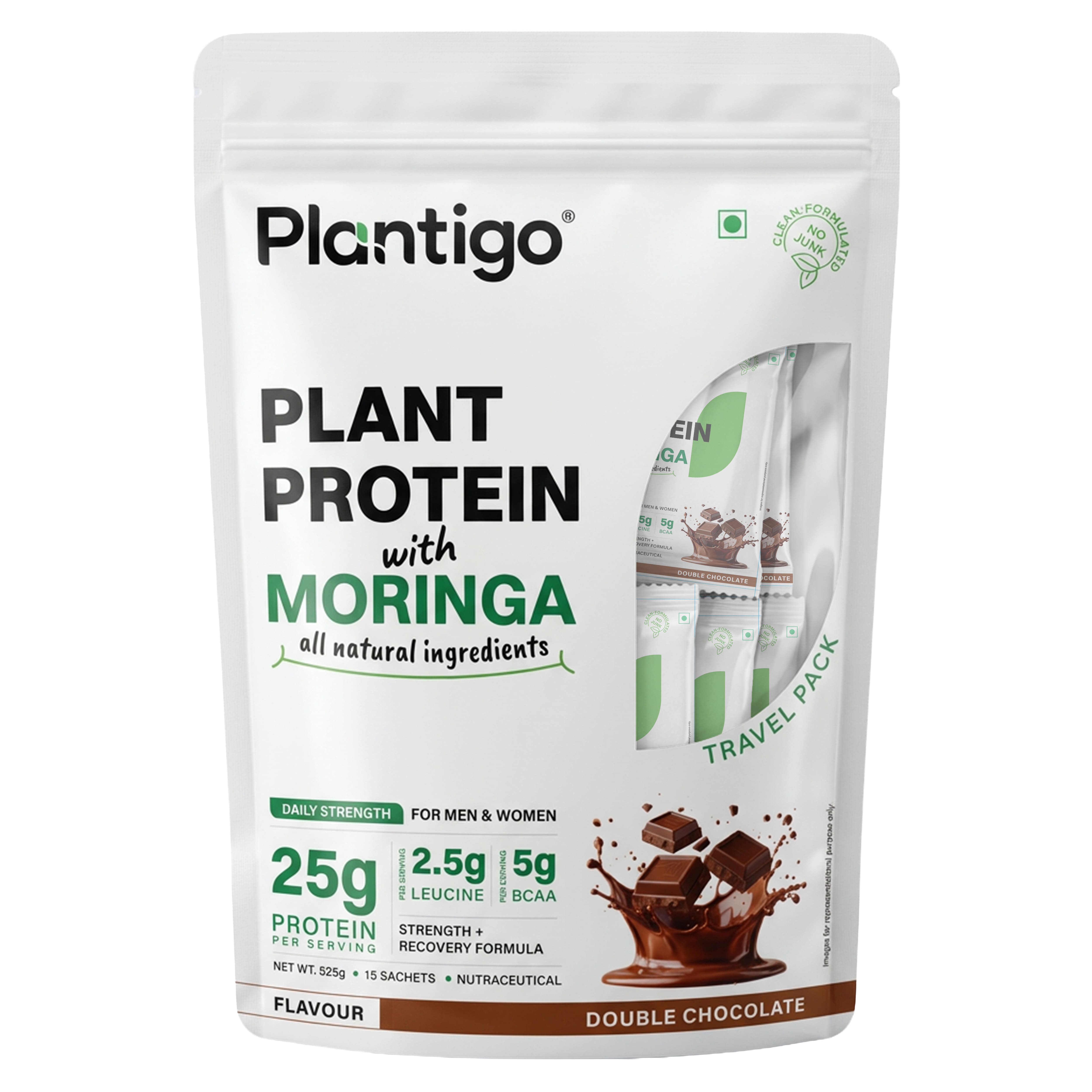
If nutritional yeast alone isn't closing your daily protein gap, Plantigo bridges it with a complete plant-based blend of Canadian Pea Isolate, Brown Rice, Pumpkin Seed, and Flaxseed — all 9 essential amino acids, zero Class 2 preservatives, Eurofins-tested, with a 30-day taste guarantee.View Plantigo Plant Protein
Benefits of Nutritional Yeast for Indians

1. B12 for Vegans
Fortified nutritional yeast is the most practical B12 source for Indian vegans — 1 tbsp covers 400–1,000% of daily B12 requirements.
-
B12 deficiency affects an estimated 47% of Indian vegetarians and nearly all vegans
-
Two tablespoons daily eliminates B12 deficiency risk without supplements or injections
-
Also provides B1, B2, B6, and folate — a complete B-complex in a single food
2. Immune Support via Beta-Glucans
Yeast cell walls contain beta-glucans — polysaccharides with clinically demonstrated immune-modulating properties.
-
Beta-glucans activate macrophages and natural killer cells — frontline immune responders
-
1–3g beta-glucan daily (achievable from 2–3 tbsp nutritional yeast) reduces upper respiratory infection frequency
-
Relevant for Indian adults with high pollution exposure and seasonal immune stress
3. Gut Health and Fibre
26g fibre per 100g — one of the highest fibre densities of any protein food available.
-
Prebiotic fibre feeds Lactobacillus and Bifidobacterium — the dominant beneficial gut bacteria
-
Improves bowel regularity and reduces bloating — commonly reported as a benefit by daily yeast users
-
Pairs with fermented Indian foods (curd, idli batter) to create a synbiotic effect
4. Cheesy Flavour Without Dairy
Nutritional yeast has a naturally cheesy, umami flavour from glutamic acid — useful for dairy-free Indian cooking.
-
Replaces cheese in sauces, gravies, and toppings without any dairy or Class 2 preservatives
-
Adds depth to dal, khichdi, and sabzi without altering the fundamental character of the dish
-
Relevant for lactose-intolerant Indians who miss the flavour profile of paneer or cheese
How to Include Yeast Protein in Your Indian Diet
1. Dal or khichdi: Stir 2 tbsp nutritional yeast into cooked dal before serving. Adds ~8g protein + full B-complex with a mild flavour change only. Pairs well with moong or masoor dal. See ourdal protein guide for why this combination covers amino acid gaps effectively.
2. Roti dough: Add 1 tbsp nutritional yeast to atta before kneading. Each roti gains ~2g protein with a slight nutty flavour. See ourroti protein breakdown for the base protein and why this addition matters.
3. Morning smoothie: 1 tbsp nutritional yeast + 1 scoop plant protein + banana + 200ml plant milk. Total: ~26g protein + 100% B12 in one drink. The yeast adds B vitamins; the plant protein handles the leucine threshold.
4. Popcorn or roasted chana topping: Sprinkle 1 tbsp over roasted chana or popcorn as a high-protein, B12-rich snack. See ourchana protein guide for why chana + yeast is one of the most complete plant protein snack combinations available.
5. Pasta or noodle sauce: Blend 2 tbsp nutritional yeast with cashews, water, and garlic — a dairy-free cheesy sauce for pasta or noodles. Delivers ~10g protein per serving alongside the pasta's own protein contribution.
Yeast Protein vs Other Indian Protein Sources
1. Yeast Protein vs Soya Chunks
Soya chunks deliver 52g protein per 100g dry — comparable to yeast's 50g — but at a fraction of the cost (₹80–120/kg vs ₹400–800/kg for nutritional yeast). Soya chunks are also more culturally embedded in Indian cooking. Yeast wins on B12 and B vitamins — soya chunks win on cost and cooking versatility. See oursoya chunks guide for the full comparison.
Yeast advantage: B12, beta-glucans, cheesy flavour — soya chunks have none of these.
2. Yeast Protein vs Besan
Besan delivers 22g protein per 100g — less than half of yeast's 50g — but costs ₹50–80/kg and is a daily kitchen staple for Indians. Besan wins on practical daily volume; yeast wins on protein density and B vitamins. For the full besan profile, see ourbesan protein guide.
Yeast advantage: 2.3x more protein per gram, complete amino acids, B12 content.
3. Yeast Protein vs Plant Protein Supplement
A 25g serving of plant protein delivers 20–22g complete protein with optimised leucine content — vs 8g from 2 tbsp of yeast. For hitting daily protein targets (56g+ for a 70kg adult), a supplement closes gaps that yeast serving sizes cannot. Yeast and plant protein are best used together — yeast for micronutrients, plant protein for protein volume.
Supplement advantage: 3x more protein per serving, optimised leucine for muscle protein synthesis, consistent dosing.
The Bottom Line
Nutritional yeast contains 50g protein per 100g — complete amino acids and exceptional B vitamins, particularly B12. For Indian vegans, it is the most practical daily B12 source available. For protein specifically, it functions as a contributor — 4–8g per typical serving — not a primary source. A multi-source plant protein supplement delivers 20–22g per serving at one-third the cost per gram of protein and with higher leucine content for muscle protein synthesis. The best Indian diet combines both: nutritional yeast for B vitamins and flavour, plant protein powder for the protein numbers that daily requirements demand.
Frequently Asked Questions
1. Is yeast protein good or bad for you?
Nutritional yeast protein is good — complete amino acids, 85–90% digestibility, and exceptional B vitamins. At normal serving sizes (1–3 tbsp daily), it is safe for most people including vegans, vegetarians, and diabetics.
2. What are yeast proteins?
Yeast proteins are the protein molecules found in Saccharomyces cerevisiae (nutritional yeast) — approximately 50g per 100g dry weight, containing all 9 essential amino acids with a digestibility of 85–90%.
3. How much protein is in yeast?
Nutritional yeast contains ~50g protein per 100g dry weight. At a typical 1 tbsp (8g) serving, this delivers ~4g protein — useful as a daily contributor but not sufficient as a standalone protein source.
4. Is yeast protein non-veg?
No — nutritional yeast is fully vegan. It is a deactivated fungus, not an animal product. It contains no meat, dairy, or eggs and is widely used as a vegan B12 and protein source globally.
5. Why do Indians eat so little protein?
The standard Indian vegetarian diet — roti, rice, dal, sabzi — delivers 25–35g protein daily against an ICMR requirement of 56g for a 70kg adult. The gap is structural: Indian staples are carbohydrate-dominant, and protein sources like dal are eaten in insufficient quantities to close it.
External Sources
Disclaimer: This article is for educational purposes only. If you have yeast allergies, Crohn's disease, or are on medication for fungal infections, consult your doctor before adding nutritional yeast to your diet.