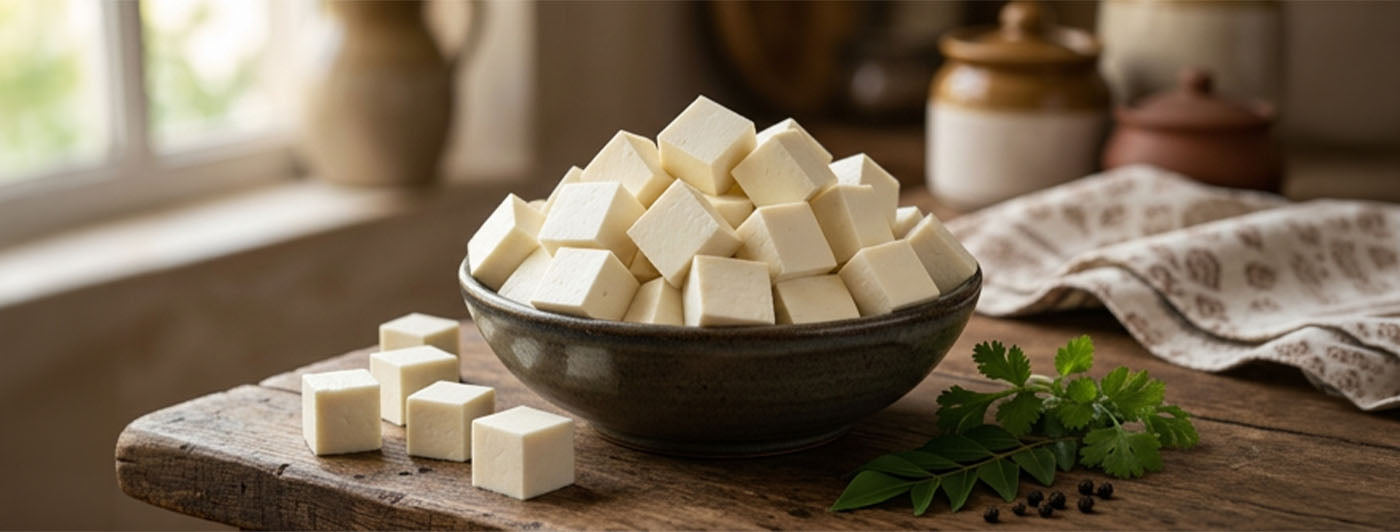
Paneer is India's most loved protein food — and one of the most misunderstood when it comes to weight loss. Some Indian nutritionists recommend it freely; others say the fat content makes it counterproductive. The honest answer is neither absolute. Paneer's protein density is real, its satiety effect is real, and its calorie cost is also real. Whether paneer helps or hinders weight loss depends almost entirely on how much you eat, how it is prepared, and what it replaces in your diet. This breakdown gives you the actual numbers, the honest trade-offs, and a practical guide for using paneer correctly on a weight loss diet.
Is Paneer Good for Weight Loss?
Paneer is good for weight loss when consumed at 50–100g daily in low-fat preparations — delivering 9–20g complete protein with a strong satiety effect — but becomes counterproductive beyond 150g daily due to its high saturated fat content (12–14g per 100g) and calorie density (265–300 kcal per 100g), according to adairy health review. The protein in paneer is casein-dominant — slow-digesting, appetite-suppressing, and muscle-preserving during caloric deficit — which makes paneer a net positive for weight loss when portion-controlled. The problem is not paneer itself but the quantities in which Indians typically eat it — 150–200g in a restaurant serving of paneer tikka or palak paneer — which can add 400–600 kcal to a single meal.
Paneer's Full Nutritional Profile — What You're Actually Eating
1. Macronutrient Breakdown
|
Nutrient |
Paneer (per 100g) |
Paneer (50g) |
Paneer (100g) |
Paneer (200g) |
|
Protein (g) |
18–20g |
9–10g |
18–20g |
36–40g |
|
Fat (g) |
20–25g |
10–12.5g |
20–25g |
40–50g |
|
Saturated Fat (g) |
12–14g |
6–7g |
12–14g |
24–28g |
|
Carbohydrates (g) |
1.2–3g |
0.6–1.5g |
1.2–3g |
2.4–6g |
|
Calories (kcal) |
265–300 |
132–150 |
265–300 |
530–600 |
Source: ICMR-NIN Indian Food Composition Tables 2017;paneer composition
2. Paneer Type Matters — Cow vs Buffalo vs Low-Fat
|
Paneer Type |
Protein (per 100g) |
Fat (per 100g) |
Calories (per 100g) |
Best For |
|
Full-fat cow milk paneer |
18g |
20g |
265 kcal |
General use |
|
Full-fat buffalo milk paneer |
17g |
25g |
300 kcal |
Richer taste, higher fat |
|
Low-fat cow milk paneer |
19–22g |
8–10g |
180–200 kcal |
Weight loss — best choice |
|
Skimmed milk paneer |
20–24g |
3–5g |
140–160 kcal |
Highest protein, lowest calorie |
|
Commercial packaged paneer |
17–18g |
22–25g |
290–310 kcal |
Most common — highest fat |
Low-fat or skimmed milk paneer cuts calories by 40–50% while actually increasing protein per 100g — it is the straightforward weight loss swap for Indians who eat paneer daily.
3. Paneer at Different Serving Sizes
|
Serving |
Protein |
Fat |
Calories |
Verdict |
|
50g (home daily use) |
~10g |
~11g |
~145 kcal |
Good for weight loss |
|
100g (generous home serving) |
~19g |
~22g |
~280 kcal |
Acceptable — watch total daily intake |
|
150g (restaurant portion) |
~28g |
~33g |
~420 kcal |
High — adjust rest of day |
|
200g (large restaurant serving) |
~37g |
~44g |
~560 kcal |
Too high for weight loss |
Paneer vs Other Indian Protein Sources for Weight Loss
|
# |
Parameter |
Paneer (100g) |
Tofu (100g) |
Soya Chunks (100g dry) |
Plant Protein (1 scoop) |
Winner |
|
1 |
Protein |
18–20g |
15–17g |
52g |
20–22g |
Soya / Plant protein |
|
2 |
Calories |
265–300 kcal |
76–144 kcal |
345 kcal |
~120 kcal |
Tofu / Plant protein |
|
3 |
Saturated fat |
12–14g |
0.7–1g |
0.5g |
<1g |
Tofu / Plant protein |
|
4 |
Satiety per kcal |
Moderate |
High |
High |
Very high |
Plant protein |
|
5 |
Complete amino acids |
Yes |
Yes |
Yes |
Yes |
Draw |
|
6 |
Preparation needed |
Yes |
Yes |
Yes |
No |
Plant protein |
|
7 |
Indian kitchen versatility |
Very high |
Good |
Good |
Moderate |
Paneer |
|
8 |
Cost per 20g protein |
₹25–35 |
₹15–25 |
₹8–12 |
₹40–80 |
Soya chunks |
One-line verdict: Paneer is the most culturally versatile Indian protein for weight loss but has the highest calorie and saturated fat cost per gram of protein. At 50g daily in low-fat form, it supports weight loss. Beyond 100g in full-fat form, it becomes a calorie liability. For the full comparison with tofu, read our tofu protein guide.

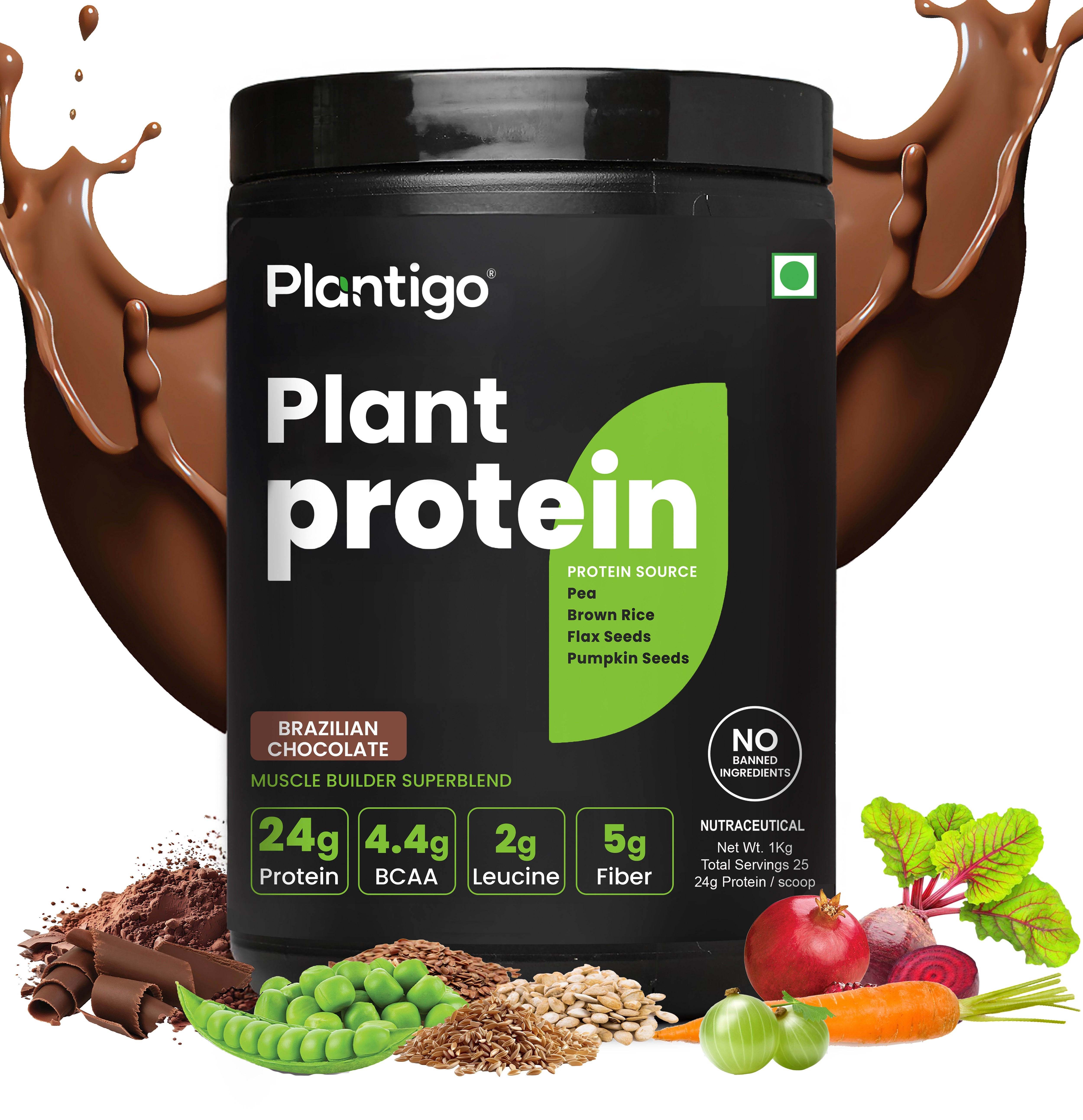
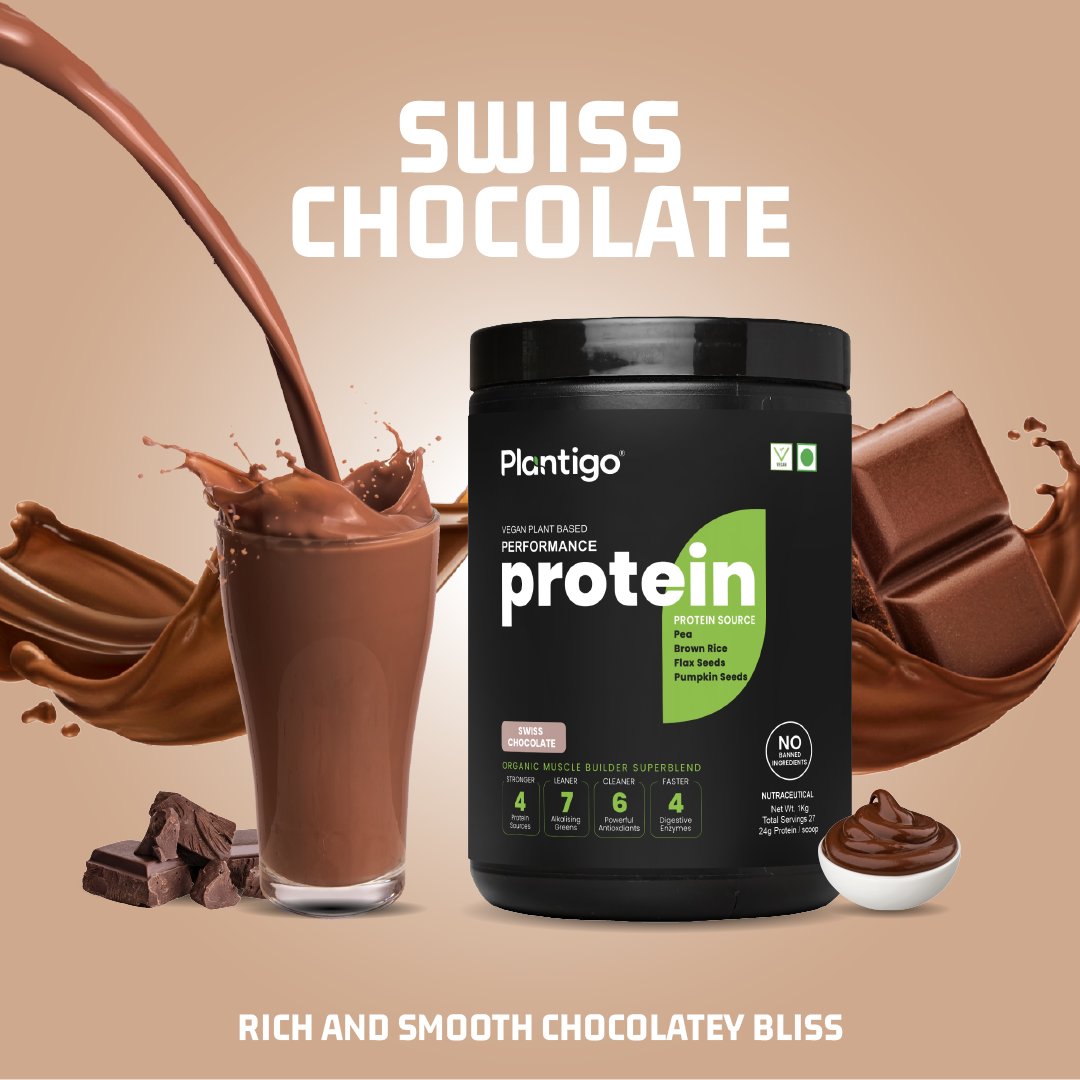
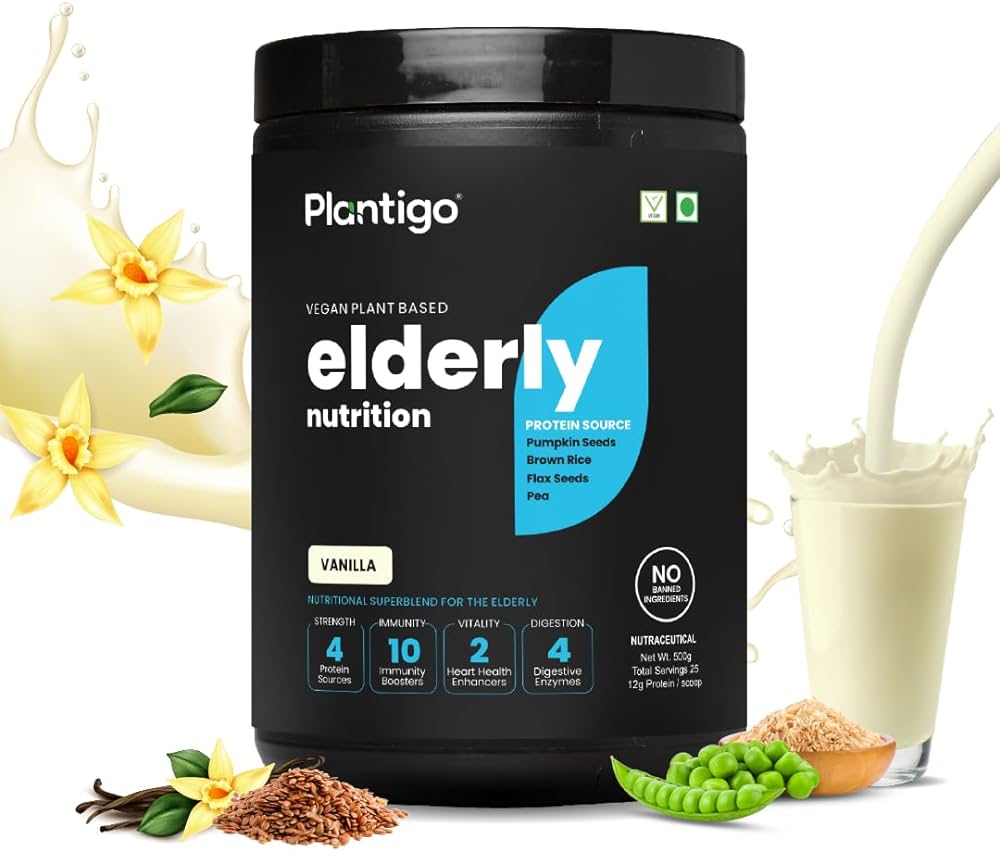
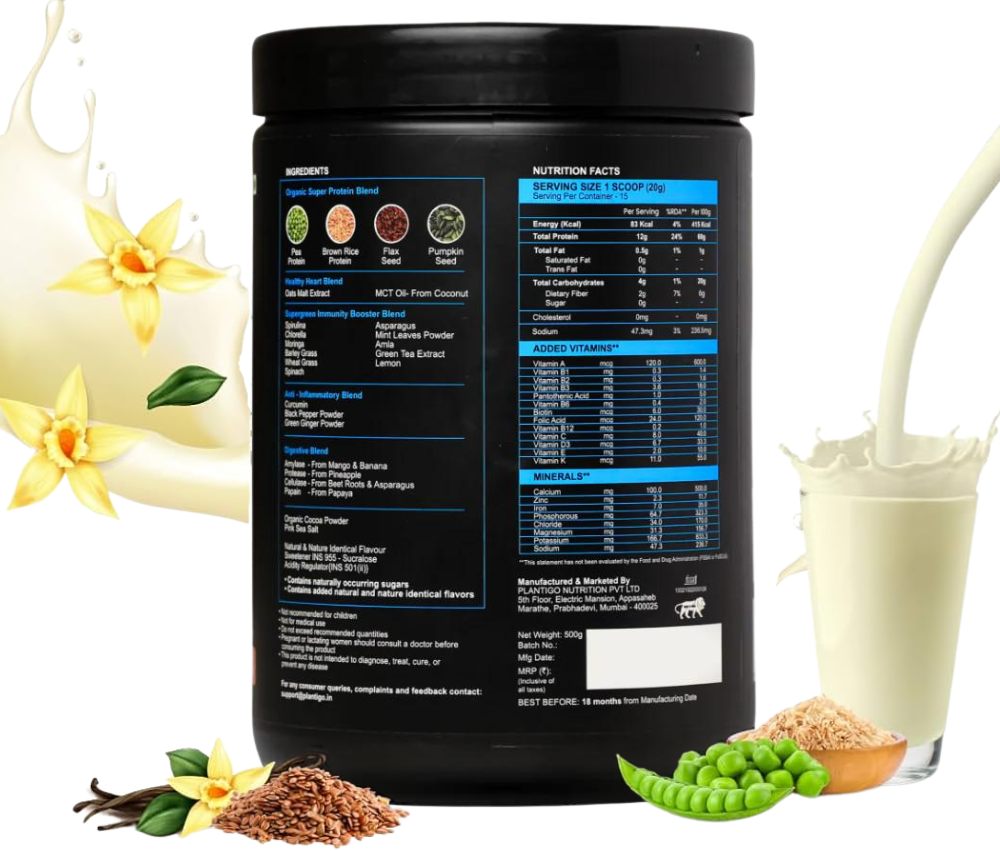
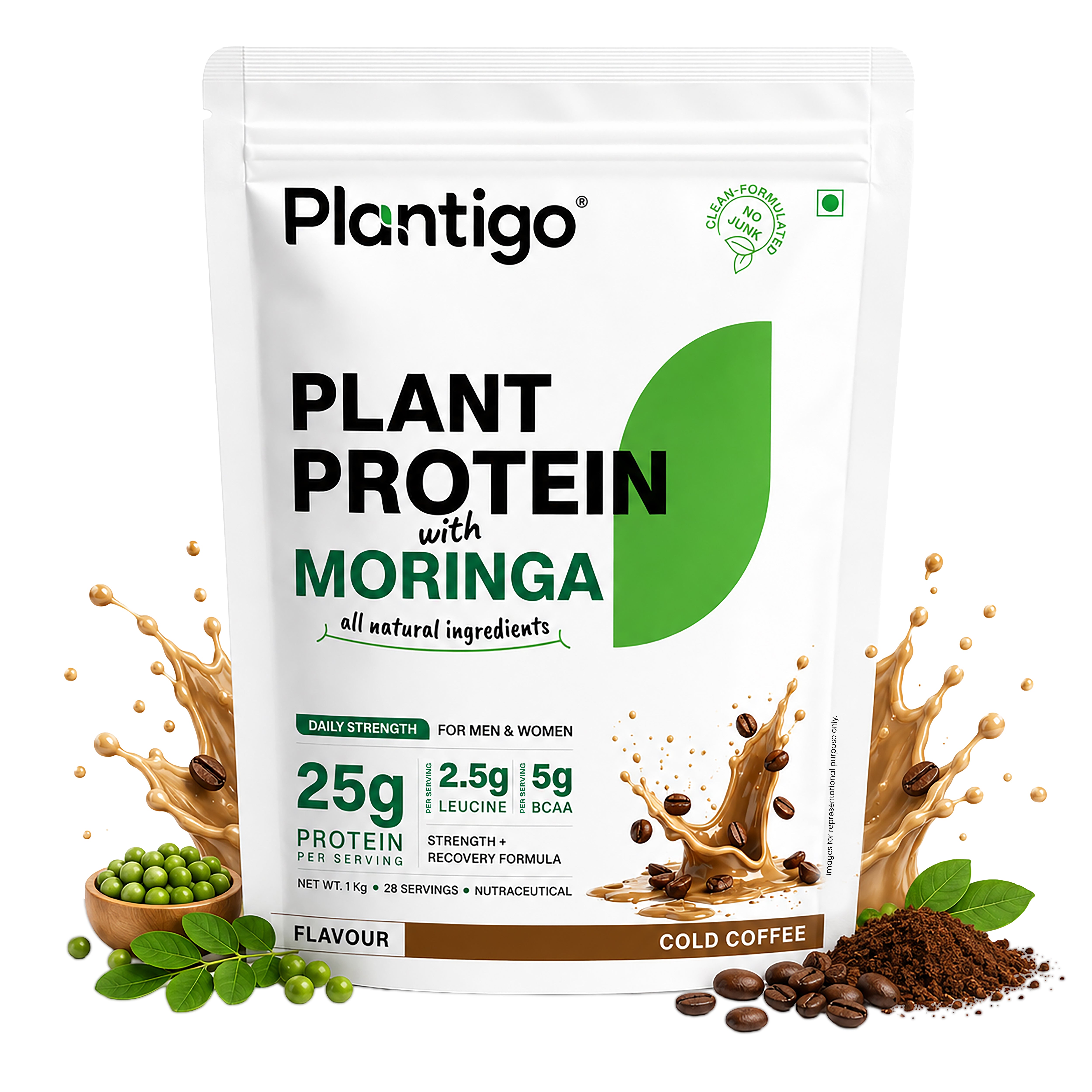
If paneer alone isn't closing your daily protein gap on a weight loss diet, Plantigo bridges it with a complete plant-based blend of Canadian Pea Isolate, Brown Rice, Pumpkin Seed, and Flaxseed — all 9 essential amino acids, zero Class 2 preservatives, Eurofins-tested, with a 30-day taste guarantee.View Plantigo Plant Protein
Benefits of Paneer for Weight Loss (When Eaten Right)

1. High Protein, High Satiety
18–20g complete protein per 100g — casein-dominant, slow-digesting, keeps you full for 4–5 hours.
-
Casein protein suppresses ghrelin (hunger hormone) longer than whey or plant protein per equivalent gram
-
50g paneer at lunch reduces afternoon snacking by 150–200 kcal on average
-
Complete amino acids preserve muscle during caloric deficit — preventing the skinny fat outcome
2. Low Carbohydrate
1.2–3g carbohydrates per 100g — one of the lowest-carb protein foods in an Indian kitchen.
-
No glycaemic impact — does not spike insulin or trigger fat storage
-
Safe for diabetics managing weight simultaneously — protein + low carb combination is ideal
-
Works in low-carb Indian meals: paneer bhurji, paneer salad, grilled paneer with vegetables
3. Calcium for Bone Health During Weight Loss
208mg calcium per 100g — important because caloric restriction reduces calcium absorption.
-
Bone density declines during weight loss without adequate calcium — paneer partially compensates
-
Calcium also activates fat cell lipolysis — clinical evidence suggests higher calcium intake supports fat loss
-
100g paneer covers ~21% of the 1,000mg daily calcium requirement
4. Where Paneer Works Against Weight Loss
At high quantities, paneer's calorie density and saturated fat become a liability.
-
200g full-fat paneer adds 530–600 kcal — more than a full meal's calorie allowance on most Indian weight loss diets
-
12–14g saturated fat per 100g exceeds the recommended 10% of total daily calories from saturated fat in a 1,500 kcal diet
-
Restaurant preparations (paneer tikka, butter paneer, paneer pakora) add 100–200 kcal per serving beyond the paneer itself
How Much Paneer Should You Eat for Weight Loss?
50–100g daily of low-fat paneer is the evidence-based weight loss amount — delivering 10–20g protein at 140–200 kcal from low-fat paneer, or 280–300 kcal from full-fat.
1. Who Benefits Most
-
Vegetarian Indians needing complete protein on a caloric deficit diet
-
Diabetics managing weight — paneer's low GI and high protein is directly useful
-
Women aged 35–55 managing weight alongside bone health needs
-
Anyone replacing high-carb snacks (biscuits, namkeen, bread) with paneer
2. Who Should Be Cautious
-
Those with high LDL cholesterol — 12–14g saturated fat per 100g may worsen lipid profile
-
Lactose-intolerant individuals — paneer contains residual lactose
-
People with kidney disease — paneer's phosphorus and potassium require monitoring
-
Anyone eating restaurant paneer regularly — portions are typically 150–200g with added oil/butter
How to Eat Paneer for Weight Loss — Indian Methods
1. Grilled or air-fried paneer: 100g paneer cubed, marinated in curd, jeera, and haldi, grilled or air-fried. Zero added oil. Protein: ~19g at ~280 kcal — the lowest calorie preparation method.
2. Paneer bhurji (no butter): Crumble 75g paneer into a pan with onion, tomato, and spices — no butter or oil needed if a non-stick pan is used. Protein: ~14g at ~210 kcal. For a dal pairing that adds lysine and fibre, see ourrajma protein guide.
3. Paneer in sabzi (reduced oil): Add 50g paneer to palak, methi, or mix vegetable sabzi. Cook the sabzi in 1 tsp oil only. Protein: ~10g from paneer + vegetable protein. Total: ~150 kcal from the paneer component.
4. Paneer as a snack: 50g raw paneer with chaat masala and lemon as a mid-morning snack — replaces biscuits or namkeen, saves 150–200 kcal, adds 10g complete protein. See ourprotein-rich Indian foods guide for more snack alternatives.
5. Low-fat paneer substitute: Make paneer at home from skimmed or toned milk — protein increases to 20–24g per 100g and calories drop to 140–160 kcal. This is the single most effective paneer modification for weight loss.
Paneer vs Other Weight Loss Protein Sources
1. Paneer vs Curd
Curd delivers 3–4g protein per 100g at 60–65 kcal — far lower calorie density than paneer. For weight loss, curd as a daily food and paneer as a protein anchor at one meal is the most practical combination. Read ourcurd protein guide for the full comparison.
Paneer advantage: 5–6x more protein per 100g — better as a meal anchor for weight loss.
2. Paneer vs Dal
Dal delivers 20–25g protein per 100g raw at far fewer calories and zero saturated fat. For pure weight loss efficiency, dal outperforms paneer. The best Indian weight loss diet uses both — dal for volume protein, paneer for satiety at one key meal. See ourchana protein guide for the most weight-loss-friendly dal.
Paneer advantage: More culturally versatile, stronger satiety per serving, complete amino acids without needing a grain pairing.
3. Paneer vs Plant Protein Supplement
A 25g serving of plant protein delivers 20–22g complete protein at ~120 kcal — versus paneer's 280–300 kcal for the same protein. For weight loss specifically, plant protein delivers better protein-to-calorie ratio than any paneer preparation. The supplement does not replace paneer's cultural role in Indian cooking — it closes the protein gap on days paneer alone is insufficient.
Supplement advantage: 2–2.5x fewer calories per gram of protein, zero saturated fat, consistent daily dosing.
The Bottom Line
Paneer is good for weight loss at 50–100g daily in low-fat preparations — its high protein, low carbohydrate, and strong satiety effect support a caloric deficit without muscle loss. Beyond 100g in full-fat form, the saturated fat and calorie density work against weight loss. The most effective Indian weight loss diet uses paneer as a protein anchor at one meal, dal as the primary protein source across other meals, and a clean plant protein supplement to close the remaining gap cleanly. Paneer is not a junk food — but restaurant portions are a problem, and homemade low-fat paneer is a different nutritional product from commercial full-fat blocks.
Frequently Asked Questions
1. Can I eat paneer while losing weight?
Yes — 50–100g of low-fat paneer daily supports weight loss through high protein and strong satiety. Avoid full-fat paneer above 100g and restaurant preparations that add 100–200 kcal of oil and butter on top.
2. What if I eat 50g paneer daily?
50g paneer delivers ~10g protein and ~140–150 kcal (low-fat) or ~145 kcal (full-fat cow milk). This is a useful daily weight loss amount — enough protein to aid satiety without a significant calorie cost.
3. Can I eat 200g paneer everyday?
Not recommended for weight loss — 200g full-fat paneer adds 530–600 kcal and 24–28g saturated fat daily. Low-fat paneer at 200g is more manageable at ~320 kcal but still high for a caloric deficit diet.
4. When to avoid paneer?
Avoid paneer in high-fat restaurant preparations (butter paneer, paneer pakora, paneer tikka with excess oil) and when total daily calories are already at target. Those with high LDL or kidney disease should limit consumption.
5. Is paneer a junk food?
No — paneer is a whole, minimally processed dairy food with 18–20g complete protein per 100g. It becomes problematic only when deep-fried, cooked in excess butter, or eaten in portions above 150g regularly.
External Sources
-
PMC —dairy health review
-
PMC —paneer composition
-
PMC —low-fat paneer study
Disclaimer: This article is for educational purposes only. If you have high cholesterol, kidney disease, lactose intolerance, or diabetes, consult your doctor or dietitian before making major dietary changes.