Mass gainers are among the most marketed supplements in Indian gyms — and among the least understood. Most Indian vegetarians buying them assume they are a safe, effective path to muscle and weight gain. The reality is more complicated: most commercial mass gainers are primarily maltodextrin and sugar with a small amount of protein — and the side effects that Indian users report most commonly are directly traceable to these ingredients. This article breaks down what is actually inside a mass gainer, what the side effects mean nutritionally, and why a growing number of Indian vegetarians are replacing them with clean plant protein as their primary supplement.
What Are Mass Gainers and What's Actually Inside Them?
Mass gainers are high-calorie supplements designed to create a caloric surplus for weight gain — typically delivering 500–1,200 kcal per serving. The problem is where those calories come from. A standard Indian market mass gainer serving (100g powder) typically contains:
|
Ingredient |
Typical Amount |
Problem |
|
Maltodextrin |
60–75g |
GI of ~110 — spikes blood glucose faster than table sugar, per amaltodextrin health review |
|
Added sugar |
10–20g |
Drives insulin resistance, fat gain rather than muscle gain |
|
Protein |
15–30g |
Often low-quality blend with undisclosed individual amounts |
|
Fat |
3–8g |
Often from cheap palm oil or vegetable shortening |
|
Class 2 preservatives |
Present in most |
Sodium benzoate, potassium sorbate — gut microbiome disruptors |
|
Artificial flavours/colours |
Present in most |
No nutritional value; potential allergen load |
The calorie split in a typical mass gainer is approximately 70–80% carbohydrates (primarily maltodextrin), 10–15% protein, and 5–10% fat. This is the inverse of what is needed for lean muscle gain — which requires adequate protein, adequate calories, and controlled carbohydrate quality.
Mass Gainer Side Effects — What Indian Users Actually Experience
1. Bloating and Digestive Discomfort
The most commonly reported side effect of mass gainers among Indian users is bloating — often severe enough to disrupt daily activity.
-
Maltodextrin disrupts gut microbiome by promoting E. coli adhesion to gut walls, per aPMC maltodextrin gut study
-
Lactose in whey-based mass gainers causes bloating in the 60–70% of South Asians who are lactose intolerant
-
Artificial sweeteners (sucralose, acesulfame-K) further disrupt gut bacteria — compounding the maltodextrin effect
-
High serving sizes (100–150g powder) overwhelm digestive enzyme capacity in one sitting
2. Blood Sugar Spikes and Fat Gain
Maltodextrin has a glycaemic index of approximately 110 — higher than glucose itself.
-
A single 100g mass gainer serving can deliver 65–75g of rapidly absorbed carbohydrates
-
This triggers a sharp insulin spike — driving calories into fat cells rather than muscle cells when training stimulus is insufficient
-
For Indian vegetarians with genetic predisposition to insulin resistance (higher among South Asians), this is a significant metabolic risk
-
Regular mass gainer use without adequate resistance training results in fat gain, not lean mass gain, per aPMC review on maltodextrin and metabolism
3. Kidney Stress
High protein load combined with high sugar creates a dual kidney stress that is particularly relevant for Indians.
-
Excess sugar metabolised to uric acid — a kidney stressor in populations already prone to hyperuricaemia
-
High protein in mass gainers (if consumed above daily requirement) increases GFR, stressing kidneys over time
-
Dehydration from high supplement use without adequate water compounds the effect
-
Indians with pre-diabetic or diabetic conditions face compounded risk from the maltodextrin component
4. Hormonal Disruption
Cheap mass gainers often contain soy protein concentrate — a lower-quality form with high phytoestrogen content at the quantities consumed.
-
Soy protein concentrate (not isolate) retains isoflavones at levels that may affect hormonal balance at high daily doses
-
Artificial sweeteners in mass gainers are associated with altered gut hormone signalling (GLP-1, ghrelin)
-
Disrupted gut microbiome from maltodextrin affects serotonin production — 90% of serotonin is produced in the gut
5. Dependency Without Results
The most insidious mass gainer side effect is the perception of progress without actual lean mass gain.
-
Weight gain from mass gainers is primarily fat and water — not muscle — without adequate training
-
Indian vegetarians who stop mass gainers after 3–6 months often find they have gained visceral fat, not muscle
-
The high calorie, high sugar formula creates appetite disruption — making it harder to eat real food for protein
Mass Gainer vs Plant Protein: Which Is Better for Indian Vegetarians?
|
# |
Parameter |
Mass Gainer |
Plant Protein (clean) |
Winner |
|
1 |
Primary ingredient |
Maltodextrin (GI ~110) |
Pea/Rice/Pumpkin blend |
Plant protein |
|
2 |
Protein per 100g |
15–25g |
75–85g |
Plant protein |
|
3 |
Added sugar |
10–20g per serving |
Zero |
Plant protein |
|
4 |
Calories per serving |
500–1,200 kcal |
100–130 kcal |
Depends on goal |
|
5 |
Bloating risk |
High (lactose + maltodextrin) |
Low (digestive enzymes) |
Plant protein |
|
6 |
Blood sugar impact |
High (GI ~110 base) |
Negligible |
Plant protein |
|
7 |
Lean muscle gain |
Poor (fat gain dominant) |
Good (protein-led) |
Plant protein |
|
8 |
Third-party tested |
Rarely |
Yes (clean brands) |
Plant protein |
|
9 |
Class 2 preservatives |
Usually present |
Zero (clean brands) |
Plant protein |
|
10 |
Suitable for vegetarians |
Check label |
Yes |
Plant protein |
One-line verdict: A mass gainer delivers calories — primarily from maltodextrin and sugar — with a small protein fraction. A clean plant protein supplement delivers protein-led calories that support lean muscle gain without the blood sugar disruption, bloating, or gut damage that mass gainer ingredients cause. For Indian vegetarians who want weight gain without fat accumulation, plant protein combined with calorie-dense whole foods is the superior approach. For the full whey vs plant comparison, see ourwhey vs plant protein guide.

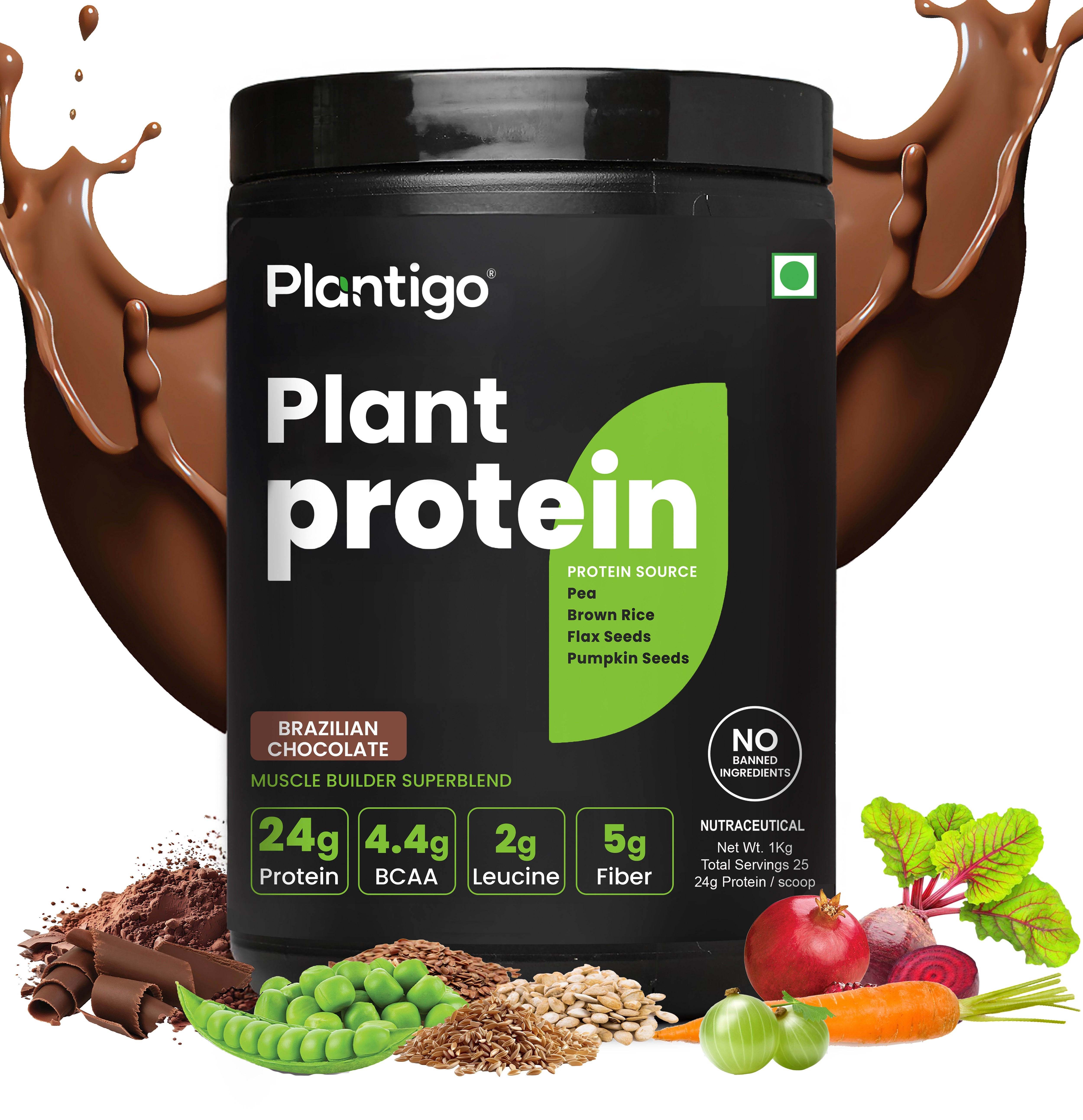
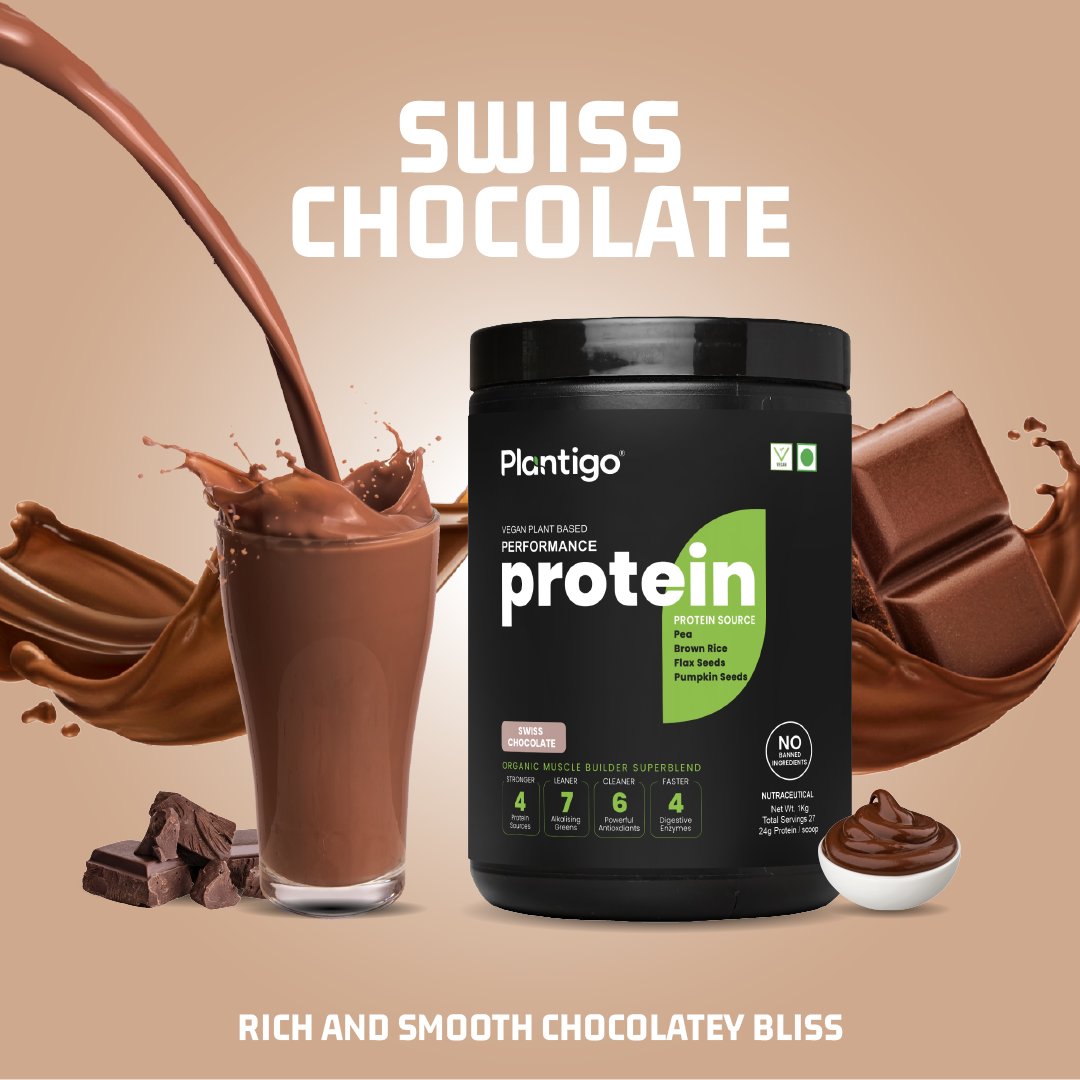
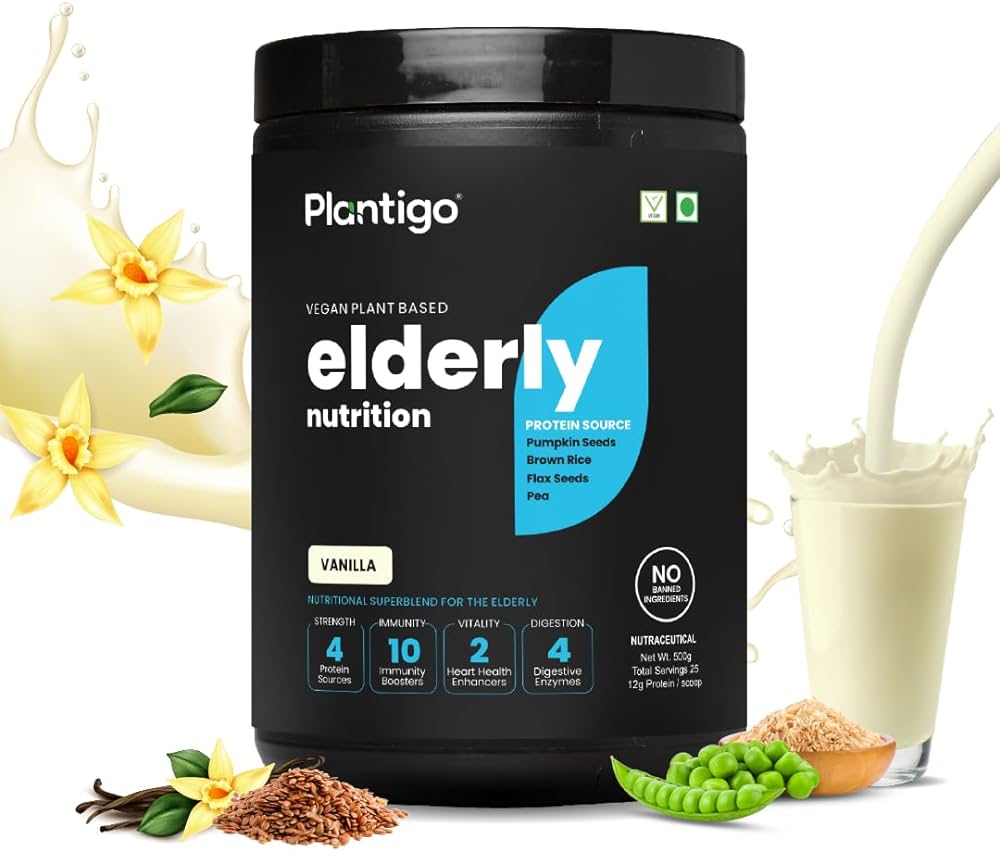
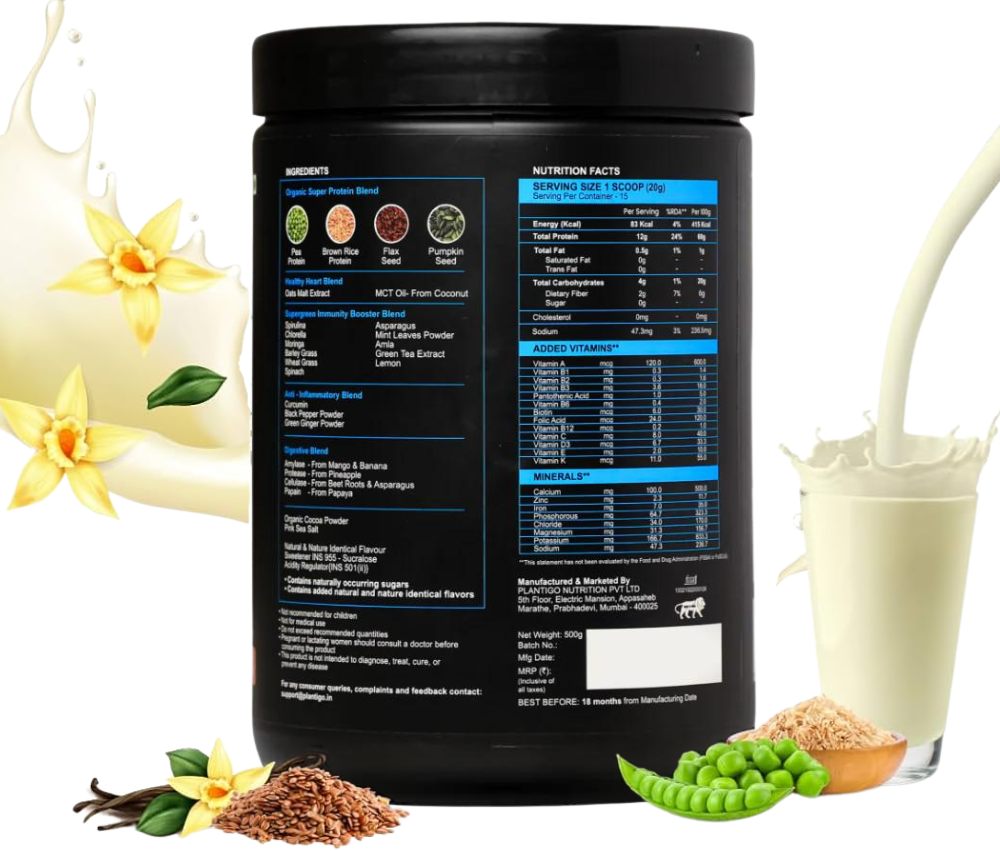
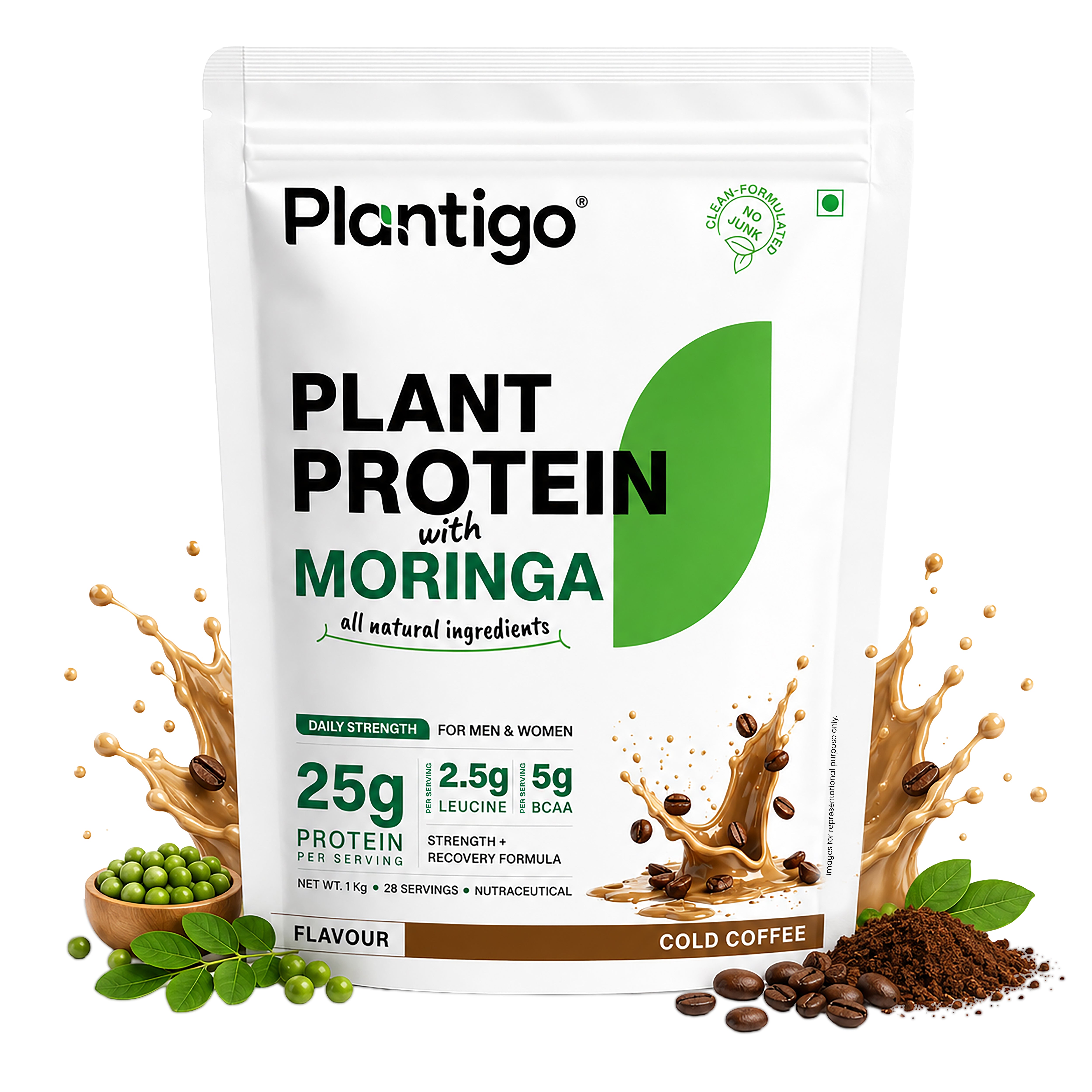
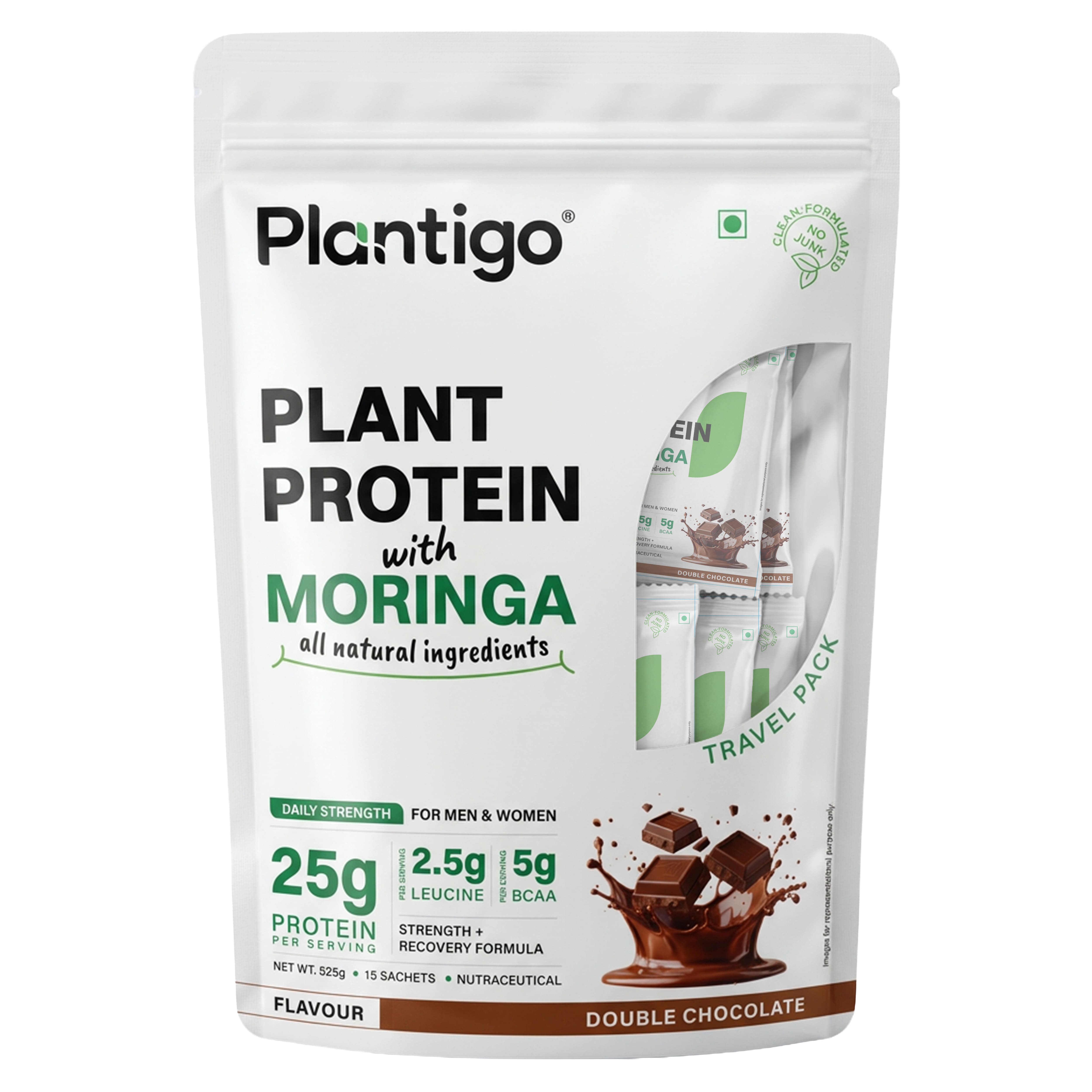
If you've been using a mass gainer and experiencing bloating, fat gain, or blood sugar issues, Plantigo bridges the gap with a complete plant-based blend of Canadian Pea Isolate, Brown Rice, Pumpkin Seed, and Flaxseed — all 9 essential amino acids, zero maltodextrin, zero Class 2 preservatives, Eurofins-tested, with a 30-day taste guarantee.View Plantigo Plant Protein
Why Indian Vegetarians Are Switching to Plant Protein

1. No Maltodextrin
Clean plant protein uses pea isolate, brown rice, and pumpkin seed — zero maltodextrin, zero blood sugar disruption.
-
GI impact is negligible — no insulin spike, no fat storage trigger
-
Suitable for diabetics, pre-diabetics, and anyone managing blood sugar
-
Calories come from protein and minimal fat — not refined starch
2. No Bloating
Plant protein with digestive enzymes (bromelain, papain from real fruit) is digested efficiently without the gut disruption of mass gainers.
-
No lactose — relevant for 60–70% of South Asians with lactose intolerance
-
No artificial sweeteners — gut microbiome remains undisturbed
-
Smaller serving size (25g vs 100g) is far easier on digestive capacity
3. Lean Gain, Not Fat Gain
Protein-led supplementation supports lean muscle when combined with resistance training — without the fat accumulation from maltodextrin calories.
-
20–22g protein per serving triggers muscle protein synthesis at the leucine threshold
-
Caloric surplus for weight gain comes from whole food — dal, roti, nuts, banana — not from a powder
-
Result: lean mass gain rather than the soft, fat-dominant weight gain common with mass gainers
4. Cleaner Ingredients
Third-party tested, zero Class 2 preservatives, no artificial colours — a meaningful difference for daily long-term use.
-
Class 2 preservatives are associated with gut microbiome disruption and chronic inflammation over time
-
Third-party testing (Eurofins) verifies what is on the label is actually in the product
-
Short ingredient list — 6–8 ingredients vs mass gainer labels with 25–30 additives
How Indian Vegetarians Should Build Mass Without a Mass Gainer
The right approach for Indian vegetarian weight gain is food-first caloric surplus + protein supplement — not a mass gainer.
1. Caloric surplus from whole food:
-
Add 2 tbsp peanut butter to daily diet: +190 kcal, 8g protein
-
Add 1 banana + 30g almonds as a snack: +220 kcal, 6g protein
-
Increase roti from 2 to 3 at dinner: +75 kcal, 3g protein
-
Add 1 extra katori dal at lunch: +130 kcal, 8g protein
Total added: ~615 kcal, ~25g protein from food. See ourprotein-rich Indian foods guide for the full list.
2. Plant protein supplement (1–2 scoops daily):
-
1 scoop post-workout in water or milk: 20–22g protein, ~120 kcal
-
1 scoop morning in smoothie with banana: ~300 kcal total, 22g protein
3. Resistance training 3–4x per week: Without a muscle-building stimulus, all calories — from mass gainer or food — go to fat. The supplement works only when muscle is being stressed.
For the full high-protein Indian foods context, see ourchana protein guide andsoya chunks guide.
Mass Gainer vs Whole Food for Weight Gain
1. Mass Gainer vs Peanut Butter + Banana
100g peanut butter + 2 bananas = ~660 kcal, 28g protein, 8g fibre, healthy fats, zero maltodextrin. Better calorie quality, better satiety, better gut response than any mass gainer. See ourgroundnut protein guide for the full peanut nutrition case.
Whole food advantage: Real nutrients, no blood sugar spike, no bloating.
2. Mass Gainer vs Dal + Rice + Ghee
A full Indian meal of 2 cups rice + 1 katori dal + 1 tsp ghee delivers ~550–600 kcal, 18–22g protein, and fibre at zero additive cost. No maltodextrin, no artificial sweeteners, no gut disruption.
Whole food advantage: Culturally sustainable, complete micronutrient profile, better satiety.
3. Mass Gainer vs Plant Protein + Milk
1 scoop plant protein in 300ml full-fat milk = ~340 kcal, 30–32g protein. More protein, fewer calories, no maltodextrin, no bloating. For the full milk protein context, see ourprotein-rich foods guide.
Plant protein advantage: Higher protein-to-calorie ratio, zero gut disruption, clean ingredients.
The Bottom Line
Mass gainers cause bloating, blood sugar spikes, fat gain, and gut disruption primarily because their base ingredient — maltodextrin — has a GI of ~110 and disrupts gut microbiome function. For Indian vegetarians wanting lean mass gain, the superior approach is a clean plant protein supplement for protein delivery, combined with a caloric surplus from whole Indian foods. This builds lean muscle without the side effects that make most Indian mass gainer users quit within 3–6 months. Plantigo's plant-based blend replaces the protein fraction of any mass gainer with a clean, Eurofins-tested alternative — without the maltodextrin, without the sugar, and without the bloating.
Frequently Asked Questions
1. Is it safe to take mass gainer everyday?
No — daily mass gainer use drives fat gain, blood sugar spikes, and gut damage due to maltodextrin (GI ~110) and Class 2 preservatives. South Asians with insulin resistance face compounded risk.
2. Is mass weight gainer safe?
Most commercial mass gainers are unregulated, rarely third-party tested, and contain maltodextrin, added fructose, and artificial sweeteners. These have documented negative effects on gut health and blood sugar at daily quantities.
3. Can I gain 10kg in a month?
No — maximum natural lean muscle gain is 1–2kg per month with optimal training and nutrition. 10kg of scale weight gain in a month primarily represents fat and water retention.
4. Can I gain 5kg in 30 days?
5kg in 30 days is possible through fat and water gain — not lean muscle. A realistic lean mass target is 0.5–1kg per month through protein-adequate food and resistance training.
5. Is protein powder 100% safe?
Clean, third-party tested protein powder with zero added sugar, zero maltodextrin, and zero Class 2 preservatives is safe for daily use. Safety concerns apply to poorly formulated products — not to protein itself.
External Sources
Disclaimer: This article is for educational purposes only. If you have diabetes, kidney disease, or digestive conditions, consult your doctor or dietitian before using any supplement or making major dietary changes.