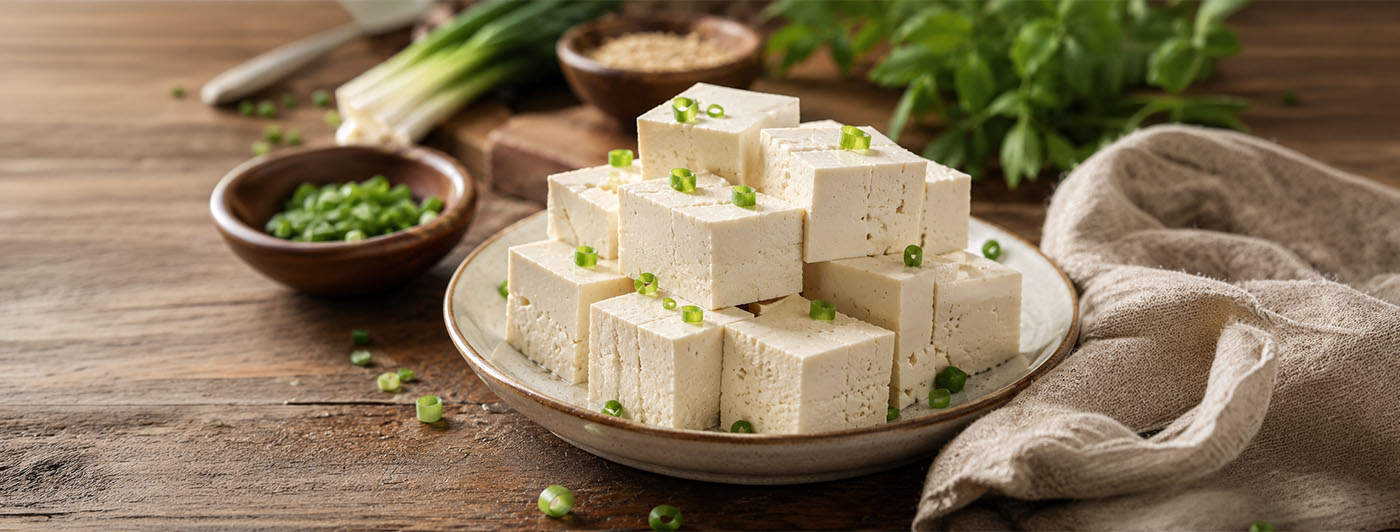
Tofu is becoming more common in Indian kitchens — available in most supermarkets, used in stir-fries and curries, and increasingly recommended by nutritionists as a plant-based paneer alternative. Yet most Indians are unclear on what tofu actually delivers nutritionally. The protein number varies significantly depending on whether you buy firm, soft, or silken tofu — and the comparison with paneer is more nuanced than most health content suggests. Understanding exactly what tofu provides per 100g tells you whether it earns a regular place in an Indian diet or is better used as an occasional substitute.
How Much Protein Does Tofu Contain per 100g?
Tofu contains 8–17g of protein per 100g depending on type — firm tofu delivers 15–17g, soft tofu 8–10g, and silken tofu 5–6g — making it a complete plant protein with all 9 essential amino acids and a digestibility of 92–98%, according to atofu protein quality review. For comparison, paneer contains 18–20g protein per 100g and soya chunks deliver 52g per 100g dry. Tofu's advantage over paneer is not protein density — paneer leads — but its significantly lower saturated fat (1.5g vs 5–6g per 100g), dairy-free profile, and isoflavone content that supports heart and hormonal health.
Complete Nutritional Breakdown: Tofu per 100g
1. Macronutrient Profile by Tofu Type
|
Nutrient |
Firm Tofu (per 100g) |
Soft Tofu (per 100g) |
Silken Tofu (per 100g) |
Paneer (per 100g) |
|
Protein (g) |
15–17g |
8–10g |
5–6g |
18–20g |
|
Fat (g) |
4–5g |
2–3g |
2g |
20–25g |
|
Saturated Fat (g) |
0.7–1g |
0.5g |
0.3g |
12–14g |
|
Carbohydrates (g) |
1.5–2g |
2g |
2g |
1.2–3g |
|
Calcium (mg) |
350mg* |
150mg |
30mg |
208mg |
|
Calories (kcal) |
76–144 |
55–70 |
40–55 |
265–300 |
*Calcium-set tofu (nigari or calcium sulphate coagulant) — most Indian commercial tofu uses this method.
Source: USDA FoodData Central; PMC tofu processing review
2. Micronutrient Profile — Where Tofu Stands Out
|
Micronutrient |
Firm Tofu (per 100g) |
Paneer (per 100g) |
Why It Matters |
|
Calcium (mg) |
350mg |
208mg |
Tofu (calcium-set) beats paneer on bone health |
|
Iron (mg) |
2.7mg |
0.2mg |
Tofu is a meaningful plant iron source |
|
Magnesium (mg) |
37mg |
12mg |
Tofu leads — supports muscle function |
|
Isoflavones (mg) |
~25mg per 100g |
None |
Tofu unique — cardiovascular and hormonal benefits |
|
Saturated Fat (g) |
0.7–1g |
12–14g |
Tofu dramatically lower — heart-safe |
|
Cholesterol (mg) |
0mg |
70–80mg |
Tofu is cholesterol-free |
Tofu's isoflavone content — approximately 25mg per 100g serving — is its most nutritionally distinctive feature. Isoflavones are phytoestrogens associated with reduced LDL cholesterol, improved arterial flexibility, and alleviated menopausal symptoms, as confirmed in asoy and heart health.
3. Protein by Serving Size — What Indians Actually Eat
|
Tofu Serving |
Typical Indian Use |
Protein |
|
100g firm tofu |
Main dish portion |
15–17g |
|
150g firm tofu |
Full meal serving |
22–25g |
|
50g soft tofu |
Side dish / curry |
4–5g |
|
100g silken tofu |
Smoothie / dessert |
5–6g |
|
Tofu bhurji (100g tofu) |
Breakfast scramble |
~15g |
|
Tofu tikka (80g) |
Starter / snack |
~12g |
|
Tofu curry (100g in gravy) |
Main course |
~15g |
At a 100g serving of firm tofu, Indians get 15–17g complete protein — approaching paneer's 18–20g at less than one-fifth the saturated fat. For lactose-intolerant Indians or those managing cholesterol, this is the most practical daily protein swap.
Tofu vs Paneer vs Other Protein Sources: Which Is Better?
|
# |
Parameter |
Firm Tofu (100g) |
Paneer (100g) |
Soya Chunks (100g dry) |
Eggs (2 whole) |
Winner |
|
1 |
Protein |
15–17g |
18–20g |
52g |
12g |
Soya chunks |
|
2 |
Saturated fat |
0.7–1g |
12–14g |
0.5g |
3.3g |
Tofu / Soya |
|
3 |
Cholesterol |
0mg |
70–80mg |
0mg |
372mg |
Tofu / Soya |
|
4 |
Calcium |
350mg |
208mg |
350mg |
56mg |
Tofu / Soya |
|
5 |
Complete amino acids |
Yes |
Yes |
Yes |
Yes |
Draw |
|
6 |
Dairy-free |
Yes |
No |
Yes |
No |
Tofu / Soya |
|
7 |
Isoflavones |
Yes (~25mg) |
No |
Yes (~50mg) |
No |
Tofu / Soya |
|
8 |
Calories per 100g |
76–144 |
265–300 |
345 |
143 |
Tofu |
|
9 |
Indian kitchen versatility |
Good (bhurji, tikka, curry) |
Excellent |
Good (curry, dry) |
Excellent |
Paneer / Eggs |
One-line verdict: Tofu does not beat paneer on protein — paneer leads by 2–4g per 100g. Tofu wins decisively on saturated fat, cholesterol, calories, and isoflavone content — making it the stronger choice for Indians managing heart disease, high cholesterol, or lactose intolerance. For the full paneer nutrition picture, read oursoya chunks vs paneer comparison.

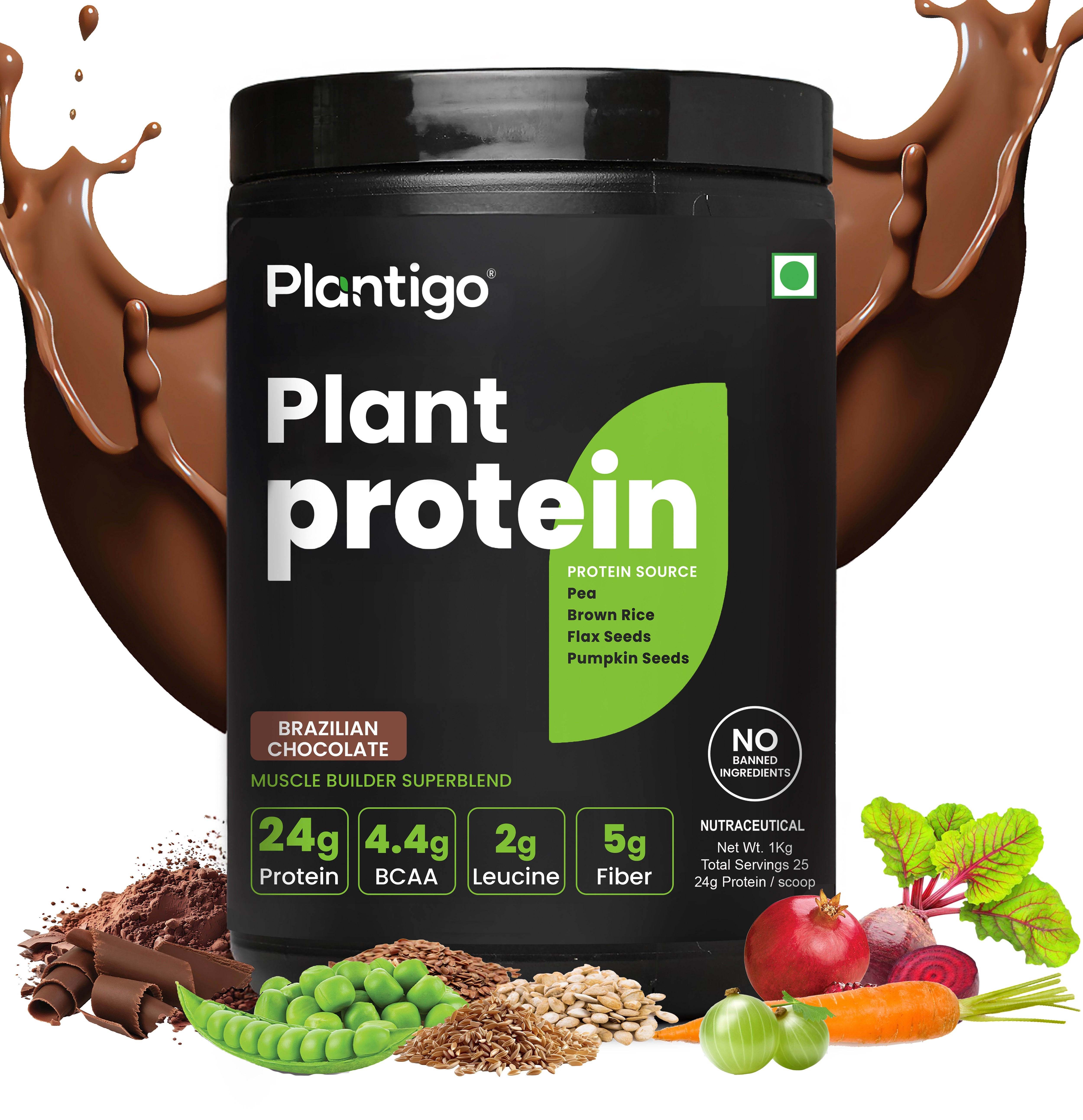
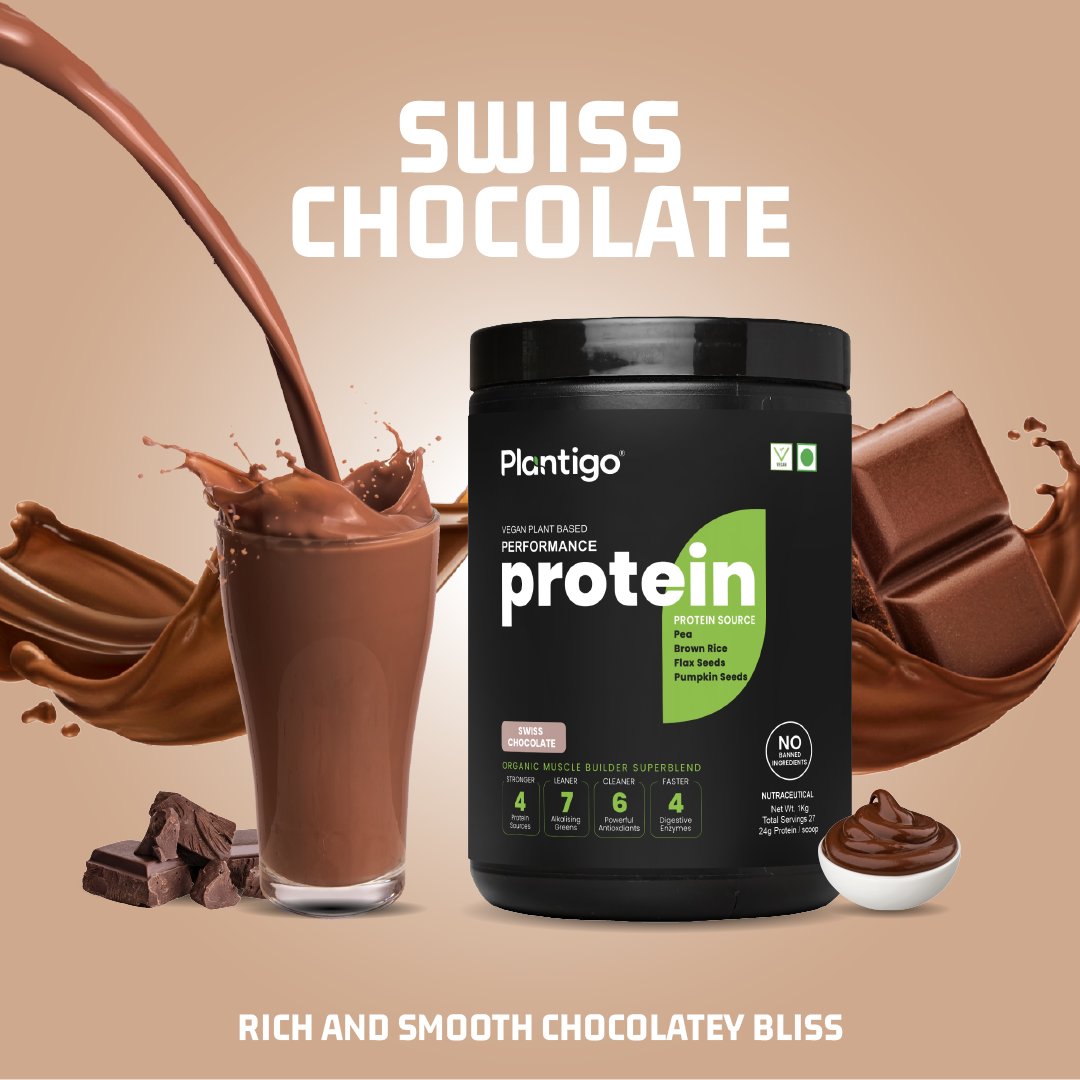
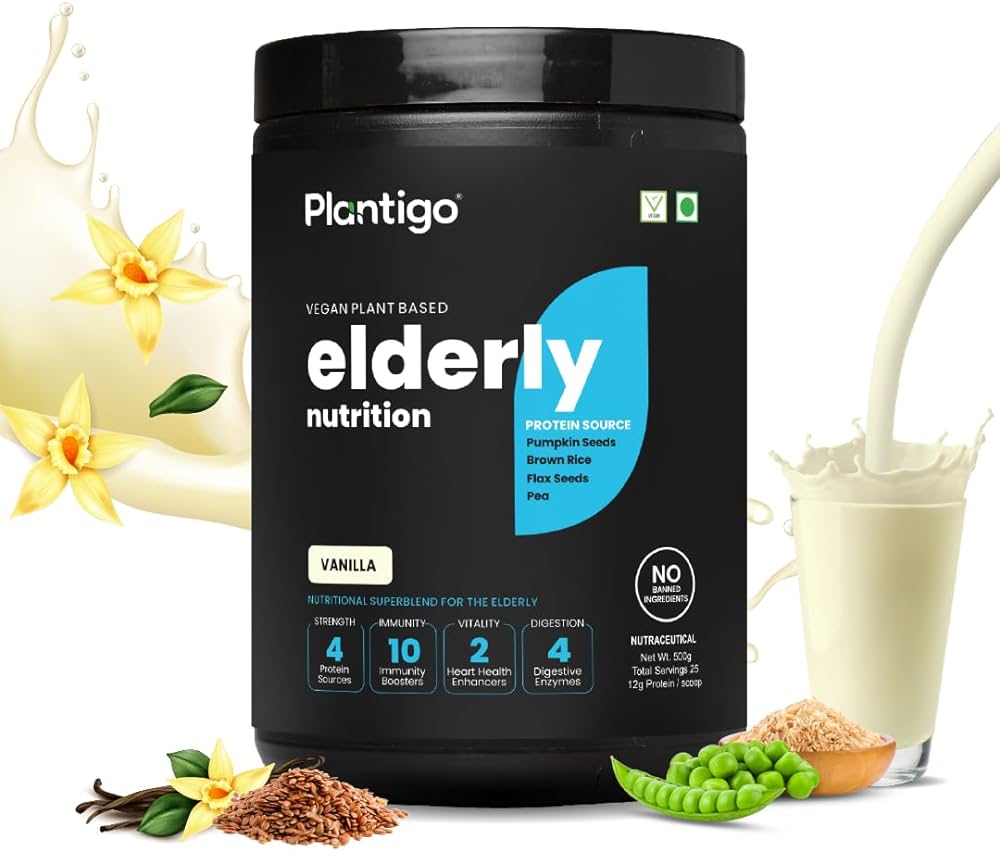
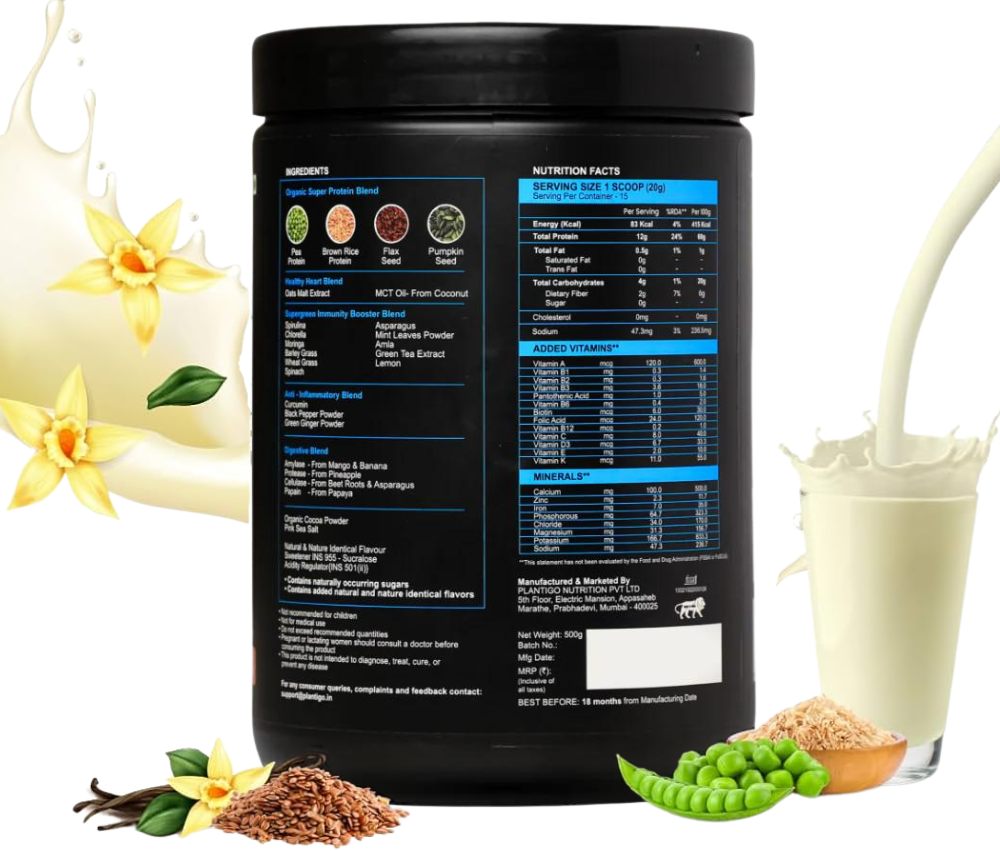
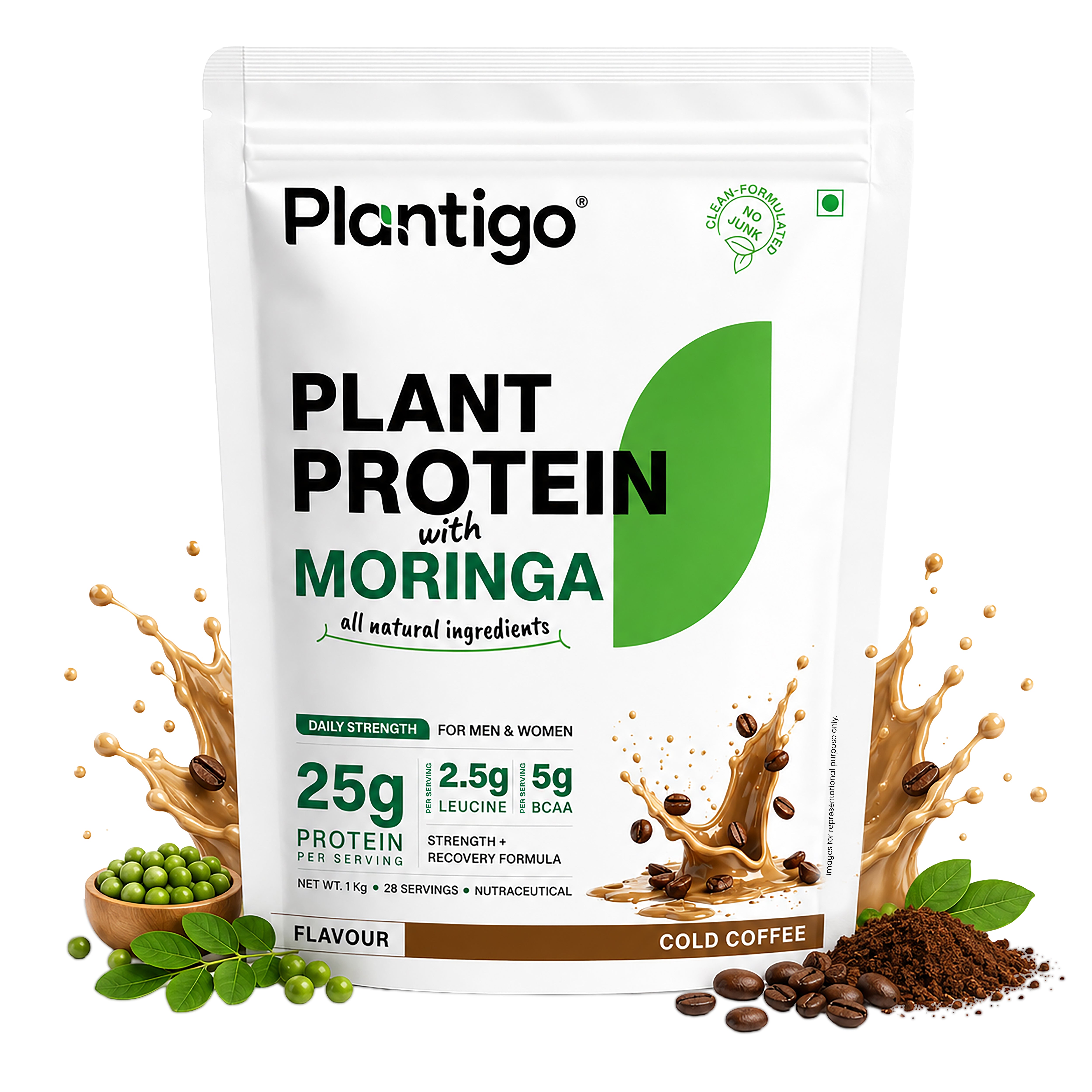
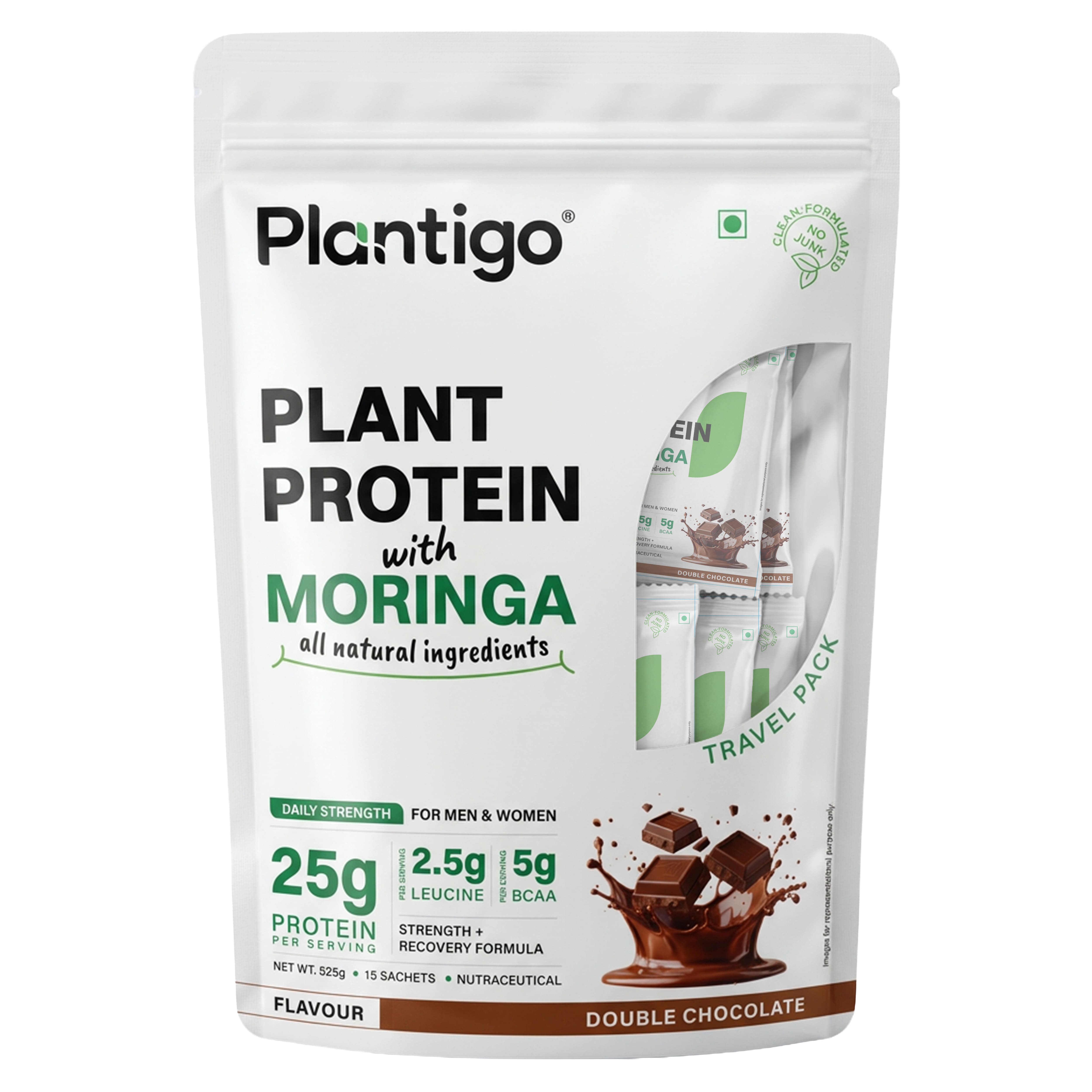
If tofu alone isn't closing your daily protein gap, Plantigo bridges it with a complete plant-based blend of Canadian Pea Isolate, Brown Rice, Pumpkin Seed, and Flaxseed — all 9 essential amino acids, zero Class 2 preservatives, Eurofins-tested, with a 30-day taste guarantee.View Plantigo Plant Protein
Benefits of Tofu for Indians

1. Heart Health
Tofu is cholesterol-free with only 0.7–1g saturated fat per 100g — directly relevant for India's 54 million heart disease patients.
-
25g soy protein daily (approximately 150g firm tofu) is associated with reduced LDL cholesterol per FDA health claim
-
Isoflavones reduce blood vessel inflammation and improve arterial elasticity
-
Replacing paneer with tofu in one daily meal reduces saturated fat intake by 10–12g
2. Complete Plant Protein
Tofu provides all 9 essential amino acids with 92–98% digestibility — one of the highest digestibility scores among plant foods.
-
Digestibility approaches animal protein levels — more bioavailable than most legumes
-
Lysine content is adequate — filling the gap left by rice and roti without needing dal pairing
-
150g firm tofu covers 25–30g protein — a meaningful contribution to daily requirements for a 60kg adult
3. Bone Health
Calcium-set tofu contains 350mg calcium per 100g — 68% more than paneer and 3x more than cow's milk per equivalent serving.
-
Isoflavones in tofu also reduce bone resorption — doubly protective for post-menopausal Indian women
-
Iron content (2.7mg/100g) supports haemoglobin synthesis alongside bone health
-
Particularly valuable for lactose-intolerant Indians who cannot rely on dairy for calcium
4. Hormonal and Menopausal Support
Tofu's ~25mg isoflavones per 100g act as mild phytoestrogens — relevant for Indian women in perimenopause and post-menopause.
-
Isoflavone consumption is associated with reduced hot flash frequency in menopausal women
-
Safe at normal dietary quantities (100–200g tofu daily) — concerns about phytoestrogens apply only to isolated supplements at high doses
-
Not contraindicated for breast cancer survivors at food quantities per current evidence
5. Weight Management
At 76–144 kcal per 100g (vs paneer's 265–300 kcal), firm tofu is one of the lowest-calorie high-protein foods available.
-
Replacing 100g paneer with 100g tofu saves approximately 150–160 kcal per serving
-
High protein content relative to calories creates strong satiety per kcal consumed
-
Low carbohydrate content (1.5–2g per 100g) makes it suitable for low-carb Indian meal planning
How Much Tofu Should You Eat Per Day?
100–200g of firm tofu daily is appropriate for most Indian adults — delivering 15–34g protein, ~25–50mg isoflavones, and 350–700mg calcium at 76–290 kcal.
1. Who Benefits Most
-
Lactose-intolerant Indians replacing paneer as a daily protein source
-
Indians with high cholesterol or heart disease — tofu's fat profile is directly therapeutic
-
Post-menopausal women needing calcium, protein, and isoflavones simultaneously
-
Vegetarian athletes needing complete plant protein with low calorie overhead
2. Who Should Be Cautious
-
People with diagnosed hypothyroidism — soy isoflavones may interfere with thyroid hormone absorption if eaten within 4 hours of medication
-
Those with soy allergies — tofu is made entirely from soy
-
Men with existing hormonal imbalances — extremely high isoflavone intake (>150mg daily) may affect testosterone at population extremes; normal dietary amounts (25–50mg) are safe
-
Individuals with kidney disease — tofu's potassium (121mg/100g) requires moderation
How to Include Tofu in Your Indian Diet
1. Tofu bhurji: Crumble firm tofu into a pan with onion, tomato, turmeric, cumin, and coriander — identical method to egg bhurji. 100g tofu delivers ~15g protein at breakfast.
2. Tofu tikka: Marinate firm tofu cubes in curd (or coconut yogurt), chilli, ginger-garlic paste, and chaat masala. Grill or pan-fry. Protein: ~15g per 100g tofu. Works as a high-protein starter or tiffin.
3. Tofu curry (palak or makhani): Substitute tofu directly for paneer in palak paneer or butter paneer — same cooking method, fraction of the saturated fat. See ourrajma protein guide for a complete Indian protein meal plan.
4. Tofu smoothie (silken): Blend 100g silken tofu with banana, almond milk, and 1 scoop plant protein. Silken tofu adds creaminess without taste. Total protein: ~20–22g.
5. Tofu + dal pairing: Tofu provides lysine-complete protein; dal provides additional lysine and folate — pairing creates a nutritionally redundant protein meal with no single-source limitation. See ourchana protein guide for the strongest legume pairings.
Tofu vs Other Indian Protein Sources
1. Tofu vs Paneer
Paneer leads on protein (18–20g vs 15–17g per 100g) but has 12–14g saturated fat vs tofu's 0.7–1g. For everyday Indian cooking, paneer remains more culturally embedded. For Indians with cardiovascular concerns, high cholesterol, or lactose intolerance, tofu is the clinically stronger choice at any frequency.
Tofu advantage: 10–13g less saturated fat, cholesterol-free, 68% more calcium, isoflavone protection.
2. Tofu vs Soya Chunks
Soya chunks deliver 52g protein per 100g dry — 3x tofu's 15–17g. Both are complete soy proteins. Soya chunks are more protein-dense but require longer preparation; tofu is ready to cook and more versatile across Indian dishes. For the full soya comparison, read oursoya chunks protein guide.
Tofu advantage: More versatile in Indian cooking, lower calorie density, easier to digest.
3. Tofu vs Plant Protein Supplement
A 25g serving of plant protein delivers 20–22g protein — comparable to 150g of firm tofu at a fraction of the calories and preparation time. Tofu is a whole food with micronutrient value beyond protein; a supplement is precision protein delivery without the broader nutritional matrix.
Supplement advantage: Higher protein per gram, complete amino acids from multi-source blend, no cooking required, consistent daily dose.
The Bottom Line
Tofu contains 15–17g protein per 100g (firm) — complete amino acids, 92–98% digestibility, cholesterol-free, and 68% more calcium than paneer at one-fifth the saturated fat. For Indians managing heart disease, lactose intolerance, or weight, tofu is a stronger daily choice than paneer on most metrics except protein density and cultural familiarity. Paired with a clean plant protein supplement, tofu becomes part of a complete daily protein strategy that covers both whole-food nutrition and the precise protein numbers an active Indian adult requires.
Frequently Asked Questions
1. How much protein is in 100g of tofu?
Firm tofu contains 15–17g protein per 100g — complete amino acids, 92–98% digestibility. Soft tofu delivers 8–10g and silken tofu 5–6g per 100g.
2. Can I eat 100g of tofu daily?
Yes — 100g firm tofu is safe and beneficial for most Indian adults daily. It delivers 15–17g protein, ~25mg isoflavones, and 350mg calcium at 76–144 kcal.
3. Which has more protein — 100g tofu or 100g paneer?
Paneer leads at 18–20g protein per 100g vs tofu's 15–17g. Tofu has far less saturated fat (0.7–1g vs 12–14g), is cholesterol-free, and has 68% more calcium.
4. Can heart patients eat tofu?
Yes — tofu is one of the best protein foods for heart patients. It is cholesterol-free, low in saturated fat, and its isoflavones reduce LDL cholesterol and improve arterial flexibility. The FDA authorises a health claim that 25g soy protein daily may reduce heart disease risk.
5. Who should not consume tofu?
People with soy allergies, diagnosed hypothyroidism (tofu may interfere with thyroid medication if eaten within 4 hours of dosing), and kidney disease (potassium restriction) should limit or avoid tofu. Men and women at normal dietary quantities have no hormonal risk from tofu's isoflavones.
External Sources
-
PMC —tofu protein quality
-
PMC —soy and heart health
Disclaimer: This article is for educational purposes only. If you have soy allergies, thyroid conditions, kidney disease, or are undergoing cancer treatment, consult your doctor or dietitian before making major dietary changes.