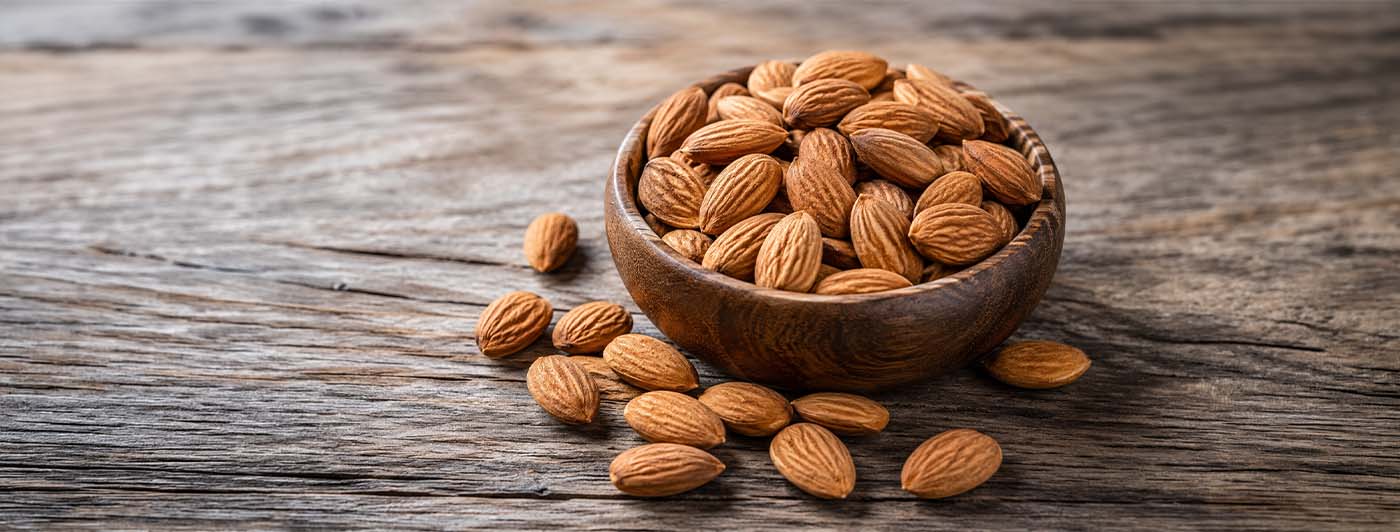
Almonds are one of the most consistent daily foods in Indian households — soaked overnight, eaten raw as a snack, or blended into milk. Most Indians eating almonds do so for memory, brain health, or general wellness. The protein story is less understood: at 21g per 100g, almonds are one of the highest-protein nuts available in any Indian kitchen. But at a typical Indian serving of 10 almonds (~14g), the protein per serving is modest. Understanding what almonds actually deliver — and at what quantity — tells you how to use them correctly in a daily Indian diet rather than overestimating or underestimating their contribution.
How Much Protein Do Almonds Contain per 100g?
Almonds contain 21g of protein per 100g — making them the highest-protein tree nut commonly available in India, ahead of cashews (18g), walnuts (15g), and pistachios (20g) — according toUSDA FoodData Central. Almond protein quality is moderate: lysine is the limiting amino acid, which means almonds are not a complete protein source alone, but pair well with legumes (dal, chana) that are rich in lysine to create amino acid complementarity, as confirmed in aPMC study on almond protein quality. For an Indian diet, almonds are best used as a daily protein contributor — not a primary protein source.
Complete Nutritional Breakdown: Almonds per 100g
1. Macronutrient Profile
|
Nutrient |
Almonds (per 100g) |
Cashews (per 100g) |
Walnuts (per 100g) |
Peanuts (per 100g) |
|
Protein (g) |
21g |
18g |
15g |
26g |
|
Fat (g) |
50g |
44g |
65g |
49g |
|
Carbohydrates (g) |
22g |
30g |
14g |
16g |
|
Fibre (g) |
12.5g |
3.3g |
6.7g |
8.5g |
|
Calories (kcal) |
579 |
553 |
654 |
567 |
Source: USDA FoodData Central
2. Micronutrient Profile — Where Almonds Win
|
Micronutrient |
Almonds (per 100g) |
Daily Requirement |
% Met by 100g |
|
Vitamin E (mg) |
25.6mg |
15mg |
171% |
|
Magnesium (mg) |
270mg |
400mg |
68% |
|
Calcium (mg) |
264mg |
1,000mg |
26% |
|
Iron (mg) |
3.7mg |
15mg (women) |
25% |
|
Phosphorus (mg) |
481mg |
700mg |
69% |
|
Zinc (mg) |
3.1mg |
11mg |
28% |
|
Riboflavin / B2 (mg) |
1.1mg |
1.3mg |
85% |
Almonds' most exceptional micronutrient is Vitamin E — 25.6mg per 100g covers 171% of daily requirements. For Indian vegetarians with limited dietary fat-soluble vitamin sources, almonds are one of the most accessible daily sources of this antioxidant vitamin.
3. Protein by Serving Size — What Indians Actually Eat
|
Almond Serving |
Typical Indian Use |
Protein |
|
10 almonds (~14g) |
Daily morning habit |
~3g |
|
5 soaked almonds (~7g) |
Child's daily serving |
~1.5g |
|
20 almonds (~28g) |
Active adult snack |
~5.9g |
|
30g (small handful) |
Post-workout snack |
~6.3g |
|
100g |
Full nutritional reference |
21g |
|
Almond milk (200ml) |
Dairy substitute |
~1.5g |
|
Almond butter (2 tbsp / 32g) |
Spread or smoothie |
~6.7g |
10 almonds deliver approximately 3g protein — a useful contribution but not a meaningful protein meal. For Indians eating almonds as their primary morning protein source, the numbers require pairing with other foods. A handful of 20–30 almonds alongside a protein-rich breakfast is the most practical daily use.
4. Raw vs Soaked vs Roasted — Does It Change the Protein?
|
Form |
Protein per 100g |
Key Difference |
|
Raw almonds |
21g |
Baseline — skin intact |
|
Soaked almonds (peeled) |
~21g |
Same protein; soaking improves digestibility by reducing tannins |
|
Roasted almonds (dry) |
~20g |
Minimal protein loss; slightly reduced due to moisture loss |
|
Roasted with oil/salt |
~20g |
Same protein; added calories from oil |
|
Almond flour (blanched) |
~24g |
Skin removed — slightly concentrated protein |
Soaking does not increase protein content but meaningfully improves bioavailability — tannins in the almond skin bind to protein and reduce absorption. Peeling after soaking is the traditional Indian practice and is nutritionally justified. Roasting at moderate temperatures does not significantly reduce protein.
Almonds vs Other Indian Nuts and Seeds: Which Is Better?
|
# |
Parameter |
Almonds |
Peanuts |
Cashews |
Walnuts |
Chia Seeds |
Winner |
|
1 |
Protein per 100g |
21g |
26g |
18g |
15g |
17g |
Peanuts |
|
2 |
Vitamin E |
25.6mg |
8.3mg |
0.9mg |
0.7mg |
0.5mg |
Almonds |
|
3 |
Calcium |
264mg |
92mg |
37mg |
98mg |
631mg |
Chia seeds |
|
4 |
Magnesium |
270mg |
168mg |
292mg |
158mg |
335mg |
Chia seeds |
|
5 |
Fibre |
12.5g |
8.5g |
3.3g |
6.7g |
34g |
Chia seeds |
|
6 |
Omega-3 |
Low |
Low |
Low |
High (ALA) |
High (ALA) |
Walnuts / Chia |
|
7 |
Cost (India) |
₹800–1,200/kg |
₹100–150/kg |
₹700–900/kg |
₹800–1,000/kg |
₹200–400/kg |
Peanuts |
|
8 |
Complete protein |
No (low lysine) |
Near-complete |
No |
No |
No |
Draw |
|
9 |
Indian kitchen use |
Snack, milk, sweet |
Snack, chutney, butter |
Curry, snack |
Brain food, salad |
Smoothie, water |
Almonds |
One-line verdict: Peanuts lead on protein and cost — 26g per 100g at one-tenth the price of almonds. Almonds lead on Vitamin E, calcium, and fibre, making them the most micronutrient-dense nut for daily Indian use despite not having the highest protein. For the full peanut comparison, read ourgroundnut vs peanut guide.

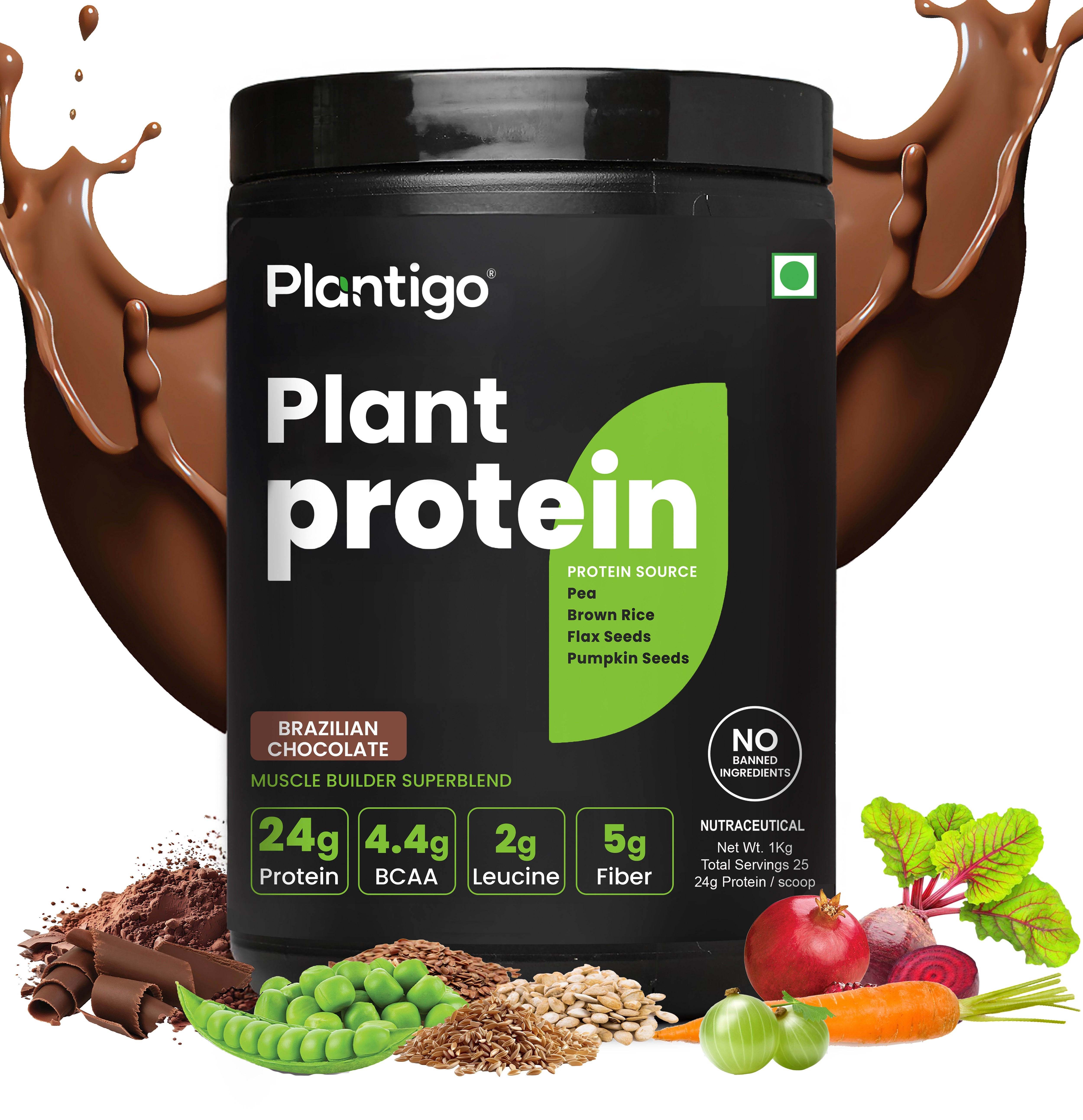
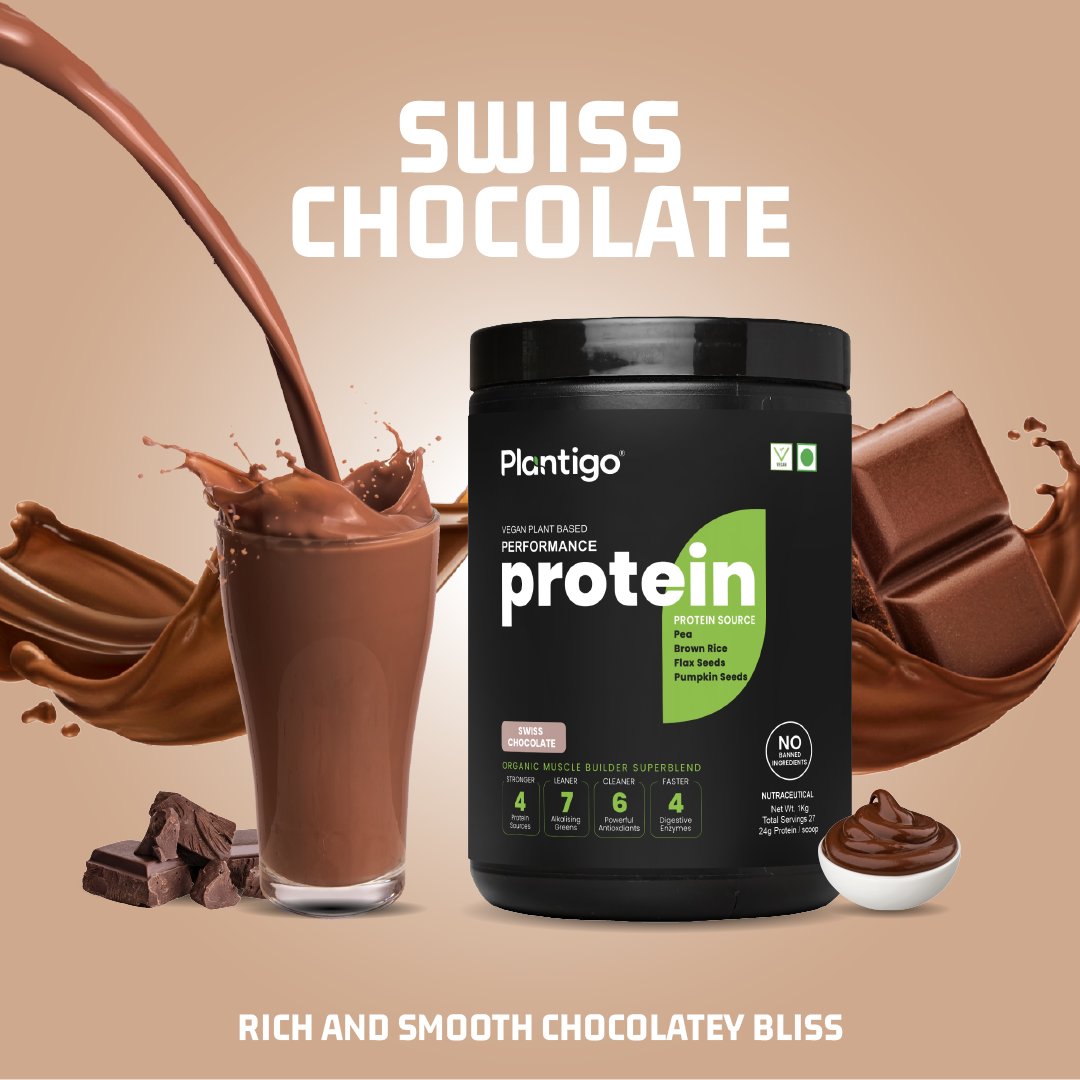
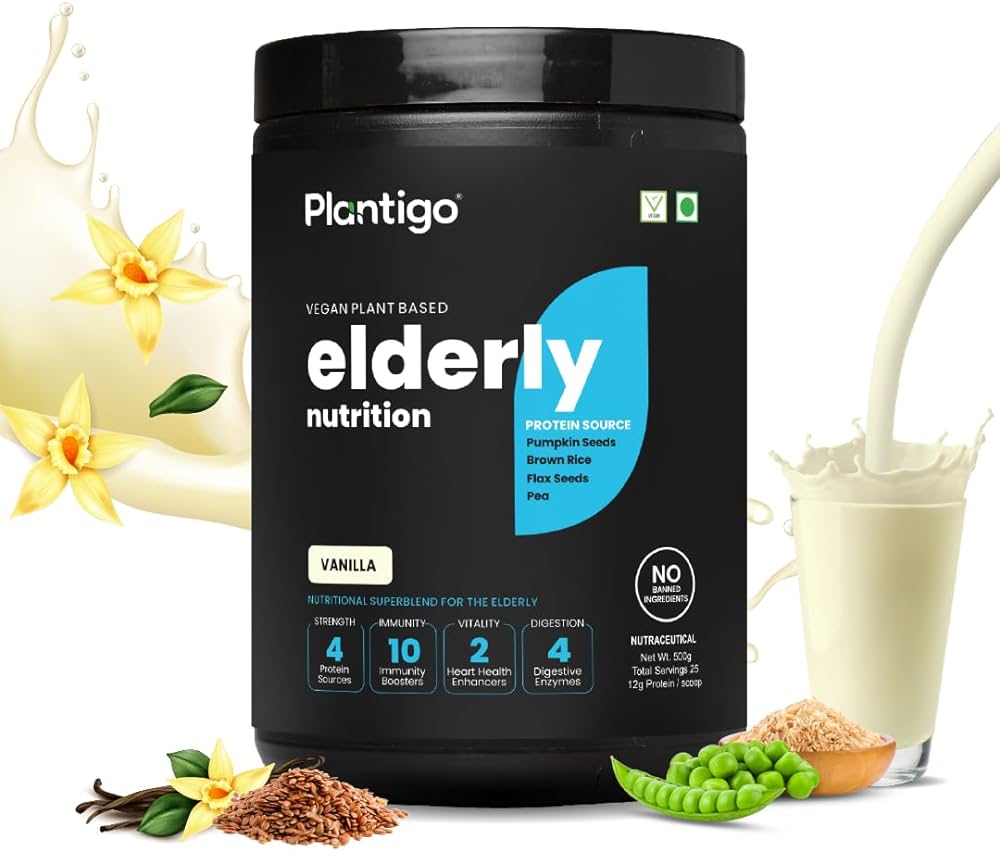
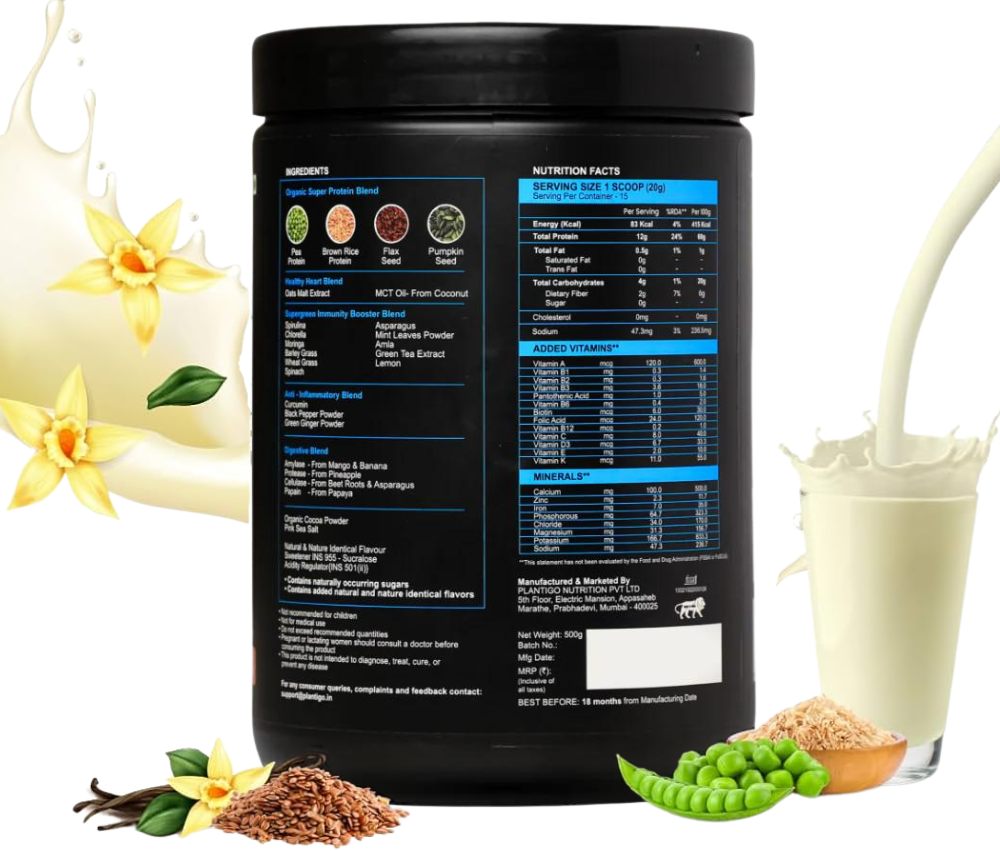
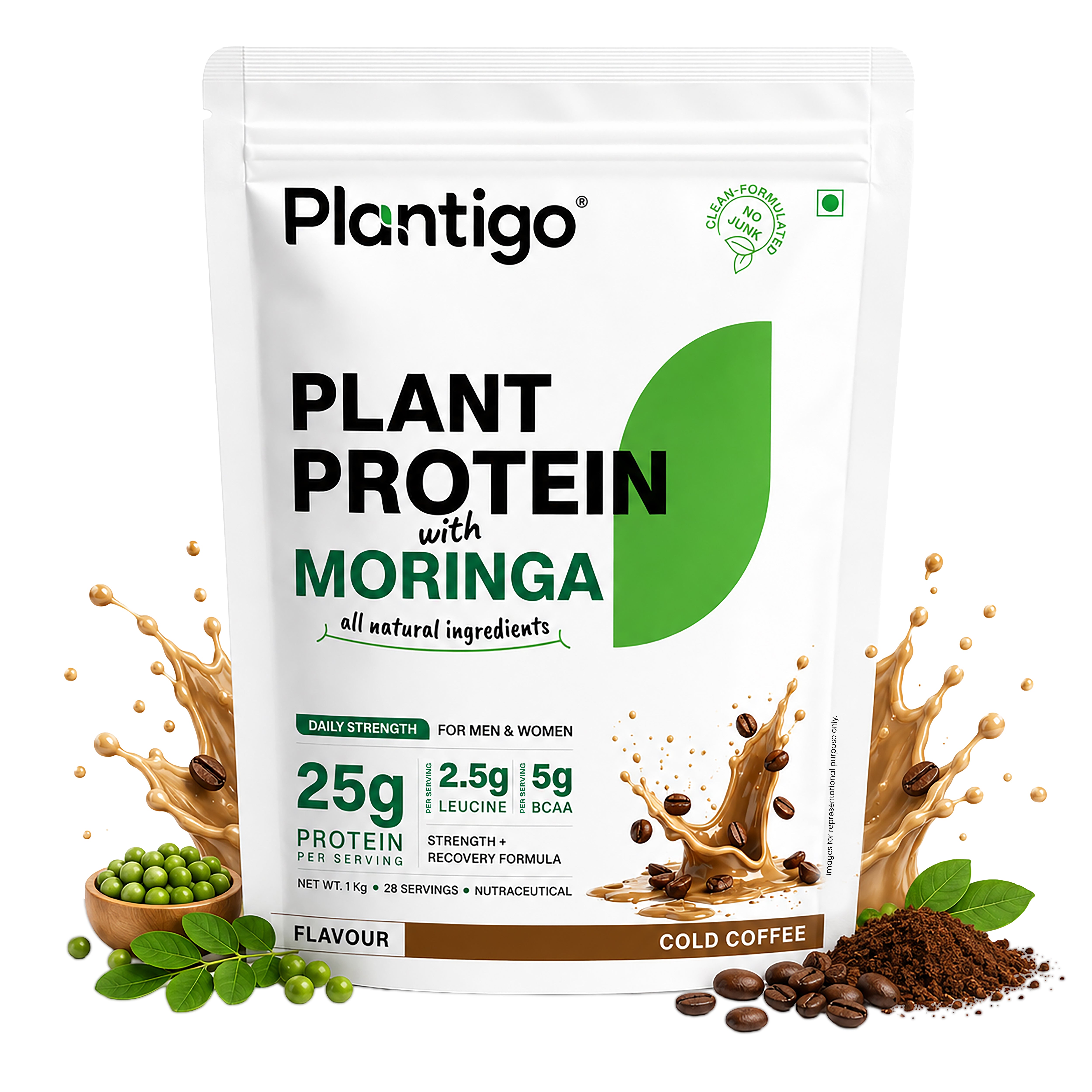
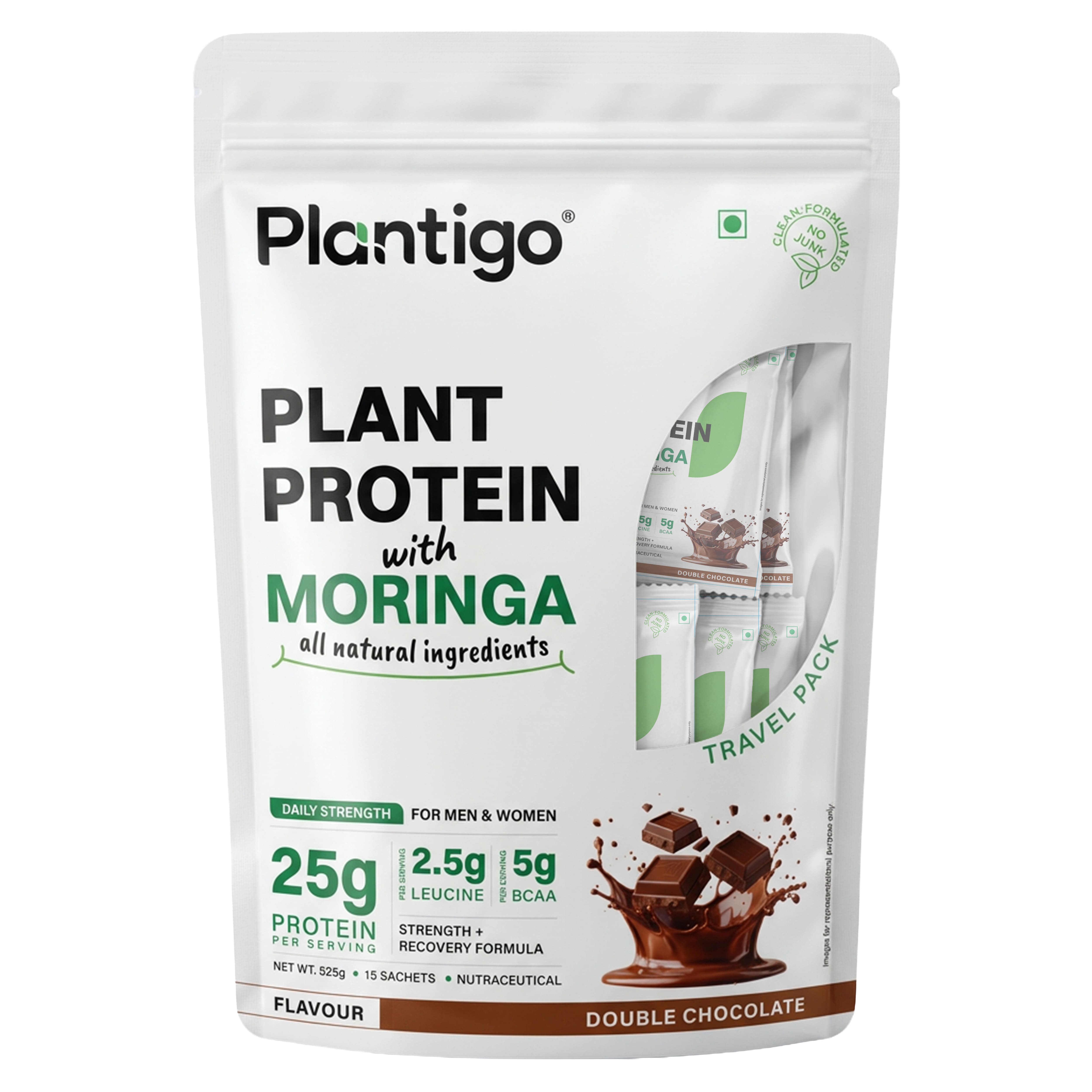
If almonds alone aren't closing your daily protein gap, Plantigo bridges it with a complete plant-based blend of Canadian Pea Isolate, Brown Rice, Pumpkin Seed, and Flaxseed — all 9 essential amino acids, zero Class 2 preservatives, Eurofins-tested, with a 30-day taste guarantee.View Plantigo Plant Protein
Benefits of Almonds for Indians

1. Vitamin E and Antioxidant Protection
At 25.6mg Vitamin E per 100g, almonds are the richest everyday source of this fat-soluble antioxidant in an Indian diet.
-
Vitamin E protects cell membranes from oxidative damage — relevant for Indian adults with high pollution exposure
-
20 almonds daily (28g) covers ~48% of daily Vitamin E requirements
-
Antioxidant activity supports skin health, cardiovascular protection, and immune function
2. Bone and Muscle Support
264mg calcium and 270mg magnesium per 100g — two minerals directly involved in bone mineralisation and muscle contraction.
-
30g almonds covers ~8% of daily calcium and ~20% of magnesium needs
-
Magnesium deficiency affects an estimated 60% of Indian adults — almonds are one of the most accessible corrective foods
-
Calcium without magnesium is poorly absorbed — almonds provide both simultaneously
3. Heart Health
50g fat per 100g sounds alarming but almonds' fat is predominantly monounsaturated (oleic acid) — the same fat profile as olive oil.
-
Regular almond consumption (28–42g daily) is associated with reduced LDL cholesterol in clinical trials
-
Arginine in almond protein supports nitric oxide production — improving arterial flexibility
-
Replacing fried Indian snacks (chips, namkeen) with 20 almonds reduces saturated fat intake by 8–10g per sitting
4. Weight Management
Despite high calorie density, almonds are associated with weight maintenance — not weight gain — at 20–30g daily.
-
Protein (21g/100g) + fibre (12.5g/100g) combination creates strong satiety per calorie consumed
-
Studies show 20% of almond calories are not fully absorbed due to the intact cell wall structure
-
Morning almond habit reduces mid-morning snacking by suppressing ghrelin for 3–4 hours
5. Brain and Cognitive Support
Almonds are the most culturally established "brain food" in India — and there is nutritional basis for it.
-
Vitamin E, riboflavin (B2), and L-carnitine in almonds are all associated with neurological function
-
Magnesium supports synaptic plasticity — the mechanism underlying learning and memory
-
Soaked almonds are easier to digest and have higher bioavailability of these micronutrients than raw
How Much Should You Eat Per Day?
20–30g daily (approximately 20 almonds) is the evidence-based daily amount — enough to deliver meaningful Vitamin E, magnesium, and protein without excessive calorie addition.
1. Who Benefits Most
-
Vegetarian Indians needing daily Vitamin E and magnesium from a whole food source
-
Active Indians using almonds as a pre or post-workout snack alongside a protein supplement
-
Women aged 30–55 managing bone density — calcium + magnesium combination is directly relevant
-
Children above 5 years — 5–10 soaked almonds daily as a micronutrient-dense snack
2. Who Should Be Cautious
-
People with tree nut allergies — almonds are a common allergen
-
Those with oxalate kidney stones — almonds are high in oxalates
-
Weight-loss individuals eating large uncontrolled quantities — at 579 kcal per 100g, portion discipline matters
-
Anyone with low thyroid function — very high almond intake may affect thyroid hormone synthesis
How to Include Almonds in Your Indian Diet
1. Morning soaked almonds: Soak 20 almonds overnight, peel and eat with breakfast. Delivers ~4.2g protein, ~54mg magnesium, ~56mg calcium alongside your morning meal.
2. Almond milk: Blend 30g soaked almonds with 300ml water, strain. Homemade almond milk delivers more protein and less additives than commercial versions. Add to chai or smoothies.
3. Pre-workout snack: 20–30 almonds + 1 banana 45 minutes before exercise. Total: ~5g protein + 27g natural carbohydrates for sustained energy. See ournatural pre-workout guide for more combinations.
4. Dal-almond pairing: Add 20g slivered almonds to dal tadka or khichdi. Dal's lysine compensates for almond's lysine limitation — creating a more complete protein meal. See ourchana protein guide for the strongest legume pairing.
5. Almond protein smoothie: Blend 30g almonds + 1 scoop plant protein + 200ml water or milk + banana. Total protein: ~25–27g. Complete amino acids from the plant protein supplement close the lysine gap that almonds alone leave open.
Almonds vs Other Indian Protein Sources
1. Almonds vs Peanuts
Peanuts deliver 26g protein per 100g — 24% more than almonds — at one-tenth the cost. For pure protein per rupee, peanuts win decisively. Almonds lead on Vitamin E (25.6mg vs 8.3mg), calcium (264mg vs 92mg), and fibre (12.5g vs 8.5g). Both are lysine-limited and benefit from pairing with dal. Read our fullgroundnut vs peanut breakdown.
Almond advantage: Vitamin E, calcium, fibre — micronutrient density not matched by peanuts.
2. Almonds vs Chia Seeds
Chia seeds deliver 17g protein per 100g with 34g fibre, 631mg calcium, and complete omega-3 coverage — making them stronger on several metrics than almonds. But chia is eaten in teaspoon quantities (5–10g); almonds in handful quantities (20–30g). The comparison is serving-size dependent. See ourchia seeds protein guide for the full breakdown.
Almond advantage: Higher Vitamin E, better cultural acceptability for daily Indian use, easier to eat as a standalone snack.
3. Almonds vs Plant Protein Supplement
A 25g serving of plant protein delivers 20–22g protein — equivalent to eating nearly 100g of almonds (approximately 70 almonds). Almonds and plant protein serve different functions: almonds are a micronutrient-dense whole food snack; plant protein is a precision protein-delivery tool for closing daily gaps.
Supplement advantage: 5–6x more protein per gram consumed, complete amino acids from multi-source blend, no calorie overhead from fat.
The Bottom Line
Almonds contain 21g protein per 100g — the highest among common Indian tree nuts, but modest at a typical daily serving of 10–20 almonds (3–4g). Their real nutritional strength for Indians is Vitamin E (171% of daily needs per 100g), magnesium, calcium, and fibre — not protein density. Use almonds as a daily micronutrient-dense snack alongside a protein-rich meal or supplement; pair with dal or legumes to compensate for their lysine limitation. For closing the daily protein gap that almonds cannot, a clean plant protein supplement is the practical complement.
Frequently Asked Questions
1. How much protein is in 10 almonds?
10 almonds weigh approximately 14g and contain ~3g protein. This is a useful daily contribution but not a significant protein serving — pair with dal, curd, or a protein supplement for a complete morning protein intake.
2. How much protein is in 5 soaked almonds?
5 soaked almonds (~7g) contain approximately 1.5g protein. Soaking does not change protein content but improves bioavailability by reducing tannins that inhibit protein absorption.
3. Is 20 almonds a day too much?
No — 20 almonds (~28g) is the evidence-based daily amount, delivering ~5.9g protein, ~48% of daily Vitamin E, and ~20% of daily magnesium at approximately 163 kcal. This is appropriate for most Indian adults.
4. Which nut has the most protein per 100g?
Peanuts lead at 26g per 100g, followed by almonds (21g), pistachios (20g), cashews (18g), and walnuts (15g). Among tree nuts specifically — excluding peanuts which are legumes — almonds have the highest protein per 100g.
5. What is poor man's protein?
Peanuts are commonly called India's "poor man's protein" — 26g protein per 100g at ₹100–150/kg, making them the most cost-effective protein source in any Indian kitchen. Dal (20–25g/100g raw) at similar cost is equally valid.
External Sources
-
USDA FoodData Central —almond nutrition data
Disclaimer: This article is for educational purposes only. If you have nut allergies, kidney disease, oxalate stones, or thyroid conditions, consult your doctor or dietitian before making major dietary changes.