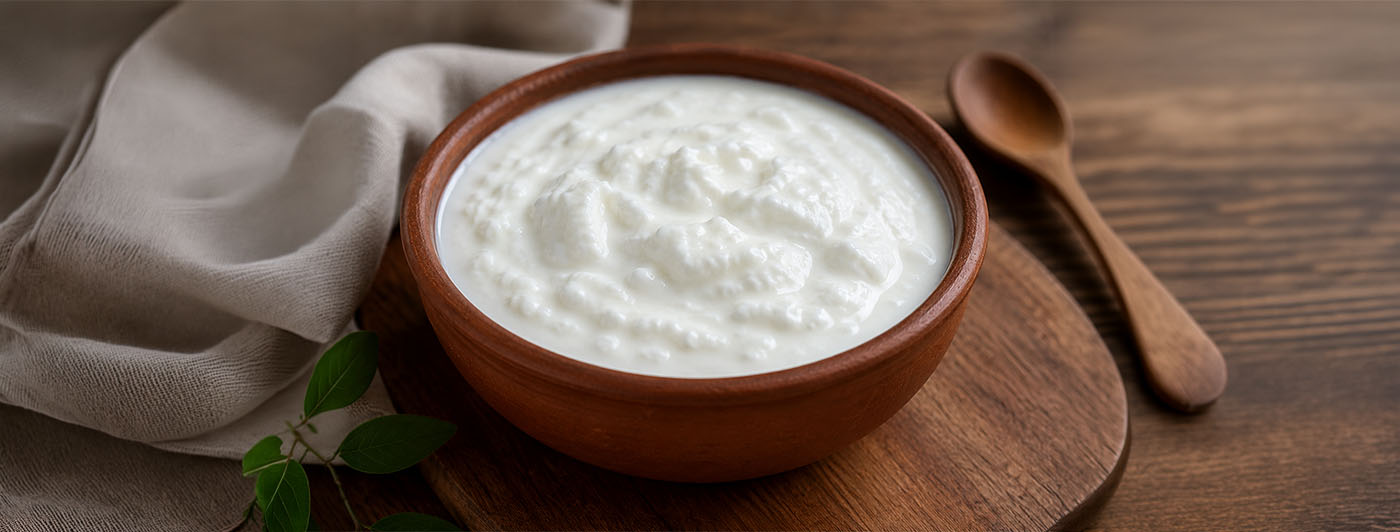
Curd is on almost every Indian table — with dal-rice at lunch, as a raita alongside roti, or plain as an evening snack. Most Indians assume it is a strong protein source simply because it is dairy. The actual number surprises people: curd is moderate at best on protein, and the way it is made — how long it ferments, whether it is full-fat or skimmed, homemade or commercial — changes that number meaningfully. Understanding exactly what curd delivers per 100g, how it stacks up against paneer, Greek yogurt, and plant protein, and where it falls short tells you how to use it correctly in a daily Indian diet.
How Much Protein Does Curd Contain per 100g?
Curd contains 3.1–3.5g of protein per 100g — lower than paneer (18–20g), higher than milk (3.2g per 100ml), and significantly lower than plant protein supplements (20–25g per serving) — according toICMR-NIN food tables. Full-fat homemade curd made from cow's milk sits at approximately 3.1g per 100g; skimmed milk curd reaches 3.5–4g per 100g as water content reduces during fermentation. Greek-style hung curd concentrates protein further to 6–8g per 100g by straining out whey. For an everyday Indian protein strategy, curd contributes — but cannot lead.
Complete Nutritional Breakdown: Curd per 100g
1. Macronutrient Profile
|
Nutrient |
Full-Fat Curd (per 100g) |
Skimmed Milk Curd (per 100g) |
Hung Curd (per 100g) |
|
Protein (g) |
3.1–3.5g |
3.5–4g |
6–8g |
|
Carbohydrates (g) |
4.7g |
5.1g |
3.5g |
|
Fat (g) |
4–4.5g |
0.5–1g |
5–6g |
|
Calcium (mg) |
121mg |
125mg |
150mg |
|
Calories (kcal) |
60–65 |
35–40 |
90–100 |
Source: ICMR-NIN Indian Food Composition Tables 2017
2. Protein by Serving Size — What Indians Actually Eat
|
Curd Serving |
Typical Indian Use |
Protein |
|
100g |
Small bowl alongside meal |
3.1–3.5g |
|
200g |
Standard lunch bowl / raita |
6.2–7g |
|
300g |
Large portion / post-workout |
9.3–10.5g |
|
1 tbsp (15g) |
Raita garnish / marinade |
~0.5g |
|
Hung curd 100g |
Dip, spread, smoothie base |
6–8g |
|
Lassi (200ml) |
Sweetened drink |
~6g (diluted) |
|
Chaas / buttermilk (200ml) |
Digestive drink |
~2g (very diluted) |
A standard 200g serving of curd — what most Indians eat at lunch — delivers 6–7g protein. That covers roughly 10–12% of a 70kg adult's daily requirement of 56g per ICMR 2020.
3. Amino Acid Profile of Curd Protein
Curd protein is complete — it contains all 9 essential amino acids because it is derived from milk (casein and whey). This makes it nutritionally superior to most single plant foods on amino acid completeness.
|
Amino Acid |
Curd |
Note |
|
Leucine |
Good |
Supports muscle protein synthesis |
|
Lysine |
Good |
Often limiting in plant foods — curd compensates |
|
Methionine |
Moderate |
Lower than egg; adequate for general health |
|
Tryptophan |
Moderate |
Serotonin precursor; supports sleep and mood |
|
Casein ratio |
~80% of total protein |
Slow-digesting — ideal for overnight muscle repair |
The casein-dominant profile of curd protein makes it effective for sustained amino acid delivery over 5–7 hours — particularly useful before sleep. For Indians pairing curd with plant foods low in lysine like roti or rice, curd's lysine compensates for the grain's gap. See our guide onlysine-rich foods for the full complementarity picture.
4. Full-Fat vs Skimmed vs Homemade vs Commercial
|
Type |
Protein per 100g |
Fat |
Best For |
|
Homemade full-fat (cow) |
3.1g |
4–4.5g |
Daily use, gut health |
|
Homemade full-fat (buffalo) |
3.8g |
6–7g |
Higher protein, richer taste |
|
Skimmed milk curd |
3.5–4g |
0.5–1g |
Lower calorie, weight management |
|
Commercial set curd |
3.0–3.3g |
3.5g |
Consistent but additive-dependent |
|
Hung curd (strained) |
6–8g |
5–6g |
Highest protein concentration |
|
Greek yogurt (imported) |
8–10g |
0–5g |
Highest among yogurt types |
Homemade buffalo milk curd is the most protein-dense everyday option available to Indian households. Hung curd — made by straining regular curd through a muslin cloth for 2–4 hours — doubles protein per serving without buying anything new.
Curd vs Other Indian Protein Sources: Which Is Better?
|
# |
Parameter |
Curd (100g) |
Paneer (100g) |
Greek Yogurt (100g) |
Plant Protein (per serving) |
Winner |
|
1 |
Protein |
3.1–3.5g |
18–20g |
8–10g |
20–25g |
Plant protein |
|
2 |
Complete amino acids |
Yes |
Yes |
Yes |
Yes (multi-source blend) |
Draw |
|
3 |
Dairy-free |
No |
No |
No |
Yes |
Plant protein |
|
4 |
Lactose content |
Low (fermented) |
Moderate |
Low (strained) |
Zero |
Plant protein |
|
5 |
Digestibility |
High (probiotics) |
Moderate |
High |
High (with enzymes) |
Draw |
|
6 |
Gut health |
Excellent (live cultures) |
Neutral |
Good |
Good (digestive enzymes) |
Curd |
|
7 |
Calcium per 100g |
121mg |
208mg |
110mg |
Varies |
Paneer |
|
8 |
Calories per 100g |
60–65 |
265–300 |
60–90 |
~120 per serving |
Curd |
|
9 |
Cost per gram of protein |
High (₹4–6/g) |
Moderate (₹1.5–2/g) |
Very high (₹8–12/g) |
Low (₹1–2/g) |
Plant protein |
One-line verdict: Curd wins on gut health, digestibility, and calorie efficiency — but at 3.1–3.5g protein per 100g, it is one of the weakest protein sources by density among Indian dairy options. For hitting daily protein targets, paneer and plant protein outperform curd by 5–7x per 100g. For a direct comparison with paneer, read ourpaneer protein guide.

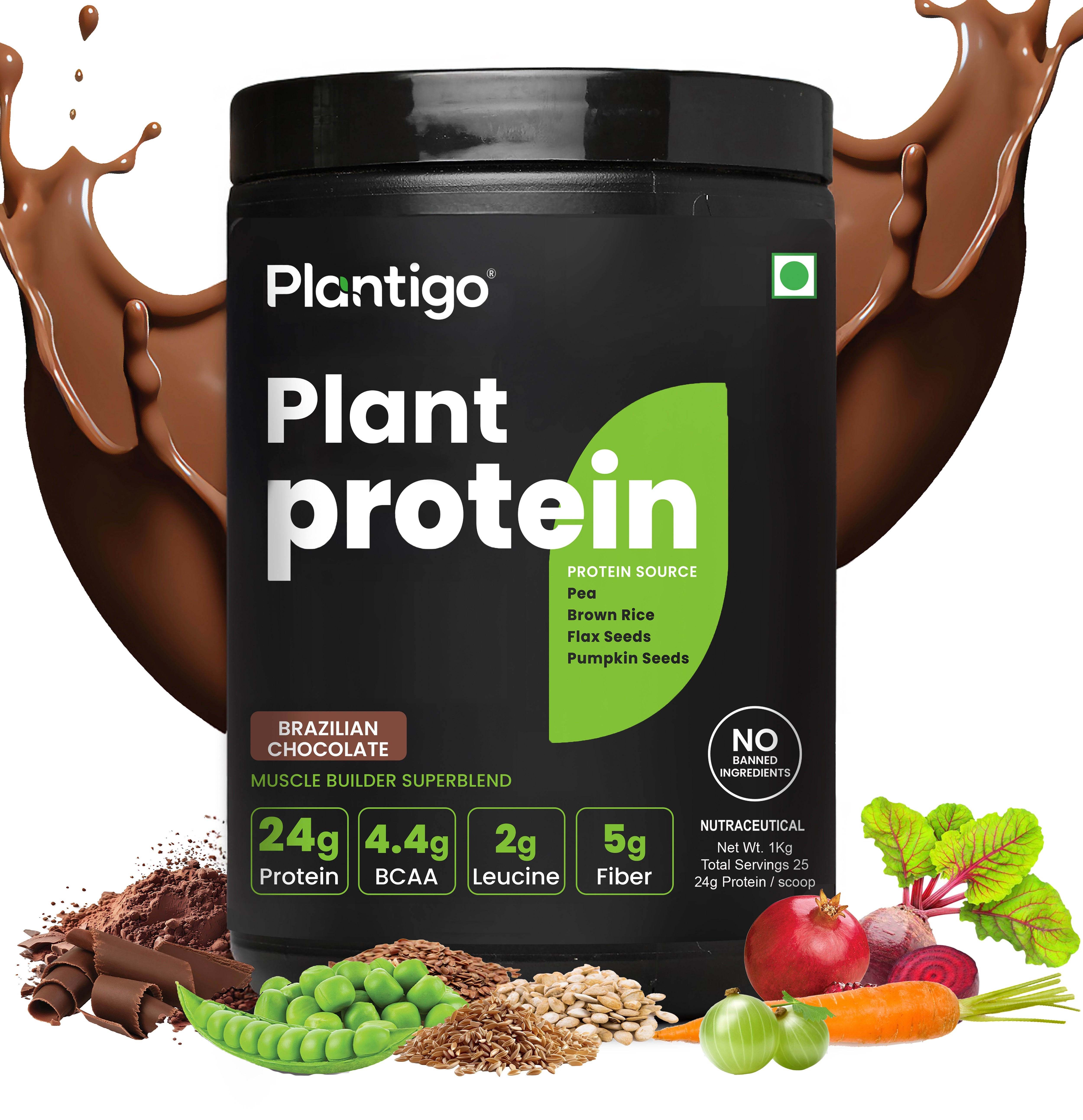
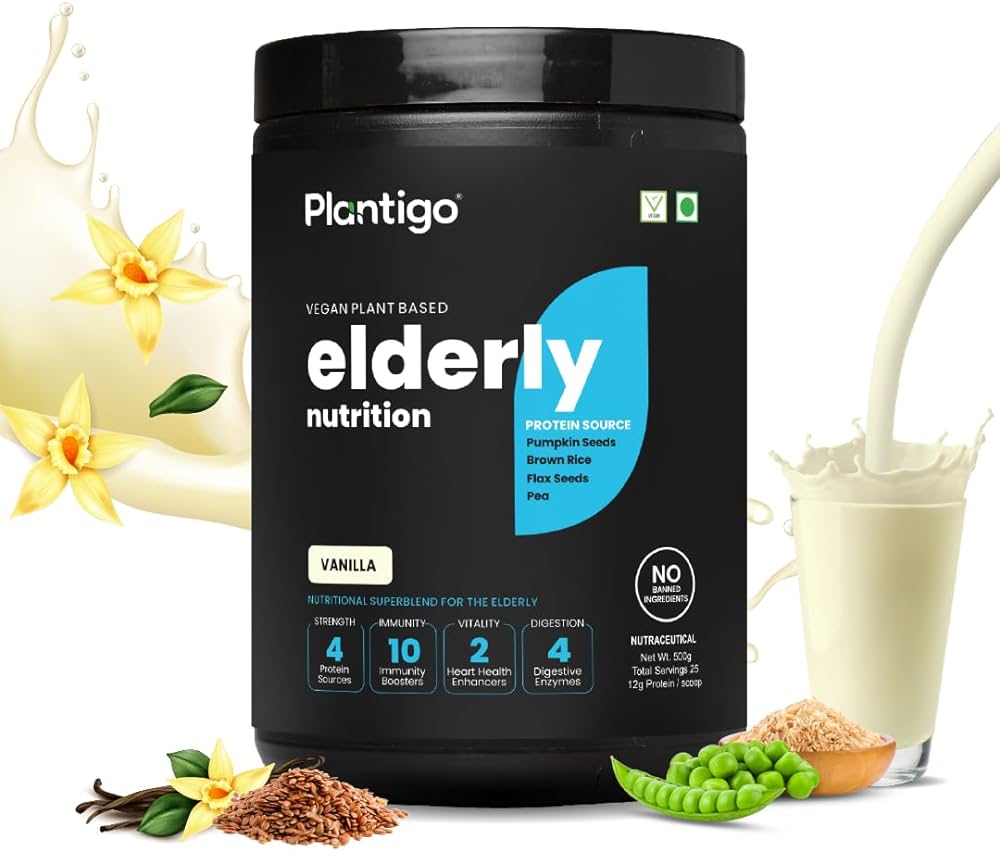
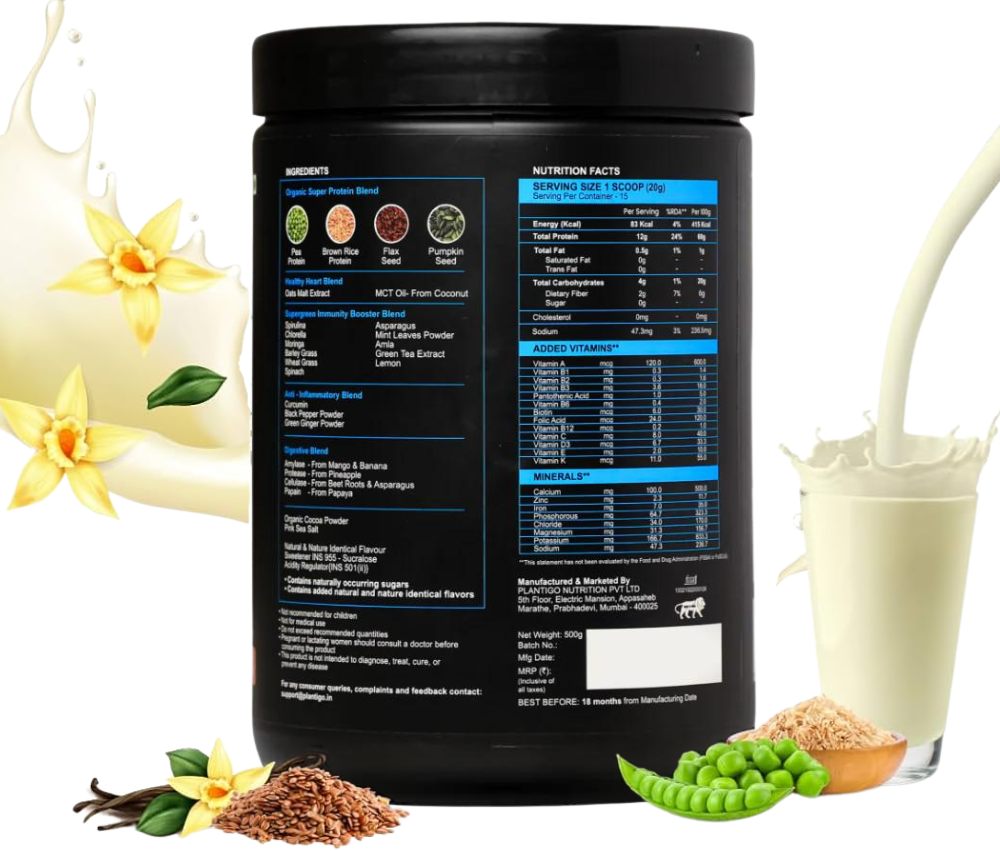
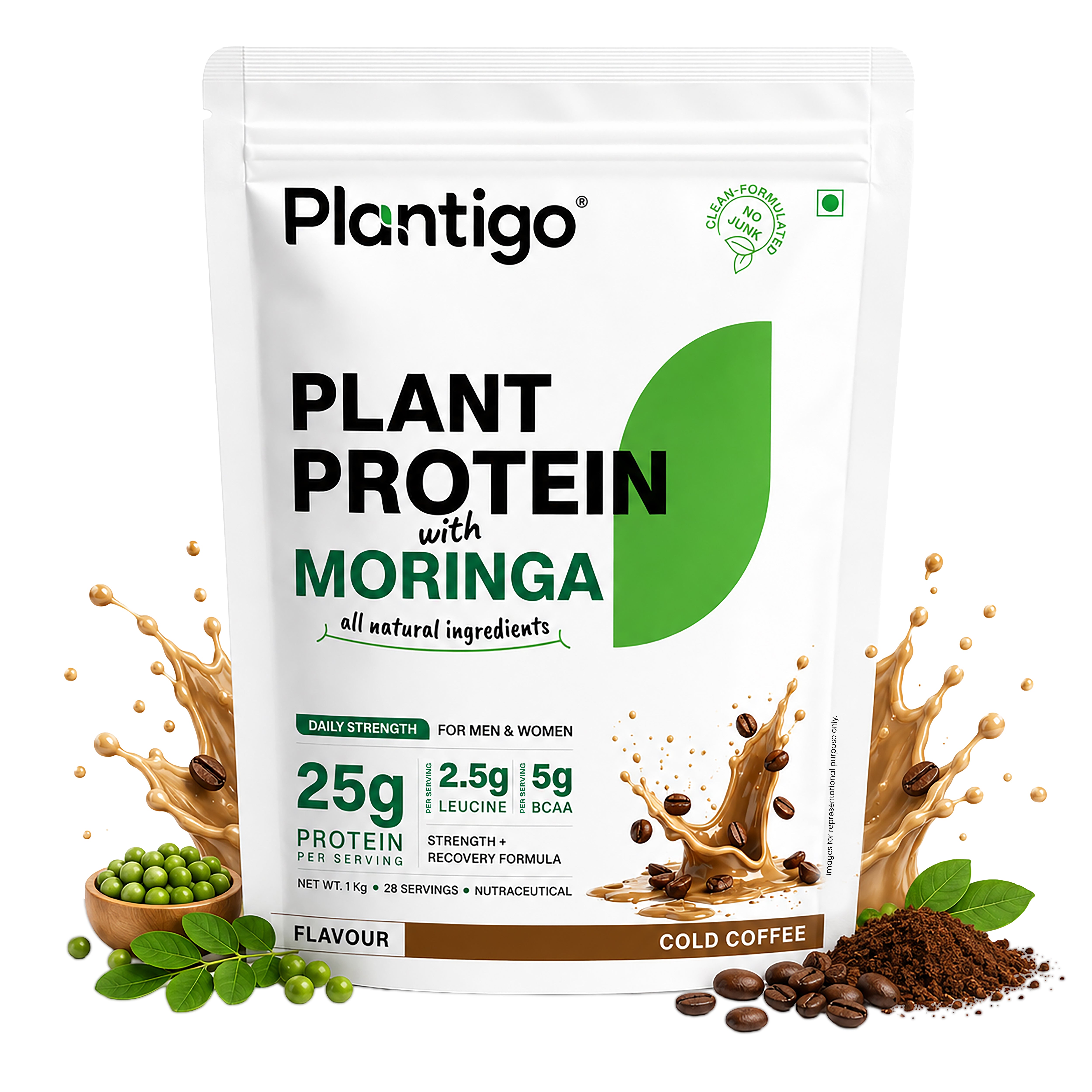
If curd alone isn't closing your daily protein gap, Plantigo bridges it with a complete plant-based blend of Canadian Pea Isolate, Brown Rice, Pumpkin Seed, and Flaxseed — all 9 essential amino acids, zero Class 2 preservatives, Eurofins-tested, with a 30-day taste guarantee.View Plantigo Plant Protein
Benefits of Curd for Indians — and Where It Falls Short

1. Gut Health
Curd's live Lactobacillus cultures survive stomach acid, reduce bloating, and lower antibiotic-associated diarrhoea — confirmed in aprobiotic review (2019).
-
100g daily reduces IBS symptoms by up to 30% in clinical trials
-
Fermentation pre-digests casein, improving protein bioavailability over plain milk
-
Pairs with high-fibre foods (dal, sabzi) to support complete gut function
2. Bone Health
121mg calcium per 100g — 12% of the 1,000mg daily adult requirement in a 200g serving.
-
Curd calcium is more bioavailable than plant sources due to absence of phytic acid
-
Buffalo milk curd reaches 150mg calcium per 100g
-
Regular consumption is linked to higher bone mineral density in Indian women aged 35–55
3. Weight Management
At 60–65 kcal per 100g, curd is one of the lowest-calorie dairy protein foods available.
-
Casein protein digests slowly, suppressing appetite for 3–5 hours after a 200g serving
-
Replacing high-calorie snacks with plain curd saves 150–200 kcal daily with better protein return
-
Skimmed milk curd reduces calories further to 35–40 kcal per 100g
4. Blood Sugar Control
Curd has a glycaemic index of ~36 — fermentation converts lactose to lactic acid, reducing glycaemic load.
-
GI ~36 vs milk at ~39 — a meaningful reduction in blood sugar response
-
Pairing with rice significantly lowers the overall meal GI
-
Probiotics improve insulin sensitivity over time — relevant for pre-diabetic Indians
5. Where Curd Falls Short
At 3.1–3.5g protein per 100g, curd cannot anchor a high-protein diet — meeting 56g daily from curd alone would require 1.6kg every day.
-
200g at lunch delivers 6–7g — useful but leaves a 49–50g daily gap
-
Cannot provide the 2.5–3g leucine threshold needed to maximally stimulate muscle protein synthesis
-
Lactose intolerance, even if reduced by fermentation, still affects a proportion of Indians at scale
How Much Curd Should You Eat Per Day?
The practical daily amount for protein contribution is 200–300g — providing 6–10g protein. Beyond this, the calorie cost outpaces the protein return, especially in full-fat versions.
1. Who Benefits Most
-
Indians with poor gut health, IBS, or post-antibiotic digestive disruption
-
Weight managers using curd as a low-calorie snack replacement
-
Pre-diabetics who need low-GI dairy for blood sugar control
-
Vegetarians using curd to add lysine to a roti-and-dal diet
2. Who Should Be Cautious
-
People with lactose intolerance — even fermented curd contains residual lactose
-
Those with high saturated fat restrictions — full-fat curd adds up at 300g+ daily
-
Individuals with kidney disease — curd's phosphorus (93mg/100g) requires moderation
-
People expecting curd to anchor their protein intake — the numbers do not support it
How to Include Curd in Your Indian Diet for Maximum Protein
1. Hung curd instead of regular: Strain 200g curd for 2 hours — you get ~120g hung curd with 8–10g protein, double the standard density.
2. Curd with dal at lunch: Dal provides 6–8g protein per katori, curd adds 3–4g — together covering 9–12g in one meal. See ourrajma protein guide for the strongest legume pairing.
3. Post-workout raita: 200g curd with cucumber, jeera, and a scoop of unflavoured plant protein stirred in — delivers 18–22g complete protein with probiotics included.
4. Morning smoothie base: Blend 150g curd with banana, 10g chia seeds, and 15g plant protein powder — total ~16–18g protein. See ourchia protein breakdown for why chia complements curd's amino profile.
5. Before bed: 150g plain curd — casein digests over 5–7 hours, supporting overnight muscle repair without spiking blood sugar.
Curd vs Other Everyday Indian Protein Sources
1. Curd vs Paneer
Paneer delivers 18–20g protein per 100g — nearly 6x curd's 3.1–3.5g. Both are complete proteins from dairy. Paneer wins on protein density; curd wins on gut health, calorie efficiency, and digestibility. See oursoya chunks breakdown for context on Indian dairy protein sources.
Curd advantage: 4x fewer calories per 100g, live probiotic cultures, better tolerated by sensitive stomachs.
2. Curd vs Dal
Dal delivers 20–25g protein per 100g raw — 6x curd's density. The two are complementary, not competitive. See ourchana protein guide for the strongest legume pairing with curd.
Curd advantage: Adds lysine to dal-rice, lowers overall meal GI, adds calcium without extra cooking.
3. Curd vs Plant Protein Supplement
A 25g serving of plant protein delivers 20–22g protein — equivalent to eating nearly 600g of curd. No Indian diet can realistically use curd as a primary protein source at that volume.
Supplement advantage: 6–7x more protein per gram consumed, dairy-free, consistent dose regardless of milk source or fermentation quality.
The Bottom Line
Curd contains 3.1–3.5g protein per 100g — complete, bioavailable, and probiotic-rich, but low-density by any meaningful comparison. For Indians using curd as their primary protein source, the math does not work: a 200g serving delivers 6–7g, leaving a 49–50g daily gap that food alone rarely closes. Plantigo's plant-based blend delivers 20–22g complete protein per serving — closing that gap cleanly without dairy, without preservatives, and without the volume curd requires. Use curd for gut health, calcium, and GI management. Use a plant protein supplement for the protein numbers that actually matter.
Frequently Asked Questions
1. How much protein is in 200g curd?
200g full-fat curd contains 6.2–7g protein — about 11–12% of a 70kg adult's 56g daily requirement. Hung curd at 200g delivers 12–16g due to whey removal.
2. How much protein does 100g of homemade curd have?
Homemade cow's milk curd has 3.1–3.5g per 100g; buffalo milk reaches 3.8g. The amount depends on milk fat content and fermentation duration.
3. How to get 70g of protein a day in India?
Combine 1 katori dal (8g) + 100g paneer (18g) + 2 rotis with besan (5g) + 200g curd (7g) + 1 scoop plant protein (20g) for ~58g, topped up with a supplement. See ourhigh-protein Indian foods guide for the full daily plan.
4. Can I eat 200g curd daily?
Yes — 200g daily supports gut health, calcium intake, and blood sugar management. It is well-tolerated by most Indians including those with mild lactose intolerance due to fermentation.
5. What if I eat 500g curd daily?
500g delivers 15–17g protein and 300–325 kcal — reasonable but inefficient as a protein strategy. At this volume, saturated fat becomes a consideration for weight-conscious individuals.
6. Is curd better than Greek yogurt for protein?
No — Greek yogurt has 8–10g protein per 100g vs curd's 3.1–3.5g. Homemade hung curd achieves 6–8g at a fraction of the cost of commercial Greek yogurt in India.
External Sources
-
ICMR-NIN —food composition tables
Disclaimer: This article is for educational purposes only. If you have diabetes, kidney disease, lactose intolerance, or are on medication, consult your doctor or dietitian before making major dietary changes.