Most Indian women eating a vegetarian diet are running a protein deficit every single day — not because they are not eating enough, but because the foods they eat are not protein-dense enough. Roti, rice, dal, sabzi: a full plate covers roughly 25–35g protein against an ICMR requirement of 46–55g for a woman aged 25–55. The question is not whether protein powder for women in India is useful. It is which type, how much, and for which goal — and that answer changes significantly based on age, health status, and what a woman is actually trying to achieve.
How Much Protein Do Indian Women Actually Need?
Indian women need 0.8–1g of protein per kg body weight per day as a baseline — rising to 1.2–1.6g per kg for active women and 1.6–2g per kg post-menopause — according toICMR protein guidelines. For a 55kg woman, that is 44–55g daily at baseline. Most Indian vegetarian women consume 25–35g, leaving a consistent 15–25g gap every day that compounds over years into muscle loss, bone thinning, and hormonal disruption.
|
Age Group |
Daily Protein Need |
Key Priority |
|
20–30 years |
46–50g |
Muscle building, hormonal health |
|
30–40 years |
50–55g |
Weight management, energy |
|
40–50 years (peri-menopause) |
55–65g |
Bone density, muscle retention |
|
50+ years (post-menopause) |
65–80g |
Sarcopenia prevention, immunity |
|
Pregnant |
+25g above baseline |
Foetal development |
|
Lactating |
+20g above baseline |
Milk production |
Source: ICMR-NIN Recommended Dietary Allowances 2020
Why Indian Women Are Specifically Underserved on Protein
The protein gap in Indian women is not just a dietary number — it has structural causes rooted in eating patterns, food culture, and healthcare gaps.
-
Over 70% of Indian women eat vegetarian diets with no eggs — the single most complete protein source in an Indian kitchen
-
Dal servings in most Indian homes are 1 katori (~150ml cooked) delivering 6–8g protein — less than one-third of a single meal requirement
-
Women in Indian households frequently eat smaller portions than men at the same table, compounding the deficit
-
Iron-deficiency anaemia affects 57% of Indian women of reproductive age (NFHS-5 2021) — and low protein intake directly impairs iron absorption and haemoglobin synthesis
-
Post-menopausal Indian women lose 3–5% muscle mass per year without intervention, per asarcopenia in Indian women review— making protein the single most critical nutritional intervention after age 50
Plant Protein vs Whey vs Soy vs Collagen for Women: Which Is Better?
|
# |
Parameter |
Plant Protein |
Whey Protein |
Soy Protein |
Collagen |
|
1 |
Complete amino acids |
Yes (multi-source blend) |
Yes |
Yes |
No (missing tryptophan) |
|
2 |
Dairy-free |
Yes |
No |
Yes |
Yes |
|
3 |
Hormonal safety |
Yes |
Neutral |
Caution (phytoestrogens at high dose) |
Yes |
|
4 |
Bone support |
Good (with calcium) |
Moderate |
Moderate |
Good (supports collagen matrix) |
|
5 |
Digestibility |
High (with enzymes) |
High |
Moderate (bloating in some) |
High |
|
6 |
Suitable post-menopause |
Yes |
Yes |
Caution above 50g/day |
Yes |
|
7 |
Weight management |
Excellent (high satiety) |
Good |
Good |
Poor (low protein density) |
|
8 |
Lactose intolerance safe |
Yes |
No (unless isolate) |
Yes |
Yes |
|
9 |
Class 2 preservative risk |
Low (clean options) |
Often present |
Often present |
Often present |
One-line verdict: For Indian women aged 25–55, a multi-source plant protein blend — pea isolate, brown rice, pumpkin seed — delivers complete amino acids without dairy, without phytoestrogen concerns, and without the Class 2 preservatives common in flavoured whey and soy products. Collagen supplements address skin and joint health but are not a protein source in the functional sense.

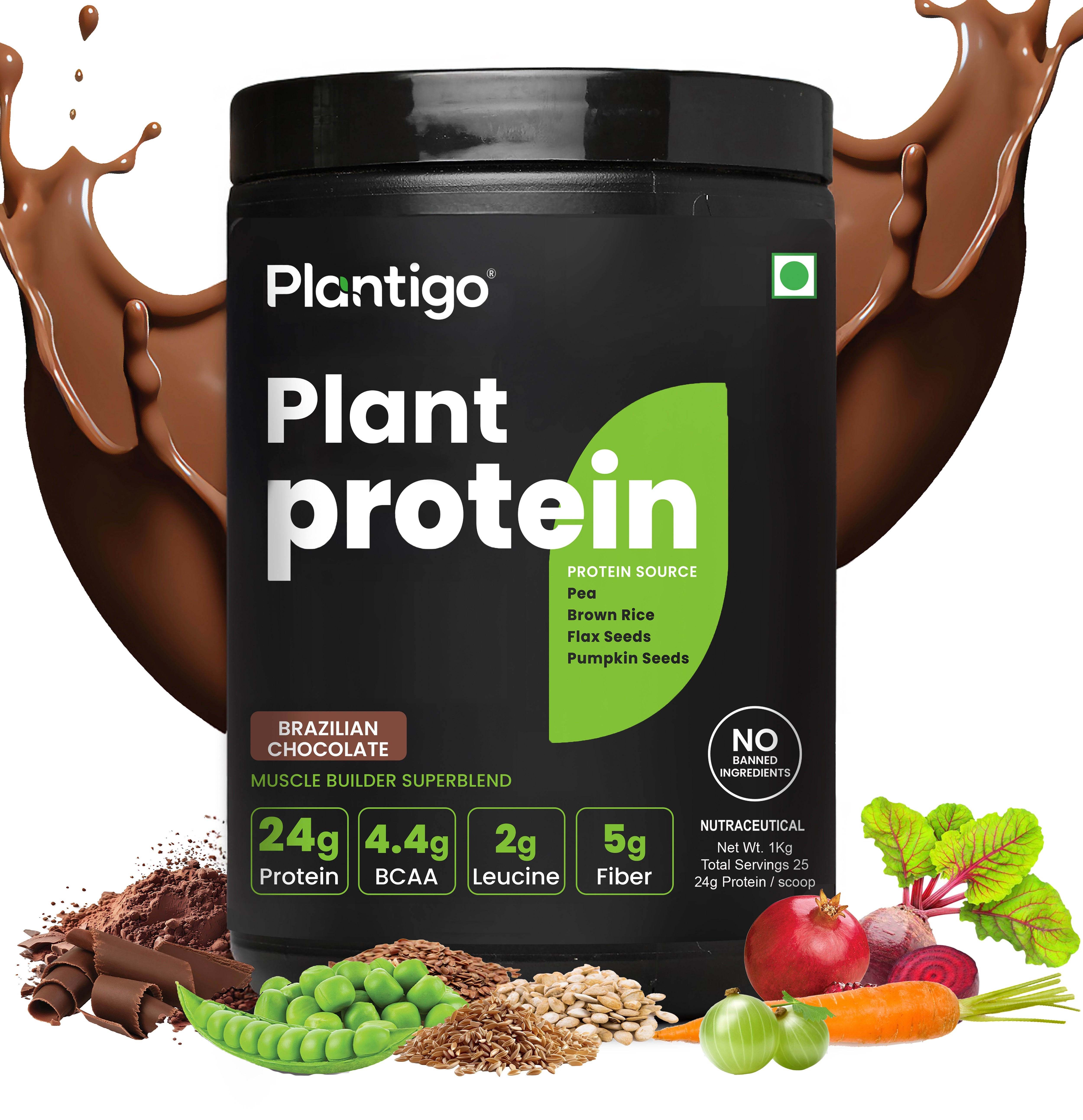
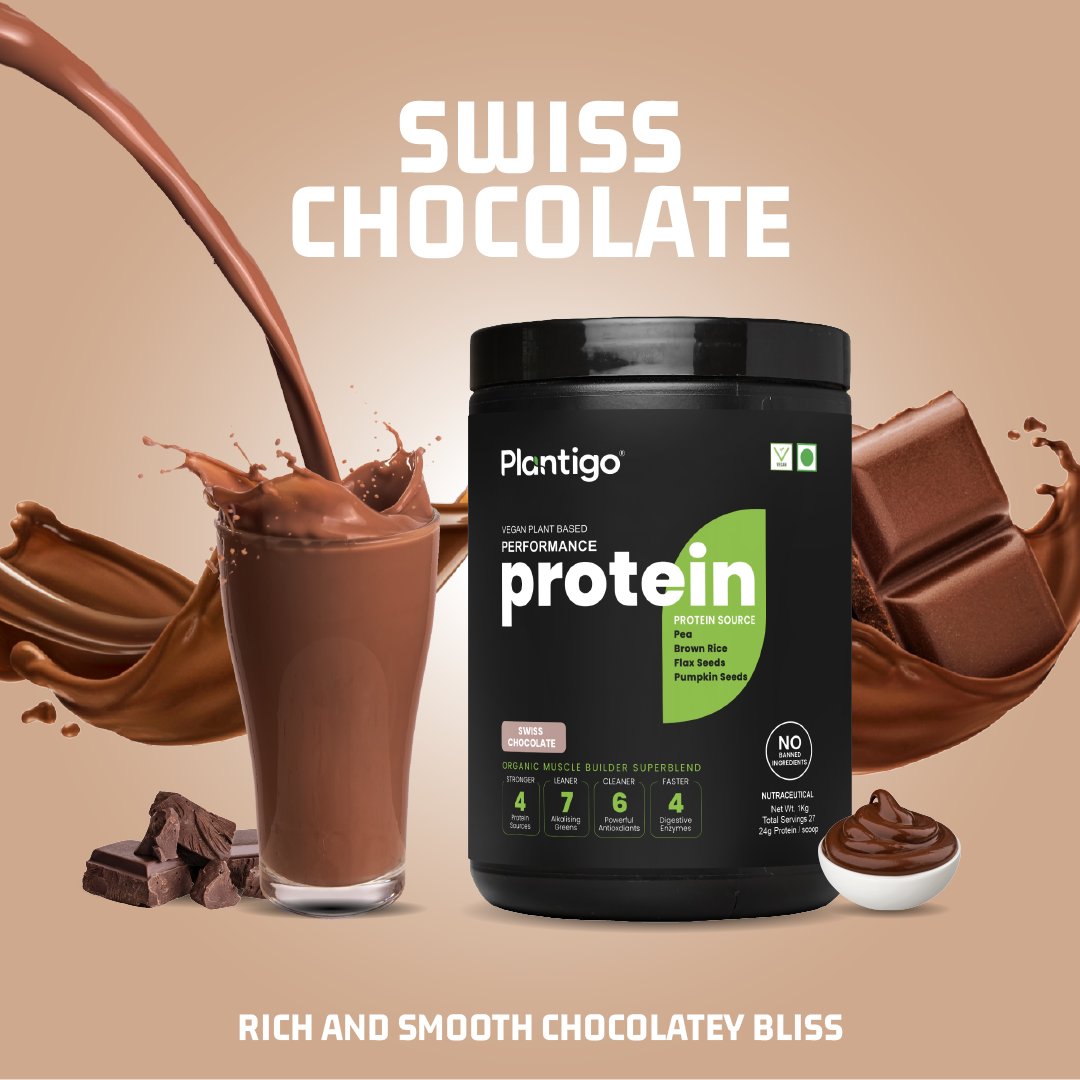
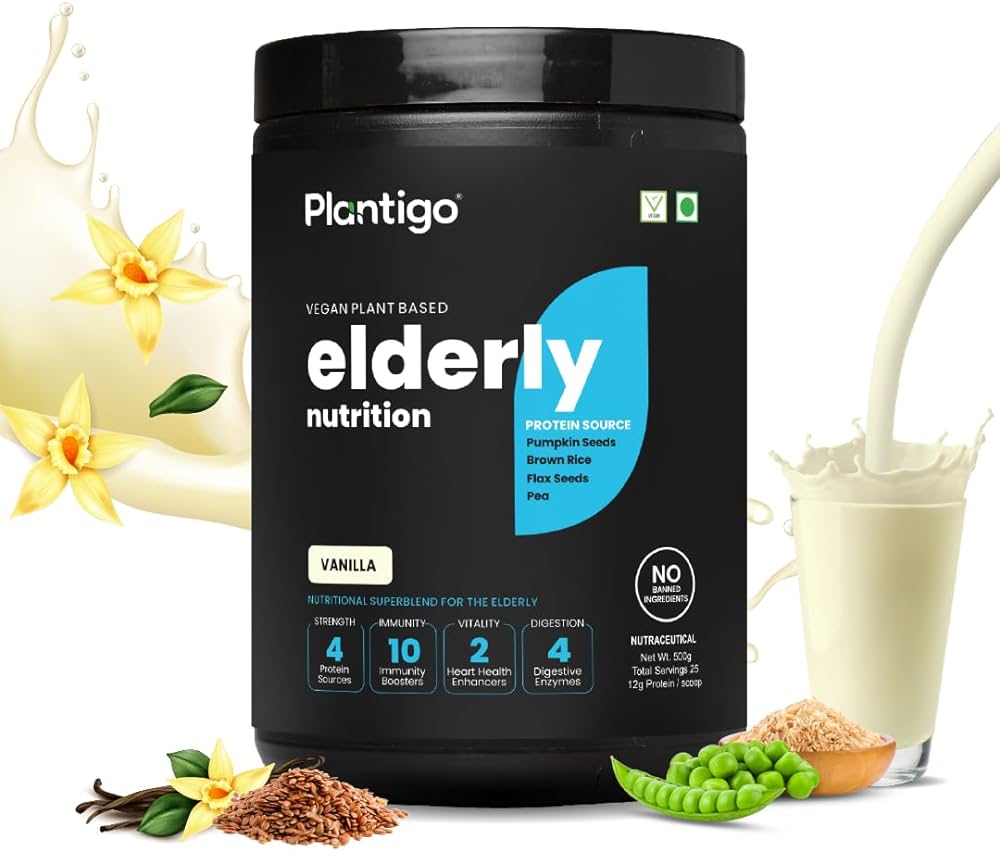
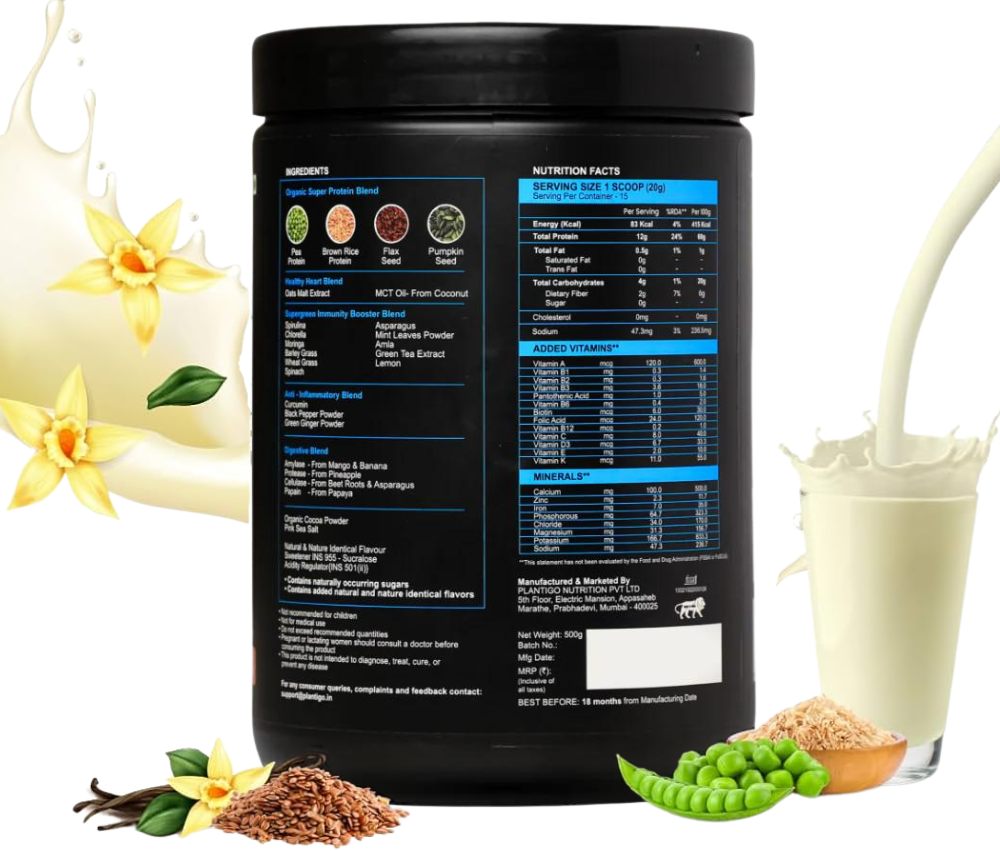
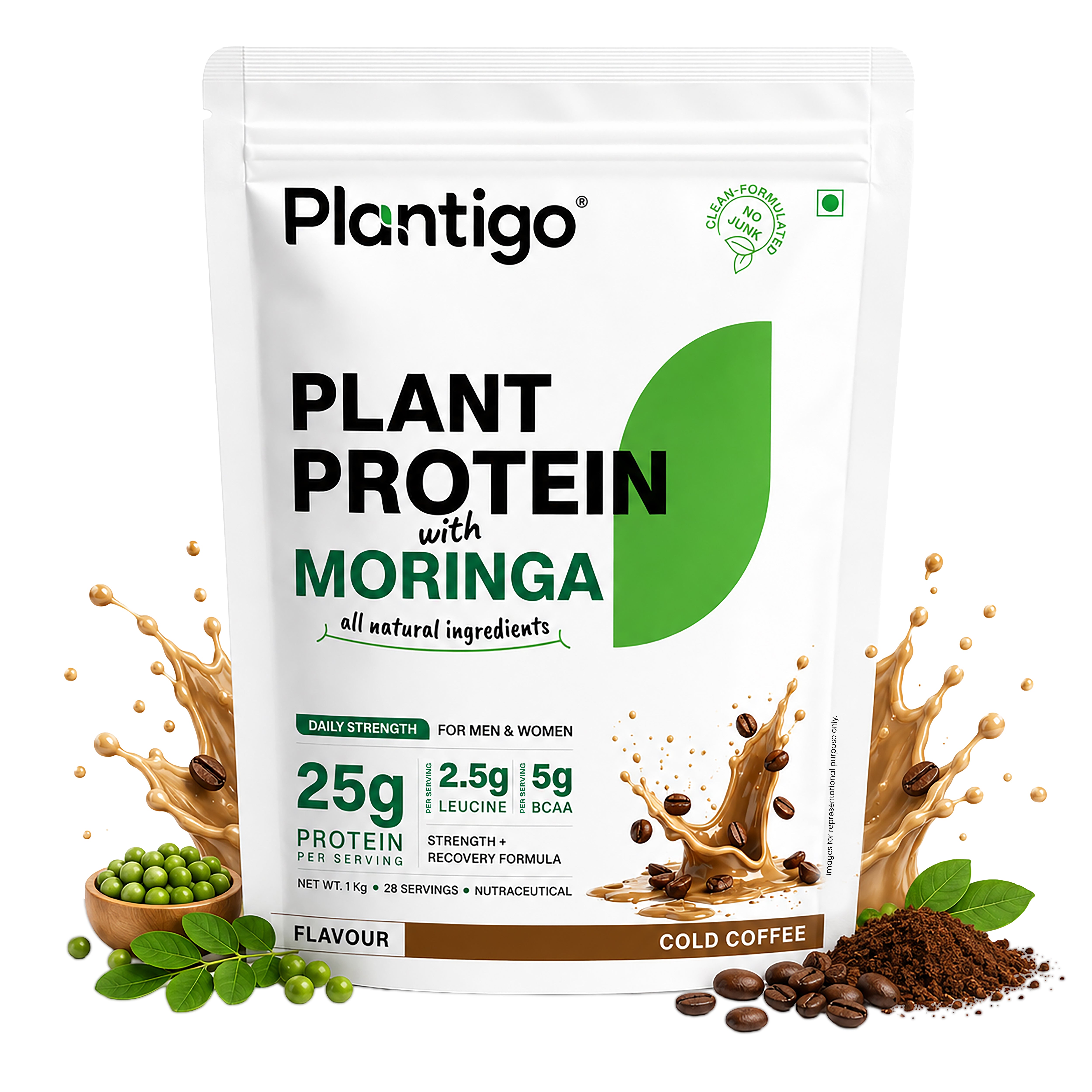
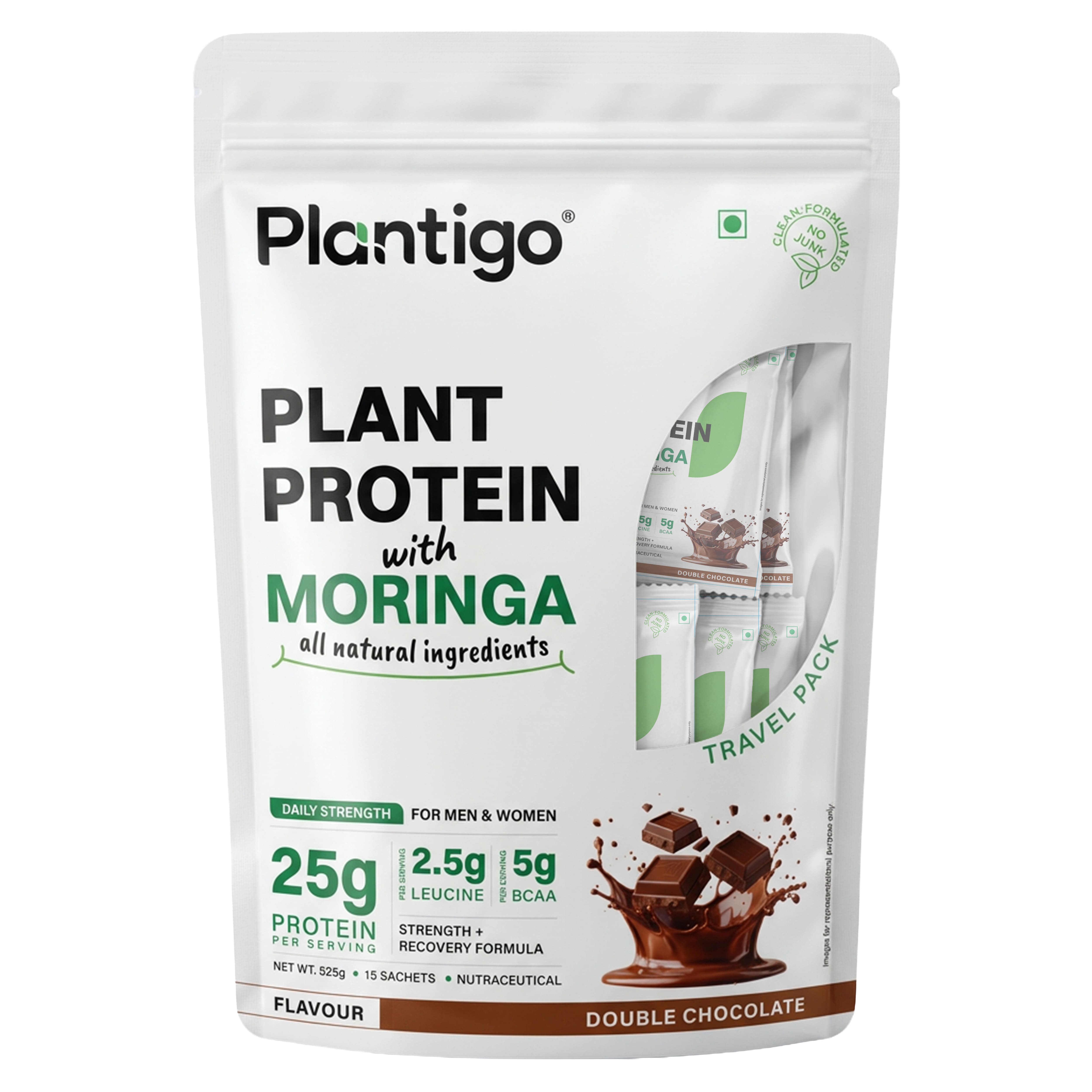
If your daily diet isn't closing the protein gap, Plantigo bridges it with a complete plant-based blend of Canadian Pea Isolate, Brown Rice, Pumpkin Seed, and Flaxseed — all 9 essential amino acids, zero Class 2 preservatives, Eurofins-tested, with a 30-day taste guarantee.View Plantigo Plant Protein
Benefits of Plant-Based Protein Powder for Indian Women

1. Muscle Retention After 35
Women lose ~1% muscle mass per year from age 35 — accelerating sharply post-menopause.
-
Adequate protein (1.2g/kg) halts age-related muscle loss in women aged 40–60
-
Leucine in pea isolate directly triggers muscle protein synthesis
-
Post-exercise protein within 60 minutes increases muscle retention by 25–40%
2. Bone Density Support
46% of Indian women with over 53% of peri- and post-menopausal Indian women showing low bone mineral density, per aosteoporosis in Indian women study
-
Pumpkin seed protein adds zinc and magnesium — both directly involved in bone mineralisation
-
Adequate protein reduces hip fracture risk by 30–40% in post-menopausal women
3. Hormonal Balance
Protein is the raw material for oestrogen, progesterone, and thyroid hormone synthesis.
-
Low protein correlates with irregular cycles and worsened PMS in women aged 20–35
-
Tryptophan in brown rice protein supports serotonin — relevant to mood stability across the menstrual cycle
4. Weight Management
Protein is the most satiating macronutrient — hardest to get enough of on a vegetarian Indian diet.
-
A 25g protein serving reduces daily calorie intake by 200–300 kcal through appetite suppression
-
Preserves lean muscle during caloric deficit — preventing the skinny fat outcome common when women cut carbs without increasing protein
5. Iron and Anaemia Support
57% of Indian women of reproductive age are anaemic — haemoglobin is a protein.
-
Pea protein contributes 5–6mg iron per 100g toward daily requirements
-
Vitamin C in fruit-based digestive enzymes improves non-haem iron absorption
Goal-Based Protein Picker for Indian Women
Weight Loss
Need: 1.2–1.4g protein per kg body weight daily. Protein creates satiety, preserves muscle during deficit, and prevents rebound. Timing: Morning (replaces high-carb breakfast) and post-workout. Full guide:Best protein powder for women weight loss
Muscle Building
Need: 1.4–1.6g per kg daily. Leucine threshold of 2.5–3g per meal must be hit to trigger muscle protein synthesis. Timing: Within 60 minutes post-workout. Second serving before bed for overnight repair. Key: Multi-source plant blend delivers complete BCAA profile without dairy.
Hormonal Health (PCOS, Perimenopause)
Need: 1.0–1.2g per kg daily. Stable blood sugar from protein reduces insulin spikes that worsen PCOS. Timing: With breakfast to anchor morning blood sugar. Full guide:Protein powder for hormonal balance
Bone Health (Post-Menopause, 50+)
Need: 1.6–2g per kg daily. Protein + calcium + vitamin D is the complete bone-preservation triad. Timing: Spread across 3 meals — no single meal should carry more than 30g. Key: Pair with ragi, sesame, or curd for calcium; with sunlight exposure for vitamin D.
What to Look For — and What to Avoid
Look for:
-
Third-party tested (Eurofins or equivalent) — not self-certified
-
Zero Class 2 preservatives — sodium benzoate, potassium sorbate, sodium metabisulphite are common in cheap products
-
Multi-source plant protein — pea + rice + pumpkin seed covers all 9 essential amino acids
-
Digestive enzymes — bromelain, papain, or similar from real fruit sources improve absorption
-
20–25g protein per serving — anything below 15g is not a meaningful contribution
Avoid:
-
Artificial sweeteners (sucralose, aspartame) — disrupt gut microbiome and worsen insulin sensitivity
-
Added sugar above 3g per serving
-
Proprietary blends that hide individual ingredient doses
-
Products with maltodextrin as a filler — see ourmaltodextrin guide for why this matters
-
Any product without a visible third-party test certificate
For the complete criteria breakdown, see ourhow to choose guide.
The Bottom Line
Indian women need 46–80g protein daily depending on age and life stage — and most vegetarian women eat half that. Protein powder for women in India is not a fitness product; it is a nutritional gap-closer for a population structurally underserved by its default diet. Plantigo's plant-based blend — pea isolate, brown rice, pumpkin seed, flaxseed — provides complete amino acids without dairy, phytoestrogens, or Class 2 preservatives, making it the most practical daily supplement for Indian women aged 25–55 managing weight, muscle, hormones, or bone health. Food first — supplement for the gap that food alone cannot close.
Frequently Asked Questions
1. Which type of protein powder is best for women?
A multi-source plant protein blend — pea isolate, brown rice, and pumpkin seed — is best for most Indian women. It delivers all 9 essential amino acids without dairy, phytoestrogens, or Class 2 preservatives.
2. Is protein powder safe for females?
Yes — clean, third-party tested protein powder is safe for women of all ages. Avoid products with artificial sweeteners, maltodextrin fillers, and unverified ingredient doses.
3. Which protein is best for women's body?
Complete protein containing all 9 essential amino acids is what the body needs. A multi-source plant blend is preferable for lactose-intolerant or dairy-free Indian women.
4. What is the best protein for sarcopenia?
1.6–2g protein per kg body weight daily, spread across 3 meals, with leucine-rich sources at each. Pea isolate is particularly effective as its leucine content directly triggers muscle protein synthesis.
5. Why do doctors say no to protein powder?
Concerns relate to low-quality products with artificial additives and unverified ingredients — not protein itself. Third-party tested, clean protein powder is supported by sports medicine and geriatric nutrition guidelines.
External Sources
-
ICMR-NIN — nutrient requirements
Disclaimer: This article is for educational purposes only. If you have PCOS, osteoporosis, kidney disease, are pregnant or lactating, or are on medication, consult your doctor or dietitian before making major dietary changes.