By Aaryan C Last updated: November 2026
Plant based protein powder is a protein supplement made from plants — pea, rice, soy, or blends of these — instead of dairy (whey/casein) or eggs. A 2024study published in Medicine & Science in Sports & Exercise found that a pea-rice protein blend stimulates post-exercise muscle protein synthesis at the same rate as whey protein in resistance-trained adults. This makes plant protein a viable, evidence-backed option for anyone looking to meet their protein needs — not just those avoiding dairy.
This guide covers everything you need to know about choosing, using, and getting the most out of plant based protein powder in India.
Why India Needs Plant Based Protein Powder
India has a unique protein problem. According to ICMR data cited in an ORFreport, 60–73% of Indians fail to meet their daily recommended protein intake. The recommended dietary allowance is 0.8–1 g per kg of body weight, but the average Indian consumes only about 0.6 g per kg.
The reasons are structural:
|
Factor |
Impact on Protein Intake |
|
Cereal-heavy diets |
60% of dietary protein comes from low-quality cereal sources |
|
Vegetarian population |
~30–40% of Indians are vegetarian, limiting dairy and meat options |
|
Lactose intolerance |
60–70% of Indian adults have some degree of lactose intolerance |
|
Cost of animal protein |
Chicken, fish, and eggs remain expensive for many households |
|
Protein literacy gap |
93% of Indians who track protein feel uncertain about how much they need |
Plant based protein powder solves several of these problems at once: it islactose-free, fits vegetarian diets, costs less per gram of protein than most whole-food sources, and is easy to add to meals you already eat.
India's plant based protein market reflects this shift — growing from USD 324 million in 2020 to USD 634 million in 2025, nearly doubling in five years.
Types of Plant Based Protein Powder Available in India
Not all plant proteins are equal. Here is how the main types compare:
|
Type |
Protein per 30 g Scoop |
PDCAAS |
Key Strength |
Key Weakness |
|
Pea protein isolate |
22–25 g |
0.89 |
High leucine (for a plant), excellent solubility |
Low in methionine |
|
Brown rice protein |
20–24 g |
0.47–0.70 |
Complete amino acid profile, easy to digest |
Low in lysine |
|
Soy protein isolate |
23–27 g |
1.00 |
Highest PDCAAS among plant proteins |
Taste, phytoestrogen concerns (mostly unfounded) |
|
Pea-rice blend |
22–25 g |
0.82–0.90+ |
Complementary amino acids cover each other's gaps |
Slightly gritty texture in some brands |
|
Hemp protein |
12–15 g |
0.46 |
Good omega-3 content |
Low protein concentration |
|
Mung bean protein |
18–22 g |
0.75 |
Familiar to Indian diets |
Less studied |
Astudy on protein quality scores found that while individual plant proteins like pea (DIAAS 0.88) or rice score below whey, blending them at the right ratio compensates for each other's limiting amino acids. A pea-rice blend at roughly 60:40 achieves aDIAAS of ~84 — classified as a "good quality" protein source.
For a detailed breakdown of pea, soy, and rice protein, read ourcomparison guide.
Why Pea-Rice Blends Are the Gold Standard
The pea-rice combination works because:
-
Pea protein is rich in lysine but low in methionine
-
Rice protein is rich in methionine but low in lysine
-
Together, they form a complete amino acid profile comparable to whey
This is why most quality plant protein brands in India use a pea-rice base.
Plant Based Protein vs Whey Protein: What the Research Says
The biggest question people ask: Is plant protein as good as whey for building muscle?
The short answer, backed by recent research: Yes, when you use a quality blend at the right dose.
A 2024study gave resistance-trained adults 32 g of either whey protein or a pea-rice-canola blend after leg exercise. Blood amino acid levels were ~44% higher with whey — but the actual rate of muscle protein synthesis was identical between groups. The researchers concluded that plant protein blends are equally effective for post-exercise muscle reconditioning.
A separatereview published in 2025 confirmed that plant protein supplements demonstrate comparable muscle protein synthesis to animal proteins while providing additional cardiovascular, metabolic, and gut health benefits.
|
Parameter |
Whey Protein |
Plant Protein (Pea-Rice Blend) |
|
Muscle protein synthesis |
High |
Equivalent (at 30–35 g dose) |
|
Leucine content per 30 g |
~2.5–3 g |
~1.8–2.2 g |
|
Amino acid absorption speed |
Faster peak |
Slower but sustained |
|
Digestive comfort |
Poor for lactose-intolerant |
Excellent for most |
|
Acne risk |
Higher (raises IGF-1) |
None documented |
|
Allergen concerns |
Dairy allergy |
None (unless soy-based) |
|
Cholesterol |
Small amounts |
Zero |
|
Heavy metal risk |
Brand-dependent |
Brand-dependent |
|
Price (India, per kg) |
₹1,500–3,500 |
₹1,200–2,500 |
For the full comparison, read our detailed guide onplant protein vs whey protein.
Who Should Use Plant Based Protein Powder?
Plant protein works for most people, but it is especially suited for these groups:
For Vegetarians and Those Avoiding Dairy
If you do not consume whey or eggs, plant protein is your most practical supplementation option. A pea-rice blend gives you a complete amino acid profile without any animal-derived ingredients.
For People With Lactose Intolerance or Dairy Allergies
An estimated 60–70% of Indian adults have some degree of lactose intolerance. Whey concentrate causes bloating, gas, and diarrhoea in these individuals. Plant protein contains zero lactose.
For Women
Plant protein is gentler on the digestive system and does not raise IGF-1 levels (which whey does, potentially worsening hormonal acne). It is also lower in calories per serving — useful for those managing weight. Read our guide onprotein powder for weight loss.
For Older Adults (50+)
Older adults need 1.0–1.2 g/kg/day of protein to prevent sarcopenia (age-related muscle loss). Plant protein with added digestive enzymes is easier to absorb for older digestive systems. See our guide onprotein powder for elderly parents.
For Diabetics
Plant protein has a lower glycaemic impact than many whey products (which often contain maltodextrin or added sugar). Look for unsweetened or stevia-sweetened options. Read our detailed guide onchoosing protein powder for diabetics.
For Muscle Gain
Research confirms plant protein blends match whey for muscle protein synthesis at equivalent doses. Apea-rice protein built for muscle gain with 25+ g protein and added leucine can deliver the same results as whey. If you are new to protein supplements, start with ourbeginner's guide to protein powder.

How to Choose the Best Plant Based Protein Powder in India
Not every product on Amazon or Flipkart is worth buying. Use this checklist:
1. Check the Protein Source
Look for a pea-rice blend as the primary ingredients. Single-source proteins (pure pea or pure rice) have amino acid gaps. Blends fix this.
2. Check Protein Per Serving
Aim for at least 20 g of protein per 30 g scoop. Anything below 15 g per scoop means too much filler. Calculate the protein percentage: (protein per serving ÷ serving size) × 100. Aim for 65%+ for isolates.
3. Check the Amino Acid Profile
A good plant protein should list its full amino acid breakdown on the label. Look for:
-
Leucine: At least 1.5 g per serving (ideally 2 g+)
-
BCAAs: At least 4–5 g per serving
-
All 9 essential amino acids present
4. Avoid These Red Flags
|
Red Flag |
Why It Matters |
|
"Proprietary blend" on label |
Hides actual ingredient ratios |
|
Maltodextrin in top 3 ingredients |
Cheap filler that spikes blood sugar |
|
No third-party test report |
Cannot verify heavy metal levels |
|
Protein percentage below 60% |
Too much filler relative to protein |
|
"Amino-spiking" (glycine, taurine added) |
Inflates protein number without real protein |
|
Only FSSAI registration, no independent testing |
FSSAI is mandatory but not sufficient for safety |
Astudy on Indian protein supplements found that 70% were mislabelled and 75% contained lead. Third-party testing is non-negotiable.
5. Check for Digestive Enzymes
Added protease, papain, or bromelain improves plant protein absorption by 15–20%. This is especially important if you experience bloating with protein powders.
6. Check Sweetener and Flavour
Avoid artificial sweeteners (sucralose, aspartame) if they cause digestive issues. Stevia, monk fruit, or jaggery-based sweeteners are gentler options.
How to Use Plant Based Protein Powder (Indian Recipes)
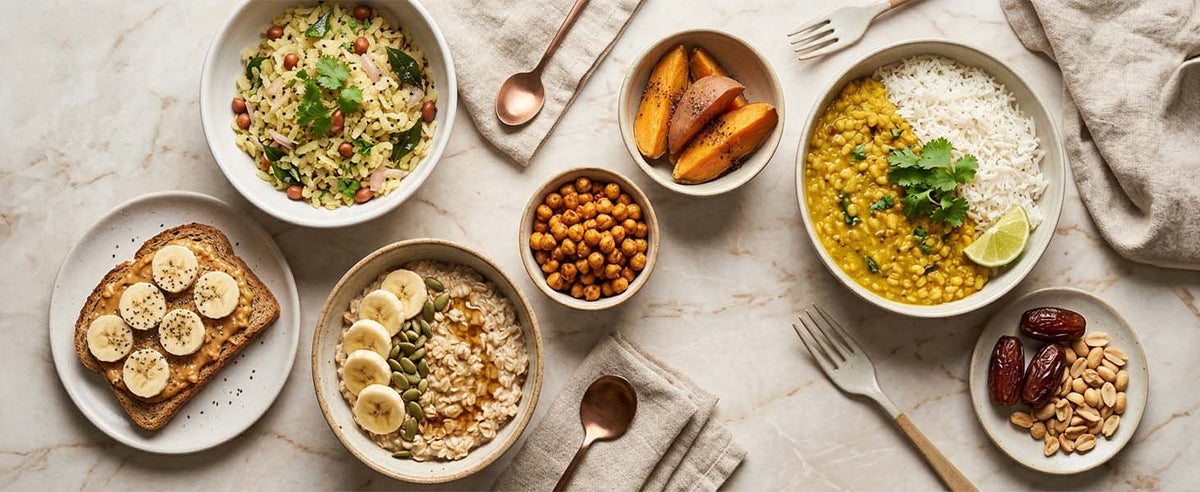
Plant protein is versatile. Here are practical ways to add it to your existing Indian diet:
Morning Options
-
Protein ragi porridge: 1 scoop plant protein + 2 tbsp ragi flour + warm milk/water + jaggery
-
Protein dosa batter: Add 1 scoop unflavoured plant protein to your regular dosa batter
-
Smoothie: 1 scoop + 1 banana + handful spinach + 200 ml water or coconut milk
Post-Workout
-
Protein shake: 1 scoop + 300 ml cold water or milk — consume within 30–60 min of training (read our guide on thebest time to take protein)
-
Protein oats: 1 scoop stirred into cooked oats + nuts + banana
Evening/Snack
-
Protein ladoo: 1 scoop + 2 tbsp peanut butter + oats + honey — roll into balls, refrigerate
-
Protein chilla: 1 scoop + besan + onion + spices — make a savoury pancake
Dinner Add-On
-
Dal boost: Add 1 scoop unflavoured protein to cooked dal just before serving (do not boil with it — heat can denature some protein)
For morehigh protein Indian food options, check our complete list.
Common Mistakes to Avoid

1. Buying Based on Price Alone
The cheapest plant protein on Amazon is usually cheap for a reason — fillers, poor amino acid profile, or no testing. Pay for quality; your body absorbs more from a good product.
2. Expecting Instant Results
Protein supplementation works over weeks and months of consistent use combined with training or activity. One scoop will not transform your body overnight.
3. Replacing Meals With Protein Shakes
Protein powder is a supplement, not a meal replacement. It lacks fibre, fats, vitamins, and minerals that whole foods provide. Use it to fill gaps, not replace meals.
4. Taking Too Much at Once
Your body optimally uses 25–30 g of protein per sitting. Taking 50 g in one shake wastes protein and may cause bloating. Split your intake across the day.
5. Ignoring Total Daily Protein
A scoop of protein powder gives you 20–25 g. If your daily need is 60–80 g (check our guide onhow much protein you need per day), the rest must come from food. Powder alone is not enough.
6. Not Checking for Contaminants
In India, 70% of tested protein supplements were mislabelled and many contained heavy metals. Always check for third-party lab reports before buying.
7. Skipping Water
Higher protein intake needs more water. Aim for 2.5–3 litres per day to support kidney function and digestion.
Plant Based Protein Powder: What to Look for on the Label (Quick Reference)
|
Label Check |
What to Look For |
Red Flag |
|
Protein source |
Pea-rice blend (or pea + rice listed separately) |
Single "plant protein" with no source named |
|
Protein per scoop |
20 g+ per 30 g serving |
Below 15 g per serving |
|
Amino acid profile |
Full 9 EAAs listed with amounts |
"Proprietary amino blend" |
|
Sweetener |
Stevia, monk fruit, unsweetened |
Sucralose, aspartame, maltodextrin |
|
Added enzymes |
Protease, bromelain, papain |
None (acceptable, but enzymes help) |
|
Third-party testing |
Lab report for heavy metals, microbes |
"FSSAI approved" only |
|
Allergen info |
Clearly stated |
Missing or vague |
|
Manufacturing date |
Within 12 months |
Undated or close to expiry |
The Bottom Line
Plant based protein powder in India is no longer a niche supplement — it is a practical, research-backed solution for a country where most people do not get enough protein. Modern pea-rice blends match whey protein for muscle building, cost less, cause fewer digestive issues, and work for vegetarians, lactose-intolerant individuals, women, diabetics, and older adults alike.
What matters most: Choose a quality pea-rice blend with 20+ g protein per scoop, a transparent amino acid profile, third-party lab testing, and no proprietary blends. Skip the cheapest option. Skip anything without an ingredient breakdown.
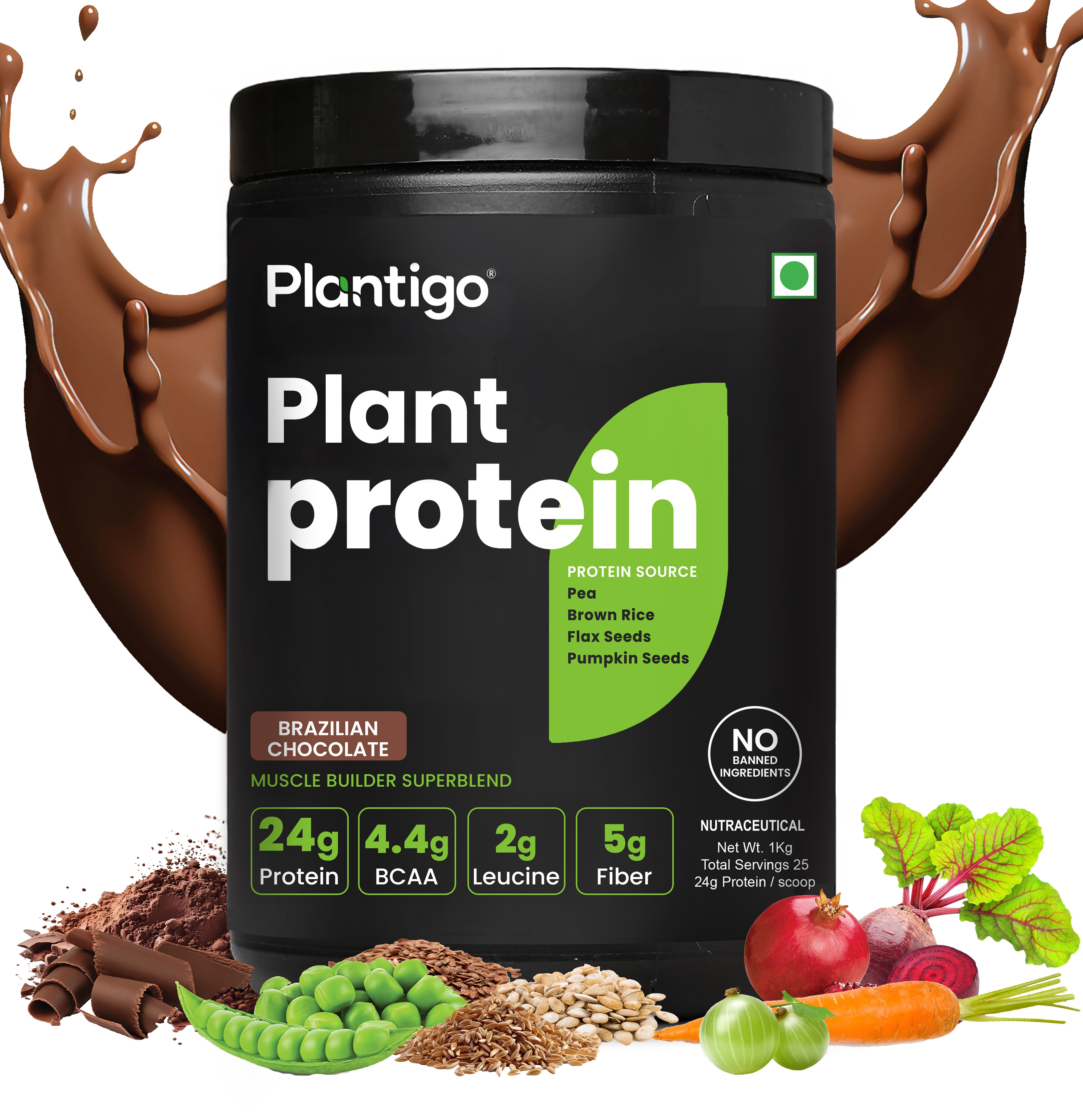
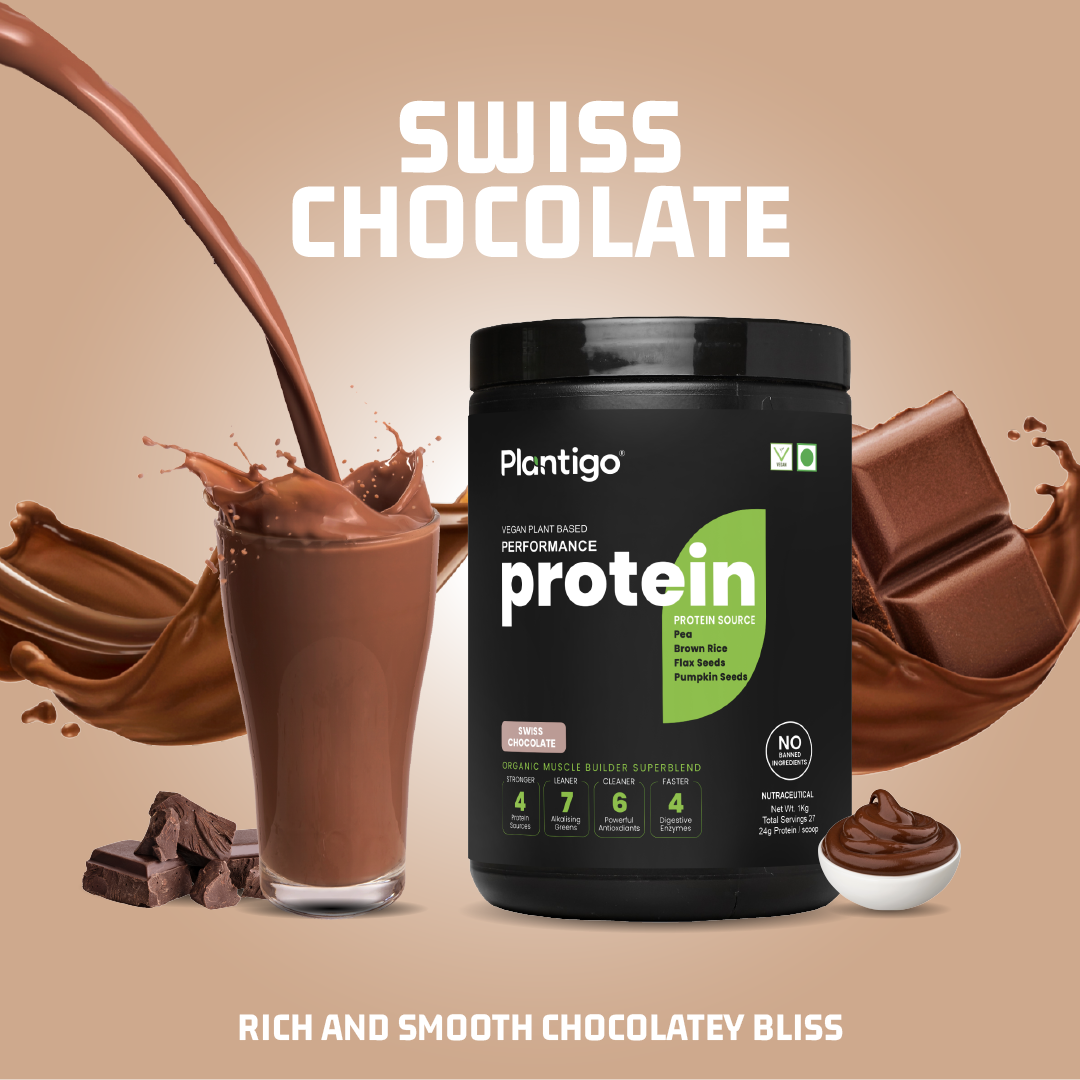
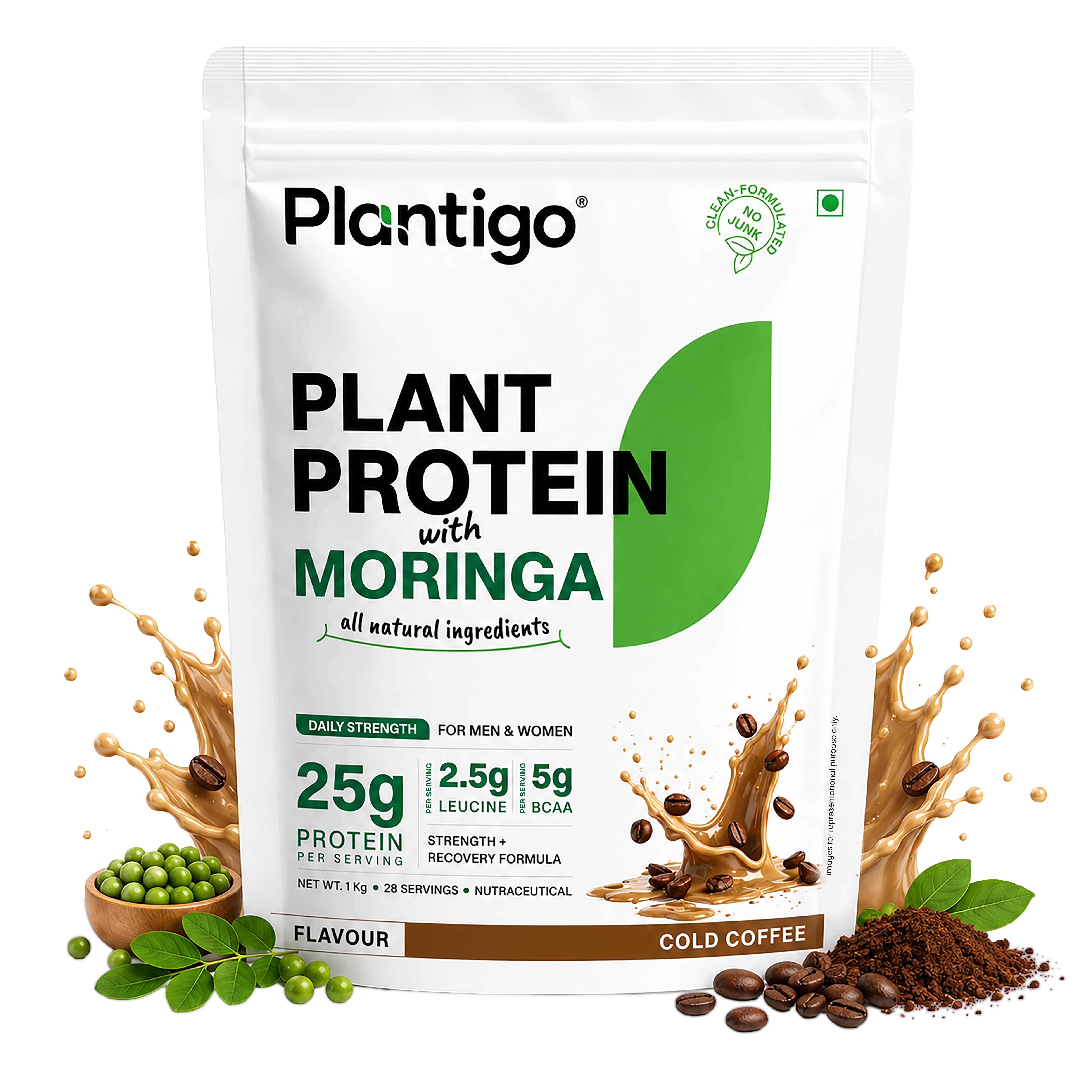
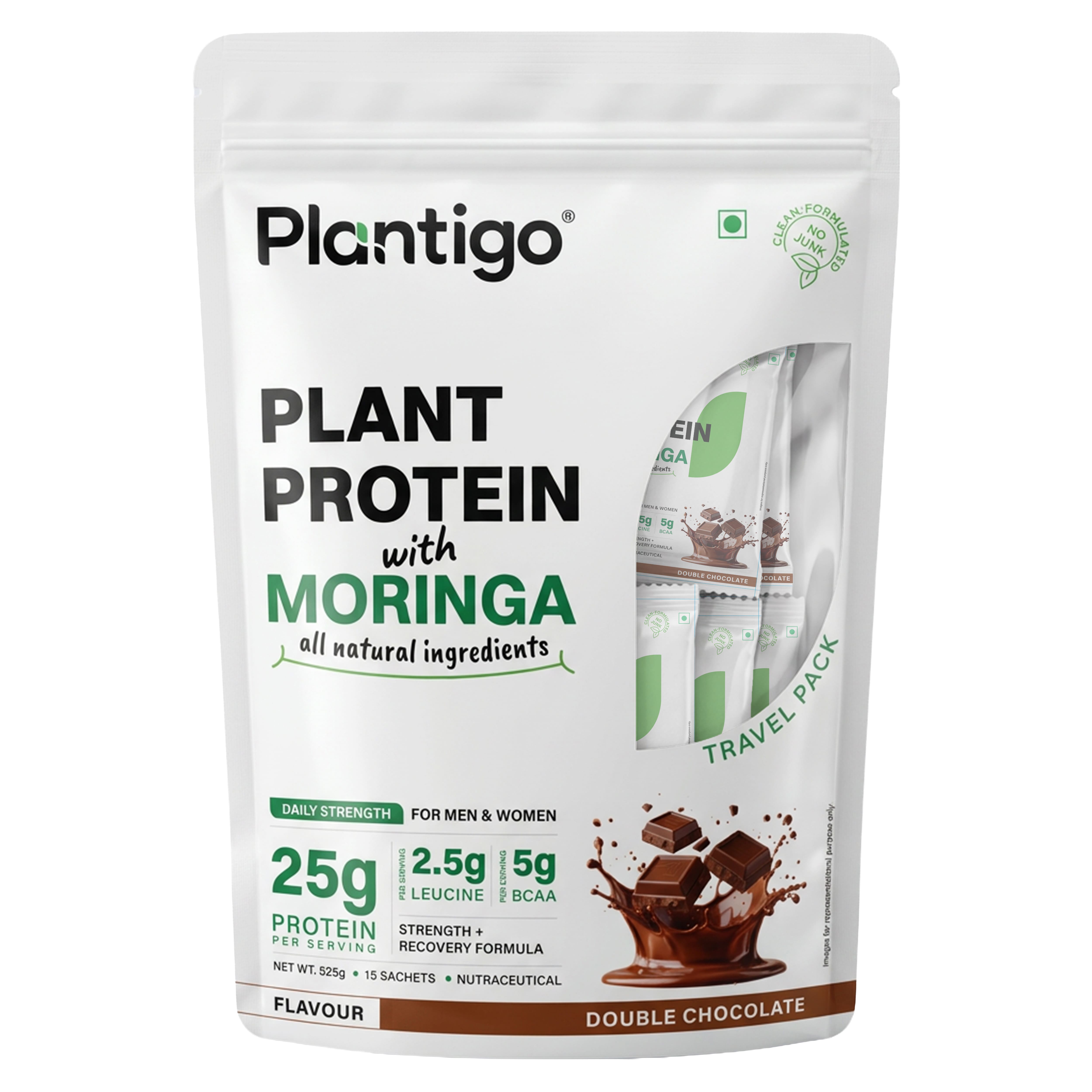
👉 Looking for a clean, third-party tested plant protein powder? Explore ourplant protein collection — made with a pea-rice blend, no maltodextrin, and transparent lab reports. Try theMuscle Gain variant or theMoringa-powered option depending on your goal.
FAQs
1. Is plant based protein powder as good as whey?
Yes, for muscle building. A 2024 study found pea-rice blends stimulate muscle protein synthesis at the same rate as whey. Plant protein also avoids lactose-related bloating and whey-linked acne.
2. Which plant protein is best in India?
Pea-rice blends are the best option. They combine complementary amino acids to form a complete protein with a DIAAS score comparable to animal proteins.
3. How much plant protein powder should I take per day?
1–2 scoops (25–50 g protein) depending on your total daily protein need. Most Indian adults need 50–80 g total protein per day from all sources combined.
4. Can plant protein powder help with weight loss?
Yes. Plant protein is high in protein (which increases satiety), low in calories, and contains zero cholesterol. It supports fat loss when combined with a calorie deficit.
5. Is plant protein powder safe for diabetics?
Yes, if you choose one without added sugar or maltodextrin. Plant protein has a low glycaemic impact and may help with blood sugar management.
6. Does plant protein powder cause bloating?
Much less than whey. Some people experience mild gas from the fibre content initially. Starting with half a scoop and increasing gradually usually fixes this.
7. Can I cook with plant protein powder?
Yes. Unflavoured plant protein works well in dosa batter, chilla, ladoo, porridge, and dal. Avoid boiling it directly — add it after cooking to preserve protein quality.
8. Is plant based protein powder safe for long-term use?
Yes. The ISSN 2024 position stand confirms that protein supplementation up to 2.2 g/kg/day is safe for healthy adults with no kidney or liver harm.
Disclaimer: This article is for educational purposes only and does not constitute medical advice. Consult a healthcare professional before starting any new supplement regimen, especially if you have kidney disease, liver conditions, or diabetes.