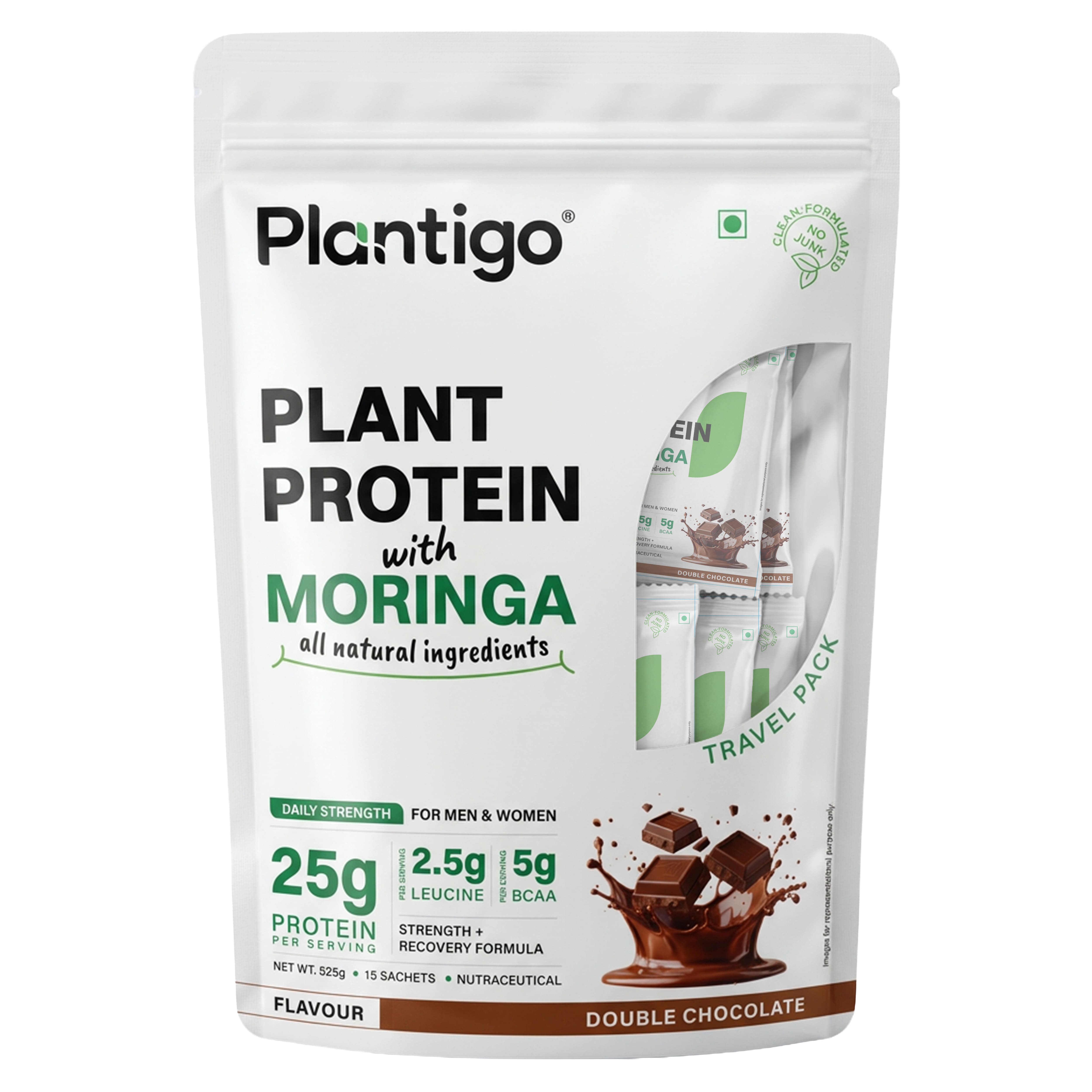
If you feel bloated, gassy, or heavy after a protein shake, you're probably not "protein intolerant" — you're lactose intolerant. About3 in 4 Indians can't digest lactose properly, and most whey protein powders contain it. The fix isn't to stop using protein — it's to switch to a truly lactose-free option.
Here's how to choose the right one.
Why Most Protein Powders Cause Problems in India
The issue is simple: whey protein comes from milk. Milk contains lactose. And most Indians lack enough lactase enzyme to break it down.
|
Whey Type |
Lactose Content |
Problem Level |
|
Whey concentrate |
5–8% lactose |
High — bloating, gas, cramps |
|
Whey isolate |
0.5–1% lactose |
Lower — but traces remain |
|
Plant protein |
0% lactose |
None |
Many people assume whey isolate is "lactose-free." It's not. It's low-lactose. For highly sensitive individuals, even trace amounts trigger symptoms.
Signs You Need a Lactose-Free Protein Powder
You don't need a medical test to figure this out. If you consistently experience any of these within 30–120 minutes of a whey shake, lactose is likely the cause:

-
Bloating — stomach feels swollen or tight
-
Gas — excessive flatulence after shakes
-
Stomach cramps — sharp or dull pain in the abdomen
-
Nausea — especially when mixed with milk
-
Acne flare-ups — dairy-triggered IGF-1 spike
If these disappear when you skip the shake for a few days, your protein powder is the problem — not protein itself.
Your 3 Lactose-Free Options
Option 1: Plant Protein (Pea + Rice Blend)
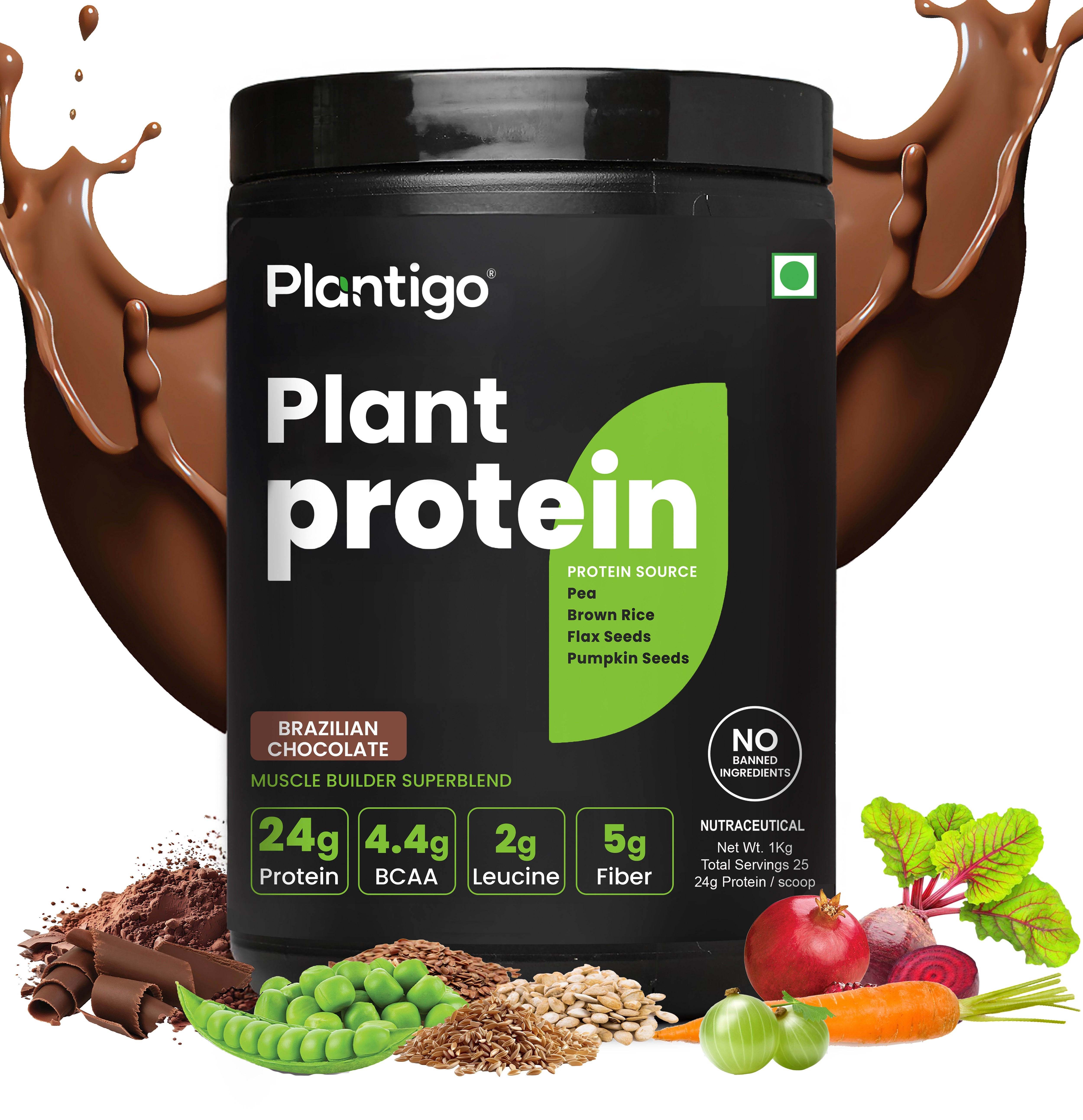
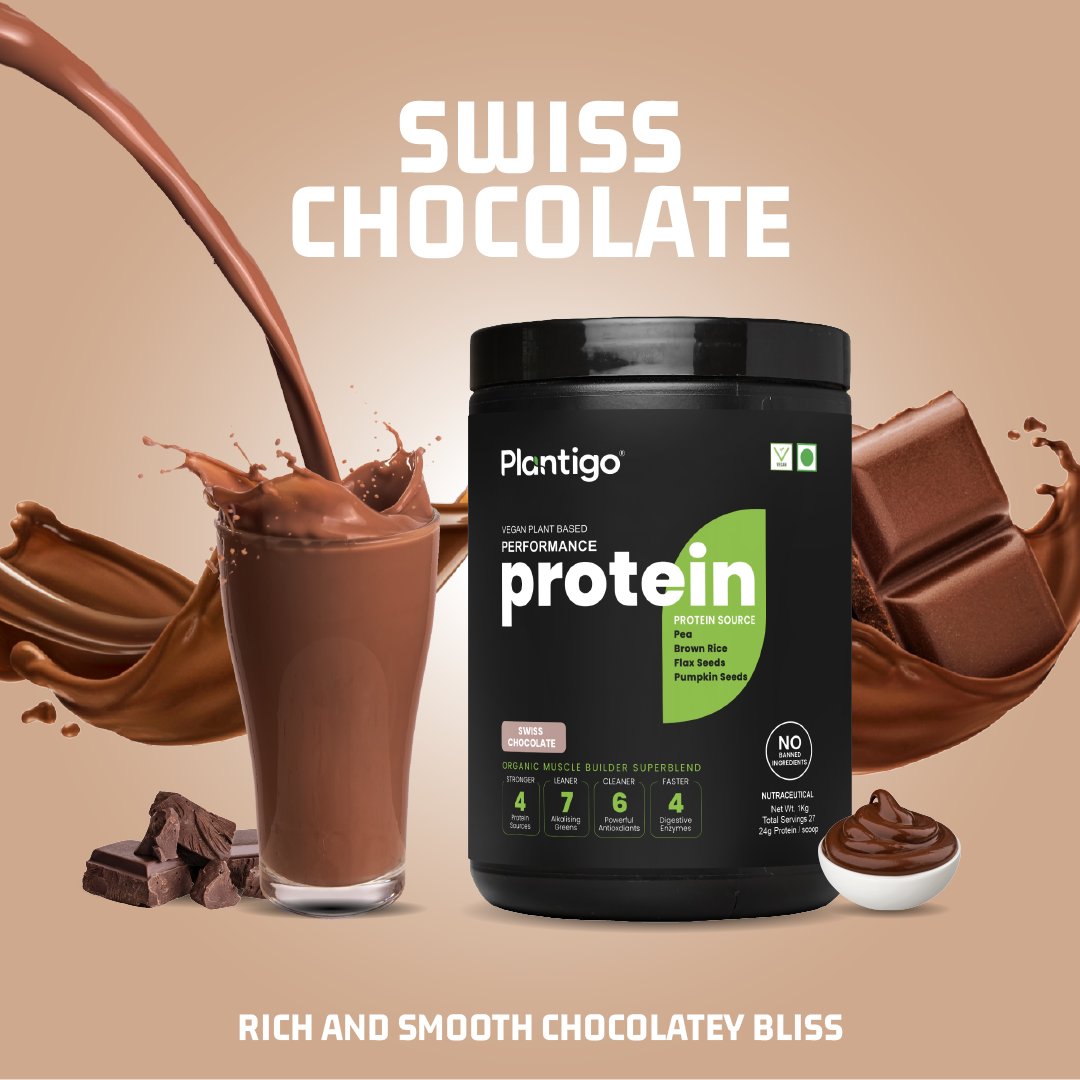
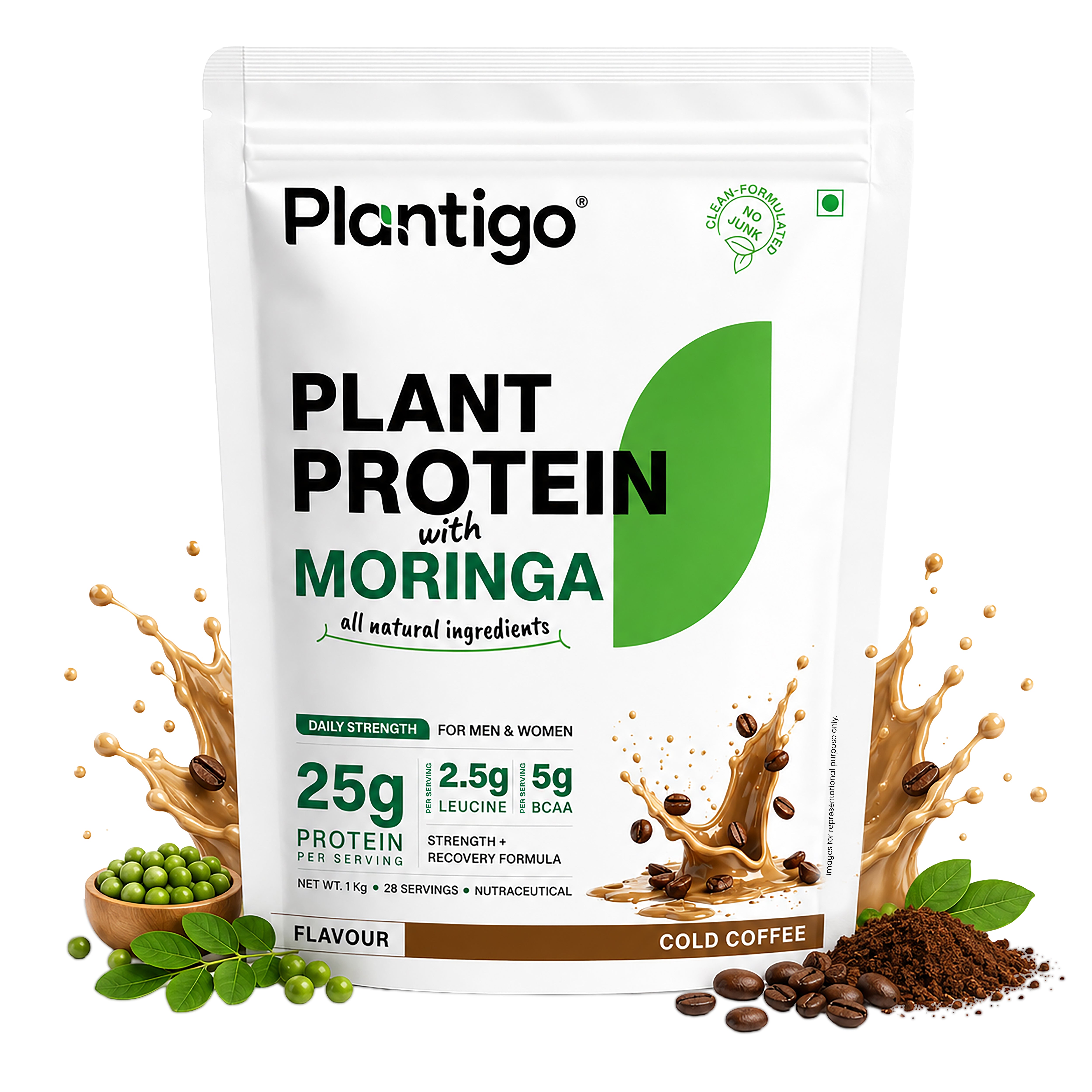
Truly zero lactose. No dairy involvement at any stage of production. A pea-riceplant protein blend has a PDCAAS of 0.98–1.0 and delivers comparable muscle gains to whey. This is the safest choice for anyone with lactose intolerance.

For a full comparison, see ourplant protein vs whey protein guide.
Option 2: Soy Protein Isolate
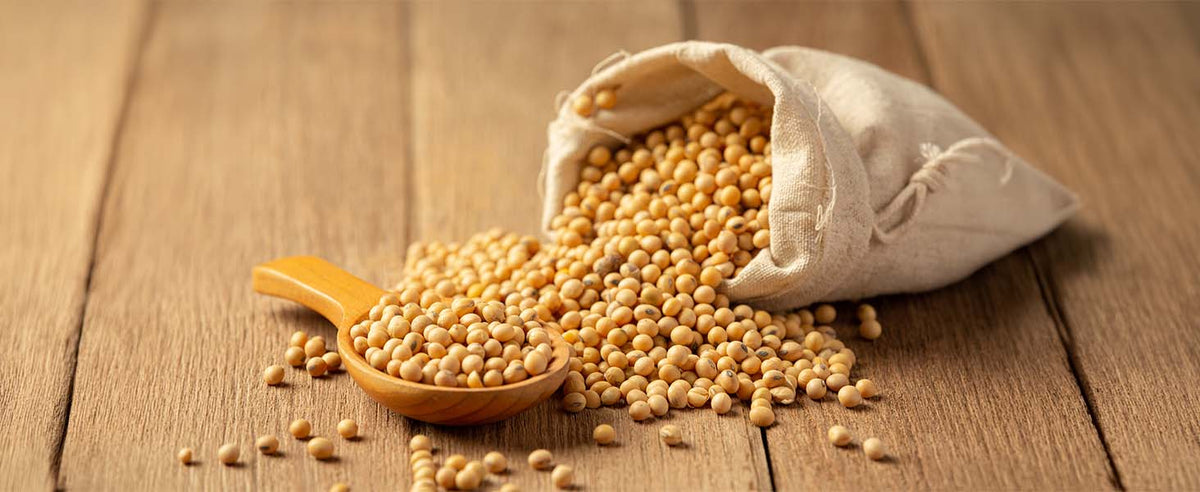
Also completely lactose-free. PDCAAS of 1.0 — the only single-source plant protein that matches whey on amino acid quality. Good option if you're comfortable with soy and want a budget-friendly choice. See howsoy protein compares to pea protein.
Option 3: Whey Isolate (with caution)
Whey isolate removes most lactose through extra filtration. But "most" isn't "all." If you're mildly sensitive, isolate may work. If you're highly sensitive — which many South Indians are (82% lactose intolerant) — even isolate can trigger symptoms.
How to Read the Label
Not every "lactose-free" claim on the packaging is accurate. Check these:
Red flags:
-
"Whey concentrate" listed as first ingredient — high lactose
-
"Milk solids" or "milk powder" anywhere on the label
-
"Sugar-free" used as a substitute for "lactose-free" — these are not the same thing
-
No allergen declaration for milk/dairy
Green flags:
-
"Plant-based" or "dairy-free" clearly stated
-
Protein source listed as pea, rice, soy, or hemp
-
"No milk derivatives" in allergen section
-
Third-party tested for allergens
The Indian Diet Advantage
Here's what most articles miss: the average Indian gut is already adapted to plant proteins. Dal,besan, soya chunks, and rajma are daily staples across India.
Switching from whey toplant protein isn't switching to something unfamiliar — it's switching to a concentrated form of what your body already knows how to digest.
The Verdict
If you're lactose intolerant (most Indians are): Skip whey entirely — including isolate. A pea-rice plant protein blend gives you the same protein quality (PDCAAS 0.98–1.0) with zero risk of digestive issues.
If you're mildly sensitive: Whey isolate might work, but you're paying more for a product that still carries a risk. Plant protein costs the same or less and eliminates the guesswork.
The simplest test: Switch to a plant protein for 2 weeks. If the bloating disappears, you have your answer.
Shop Plantigo's plant protein range
FAQs
1. Is whey isolate truly lactose-free?
No. Whey isolate is low-lactose (0.5–1%), not zero. Highly sensitive individuals can still react to it.
2. Can lactose intolerance develop later in life?
Yes. Most Indians gradually lose lactase production after childhood. You may tolerate dairy as a child but react to it as an adult.
3. Will I lose muscle gains by switching to plant protein?
No. Studies show pea protein and whey produce equivalent muscle gains when total daily protein intake is matched.
4. How do I know if I'm lactose intolerant?
If you bloat, get gas, or feel cramps within 30–120 minutes of consuming dairy or whey protein, you likely are.
5. Is plant protein harder to digest than whey?
The opposite. Indian digestive systems are adapted to plant-based foods. Plant protein is easier on the stomach for most Indians.
6. Can I just add digestive enzymes to whey instead?
Lactase supplements help some people, but they're an extra cost and don't work for everyone. Plant protein removes the problem entirely.