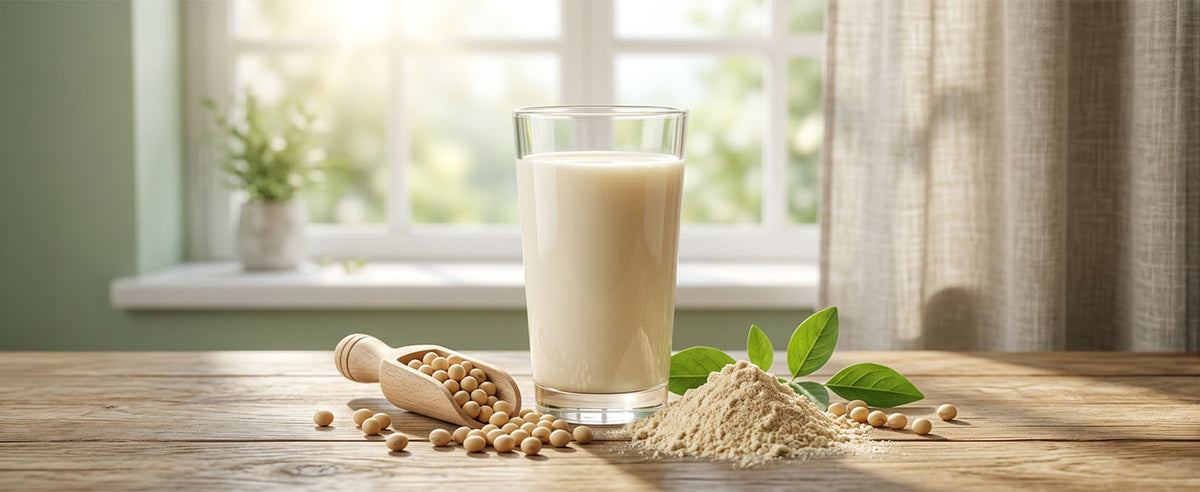
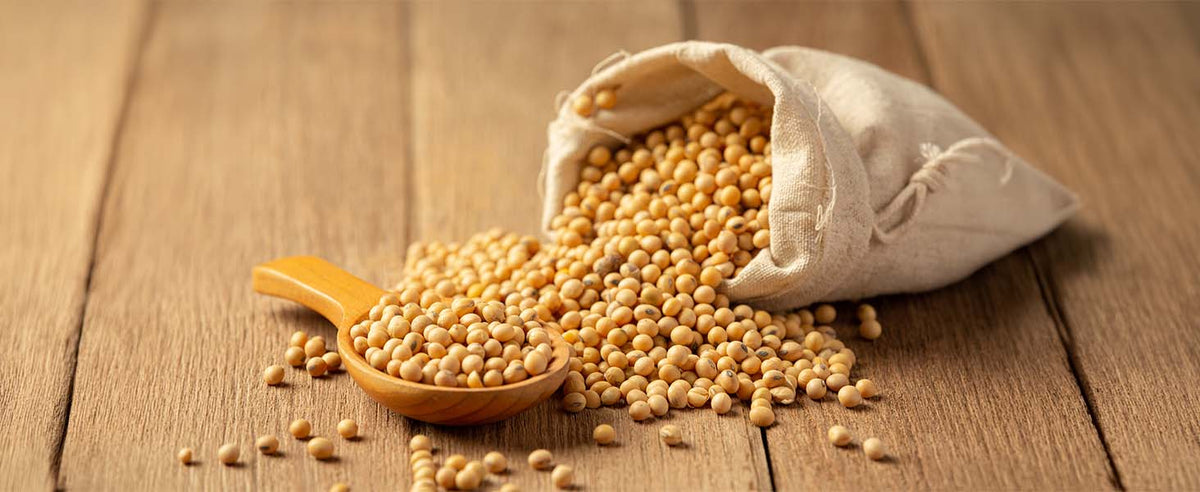
Soy protein is the only plant protein with a PDCAAS score of 1.0 — the same as whey. It contains all nine essential amino acids in sufficient amounts, making it a complete protein without needing to blend sources. For Indians looking for a dairy-free, vegetarian protein that matches whey on quality, soy is the strongest standalone option.
But there are myths to address. Here's the full picture.
What Makes Soy Protein Different
Most plant proteins — pea, rice, hemp — are incomplete on their own. They need blending to match whey's amino acid profile.
Soy doesn't.
|
Factor |
Soy Protein |
Pea Protein |
Whey Protein |
|
PDCAAS Score |
1.0 |
0.89 (alone) |
1.0 |
|
Complete amino acids |
Yes |
No (low methionine) |
Yes |
|
Leucine per serving |
~1.8–2.0g |
~2.0–2.3g |
~2.5–3.0g |
|
Lactose |
None |
None |
Yes |
|
Suitable for vegetarians |
Yes |
Yes |
Lacto-vegetarian only |
Soy protein isolate delivers 90%+ protein per serving with minimal fat and carbs. For a deeper comparison, read oursoy vs pea protein breakdown.
5 Proven Benefits of Soy Protein

1. Complete Protein Source
Soy is the only plant protein with a perfect PDCAAS of 1.0. You don't need to combine it with rice or any other source to get all essential amino acids.
2. Supports Muscle Building
A2007 meta-analysis of clinical trials confirmed that soy protein produces comparable muscle gains to whey when total daily protein intake is matched. The key is hitting 1.4–2.0g per kg of body weight — the source matters less than the amount.
3. Heart Health Benefits
Soy protein has been shown to reduce LDL cholesterol. The US FDA has allowed a heart-health claim for soy protein since 1999 — 25g per day as part of a diet low in saturated fat may reduce heart disease risk.
4. Naturally Lactose-Free
No bloating, no gas, no stomach cramps. For the ~75% of Indians who are lactose intolerant, soy eliminates the digestive issues that come withwhey protein.
5. Budget-Friendly
Soy protein isolate is among the cheapest plant proteins per gram in India. India is one of the world's largest soybean producers, keeping raw material costs low.
The Estrogen Myth — Busted
This is the biggest reason Indian men avoid soy. Let's clear it up.
Soy contains isoflavones — plant compounds that are structurally similar to estrogen. This led to the myth that soy raises estrogen and lowers testosterone in men.
What the research actually shows:
A2021 meta-analysis reviewing 41 clinical studies found that soy protein and isoflavones have no effect on testosterone or estrogen levels in men — even at high intakes equivalent to 3+ servings per day.
AHealthline review of the research confirmed: isoflavones are far weaker than actual estrogen, and men who reported hormonal effects had extreme intakes far beyond normal consumption.
Bottom line: The estrogen fear is not supported by clinical evidence.
How Soy Fits the Indian Diet
India is the fifth-largest soybean producer in the world. Soy-based foods are already part of many Indian diets:
-
Soya chunks (meal maker) — a staple in North and South Indian cooking
-
Tofu — used in stir-fries and curries
-
Soy milk — a common dairy alternative
-
Soy flour — mixed into roti and paratha dough
If you already eatsoya chunks regularly, your gut is well-adapted to digesting soy protein. A soy protein powder is simply a concentrated, convenient form of the same protein.
Soy Protein vs Pea-Rice Blend: Which Should You Pick?
Soy is a strong standalone protein — but a pea-rice blend edges it out for most people:
|
Factor |
Soy Protein |
Pea + Rice Blend |
|
PDCAAS |
1.0 |
0.98–1.0 |
|
Leucine per serving |
~1.8–2.0g |
~2.0–2.3g |
|
Allergen risk |
Soy is a top-8 allergen |
Very low |
|
Taste & mixability |
Beany aftertaste |
Smoother, neutral |
|
Estrogen concerns |
Myth, but causes hesitation |
No isoflavone debate |
Choose soy if you already eat soy foods regularly, want the cheapest option, or specifically want isoflavone heart-health benefits.
Choose a pea-rice blend if you want higher leucine for muscle building, prefer a cleaner taste, have soy sensitivity, or simply want to avoid the estrogen debate altogether.

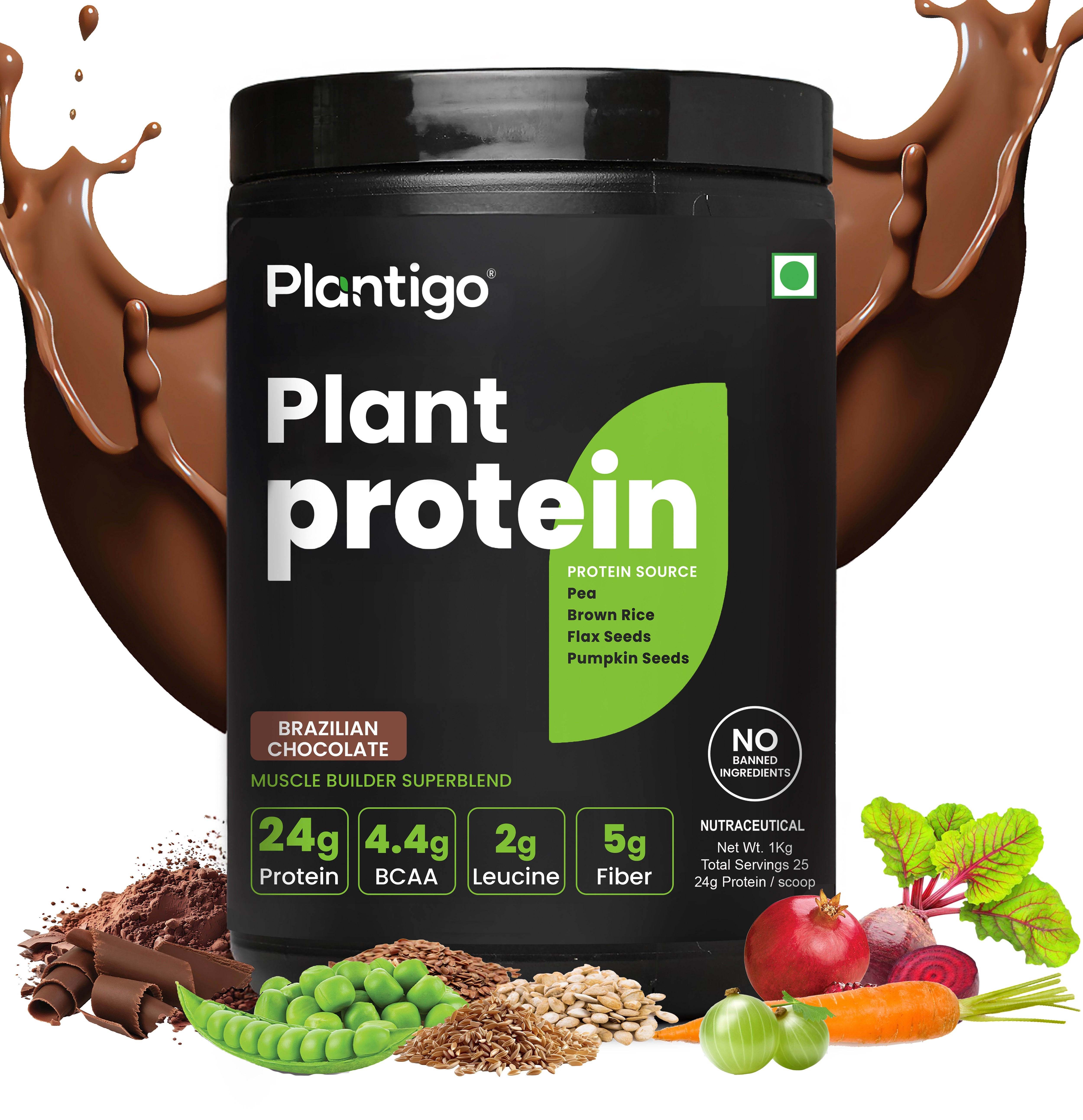
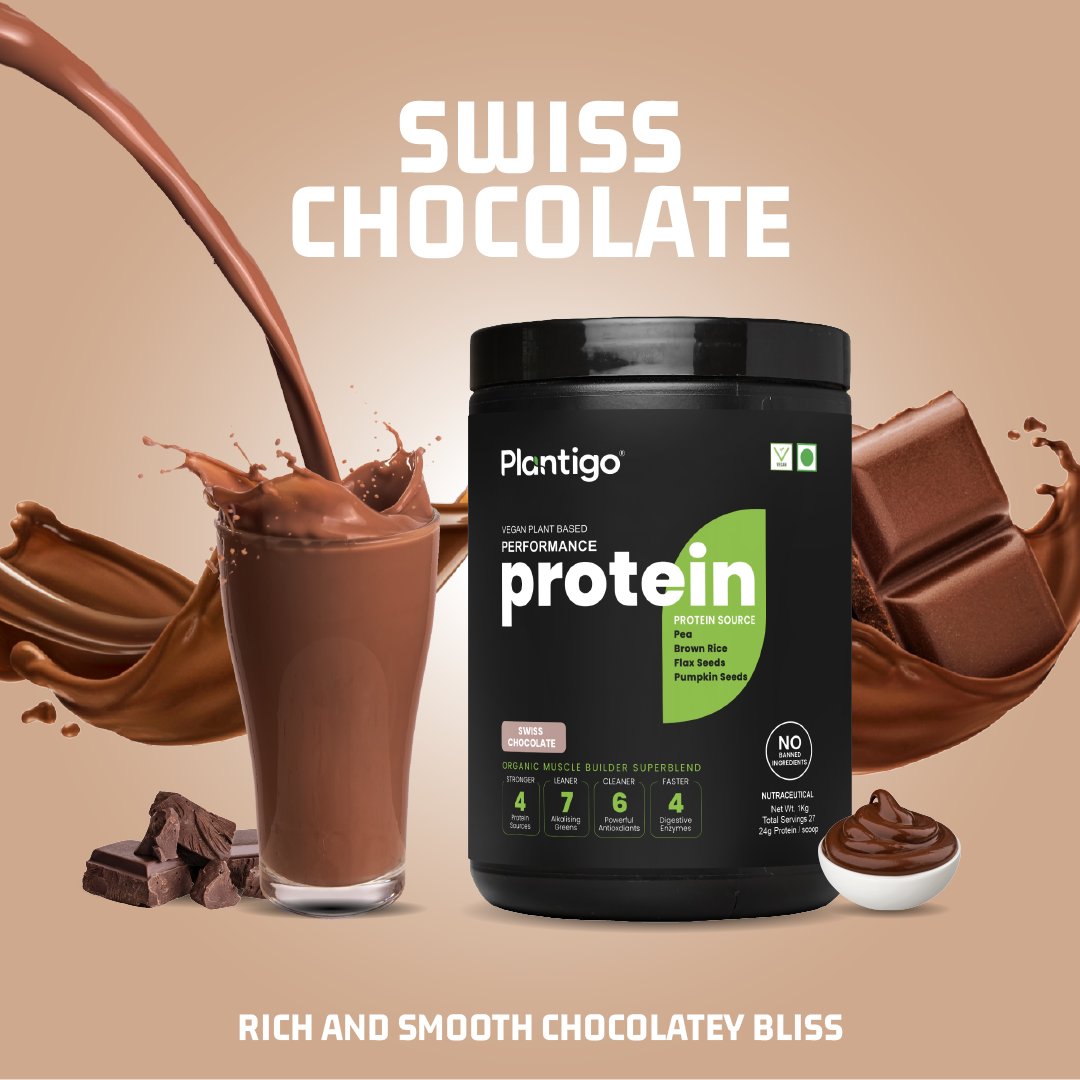
For most Indians, aplant protein blend (pea + rice) gives you the best combination of muscle-building potential, taste, and zero controversy — while matching soy on protein quality.
FAQs
1. Is soy protein as good as whey for building muscle?
Yes. Soy has a PDCAAS of 1.0, same as whey. Studies show comparable muscle gains when total daily protein intake is equal.
2. Does soy protein increase estrogen in men?
No. A meta-analysis of 41 studies found no effect on testosterone or estrogen levels in men, even at high intakes.
3. How much soy protein per day is safe?
25–50g per day is well-studied and safe. The US FDA recognises 25g daily for heart health benefits.
4. Is soy protein good for women?
Yes. Soy provides complete protein and isoflavones may support bone health. It does not increase breast cancer risk per current research.
5. Can I eat soya chunks and take soy protein powder?
Yes. Just count total protein intake. If you eat 100g soya chunks (~52g protein), adjust your powder serving accordingly.
6. Is soy protein safe for diabetics?
Yes. Soy protein has a low glycemic impact and doesn't spike blood sugar. It's a good option for diabetics avoiding dairy.