
Last updated: October 2026
The best protein powder for elderly parents in India is a plant-based pea-rice blend with 10–15g protein per serving, no added sugar, and no lactose. ICMR recommends1.0–1.2g of protein per kg body weight daily for adults over 60 — yet most Indian seniors barely consume half that. A plant protein powder fills this gap without the bloating, kidney strain, or dairy side effects that come with whey-based formulas.
Here's how to choose the right one.
Why Elderly Indians Need a Protein Supplement
Nearly half of all Indian seniors may have sarcopenia — age-related muscle loss that affects mobility, balance, and independence. A nationally representativeLASI study of 26,780 adults aged 60+ found that 43.6% had sarcopenia and 19.4% had severe sarcopenia.
The problem has three layers:
|
Factor |
What Happens |
Impact |
|
Muscle loss |
3–8% per decade after 30 |
Reduced strength, balance, independence |
|
Anabolic resistance |
Body needs more protein per meal to build muscle |
Same dal-roti meal builds less muscle at 65 than at 35 |
|
Reduced appetite |
Smaller portions, dental issues, medication effects |
Daily protein intake drops to 35–40g vs 65–78g needed |
The average Indian senior eating dal, roti, and vegetables rarely crosses 35–40g of protein daily. ICMR recommends 65–78g for a 65kg adult over 60. That's a daily gap of 25–40g — exactly what one or two scoops of protein powder can fill.
What to Look for on the Label
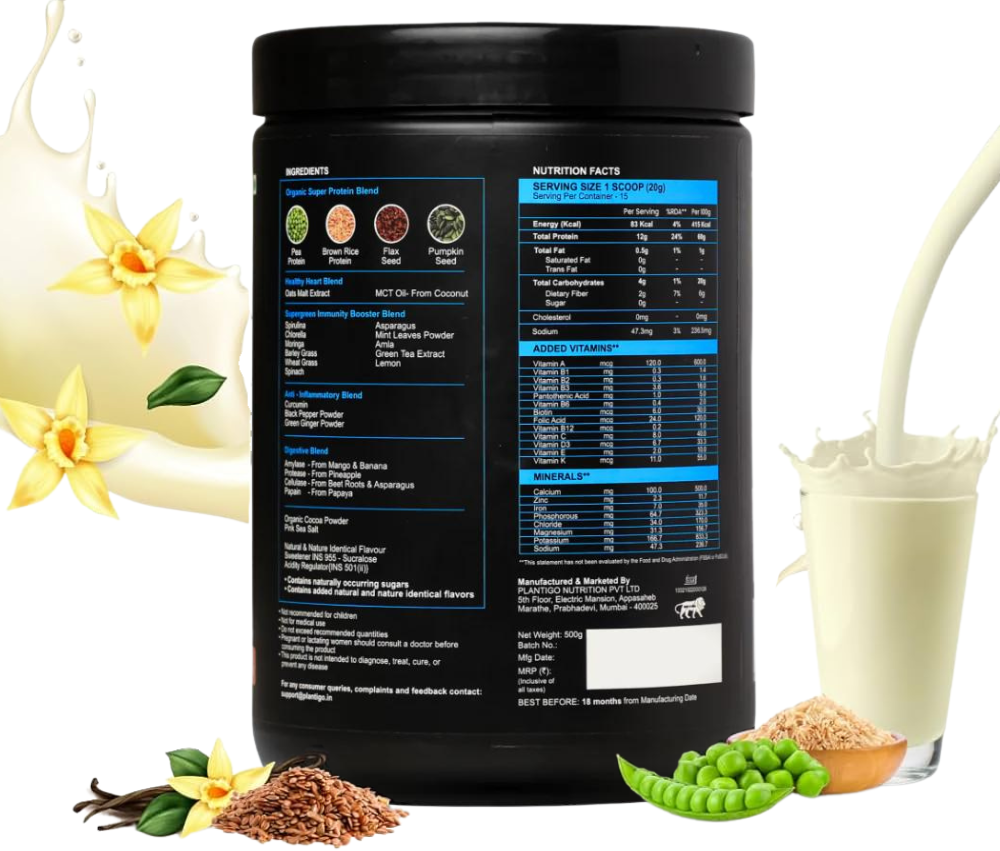
Not every protein powder marketed to seniors is actually suitable for them. Many elderly nutrition drinks contain hidden sugar, excessive protein that strains kidneys, or dairy that causes bloating. Check these five things:
1. Protein Per Serving: 10–25g
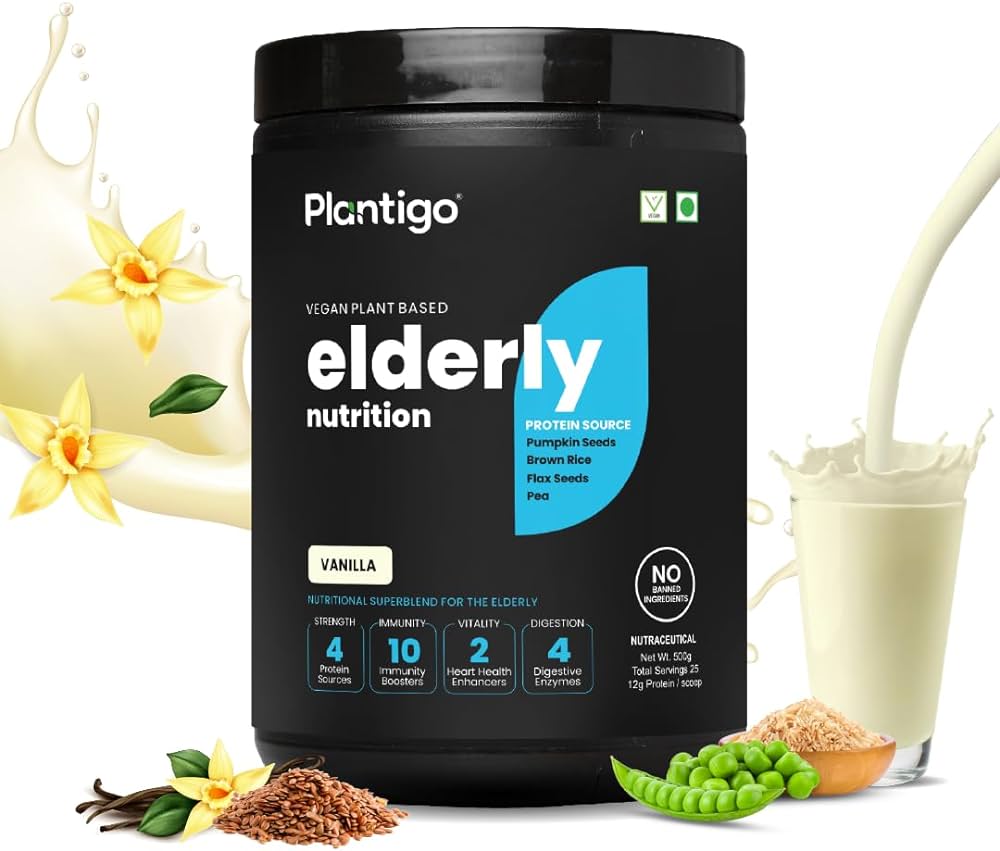
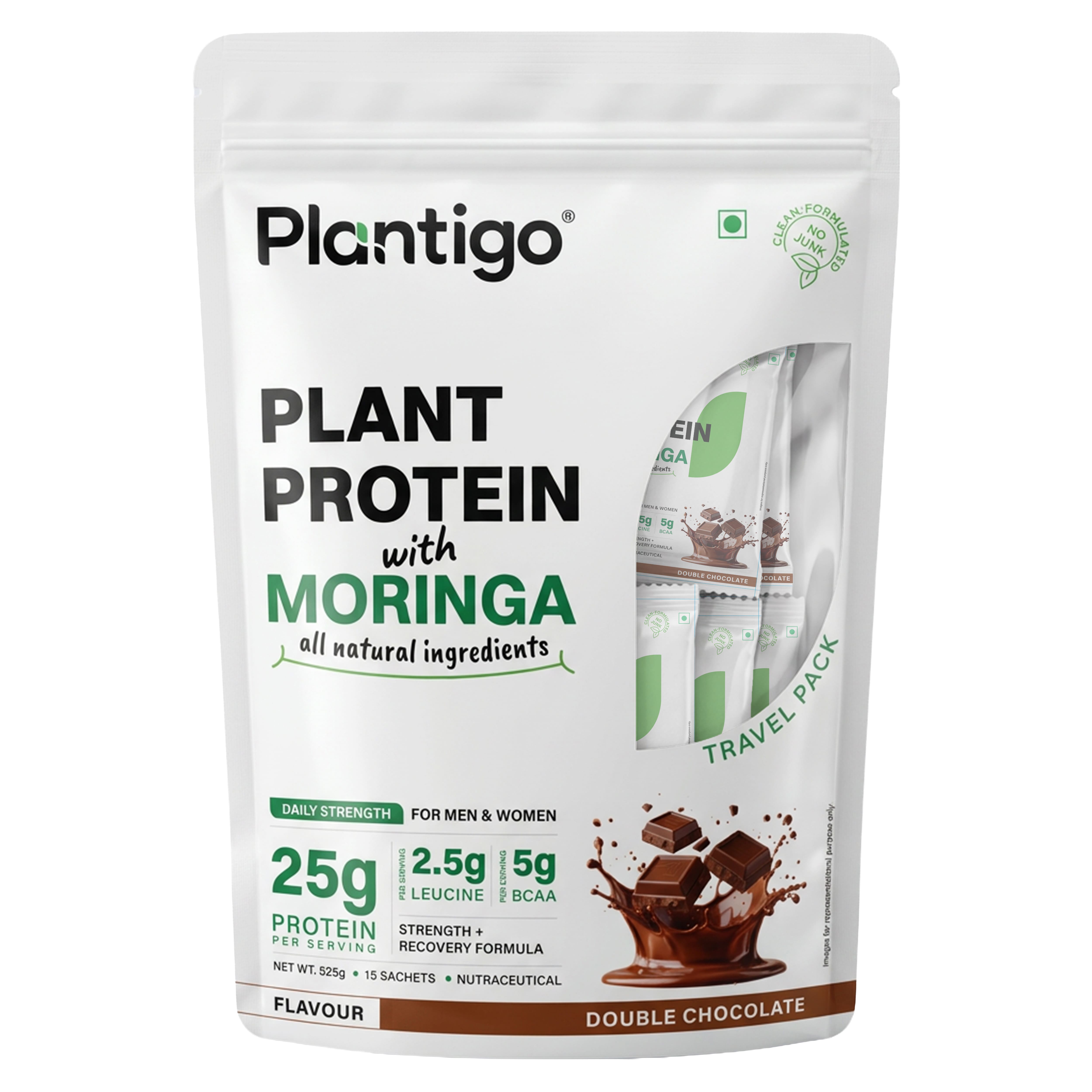
Seniors with poor appetite do better with moderate-protein formulas (10–15g) likePlantigo Elderly that supplement meals rather than replace them. Active seniors who exercise may benefit from 20–25g per serving. Avoid 30g+ formulas unless recommended by a doctor.

2. Added Sugar: Must Be 0g
Many popular elderly nutrition drinks contain 5–10g of added sugar per serving. For diabetic seniors — and India has89.8 million diabetic adults — this is dangerous. Always check the nutrition label, not just the front packaging.
3. Lactose Content: Ideally Zero
About 3 in 4 Indians arelactose intolerant. This gets worse with age — lactase enzyme production drops further after 60. A lactose-free, plant-based formula eliminates bloating, gas, and stomach discomfort entirely.
4. Kidney Safety: Moderate Protein
High-protein supplements may strain kidneys in seniors with pre-existing renal issues. Moderate-protein formulas (10–15g) with added micronutrients are safer for daily unsupervised use. If kidney function is uncertain, consult a doctor before starting any high-dose protein supplement.
5. Bone and Joint Support
Look for added calcium, vitamin D, and magnesium. Seniors need these alongside protein for bone density and joint health. Forcalcium-rich Indian foods to pair with a protein supplement, see our guide.
Plant Protein vs Whey Protein for Seniors
For most Indian seniors, plant protein is the safer daily choice — it's lactose-free, gentle on kidneys, and may produce comparable muscle-building results to whey. Here's how they compare:
|
Factor |
Plant Protein (Pea + Rice) |
Whey Protein |
|
Lactose |
None |
Present (even traces in isolate) |
|
Digestive comfort |
Gentle, rarely causes bloating |
May cause bloating in 60%+ of Indian seniors |
|
Kidney load |
Moderate nitrogen load |
Higher nitrogen load |
|
Allergens |
Hypoallergenic |
Dairy allergen |
|
Muscle synthesis |
Comparable in older adults |
Slightly higher leucine |
|
Cholesterol |
Zero |
Contains some |
|
Micronutrients |
Iron, magnesium, zinc naturally present |
Limited unless fortified |
|
Vegetarian-friendly |
Yes (all vegetarians) |
No (for strict vegetarians) |
A2024 study in the American Journal of Clinical Nutrition found that pea protein stimulated identical muscle protein synthesis rates to whey protein in older adults — both at 1.59% per day. This suggests that for seniors focused on maintaining muscle,plant protein may deliver the same benefit without the dairy side effects.
For a full breakdown, read ourplant protein vs whey protein comparison.
Signs Your Elderly Parent Needs More Protein
If your parent shows 3 or more of these signs, protein deficiency may be the cause. Many families don't recogniseprotein deficiency in seniors until it's advanced. Watch for:
|
Sign |
What It Looks Like |
|
Muscle wasting |
Arms and legs look thinner, clothes feel looser |
|
Fatigue |
Low energy throughout the day, even after rest |
|
Slow wound healing |
Cuts, bruises, or surgical wounds take weeks to heal |
|
Frequent infections |
Catching colds or infections more often than usual |
|
Brittle nails |
Nails crack, split, or break easily |
|
Balance issues |
Difficulty standing from a chair without arm support |
|
Increased falls |
Tripping or losing balance more than before |
If you notice these, increasing protein intake should be a priority — alongside a medical check-up. For more on how protein supports energy and wellness in seniors, see our guide onprotein for old age and energy levels.
How Much Protein Do Seniors Need Daily?
ThePROT-AGE study group recommends 1.0–1.2g of protein per kg body weight for healthy adults over 65 — and up to 1.5g/kg for those recovering from illness. Here's what that looks like in practice:
|
Body Weight |
Daily Protein Need (Healthy) |
Daily Protein Need (Illness/Recovery) |
|
50 kg |
50–60g |
Up to 75g |
|
60 kg |
60–72g |
Up to 90g |
|
70 kg |
70–84g |
Up to 105g |
|
80 kg |
80–96g |
Up to 120g |
Most Indian seniors eating a typical vegetarian diet get 30–40g daily. That's a gap of 20–50g — which is why a protein supplement makes a meaningful difference.
Pair the supplement with whole foods: Dal, paneer, sprouts, chana, andprotein-rich Indian foods across meals. For a structured approach, see our7-day meal plan for elderly nutrition.
Best Time to Take Protein Powder for Seniors

Between meals — around 10 AM or 4 PM — is the most effective timing for elderly protein supplementation. This adds to daily intake without suppressing appetite for regular meals.
Morning (with breakfast): Most Indian breakfasts (poha, idli, upma) are carb-heavy. Adding protein slows the glucose spike and keeps energy stable through the morning.
Between meals: A mid-morning or evening protein shake replaces unhealthy snacks (biscuits, namkeen) with something that actually builds muscle and supports immunity.
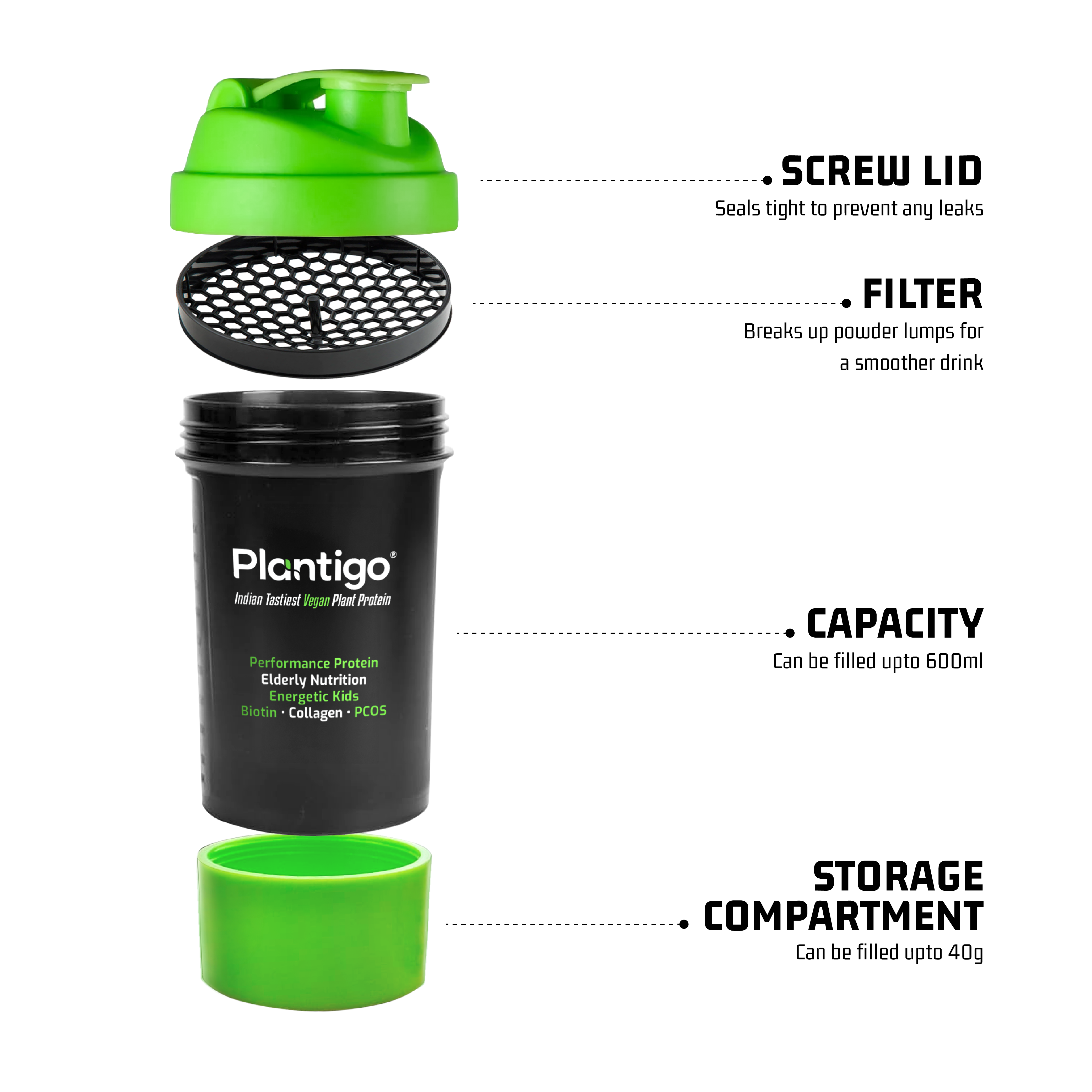
How to prepare: Mix with warm water or warm milk. Add half a banana or a spoon of honey if taste is an issue. The powder should dissolve easily without a blender — seniors shouldn't need special equipment.
Avoid: Taking protein powder as a meal replacement. Seniors already eat too little — the supplement should add to meals, not replace them.
The Indian Diet Advantage
The Indian gut is already well-adapted to plant-based proteins. Dal, chana, rajma,iron-rich foods, and besan have been daily staples for generations. Switching to aplant protein powder isn't introducing something foreign — it's adding a concentrated form of what the body already knows how to digest.
For elderly parents who resist the idea of "protein powder" as something for gym-goers, framing it as a nutritional supplement — similar to the Horlicks or Bournvita they grew up with, but without the sugar — often helps with daily adherence.
The Verdict
For most Indian seniors over 50, a plant-based protein powder is the safest daily choice. Look for:
-
10–15g protein per serving (not 30g+ unless doctor-recommended)
-
Zero added sugar
-
Zero lactose
-
Added calcium, vitamin D, and magnesium
-
Easy to mix in warm water without a blender
Whey-based formulas may work for seniors who digest dairy without issues, but they carry a risk of bloating, gas, and kidney strain that plant protein eliminates entirely.
The simplest approach: One scoop between meals, mixed with warm water, every day. Consistent daily intake matters more than hitting high numbers in a single serving.
👉Shop Plantigo's plant protein range
Disclaimer: This article is for educational purposes only and is not a substitute for medical advice. Always consult your doctor before adding any supplement to your elderly parent's routine.
FAQs
1. Which protein powder is best for old age in India?
A plant-based pea-rice blend with 10–15g protein, no added sugar, and no lactose. It matches whey on muscle synthesis without the digestive issues.
2. Is protein powder safe for 60-year-olds?
Yes — stick to moderate-protein (10–15g), sugar-free, plant-based formulas. Avoid 30g+ servings unless a doctor recommends it.
3. How much protein does a 70-year-old need daily?
1.0–1.2g per kg body weight daily (PROT-AGE recommendation). For a 65kg senior, that's 65–78g from all food and supplement sources combined.
4. Can diabetic seniors take protein powder?
Yes — choose sugar-free formulas with zero maltodextrin. Plant protein has a lower insulin response than whey, making it safer for blood sugar.
5. Plant protein or whey — which is better for seniors?
Plant protein — it's lactose-free, gentler on kidneys, and produces comparable muscle synthesis rates to whey in older adults.
6. When should seniors drink protein powder?
Between meals — around 10 AM or 4 PM. Mix with warm water. It adds to daily intake without suppressing appetite for regular meals.