
By Aaryan | Last updated: October 2026
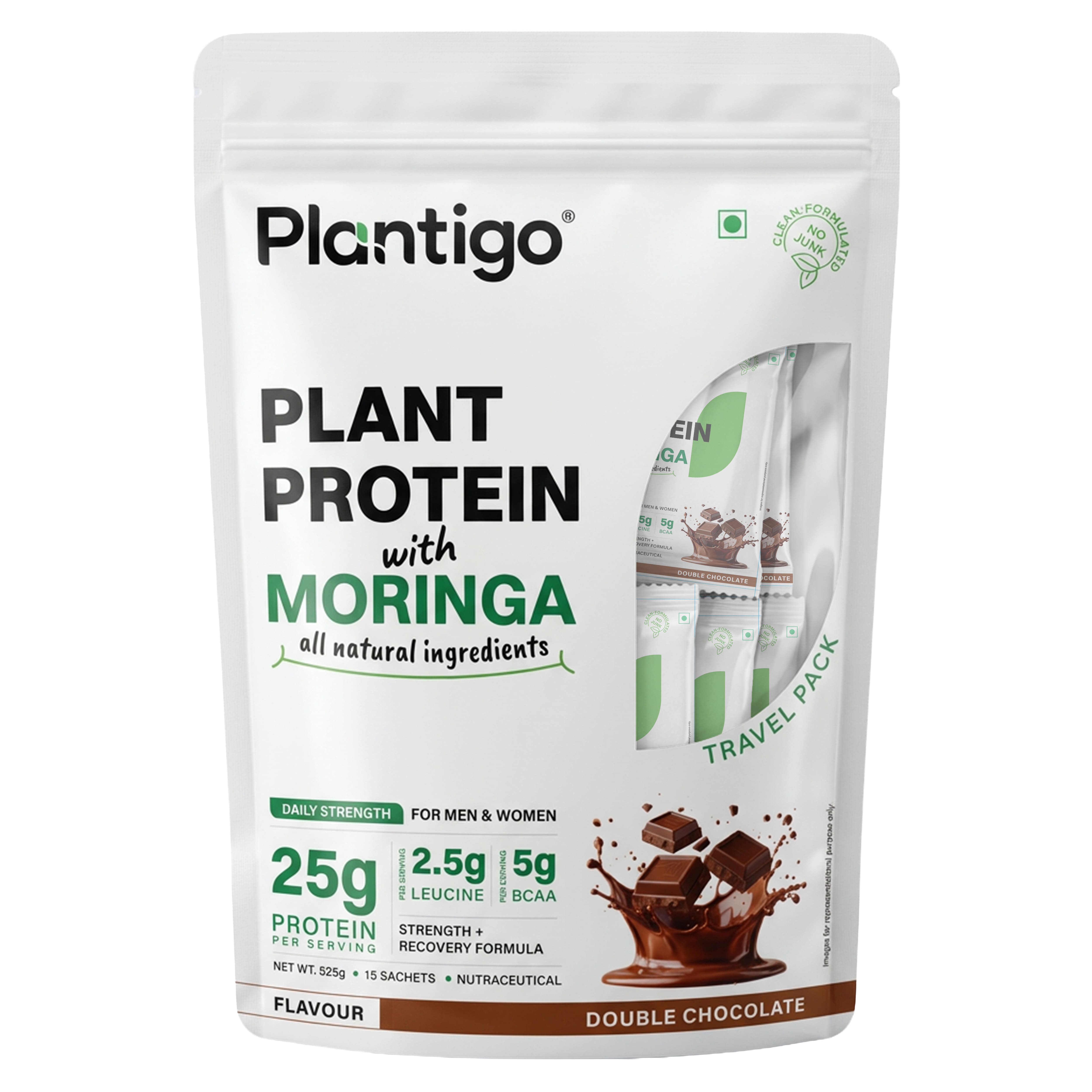
The best protein powder for beginners in India is a multi-sourceplant protein blend (pea + rice) — it's lactose-free, gentle on digestion, delivers complete amino acids, and doesn't require dairy tolerance. Start with 20–25g per serving, once daily, and increase only after your body adjusts. Over 60% of Indian adults are lactose intolerant (Lancet Gastroenterol Hepatol, 2017), making plant protein the safest starting point over whey.
Do You Actually Need Protein Powder?
Most Indian adults consume 30–50g of protein daily — well below the recommended 55–80g. If your diet already includes adequate protein from dal, paneer, eggs, chicken, andprotein-rich Indian foods, you may not need a supplement at all. Protein powder fills a gap — it doesn't replace meals.
You likely need protein powder if:
-
You're vegetarian or vegan and struggle to hit 0.8g/kg body weight daily
-
You've started exercising and need 1.0–1.2g/kg for recovery
-
You showsigns of protein deficiency — fatigue, hair fall, slow healing, sugar cravings
-
Your meals are carb-heavy (rice, roti, bread) with minimal protein sources
You probably don't need it if:
-
You eat 2–3 servings of dal/paneer/eggs/meat daily
-
You're not exercising or trying to build muscle
-
You're under 18 (focus on whole foods first — consult a paediatrician)
Types of Protein Powder: What Beginners Should Know
There are four main types of protein powder available in India. Each works differently, and the right one depends on your digestion, diet, and goals.
Plant Protein (Pea + Rice Blend)
Best for: Beginners who want the safest, gentlest starting point.
A multi-source plant blend combines pea protein (rich in lysine) with rice protein (rich in methionine) to create a complete amino acid profile. The PDCAAS score of a well-formulated pea-rice blend reaches 0.89–0.93, comparable to whey's 1.0 (Br J Nutr, 2012).
A2024 study on sedentary Indian adults found that protein supplementation with basic exercise significantly improved body composition and muscle strength — even in people who had never trained before.
Pros: Lactose-free, hypoallergenic, gentle on digestion, no dairy hormones, naturally contains iron and fibre. Cons: Slightly earthy taste compared to whey, needs a multi-source blend for complete aminos.
For a detailed nutritional breakdown, see our guide onrice protein per 100g.
Whey Protein (Concentrate, Isolate, Hydrolysate)
Best for: Beginners who tolerate dairy and train regularly.
Whey is derived from milk during cheese production. It's fast-absorbing and has the highest PDCAAS score (1.0). However, it contains lactose — and with over 60% of Indian adults being lactose intolerant (Lancet Gastroenterol Hepatol, 2017), many beginners experience bloating, gas, and acne on their first whey protein. For a full comparison, seeplant protein vs whey.
-
Whey concentrate — 70–80% protein, more lactose, cheapest. Most bloating issues.
-
Whey isolate — 90%+ protein, less lactose, pricier. Better for sensitive stomachs.
-
Whey hydrolysate — Pre-digested, fastest absorption, most expensive. Rarely needed for beginners.
Pros: Fastest absorption, highest PDCAAS, wide flavour range. Cons: Lactose, dairy allergen, can cause bloating and acne, contains cholesterol.
Soy Protein
Best for: Budget-conscious vegetarian beginners.
Soy is the only single-source plant protein with a complete amino acid profile. However, it contains phytoestrogens, and the research on their hormonal effects is mixed. For a detailed comparison, seesoy protein vs pea protein.
Pros: Complete aminos from single source, affordable. Cons: Soy allergen, phytoestrogen concerns, often GMO.
Casein Protein
Best for: Not recommended for beginners.
Casein is a slow-digesting dairy protein typically used before bed. It's unnecessary for beginners — the difference between fast and slow protein matters only at advanced training levels.
Plant Protein vs Whey: Which Should a Beginner Choose?
|
Factor |
Plant Protein (Pea + Rice) |
Whey Protein |
|
Beginner-friendliness |
Gentle, low risk of side effects |
Common bloating in first-time users |
|
Lactose |
None |
Present (60%+ Indians intolerant) |
|
Amino acid completeness |
Complete when blended |
Complete from single source |
|
Muscle synthesis |
Identical to whey (AJCN, 2024) |
Gold standard |
|
Digestive comfort |
Rarely causes issues |
Bloating, gas, acne common |
|
Iron content |
Naturally present |
Minimal |
|
Allergens |
Hypoallergenic |
Dairy allergen |
|
Price range (India) |
₹799–₹1,599/500g |
₹900–₹2,500/500g |
The beginner's rule: If you've never taken protein powder before, start with plant protein. If you tolerate dairy without any bloating, whey is an option. But given that muscle synthesis is identical between the two (AJCN, 2024), the only reason to choose whey over plant protein is personal taste preference.
How to Start Taking Protein Powder (Week-by-Week Guide)
Jumping straight to two scoops daily is the most common beginner mistake. Your digestive system needs time to adjust.

Week 1–2: Half scoop (10–12g protein) Mix half a scoop with 200ml water or milk after breakfast. This lets your gut adjust to concentrated protein without bloating or discomfort.
Week 3–4: Full scoop (20–25g protein) Move to one full scoop. Best taken after a workout, or with breakfast if you don't exercise that day.
Week 5 onwards: Assess and adjust If you're training 4+ days a week and your diet still falls short, add a second scoop between meals. Most beginners don't need more than one scoop daily.
How to prepare: Mix with cold water for the lowest calorie option. Blend with banana and peanut butter for a meal replacement. Add to oats or smoothies for breakfast.
When to take it:
-
Post-workout — within 30–60 minutes for recovery
-
Breakfast — front-load protein to reduce cravings later
-
Between meals — 10 AM or 4 PM as a protein snack
Use aprotein calculator to find your exact daily requirement before deciding how many scoops you need.
What to Check on the Label Before Your First Buy
As a beginner, you're the prime target for misleading labels. Here's what to verify:
1. Protein per serving: Should be 20–25g. Under 15g is too low to make a difference. Over 30g is unnecessary — your body can only use 25–30g per meal for muscle synthesis.
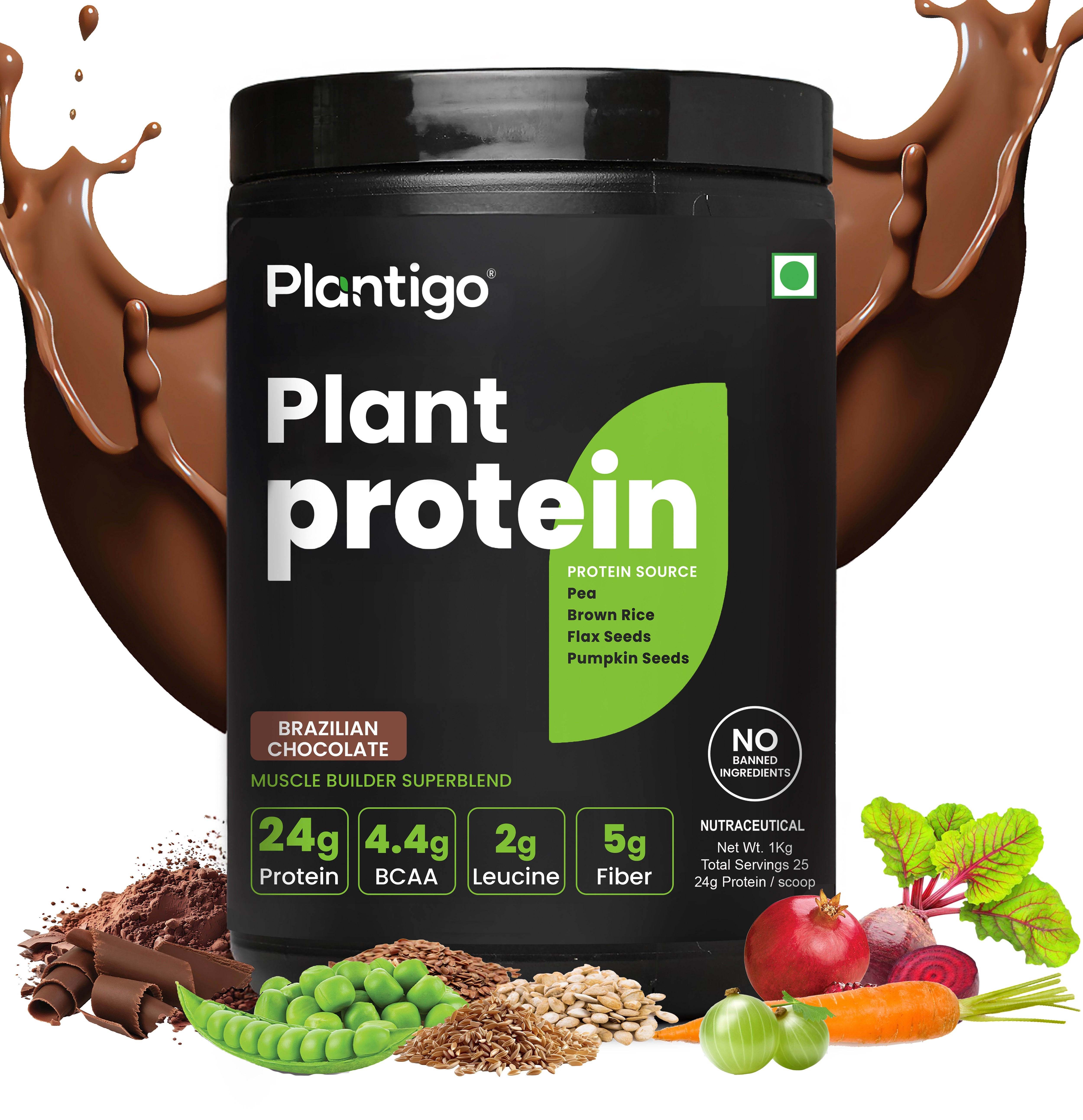
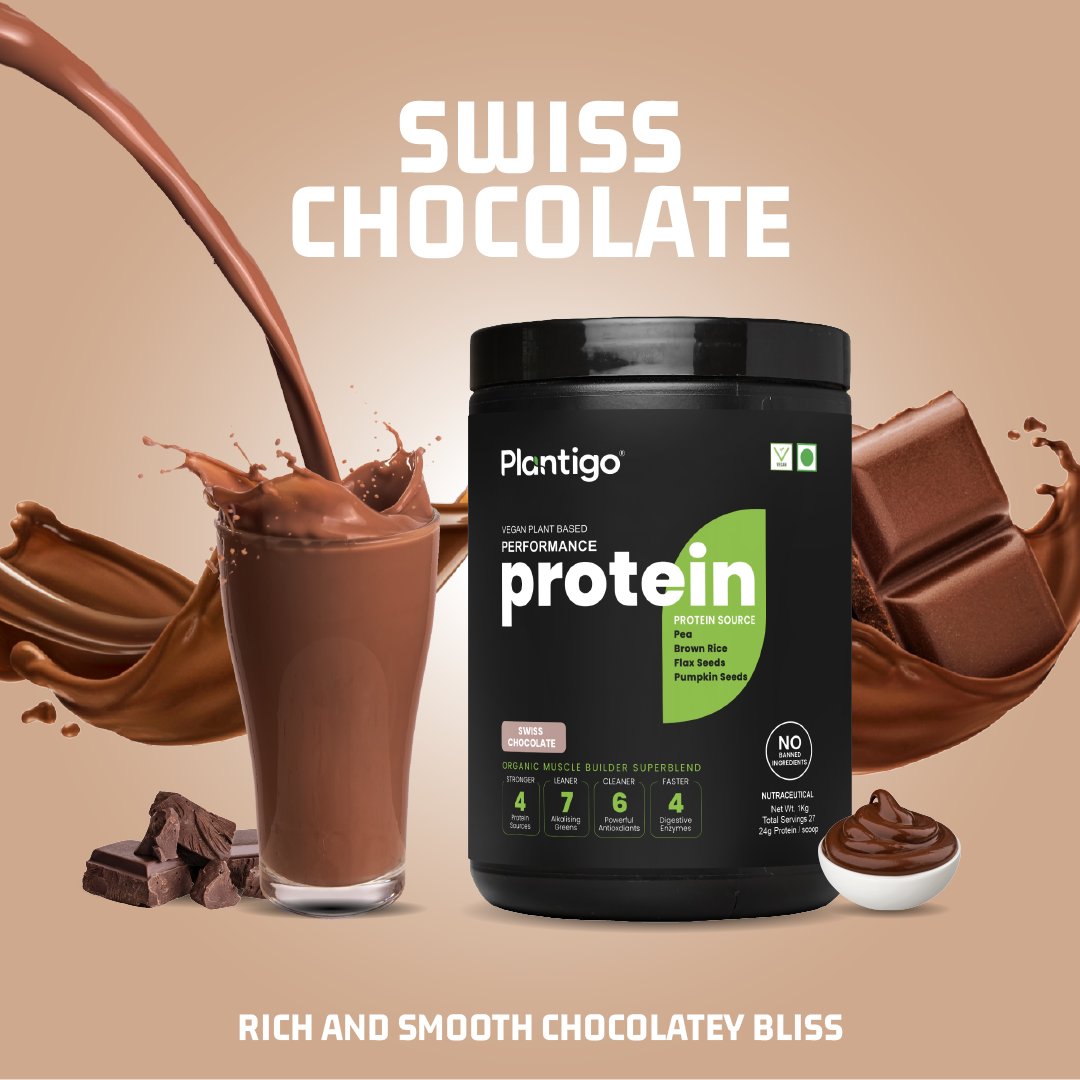
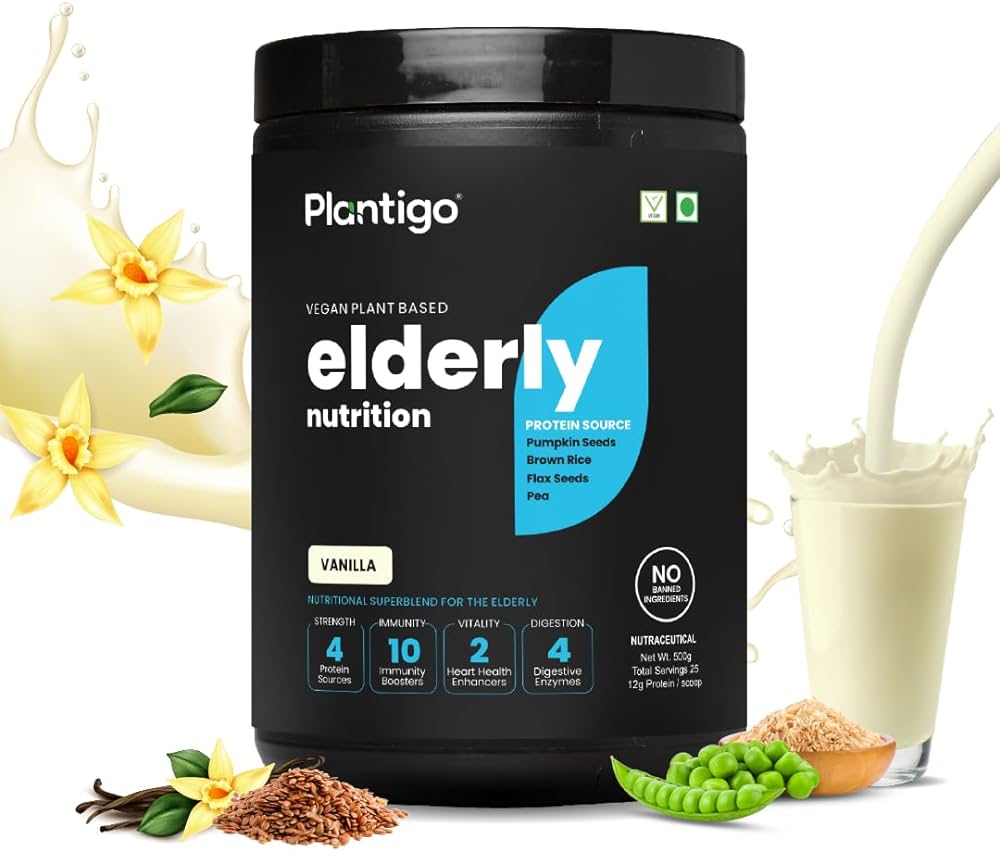
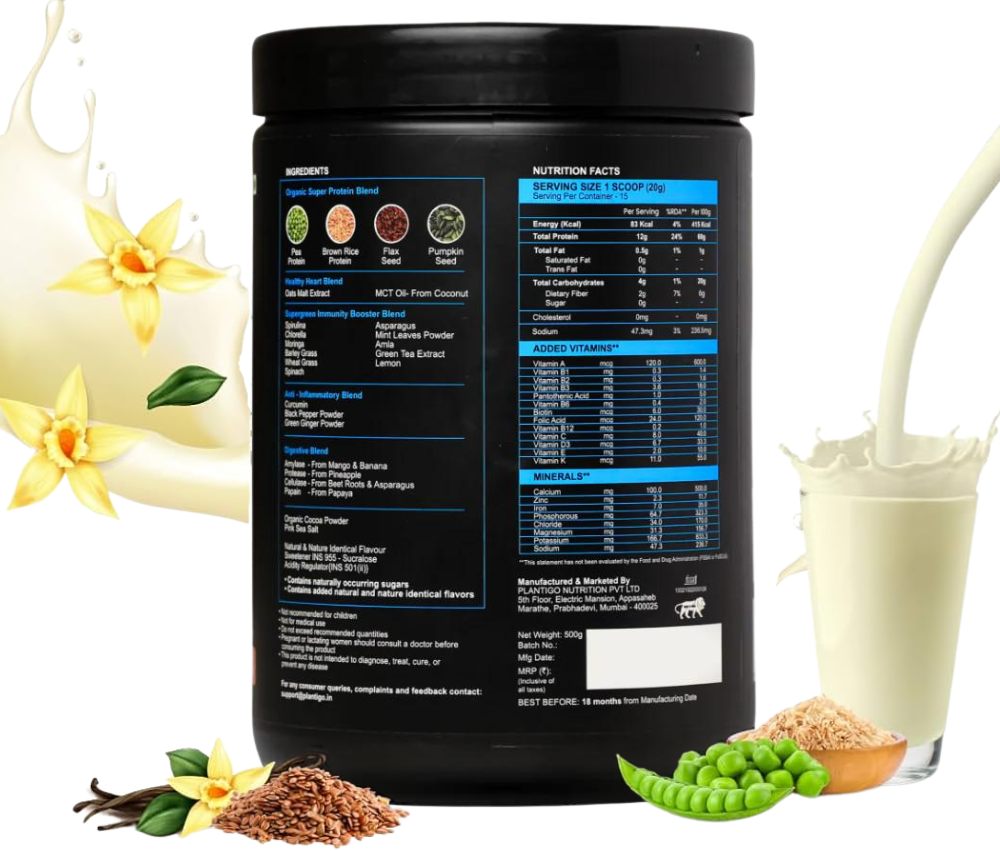
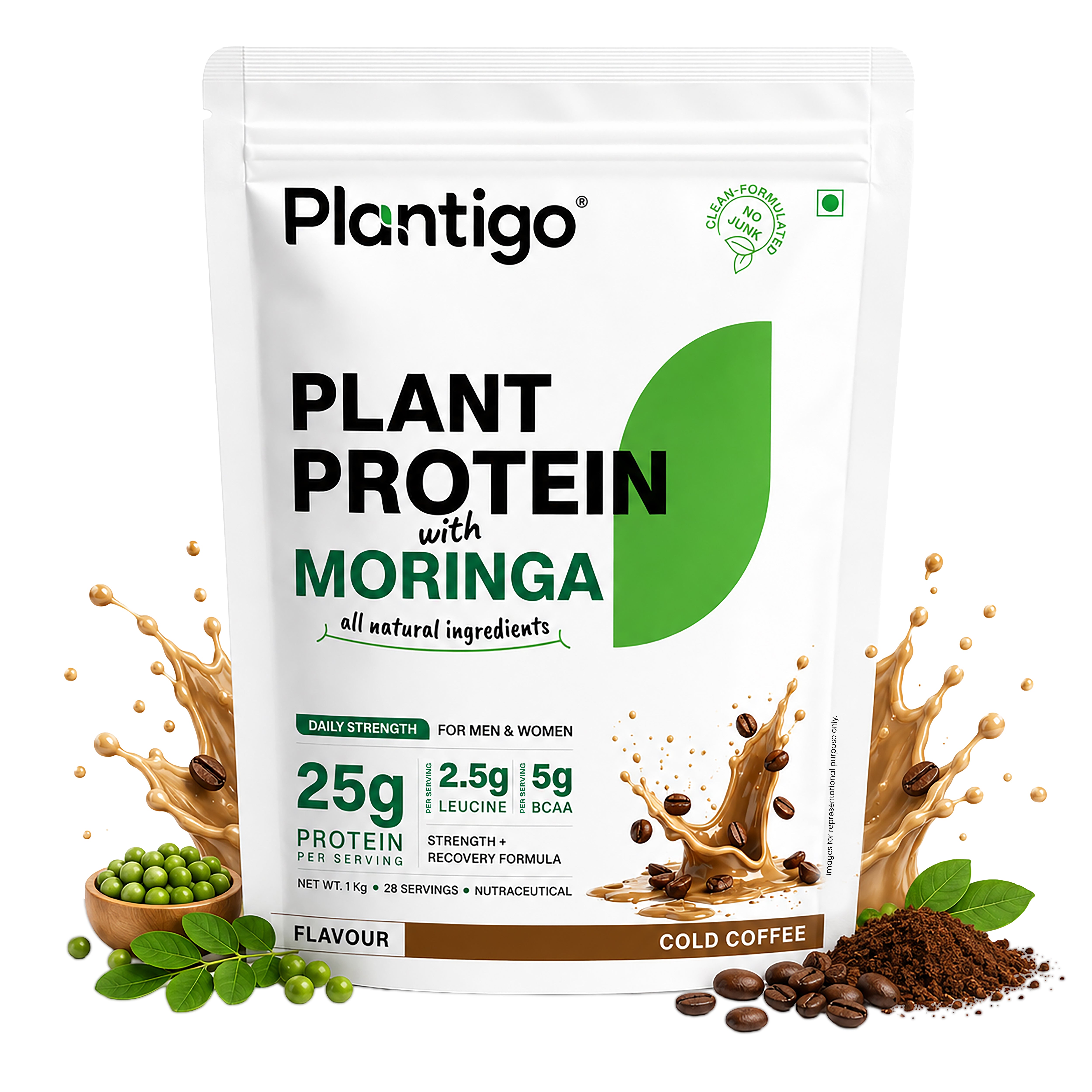
2. Multiple protein sources: If it's plant protein, look for at least pea + rice. Single-source plant protein is incomplete. Plantigo'splant protein powder for muscle gain uses four sources (pea + brown rice + flaxseed + pumpkin seed) for a complete amino profile with naturally occurring iron and omega-3.

3. No added sugar: Many beginner-targeted brands add 5–8g sugar per serving. Check for sucrose, dextrose, ormaltodextrin in the ingredients list.
4. FSSAI licence: Every protein powder sold in India must carry an FSSAI licence number. No licence = skip it entirely.
5. Digestive enzymes: Critical for beginners. Added protease or bromelain improves protein absorption by 20–30% and reduces the bloating that turns most first-time users off protein powder.
6. No proprietary blends: If the label says "proprietary blend" without individual ingredient amounts, you can't verify what you're actually getting.
For a deeper understanding of what goes into protein powder, seehow protein powder is made.
Common Beginner Mistakes to Avoid
Replacing meals with protein shakes. Protein powder supplements your diet — it doesn't replace dal, roti, vegetables, and whole foods. One scoop covers ~25% of your daily protein. The rest should come from food.
Starting with whey without testing dairy tolerance. If you've never tracked whether dairy causes bloating, start withplant protein. Switching to whey later is easy. Dealing with weeks of bloating as a beginner is discouraging.
Buying based on influencer recommendations. Most protein brands in India pay influencers per post. Look at the label, not the endorsement. Check protein per 100g, source quality, and FSSAI certification.
Taking too much too soon. Your kidneys and digestive system need time to adjust to concentrated protein. Start with half a scoop and build up over 2–4 weeks.
Ignoring whole food protein. Pair your protein powder withiron-rich Indian foods and protein-rich meals across the day. A shake plus a carb-heavy diet won't deliver results.
Protein Powder for Beginners: By Goal
|
Your Goal |
What to Start With |
Daily Protein Target |
|
General health |
20g plant protein, 1 scoop/day |
0.8g/kg body weight |
|
Gym / muscle building |
24g+ plant or whey, 1–2 scoops/day |
1.2–1.6g/kg body weight |
|
Weight loss |
High protein-to-calorie ratio, no sugar |
1.0–1.2g/kg body weight |
|
Vegetarian protein gap |
Multi-source plant blend, 1 scoop/day |
1.0g/kg body weight |
|
Seniors (50+) |
Gentle formula, 12–15g/serving,superfoods |
1.0–1.2g/kg body weight |
For specific brand recommendations, see ourbest plant protein powders in India ranking.
Conclusion
The best protein powder for beginners isn't the most popular one — it's the one your body tolerates, that delivers complete amino acids, and that you'll actually take consistently. For most Indian beginners, a multi-sourceplant protein blend is the safest starting point — it matches whey for muscle building, skips the lactose that causes bloating in over half the population, and doesn't require you to test dairy tolerance before you start. Begin with half a scoop, build up over a month, pair it with whole foods, and the results will follow.
Frequently Asked Questions
1. Which protein powder is best for beginners in India?
A multi-source plant protein blend (pea + rice + seeds) with 20–25g protein, no added sugar, and digestive enzymes is the safest starting point. It's lactose-free and gentle on digestion for first-time users.
2. Can beginners take protein powder without working out?
Yes. Protein powder supplements dietary protein regardless of exercise. However, combining it with basic resistance training delivers significantly better results for body composition and strength.
3. Is protein powder safe for beginners?
Yes, when taken at recommended doses (20–25g per serving, 1–2 scoops daily). Start with half a scoop for two weeks to adjust, and choose only FSSAI-certified products.
4. Should beginners choose plant protein or whey?
Plant protein is safer for beginners — no lactose, no bloating risk, and identical muscle synthesis to whey (AJCN, 2024). Switch to whey only if you tolerate dairy and prefer the taste.
5. How many scoops of protein powder should a beginner take?
Start with half a scoop daily for 1–2 weeks, then move to one full scoop (20–25g protein). Most beginners don't need more than one scoop — use aprotein calculator to find your target.
6. What side effects should beginners expect from protein powder?
Mild bloating or gas in the first week is normal — choose formulas with digestive enzymes (protease, bromelain) to minimise this. Persistent bloating usually means lactose intolerance — switch to plant protein.
External links used:


%20%E2%80%94%20it's%20lactose-free,%20gentle%20on%20digestion,%20delivers%20complete%20a...)