
By Aaryan | Last updated: September 2026
The best plant based protein powder in India delivers 20–25g of complete protein per serving from multiple sources (pea + rice + seeds), contains no added sugar, and is third-party tested for heavy metals. A single-source plant protein is incomplete — only blends match whey's amino acid profile. With over 60% of Indian adults being lactose intolerant (Indian J Med Res, 2018),plant protein is the safer daily choice over whey for most buyers.
6 Things to Check Before Buying Plant Based Protein Powder
Most plant protein powders in India fail on at least one of these six criteria. Check every one before you buy — skipping even one can mean wasted money or incomplete nutrition.
1. Protein Per Serving: 20–25g Is the Sweet Spot
Anything under 15g per serving won't meaningfully close the protein gap for Indian adults consuming 30–50g daily against a recommended 55–80g. But going over 30g in a single serving offers no additional muscle synthesis benefit — the body maxes out at 25–30g per meal (AJCN, 2024).
How to verify: Divide protein per 100g by the serving size in grams. If the label says 24g protein per 30g serving, that's 80g protein per 100g — a legitimate isolate-grade number. If the math doesn't add up, the protein count may be inflated throughspiking.
2. Multiple Protein Sources: Why Single-Source Fails
Single-sourcepea protein is low in methionine. Single-source rice protein is low in lysine. Neither qualifies as a complete protein on its own.
A pea + rice + seed blend creates a complete amino acid profile with a PDCAAS score comparable to whey (J Nutr, 2012). PDCAAS (Protein Digestibility Corrected Amino Acid Score) is the WHO-approved measure of protein quality — 1.0 is the highest score. Whey scores 1.0. A well-formulated pea-rice blend scores 0.89–0.93, while pea alone scores only 0.6–0.7.

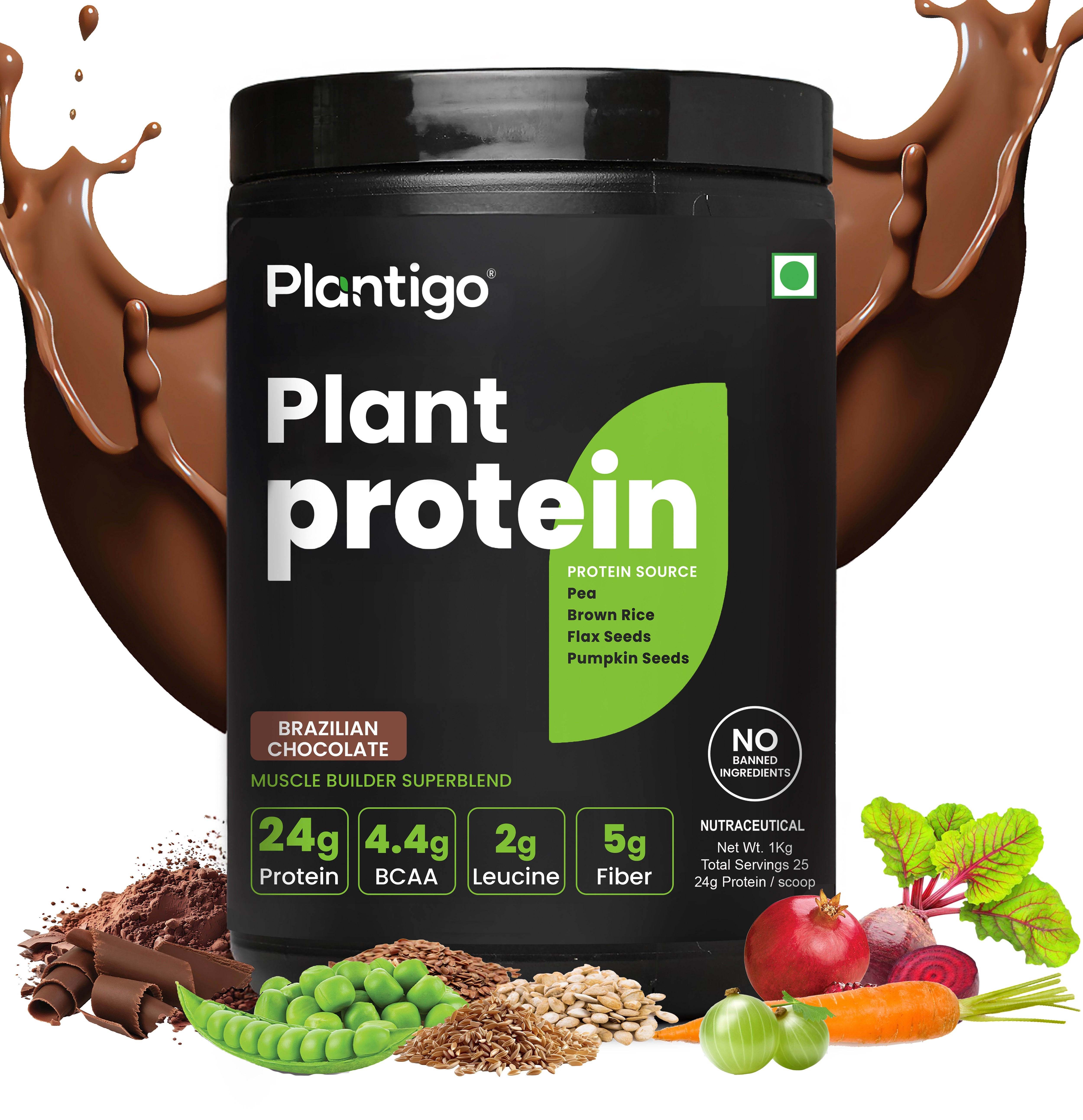
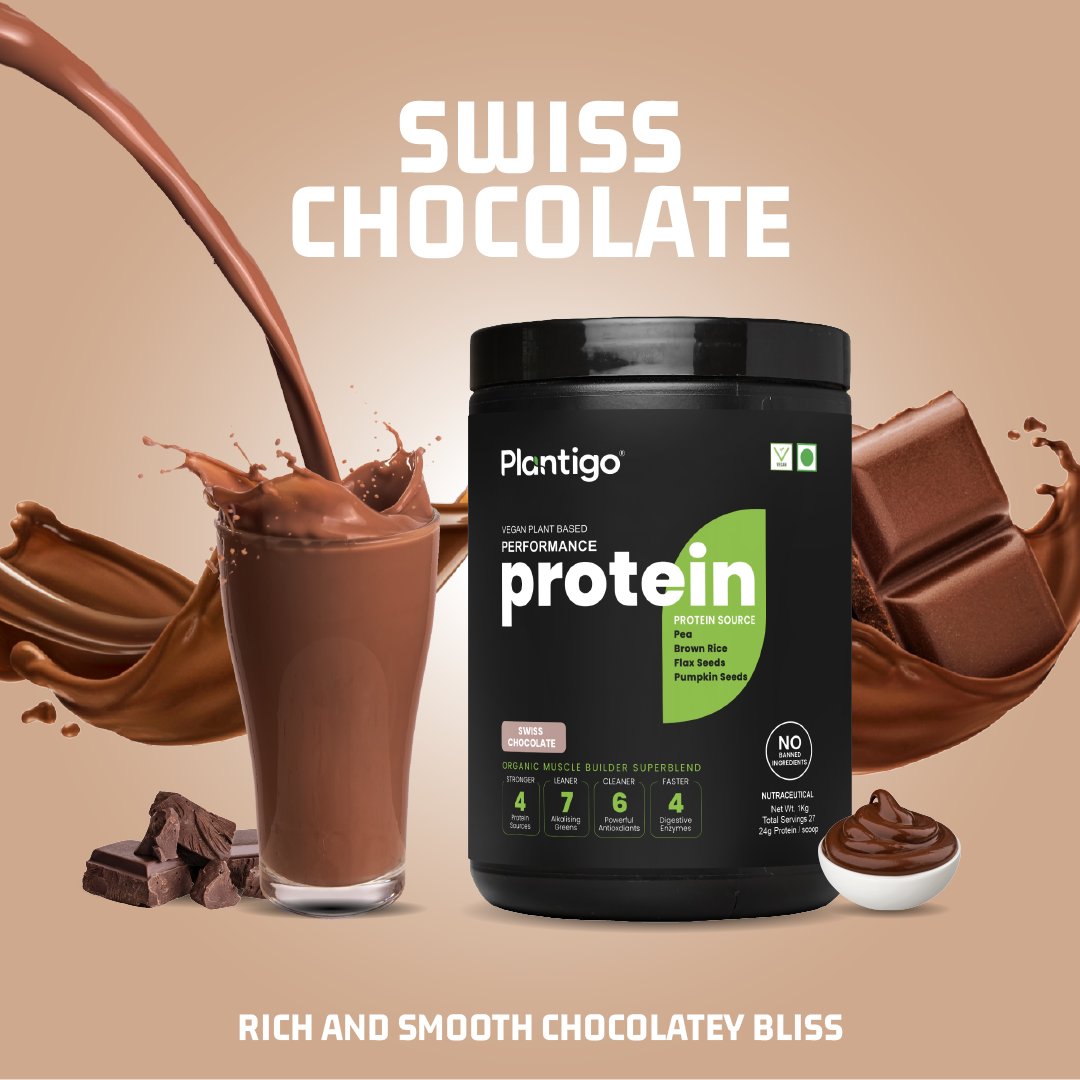
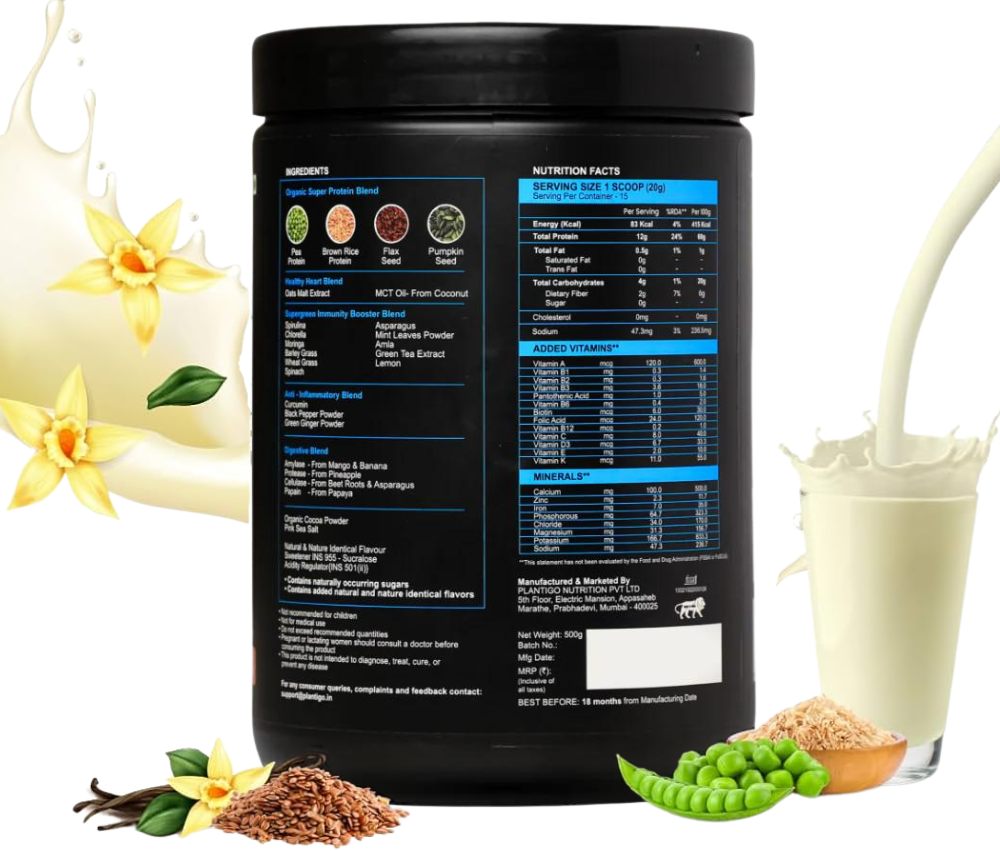
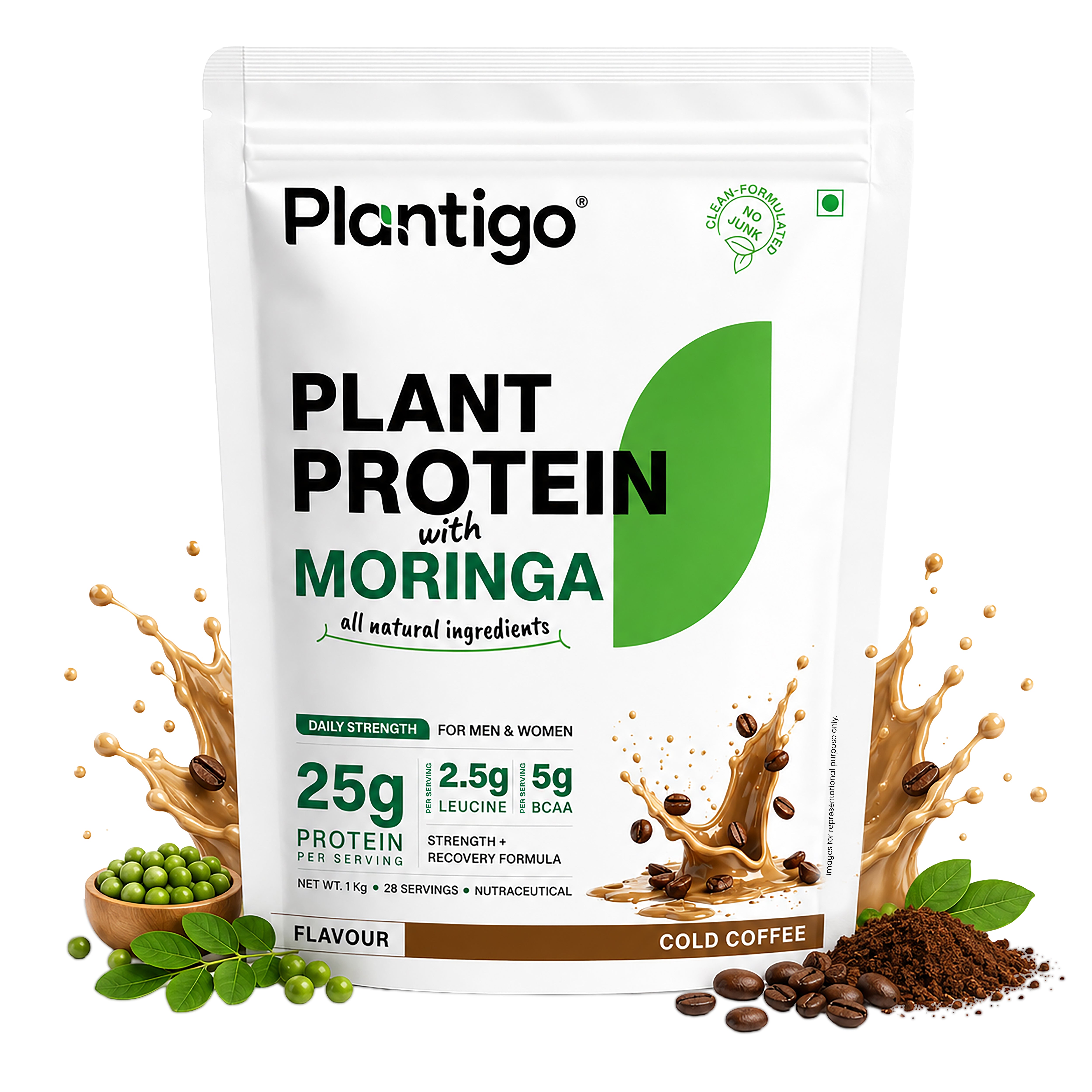
What to look for on the label: At least two complementary plant sources. The gold standard is three or four sources — pea for lysine, rice for methionine, and seeds (pumpkin, flax, chia) for micronutrients that isolates strip out. For example, Plantigo'splant protein powder for muscle gain uses a four-source blend (pea + brown rice + flaxseed + pumpkin seed) delivering naturally occurring iron, magnesium, and omega-3 alongside complete aminos.
3. No Added Sugar: The Hidden Saboteur
Many Indian brands add 5–8g of sugar per serving to mask the earthy taste of plant protein. At two servings daily, that's 10–16g of hidden sugar — defeating the purpose for anyone using protein for weight management or blood sugar control.
Red flags: Sucrose, dextrose, maltodextrin, corn syrup solids, or "natural cane sugar" in the ingredients list. These are all sugar by another name.
Acceptable sweeteners: Stevia or monk fruit extract. These provide sweetness without calories, blood sugar spikes, or the gut microbiome disruption linked to artificial sweeteners like sucralose and acesulfame-K.
4. Third-Party Testing for Heavy Metals
Plant proteins absorb heavy metals from soil — lead, arsenic, cadmium, and mercury accumulate in pea and rice crops. A 2020 Clean Label Project study found detectable levels of heavy metals in 75% of plant protein powders tested globally.
What to check:
-
FSSAI licence number (mandatory for any protein powder sold in India)
-
NABL-accredited lab reports for heavy metals
-
Non-GMO certification (indicates supply chain traceability)
-
Batch-level test reports (best brands publish these per batch, not just per product)
Without third-party testing, you're trusting the brand's word. A missing FSSAI licence is an automatic disqualifier — regardless of brand reputation or influencer endorsements.
5. No Proprietary Blends
If the label says "proprietary blend" followed by a combined weight without listing individual ingredient amounts, you cannot verify protein quality or source ratios.
A label reading "Proprietary Protein Blend (Pea Protein, Rice Protein, Soy Protein) — 30g" tells you nothing about how much of each source is in the scoop. The blend could be 90% cheap soy filler and 10% pea. Transparent brands list each ingredient's quantity separately.
6. Digestive Enzymes: Critical for First-Time Users
Plant protein is structurally harder to break down than whey. Added protease enzymes improve absorption by 20–30% and significantly reduce the bloating that turns first-time users away fromplant protein.
Look for: Protease, bromelain, or papain in the ingredients list. These are the three most effective digestive enzymes for plant protein absorption. If the formula doesn't include them, you can take a separate digestive enzyme supplement — but a built-in enzyme blend is more convenient and dosed correctly for the protein content in each serving.
How to Read a Plant Protein Powder Label
Reading a protein powder label correctly takes 60 seconds and saves you from months of wasted money. Here's exactly what to check, in order:

Step 1 — Ingredients list (not the nutrition panel). Ingredients are listed by weight, highest first. The first ingredient should be a protein source (pea protein isolate, brown rice protein), not a filler, flavouring, or sweetener.
Step 2 — Protein per serving vs. protein per 100g. Do the math yourself. If the serving size is 35g and protein per serving is 24g, that's 68.5g protein per 100g. Anything below 60g per 100g for an isolate-grade product suggests fillers are diluting the protein.
Step 3 — Amino acid profile. The best labels print a full amino acid breakdown per serving. Check for leucine (should be 1.5g+ per serving for muscle synthesis), lysine (often low in rice-only protein), and methionine (often low in pea-only protein).
Step 4 — "Other ingredients" section. This is where fillers, thickeners, and artificial additives hide. Common unnecessary additions: maltodextrin (cheap carb filler), silicon dioxide (anti-caking agent in excess), artificial colours, and "natural flavours" (a catch-all that can mean anything).
Step 5 — Certifications. FSSAI licence (mandatory), NABL lab tested (important), Non-GMO (good to have), Gluten-Free (important for celiac or sensitivity). Missing FSSAI = skip the product entirely.
For a deeper understanding of what goes into protein powders and how processing affects quality, see our guide onhow protein powder is made.
Plant Protein vs Whey: What Indian Buyers Should Consider
|
Factor |
Plant Protein (Pea + Rice Blend) |
Whey Protein |
|
Lactose |
None |
Present — causes bloating in 60%+ of Indian adults |
|
Amino acid completeness |
Complete when blended (pea + rice) |
Complete from single source |
|
Muscle synthesis |
Identical to whey (AJCN, 2024) |
Gold standard, fast absorption |
|
Iron content |
Naturally present (pea, pumpkin seed) |
Minimal unless fortified |
|
Cholesterol |
Zero |
Contains some |
|
Environmental impact |
Lower water and land use |
Tied to dairy farming |
|
Allergens |
Hypoallergenic |
Dairy allergen |
|
Digestive comfort |
Gentle, rarely causes bloating |
Common bloating trigger |
|
Price range (India) |
₹799–₹1,599/500g |
₹900–₹2,500/500g |
A2024 meta-analysis in AJCN confirmed that pea protein produces identical muscle protein synthesis rates to whey — 1.59%/day for both. The source matters less than total daily protein intake and amino acid completeness. For a full breakdown, see ourplant protein vs whey comparison.
Bottom line: If you tolerate dairy, whey works. If you experience bloating, acne, or digestive discomfort with dairy — or simply want a cleaner, allergen-free option — a multi-source plant protein blend matches whey on every performance metric that matters.
What to Avoid When Buying Plant Protein in India
What Is Protein Spiking and How Do You Spot It?
Protein spiking (also called amino spiking or nitrogen spiking) is when brands add cheap free-form amino acids — taurine, glycine, creatine — to inflate the protein number on the Nutrition Facts panel. These aminos register as "protein" in standard nitrogen testing but don't contribute to muscle synthesis the way complete protein does.
How to spot it: Compare protein per serving with protein per 100g. If a 35g scoop claims 30g protein but protein per 100g is only 65g, the numbers don't add up (35g × 0.65 = 22.75g, not 30g). Also check if free-form amino acids like taurine or glycine appear in the ingredients — their nitrogen content inflates the protein reading.
Other Red Flags
Single-source formulas sold as "complete": A pea-only or rice-only powder is not complete protein, regardless of what the front label claims. Look for at least two complementary sources.
Artificial sweetener overload: Sucralose and acesulfame-K in large amounts create a chemical aftertaste and may disrupt gut bacteria. Stevia or monk fruit are cleaner alternatives.
No FSSAI licence: Every protein powder sold in India must carry an FSSAI licence number. No licence = skip it, regardless of brand reputation.
Suspiciously low prices: If a 1kg plant protein costs under ₹500, the protein content is almost certainly inflated or the raw material quality is subpar. Qualityplant protein sourcing — especially from Canadian yellow pea or European brown rice — costs more than bottom-tier commodity ingredients.
Imported products without Indian lab testing: A product tested in a US or European lab may meet those standards but hasn't been verified for Indian regulatory compliance or for heavy metal levels in India-specific supply chains.
What to Prioritise by Goal
Different goals call for different specs. Here's what to prioritise based on what you're trying to achieve:
|
Your Goal |
Prioritise These Specs |
Why It Matters |
|
Daily nutrition |
20g+ protein, complete aminos, no sugar, iron |
Covers the protein gap without excess calories |
|
Muscle building |
24g+ protein, 1.5g+ leucine, BCAAs, complete aminos |
Leucine triggers muscle protein synthesis |
|
Weight loss |
High protein-to-calorie ratio, zero sugar, low carbs |
Protein increases satiety and preserves lean mass during deficit |
|
Gut health |
Digestive enzymes, probiotics, no artificial additives |
Enzymes improve absorption; probiotics support gut microbiome |
|
Hair and skin |
Iron, omega-3, complete aminos (cysteine + methionine) |
Keratin production needs these specific amino acids |
|
Seniors (50+) |
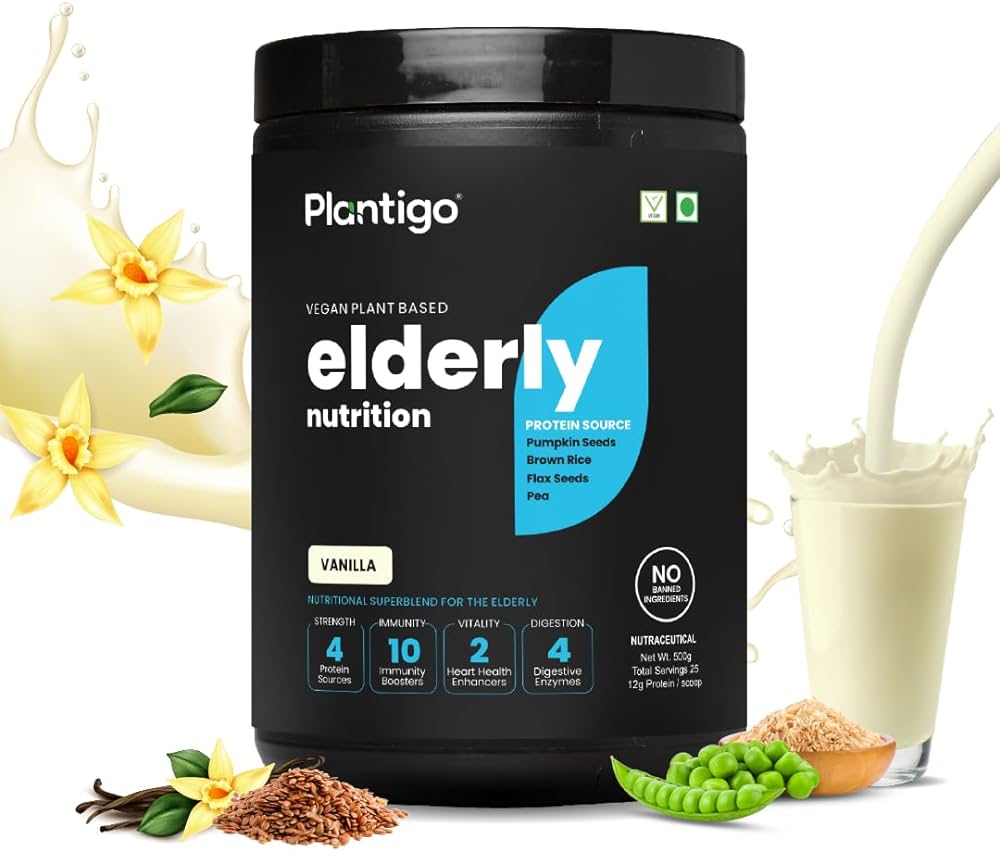
Moderate protein (12–15g), iron, gentle digestion,superfoods |
Lower per-serving dose avoids kidney strain; micronutrients matter more |
|
PCOS management |
No sugar, no dairy, anti-inflammatory ingredients |
Dairy hormones and sugar worsen insulin resistance in PCOS |
For specific brand recommendations per goal, see our11 best plant protein powders in India ranking.
How to Use Plant Based Protein Powder
Daily target: Use aprotein calculator to find your requirement. Most adults need 1.0–1.2g per kg body weight daily — for a 70kg adult, that's 70–84g from all sources.
Best time:
-
After workout — within 30–60 minutes for muscle recovery
-
Breakfast — add to smoothie or oats to front-load protein early
-
Between meals — 10 AM or 4 PM as a protein-rich snack
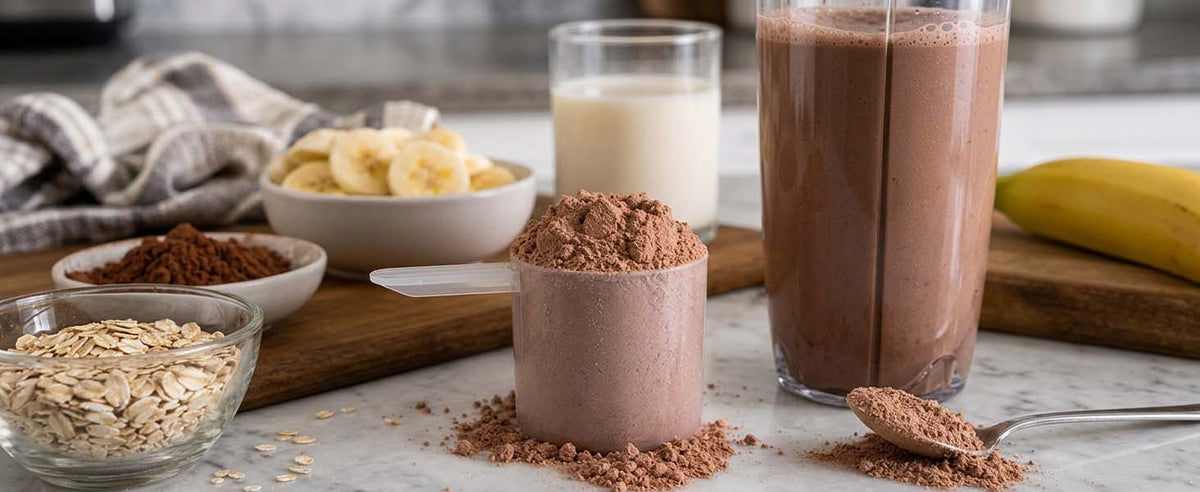
How to prepare: Mix with cold water, milk, or blend into a smoothie. Plant protein blends well with both water and plant milk. Add banana and nut butter for a complete meal replacement shake.
Pair with whole foods: A protein powder supplements your diet — it doesn't replace it. Combine withprotein-rich Indian foods — dal, paneer, sprouts, chana, rajma — across meals for the best results.
Signs You Need More Protein
Many Indians dismiss these as "normal" — they're oftensigns of protein deficiency:
-
Constant fatigue even with adequate sleep
-
Hair fall or thinning
-
Slow wound healing
-
Sugar cravings (protein stabilises blood sugar)
-
Loss of muscle tone despite exercising
-
Brittle, peeling nails
-
Frequent colds and infections
If you notice 3+ of these, increasing protein should be a priority alongside a medical check-up. Pair a quality plant protein withiron-rich Indian foods for the best recovery.
Conclusion
The best plant based protein powder isn't the most expensive one — it's the one that passes all six checks: 20–25g complete protein from multiple sources, no added sugar, third-party tested, transparent labelling, and added digestive enzymes. For most Indian adults, a multi-sourceplant protein blend (pea + rice + seeds) is the safest, most effective daily choice — it matches whey for muscle building, costs less, and doesn't trigger the bloating that dairy protein causes in over half the population. Learn the label, check the math, and the right product becomes obvious.
Frequently Asked Questions
1. What should I look for in a plant based protein powder?
Check for 20–25g protein from at least two complementary sources (pea + rice minimum), no added sugar, FSSAI certification, third-party heavy metal testing, and digestive enzymes. Avoid proprietary blends that hide ingredient ratios.
2. Is plant based protein powder as effective as whey?
Yes. A2024 AJCN study confirmed identical muscle protein synthesis rates — 1.59%/day for both pea protein and whey. Choose a multi-source blend with complete amino acids for best results.
3. How much plant protein powder should I take daily?
Most adults need 1.0–1.2g protein per kg body weight daily from all sources. One scoop (20–25g) covers roughly one-third of a 70kg adult's requirement — use aprotein calculator for your exact number.
4. Why does plant protein powder cause bloating in some people?
Usually because of low-quality single-source formulas without digestive enzymes. A multi-source blend with added protease enzymes rarely causes bloating — plant protein is lactose-free and gentler than whey for most Indian adults.
5. How do I know if a protein powder is protein-spiked?
Divide protein per serving by serving size (g), multiply by 100, and compare to the stated protein per 100g. If the numbers don't match, or taurine/glycine appear as separate ingredients, the protein count is likely inflated.
6. Is single-source pea protein powder enough?
No. Pea protein alone is low in methionine with a PDCAAS of ~0.6–0.7. You need at least a pea + rice blend for a complete amino acid profile — adding seed proteins (pumpkin, flax) further improves micronutrient content.
External links used:
-
Indian J Med Res, 2018 — lactose intolerance prevalence in India
-
AJCN, 2024 — pea vs whey muscle protein synthesis
-
J Nutr, 2012 — PDCAAS and protein quality assessment
,%20contains%20no%20added%20s...)